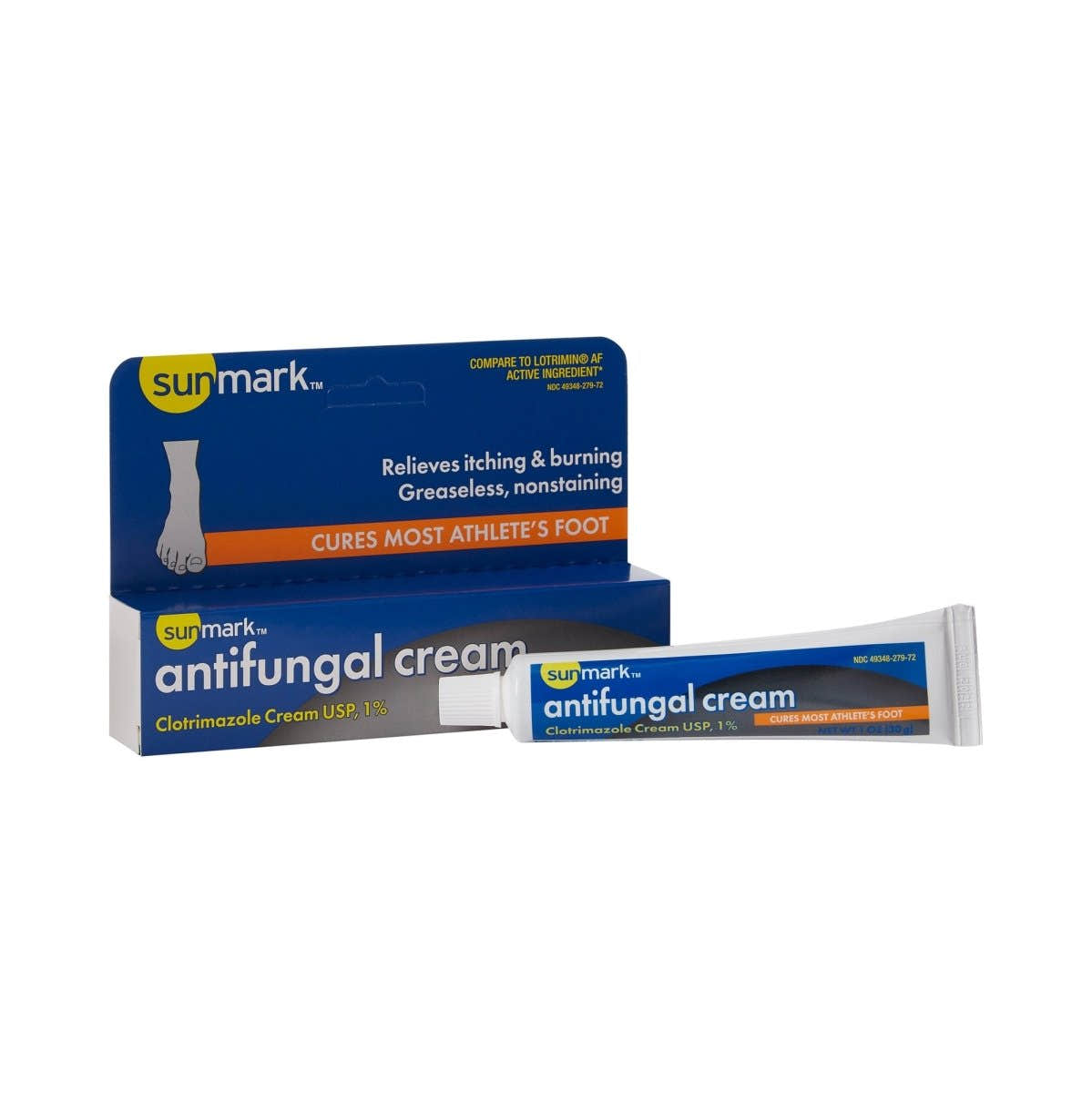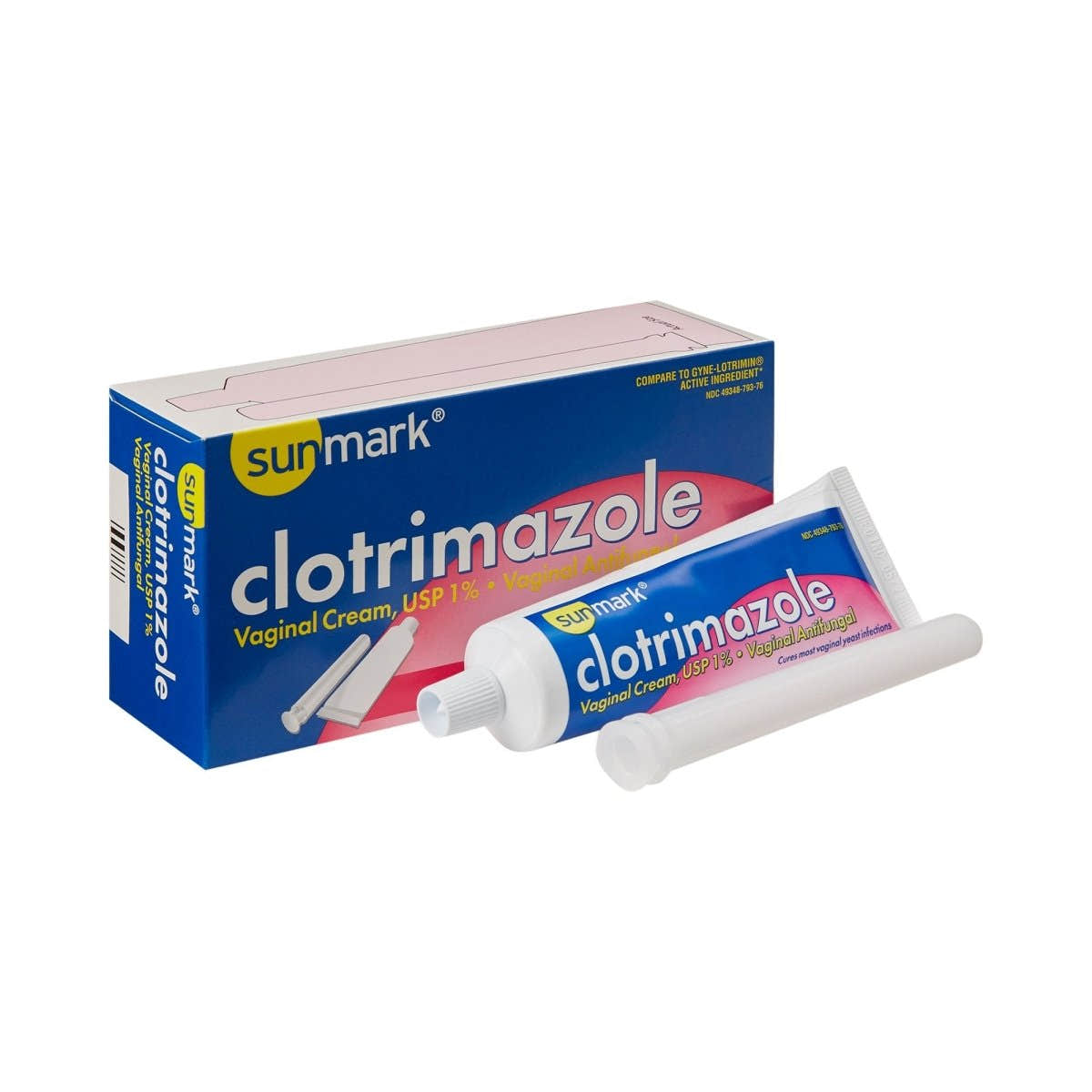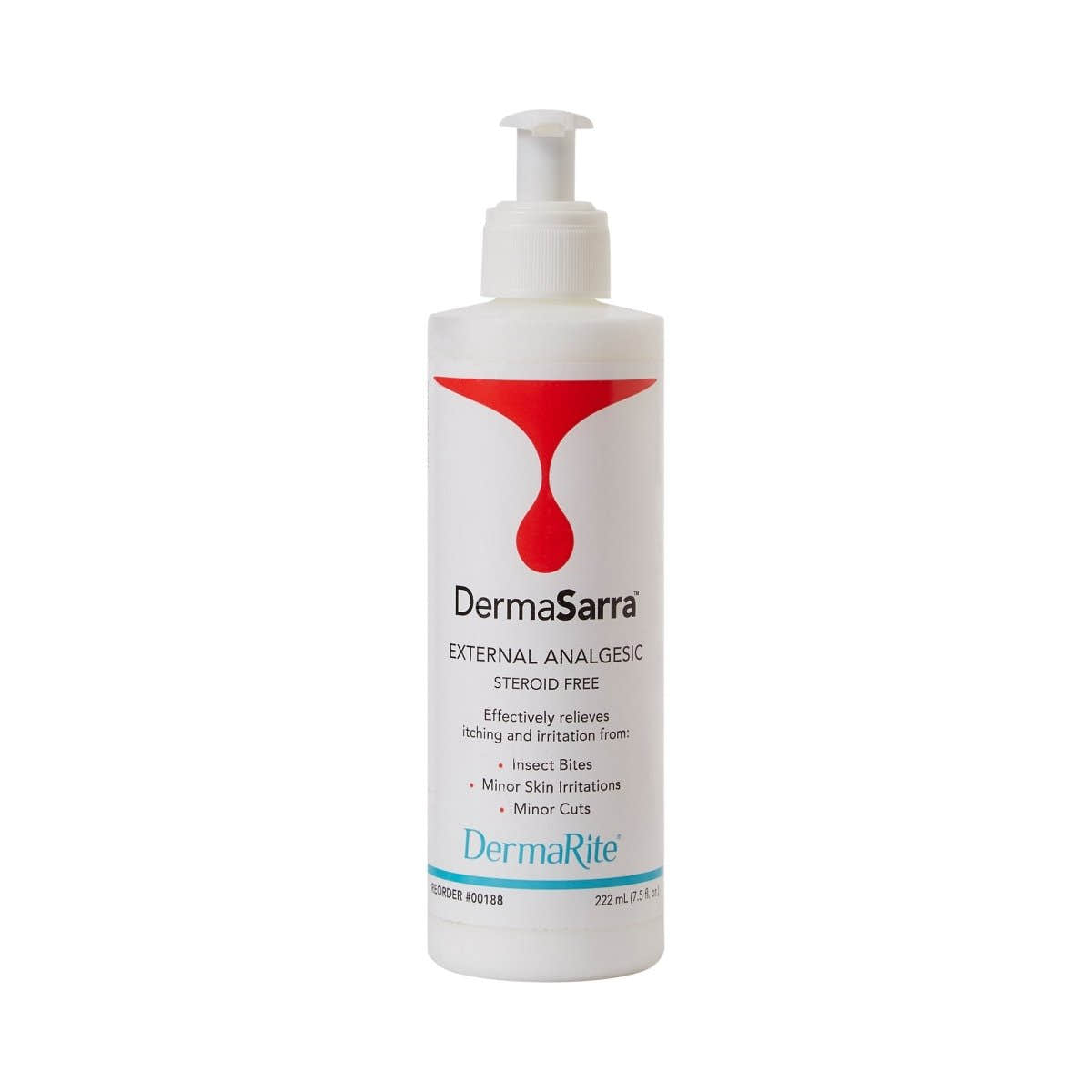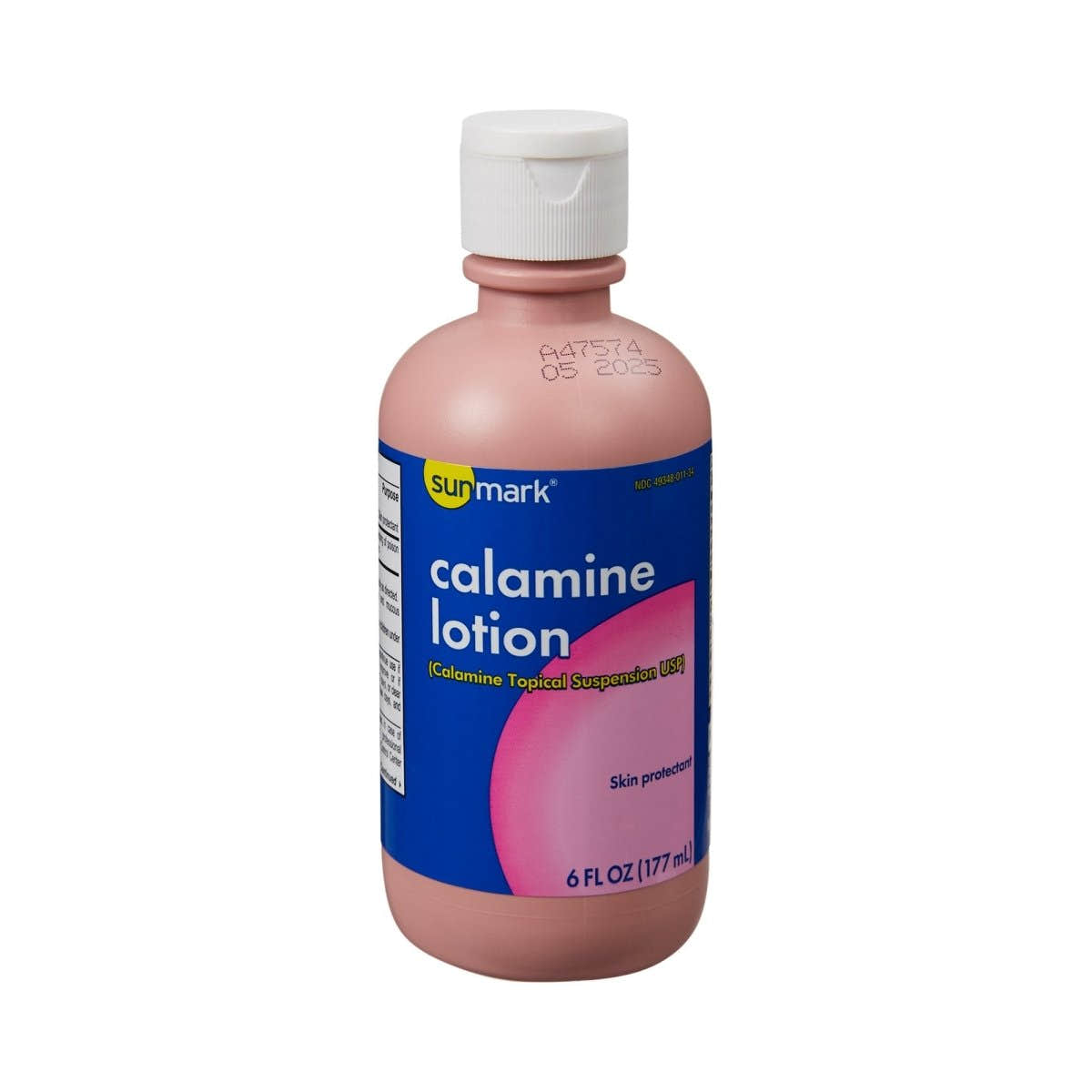
Antifungals

31 products

Showing 25 - 31 of 31 products

Antifungal Treatments for Skin, Nails, and Vaginal Health

Fungal concerns can affect different parts of the body, and the right treatment depends on where and what type of issue is being addressed. Cart Health's antifungal collection brings together a range of trusted topical treatments — from skin creams and powders to nail solutions and vaginal antifungal products — so shoppers can find a clinically recognized option that fits their specific situation.

Showing 25 - 31 of 31 products
View
Itch X Benzyl Alcohol / Pramoxine Itch Relief - 672430_EA - 1
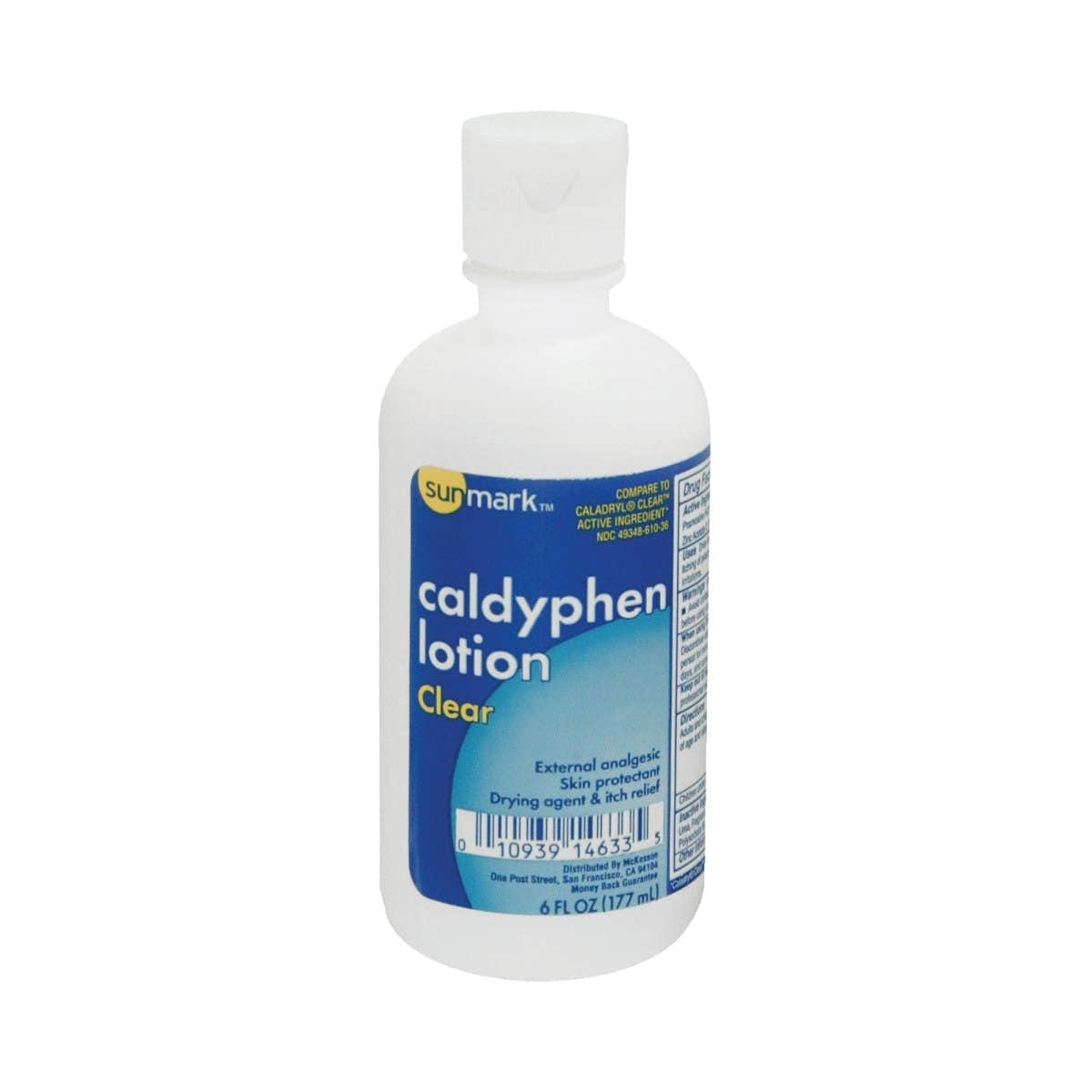
Sunmark Calamine / Zinc Oxide Itch Relief - 850077_EA - 1
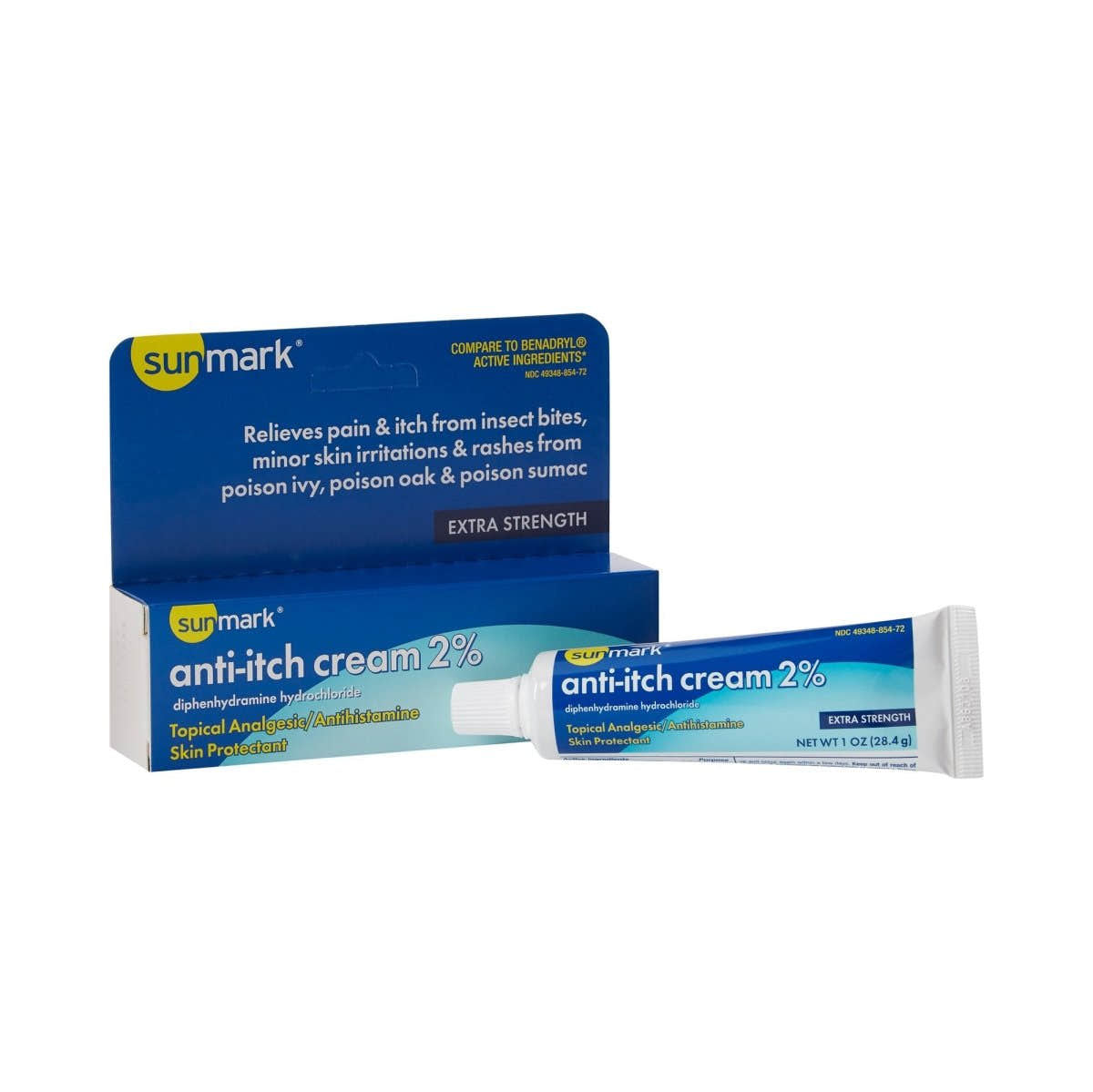
Sunmark Diphenhydramine / Zinc Acetate Itch Relief - 917182_EA - 1
Sunmark Pramoxine / Zinc Acetate Itch Relief - 931230_EA - 1
Vagisil Benzocaine / Resorcinol Itch Relief - 874136_EA - 1
Water Jel Hydrocortisone Itch Relief - 769301_BX - 1

Frequently Asked Questions about Antifungals

Antifungal treatments are used to kill or stop the growth of fungi that cause infections like athlete's foot, ringworm, jock itch, nail fungus, and vaginal yeast infections. Antifungals come in several forms including creams, powders, and solutions, each designed to target specific types of fungal infections on different areas of the body.

Antifungal creams and powders are designed for people experiencing symptoms of a fungal infection, such as itching, burning, scaling, or discoloration caused by conditions like athlete's foot, ringworm, or yeast infections. People with diabetes or weakened immune systems may be especially prone to fungal infections and can benefit from having antifungal products on hand.

Apply antifungal cream in a thin layer directly to the clean, dry affected area, typically once or twice daily as directed on the product label. Continue using the antifungal cream for the full recommended duration even if symptoms improve early, since stopping too soon can allow the infection to return.

Antifungal creams, powders, and solutions all treat fungal infections but work best in different situations — creams are ideal for localized skin infections, powders help keep moisture-prone areas dry to prevent recurrence, and solutions are typically used for hard-to-reach areas like under and around nails. Choosing the right antifungal format depends on the location and type of infection being treated.

No, antifungal treatments should generally not be applied to broken, cracked, or severely irritated skin unless a healthcare provider specifically recommends doing so. Using antifungal products on compromised skin can cause increased absorption or irritation, so it is best to consult a doctor if the affected area has open wounds or significant inflammation.

Antifungal treatments typically begin relieving symptoms like itching and burning within a few days, but clearing the infection completely can take anywhere from one week to several weeks depending on the type and severity of the fungal infection. Nail fungal infections generally take the longest to resolve and may require consistent daily treatment over several months.

Yes, certain antifungal products — particularly powders and sprays — can be used preventively to reduce the risk of recurring fungal infections in areas prone to moisture and friction, such as the feet and groin. Keeping skin clean and dry and applying antifungal powder after bathing or exercise is a common strategy for preventing athlete's foot and jock itch from returning.

Antifungal treatments should be stored at room temperature, away from direct sunlight, heat, and humidity, which means avoiding storage in bathrooms where steam and moisture can degrade the product. Always check the expiration date on antifungal creams, powders, and solutions before use, as expired products may be less effective at treating infections.

Different antifungal active ingredients like miconazole, clotrimazole, and tolnaftate each target slightly different types of fungi or work through different mechanisms, which is why multiple formulas exist on the market. Some fungal infections respond better to one ingredient than another, so having a variety of antifungal options allows people to choose the treatment best suited to their specific condition.

Recently viewed