Lubricating Gels

17 products

Showing 1 - 17 of 17 products

Premium lubricating gels offer unparalleled smoothness.

When it comes to personal care, the significance of high-quality lubricating gels cannot be overstated. Our lubricating gels are not just smoothness but an experience that transcends the ordinary. Each product in this category is a testament to our commitment to quality, safety, and satisfaction.

Showing 1 - 17 of 17 products
View
Aquagel Lubricating Jelly - 477267_BX - 1
Aquagel Lubricating Jelly
Sale priceFrom $2.99
Choose options
Aseptic Control Nonsterile Lubricating Jelly - 959506_PK - 1
Astroglide Personal Lubricant - 809793_EA - 1
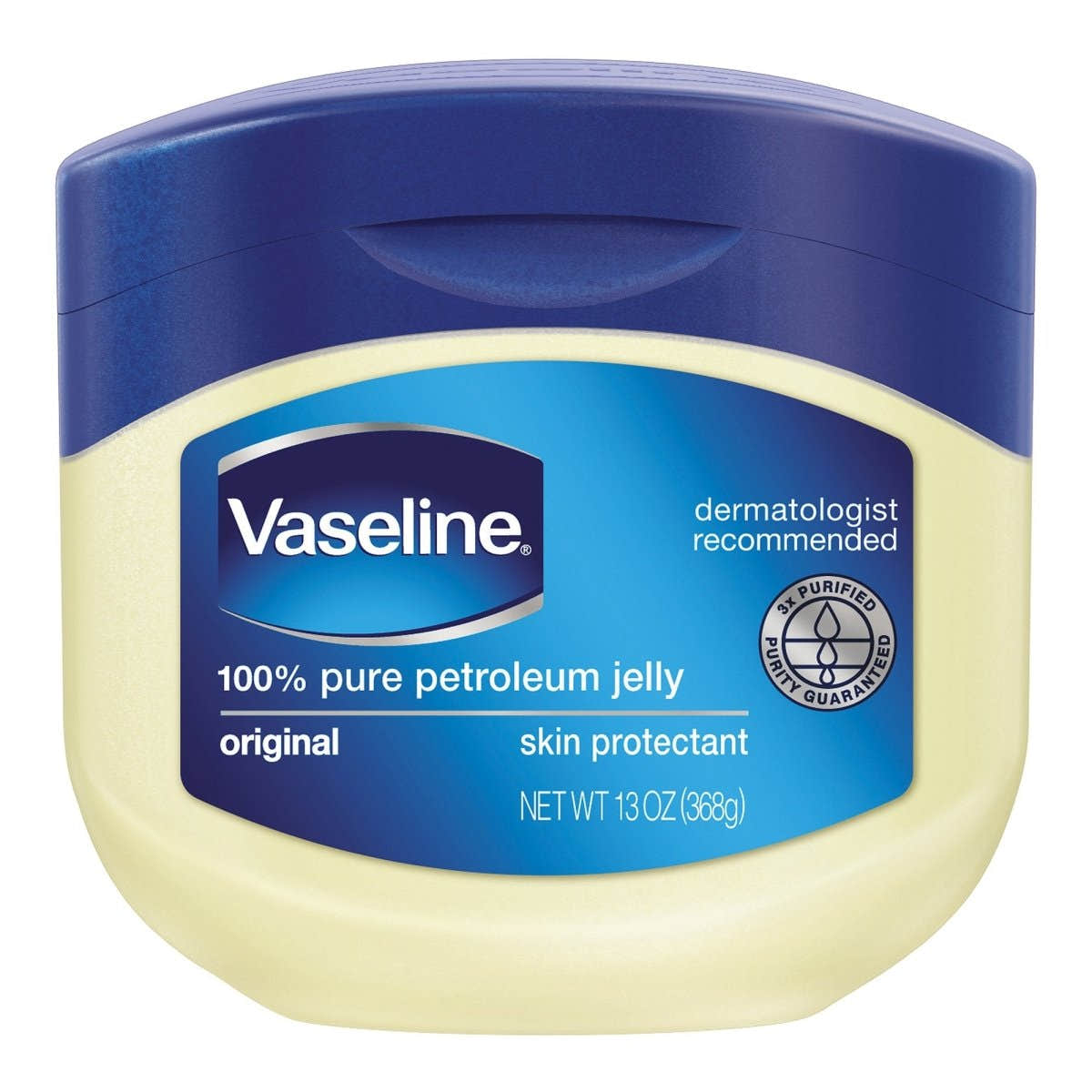
Vaseline Petroleum Jelly - 549360_EA - 1
Vaseline Petroleum Jelly
Sale priceFrom $1.99
Choose options
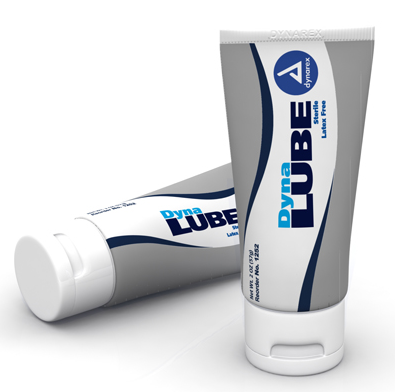
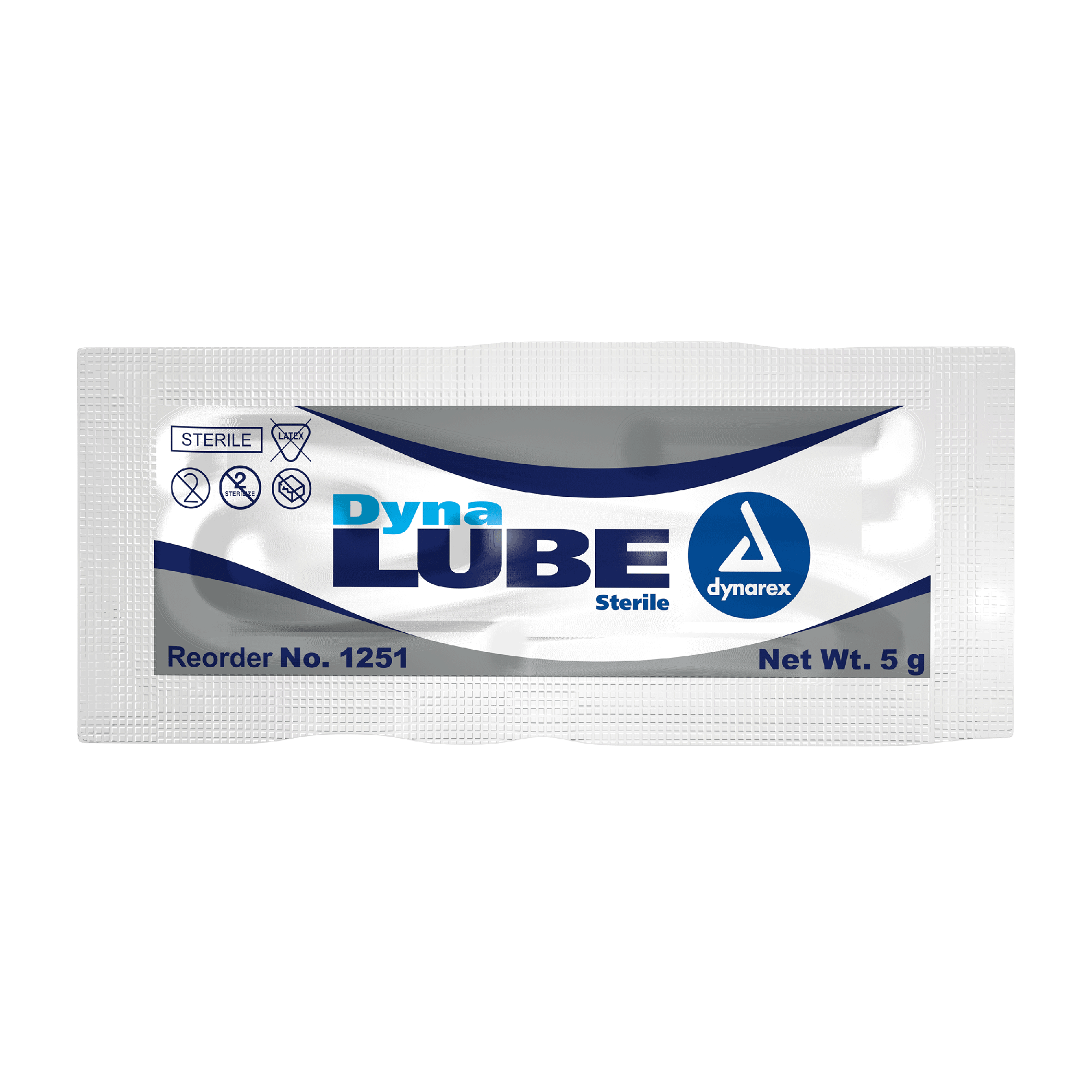
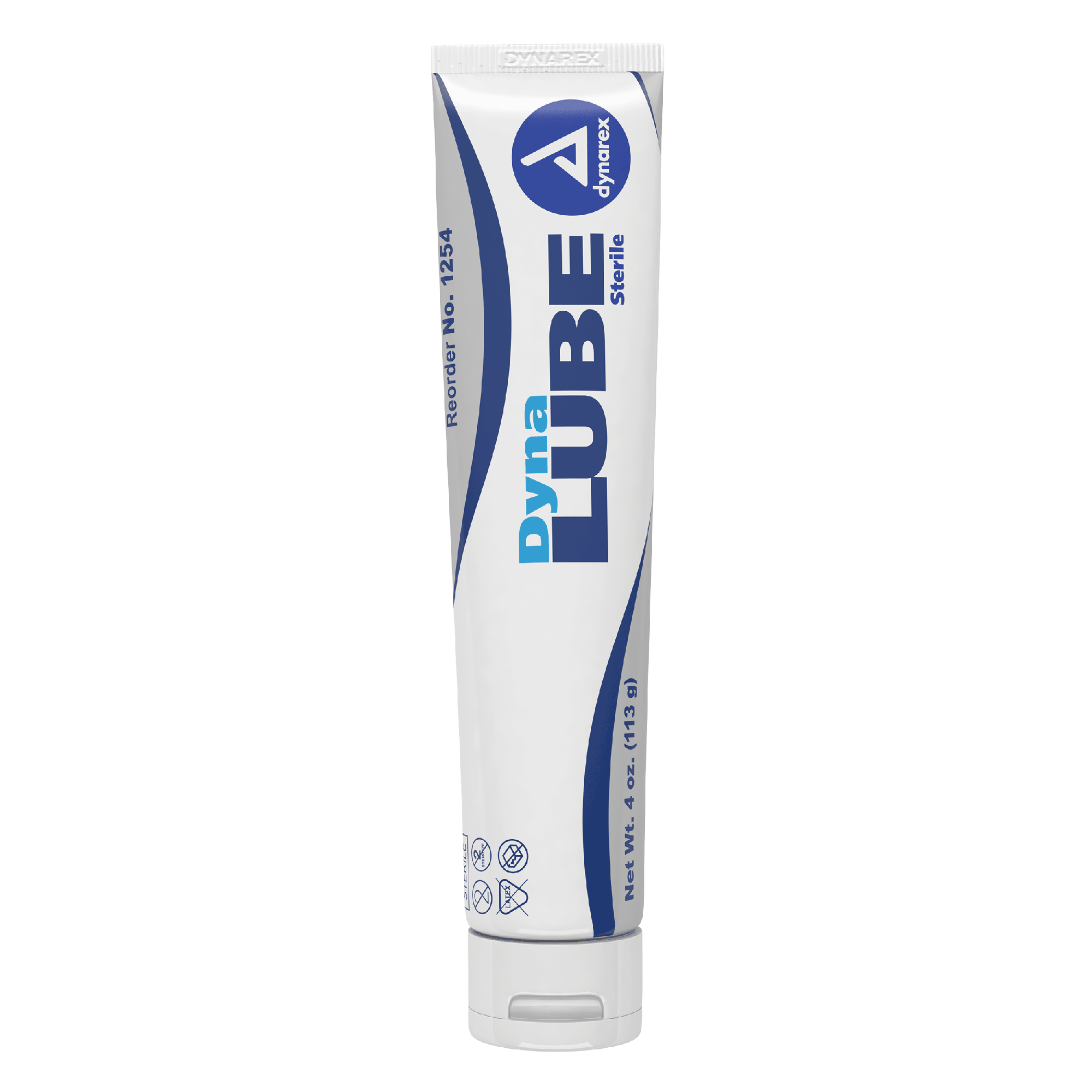
Dyna Lube Lubricating Jelly - 746741_BX - 1
Dyna Lube Lubricating Jelly
Sale priceFrom $0.99
Choose options
Dynarex Petroleum Jelly - 813838_CS - 1
Dynarex Petroleum Jelly
Sale priceFrom $2.99
Choose options
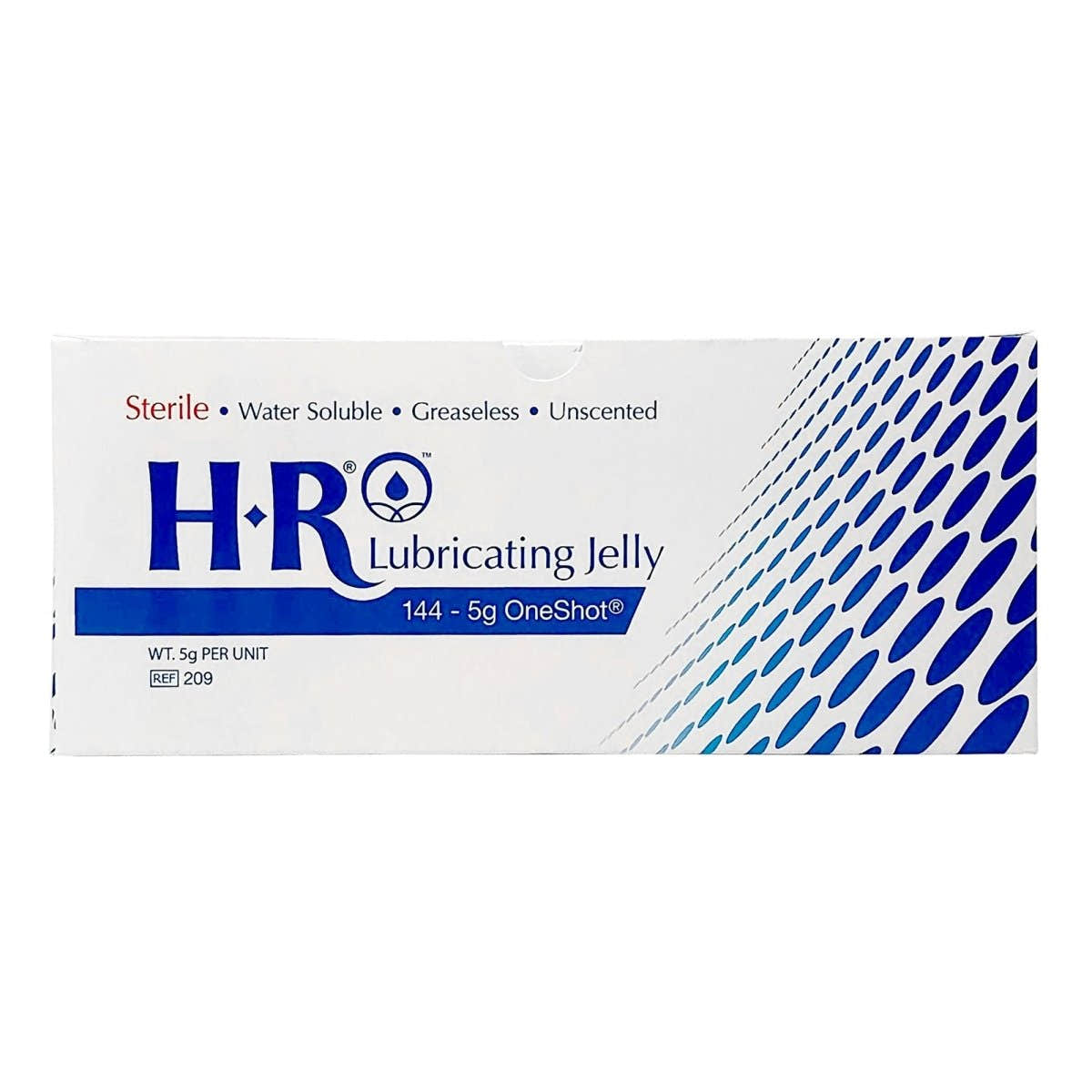
HR Lubricating Jelly - 1079280_BX - 1
HR Lubricating Jelly
Sale priceFrom $2.99
Choose options
HR One Shot Lubricating Jelly - 869211_BX - 1
HR One Shot Lubricating Jelly
Sale priceFrom $0.99
Choose options
KY Glide Personal Lubricant - 956546_EA - 1
KY Glide Personal Lubricant
Sale priceFrom $7.99
Choose options
Sunmark Petroleum Jelly - 653754_EA - 1
Sunmark Petroleum Jelly
Sale priceFrom $5.99
Wecare Petroleum Jelly - 671289_BX - 1
Wecare Petroleum Jelly
Sale priceFrom $0.99
Choose options
Aquagel Lubricating Gel - 203273_EA - 1
Aquagel Lubricating Gel
Sale priceFrom $22.99
Choose options

Frequently Asked Questions about Lubricating Gels

Lubricating gels are water-based or petroleum-based products used to reduce friction, ease discomfort, and improve comfort during medical procedures, personal care routines, or clinical applications. Lubricating gels are commonly used for catheter insertion, examinations, and general personal lubrication where dryness or friction causes irritation.

Lubricating gels and lubricating jellies are designed for patients, caregivers, and healthcare professionals who need to reduce friction during medical procedures, catheter care, or personal lubrication. Anyone experiencing dryness or discomfort during clinical or personal care routines can benefit from using a quality lubricating gel.

Apply lubricating jelly directly to the area or device that needs lubrication, using a clean applicator or gloved hand to prevent contamination. Use only the amount needed to coat the surface evenly, and reapply as necessary during longer procedures or extended use.

Lubricating jelly is typically a water-soluble, carbomer-based gel designed for medical and personal use, while petroleum jelly is an oil-based product made from petrolatum that creates a moisture barrier. Lubricating jelly rinses away easily with water, whereas petroleum jelly is thicker, longer-lasting, and not compatible with latex products.

Yes, most lubricating gels sold for medical use are formulated to be safe for use with catheters and other medical devices, though you should always confirm compatibility with the specific device manufacturer. Sterile lubricating gel options are available for procedures that require a higher level of infection control.

Yes, certain lubricating jellies are formulated and labeled for use as personal lubricants, though not all medical lubricating jellies are intended for that purpose. Always check the product labeling to confirm the intended use, and note that petroleum-based jellies are generally not recommended for use with latex condoms or internal use.

Because carbomer-free lubricating jellies are gentler for individuals who have sensitivities or allergic reactions to carbomer, a common thickening agent found in many standard lubricating gel formulas. Carbomer-free options are often preferred in clinical settings where patient skin sensitivity is a concern.

Store lubricating gels at room temperature, away from direct sunlight, heat, and humidity to preserve the formula's consistency and shelf life. Always keep caps tightly closed after use and check the expiration date printed on the packaging before using any lubricating gel or lubricating jelly.

Lubricating gels and lubricating jellies are available in a range of formats including single-use packets, small tubes, and larger bulk quantities suitable for clinical or institutional use. Choosing the right size depends on whether the product is needed for individual personal use or for high-volume medical or caregiving settings.

Yes, purchasing lubricating gel in bulk quantities typically offers a lower per-unit cost, making it a practical choice for medical offices, nursing homes, home health aides, and caregivers who use lubricating jelly regularly. Bulk packaging also helps reduce supply interruptions in high-demand clinical environments.

Recently viewed