Your privacy matters to us! By using our site, you agree to the collection and use of your Personal Information as described in our Privacy Policy.
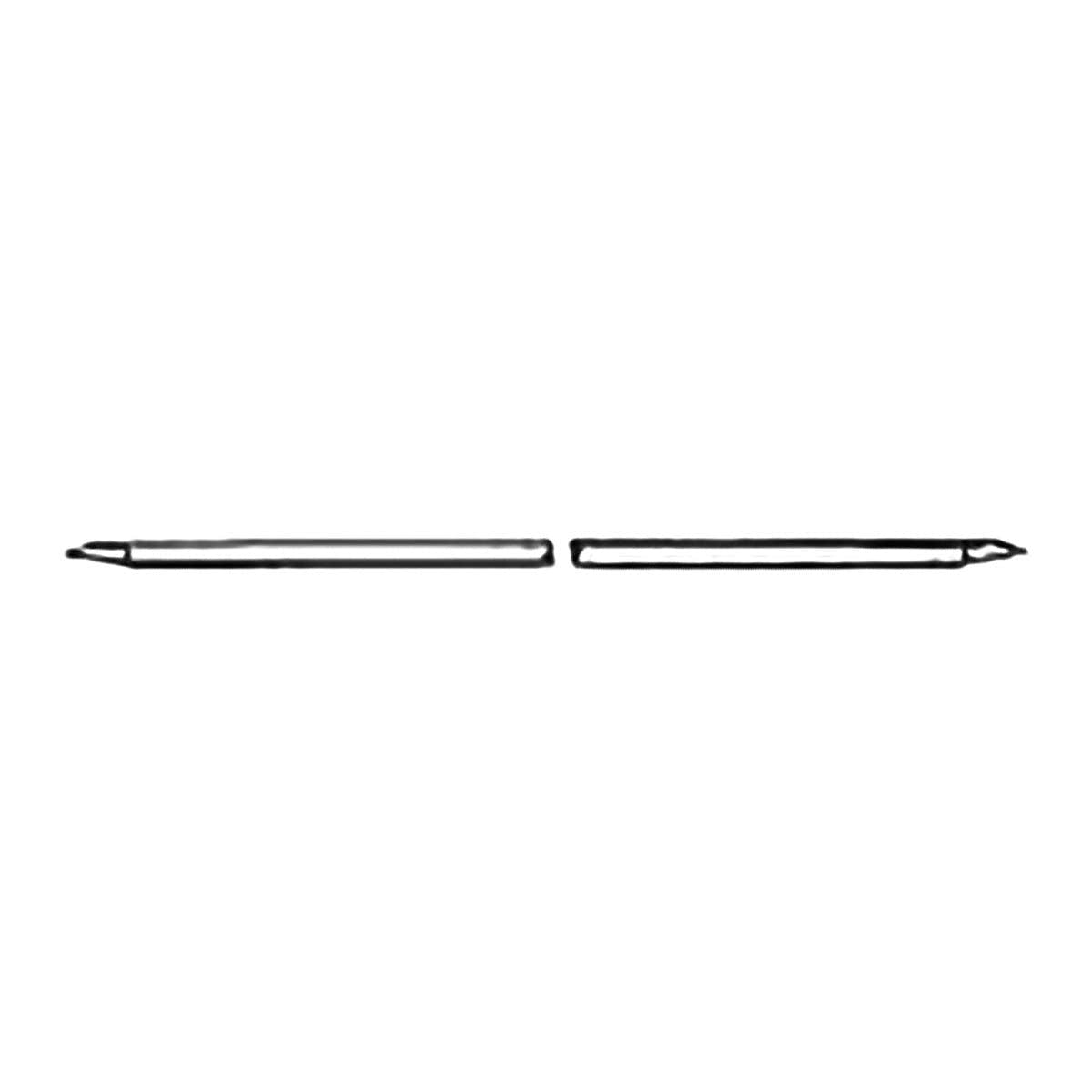
Orthopedic Wires, Pins and Implants
1 product
Showing 1 - 1 of 1 product
High-Quality Orthopedic Wires, Pins, and Implants for Swift Recovery
Accelerate Healing with Precision-Crafted Implants Subheading: Cutting-Edge Implants for Rapid Recovery
Introducing our range of high-quality orthopedic wires, pins, and implants designed to expedite your recovery journey. We understand the importance of precision and reliability when it comes to medical devices, and that's why we offer you nothing but the best.
Our cutting-edge implants are crafted with utmost precision using advanced technology and top-grade materials. Designed to seamlessly integrate with your body, these implants provide stability and support to fractured bones, allowing them to heal efficiently. With our implants, you can experience a swift recovery and regain your mobility sooner than expected.
Exceptional Strength and Durability for Long-Term Support Subheading: Strong and Durable Orthopedic Wires and Pins
When it comes to orthopedic wires and pins, strength and durability are crucial factors. We take pride in offering you orthopedic wires and pins that are engineered to withstand the demands of your body. Our products are crafted with exceptional strength, ensuring reliable fixation and support throughout the healing process.
Our orthopedic wires are manufactured using high-quality materials that are resistant to corrosion and breakage, guaranteeing longevity and reducing the risk of complications. Similarly, our pins are designed to provide secure anchorage, allowing your bones to heal optimally.
Uncompromising Quality for Peace of Mind Subheading: Trustworthy Orthopedic Solutions for Optimal Healing
At [Your Brand], we prioritize your well-being and strive to provide you with orthopedic solutions that you can trust. We adhere to rigorous quality standards and work closely with medical professionals to ensure that our products meet the highest industry benchmarks.
By choosing our orthopedic wires, pins, and implants, you are investing in your own well-being. Our commitment to quality means that you can have peace of mind knowing that you are receiving the best possible care and support during your recovery process.
Frequently Asked Questions about Orthopedic Wires, Pins and Implants
Orthopedic wires and pins are surgical implants used to stabilize fractured bones, hold bone fragments in place, and support proper alignment during the healing process. Surgeons use these devices in procedures ranging from hand and wrist repairs to larger long-bone fractures, depending on the clinical need.
Orthopedic wires and pins are designed for use by licensed orthopedic surgeons, surgical technicians, and medical professionals performing bone stabilization or fracture fixation procedures. These implants are not intended for consumer self-use and should only be handled and implanted by trained clinical staff in a proper surgical setting.
Orthopedic wires and pins work by threading through or alongside bone segments to hold fractured pieces in correct anatomical alignment while the body heals. The hardware acts as an internal scaffold, reducing movement at the fracture site so bone tissue can regenerate and fuse properly over time.
Surgeons choose the appropriate orthopedic wire or pin based on the fracture location, bone size, required load-bearing strength, and the specific fixation technique being used. Consulting the implant manufacturer's specifications and matching the device to the patient's anatomy are essential steps before any surgical fixation procedure.
Orthopedic wires are thin, flexible metal strands typically used for cerclage fixation or tension-band techniques, while orthopedic pins are stiffer, rod-like implants driven directly into bone to hold fragments in place. The choice between orthopedic wires and pins depends on the fracture pattern and the fixation method the surgeon selects.
Many orthopedic wires and pins are manufactured from materials such as stainless steel or titanium alloys that have defined MRI compatibility ratings, but compatibility varies by specific implant and manufacturer. Always verify the MRI safety classification of any orthopedic implant with the manufacturer's documentation before scheduling post-operative imaging.
Orthopedic wires and pins are most commonly made from surgical-grade stainless steel or titanium alloys, both of which offer the strength, biocompatibility, and corrosion resistance required for internal implantation. The material selected for a given implant affects its flexibility, weight, and suitability for different anatomical locations and fixation demands.
High-quality orthopedic implants are important because precise manufacturing tolerances ensure the hardware maintains stable fixation throughout the bone healing process, reducing the risk of implant failure or malunion. Poorly made implants can shift or break under load, which may require revision surgery and significantly extend a patient's recovery timeline.
Orthopedic wires and pins should be stored in a clean, dry environment within their original sterile packaging, away from moisture, extreme temperatures, and direct sunlight. Always check the expiration date on the packaging before use, as compromised sterile packaging can render an implant unsafe for surgical implantation.
Medical facilities can purchase orthopedic wires and pins through specialized medical supply distributors and online medical supply stores like Cart Health, which carry a range of orthopedic fixation implants for clinical use. Purchasing through a reputable distributor ensures products meet regulatory standards and arrive with proper documentation and intact sterile packaging.
Do you still have questions about Orthopedic Wires, Pins and Implants?
If we still haven't answered your question, you can contact us by live chat or email and we will get back to you as soon as possible.