Filters

Contraceptives

14 products

Showing 1 - 14 of 14 products

Contraceptives are designed to prevent pregnancy during intimate encounters between adults. Male condoms are a widely recognized form of contraception, available over-the-counter, meaning they can be purchased without a prescription or a medical consultation. They function as a protective barrier, capturing the male's reproductive cells to prevent them from reaching the female, thereby inhibiting the possibility of conception.

Showing 1 - 14 of 14 products
View
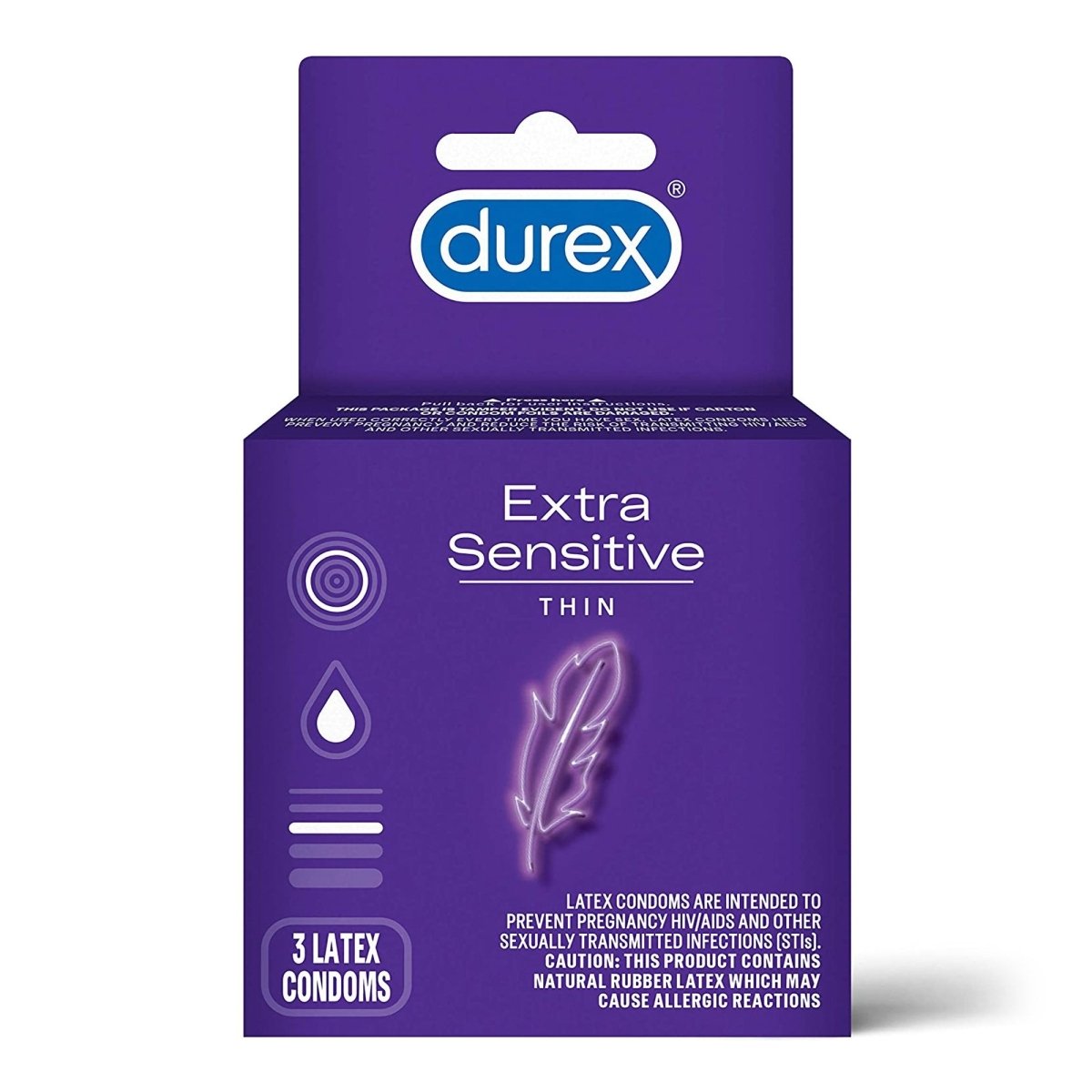
Durex Air Latex Condoms - 1231227_BX - 1
Durex Air Latex Condoms
Sale price$7.99
Lifestyles Original Condoms - 1206384_CS - 1
Lifestyles Original Condoms
Sale price$132.99
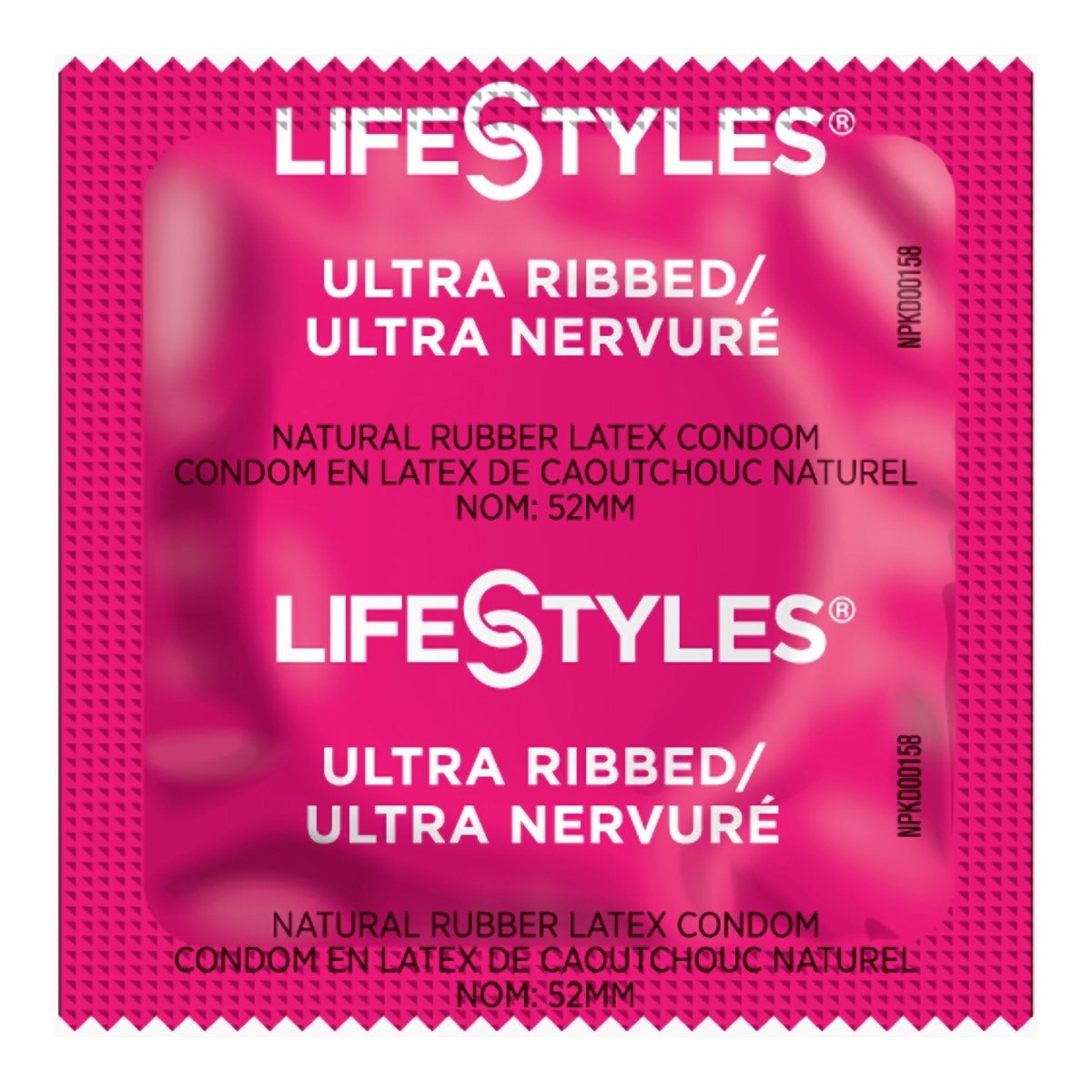
Lifestyles Ultra Ribbed Condoms - 1206386_CS - 1
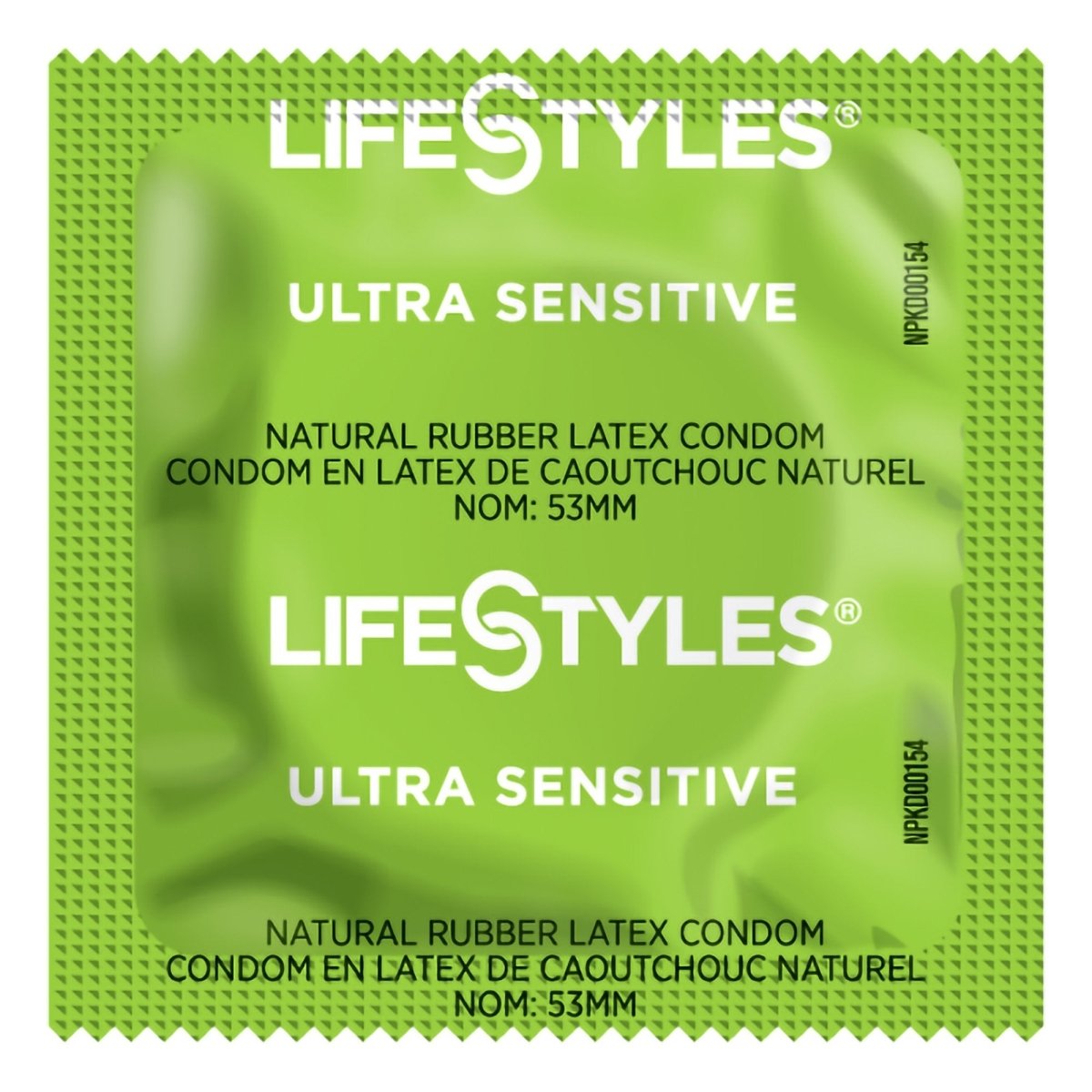
Lifestyles Ultra Sensitive Condoms - 1206381_CS - 1
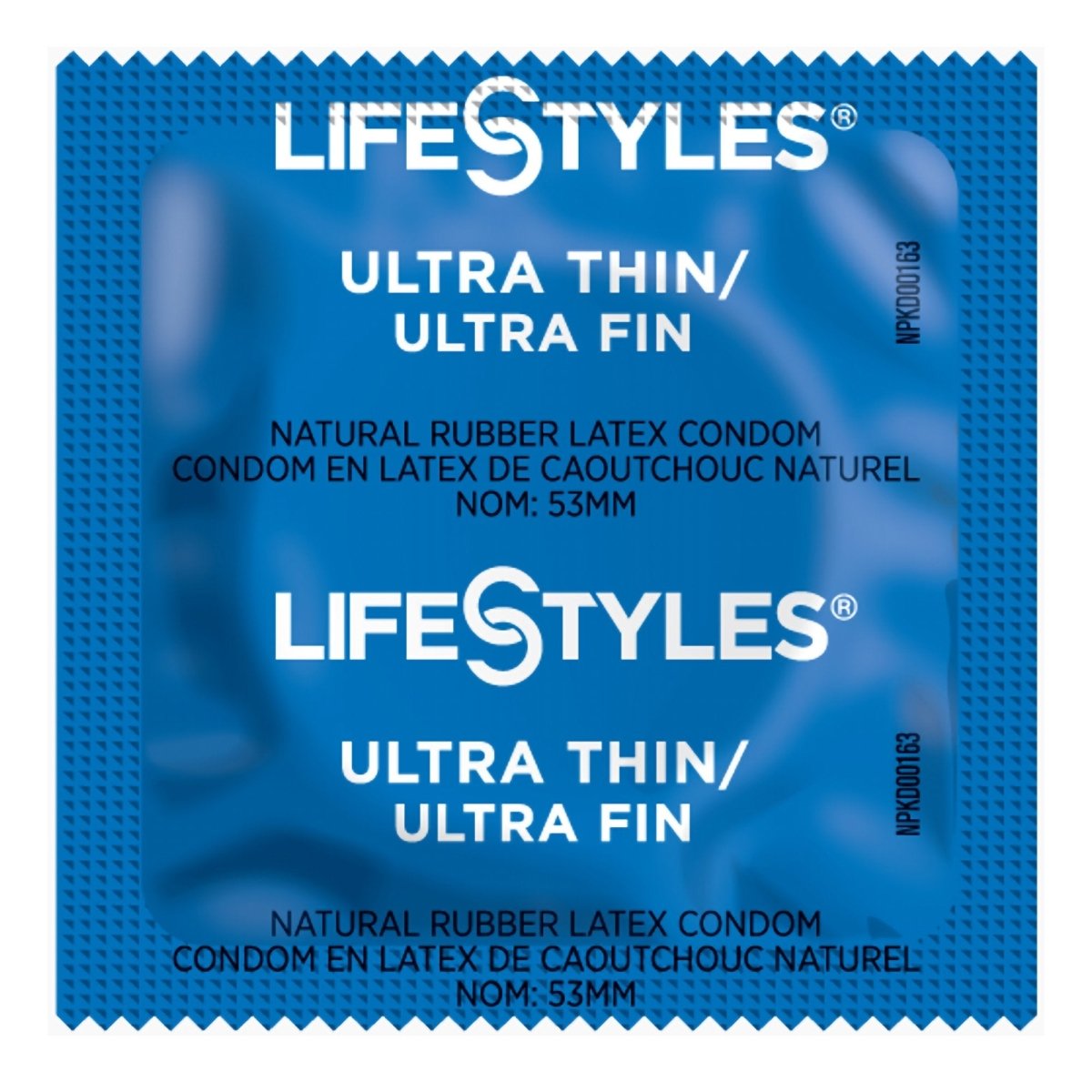
Lifestyles Ultra Thin Condoms - 1206388_CS - 1
Lifestyles Ultra Thin Condoms
Sale price$117.99
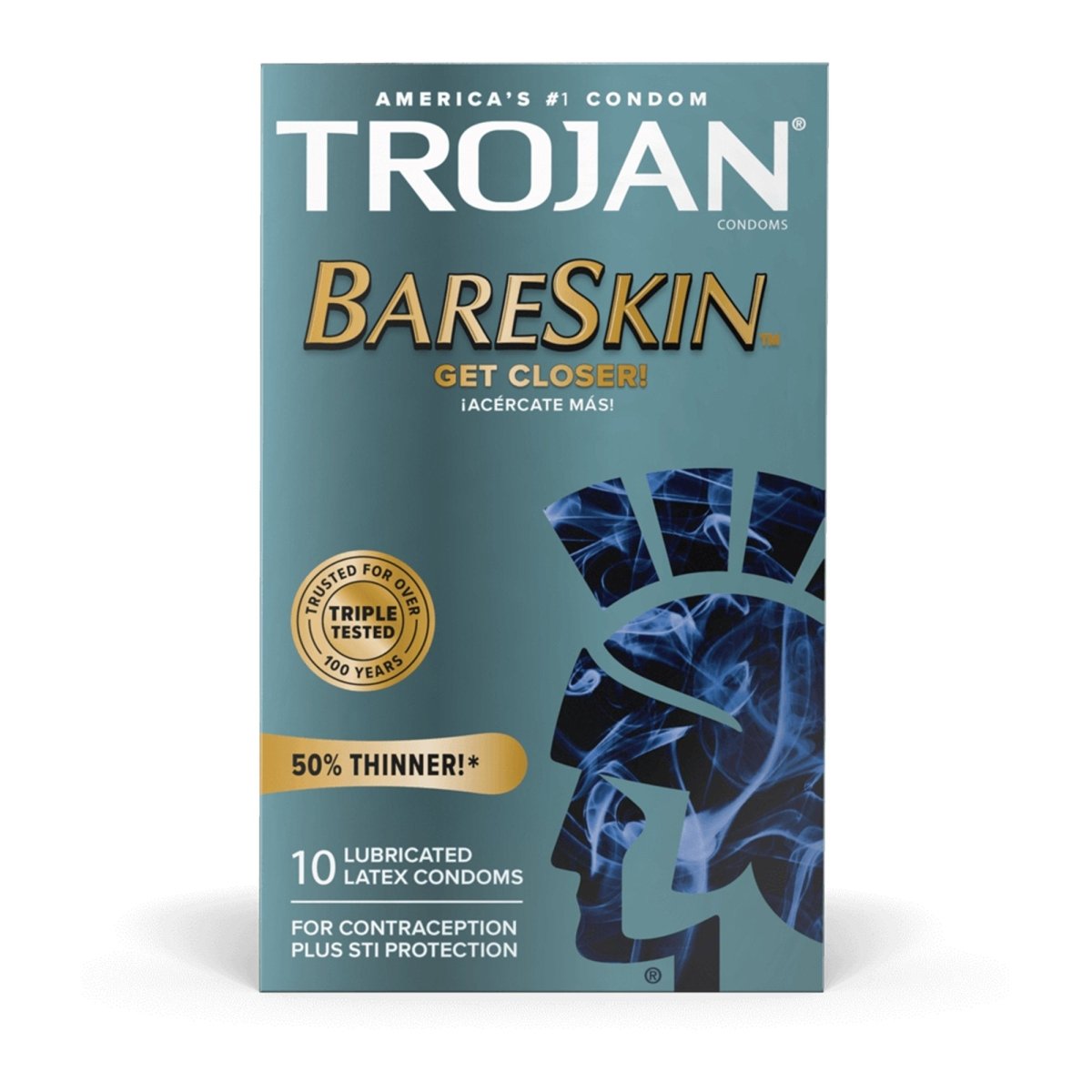
Trojan Bareskin Lubricated Latex Condom - 1193266_BX - 1
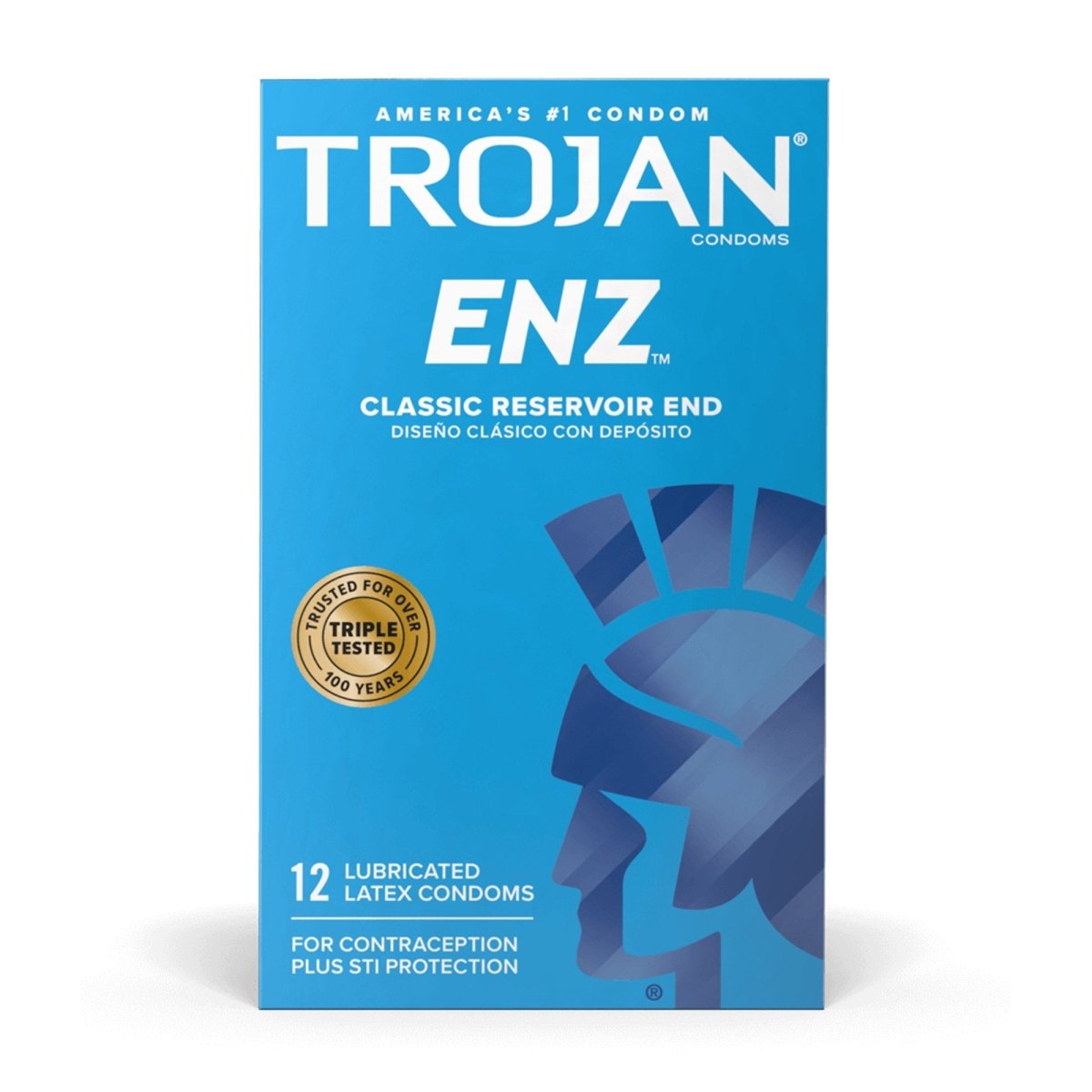
Trojan Enz Condom - 892765_BX - 1
Trojan Enz Condom
Sale price$7.99
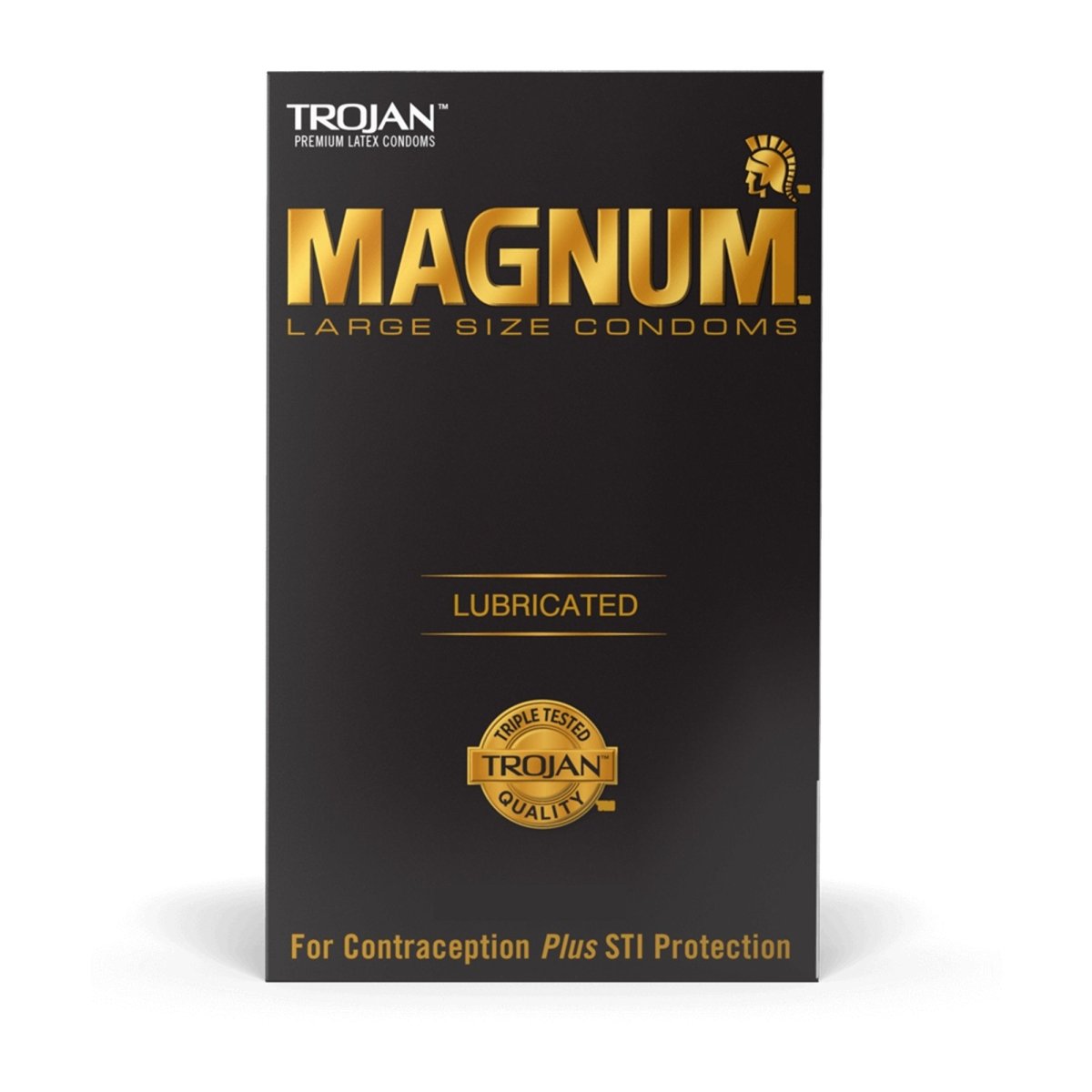
Trojan Magnum Condoms - 956856_BX - 2
Trojan Magnum Condoms
Sale priceFrom $7.99
Trojan Naturalamb Condom - 560841_PK - 1
Trojan Naturalamb Condom
Sale price$15.99
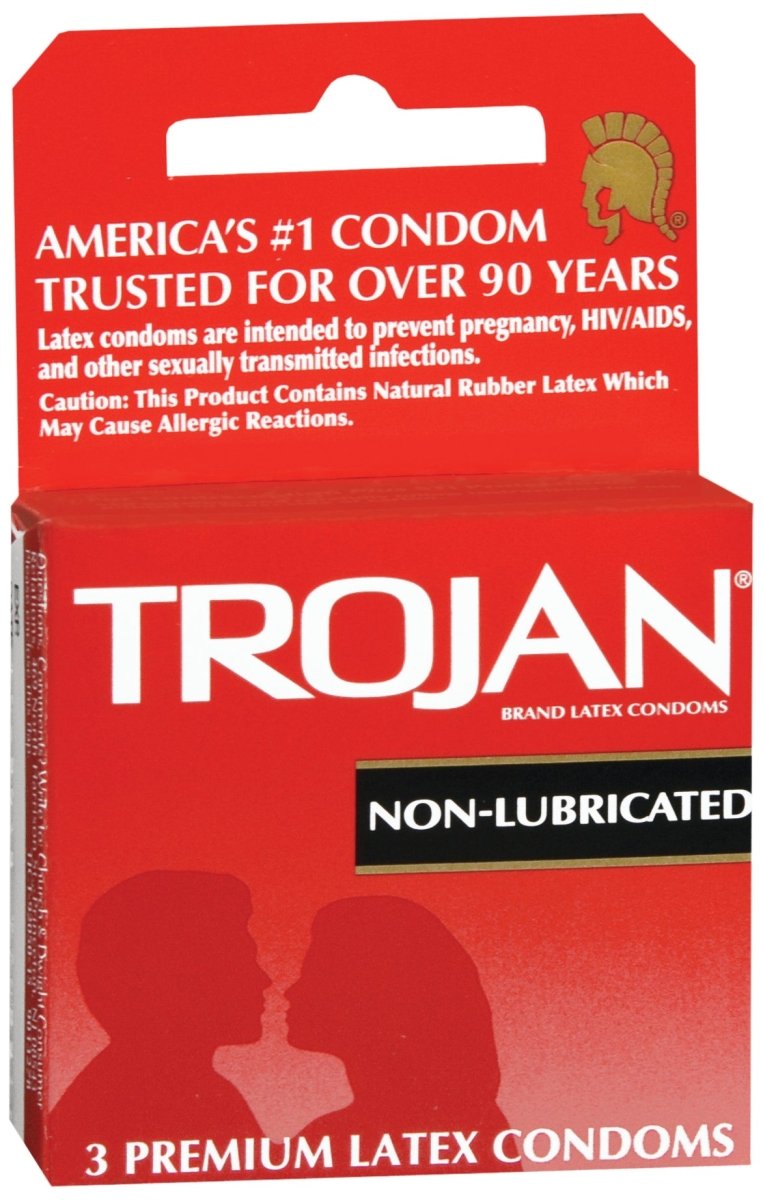
Trojan Nonlubricated Condom - 762029_BX - 1
Trojan Nonlubricated Condom
Sale price$7.99

Ultra Sensitive B Condom - 1143697_CS - 1
Ultra Sensitive B Condom
Sale price$131.99
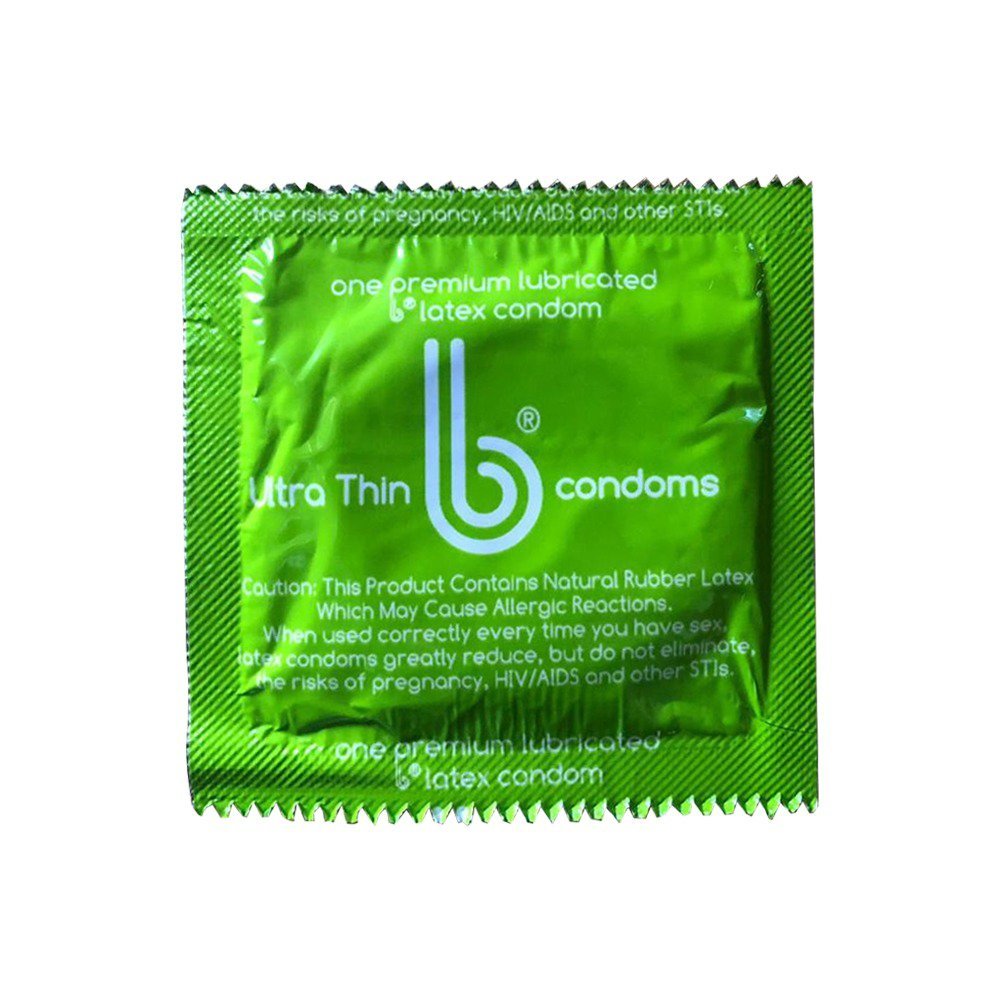
Ultra Thin B Condom - 1143703_CS - 1
Ultra Thin B Condom
Sale price$131.99

Lifestyles Skyn Condoms - 806875_BX - 1
Lifestyles Skyn Condoms
Sale price$13.99

Frequently Asked Questions about Contraceptives

Contraceptives employ various mechanisms to prevent pregnancy. Hormonal contraceptives, like birth control pills, release synthetic hormones that inhibit ovulation, thicken cervical mucus, and alter the uterine lining. These actions collectively prevent sperm from fertilizing an egg. Non-hormonal methods, such as copper IUDs, create an environment hostile to sperm, preventing fertilization.

There is a diverse array of hormonal contraceptives designed to cater to individual preferences and health considerations. These include birth control pills, hormonal patches, injections, and hormonal intrauterine devices (IUDs). Birth control pills, for instance, are taken orally and release hormones to suppress ovulation. Patches and injections offer alternative administration methods, providing flexibility in choosing a suitable option. Hormonal IUDs, inserted into the uterus, release a steady dose of hormones to prevent pregnancy.

Natural alternatives provide non-hormonal options for individuals seeking contraception. Fertility awareness methods involve tracking menstrual cycles, identifying fertile periods, and avoiding intercourse during those times. Barrier methods, such as condoms, physically block sperm from reaching the egg. These alternatives offer choices for those preferring non-hormonal approaches or facing contraindications to hormonal methods.

Contraceptive pills, like any medication, may have side effects that vary among individuals. Common side effects include nausea, headaches, and mood changes, which often subside with time. However, serious side effects such as blood clots and cardiovascular issues can occur, emphasizing the importance of consulting a healthcare professional before starting or changing contraceptive methods.

Beyond birth control, contraceptives are prescribed for various health reasons. For example, hormonal contraceptives are sometimes used to manage hormonal imbalances, alleviate menstrual irregularities, and address conditions like polycystic ovary syndrome (PCOS). Understanding the multifaceted roles of contraceptives helps individuals make informed decisions aligned with their health needs.

Contraceptive methods cater to the unique reproductive physiology of men and women. While women have a range of hormonal and non-hormonal options, men can consider methods such as condoms and vasectomy. Ongoing research explores male contraceptive options to provide additional choices in the future. Understanding the diversity of available methods allows individuals to make informed decisions based on their preferences, health considerations, and family planning goals.

Recently viewed