Batteries

16 products

Showing 1 - 16 of 16 products

Power Up with High-Quality Batteries – Never Run Out of Juice Again!

Keep your devices running smoothly with durable and reliable batteries. From blood pressure monitors to glucose meters and breast pumps, we have the perfect power solution for all your needs. Plus, with our competitive prices, you never have to worry about breaking the bank to restock on batteries.
Showing 1 - 16 of 16 products
View
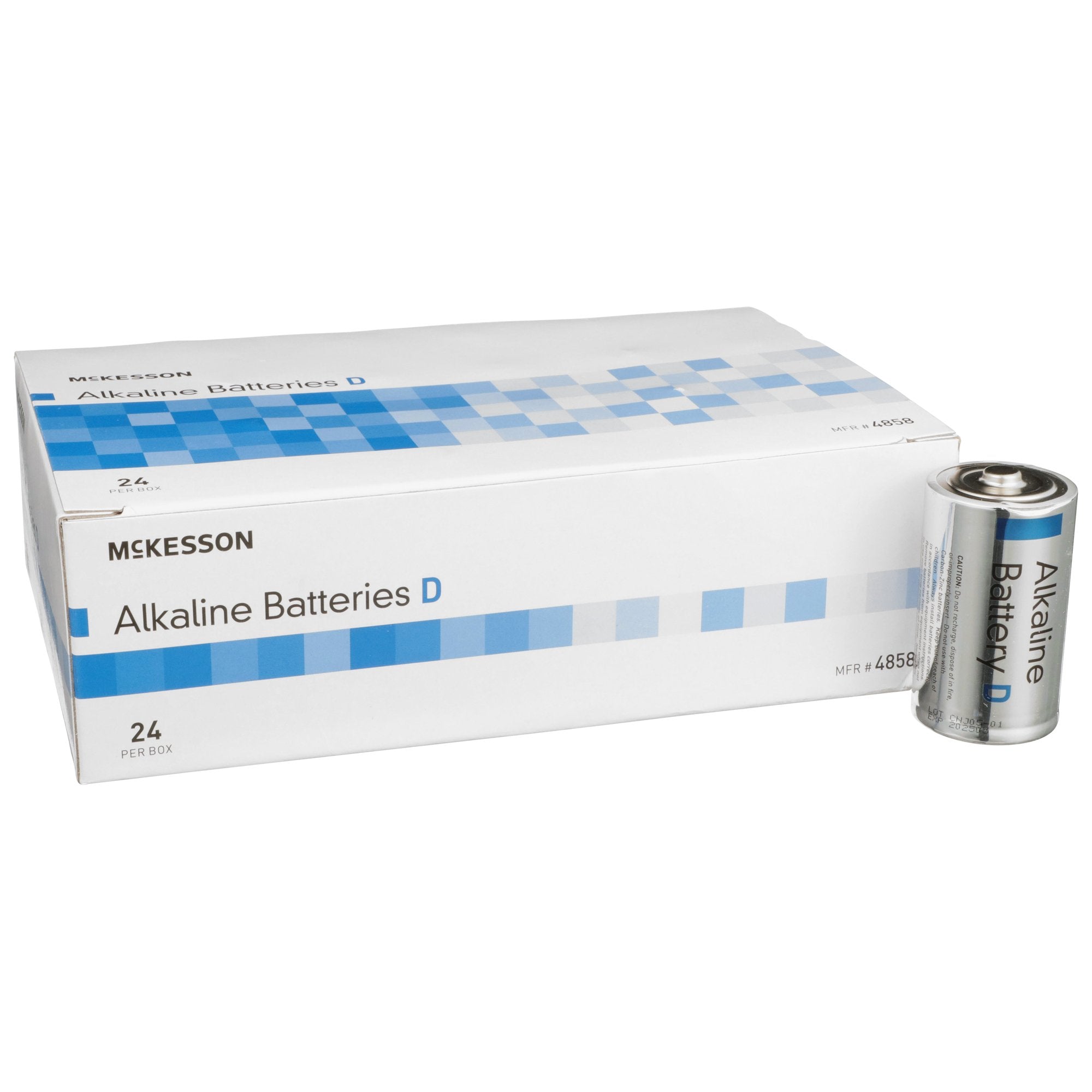
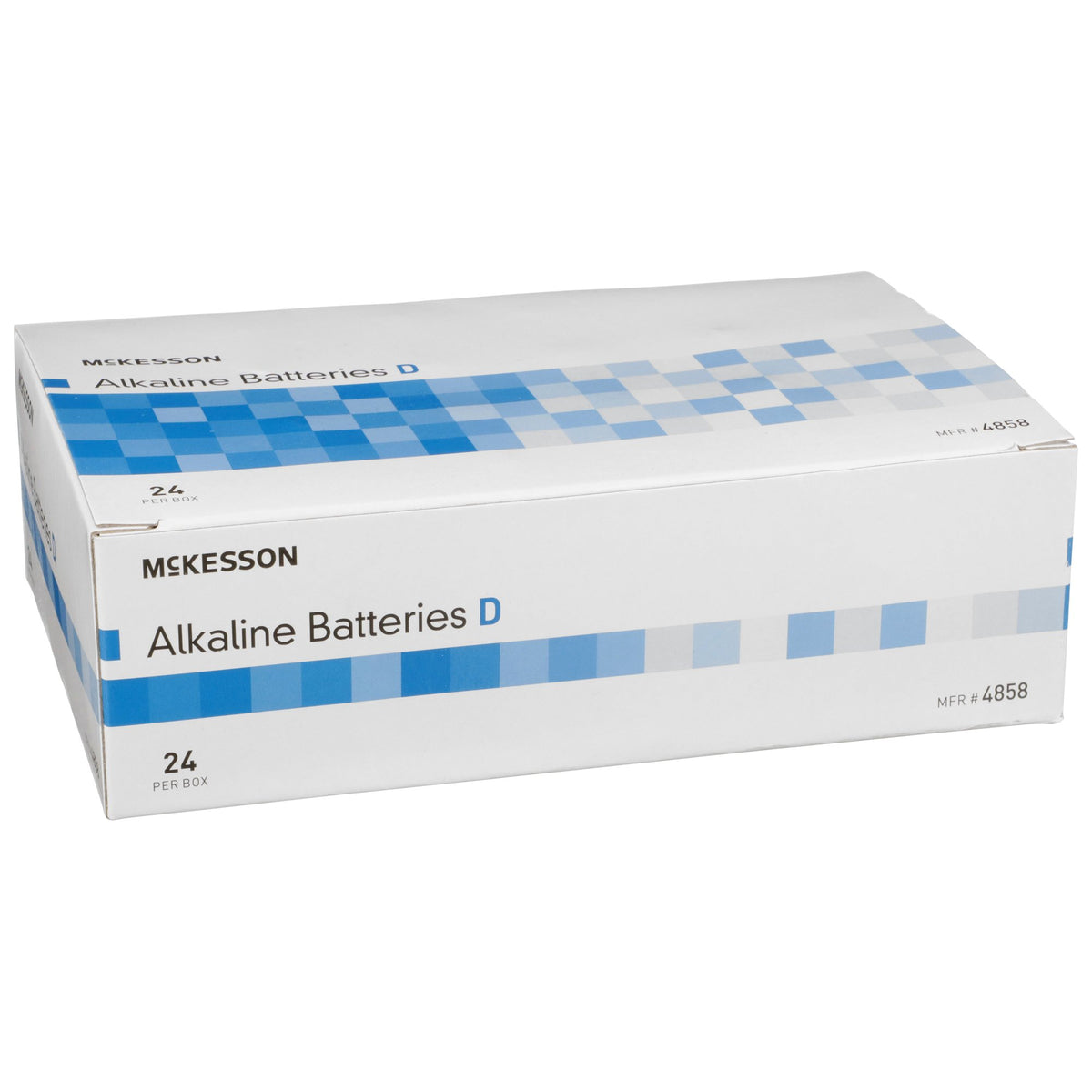
McKesson D Alkaline Batteries -Box of 24
McKesson D Alkaline Batteries
Sale priceFrom $2.99

Choose options
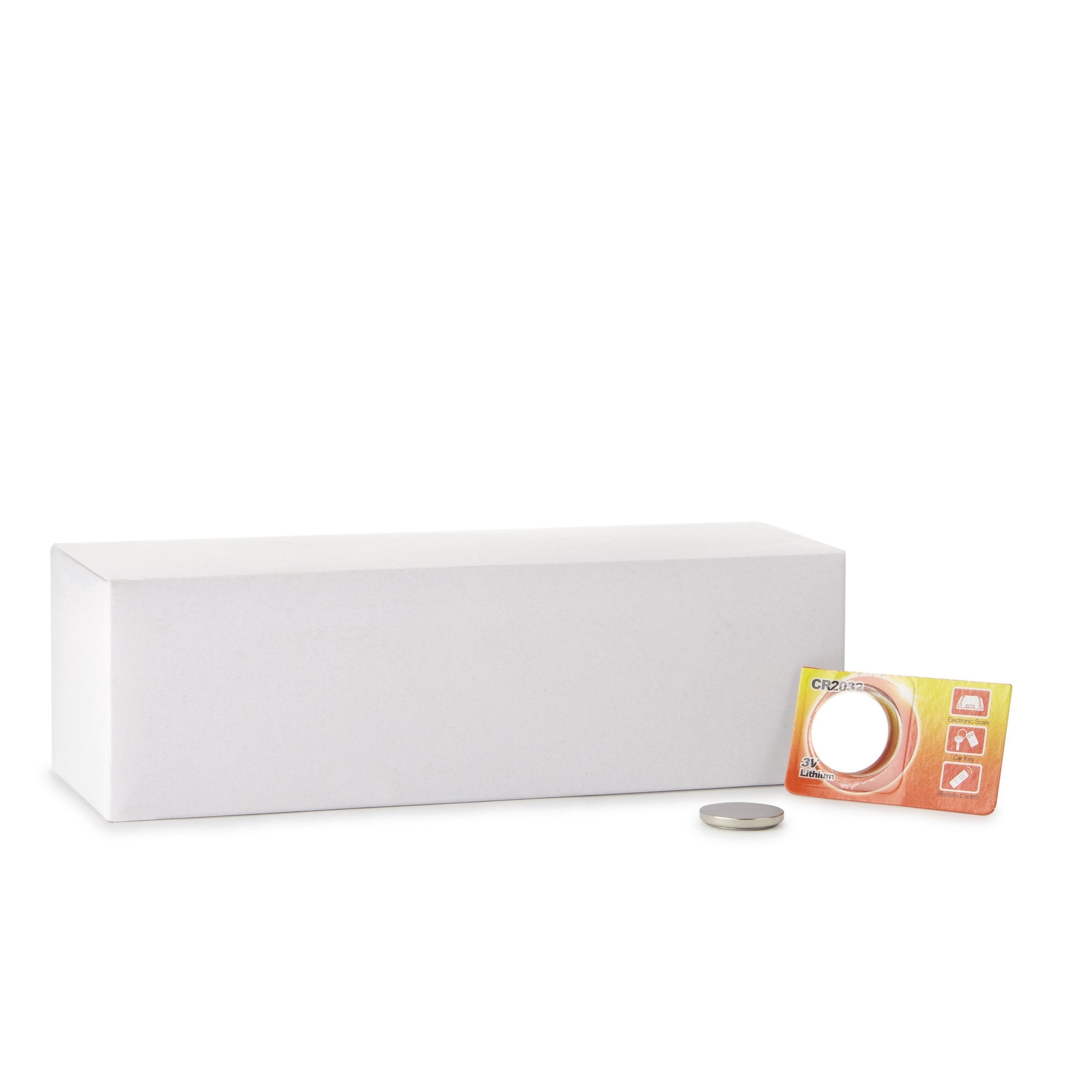
McKesson Coin Cell Lithium Battery -Box of 100
McKesson Coin Cell Lithium Battery
Sale priceFrom $1.99
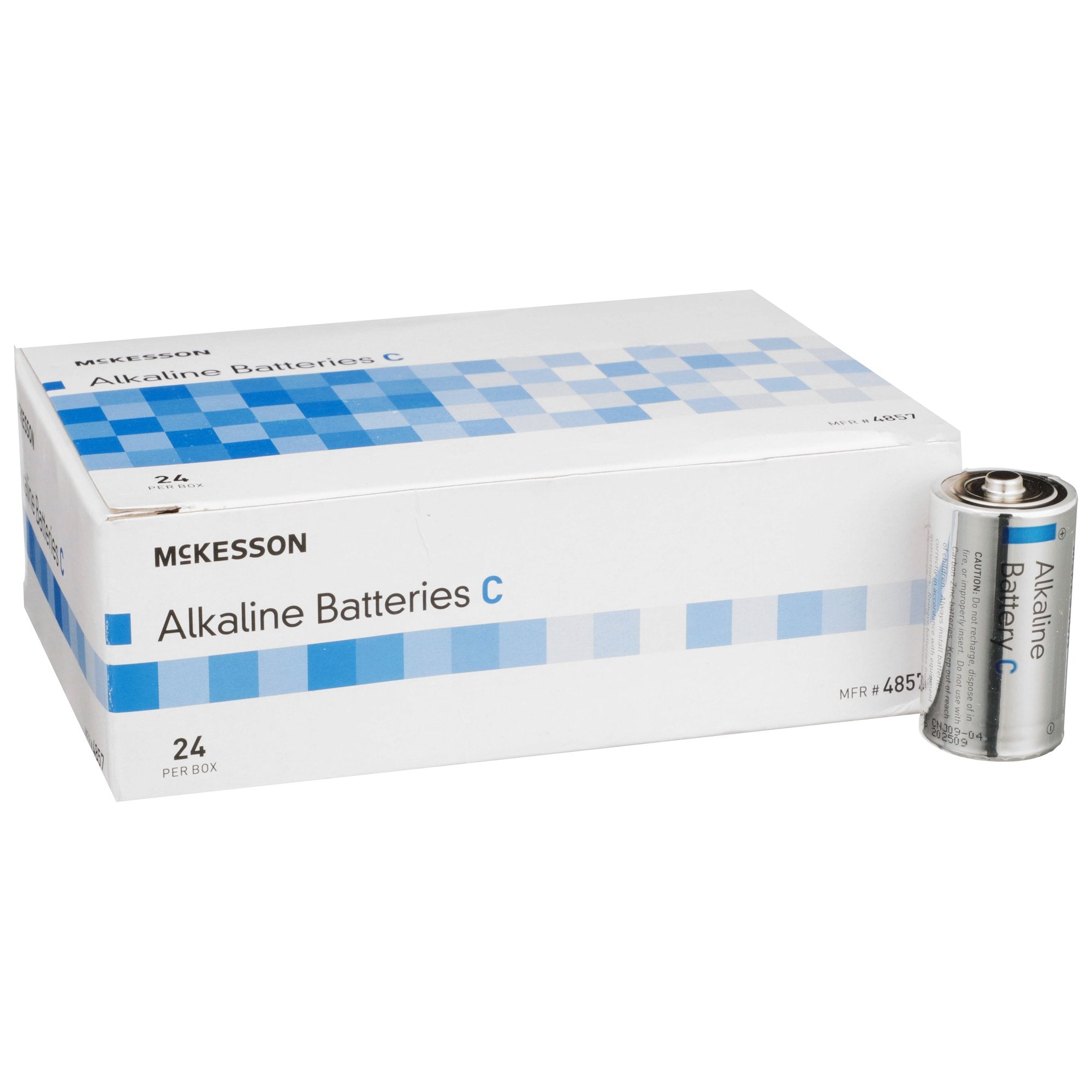
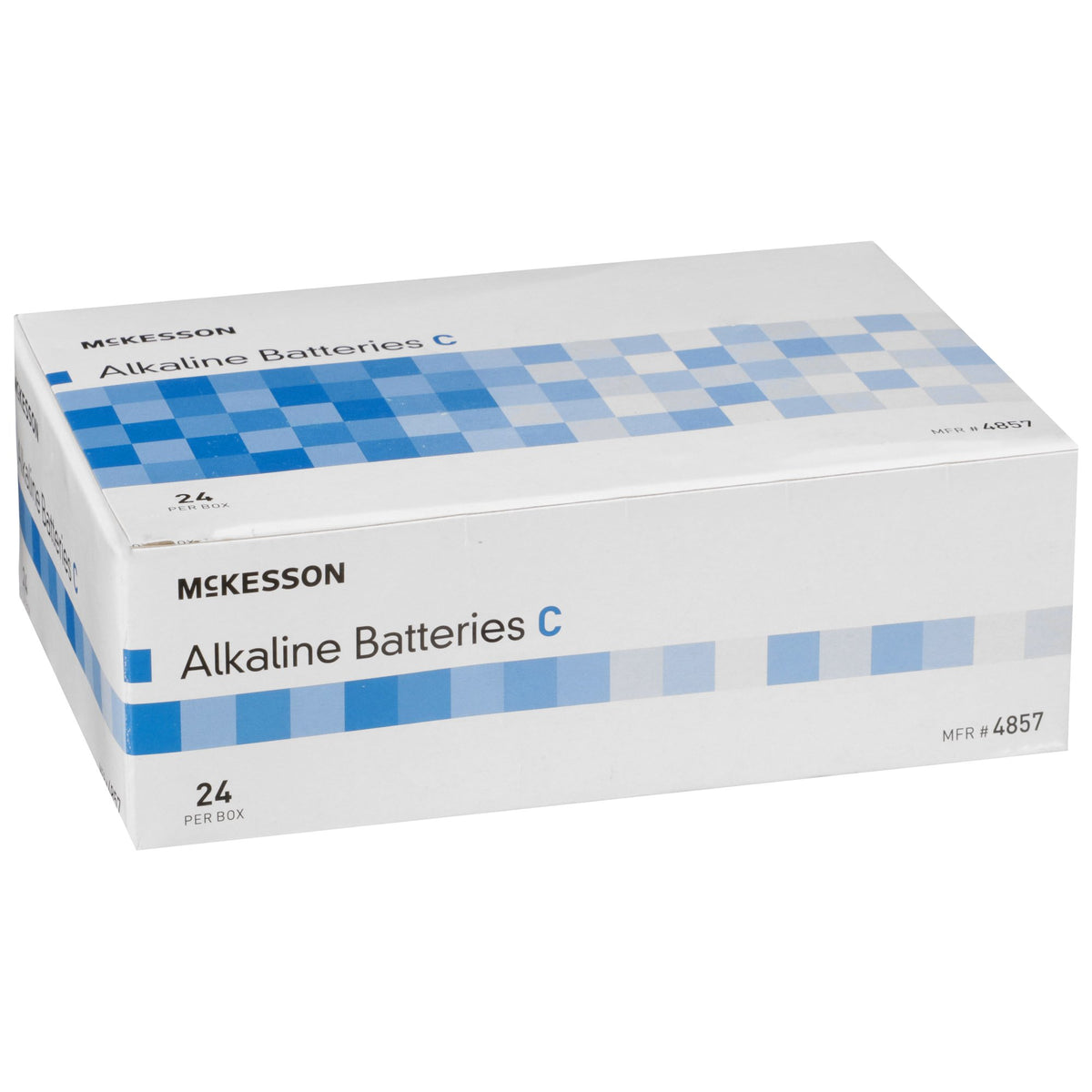
McKesson C Alkaline Batteries -Box of 24
McKesson C Alkaline Batteries
Sale priceFrom $1.99
Choose options
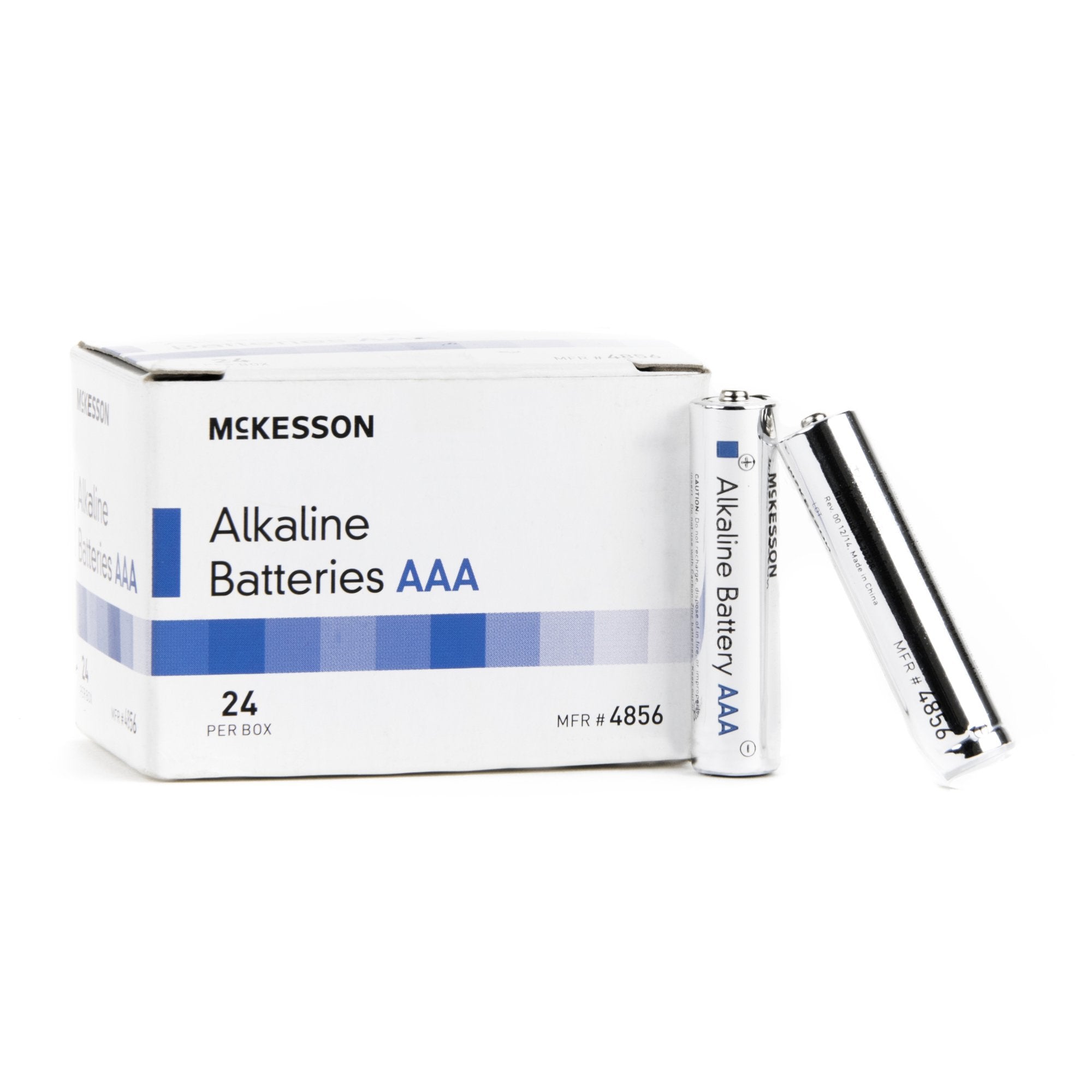
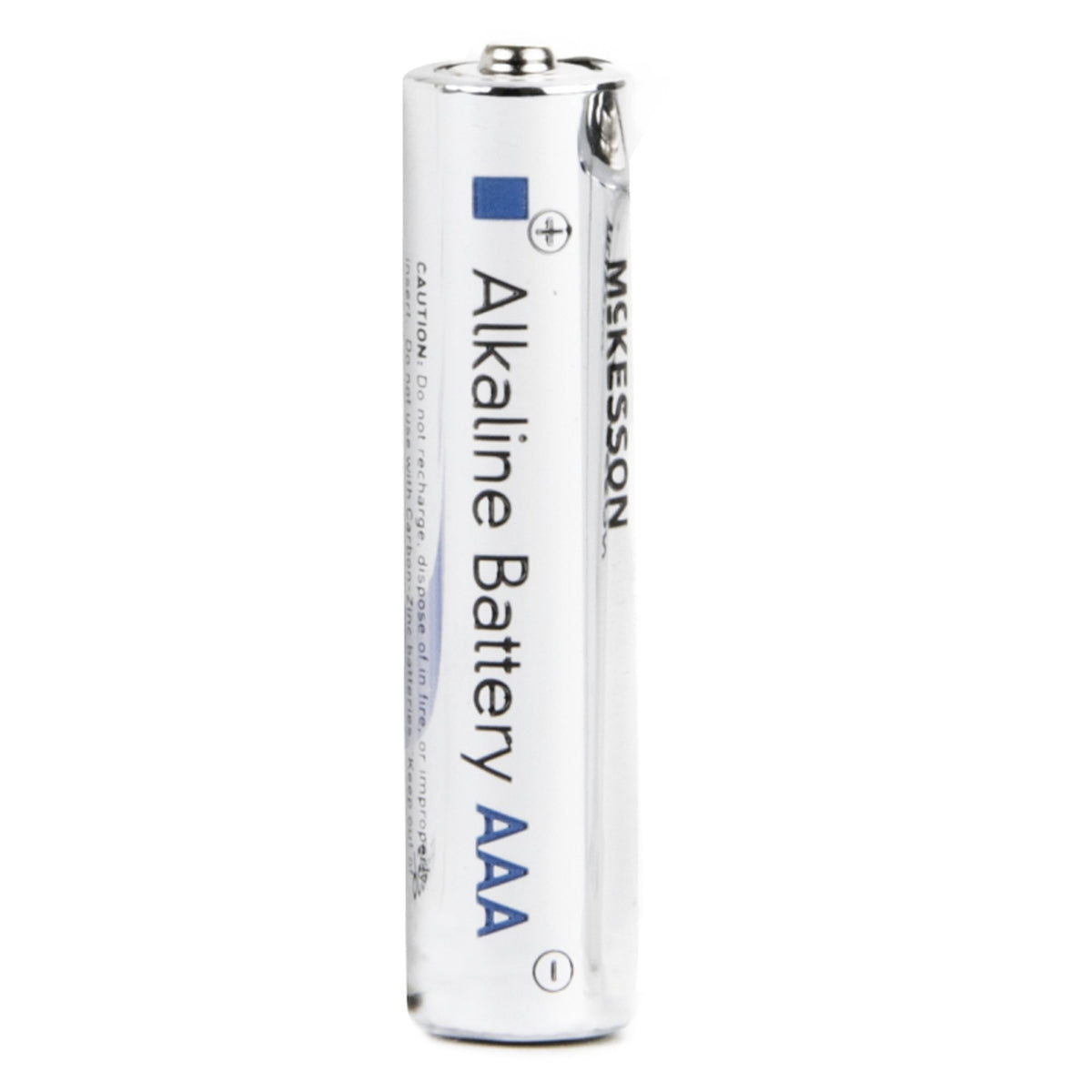
McKesson AAA Alkaline Batteries -Box of 24
McKesson AAA Alkaline Batteries
Sale priceFrom $0.99
Choose options
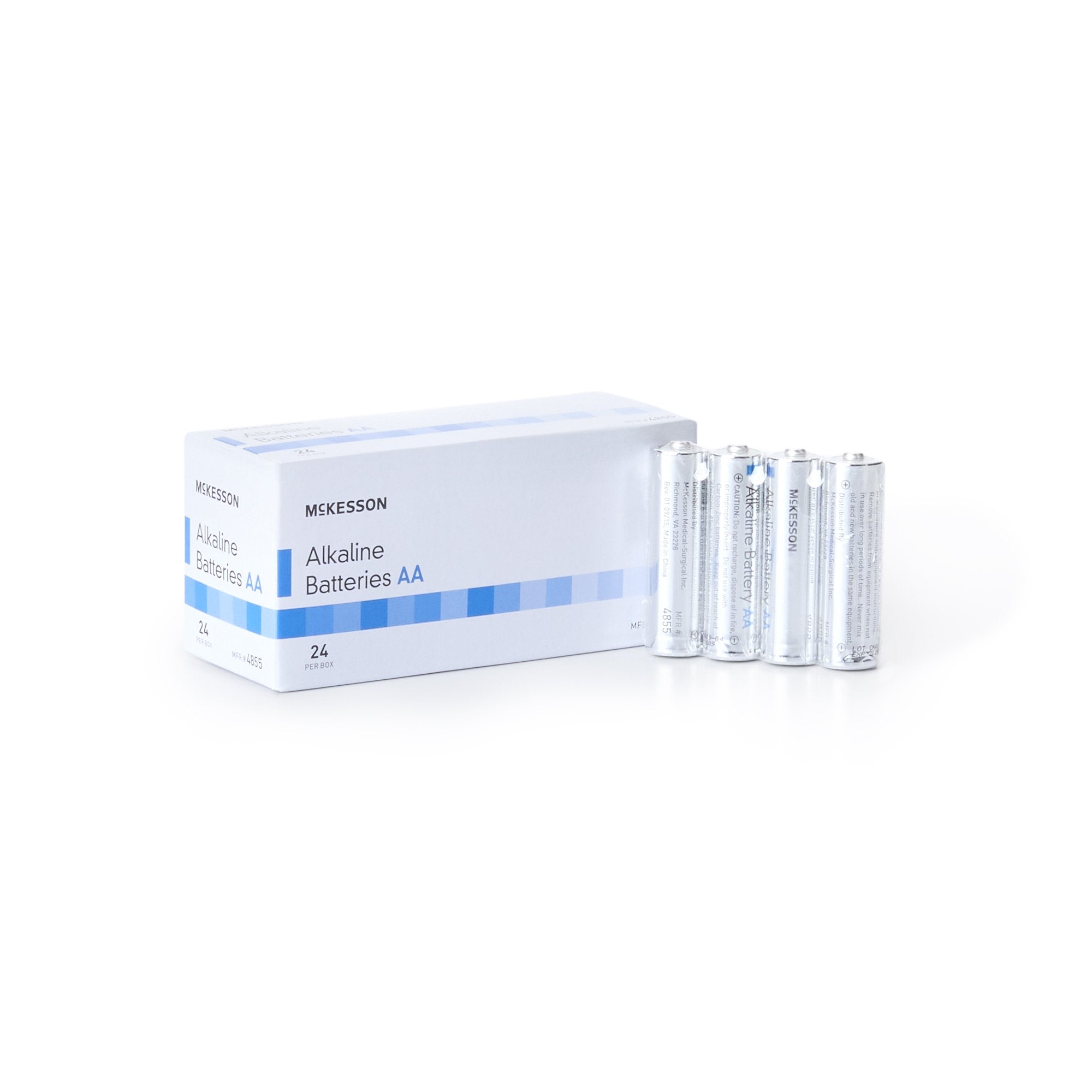
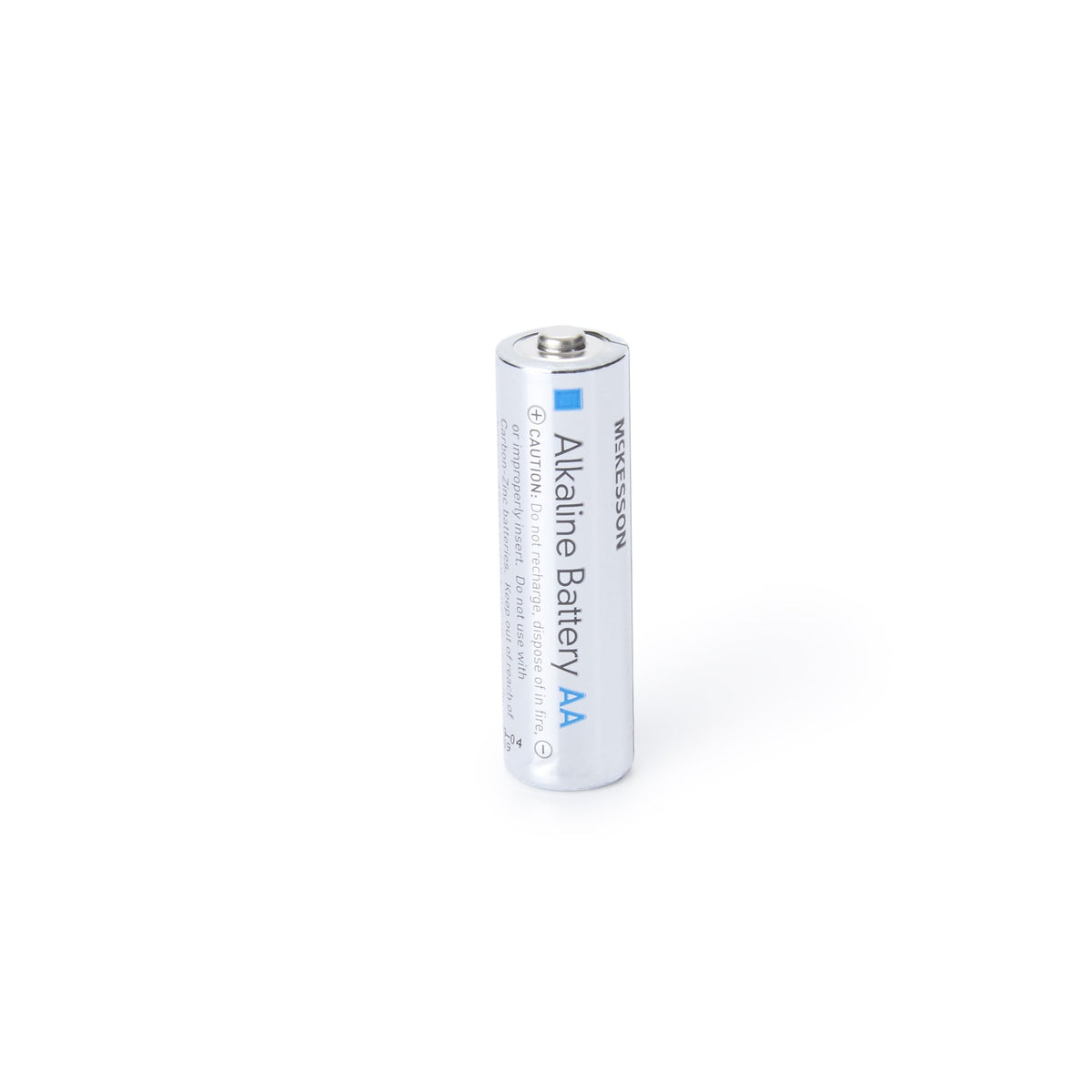
McKesson AA Alkaline Batteries -Box of 24
McKesson AA Alkaline Batteries
Sale priceFrom $0.99
Choose options
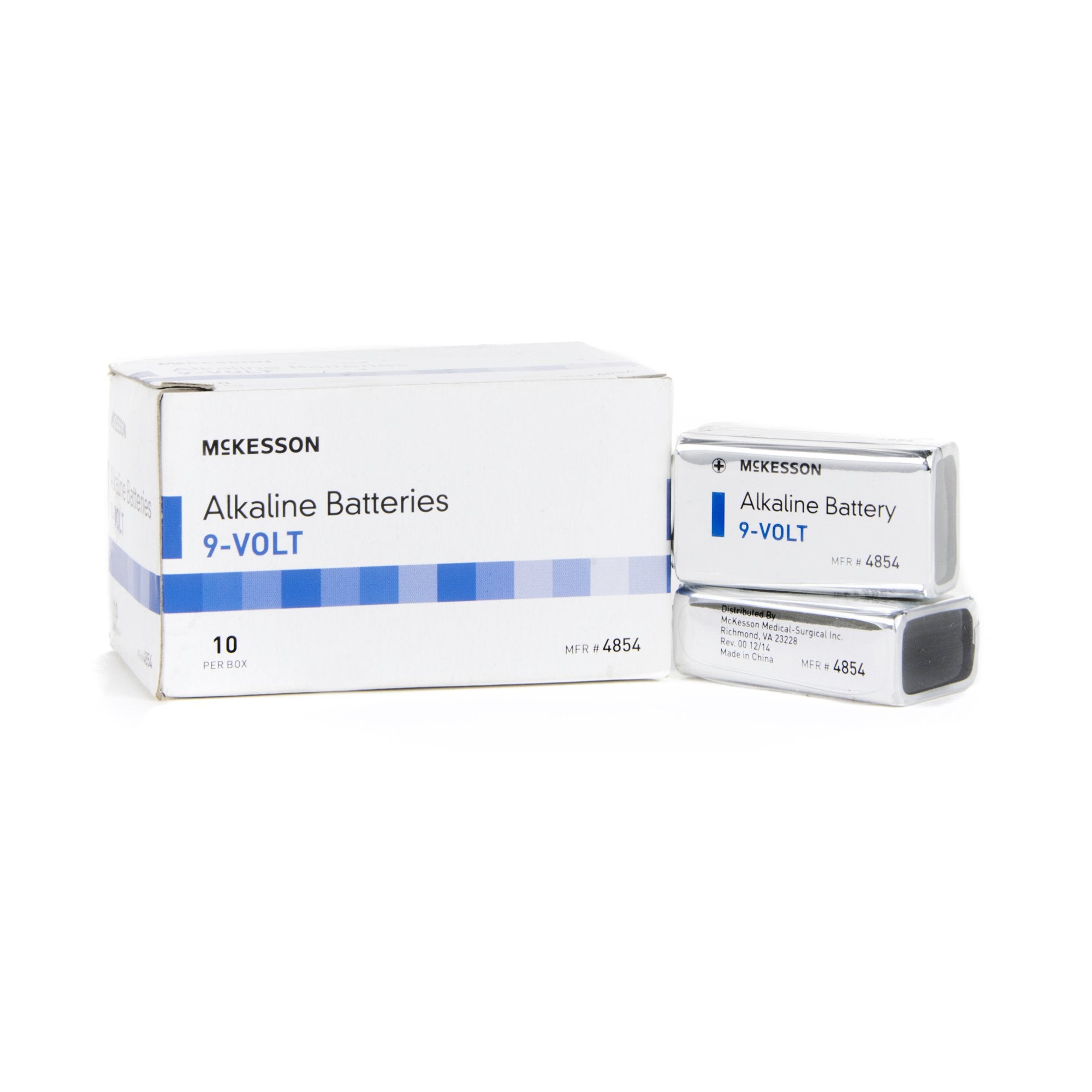
McKesson 9V Alkaline Batteries -Box of 10
McKesson 9V Alkaline Batteries
Sale priceFrom $2.99

Choose options
Hopkins Antimicrobial Bag Barrier -Each
UltraLife Lithium Battery -Each
UltraLife Lithium Battery
Sale price$33.99

Energizer CR2023 Coin Cell Lithium Batteries -Each
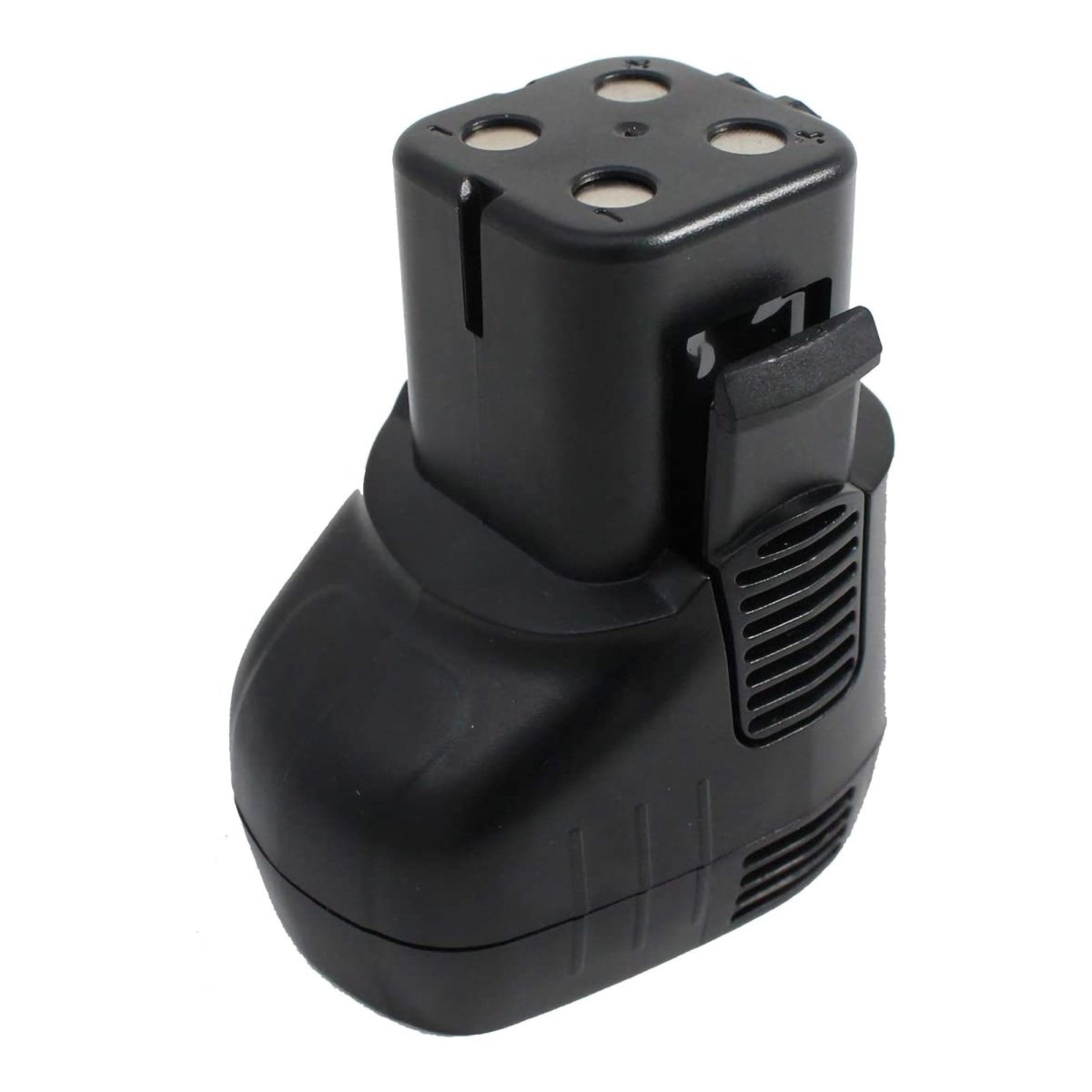
Dremel Nicd Battery Pack - 893713_EA - 1
Dremel Nicd Battery Pack
Sale price$45.99
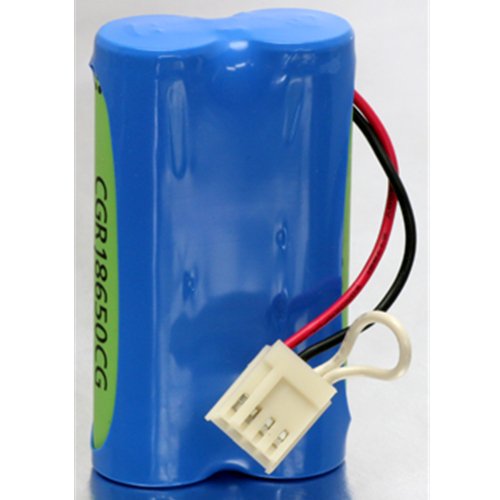
Kangaroo Joey Battery -Each
Kangaroo Joey Battery
Sale price$175.99

Drive Medical Scooter Battery Pack - 876402_EA - 1
Smart Lift Smart Stand Battery - 924504_EA - 1
Smart Lift Smart Stand Battery
Sale price$346.99

Frequently Asked Questions about Batteries

Medical-grade batteries are power sources designed to keep essential healthcare devices running reliably, including blood pressure monitors, glucose meters, and breast pumps. These batteries are built to deliver consistent voltage output so medical devices perform accurately and without interruption during everyday use.

Specialized batteries for medical devices are designed for patients, caregivers, and healthcare professionals who rely on powered medical equipment at home or in clinical settings. Anyone using devices like glucose meters, mobility scooters, or feeding pumps benefits from batteries matched to their device's specific power requirements.

Start by checking your device's battery compartment or user manual to identify the required size, such as AA, AAA, C, D, or 9V. Using the correct battery size ensures proper fit and voltage, which protects the device from damage and ensures accurate performance.

Alkaline batteries are standard, affordable power sources suited for everyday medical devices, while lithium batteries offer a longer shelf life, lighter weight, and better performance in extreme temperatures. Lithium batteries are often preferred for devices that sit in storage for extended periods or are used in demanding conditions.

Yes, rechargeable batteries can be safe for medical devices, but only when the device manufacturer explicitly approves their use. Always check the device manual before substituting rechargeable batteries, since some medical equipment requires the stable voltage output that single-use alkaline or lithium batteries provide.

Store batteries for medical devices in a cool, dry location away from direct sunlight and humidity to preserve their charge and extend shelf life. Avoid storing loose batteries in drawers where metal objects can cause short circuits, and keep batteries in their original packaging until ready to use.

Because mobility scooters and power wheelchairs draw significantly more power than handheld devices, standard household batteries cannot meet their energy demands. Scooter battery packs are engineered to deliver sustained, high-capacity power output that supports the weight and motor requirements of mobility equipment safely over extended use.

Most home medical devices are compatible with standard alkaline batteries in sizes AA, AAA, C, D, or 9V, and some devices accept coin cell lithium batteries. Checking the device label or manual is the most reliable way to confirm which battery type and size your specific equipment requires.

Replace batteries in a medical device when the device displays a low-battery indicator, produces inconsistent readings, or powers off unexpectedly. For critical devices like glucose meters or blood pressure monitors, replacing batteries proactively rather than waiting for complete failure helps ensure accurate results every time.

Reliable batteries for medical devices are available through medical supply stores and online health retailers that carry trusted brands across all common sizes and chemistries. Purchasing batteries in bulk from a dedicated medical supply source is a practical way to keep devices powered without overpaying for single-pack retail pricing.

Recently viewed