Gurneys and Stretchers

5 products

Showing 1 - 5 of 5 products

Gurneys and Stretchers for Safe, Comfortable Patient Transport

Whether you're equipping a clinical facility, a rehabilitation center, or a specialized care environment, having the right transport equipment makes a meaningful difference in day-to-day operations. Cart Health's collection of gurneys and stretchers brings together purpose-built solutions from trusted brands — including MJM International, MegaMover Plus, Mobilecare, and Papoose Boards — so care teams can move patients safely and with confidence.
Showing 1 - 5 of 5 products
View
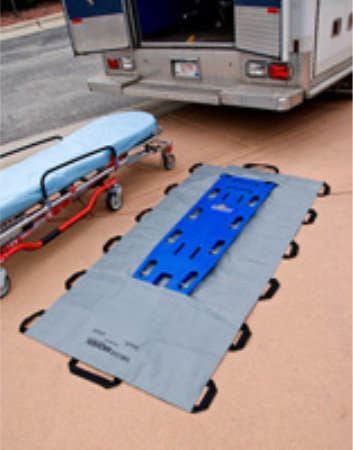
MegaMover Plus Transport Stretcher, 40 x 80 Inch -Case of 10
MegaMover Plus Transport Stretcher
Sale priceFrom $40.99
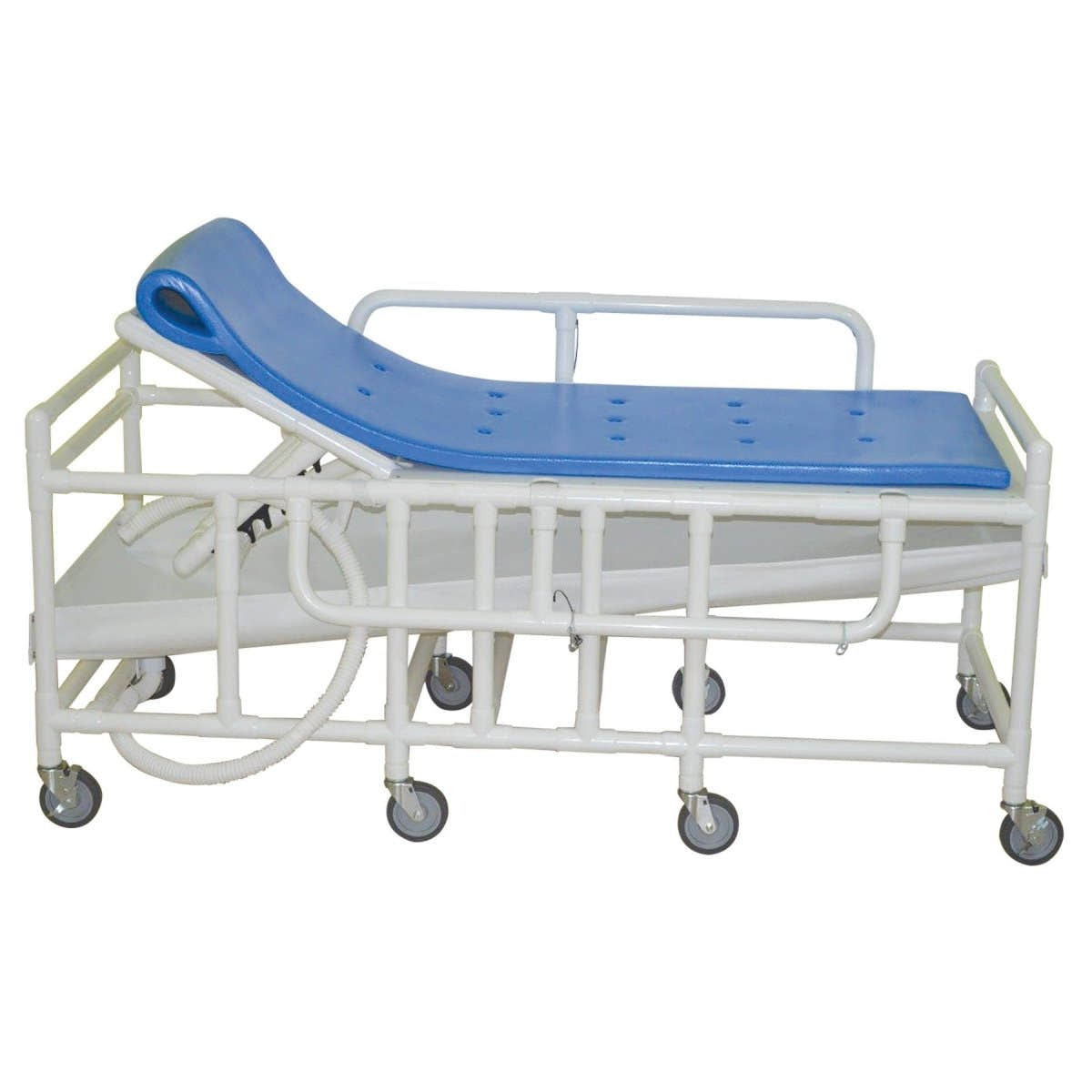
Series 910 Bariatric Shower Gurney - 706347_EA - 1
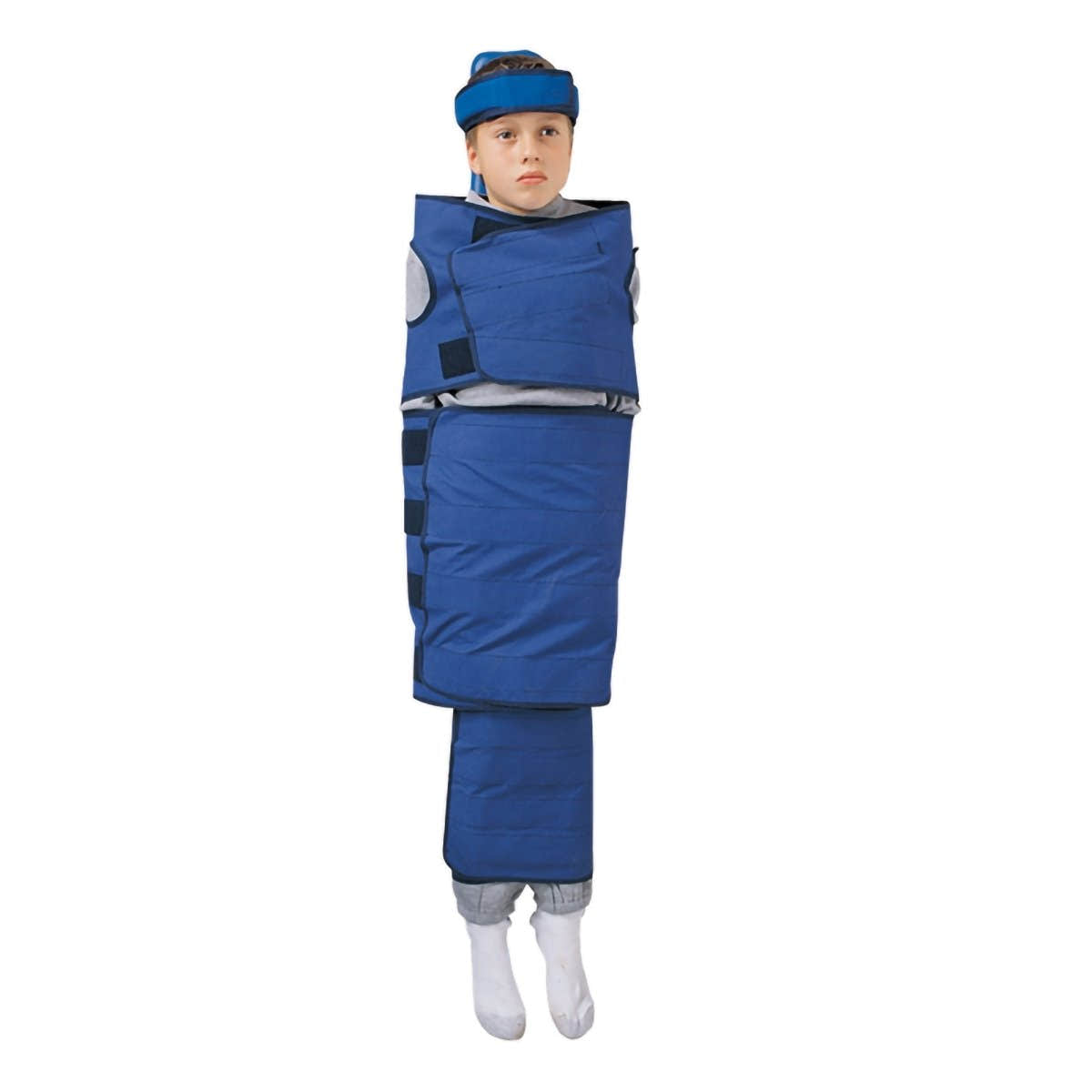
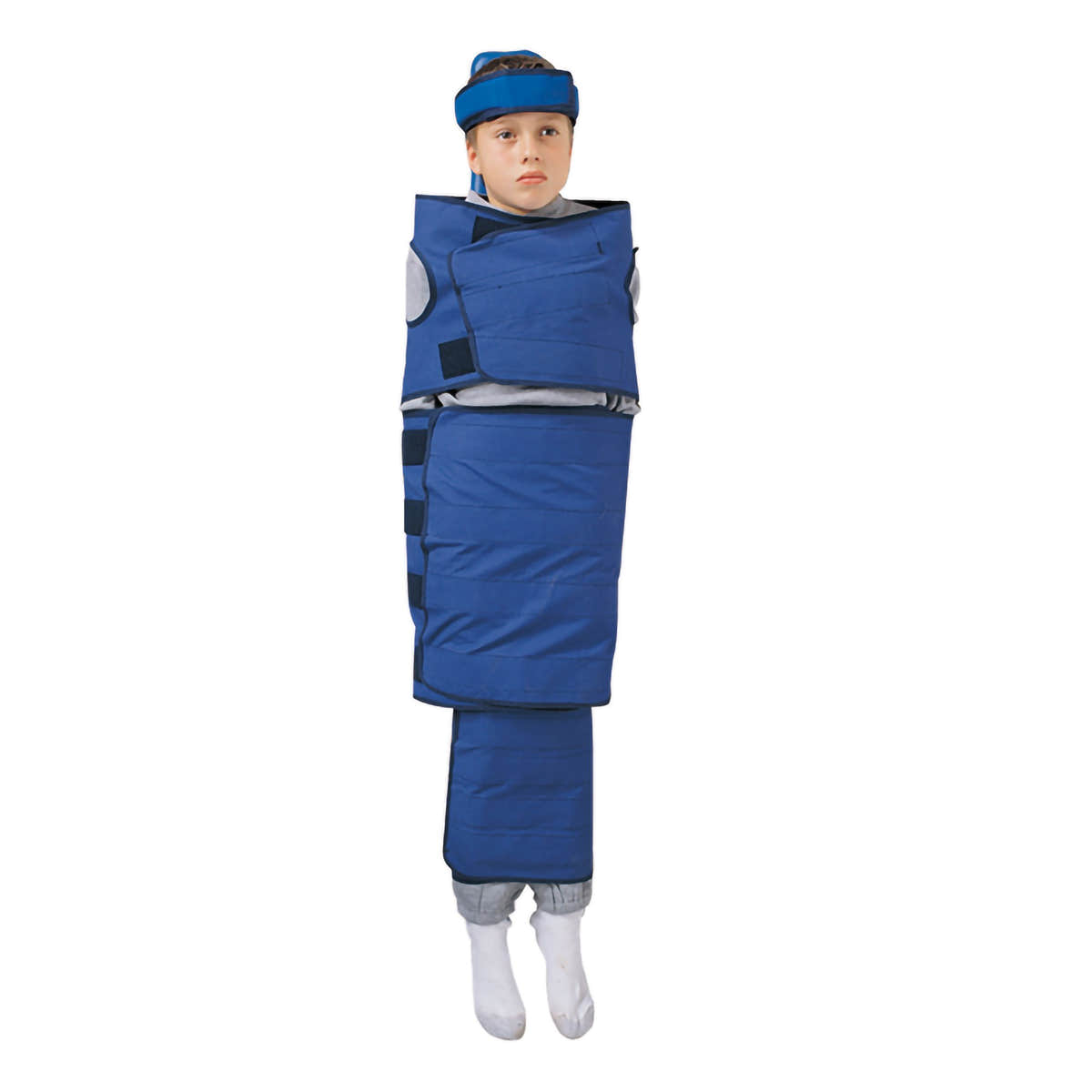
Papoose Boards Stretcher -Each
Papoose Boards Stretcher
Sale price$1,050.99
Save 100%
Mobilecare Stretcher - 1040900_EA - 1
Mobilecare Stretcher
Sale price$4.99 Regular price$5,260.99
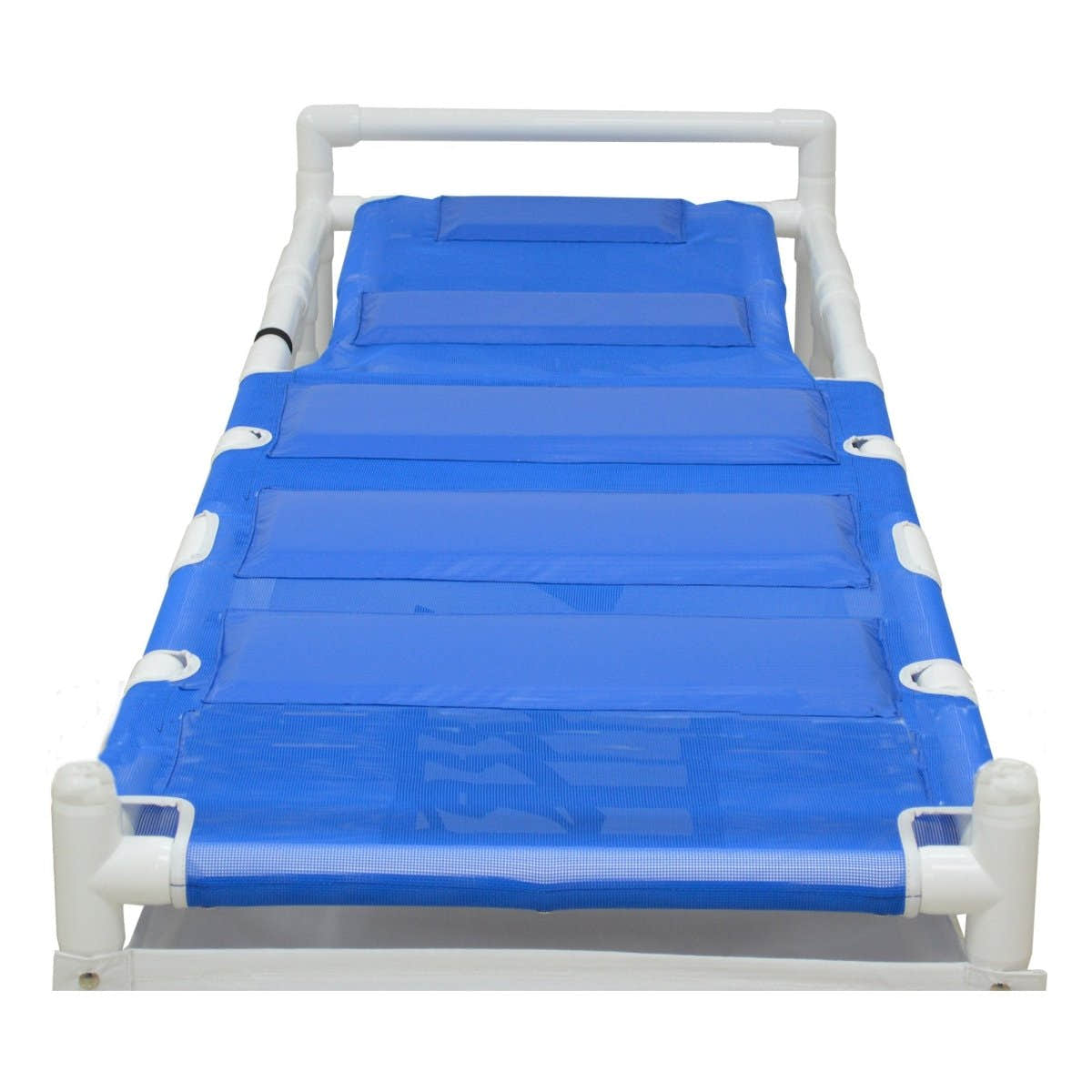
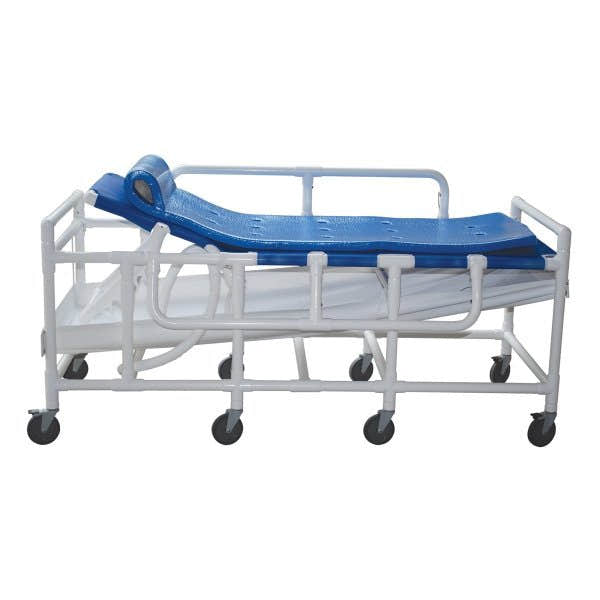
MJM Bariatric Shower Gurney - 1209519_EA - 1
MJM Bariatric Shower Gurney
Sale price$1.99
Frequently Asked Questions about Gurneys and Stretchers

Gurneys and stretchers are patient transport devices used to move individuals safely between locations in hospitals, clinics, emergency settings, and care facilities. They provide a stable, flat surface for patients who cannot walk on their own. Many models also support bathing, positioning, or immobilization depending on the clinical need.

Gurneys and stretchers are designed for healthcare professionals, caregivers, and emergency responders who need to safely transport or reposition patients with limited mobility. They are commonly used in hospitals, nursing homes, rehabilitation centers, and home care environments where patient handling safety is a priority.

Position the stretcher alongside the patient at the same height, engage the brakes, and use a coordinated lift or slide technique with at least two caregivers to move the patient smoothly. Always secure the patient with safety straps before transport. Following proper body mechanics helps protect both the patient and the caregiver during the transfer.

Gurneys and stretchers both transport patients on a flat surface, but a gurney typically has a permanent wheeled frame, while a stretcher may be collapsible or used without wheels in certain situations. In everyday clinical use, the terms are often used interchangeably. The best choice depends on the transport environment and patient needs.

Yes, bariatric gurneys and stretchers are available and are specifically engineered to support higher weight capacities for larger patients. These models feature reinforced frames and wider sleeping surfaces to ensure safe, comfortable transport. Checking the listed weight capacity and surface width before purchasing is essential for bariatric patient care.

Choose a gurney or stretcher based on your primary use case, patient population, and facility layout, including factors like weight capacity, surface dimensions, and whether the unit needs to support showering, immobilization, or standard transport. Bariatric facilities should prioritize reinforced models, while pediatric settings may need smaller or restraint-compatible options.

Yes, certain gurneys and stretchers are specifically designed for shower and bathing use, featuring water-resistant materials and drainage-friendly construction. These shower gurney models allow caregivers to bathe patients who cannot stand or sit upright without assistance. Always confirm the product is rated for wet environments before using it in a shower setting.

Gurneys and stretchers are typically constructed from materials such as powder-coated steel or aluminum frames paired with vinyl, foam, or water-resistant padded surfaces designed to withstand repeated cleaning and disinfection. Material choice affects durability, weight, and infection control compatibility. Checking the manufacturer's cleaning guidelines helps maintain compliance with facility hygiene standards.

Wipe down gurney and stretcher surfaces after each use with a hospital-grade disinfectant that is compatible with the surface material, paying close attention to seams and straps where contaminants can collect. Inspect the frame, wheels, and locking mechanisms regularly for wear. Following the manufacturer's maintenance schedule extends the life of the equipment and supports patient safety.

Gurneys and stretchers are better than wheelchairs for patients who cannot sit upright, require full-body support, need spinal immobilization, or must remain in a supine position during transport. Wheelchairs require the patient to bear some postural control, while stretchers fully support the body. For post-surgical, unconscious, or severely injured patients, a stretcher is the safer option.

Recently viewed