As we age, our homes should remain our sanctuaries—places of comfort, memory, and security. However, physical changes can make once-familiar spaces feel challenging to navigate. According to the Centers for Disease Control and Prevention (CDC), more than one in four older adults experiences a fall each year. Falls are the leading cause of injury among seniors, but they are not an inevitable part of aging. With proactive planning, simple home adjustments, and the right supportive equipment, you can dramatically reduce these risks. This comprehensive guide to fall prevention at home: mobility aids and modifications will provide you with practical, step-by-step strategies to keep yourself or your loved one safe, independent, and confident at home.
Managing a higher fall risk (often referred to by doctors as having a balance or mobility impairment) requires a dual approach: modifying the physical environment and utilizing appropriate supportive devices. Whether you are a senior looking to maintain your independence or a family caregiver step-saving for a loved one, taking action today can prevent a serious injury tomorrow. Here is how to systematically assess, modify, and equip your home for maximum safety.
Understanding Fall Risks and the Power of Prevention
Before diving into home modifications, it is helpful to understand why falls happen. The National Institutes of Health (NIH) notes that falls usually result from a combination of personal and environmental factors. Personal factors include changes in vision, decreased muscle strength, mild cognitive changes, and balance issues. Environmental factors include poor lighting, loose rugs, and wet surfaces.
By identifying these hazards, you can create a targeted plan. Fall prevention is not about restricting movement or losing independence; rather, it is about empowering seniors to move freely without fear. Implementing small, thoughtful changes can make a profound difference in daily comfort and peace of mind.
Step-by-Step Guide to Home Modifications
Creating a safer living space does not require a major home remodel. Most effective changes are simple, affordable, and can be completed in a weekend. Follow these step-by-step instructions to secure each area of your home.
Step 1: Clear the Pathways in Living Areas
Clutter is one of the most common trip hazards. Clear, wide pathways are essential for anyone using a mobility aid like a cane or walker.
- Remove tripping hazards: Walk through every room and remove low coffee tables, magazine racks, plant stands, and electrical cords from walking paths.
- Secure loose rugs: The CDC recommends removing throw rugs entirely. If you must keep them, use double-sided tape or non-slip backing to secure them firmly to the floor.
- Arrange furniture for wide paths: Ensure there is at least 36 inches of clear space between furniture pieces to allow easy passage, especially if utilizing a walker or wheelchair.
- Keep floors dry: Clean up spills immediately. Avoid using floor waxes or highly polished finishes that can create slick surfaces.
Step 2: Enhance Home Lighting
Poor lighting can hide hazards and make it difficult to navigate safely, especially during evening hours or for those with age-related vision changes.
- Increase bulb wattage: Replace dim bulbs with brighter, energy-efficient LED bulbs. Ensure rooms and hallways are evenly lit without harsh glares.
- Install nightlights: Place motion-activated nightlights in the hallways, bedrooms, and bathrooms. A clear, illuminated path to the bathroom at night is vital.
- Add accessible switches: Ensure light switches are easy to reach from the doorway of each room. Consider installing rocker-style switches, which are easier for arthritic hands to operate, or smart bulbs controlled by voice commands.
Step 3: Secure the Bathroom (The Highest-Risk Area)
Because of wet surfaces and hard fixtures, the bathroom is statistically the most dangerous room in the house for falls. Making modifications here is an urgent priority for senior safety.
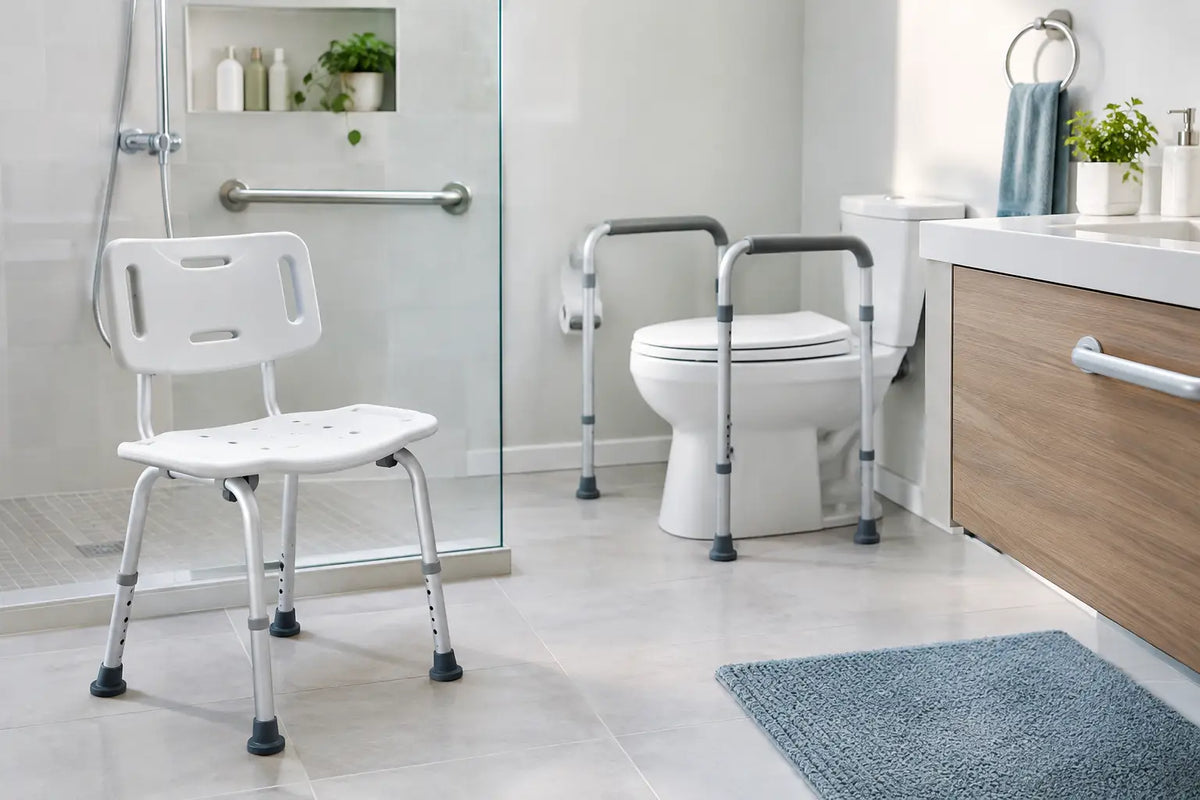
- Install high-quality grab bars: Never rely on towel racks or sliding shower doors for support; they are not designed to hold a person's weight. Instead, install heavy-duty, wall-anchored grab bars next to the toilet and inside the tub or shower. According to the Americans with Disabilities Act (ADA) guidelines, grab bars should be installed between 33 and 36 inches above the shower floor and must be securely anchored into wall studs.
- Use non-slip mats: Place textured, non-slip adhesive strips or high-quality rubber mats inside the tub or shower basin. Use a non-slip, rubber-backed bath mat on the floor outside the shower.
- Add a shower chair: For individuals who experience fatigue or dizziness while standing, a sturdy shower chair or bench provides a safe place to sit while bathing. Pair this with a handheld showerhead for maximum control and comfort.
- Raise the toilet seat: A raised toilet seat with built-in armrests makes sitting down and standing up much easier, reducing strain on weak knees and hips.
Step 4: Make Stairways Safe
Stairs require excellent balance and strength. A single misstep on a staircase can lead to a severe injury.
- Install dual handrails: Ensure there are sturdy handrails on both sides of every stairway, extending the full length of the stairs.
- Apply non-slip treads: For wooden stairs, apply non-slip adhesive strips to the edge of each step. For carpeted stairs, ensure the carpet is tightly fastened to each riser and tread.
- Highlight step edges: Consider placing a strip of brightly colored tape on the edge of each step to make them clearly visible to those with low vision.
Implementing Fall Prevention at Home: Mobility Aids and Modifications
While physical modifications to your home structure are essential, pairing them with the right personal equipment completes your safety strategy. Let's explore how to select and safely use mobility aids as part of your overall plan for fall prevention at home: mobility aids and modifications.
Choosing the Right Mobility Aid
Mobility aids are designed to improve balance, reduce weight-bearing load on painful joints, and increase walking confidence. Common options include:
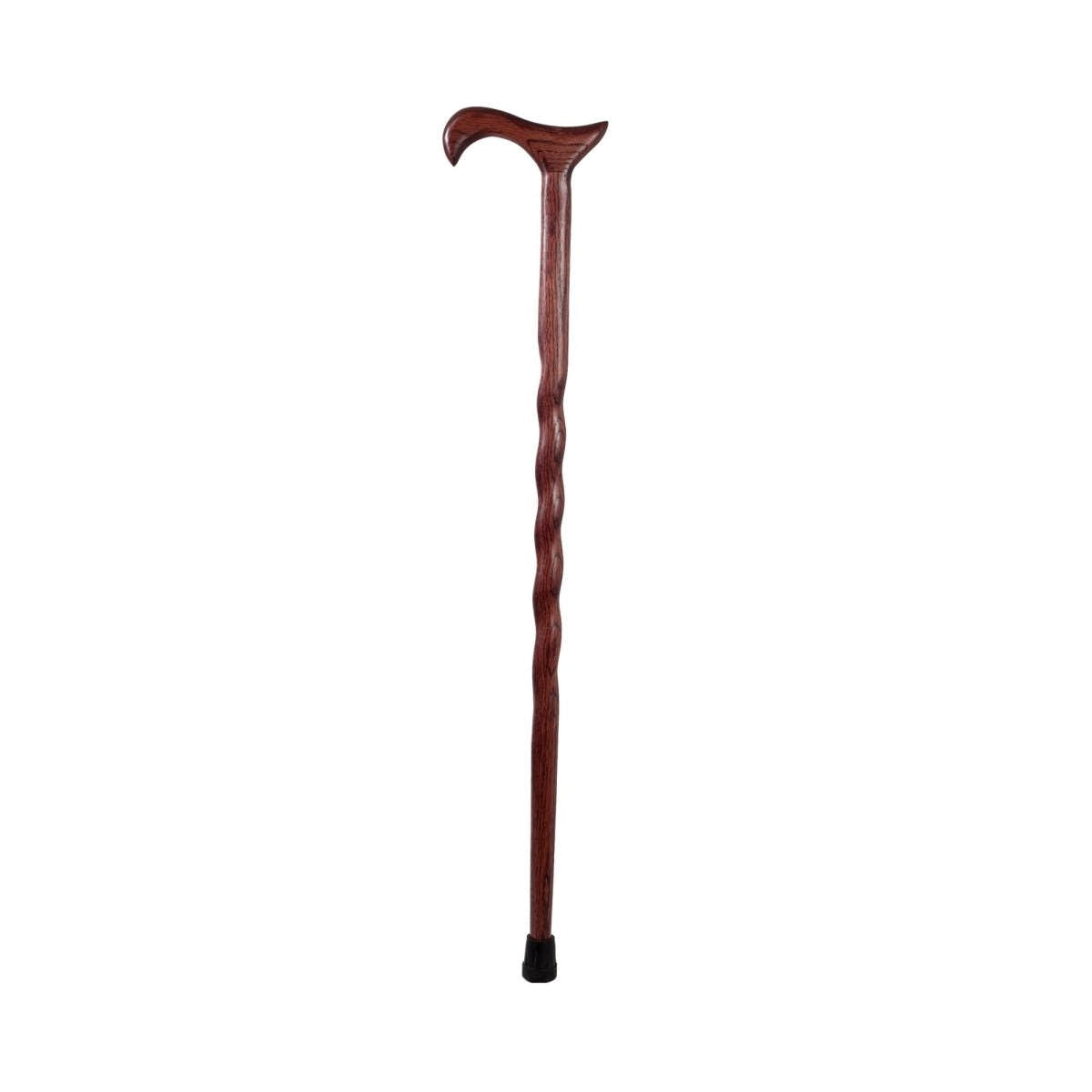
- Canes: Best for individuals who need minor assistance with balance or have weakness on one side of the body. Quad canes (canes with a four-pronged base) offer more stability than standard single-point canes.
- Walkers: Ideal for those who need significant support. Standard walkers must be lifted with each step, while rolling walkers (rollators) feature wheels and handbrakes, making them easier to push. Many rollators also feature a built-in seat, allowing users to rest during longer walks.
- Wheelchairs and Transport Chairs: Helpful for individuals who cannot walk safely even with a walker, or who fatigue quickly over short distances.
Crucial Safety Precautions and Common Mistakes
Even the best equipment can pose a risk if used incorrectly. Avoid these common mistakes when using mobility aids at home:
- Incorrect sizing: A cane or walker that is too high or too low can cause back pain and poor balance. To measure correctly, have the user stand upright with their normal shoes on. Their arms should hang naturally at their sides. The handle of the cane or walker should align with the crease of their wrist, allowing for a slight, comfortable bend in the elbow (about 15 to 20 degrees) when holding the device.
- "Furniture walking": Many seniors avoid using their cane or walker indoors, choosing instead to hold onto walls, countertops, and furniture. This is highly dangerous, as furniture can slide or tip over. Always use your designated mobility aid, even for short trips across a room.
- Neglecting maintenance: Regularly inspect mobility aids. Check that rubber tips on canes and walkers are not worn down, brakes on rollators lock securely, and wheels turn smoothly. Replace worn parts immediately.
Essential Supplies Checklist for Home Fall Prevention
To help you get started, here is a quick checklist of the supplies and tools you may need to complete your home safety upgrades:
- High-quality, ADA-compliant grab bars
- Stud finder and heavy-duty mounting screws
- Non-slip rubber bath mats and adhesive shower strips
- Double-sided carpet tape or non-slip rug pads
- Motion-activated LED nightlights
- Raised toilet seat with armrests
- Sturdy shower chair or transfer bench
- Handheld showerhead attachment
When to Consult a Healthcare Professional
While home modifications are incredibly effective, they are only one piece of the puzzle. It is vital to involve your healthcare provider in your fall prevention strategy. Schedule an appointment with your primary care doctor, a physical therapist, or an occupational therapist to address the following:
- Medication reviews: Some prescription and over-the-counter medications can cause side effects like drowsiness, confusion, or dizziness. The CDC recommends having a doctor or pharmacist review all your medications regularly to identify potential interactions that could increase fall risk.
- Physical therapy: A physical therapist can design a personalized exercise program focused on improving leg strength, gait, and balance. Simple exercises, such as those taught in Tai Chi classes, are highly recommended by health professionals to build core stability.
- Occupational therapy home assessments: An occupational therapist can visit your home to conduct a professional safety assessment, recommending specific modifications tailored to your unique physical needs.
- Vision and hearing checks: Have your eyes and ears checked at least once a year. Even small changes in sensory perception can significantly impact your balance and spatial awareness.
Frequently Asked Questions
Are suction-cup grab bars safe to use in the shower?
No, suction-cup grab bars are not recommended for permanent weight-bearing support. They can easily slip, lose suction over time, or release unexpectedly when pulled. For reliable safety, always install metal or heavy-duty plastic grab bars that are securely screwed directly into the wall studs.
How do I know if my cane or walker is adjusted to the correct height?
To check the height, stand up straight with your shoes on and let your arms hang naturally at your sides. The handgrip of your cane or walker should line up with the crease on the inside of your wrist. When you grip the handle, your elbow should bend at a comfortable, slight angle (about 15 to 20 degrees).
Does Medicare cover the cost of home modifications or mobility aids?
Medicare Part B generally covers medically necessary Durable Medical Equipment (DME) like walkers, canes, and wheelchairs if prescribed by a doctor. However, Medicare typically does not cover home modifications like grab bars, ramps, or bathroom remodels. Check with your specific insurance plan or local community support organizations for potential financial assistance options.
What should I do immediately if a loved one falls at home?
If a fall occurs, stay calm and encourage them to remain still. Do not try to pull them up immediately, as this can cause further injury to both of you. Check for pain, bleeding, or signs of head injury. If they are injured, dizzy, or unable to get up safely, call 911. Even if they seem fine after a fall, contact their primary healthcare provider for a follow-up evaluation.
This article is for general educational purposes and is not medical advice. Always consult your healthcare provider for guidance specific to your situation.