A wet tile floor, a low toilet, and a hard tub edge can turn an ordinary routine into a source of worry. This bathroom safety aids guide helps you match common home safety products to the person, bathroom layout, and level of support needed - whether you are planning ahead, recovering from surgery, or caring for someone with changing mobility.
Bathroom aids work best when they address a specific challenge. A shower chair may make bathing less tiring, but it will not prevent a slip at the bathroom entrance. A raised toilet seat can reduce the effort of standing, but the wrong height can make transfers less stable. Start with how the bathroom is used each day, then choose equipment that makes those movements safer and more manageable.
Start With the Daily Routine
Think through the full path from bedroom to bathroom, not just the tub or toilet. Notice where the person pauses, holds onto furniture, becomes unsteady, or needs help. These small moments often point to the most useful product category.
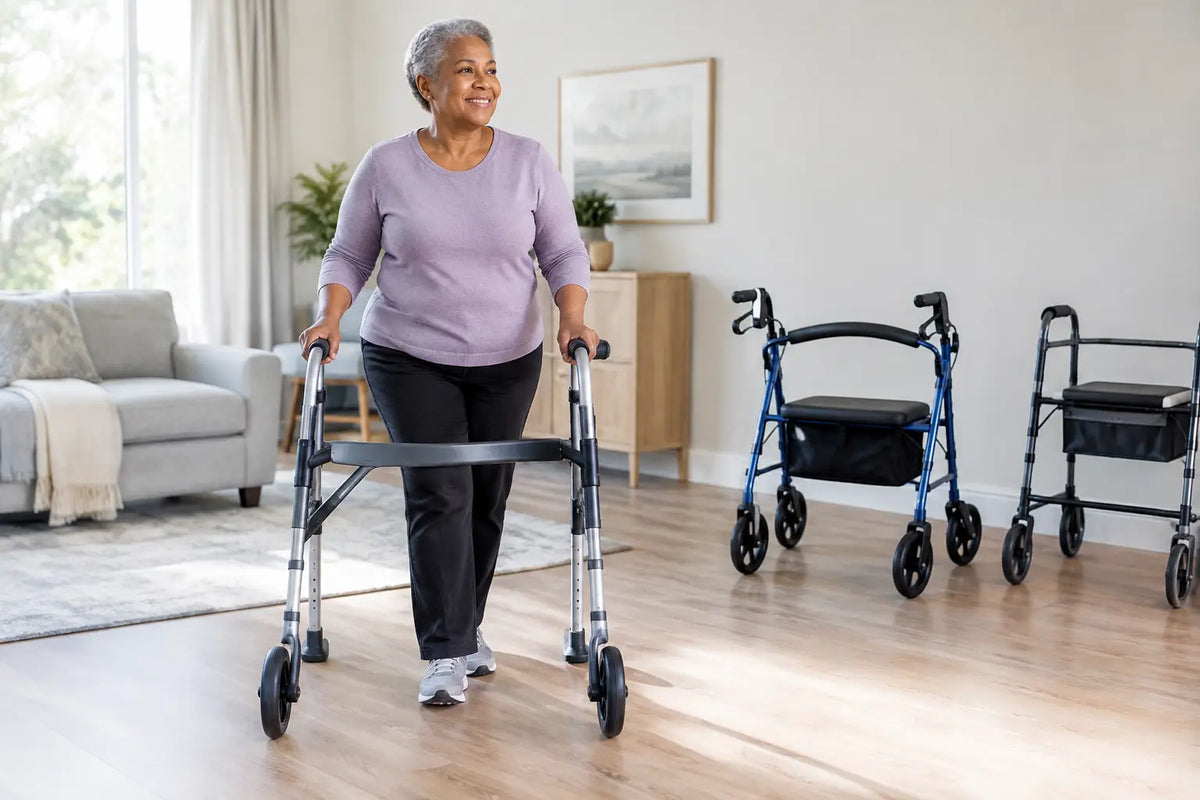
Pay attention to four common areas: entering and leaving the bathroom, getting on and off the toilet, stepping into or standing in the shower, and reaching towels, soap, or personal care items. Someone who uses a walker may need clear floor space and a stable place to sit. Someone with arthritis may need less bending and a firmer handhold. A person recovering from hip or knee surgery may have temporary movement restrictions that change what is safe.
A clinician, physical therapist, or occupational therapist can offer individualized guidance after an injury, surgery, stroke, or significant decline in strength or balance. They can also help confirm safe transfer techniques. Product selection matters, but safe use matters just as much.
Bathroom Safety Aids Guide: Core Product Categories
Grab Bars and Safety Rails
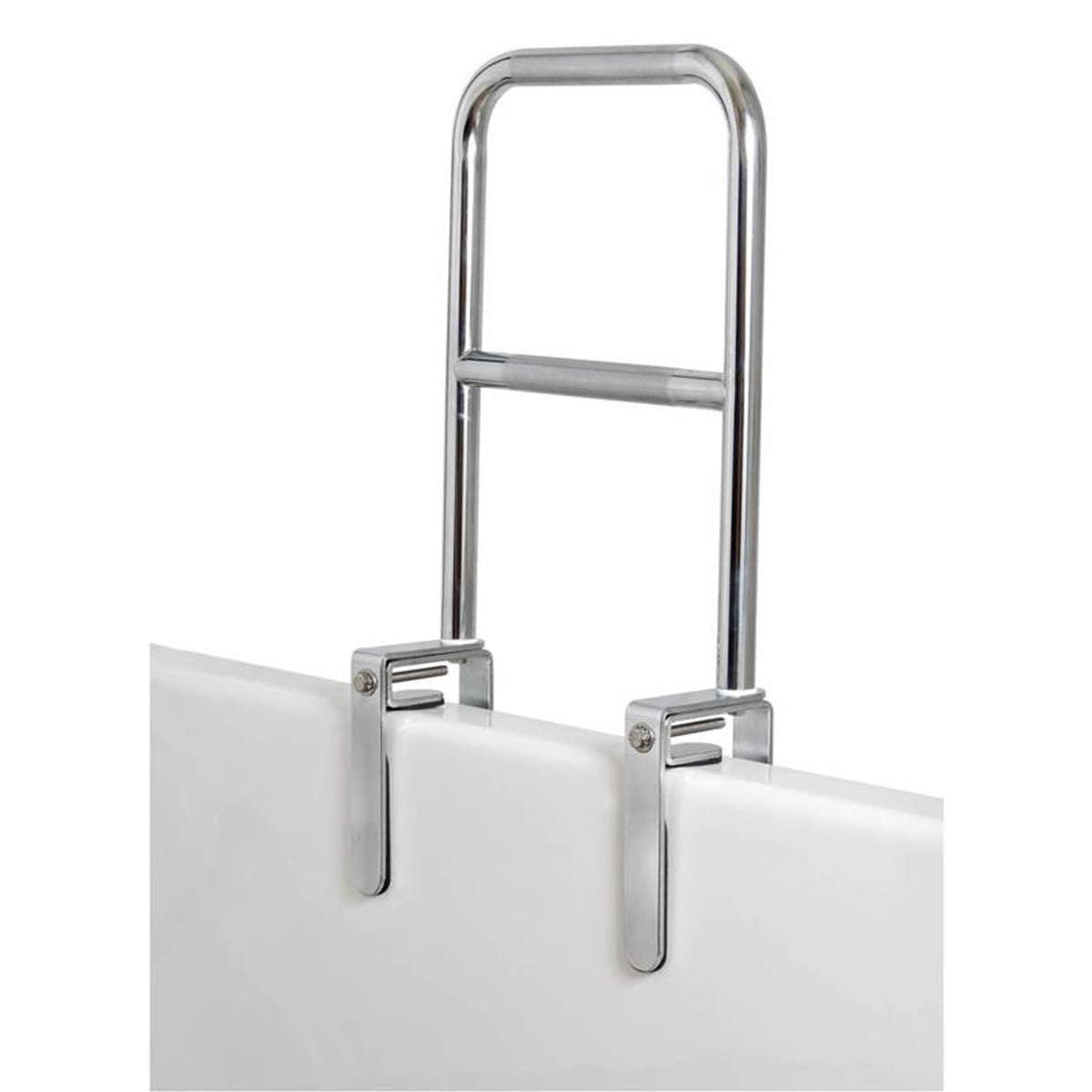
Grab bars provide a fixed handhold near the toilet, inside the shower, or at the tub entrance. Properly installed wall-mounted bars are generally the most dependable option because they are designed to bear weight when secured to wall studs or installed with appropriate mounting hardware.
Placement should support an actual movement. A vertical bar near a shower entry can help with stepping in, while a horizontal bar along the shower wall can provide support while standing or turning. Near the toilet, a bar or toilet safety frame can assist with sitting and rising.
Suction-style grab bars may be useful as a temporary balance cue on a smooth, nonporous surface, but they should not be treated as a weight-bearing support unless the product instructions specifically state otherwise. Check attachment before every use. Towel bars, shower doors, and soap dishes are not substitutes for grab bars.
Shower Chairs, Bath Benches, and Transfer Benches
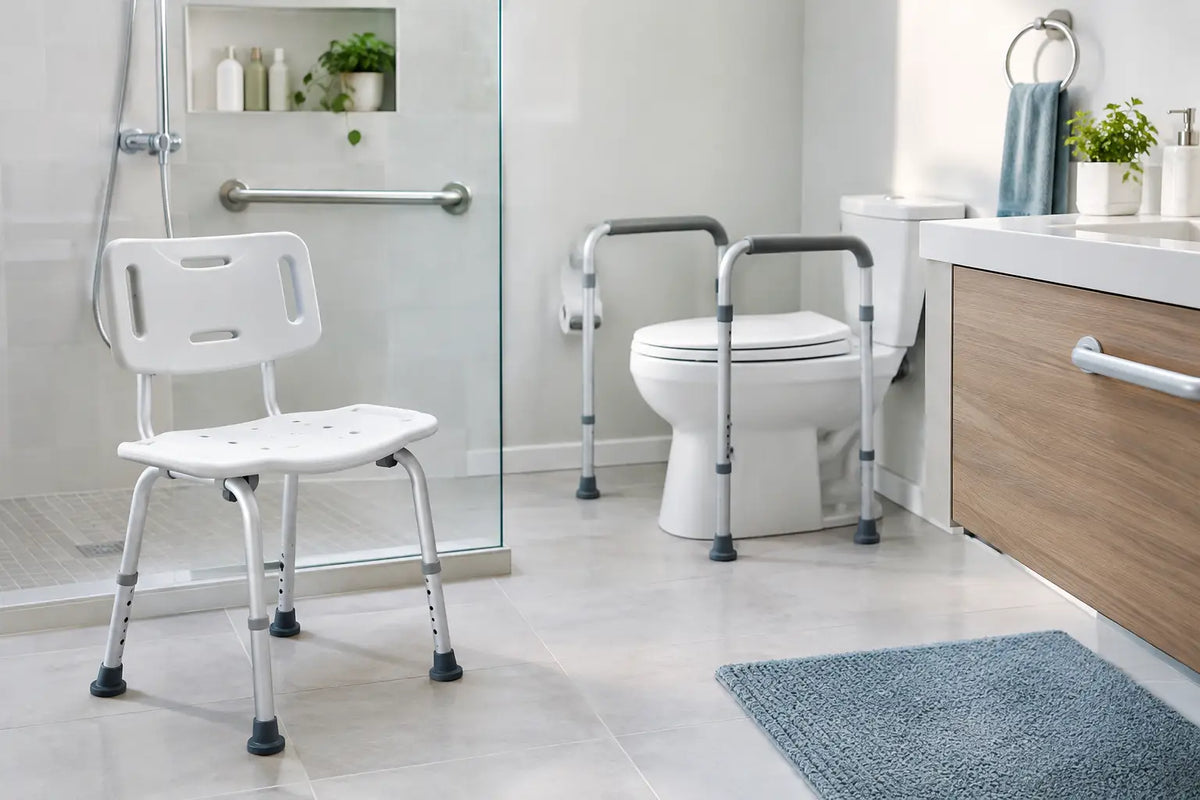
A shower chair gives the user a stable place to sit while bathing. It can be a practical choice for people who fatigue easily, feel unsteady while standing, or need to avoid prolonged standing during recovery. Look for adjustable legs, nonslip feet, drainage openings, and a size that fits inside the shower without crowding the entry.
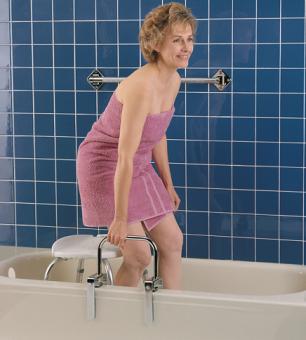
A bath bench usually straddles the tub wall, allowing the person to sit down outside the tub and slide across the seat. A transfer bench extends farther outside the tub and is often a better option for someone who cannot safely step over a high tub wall. It requires more floor space, so measure both the tub and the surrounding area before ordering.
A backrest and armrests can add reassurance for some users, but they may also limit side-to-side movement during a transfer. The best style depends on the user's strength, balance, and preferred transfer method.
Raised Toilet Seats and Toilet Safety Frames
A standard toilet can be too low for people with limited knee, hip, or leg strength. Raised toilet seats reduce the distance needed to sit and stand. They are available in several heights, with some models attaching directly to the toilet and others fitting over the existing seat.
The right height allows the person to place both feet flat on the floor and stand without excessive strain. A seat that is too high can leave feet dangling or make a transfer awkward. If stability is the primary concern, choose a raised seat with secure attachment points or pair the toilet area with a compatible safety frame.
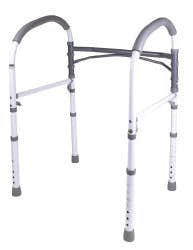
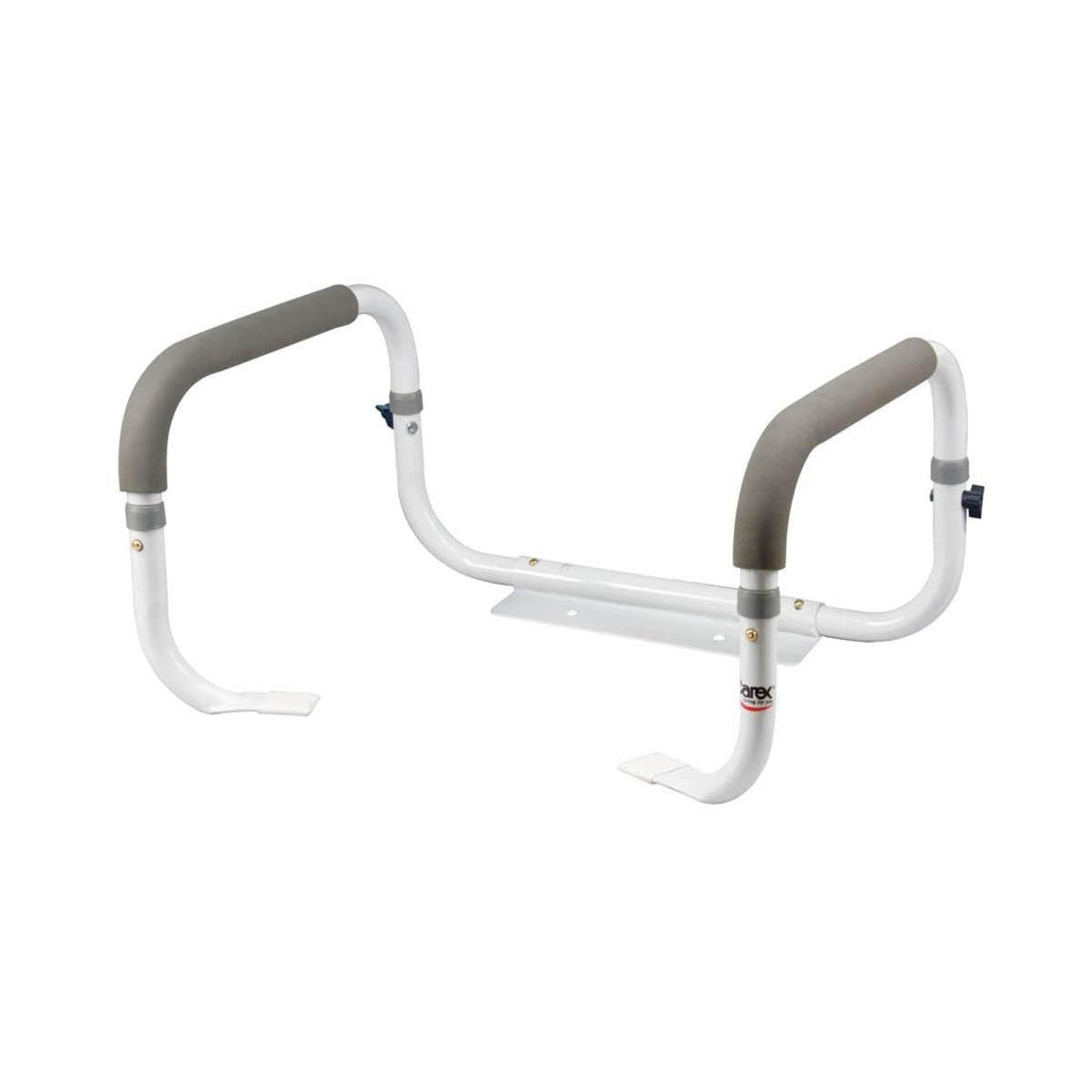
Toilet safety frames place arm supports on either side of the toilet. They can help users push up with both hands rather than pulling on an unstable vanity or nearby towel bar. Check clearance around the toilet, especially in smaller bathrooms.
Nonslip Surfaces and Everyday Fall Prevention
Nonslip mats and adhesive strips can improve traction in tubs and showers. Use products designed for wet environments and replace them when edges lift, surfaces become worn, or residue prevents secure contact. Outside the shower, choose a bath mat with a nonskid backing and keep it flat against the floor.
Floor safety also comes down to habits. Wipe up water promptly, avoid loose rugs, keep pathways clear, and make sure the bathroom is well lit at night. Motion-sensor night lights can be helpful for people who make frequent nighttime bathroom trips. Store commonly used items within easy reach so no one needs to stretch, twist, or climb to retrieve them.
How to Choose the Right Bathroom Aid
Measurements are not a minor detail. Before selecting equipment, measure the shower opening, tub width, toilet height, available floor space, and doorway clearance. Also check the product's weight capacity and adjustability range. The goal is a secure fit, not simply a product that can be squeezed into the room.
Consider who will use the aid and whether a caregiver will assist. A compact shower chair may suit an independent user in a narrow shower. A transfer bench can be more appropriate when a caregiver is helping someone with limited mobility. If the user has one-sided weakness, reduced hand strength, or difficulty following multi-step instructions, choose equipment that is simple to position and operate.
Material and cleaning needs deserve attention, too. Bathroom equipment is exposed to moisture, soap, and body-care products. Choose smooth, easy-to-clean surfaces and inspect rubber tips, fasteners, and seats regularly for wear. Following the manufacturer's setup, cleaning, and replacement instructions helps maintain safe performance.
Set Up Equipment for Safe Use
Even high-quality equipment can become unsafe when installed or adjusted incorrectly. Assemble chairs and benches on a level surface, confirm that all legs are set to the same height, and make sure rubber feet contact the floor firmly. Do not use a shower chair or bench on an uneven surface or with damaged parts.
For grab bars, professional installation is often worth considering, particularly when the user will place significant body weight on the bar. Follow the product instructions for wall type, mounting location, and weight limits. After installation, test the bar carefully before relying on it during a transfer.
Keep mobility aids, towels, and toiletries organized before bathing begins. Rushing to reach a shampoo bottle or stepping out onto a wet floor to grab a towel defeats the purpose of the safety setup. A shower caddy, long-handled sponge, handheld showerhead, or bedside commode may also make sense depending on the person's needs and bathroom access.
When Needs Change, Reassess the Setup
Bathroom safety is not a one-time purchase. Recovery can improve a person's ability to move independently, while chronic conditions may create new challenges over time. Reassess when there has been a fall, a medication change that causes dizziness, a new surgery, worsening joint pain, or increased caregiver assistance.
For many households, starting with a stable shower seat, properly installed grab bars, a nonslip bathing surface, and toilet support addresses the most common risks. CartHealth offers home health categories that can help caregivers and individuals find practical supplies for daily routines without making multiple store trips.
The right aid should make a routine feel more secure, not more complicated. Choose equipment that fits the bathroom, supports the user's real movements, and can be used consistently with confidence.