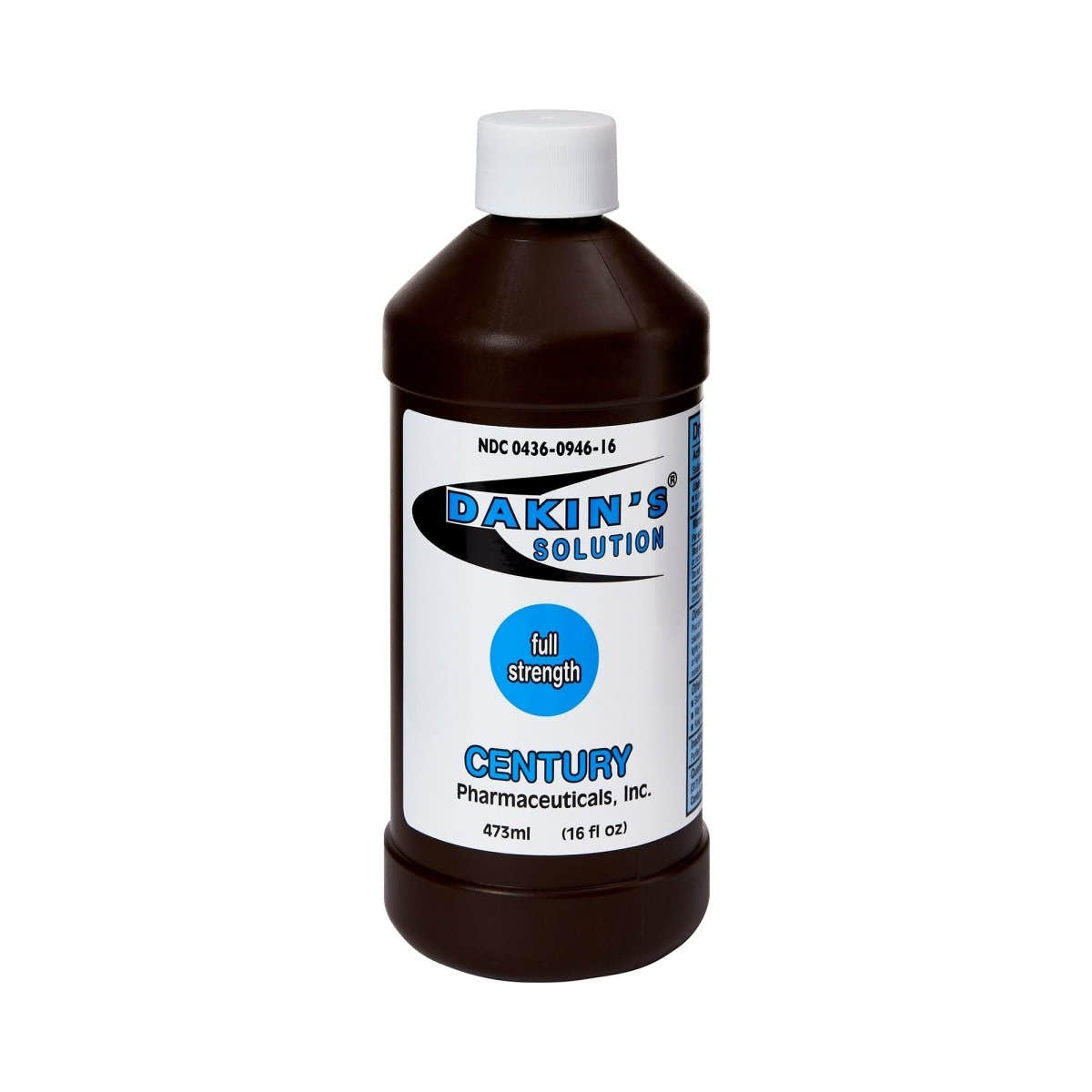
Wound Cleansers

30 products

Showing 1 - 24 of 30 products

Wound cleansers play a crucial role in the healing process by reducing the risk of infection and promoting a favorable environment for healing. They are used to clean wounds, removing debris, exudates, and contaminants, and are typically gentler than antiseptics, which can be harsh on tissues.
Showing 1 - 24 of 30 products
View
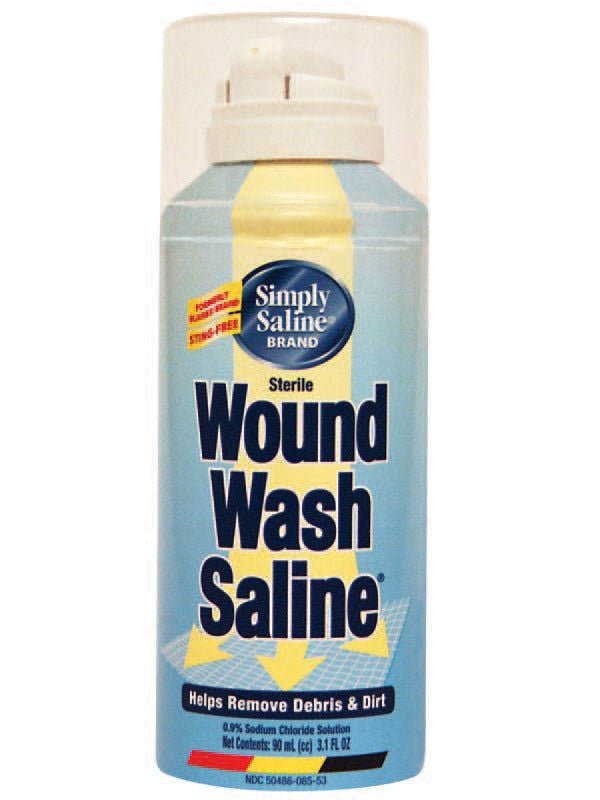
Simply Saline Wound Wash, 90 mL Spray Can - 836408_EA - 1
Save 40%
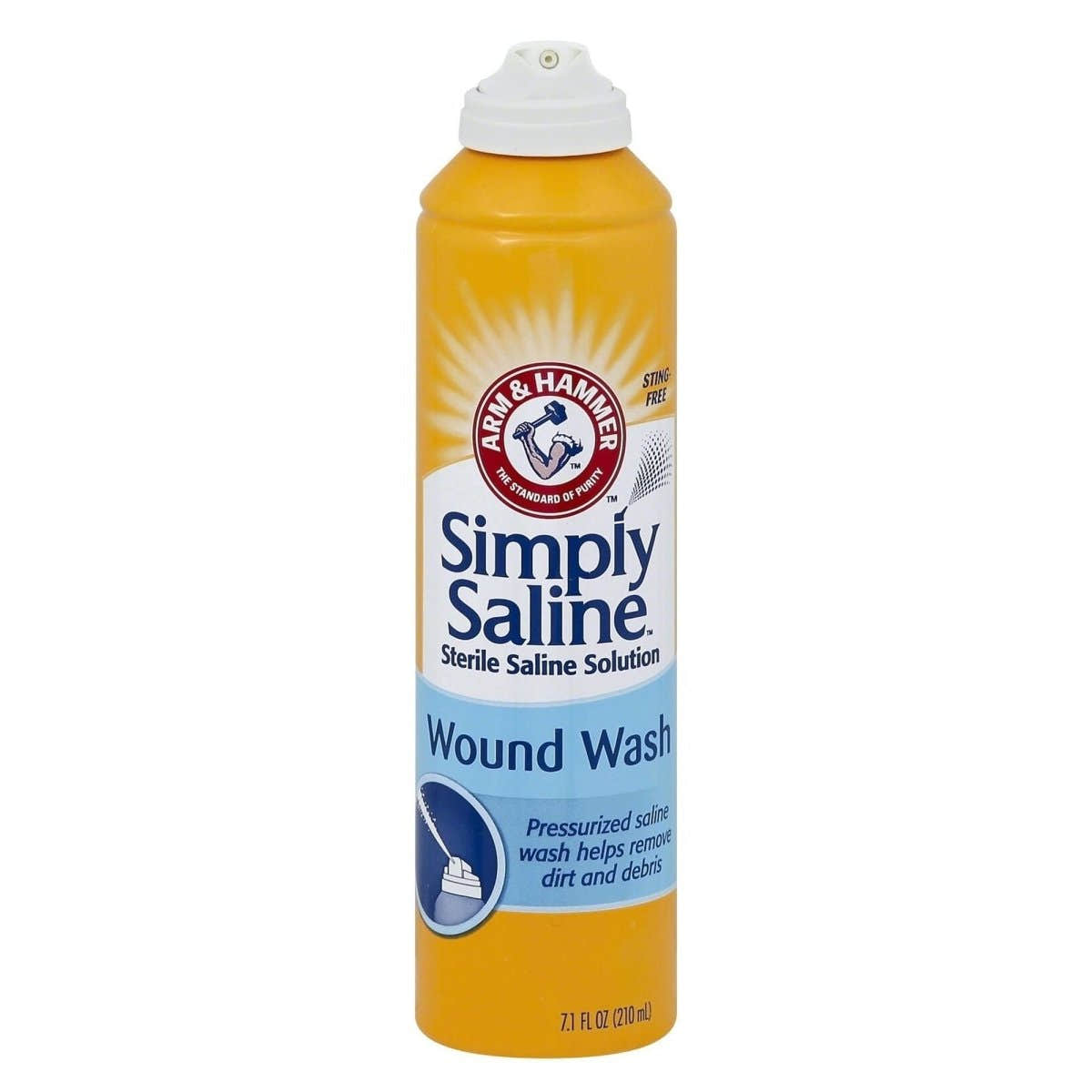
Arm & Hammer Simply Saline Wound Wash, 7.1 oz. - 836407_EA - 1
Arm & Hammer Simply Saline Wound Wash, 7.1 oz.
Sale price$11.99 Regular price$19.99
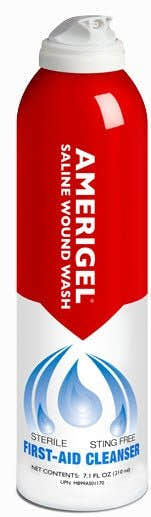
Amerigel Wound Wash, 4 fl. oz. - 823331_EA - 1
Amerigel Wound Wash
Sale priceFrom $139.99
Save 25%
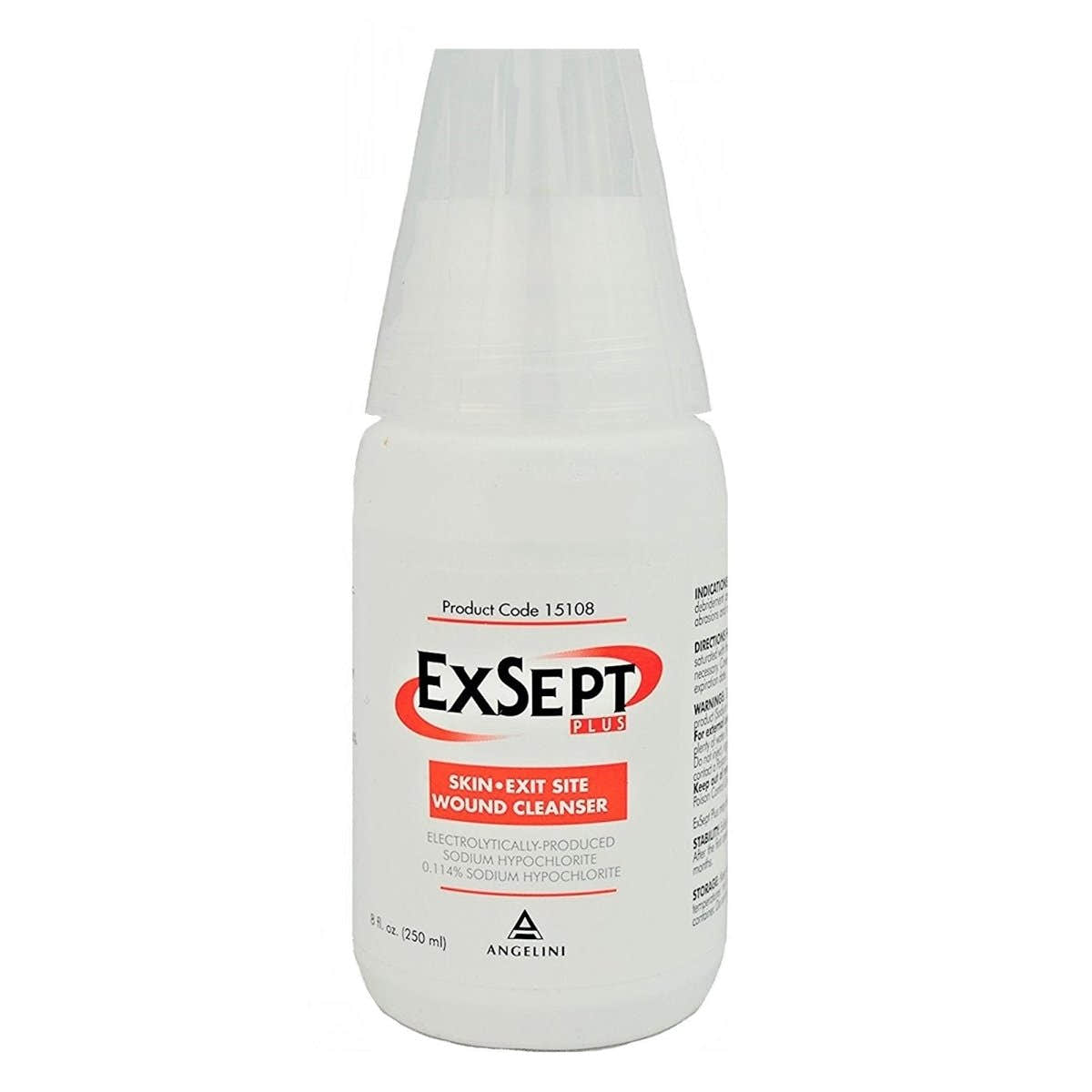
ExSept Plus Antiseptic, 250 mL - 704120_EA - 1
ExSept Plus Antiseptic, 250 mL
Sale priceFrom $11.99 Regular price$15.99
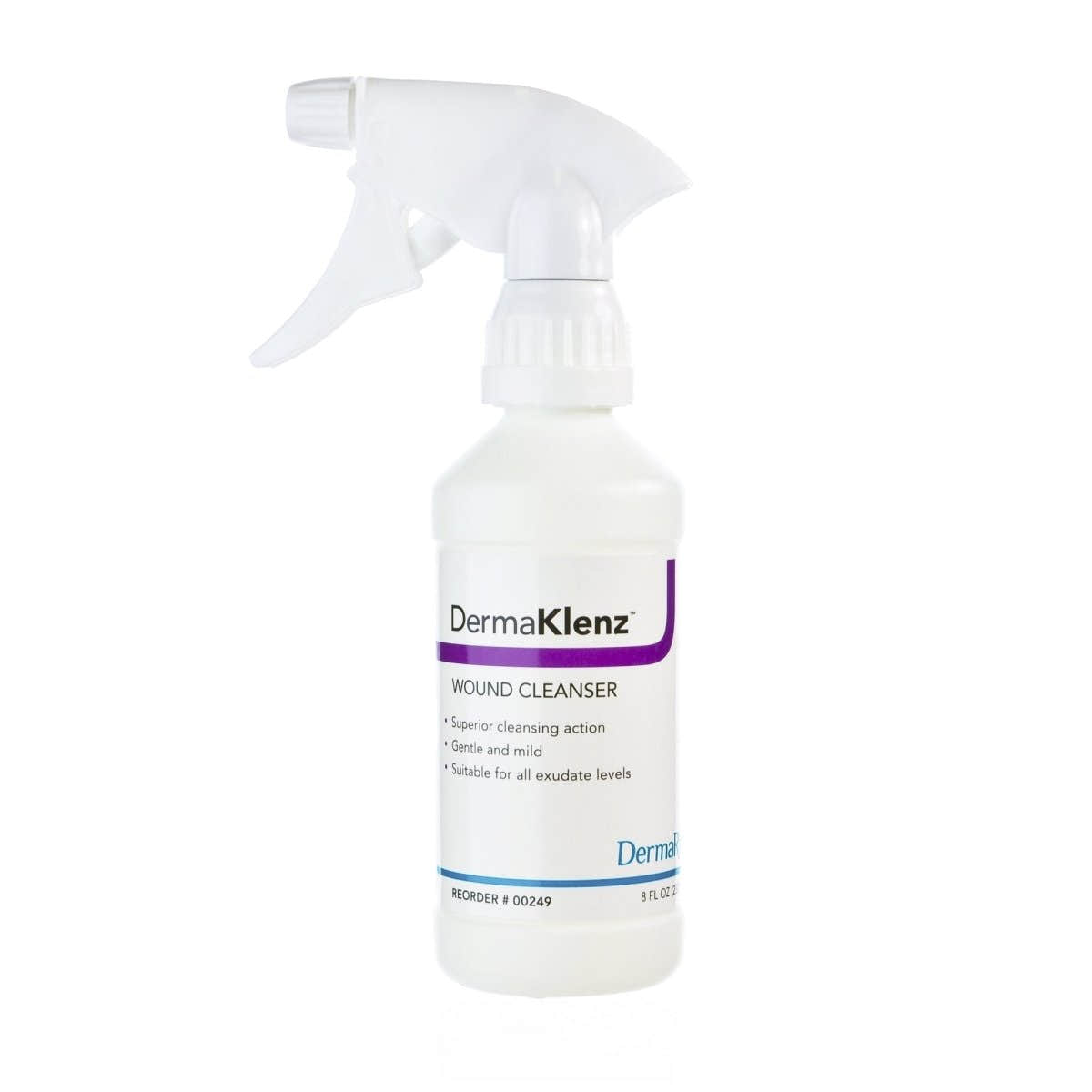
DermaRite DermaKlenz Wound Cleanser, 8 oz - 695541_EA - 1
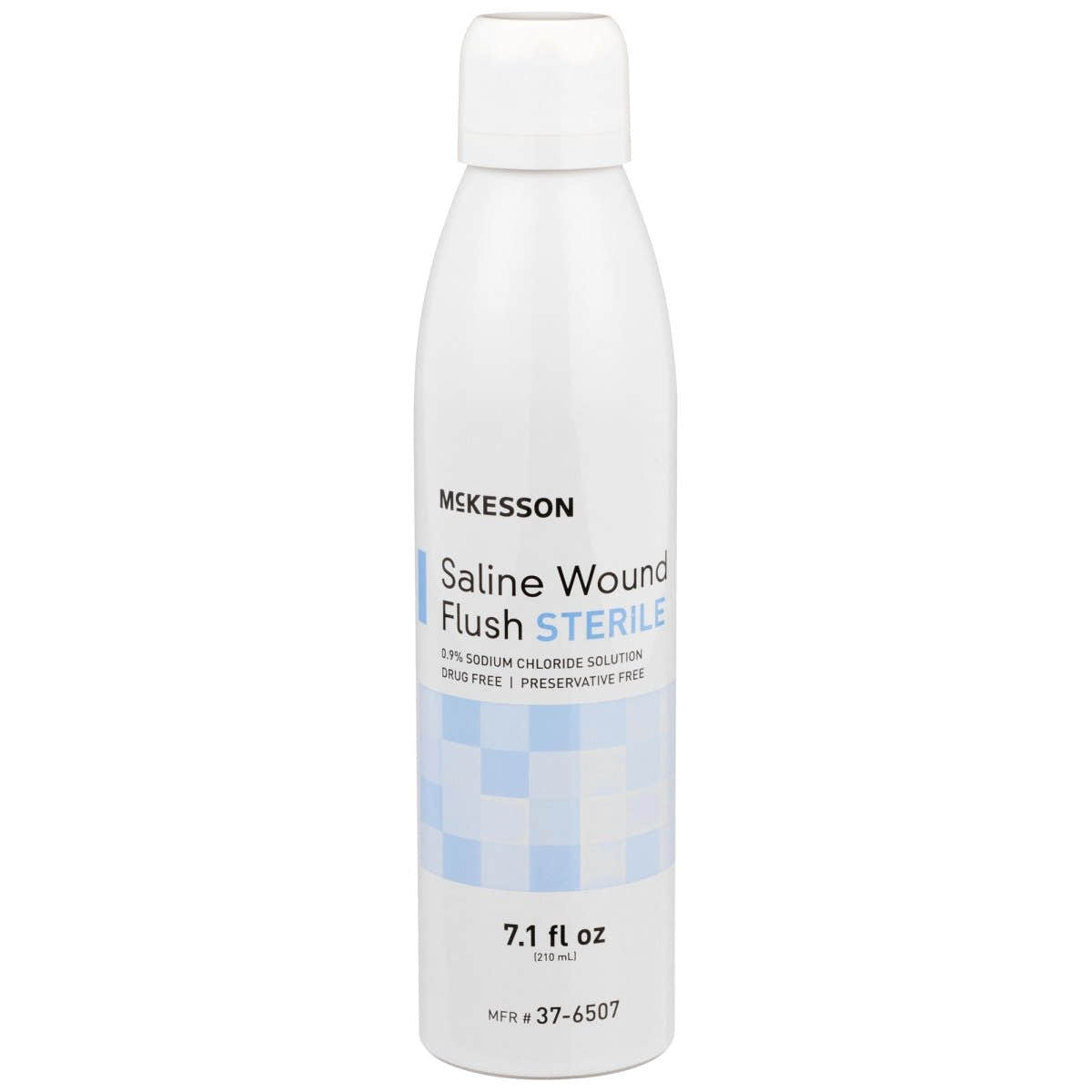
McKesson Saline Wound Flush, Spray Can, Sterile - 636352_EA - 1
McKesson Saline Wound Flush
Sale priceFrom $7.99
Save 36%
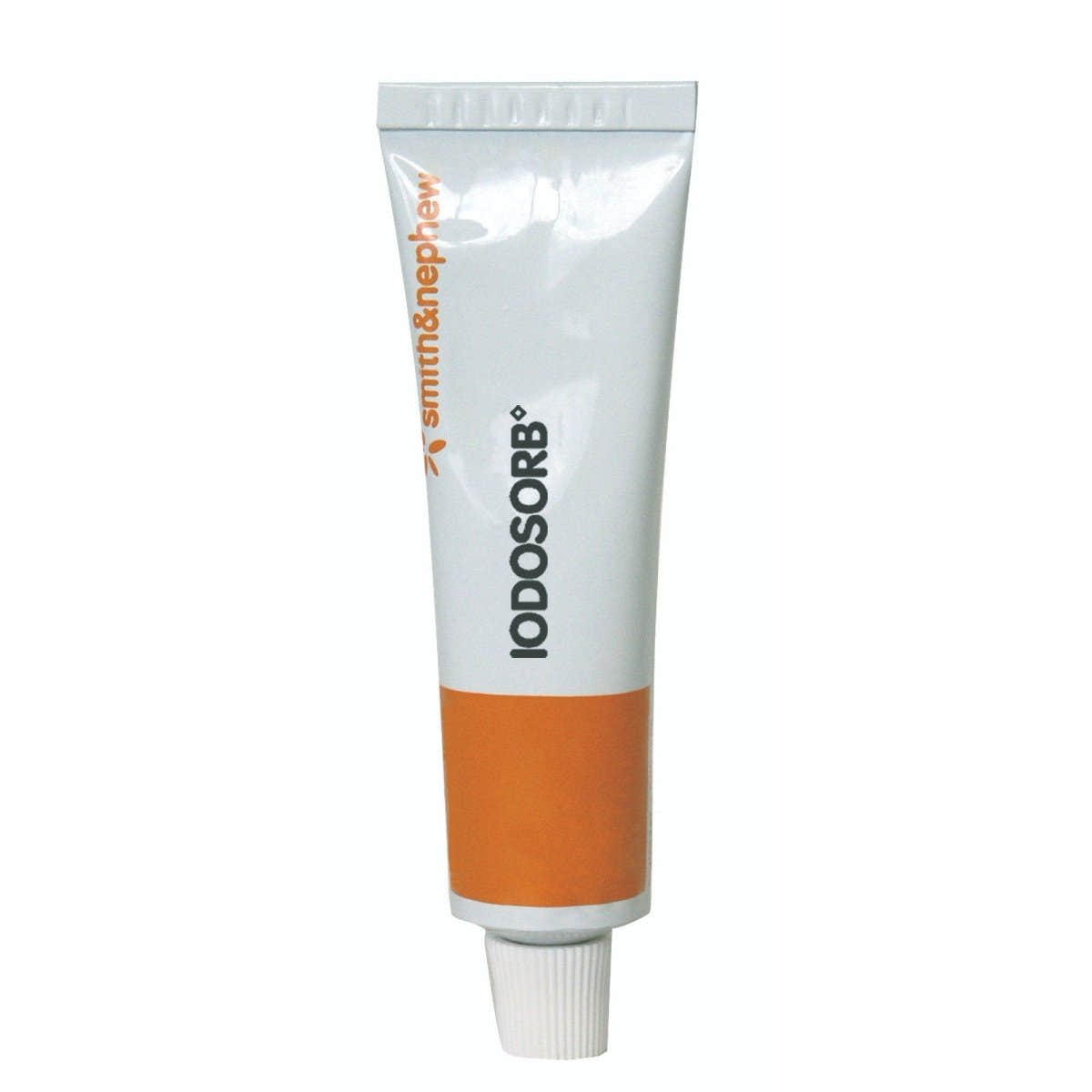
Iodosorb Antimicrobial Wound Gel - 629962_EA - 1
Iodosorb Antimicrobial Wound Gel
Sale priceFrom $31.99 Regular price$49.99
Choose options
Save 31%
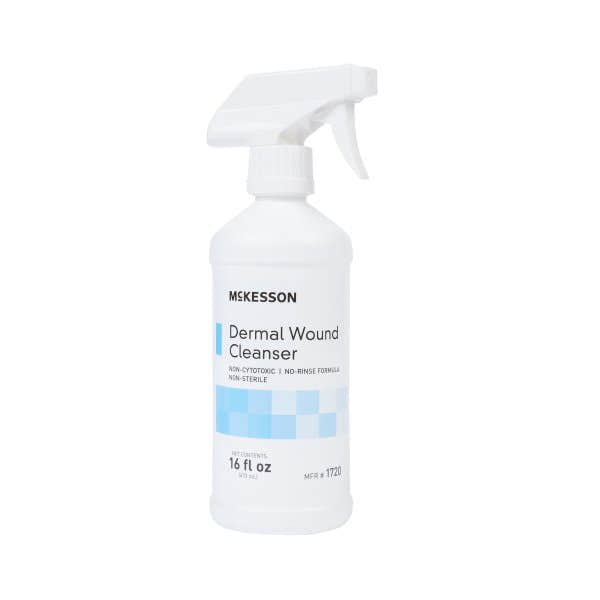
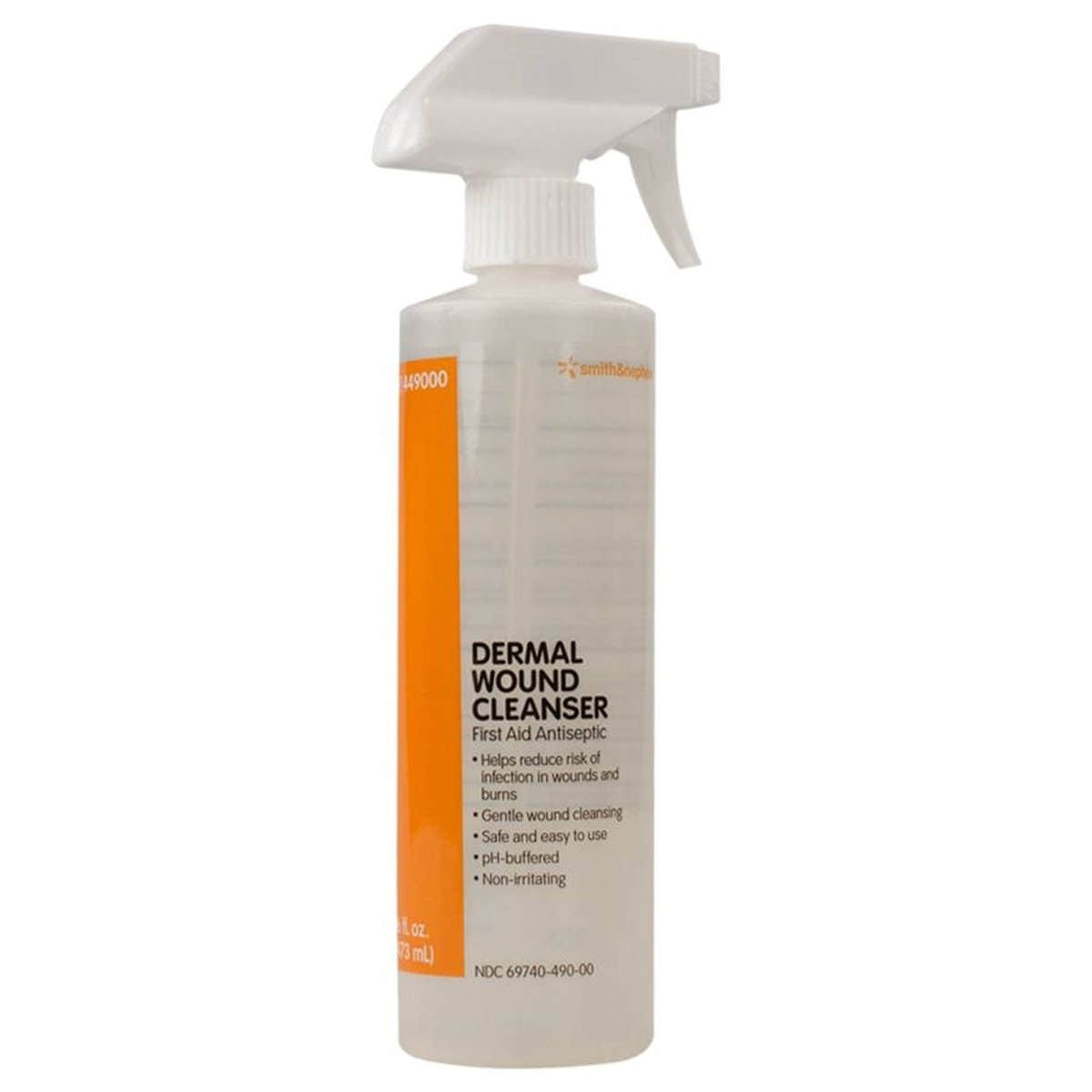
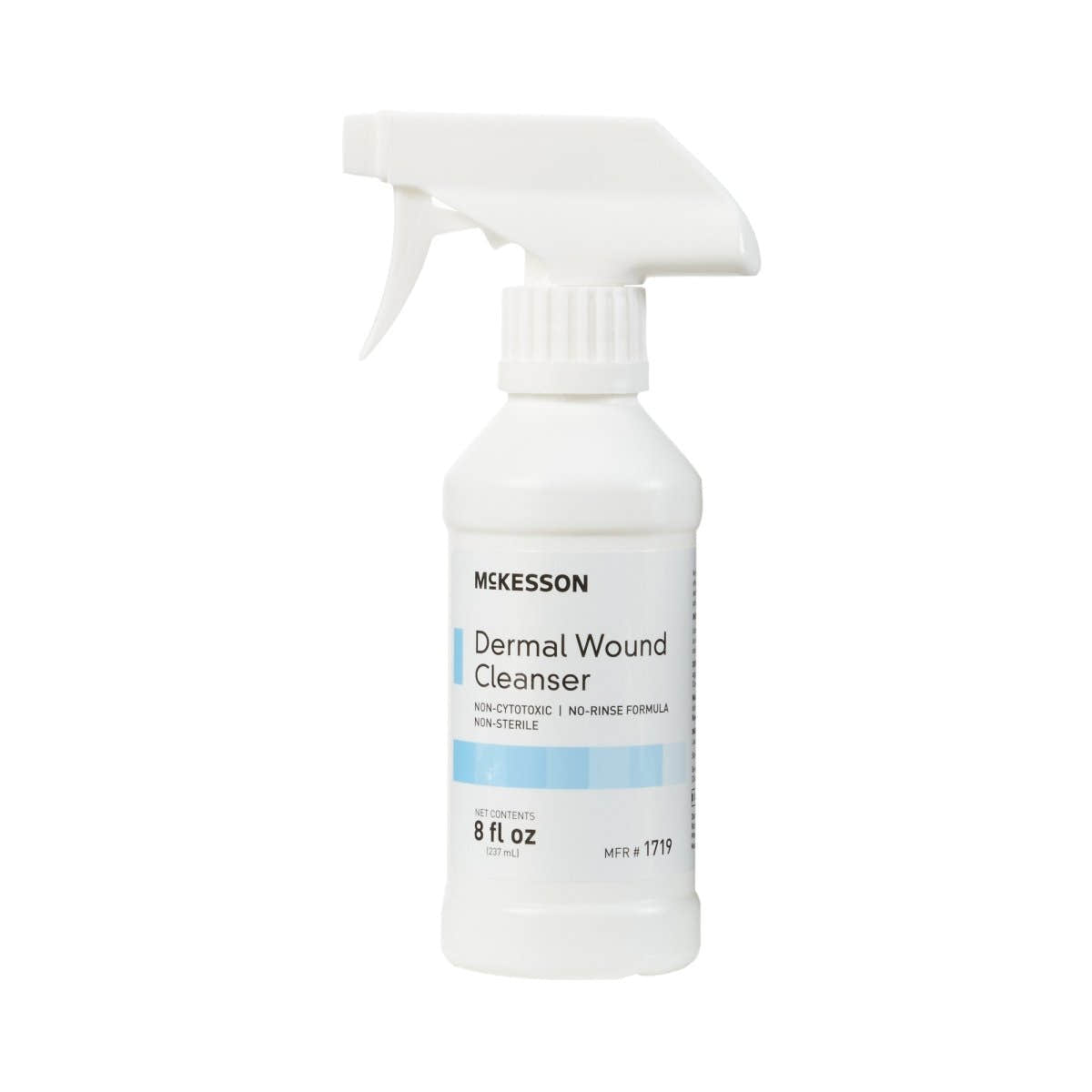
Dermal Wound General Purpose Wound Cleanser, 16 oz. Spray Bottle - 326722_EA - 1
Dermal Wound General Purpose Wound Cleanser, 16 oz. Spray Bottle
Sale priceFrom $23.99 Regular price$34.99
Choose options
Save 42%
Coloplast Sea-Clens General Purpose Wound Cleanser, 6 oz. - 227280_EA - 1
Coloplast Sea-Clens General Purpose Wound Cleanser
Sale priceFrom $10.99 Regular price$18.99
MPM Wound & Skin Cleanser, 16 oz. - 582466_EA - 1
MPM Wound & Skin Cleanser
Sale priceFrom $11.99
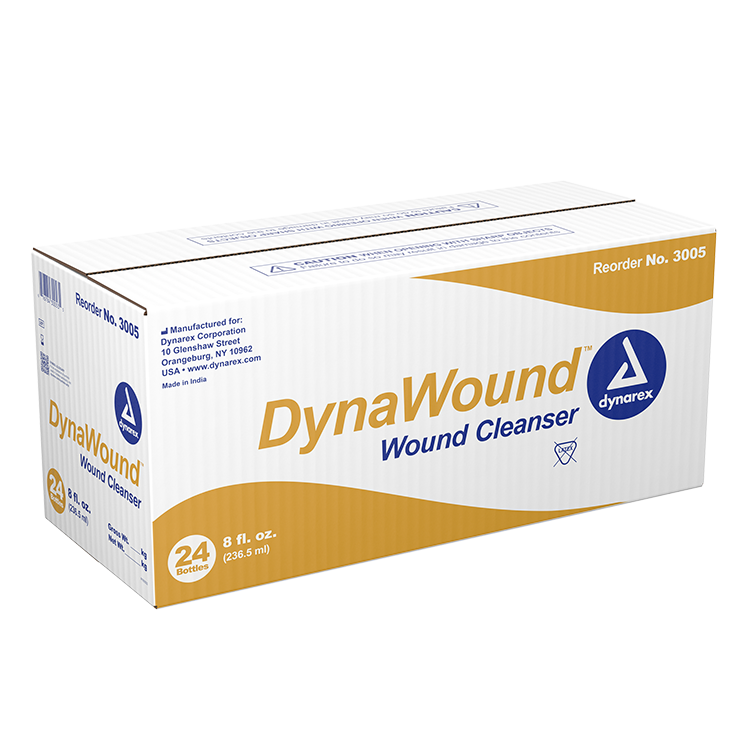
PhaseOne Wound Cleanser, 8 oz. Bottle - 1081617_BX - 1
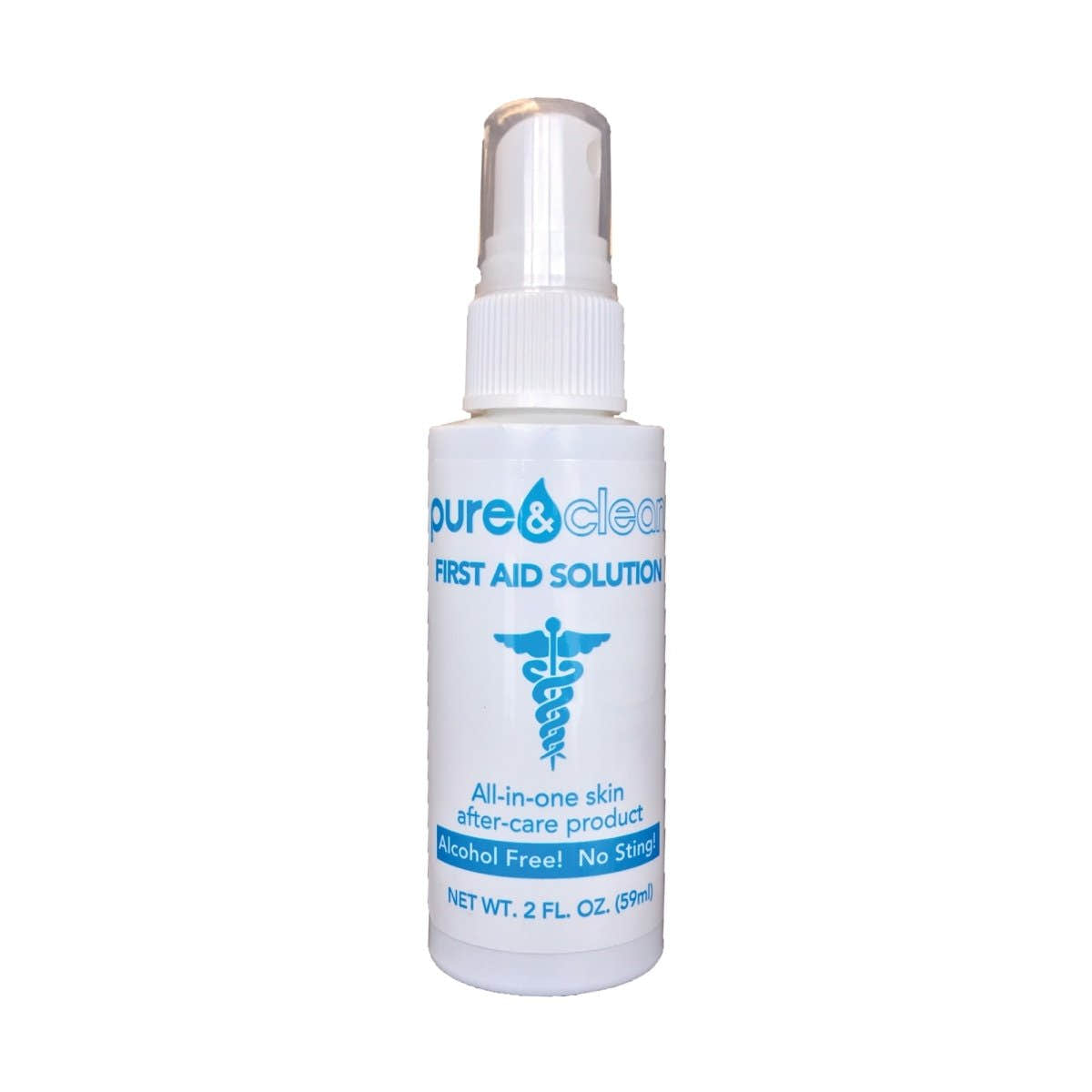
Pure & Clean Hypochlorous Acid Anesthetic, 2 oz. Bottle - 1046003_BT - 1
Pure & Clean Wound Cleanser
Sale priceFrom $22.99
Choose options
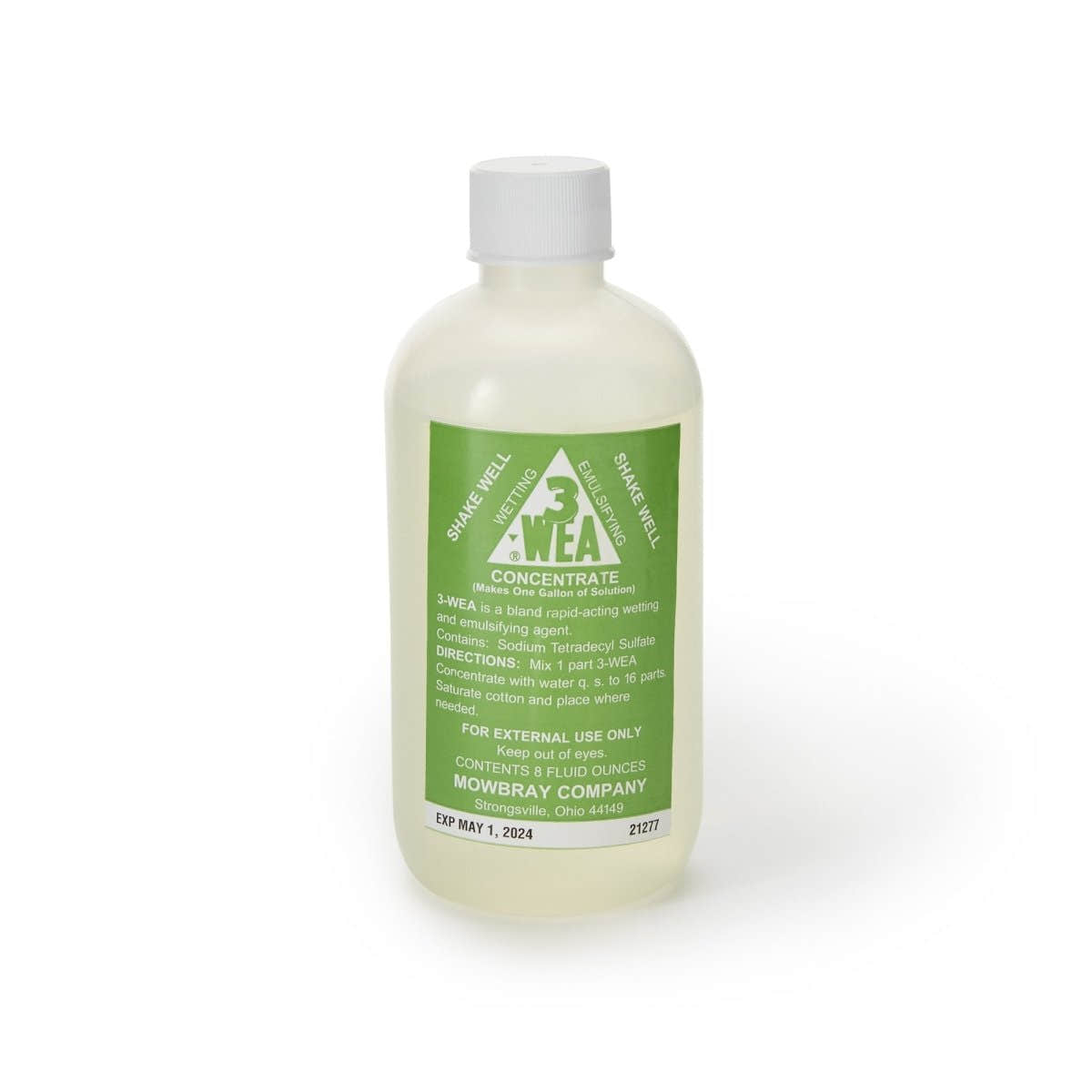
3 Wea Antiseptic - 863765_EA - 1
3 WEA Antiseptic
Sale price$69.99
Anasept Wound Cleanser - 738853_EA - 1
Anasept Wound Cleanser
Sale priceFrom $7.99
Choose options
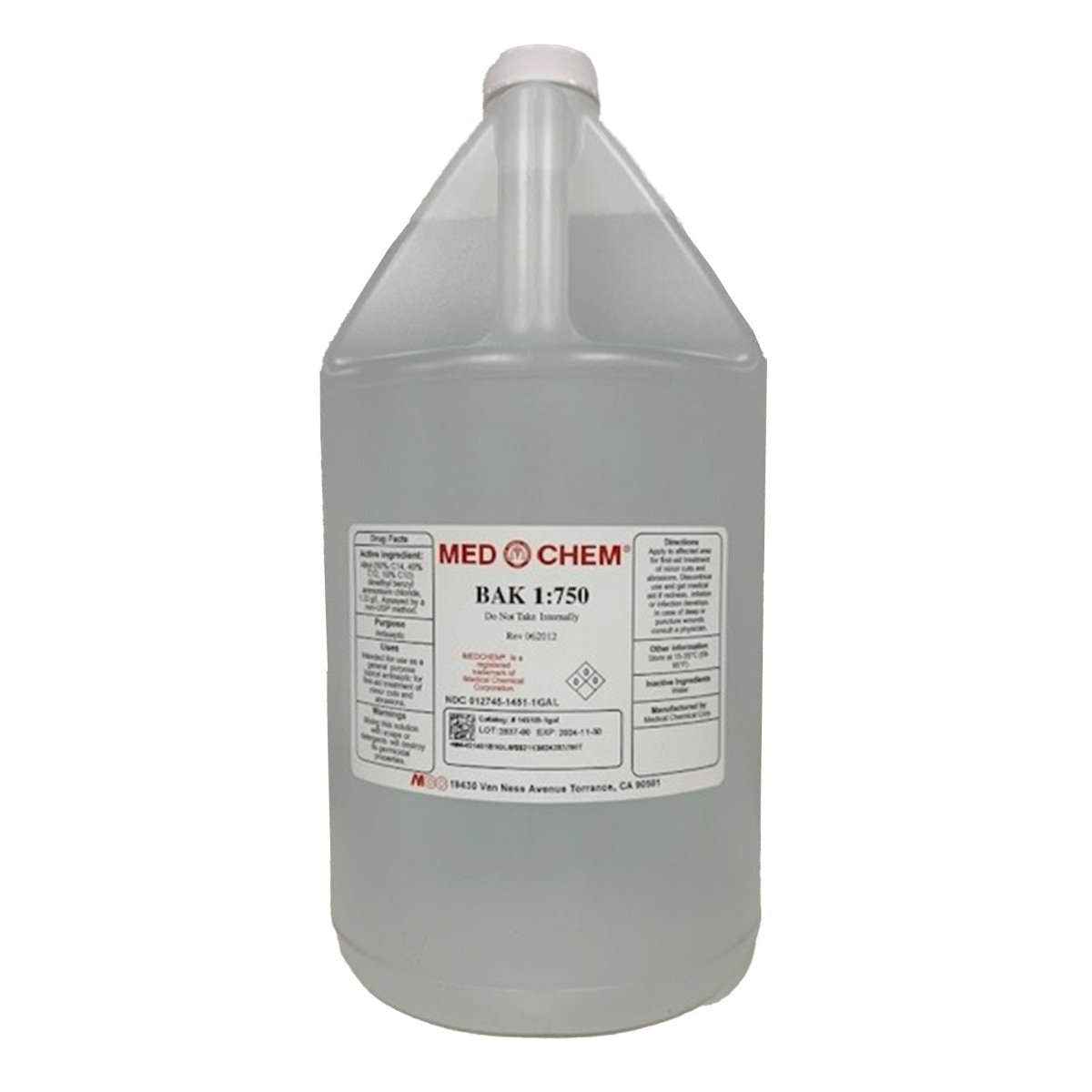
Bak 1:750 Benzalkonium Chloride Antiseptic - 181934_GL - 1
Bak 1:750 First Aid Antiseptic - 546270_EA - 1
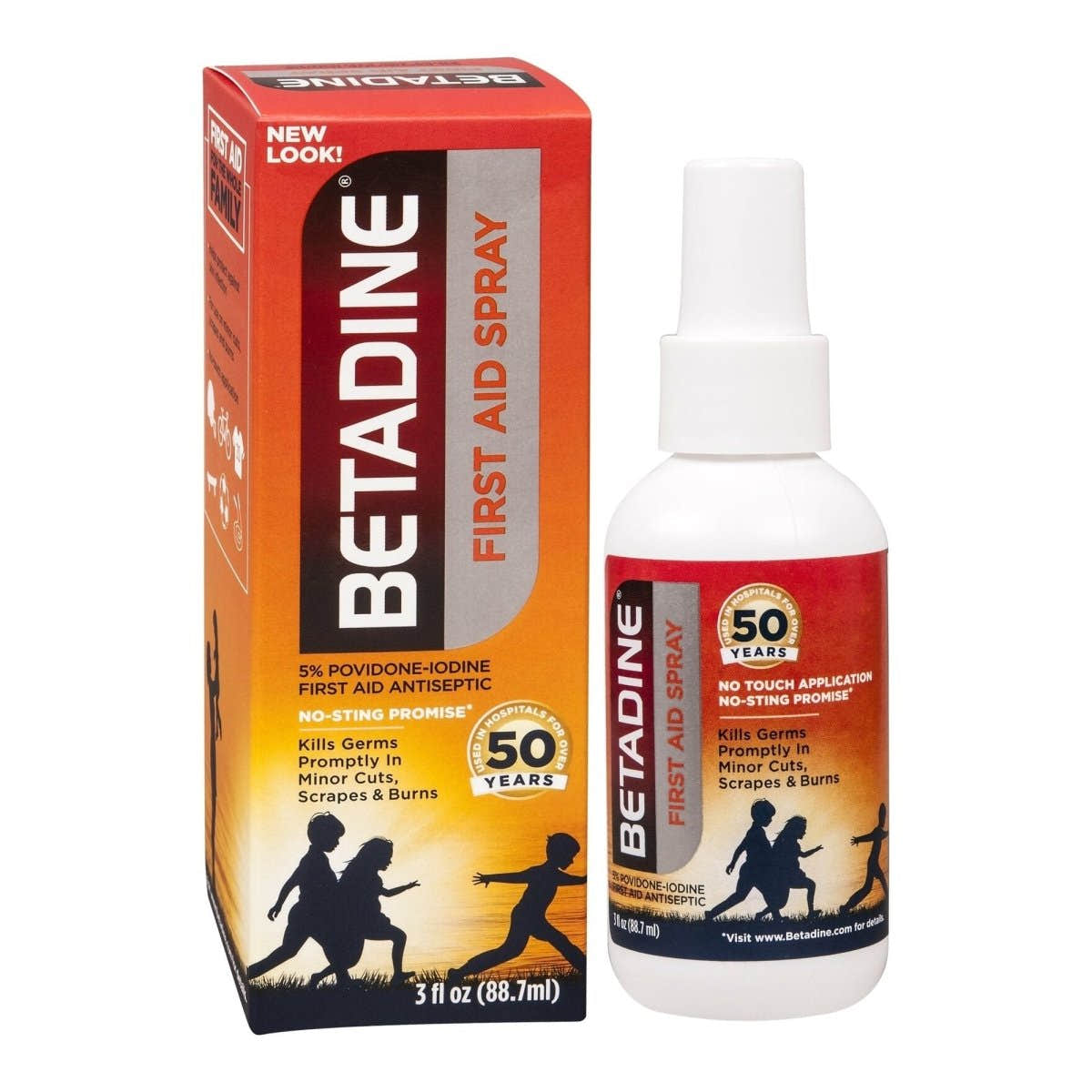
Betadine Povidone Iodine Antiseptic - 1052813_EA - 1
Humco Benzoin Tincture Antiseptic - 416128_EA - 1

Frequently Asked Questions about Wound Cleansers

Wound cleansers are solutions designed to clean wounds by removing debris, bacteria, exudates, and contaminants while supporting the healing process. Unlike antiseptics, wound cleansers are formulated to be gentle on healing tissue, reducing the risk of infection without damaging the cells needed for recovery.

Wound cleansers are designed for anyone managing acute or chronic wounds, including surgical incisions, pressure injuries, diabetic ulcers, abrasions, and lacerations. Caregivers, home health patients, and clinical professionals all use wound cleansers as part of routine wound care to keep wound beds clean and infection-free.

Apply wound cleanser directly to the wound bed or onto a clean gauze pad, then gently irrigate or wipe away debris and exudate. Follow the product's specific instructions, as some wound cleansers are sprays, others are gels, and application technique can vary depending on wound type and depth.

Wound cleansers are gentle, non-cytotoxic solutions formulated to remove debris without harming healing tissue, while antiseptics contain stronger antimicrobial agents that can damage fragile wound cells. For most wounds, wound cleansers are the preferred choice because they clean effectively without slowing down the natural healing process.

Wound cleansers come in several forms, including general-purpose wound cleansers, antimicrobial wound cleansers, saline wound flushes, wound irrigation solutions, wound washes, and antimicrobial wound gels. The right type depends on the wound's severity, infection risk, and whether antimicrobial action or simple debris removal is the primary goal.

Yes, certain wound cleansers — particularly antimicrobial wound cleansers and antiseptic formulas — are specifically designed to address infected or at-risk wounds. However, severe infections should always be evaluated by a healthcare provider, as wound cleansers alone may not be sufficient treatment for deep or systemic infections.

Choosing the right wound cleanser depends on the wound type, infection risk, and wound depth. General-purpose wound cleansers work well for minor wounds and routine cleaning, while antimicrobial wound cleansers or wound irrigation solutions are better suited for deeper wounds, chronic ulcers, or wounds showing signs of infection.

Yes, saline wound flush is widely regarded as one of the safest and most effective wound cleansers for general wound cleaning because it is isotonic and non-irritating to healing tissue. Saline wound flush is commonly used in both home care and clinical settings to gently irrigate wounds without disrupting the healing environment.

Wound cleansers should be stored at room temperature, away from direct sunlight and extreme heat or cold, and kept tightly sealed when not in use. Always check the expiration date before use, and discard any wound cleanser that has changed color, developed particles, or been open beyond the manufacturer's recommended timeframe.

Because wound cleansers are specifically formulated to clean without damaging the new cells forming during healing, whereas hydrogen peroxide can break down healthy tissue and slow recovery. Most wound care guidelines now recommend wound cleansers over hydrogen peroxide for routine wound cleaning due to their gentler, tissue-safe composition.

Recently viewed