Shoulder Supports

7 products

Showing 1 - 7 of 7 products

Shop shoulder supports, including shoulder braces for rotator cuffs and dislocated shoulders. Use our filters to narrow your search and find the right products for you. With fast shipping directly to your home.
Showing 1 - 7 of 7 products
View
Aircast Quick Fit Shoulder Immobilizer - 785301_EA - 1
Arc Shoulder Brace - 998789_EA - 1
Arc Shoulder Brace
Sale price$359.99
Cinch Lock Shoulder Immobilizer - 285447_EA - 1
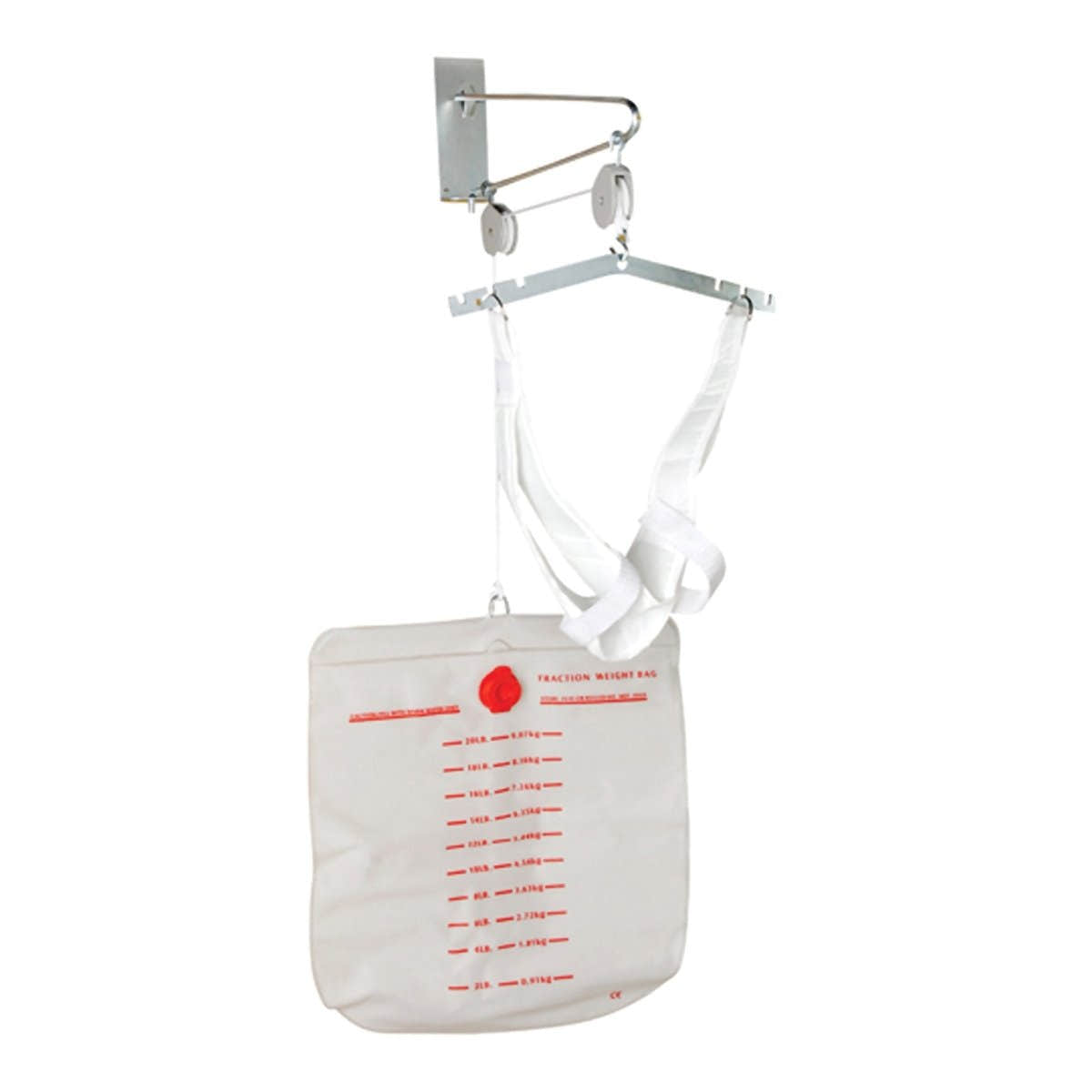
Dmi Cervical Traction Kit - 115450_EA - 1
DMI Cervical Traction Kit
Sale price$24.99
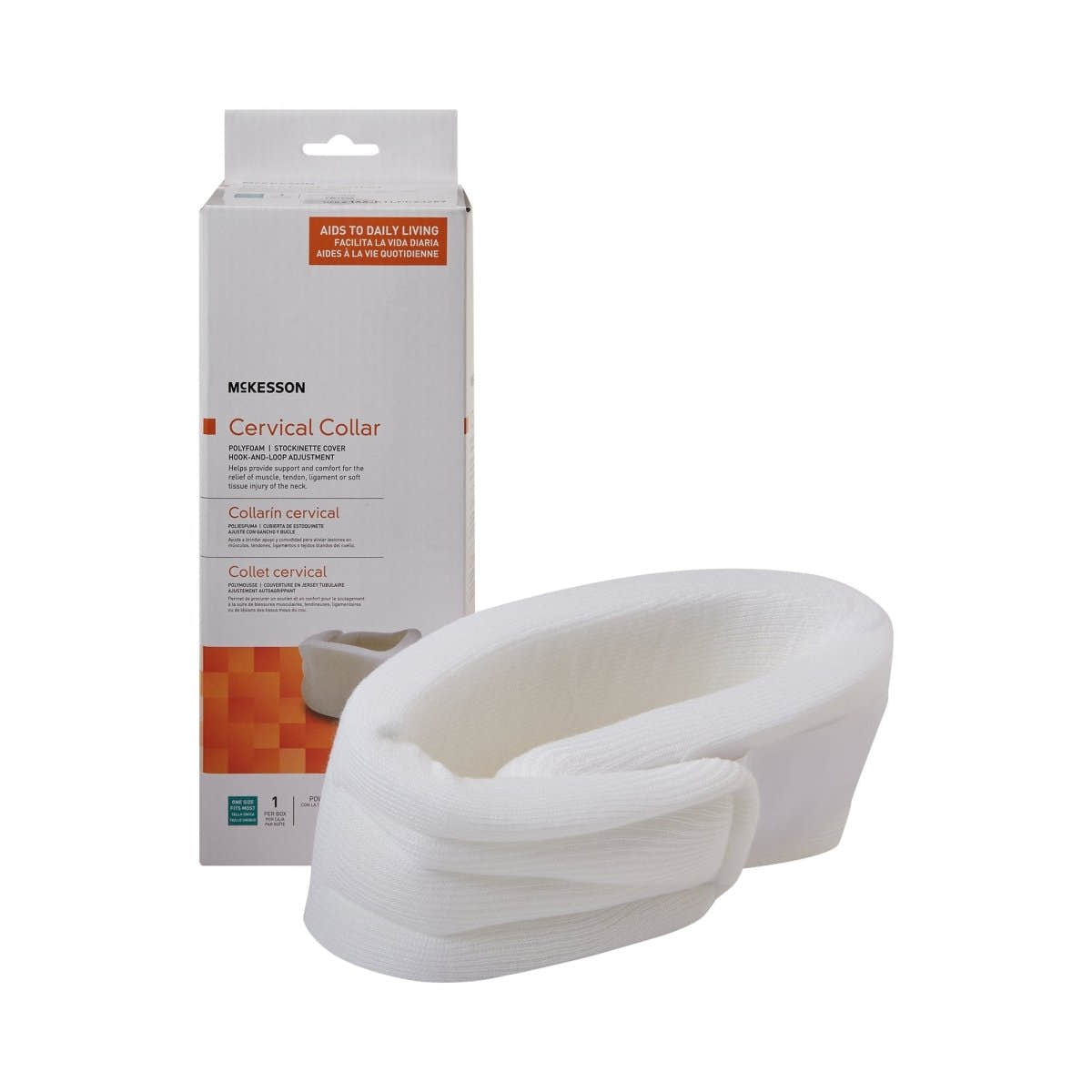
Mckesson Cervical Collar - 1103361_CS - 1
McKesson Cervical Collar
Sale priceFrom $10.99
Choose options
Slingshot 2 Shoulder Immobilizer - 642963_EA - 1

Frequently Asked Questions about Shoulder Supports

A shoulder support is a brace or immobilizer designed to stabilize the shoulder joint and reduce pain from injuries like rotator cuff tears, dislocated shoulders, or post-surgical recovery. Shoulder supports come in several styles, including slings, immobilizers, and structured braces, depending on the level of support needed.

Shoulder immobilizers are designed for people recovering from shoulder dislocations, fractures, rotator cuff repairs, or other injuries that require the arm to be held in a fixed position. A doctor or physical therapist will typically recommend a shoulder immobilizer after surgery or acute injury to protect the joint during healing.

Start by sliding your affected arm into the brace or sling according to the product's instructions, then secure any straps snugly without cutting off circulation. The shoulder brace should hold your arm close to your body at a comfortable angle, and you may need someone to assist you when first applying it after an injury.

A shoulder brace provides compression and stability while still allowing some range of motion, whereas a shoulder immobilizer is designed to hold the arm completely still against the body. The right choice depends on your injury — immobilizers are typically used after dislocations or surgery, while braces suit milder strains or ongoing support needs.

Choose a shoulder support size by measuring your chest circumference or arm length according to the manufacturer's sizing guide, since fit varies across product types like immobilizers, slings, and structured braces. A properly sized shoulder support should feel snug and secure without causing numbness, pinching, or restricting blood flow.

Yes, many shoulder supports and immobilizers can be worn over lightweight clothing, which can also help prevent skin irritation during extended wear. However, some structured shoulder braces are designed to be worn directly against the skin for a more secure fit, so check the individual product's instructions before use.

Because the rotator cuff tendons need to remain completely still in the early weeks after surgery to heal properly, shoulder immobilizers prevent accidental movement that could re-tear the repair. Keeping the arm immobilized reduces strain on the surgical site and allows the tissue to reattach correctly before rehabilitation begins.

Clean a shoulder brace by hand-washing it with mild soap and warm water, then allowing it to air dry completely before wearing it again. Avoid machine washing or placing the brace in a dryer, as heat and agitation can damage the foam padding, straps, or structural components and shorten the product's lifespan.

Shoulder supports, including shoulder braces, immobilizers, and clavicle braces, are available at Cart Health with fast shipping directly to your home. Cart Health carries a range of shoulder support styles suited to different injuries and recovery needs, so you can filter by product type to find the right fit.

No, a shoulder support and a clavicle brace are not the same, though both address injuries near the shoulder area. A clavicle brace is specifically designed to pull the shoulders back and stabilize a broken or fractured collarbone, while shoulder supports and immobilizers focus on the shoulder joint itself and are used for dislocations, rotator cuff injuries, and post-surgical recovery.

Recently viewed