Your privacy matters to us! By using our site, you agree to the collection and use of your Personal Information as described in our Privacy Policy.
Folding Canes
5 products
Showing 1 - 5 of 5 products
Folding Canes: Enhancing Mobility and Convenience
Folding canes are essential mobility aids designed to assist individuals with limited mobility in maintaining their independence and improving their quality of life. These portable and versatile devices offer convenience and support for people who require assistance while walking or navigating various environments. In this article, we will explore the benefits of folding canes, the different types available, factors to consider when choosing one, tips on using them effectively, top brands and models, and how they can significantly enhance the lives of those who use them.
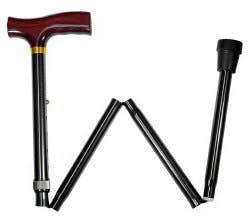
Can be folded into a compact size for storage or travel purposes
Ideal for individuals who need assistance on the go
Ease of Storage and Transportation
Folding canes can fit into small bags or compartments
Can be easily carried on public transportation or in vehicles
Convenient for individuals who frequently move between locations
Versatility in Various Environments
Suitable for indoor and outdoor use
Can be used on different surfaces such as pavement, grass, or gravel
Enables users to maintain mobility in various settings
Adjustable Height for Personalized Comfort
Canes with adjustable heights allow users to find the perfect fit
Provides optimal support and reduces strain on the body
Accommodates users of different heights
Enhanced Stability and Support
Folding canes offer additional stability while walking or standing
Reduces the risk of falls and provides confidence to users
Supports individuals with balance or mobility issues
Types of Folding Canes
There are several types of folding canes available, each catering to specific needs and preferences:
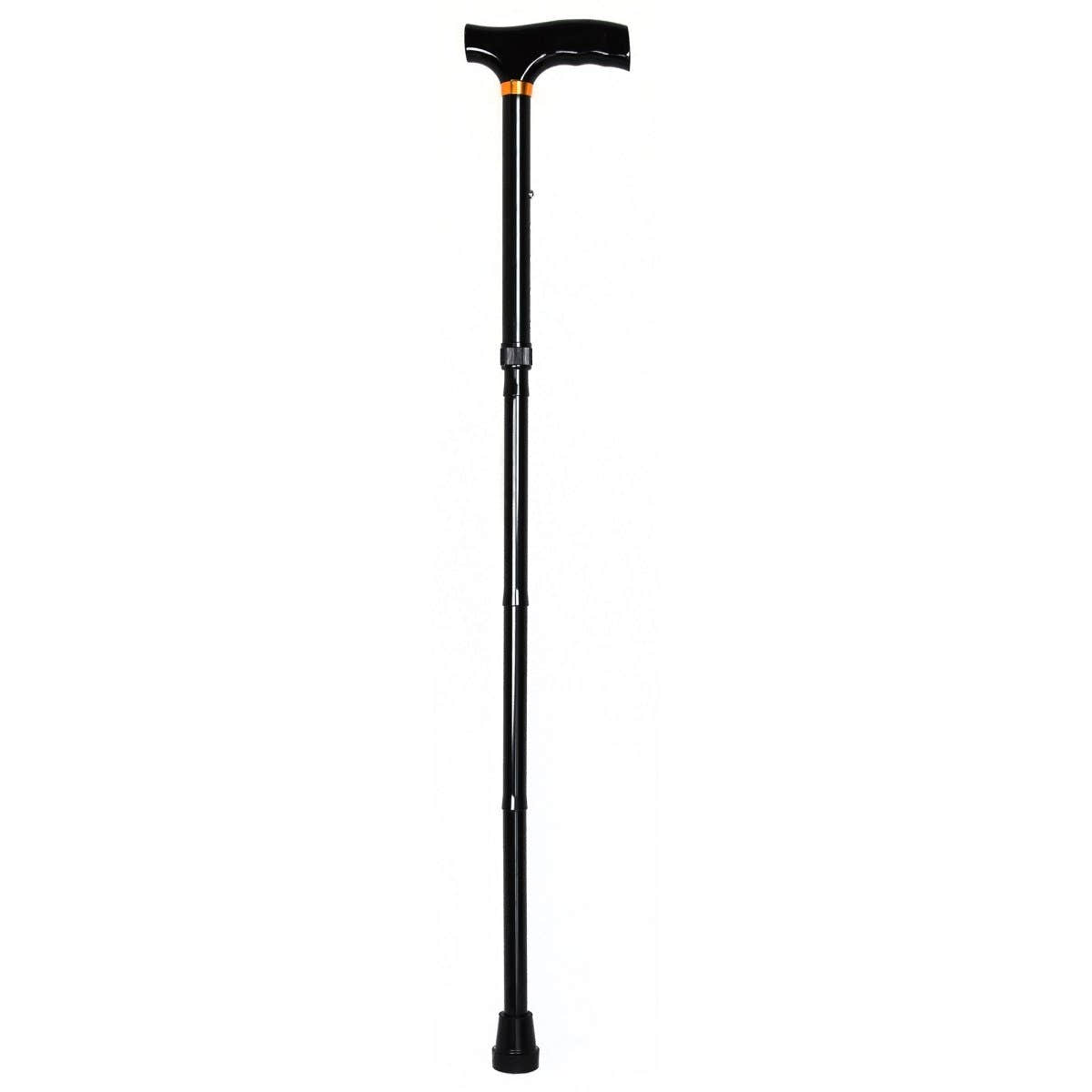
Standard Folding Canes
Basic folding canes with a single tip and straight design
Suitable for individuals who require minimal support and stability
Offered in various materials, colors, and handle styles
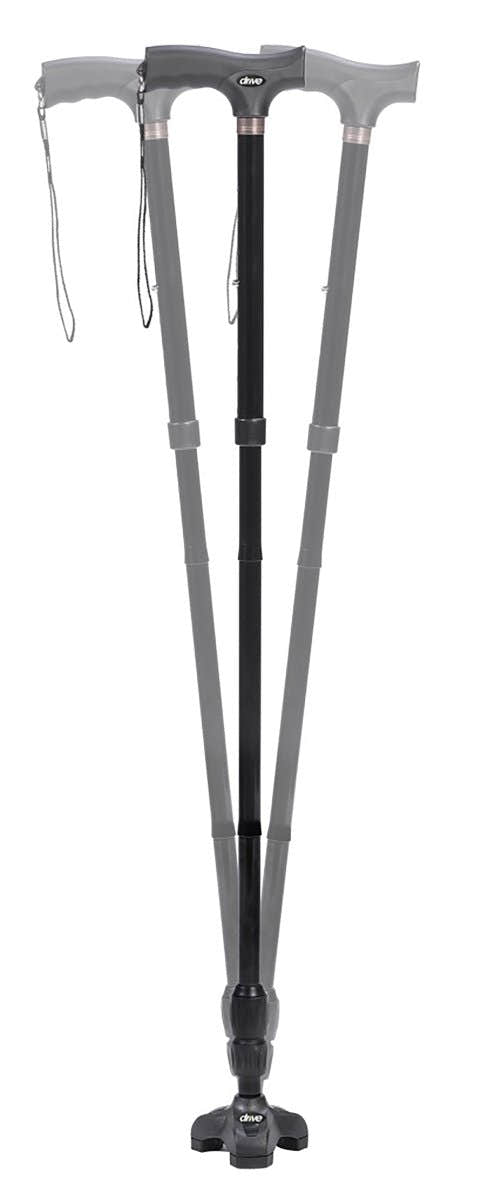
Quad-Based Folding Canes
Feature a quad-shaped base with four tips for increased stability
Ideal for individuals who need extra support and balance assistance
Provide stability on uneven surfaces and rough terrain
Folding Seat Canes
Combine the functionality of a cane and a portable seat
Allow users to take breaks and rest while on the go
Ideal for individuals who may experience fatigue or discomfort after extended periods of walking or standing
Folding Travel Canes
Specifically designed for travel purposes
Lightweight and compact for easy packing in luggage or bags
Provide stability and support while exploring new places
Adjustable Folding Canes
Offer height adjustability for personalized comfort
Can accommodate users of different heights or those with varying mobility needs
Provide a customized fit for optimal support
Factors to Consider when Choosing Folding Canes
Weight Capacity and Durability
Ensure the cane can support the user's weight
Look for sturdy materials that can withstand regular use
Handle Grip and Comfort
Choose a handle that feels comfortable and secure in the user's hand
Consider options such as foam, gel, or ergonomic handles for enhanced grip and reduced hand strain
Height Adjustability
Select a folding cane with adjustable height settings
Ensure the cane can be properly adjusted to the user's height for optimal support
Foldability and Compactness
Evaluate how easily the cane can be folded and unfolded
Consider the size when folded to ensure it meets the user's storage or travel needs
Style and Design Options
Explore various colors, patterns, and handle styles available
Choose a folding cane that suits the user's personal preferences and style
How to Properly Use a Folding Cane
Adjusting the Height for Optimal Support
Extend the cane to its full length and ensure the user's elbow is slightly bent when holding the handle
Make any necessary height adjustments to find a comfortable and supportive position
Holding and Gripping the Cane Correctly
Hold the cane with a relaxed grip, keeping the wrist straight
Ensure the user's fingers wrap comfortably around the handle
Avoid gripping the cane too tightly or loosely
Walking and Balancing with a Folding Cane
Take small, deliberate steps while maintaining proper posture
Move the cane forward simultaneously with the opposite leg for balance and support
Avoid placing excessive weight on the cane; it should provide stability rather than bear the user's full weight
Negotiating Obstacles and Stairs
Approach stairs or curbs with caution, leading with the stronger leg
Use the cane to support balance while ascending or descending steps
For more stability, consider using a quad-based folding cane
Proper Maintenance and Care
Regularly inspect the cane for any signs of wear or damage
Clean the cane with a mild soap and water solution
Replace worn-out tips or handles as needed to maintain optimal performance and safety
How Folding Canes Improve Quality of Life
Increased Independence and Mobility
Folding canes enable individuals to move around independently
Enhance mobility for those with limited walking capabilities
Allow users to maintain an active lifestyle
Enhanced Confidence and Self-Esteem
Provide users with a sense of stability and security
Boost confidence when navigating different environments
Encourage participation in social activities and outings
Participation in Social Activities and Outings
Folding canes enable individuals to engage in social events, such as family gatherings, outings, or community activities
Improve social connections and reduce feelings of isolation or dependence
Reduction of Falls and Injuries
Folding canes offer stability and support, reducing the risk of falls
Help prevent injuries and promote safety while walking or standing
Continued Engagement in Hobbies and Interests
Folding canes allow individuals to pursue their hobbies and interests
Support participation in activities such as gardening, walking tours, or shopping
Folding canes provide a valuable solution for individuals with limited mobility, offering portability, convenience, and stability. With various types available, users can choose the cane that best suits their needs, taking into account factors such as weight capacity, handle comfort, and foldability. By using folding canes correctly and selecting a reliable brand, individuals can experience increased independence, confidence, and participation in social activities. Incorporating a folding cane into one's lifestyle can significantly enhance mobility and quality of life.
Frequently Asked Questions about Folding Canes
A folding cane is a portable mobility aid designed to provide balance and walking support for people with limited mobility. Folding canes collapse into a compact size for easy storage and travel, making them a practical choice for everyday use both indoors and outdoors.
Folding canes are designed for individuals who need light to moderate walking support due to balance issues, injury recovery, aging, or visual impairment. Folding canes are also a popular choice for active users who need a mobility aid that can be stowed away when not in use.
Start by standing upright in your normal shoes and setting the folding cane so the handle reaches the crease of your wrist when your arm hangs naturally at your side. Most folding canes offer adjustable height ranges, so use the locking mechanism to secure the cane at the right setting before walking.
Hold the folding cane in the hand opposite your weaker or injured leg, and move the cane forward at the same time as that leg to distribute weight evenly. Keep the cane close to your body and avoid leaning heavily on it, as folding canes are intended for balance assistance rather than full weight bearing.
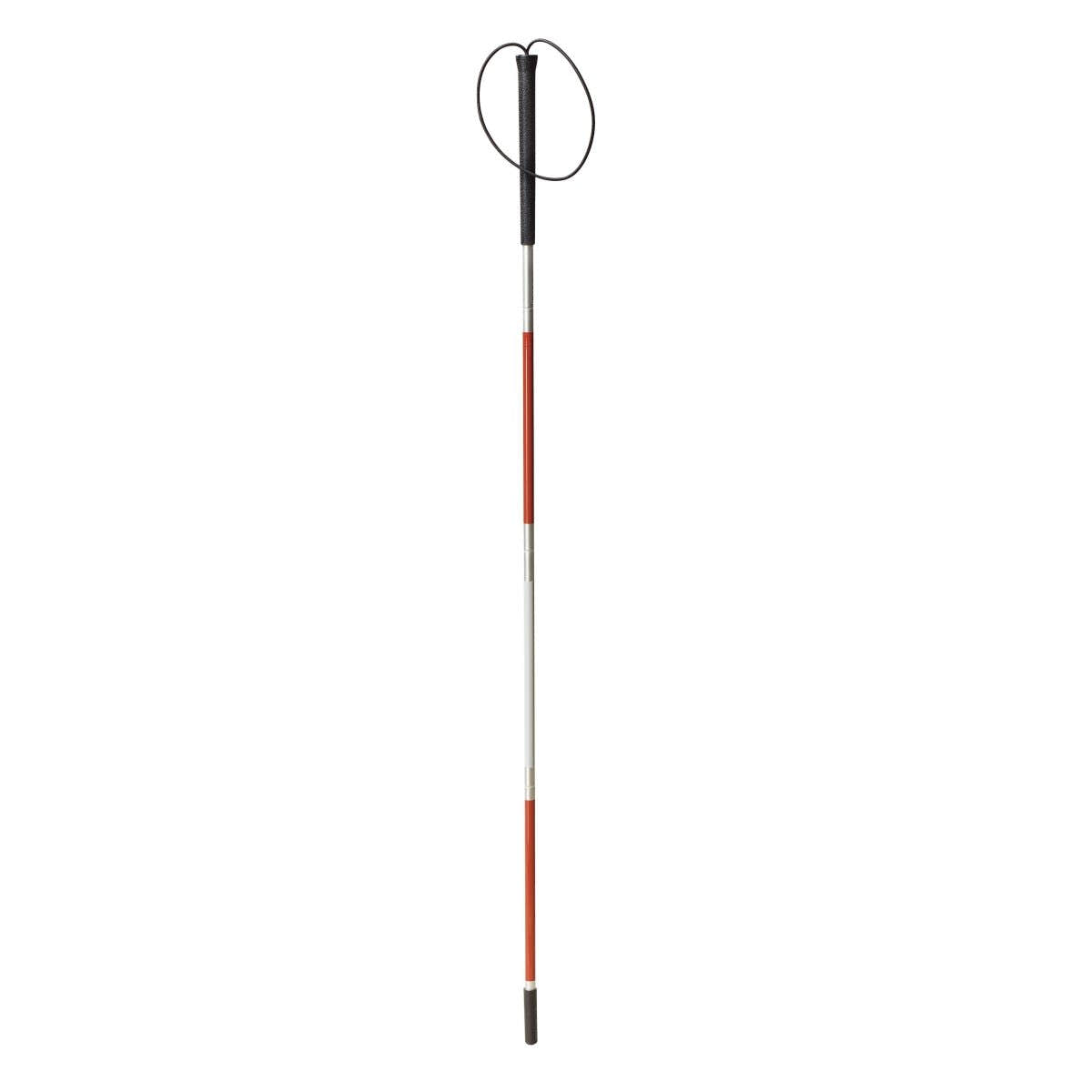
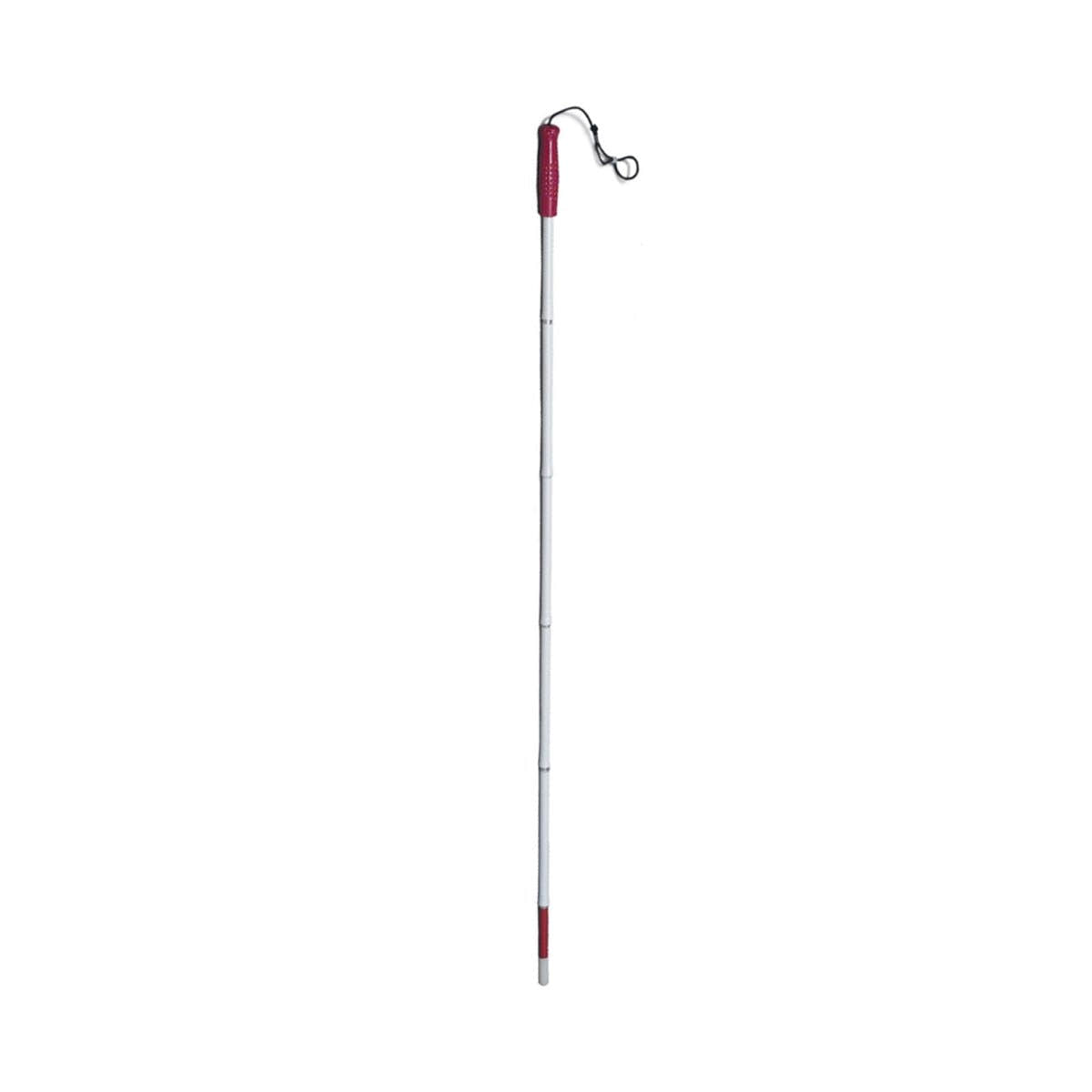
Folding canes commonly adjust within a height range of approximately 33 to 37 inches, though some models extend to 45 or 50 inches for taller users or specific needs like blindness assistance. Always verify the adjustable range of a folding cane before purchasing to ensure it fits your body height.
Most folding canes are constructed from lightweight aluminum, which provides a strong yet manageable frame for daily use. Aluminum folding canes are durable enough to withstand regular wear while remaining easy to carry, and many models feature ergonomic handles in styles such as T-handle or contoured grip designs.
Yes, a folding cane is safe for users who need light to moderate walking assistance, provided the cane is properly adjusted to the correct height and used on appropriate surfaces. Folding canes are not designed to bear full body weight, so users who need significant support should consult a healthcare provider about whether a sturdier aid is more appropriate.
Folding canes offer a clear advantage over standard straight canes for users who travel frequently or have limited storage space, since folding canes collapse for easy packing in a bag or car. If portability and convenience are priorities, a folding cane is generally a worthwhile investment that does not sacrifice meaningful walking support.
Folding canes provide a more lightweight and portable option compared to quad canes or walkers, making folding canes better suited for users who need minimal to moderate support. Quad canes and walkers offer a wider base and greater stability, so users with significant balance challenges may benefit from those alternatives instead.
Fold the folding cane and store it in a dry location away from extreme heat or moisture to prevent damage to the locking joints and handle. Periodically inspect the folding cane's locking mechanism and rubber tip for wear, and replace the tip when it shows signs of cracking or smoothing to maintain safe traction.
Do you still have questions about Folding Canes?
If we still haven't answered your question, you can contact us by live chat or email and we will get back to you as soon as possible.