Antimicrobial Dressings

7 products

Showing 1 - 7 of 7 products

Antimicrobial Dressing Collection – the ultimate solution for effective wound management and infection control. Each product in this meticulously curated collection has been designed with the highest standards of care and innovation, offering unparalleled protection against a broad spectrum of bacteria, fungi, and other harmful microorganisms.
Showing 1 - 7 of 7 products
View
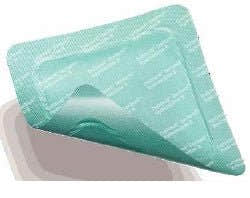
Cutimed Sorbact Hydroactive Wound Dressing, 2-4/5 x 3 Inch - 977954_BX - 1
Save 23%
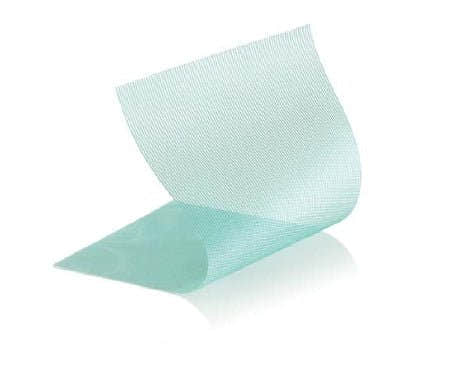
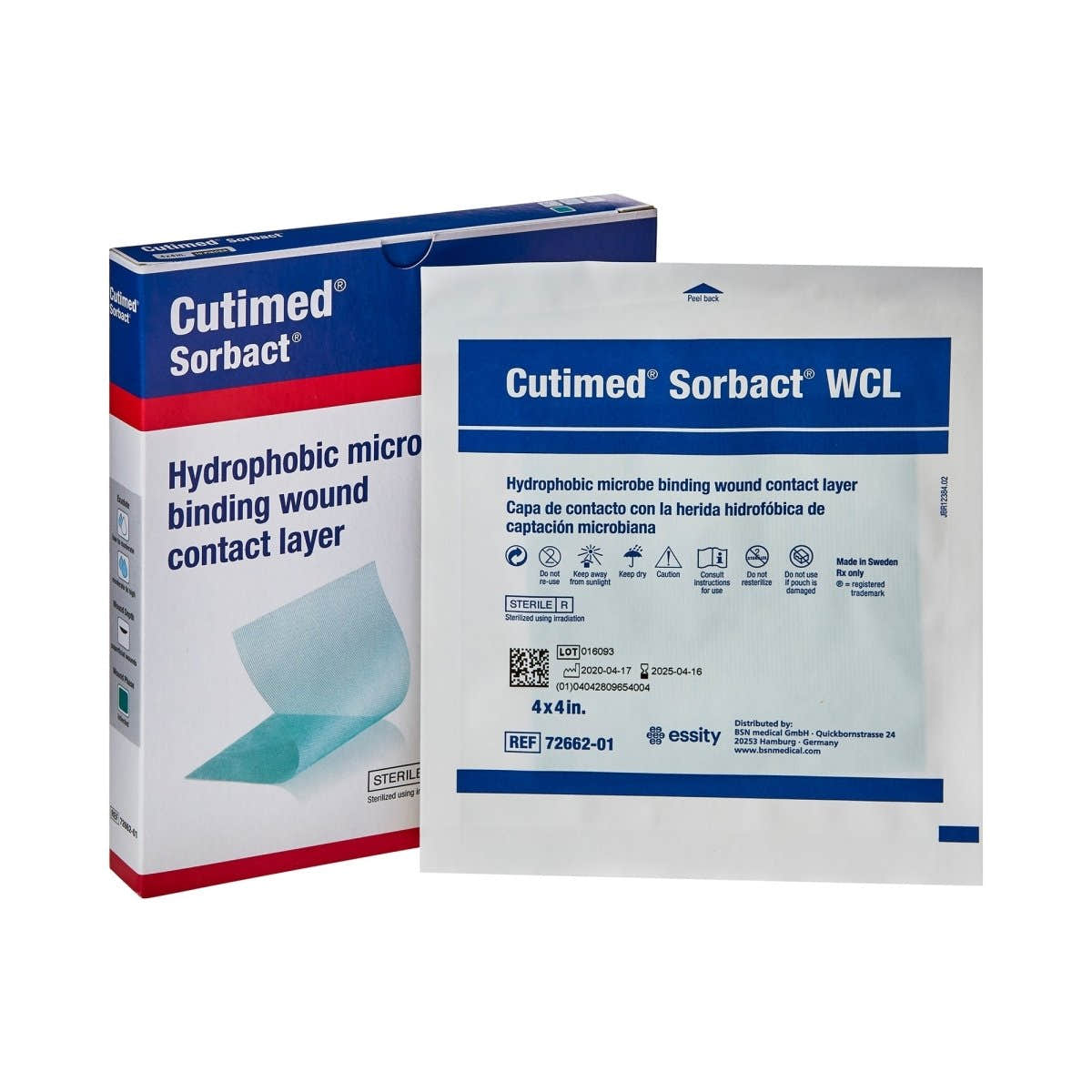
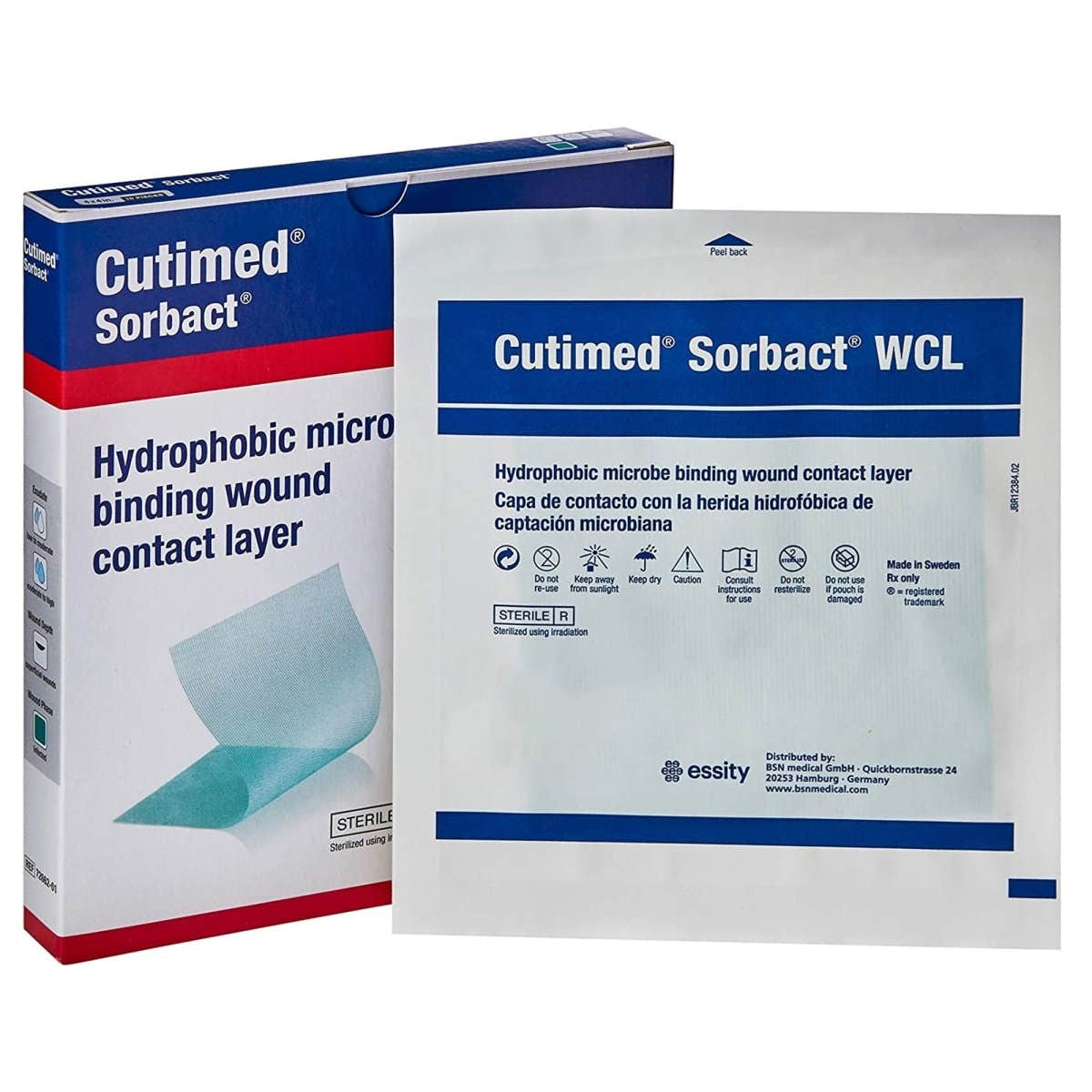
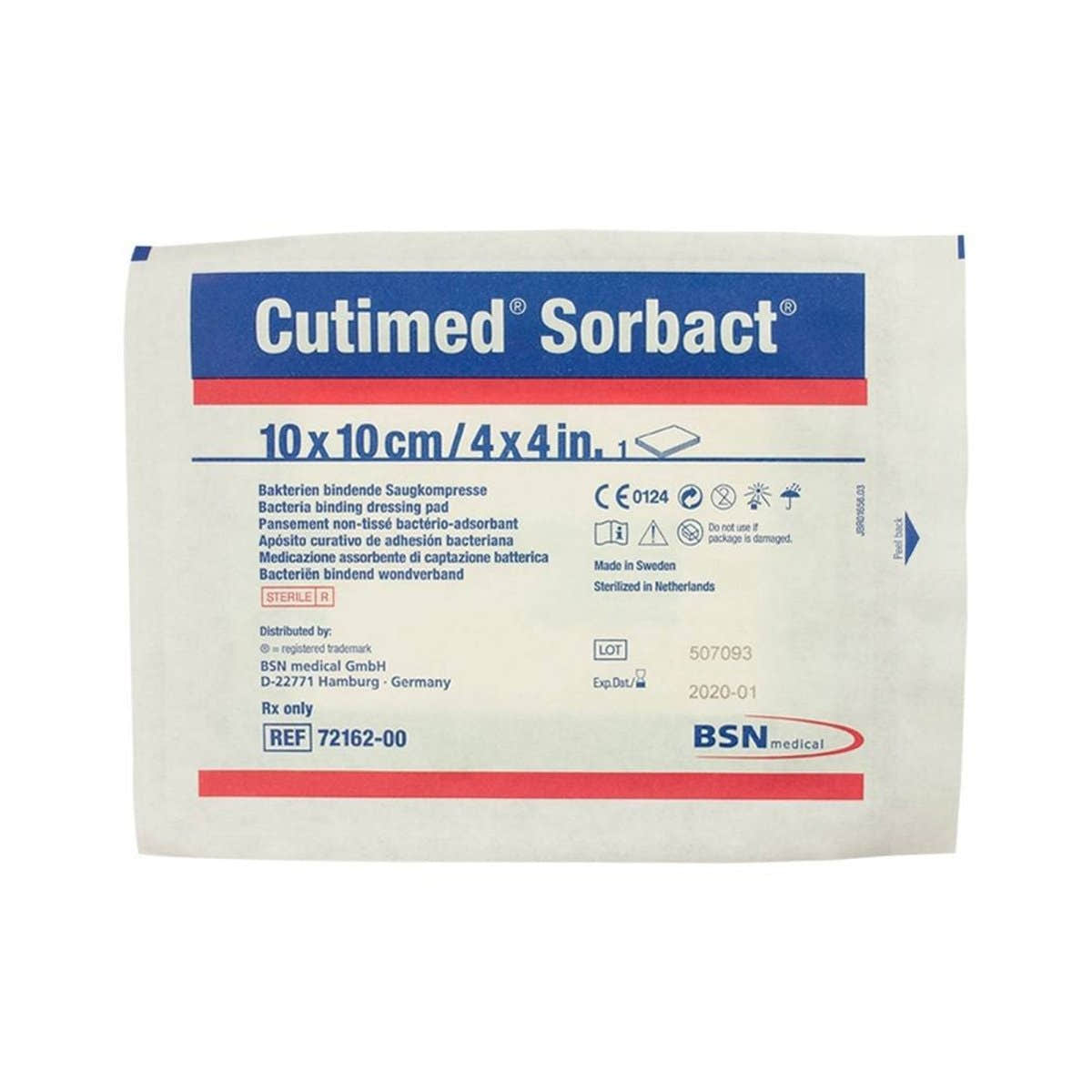
Cutimed Sorbact Antimicrobial Dressing, 4 x 4 Inch - 690672_BX - 1
Cutimed Sorbact Antimicrobial Dressing, 4 x 4 Inch
Sale priceFrom $16.99 Regular price$21.99
Save 36%
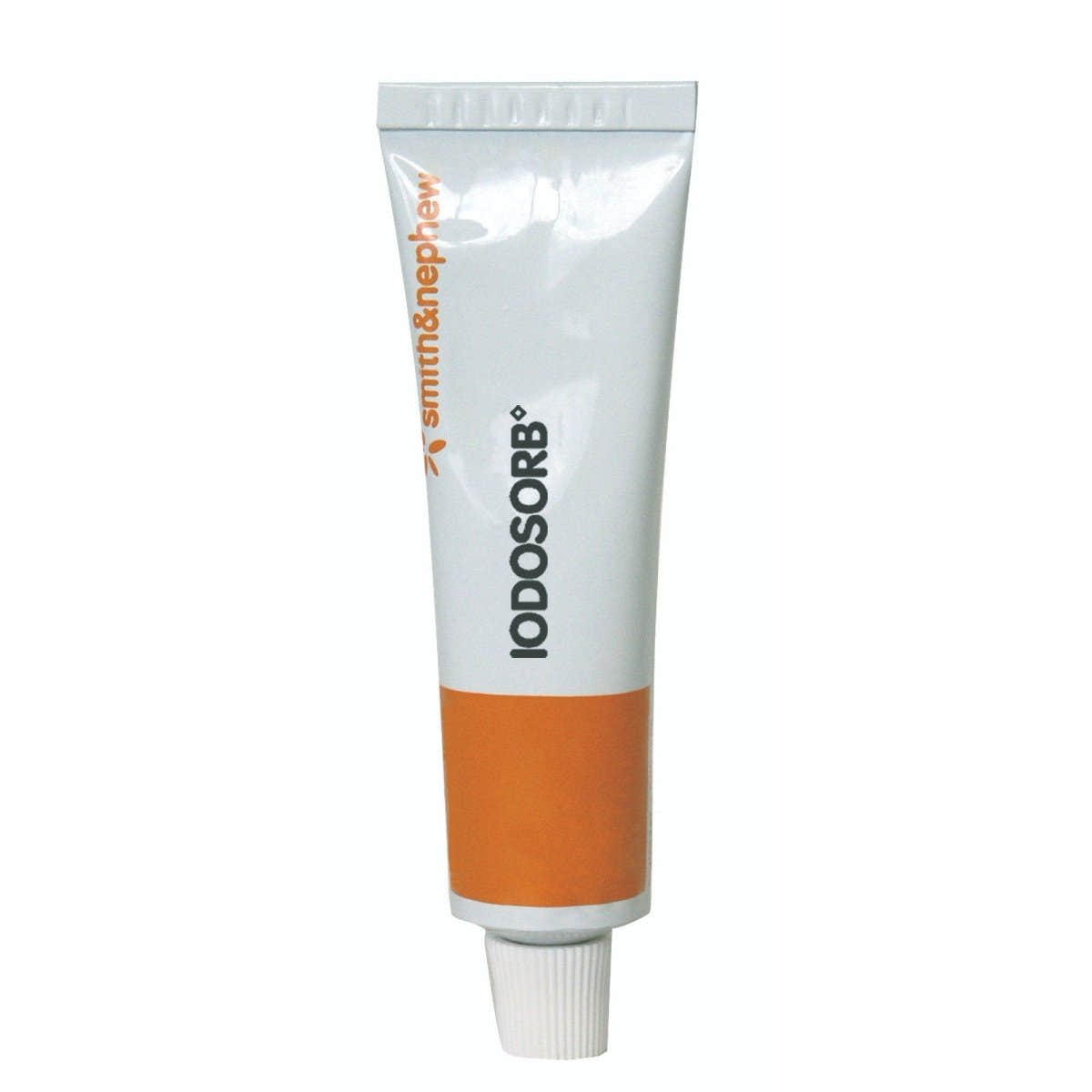
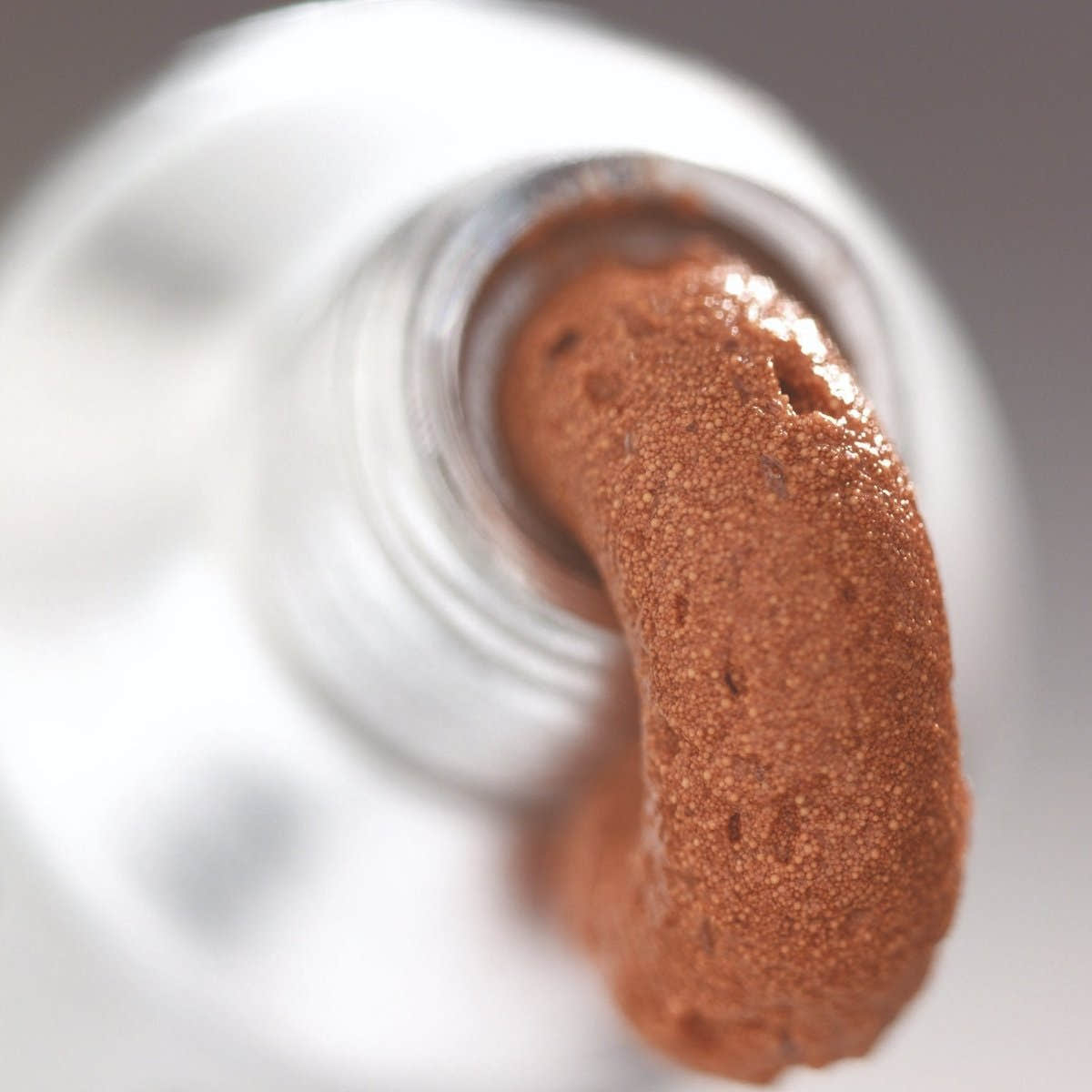
Iodosorb Antimicrobial Wound Gel - 629962_EA - 1
Iodosorb Antimicrobial Wound Gel
Sale priceFrom $31.99 Regular price$49.99
Choose options
Hydrofera BLUE Classic Antibacterial Foam Dressing

Frequently Asked Questions about Antimicrobial Dressings

Antimicrobial dressings are wound care products designed to prevent and control infection by killing or inhibiting the growth of bacteria, fungi, and other harmful microorganisms at the wound site. Antimicrobial dressings are commonly used for chronic wounds, surgical wounds, and injuries that are at high risk of infection or are already showing signs of it.

Antimicrobial dressings are designed for patients with wounds that are infected, at high risk of infection, or slow to heal — including those with diabetic ulcers, pressure injuries, venous leg ulcers, or post-surgical wounds. Caregivers and clinicians managing wounds in immunocompromised patients or elderly individuals also frequently rely on antimicrobial dressings as part of a broader wound care plan.

Apply antimicrobial dressings directly to a cleaned and debrided wound bed, following the specific instructions provided with the product, since application steps can vary by dressing type. Change frequency depends on wound exudate levels and the type of antimicrobial dressing selected — always follow your healthcare provider's guidance for best results.

Antimicrobial mesh dressings feature an open-weave structure that allows wound exudate to pass through while maintaining antimicrobial activity at the wound surface, whereas antimicrobial wound contact layer dressings are low-adherent sheets placed directly on the wound bed to reduce trauma during dressing changes. Both types are used as primary dressings and are typically paired with a secondary absorbent dressing to manage exudate.

No, antimicrobial dressings are not universally appropriate for every wound type — the right choice depends on the wound's depth, exudate level, and infection status. For example, hydrogel-based antimicrobial dressings suit dry or minimally exuding wounds, while alginate or foam-based antimicrobial options are better for heavily draining wounds. Always consult a wound care professional before selecting a dressing.

Antimicrobial dressings prevent wound infection by releasing active agents — such as silver ions, iodine, or DACC-coated fibers — directly into the wound environment to neutralize bacteria and other pathogens. This localized approach reduces the bacterial burden at the wound site without the systemic effects associated with oral antibiotics, making antimicrobial dressings a targeted first-line option for infection control.

Many antimicrobial dressings are formulated to be gentle enough for sensitive or fragile skin, particularly wound contact layer and mesh styles that are designed to minimize adherence and reduce trauma at dressing changes. However, specific safety considerations — such as silver sensitivity or iodine contraindications — vary by product, so reviewing the dressing's materials and consulting a clinician is recommended before use on compromised skin.

Choose an antimicrobial dressing size that fully covers the wound bed and extends slightly beyond the wound edges to ensure complete protection and secure adhesion of any secondary dressing. Antimicrobial dressings are available in multiple sizes to accommodate wounds of varying dimensions, so measuring the wound length and width before selecting a product helps ensure the best fit.

Because antimicrobial dressings actively work to reduce the microbial load within the wound, while standard dressings only provide a physical barrier without targeting bacteria or fungi. For wounds that are infected or critically colonized, the added antimicrobial action helps break the cycle of infection and supports faster progression toward healing in a way that conventional dressings cannot.

Recently viewed