Your privacy matters to us! By using our site, you agree to the collection and use of your Personal Information as described in our Privacy Policy.
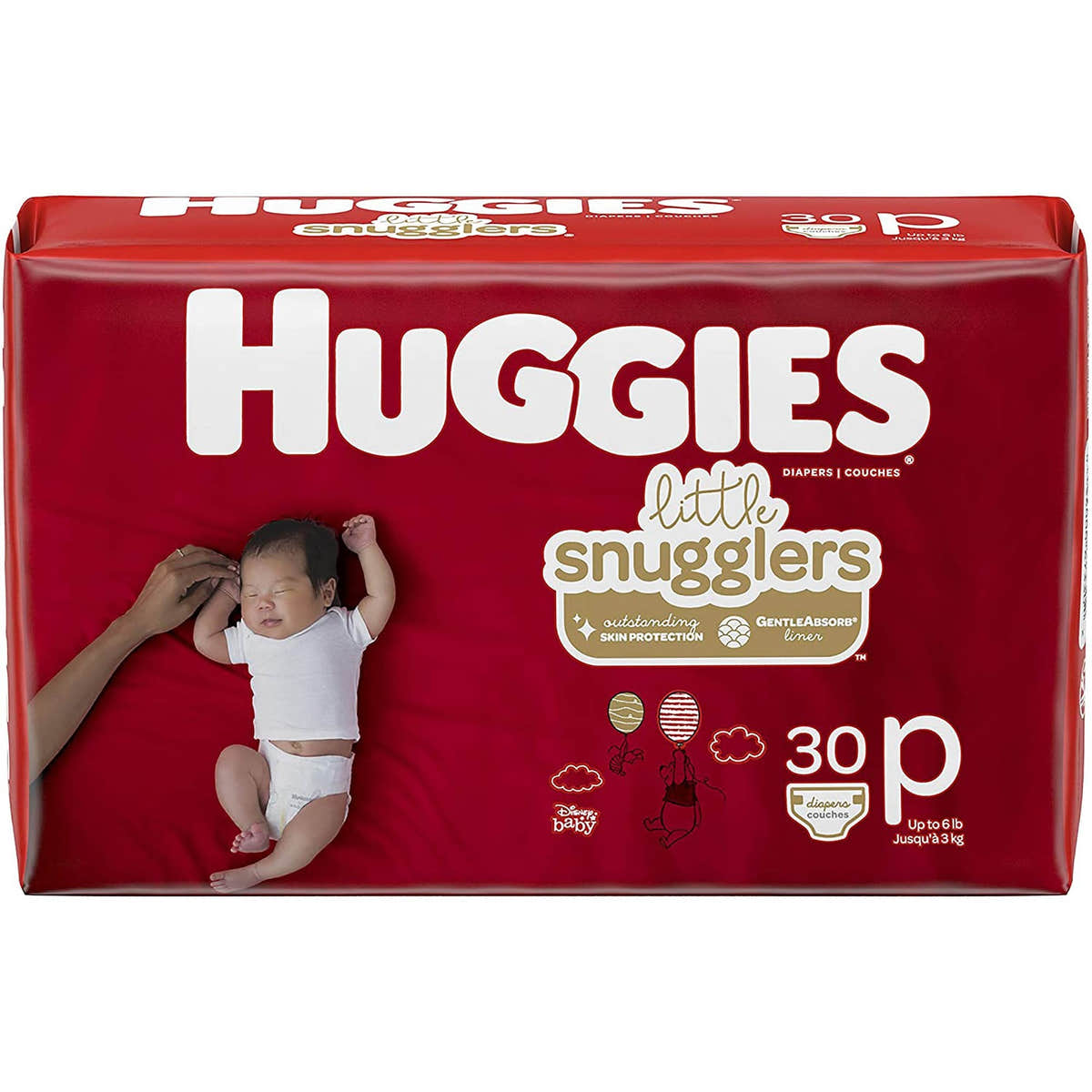
Baby Diapers
17 products
Showing 1 - 17 of 17 products
Browse our selection of Baby Diapers.
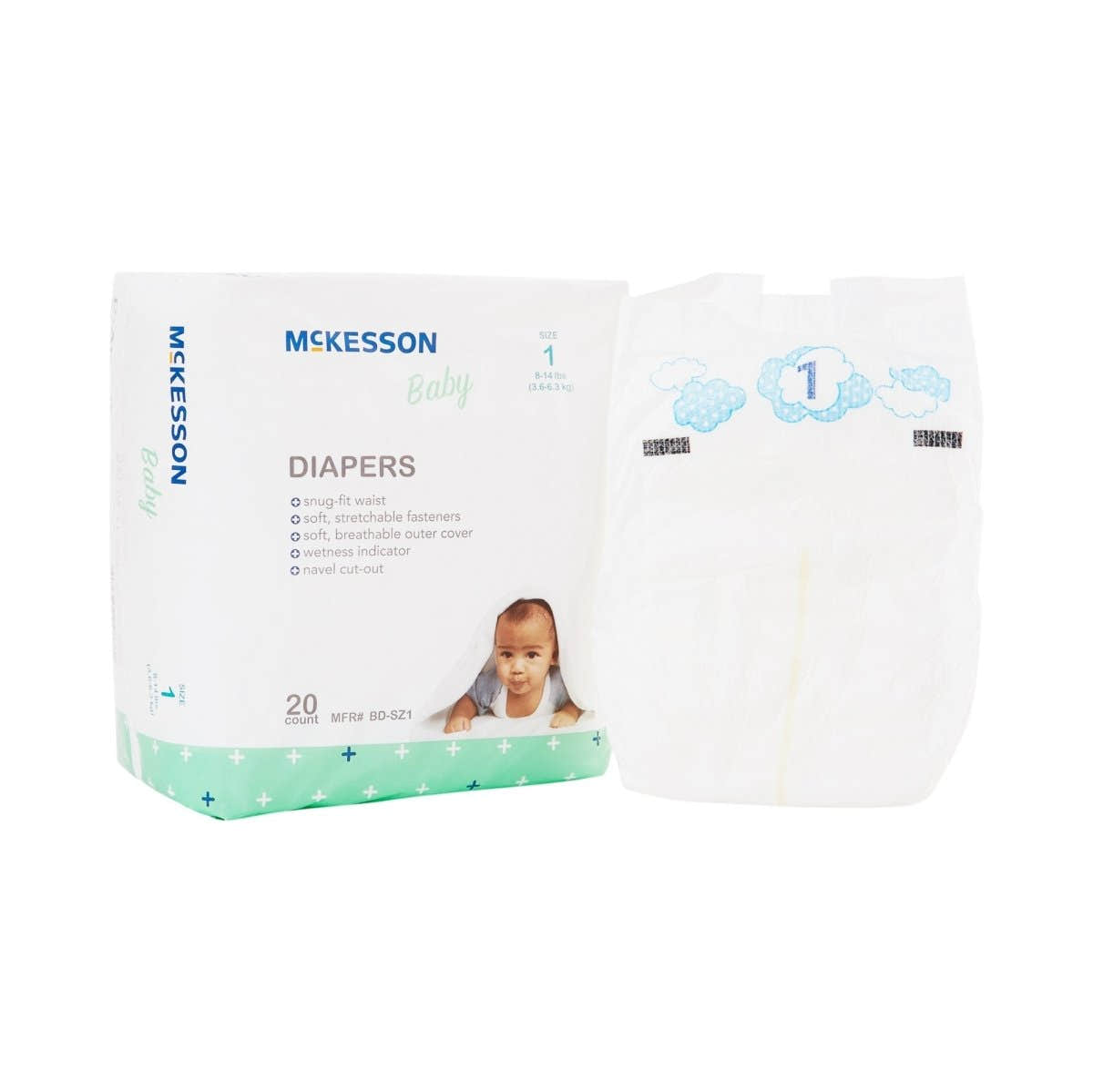
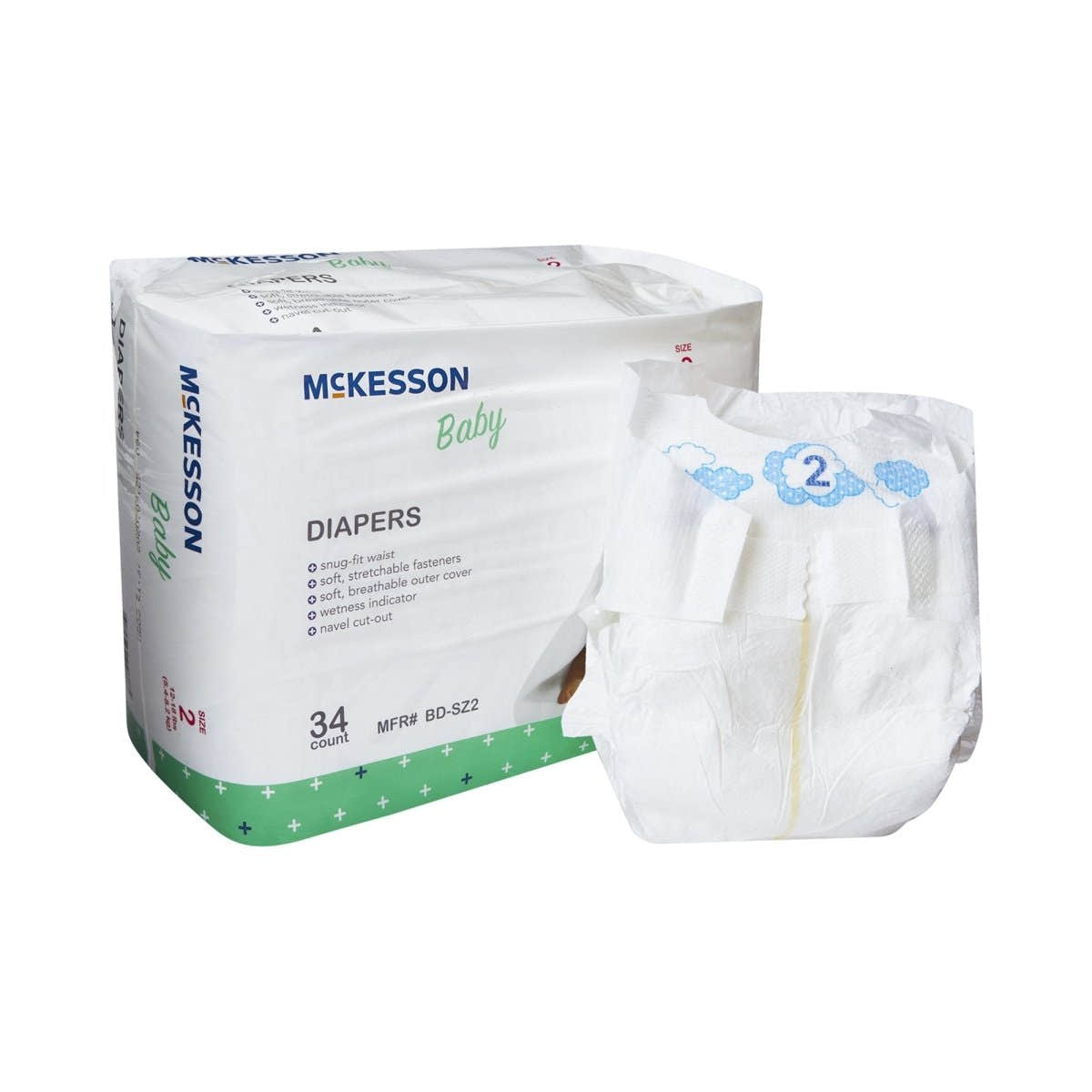
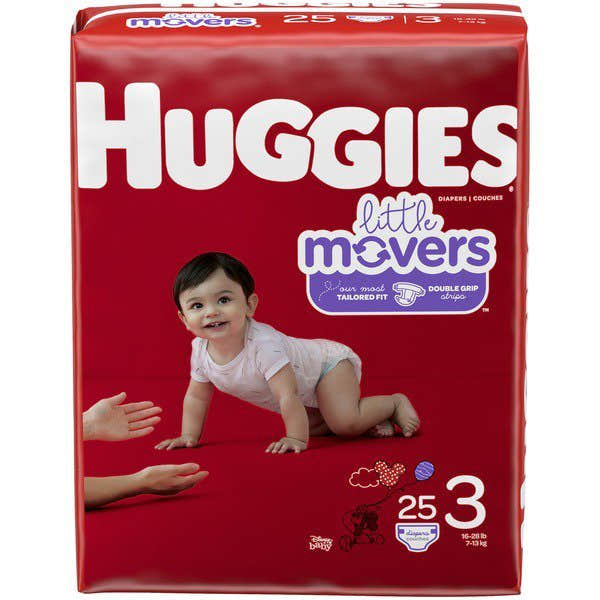
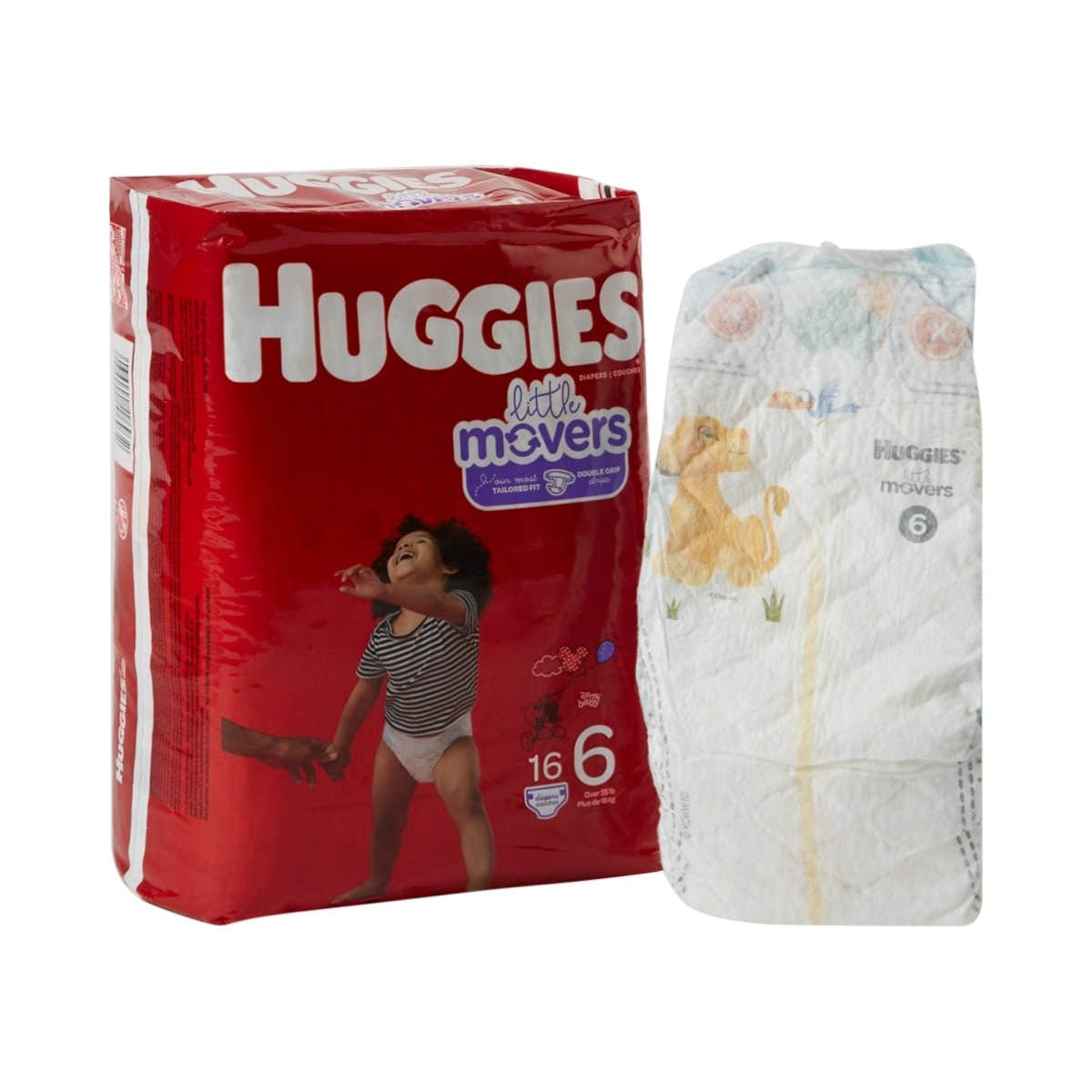
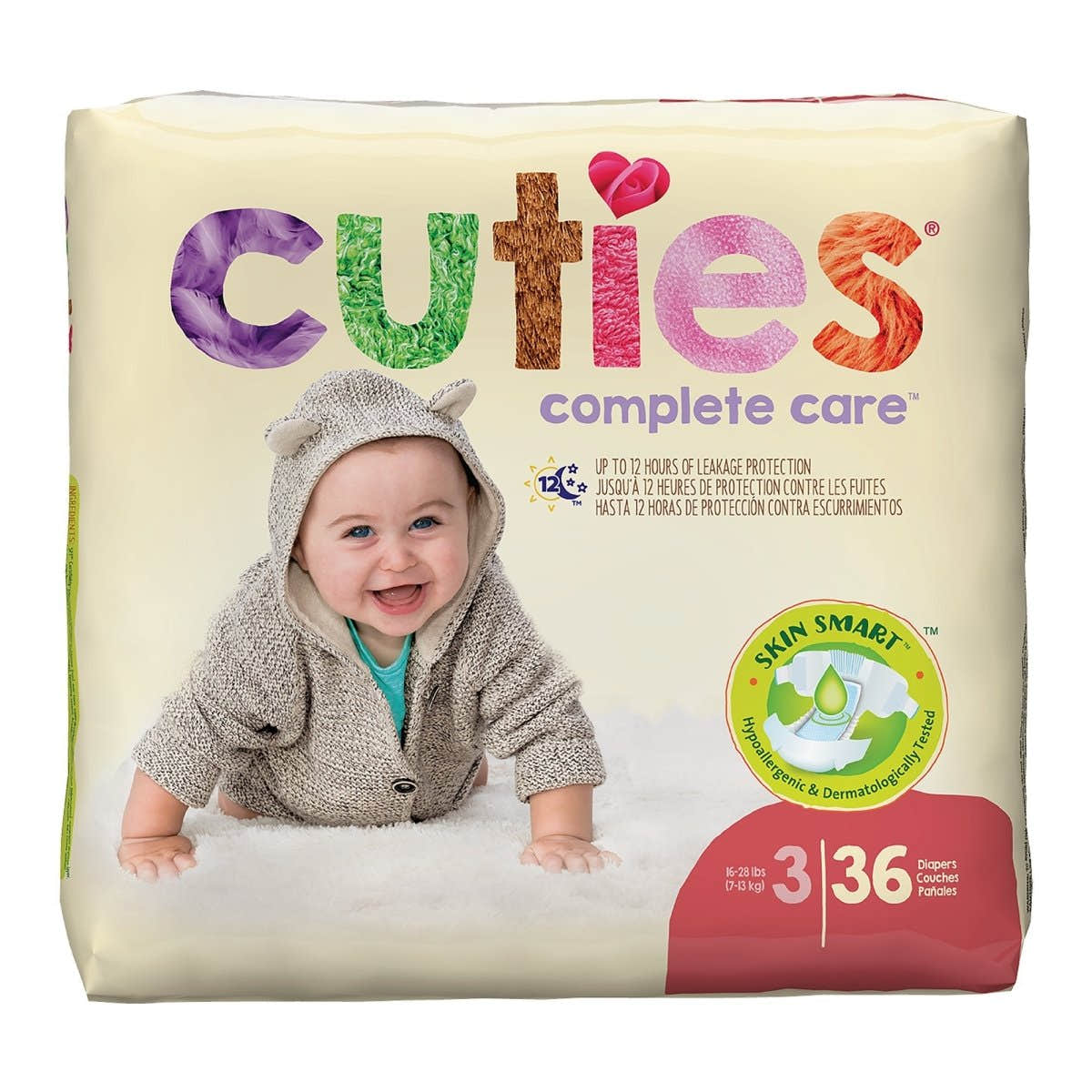
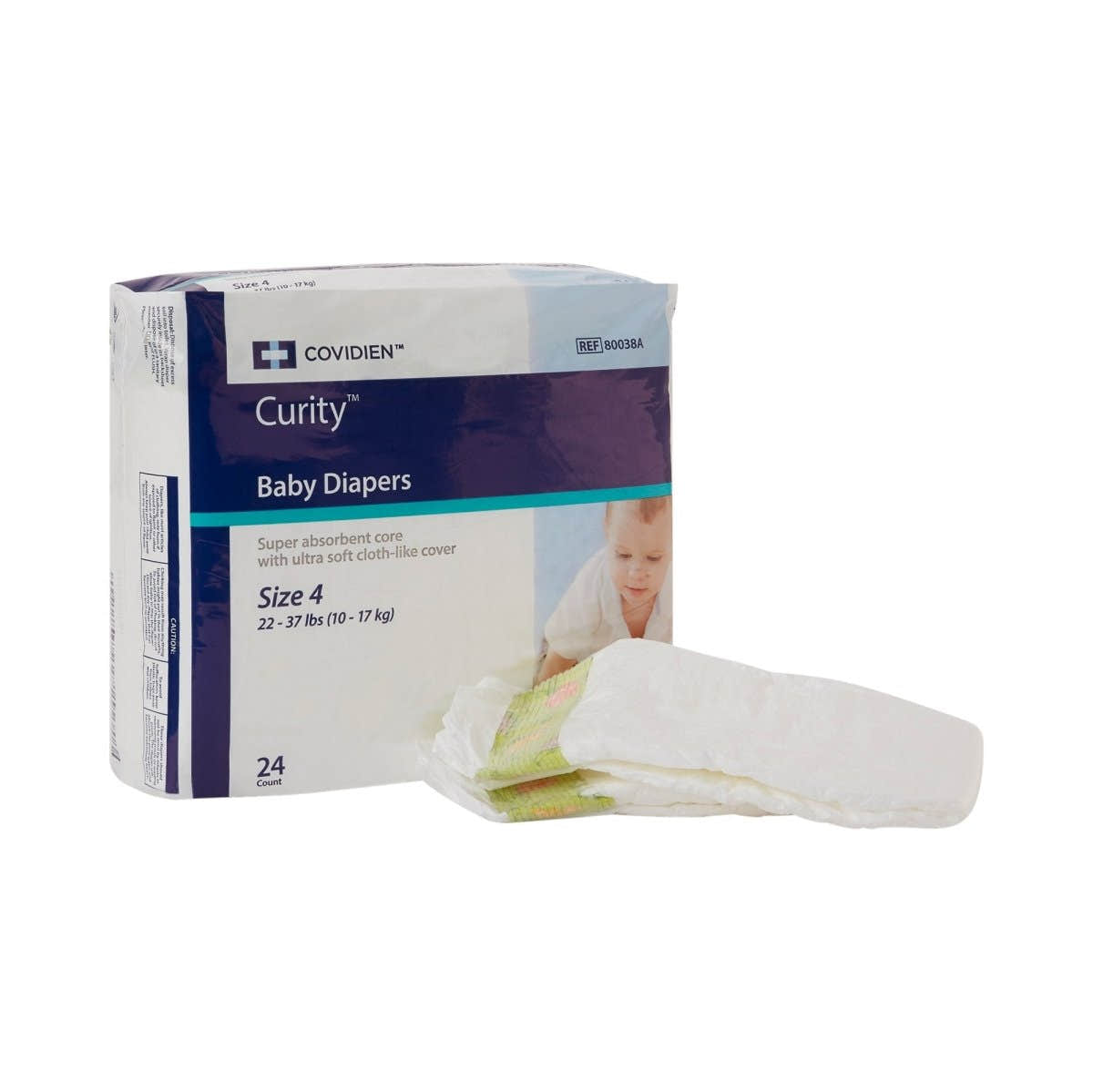
With so many diaper brands available today for your baby, you want to make sure you choose the right ones for your needs. Some of the most important features of choosing the right diaper are size and absorbency. Diaper sizes are typically displayed as a size with a weight range.
Absorbency is not normally listed as a product feature but there are many product tests that can help you find the most absorbent diaper available. We offer a wide range of diaper brands for newborns to toddlers. Find Potty Training Underpants here. If you need washable and reusable incontinence pads, we have those as well.
How to Choose the Correct Baby Diaper Size.
Most brands of diapers come in different sizes based on the weight of the baby. Look at the diaper size weight range and choose the appropriate size for your baby. This is a general rule of thumb and can vary based on your baby's build and proportions. If for example, your baby is taller and more lanky, you may need to use a smaller size as the size is based on the leg openings and the waste size.
How to Save Money on Baby Diapers.
Saving money on diapers is essential as your baby may go through 8-12 diapers per day or more. Buying in bulk if you can is an easy way to save money and make sure you don't run out of diapers. The last thing you want to do is run out of diapers in the middle or the night or when your baby has an upset tummy.
Choosing Baby Diaper Wipes.
Diaper wipes are the essential partner to baby diapers. It's always best to go with unscented baby wipes to avoid unnecessary irritation that can be caused by fragrances. Diaper wipes are available in smaller packs which are great for tossing into your diaper bag, purse, or stroller. Diaper wipe dispensers are best left at home because they are usually made of plastic and can break when getting thrown into a car or diaper bag. You can also purchase baby wipes in bulk so that you can reload your baby wipe dispensers and replenish your diaper bag, stroller, car and purse.
Pros and Cons of Disposable Diapers:
Disposable Diaper Pros:
Convenient -No need to wash like with cloth diapers. Grab and go.
Less Irritation for your baby. Disposable diapers are clean when you grab them and you don't have to worry about the soaps irritating your baby's skin like cloth diapers can cause.
More sanitary - Disposable diapers dispose of the waste in the trash so there is less of a chance of getting your hands dirty from a dirty diaper.
Disposable Diaper Cons:
Cost -Disposable diapers are more expensive than cloth diapers as cloth diapers can be washed and reused.
Waste -Many parents are aware of how much waste is created from disposable diapers. If you are worried about the amount of waste your diaper use is creating, you may want to explore using reusable cloth diapers.
How many diapers do I need?
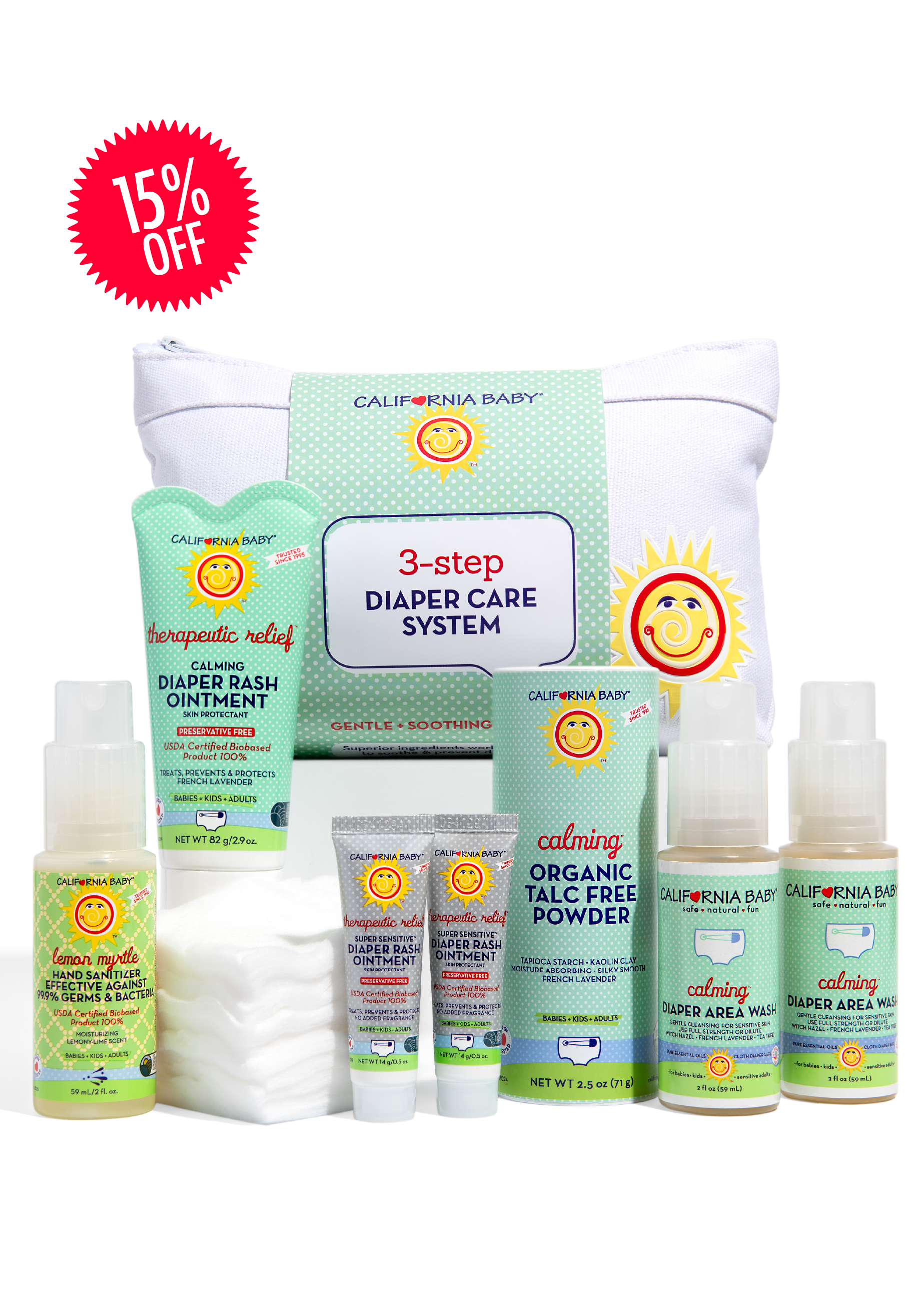
This is only an estimate and will depend on the age of your baby as well as the dietary demands. On average, newborns will go through about 8-12 diapers per day. As they get older, the number of diapers they go through may change. As soon as you notice your baby has soiled their diaper, it's best to change it immediately to help them not only stay clean but to also help prevent skin irritation. There are diaper rash treatments that can help soothe irritated skin caused by diaper rash.
If we use the number of diapers listed above, we can determine approximately how many diapers you need per month. 8 x 30 = 240, 12x30 = 360, so this tells us that we need 240-360 diapers per month. If your baby is a newborn or just moved up to the next largest diaper size, it's always best to buy diapers at the higher end of the calculated quantity range.
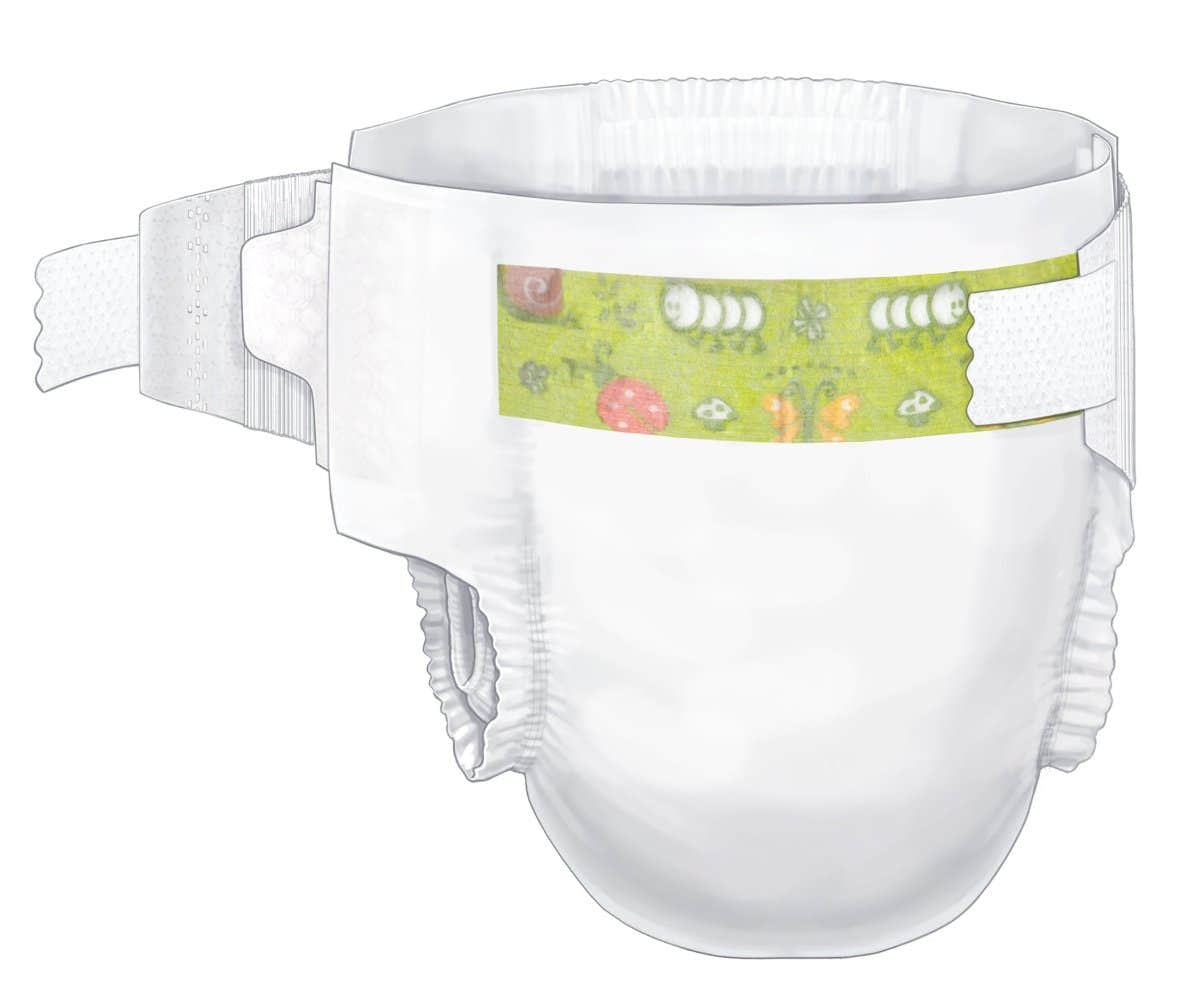
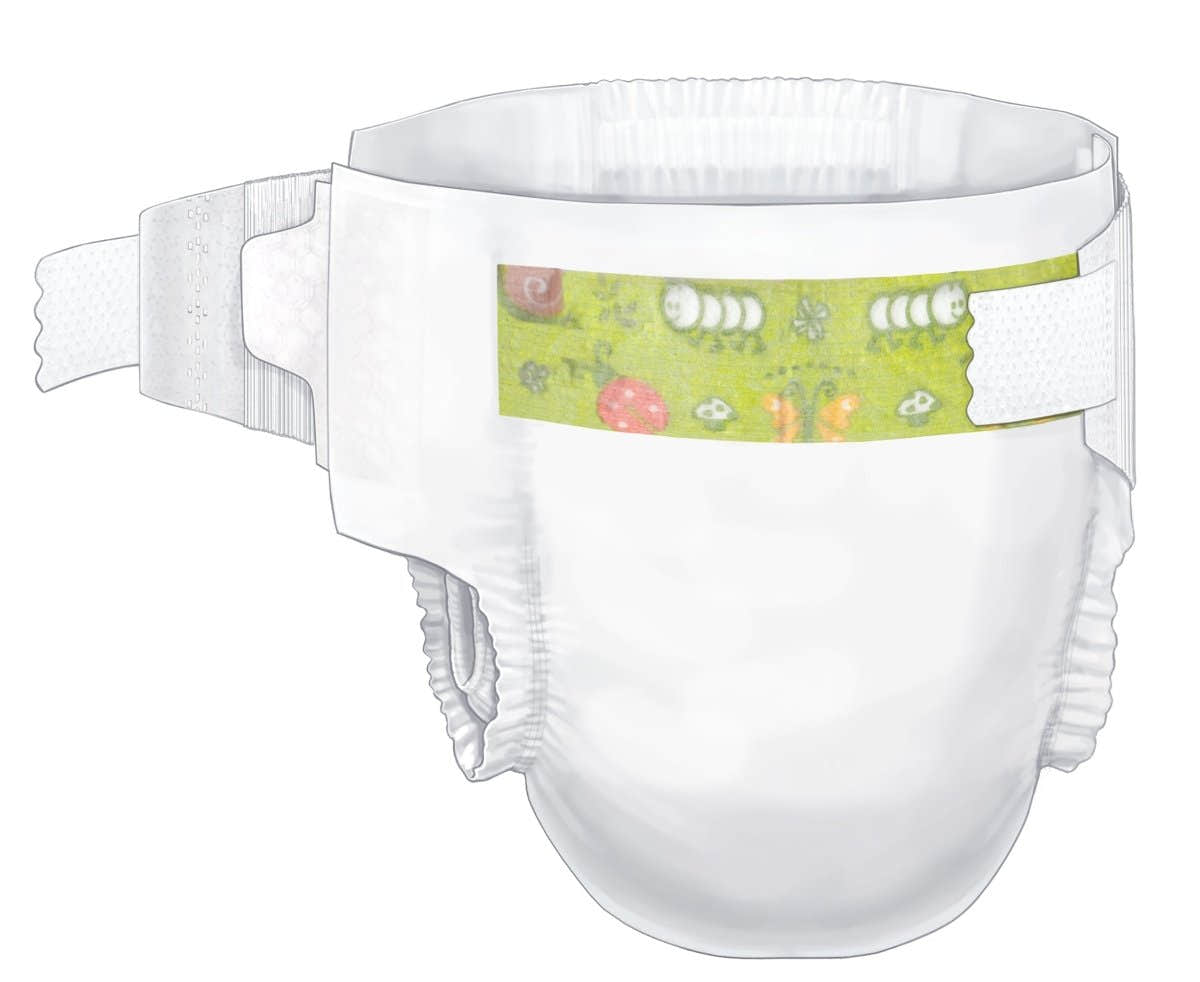
Baby diapers are absorbent garments worn by infants and toddlers to contain urine and bowel movements before a child is potty trained. Baby diapers typically feature a waterproof outer layer, an absorbent inner core, and stretchy tabs or waistbands to create a snug, leak-resistant fit around a baby's body.
Disposable baby diapers are designed for parents and caregivers who want a convenient, no-wash diapering option for newborns through toddlers. Disposable diapers are especially practical for on-the-go families, daycare settings, or situations where laundering cloth diapers is not practical.
Choose the right baby diaper size by matching your child's current weight to the weight range printed on the diaper packaging. Diaper sizes typically range from newborn through size 6 or higher, and a proper fit means the waistband sits snugly without leaving red marks or gapping at the legs.
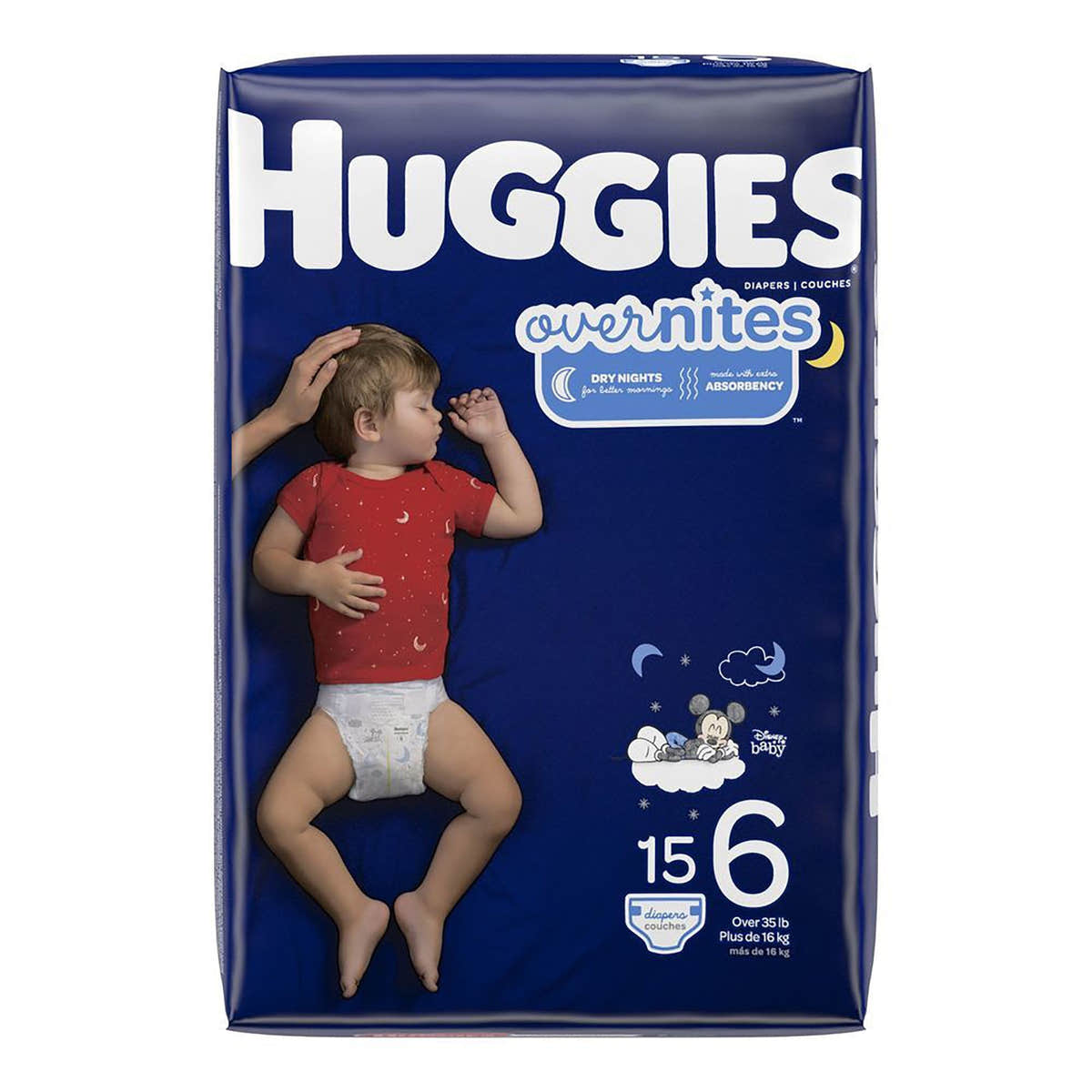
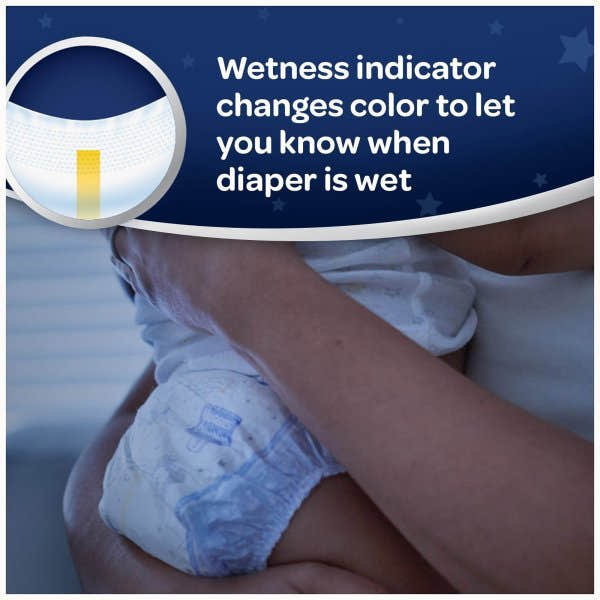
Regular baby diapers and overnight diapers differ mainly in absorbency, with overnight diapers designed to hold significantly more liquid over longer stretches without leaking. Overnight diapers are a good choice for heavy wetters or for keeping babies dry through an eight-to-twelve-hour sleep period without a middle-of-the-night change.
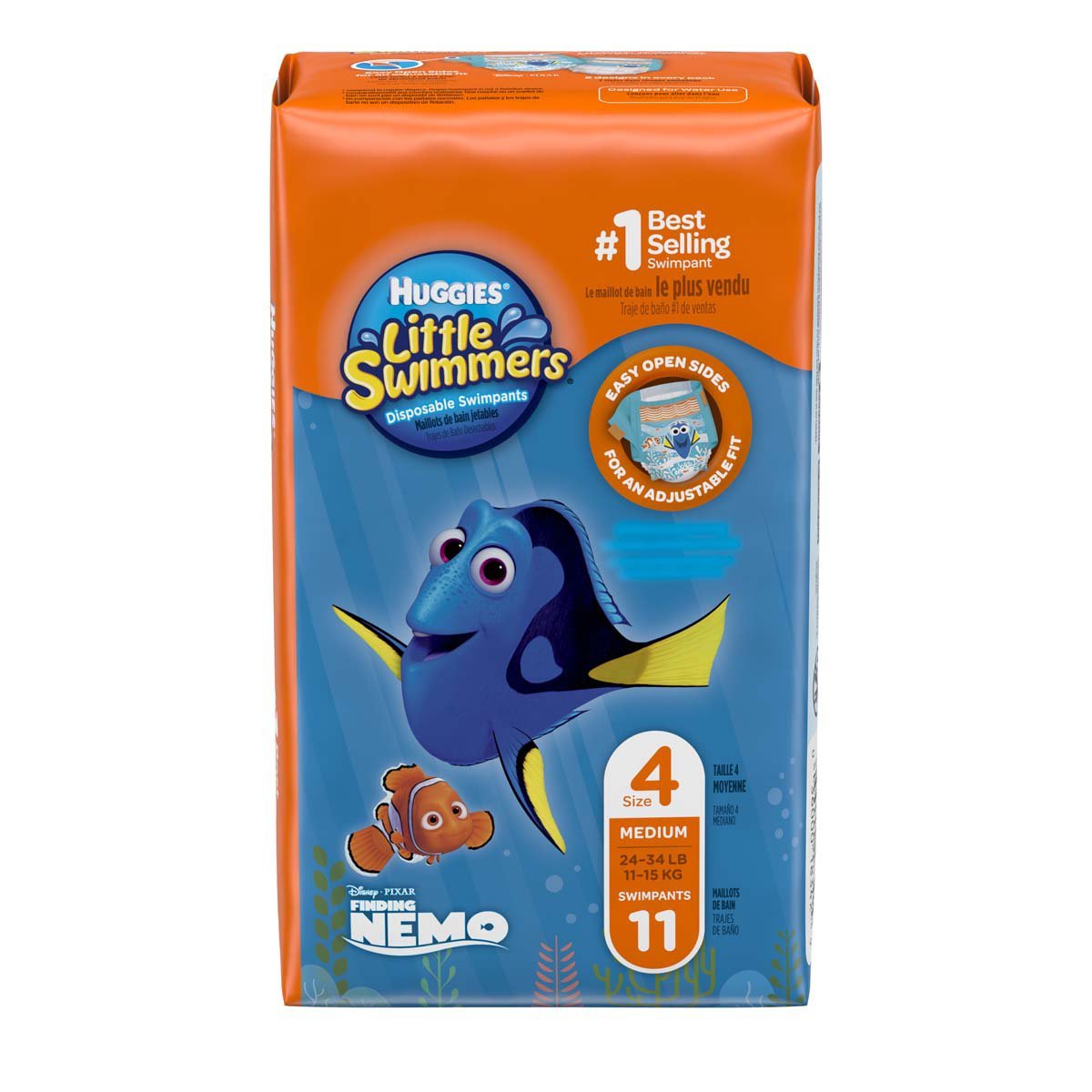
No, standard disposable baby diapers are not designed for use in water and will absorb pool or lake water, causing them to swell and fall apart. For water activities, swim diapers are the appropriate choice because swim diapers contain solid waste without absorbing water, keeping babies comfortable and pools sanitary.
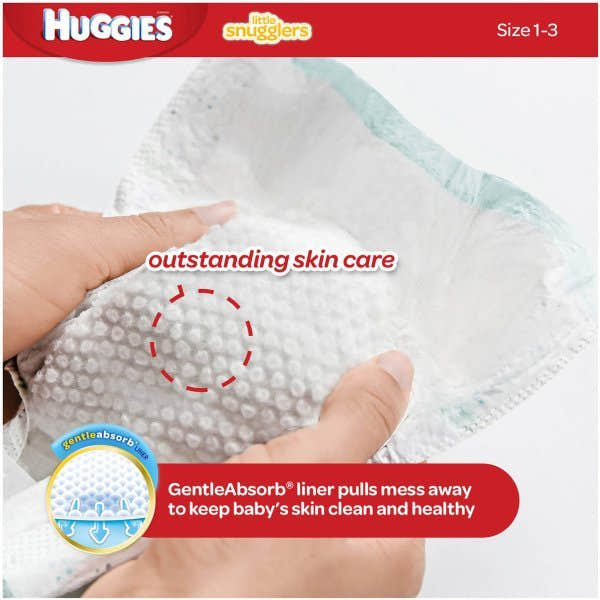
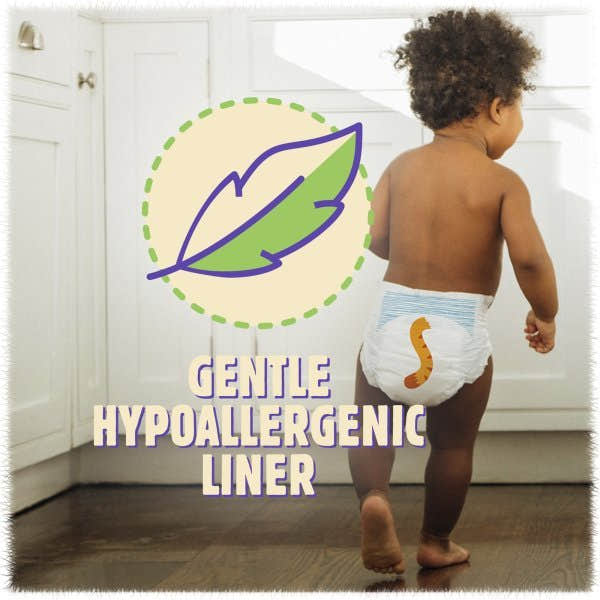
Disposable baby diapers are generally made from a combination of absorbent polymer materials, nonwoven fabric, and a breathable outer layer designed to be gentle against delicate skin. Many baby diapers sold today are fragrance-free or hypoallergenic, making them suitable for sensitive newborn skin, though parents should check individual product labels for specific material details.
Move up a baby diaper size when the current size leaves red marks on your baby's skin, the tabs no longer fasten comfortably at the center, or you are experiencing frequent leaks. As a general rule, if your baby consistently falls at the upper end of the weight range listed on the package, it is time to size up.
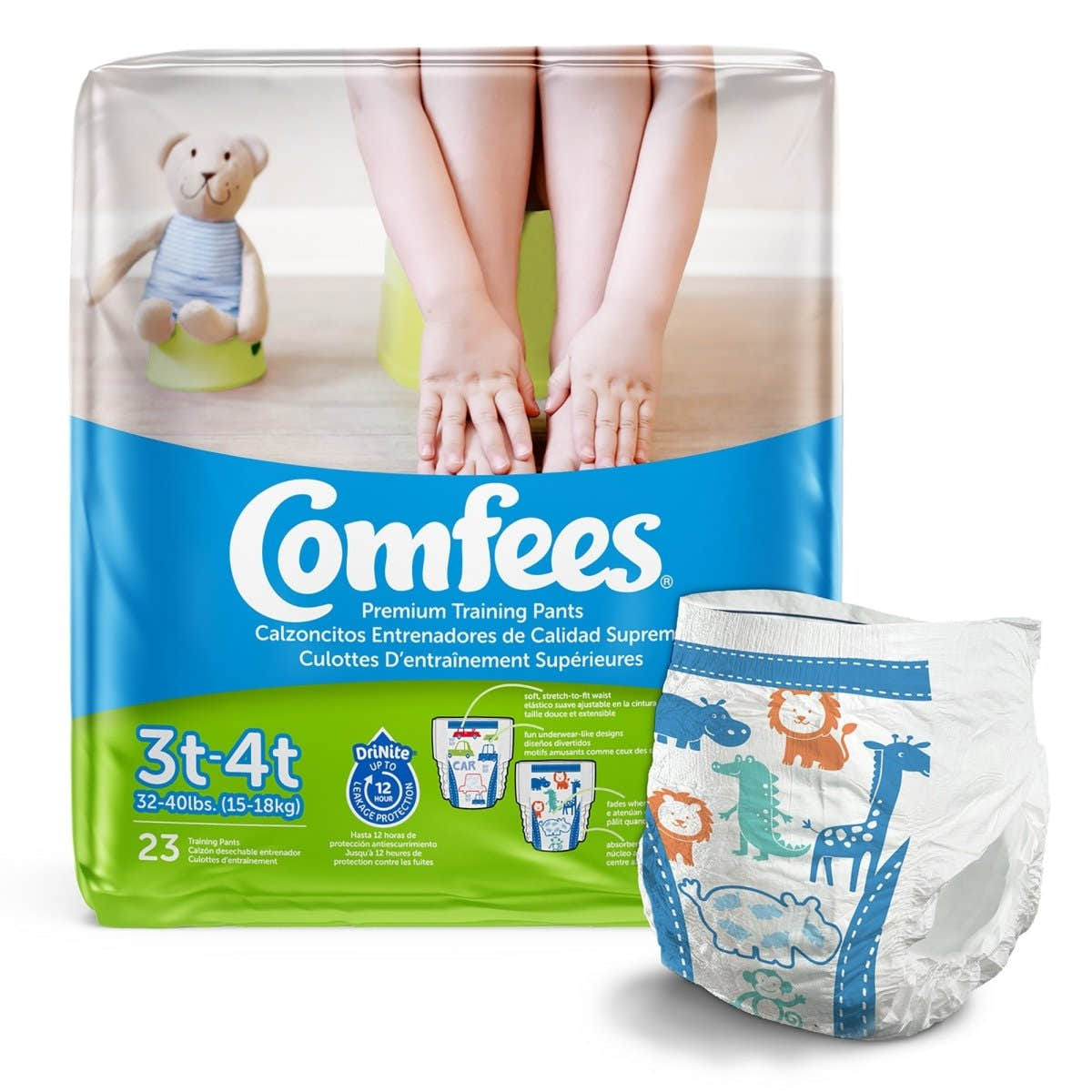
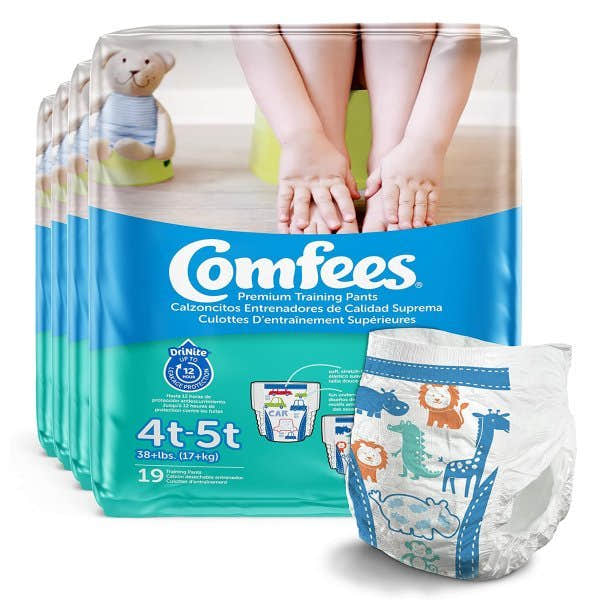
Because training pants are specifically designed to help toddlers transition from diapers to the toilet by allowing children to pull them up and down independently, building self-sufficiency during potty training. Unlike standard baby diapers, training pants offer a more underwear-like fit that makes bathroom trips easier and helps toddlers recognize when they are wet.
Store baby diapers in a cool, dry location away from direct sunlight and moisture to maintain their absorbency and structural integrity. Keeping diapers in their original packaging or a sealed storage container helps prevent dust accumulation and ensures the adhesive tabs remain sticky and functional until use.
Baby diapers generally offer higher absorbency than training pants because baby diapers are engineered to manage larger and more frequent wetting without a diaper change. Training pants provide enough absorbency to handle minor accidents during potty training but are not intended to replace diapers for full-time wear in younger infants or heavy wetters.
Do you still have questions about Baby Diapers?
If we still haven't answered your question, you can contact us by live chat or email and we will get back to you as soon as possible.