Step Stools

10 products

Showing 1 - 10 of 10 products

Shop for step stools with or without handrails. Use our filters to narrow down your search.
Showing 1 - 10 of 10 products
View
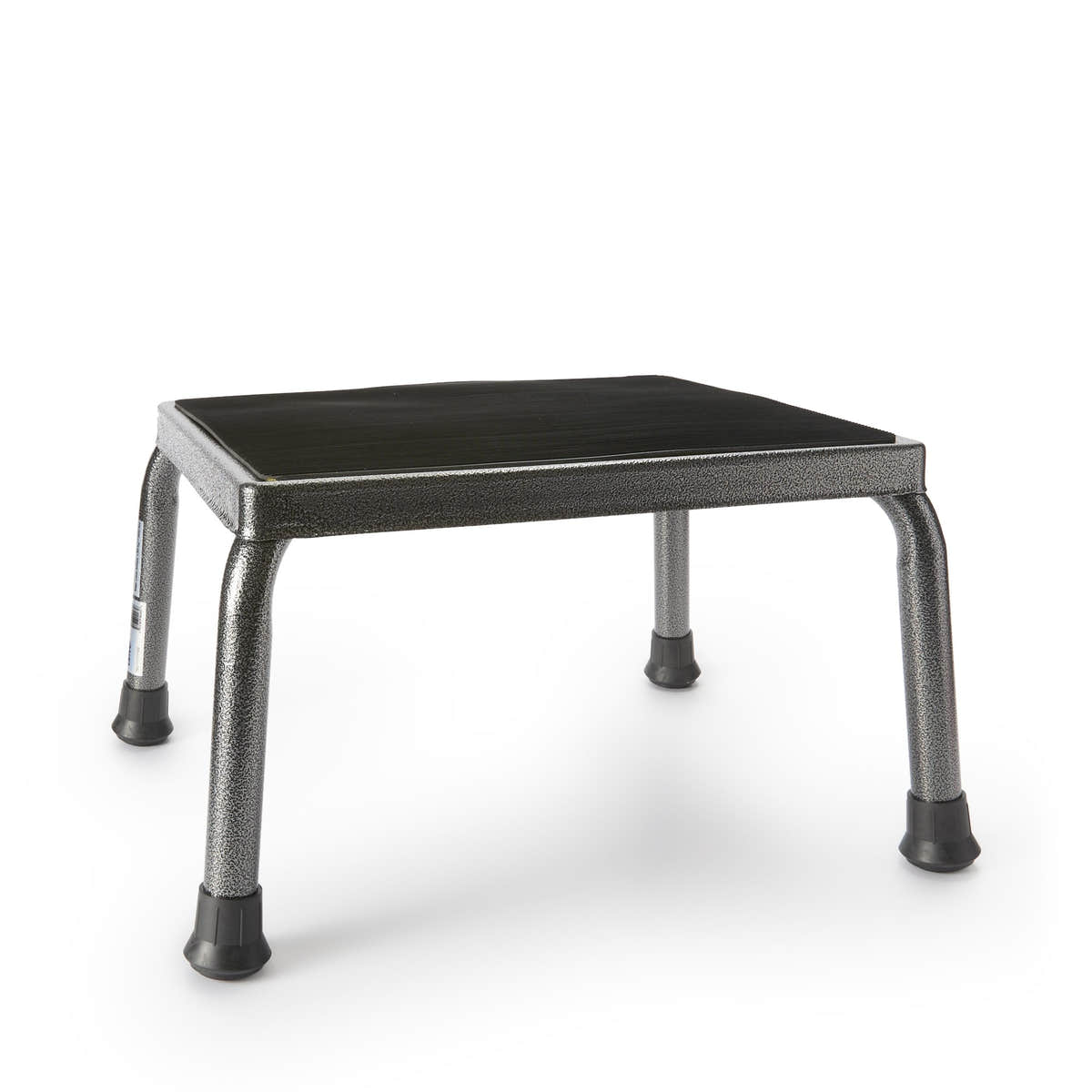
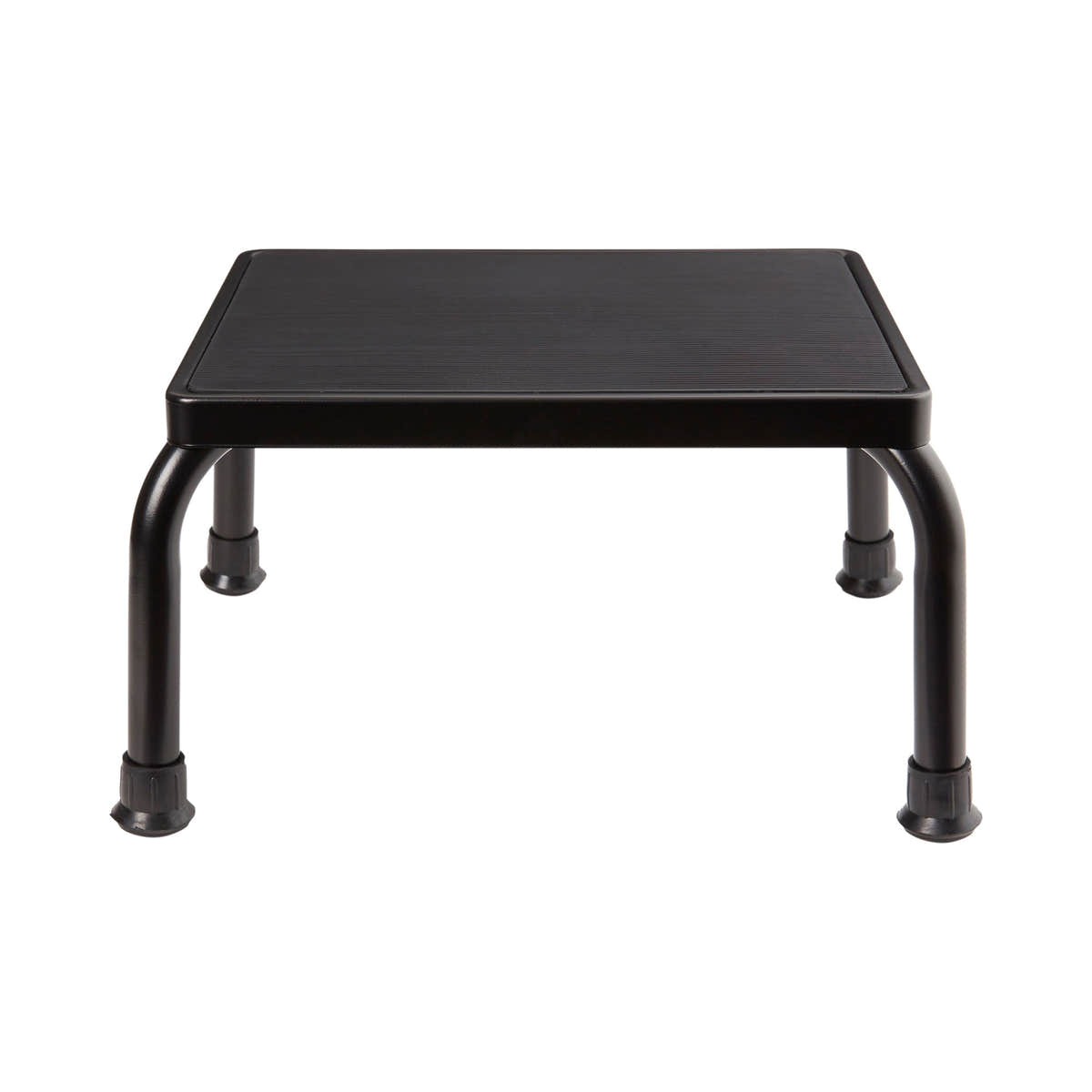
McKesson Step Stool -Each
McKesson Step Stool
Sale price$112.99
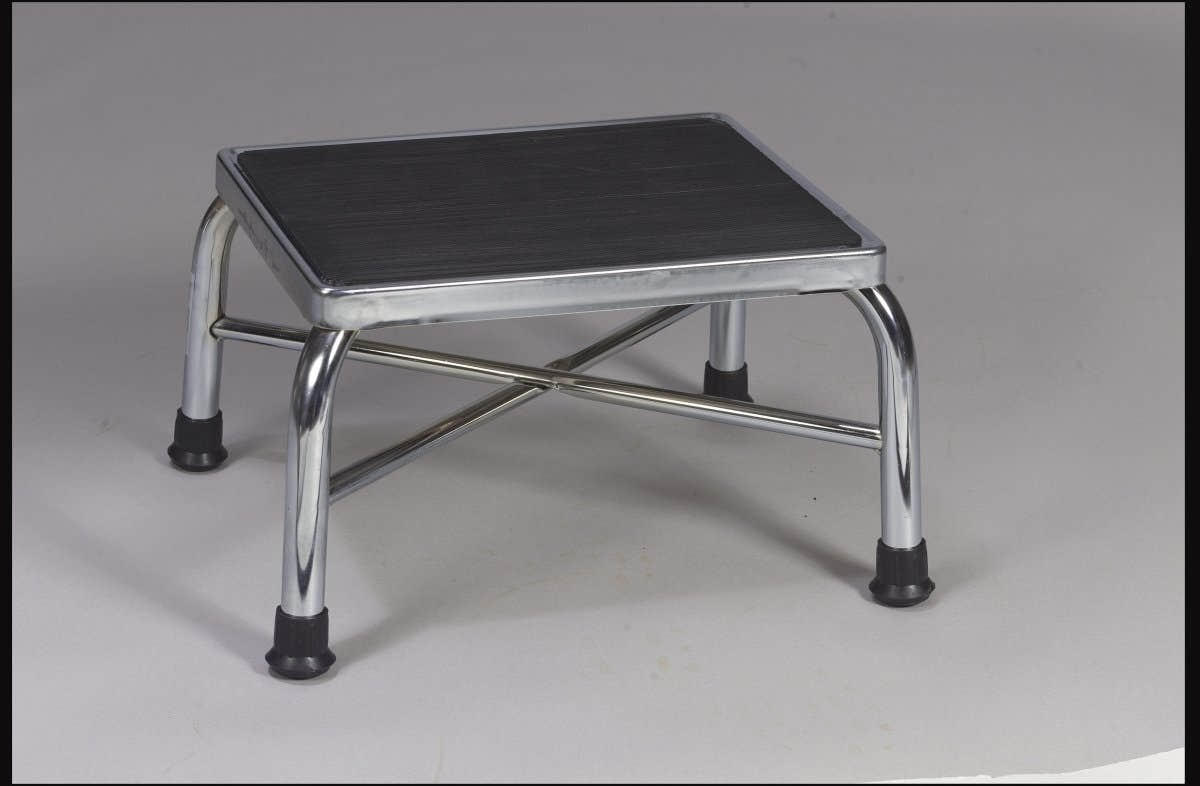
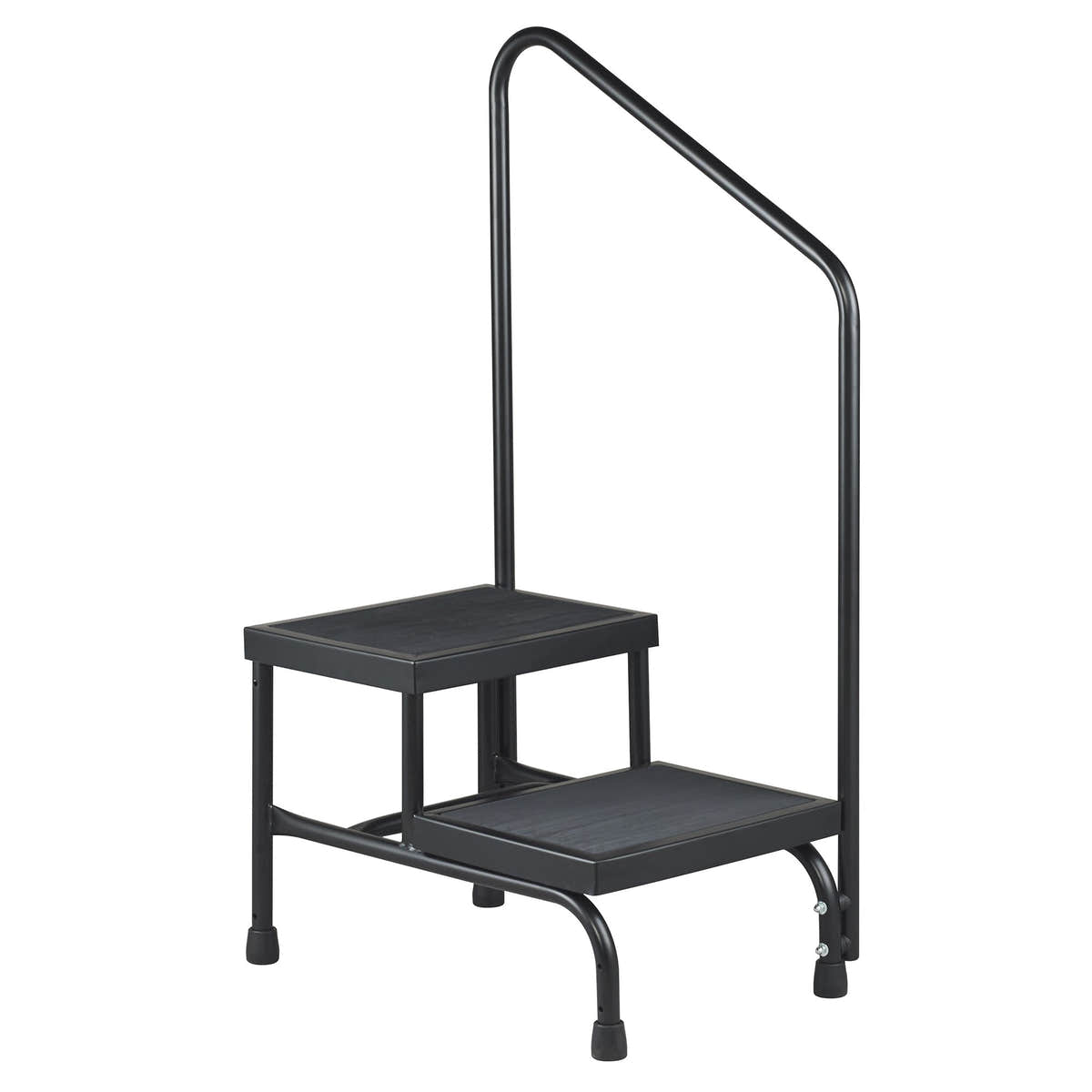
McKesson Bariatric Step Stool -Each
McKesson Bariatric Step Stool
Sale price$458.99
EntrustStep Stool 1-Step Chrome Plated Steel -Each
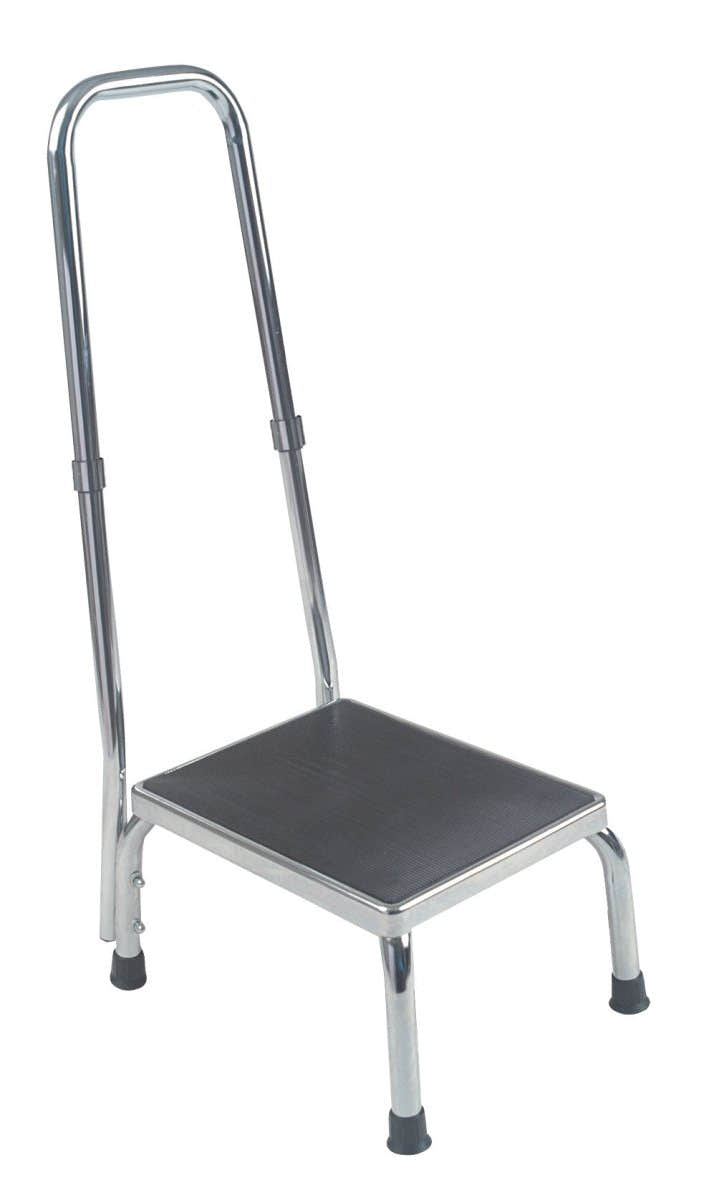
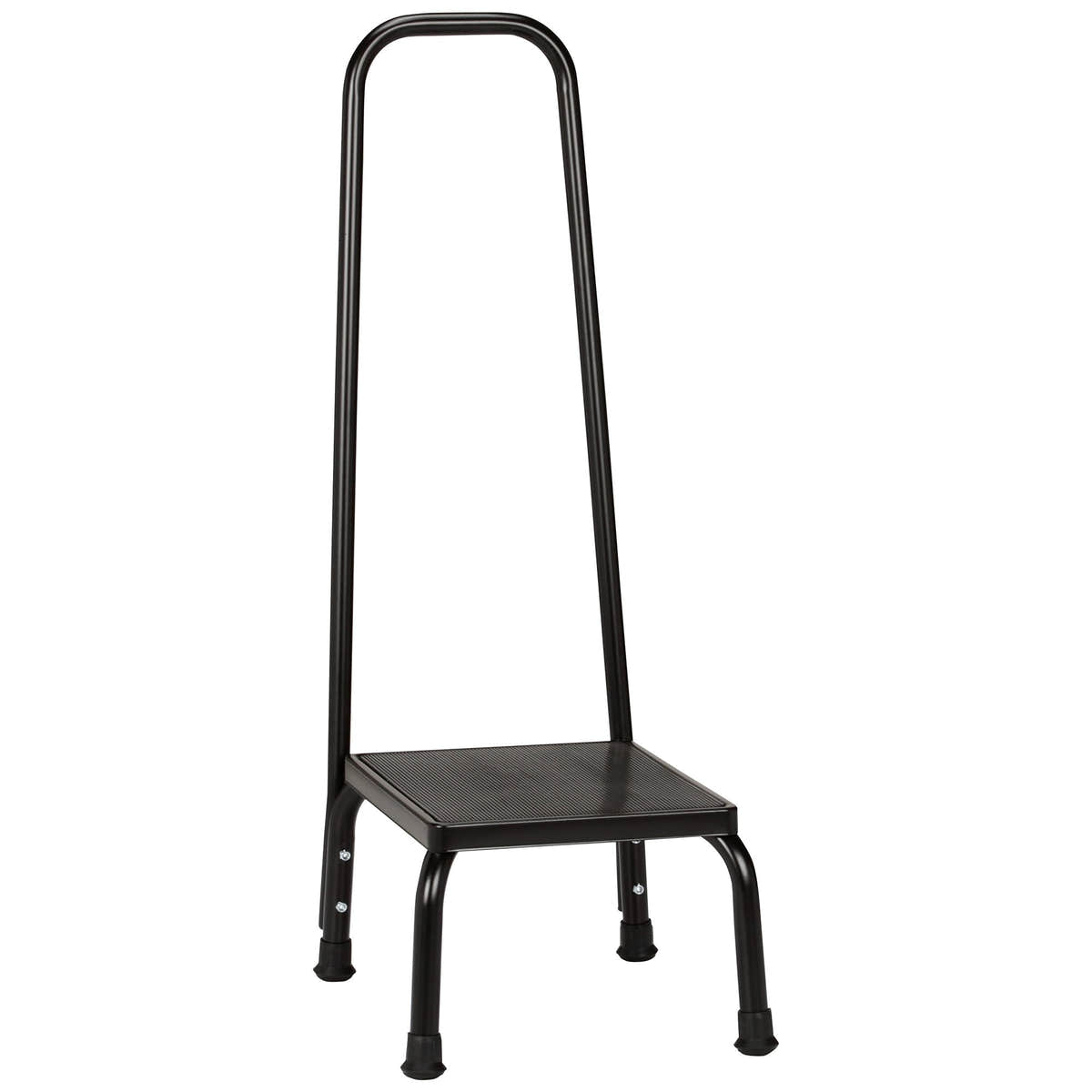
drive Step Stool with Handrail - 701982_EA - 1
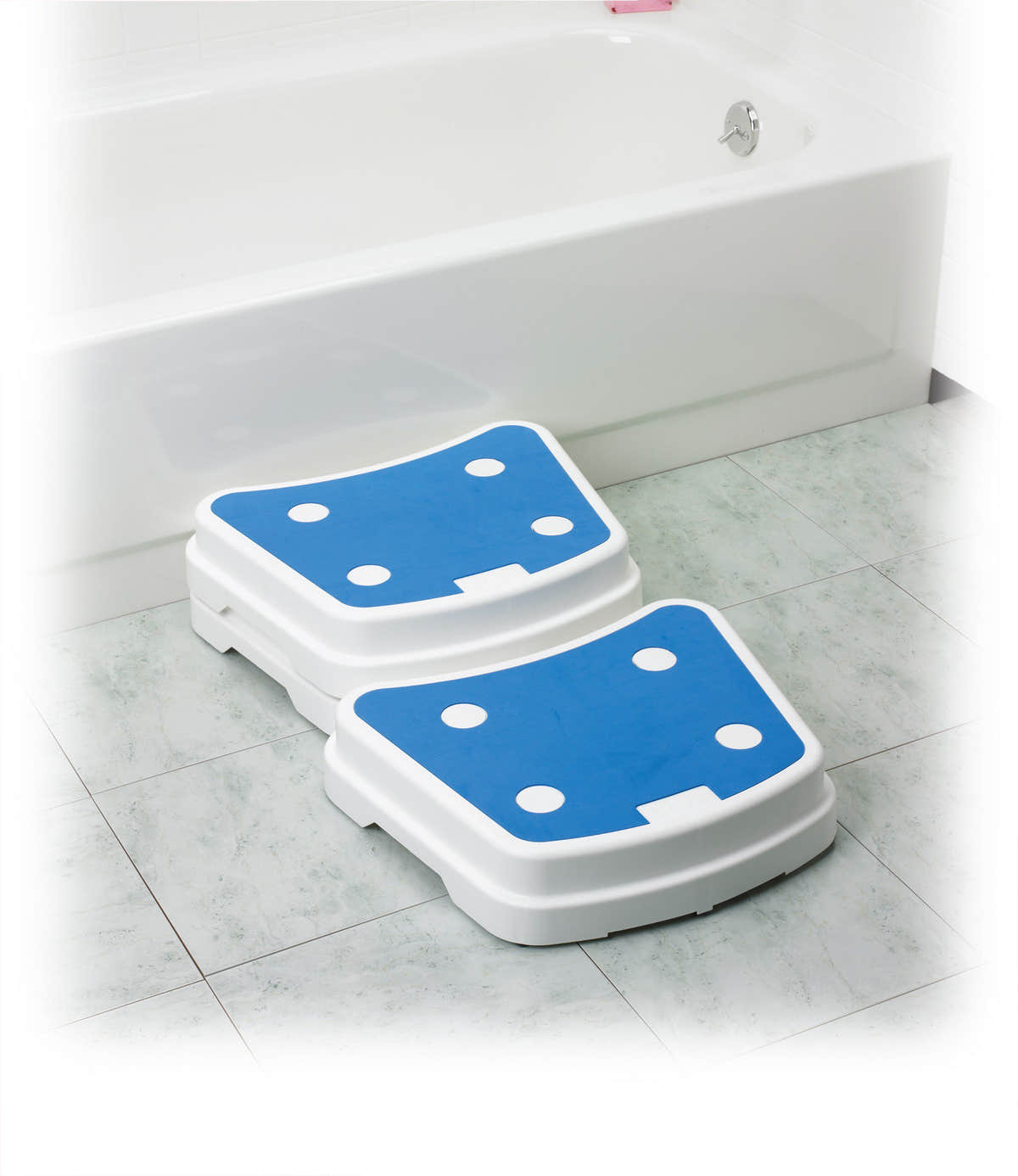
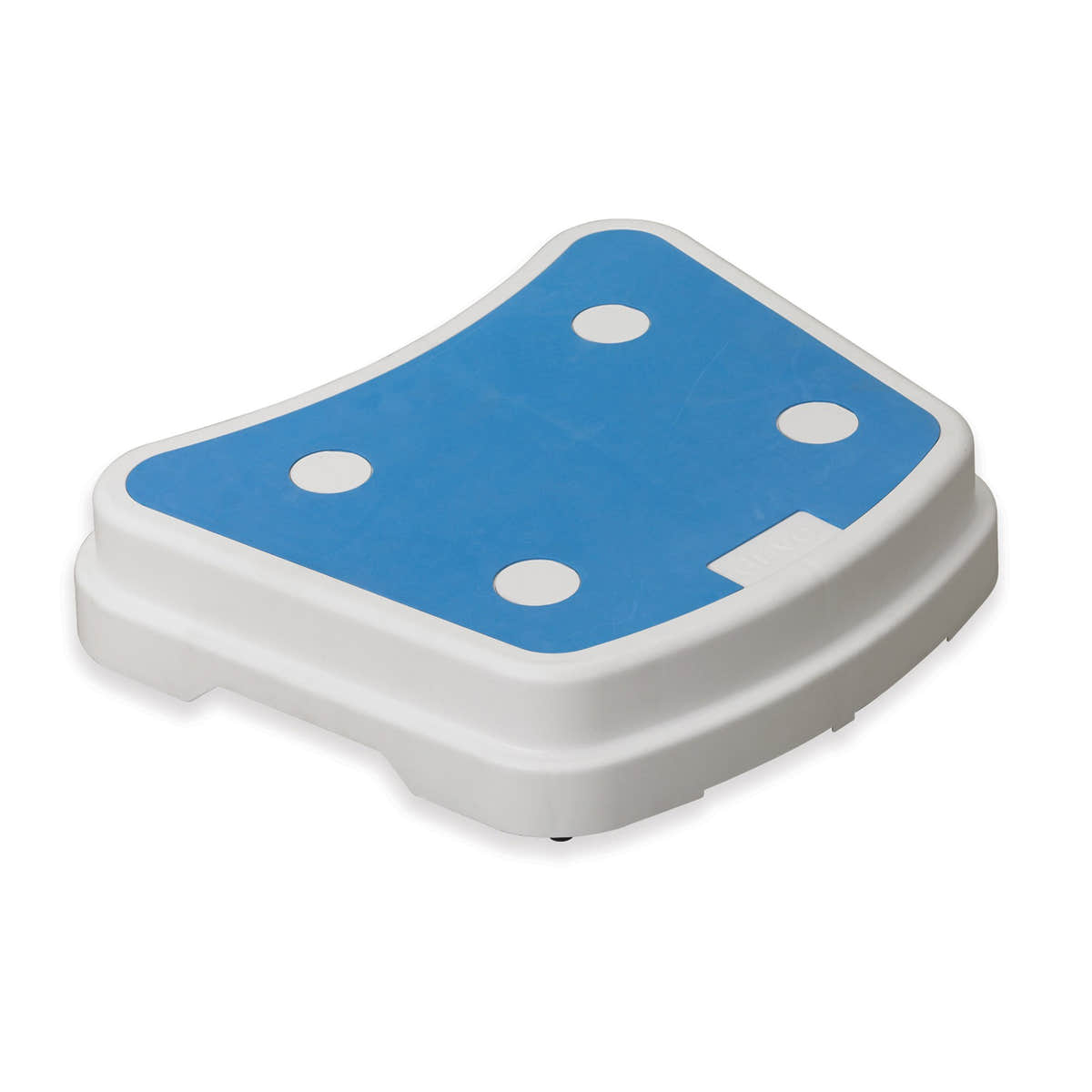
drive Portable Bath Step -Each
drive Portable Bath Step
Sale price$41.99
drive 1 Step Stool -Each
drive 1 Step Stool
Sale price$59.99
drive Bariatric Step Stool - 649497_EA - 1
drive Bariatric Step Stool
Sale price$84.99
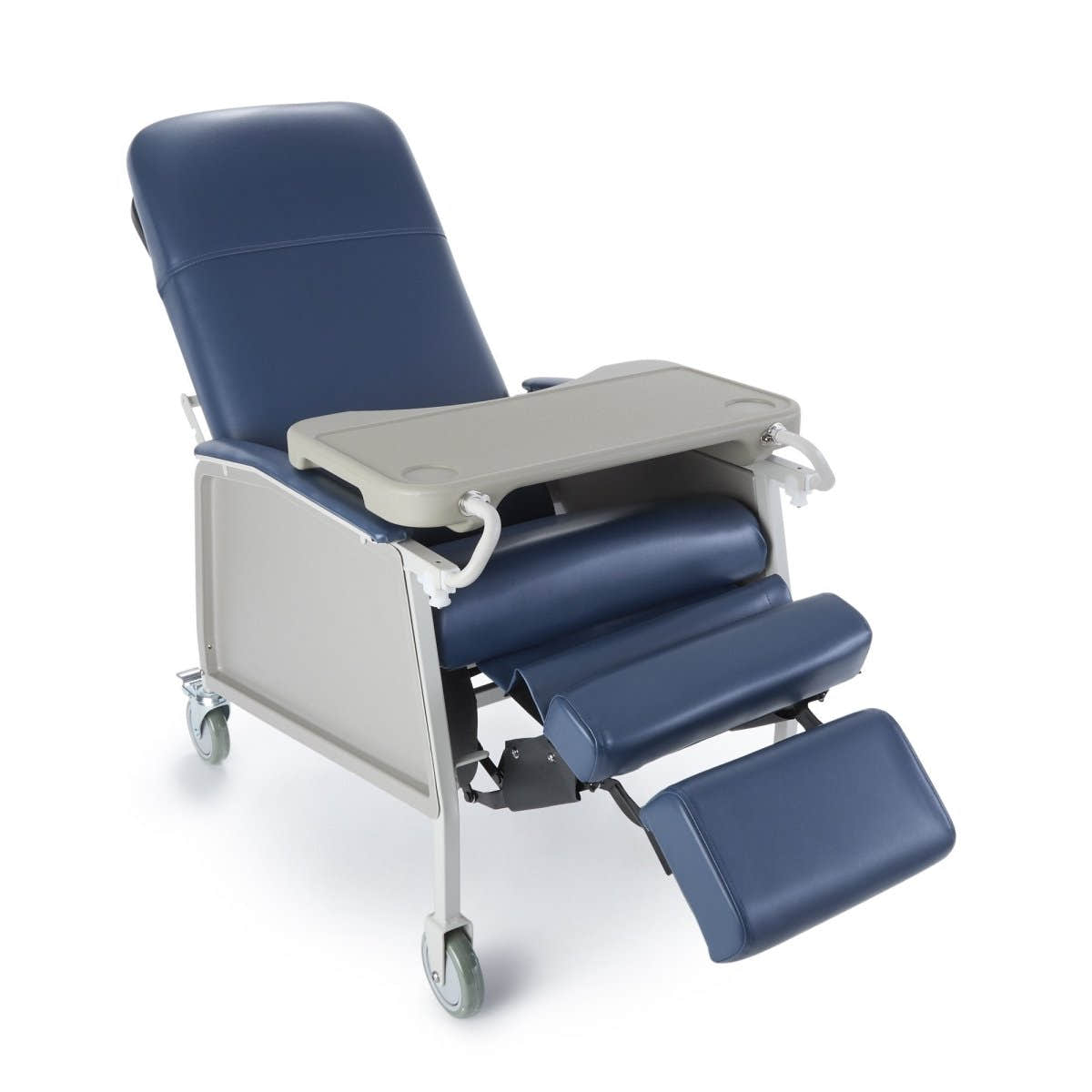
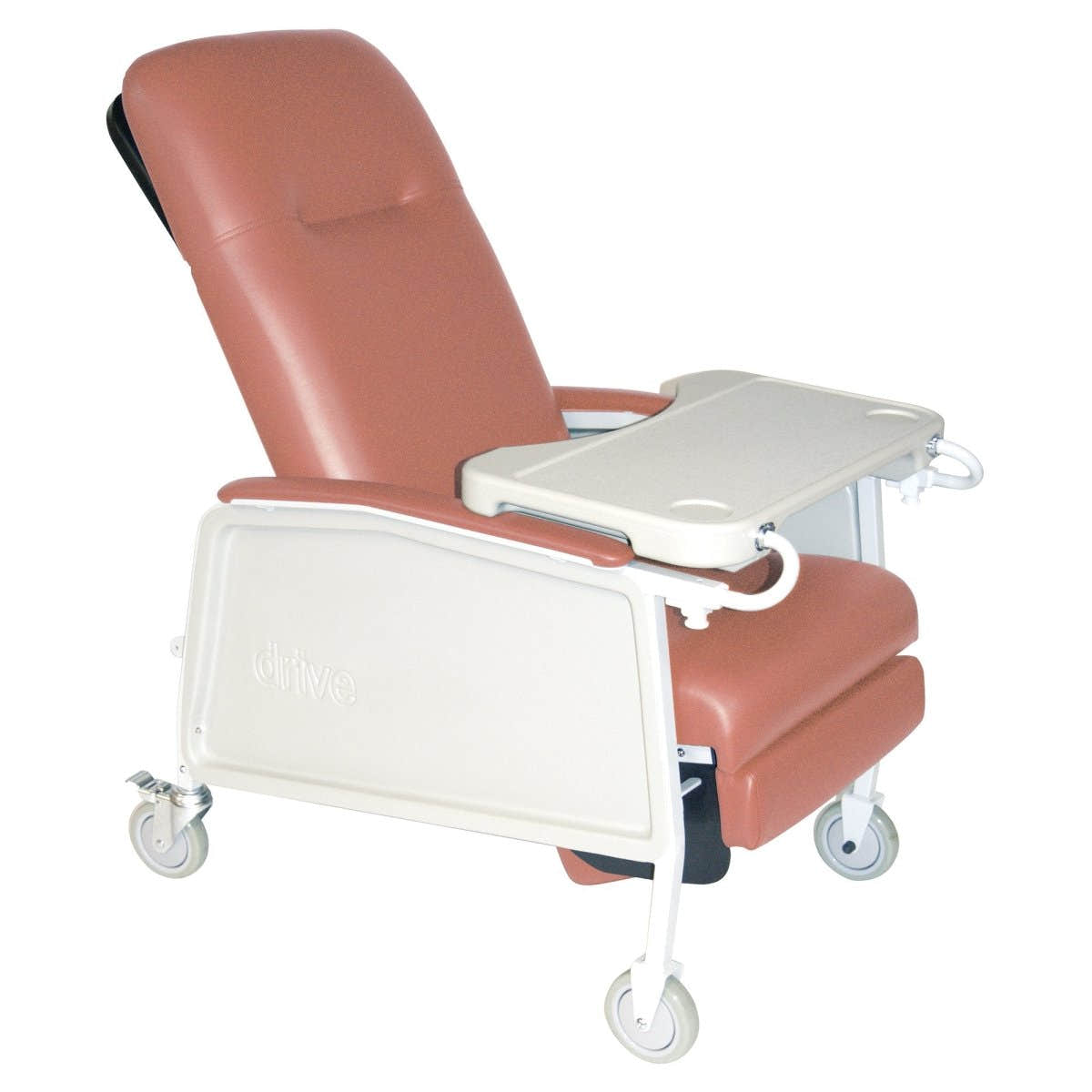
Mckesson 3 Position Recliner - 1065254_EA - 1
McKesson 3 Position Recliner
Sale priceFrom $553.99
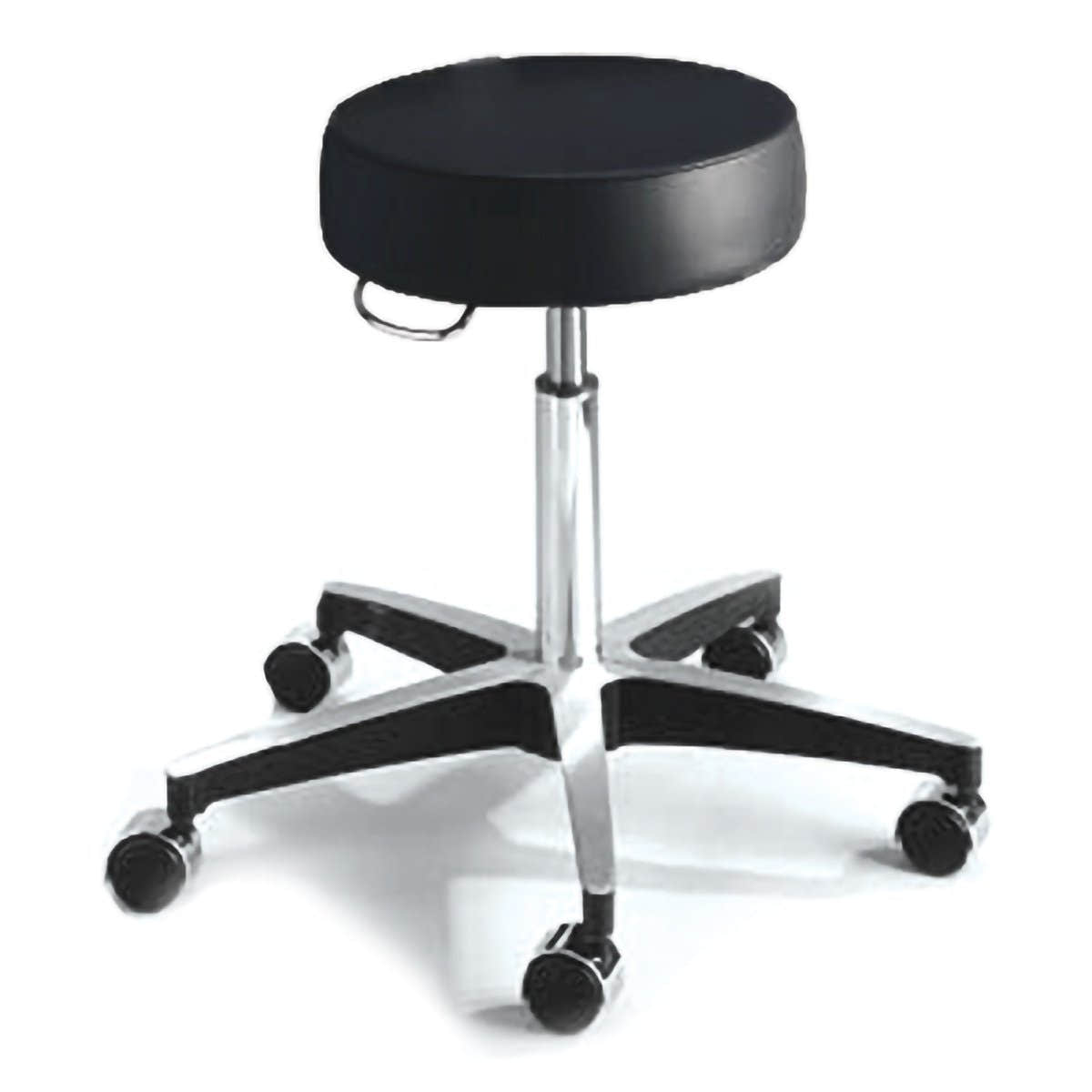
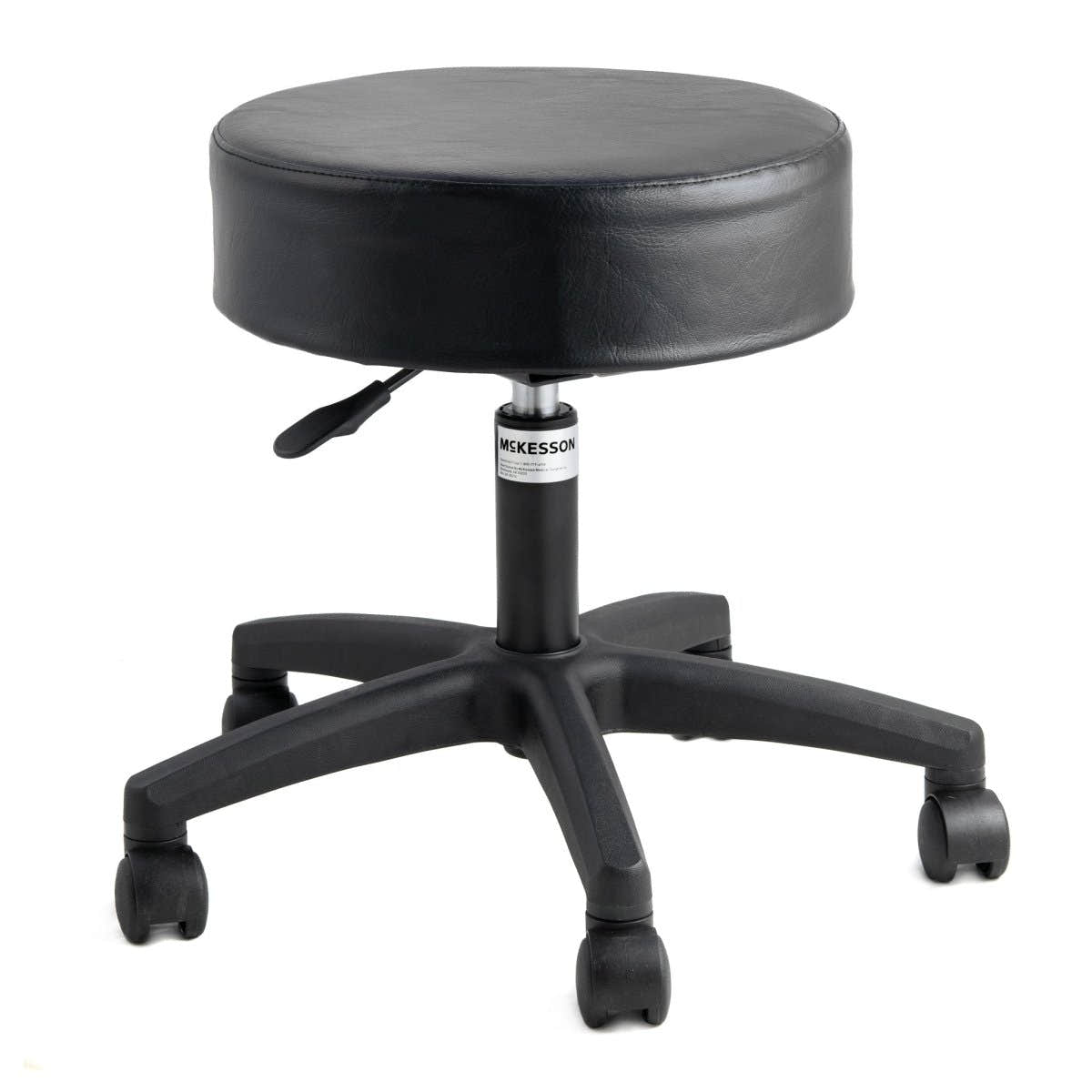
Mckesson Exam Stool - 1115770_EA - 1
McKesson Exam Stool
Sale priceFrom $260.99
Choose options
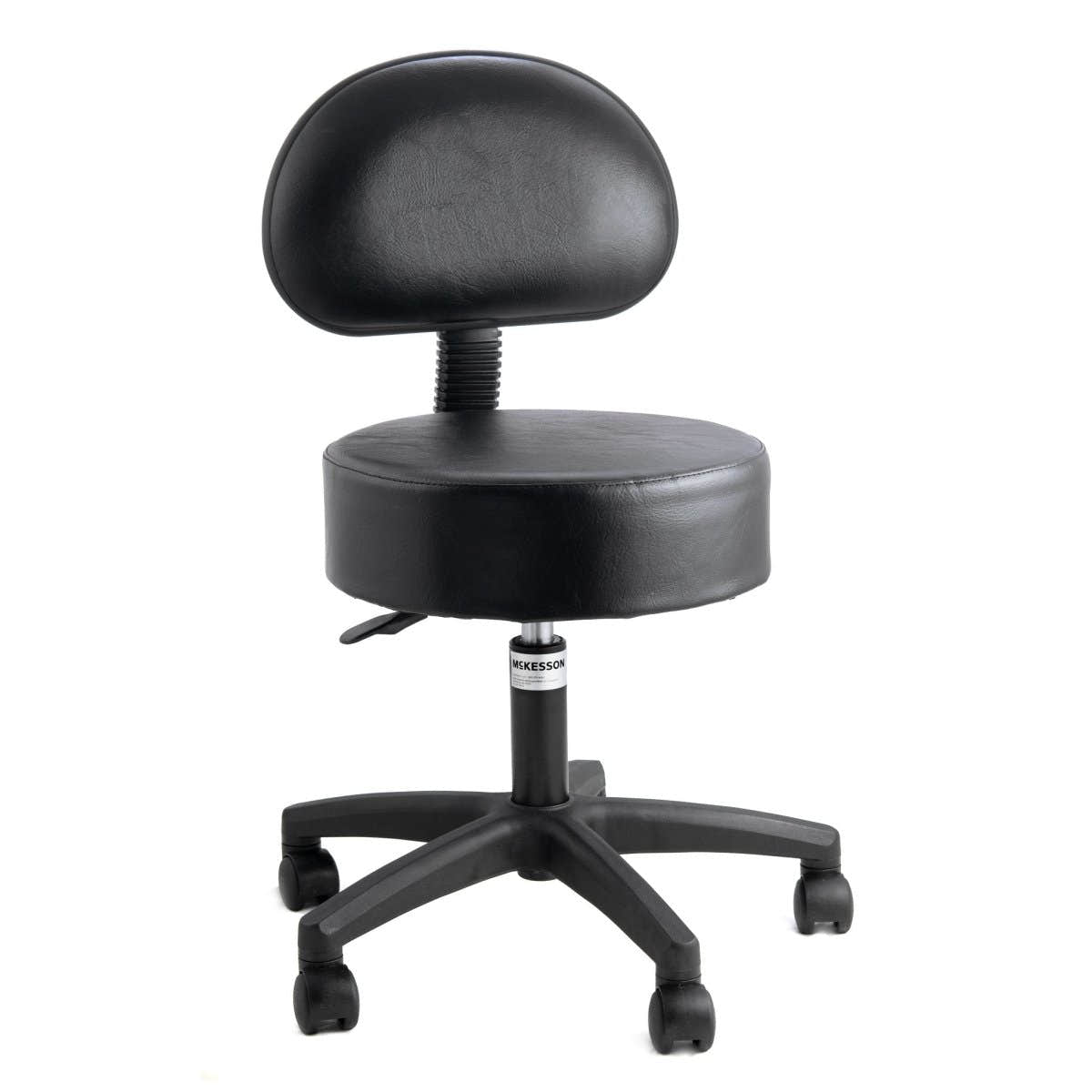
Mckesson Exam Stool With Backrest - 1115771_EA - 1

Frequently Asked Questions about Step Stools

Medical step stools are used to help patients safely reach elevated surfaces like exam tables, beds, or high counters by providing a stable, non-slip platform to step up from. Step stools are commonly used in clinical settings, home care environments, and rehabilitation situations where mobility assistance is needed.

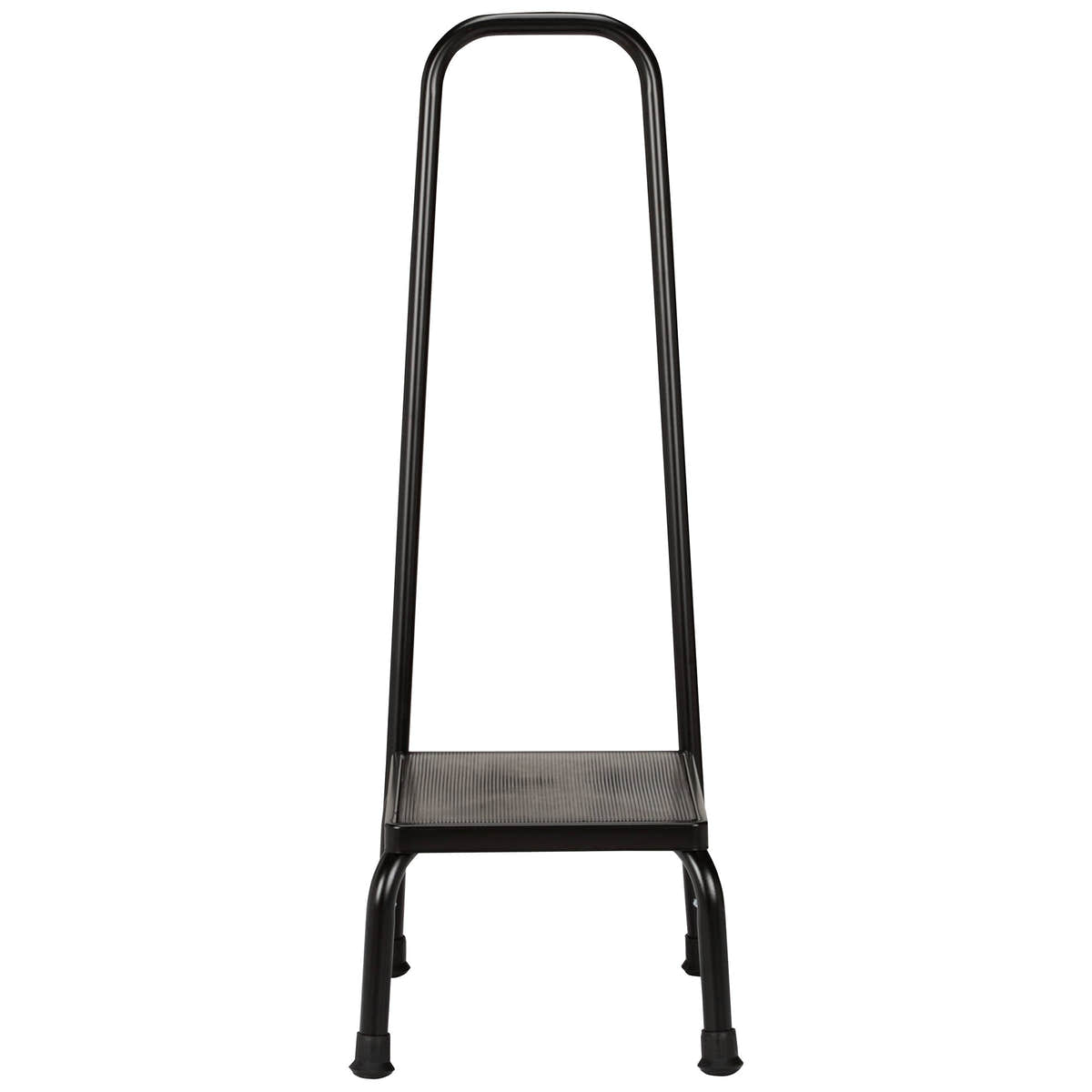
Step stools with handrails are designed for individuals who need extra stability and support when stepping up or down, including elderly patients, those recovering from surgery, or anyone with limited balance or mobility. Bariatric step stools are also available for users who require higher weight capacity options.

Place the step stool on a firm, flat surface before use, and ensure all four legs are fully in contact with the floor before stepping onto the platform. If the step stool has a handrail, grip it firmly while stepping up or down to reduce the risk of slipping or losing balance.

A step stool with a handrail includes a vertical or angled grip bar that gives users something to hold onto for added stability, while a standard step stool without a handrail is a simpler, lower-profile platform. Handrail models are generally recommended for patients with balance concerns or limited strength.

Yes, bariatric step stools are specifically designed to support higher weight capacities than standard models, making step stools a safe option for bariatric patients in both clinical and home settings. Always check the weight capacity listed for each step stool before use to ensure it meets the user's needs.

When choosing a step stool for home medical use, consider the user's weight, mobility level, and whether handrail support is needed for safe stepping. Also look at the step height, non-slip surface features, and whether the step stool is portable or intended for stationary use.

Yes, many medical step stools are designed with non-slip feet and platforms that make step stools suitable for bathroom use, where wet floors can increase fall risk. Portable bath step stools are specifically built for this environment and offer a low-profile design for easier stepping in confined spaces.

Clean a medical step stool by wiping down the surface and frame with a mild disinfectant solution and a damp cloth, then allow the step stool to dry completely before use. Regularly inspect the non-slip pads, handrail connections, and leg tips for wear, and replace any damaged components promptly.

A step stool is a platform designed to help patients step up to elevated surfaces, while an exam stool is a seat used by healthcare providers during patient examinations, sometimes featuring a backrest or height adjustment. Both types of stools serve different roles in clinical settings and are not interchangeable.

Because exam tables and other clinical surfaces are elevated well above standard floor height, step stools give patients a safe and stable way to climb up without straining or risking a fall. Step stools reduce the physical effort required from both patients and caregivers during transfers and positioning.

Recently viewed