Your privacy matters to us! By using our site, you agree to the collection and use of your Personal Information as described in our Privacy Policy.
Knee Walkers
3 products
Showing 1 - 3 of 3 products
Introducing Knee Walkers: Embrace Mobility and Reclaim Your Freedom Today!
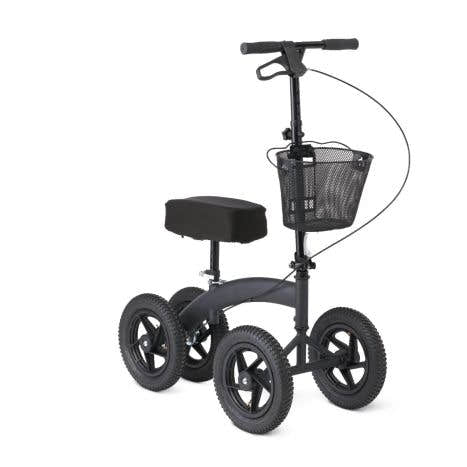
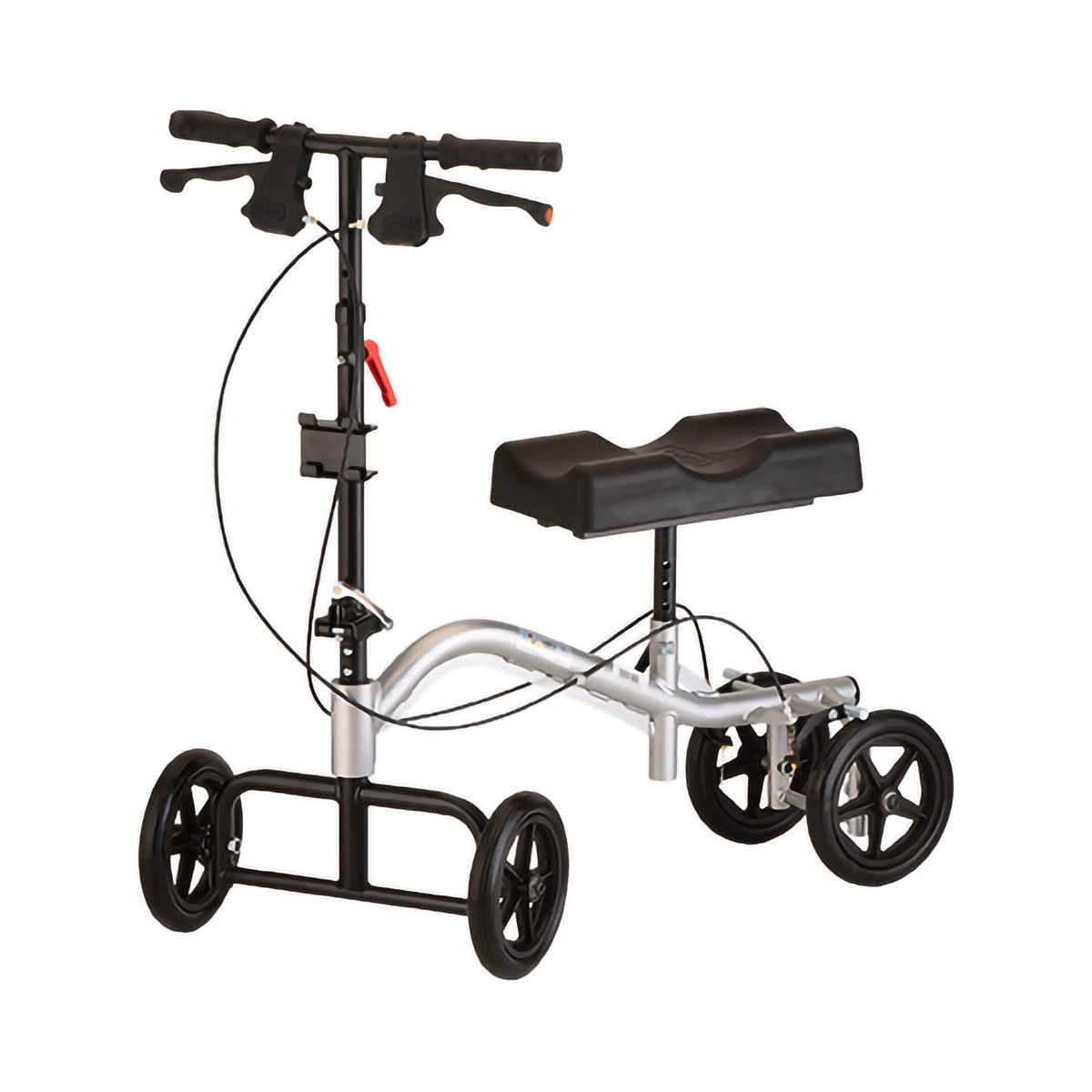
Experience effortless mobility and independence with our exceptional collection of knee walkers. Designed to provide unparalleled support and convenience, our knee walkers offer a refreshing alternative to crutches, empowering you to navigate life's challenges with ease.
Say goodbye to the limitations of traditional walking aids and embrace the liberation of knee walkers. With their ergonomic design and advanced features, these innovative mobility devices ensure maximum comfort, stability, and freedom of movement, allowing you to maintain an active lifestyle while recovering from injuries or surgeries.
Enhanced mobility
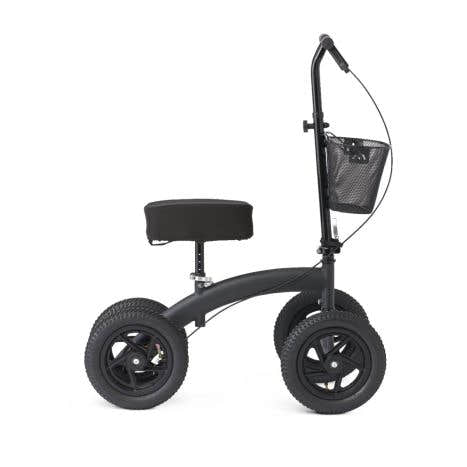
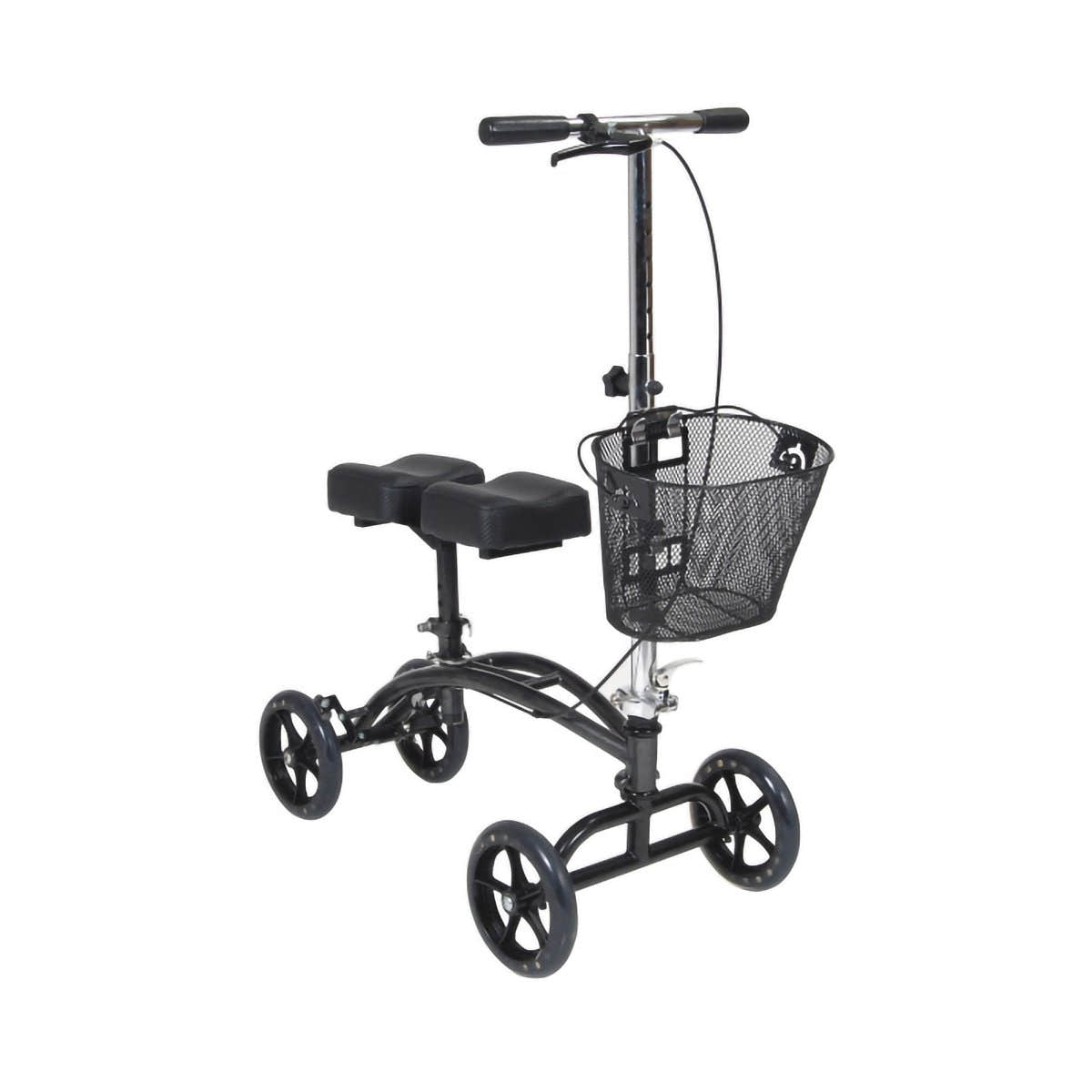
Our knee walkers offer a myriad of benefits that will revolutionize your recovery journey. From enhanced maneuverability to superior weight distribution, each feature is meticulously crafted to optimize your experience. With their adjustable height settings and padded knee rest, our knee walkers guarantee a personalized fit and superior support, reducing strain on your body and promoting a faster recovery process.
Alternative to crutches for mobility
Immerse yourself in a world of convenience and versatility with our range of knee walkers. Navigate effortlessly through various terrains, whether indoors or outdoors, thanks to their sturdy and durable construction. Enjoy the convenience of easily maneuvering around tight corners and confined spaces, ensuring you remain in control at all times.
Experience the joy of independence as you bid farewell to the limitations of crutches. Our knee walkers allow you to regain your freedom and engage in everyday activities without hindrance. Effortlessly perform household chores, shop for groceries, or join family outings, all while enjoying the stability and confidence that our knee walkers provide.
Reliable support during injury recovery
Don't let your injury or surgery hold you back any longer. Take the first step towards reclaiming your mobility and enjoying life to the fullest. Browse our exquisite collection of knee walkers today and discover the perfect companion for your recovery journey.
Unlock the door to limitless possibilities with our exceptional knee walkers. Invest in your well-being and regain your independence. Choose freedom. Choose mobility. Choose our knee walkers.
Shop now and experience the transformative power of mobility!
Frequently Asked Questions about Knee Walkers
A knee walker is a mobility device that lets you rest your injured leg on a padded platform while propelling yourself forward with your healthy leg. Knee walkers are commonly used after foot or ankle surgery, fractures, or wounds that prevent you from bearing weight on one foot.
Knee walkers are designed for people recovering from foot, ankle, or lower leg injuries who need a hands-free, weight-bearing alternative to crutches. They work best for individuals who have adequate upper-body balance and need to stay mobile during a recovery period of several weeks or longer.
Start by adjusting the knee platform and handlebars to a comfortable height so your injured leg rests flat and your hands grip the bars at hip level. Place your injured leg on the padded knee rest, keep your back upright, and push off gently with your healthy foot to move forward.
Yes, knee walkers are generally safe on smooth, flat surfaces like indoor floors, sidewalks, and paved paths, though stability can vary by model. Some knee walkers are built with all-terrain wheels that handle uneven or outdoor surfaces more effectively, so choosing the right model for your environment matters.
Choosing the right knee walker depends on your height, weight capacity needs, and where you plan to use it most. Indoor models typically have smaller wheels and a tighter turning radius, while all-terrain knee walkers feature larger wheels suited for outdoor or uneven surfaces.
Yes, most knee walkers feature adjustable knee platform heights and handlebar heights to accommodate users of different sizes. Checking the adjustment range and weight capacity before selecting a knee walker ensures a safer and more comfortable fit for your specific body type.
Because knee walkers distribute your body weight across the knee platform rather than forcing you to support yourself through your arms and underarms, they reduce fatigue and discomfort significantly. Many users find knee walkers easier to use for extended periods, especially when navigating longer distances throughout the day.
Wipe down the frame, handlebars, and knee pad of a knee walker regularly with a mild soap and damp cloth to remove dirt and bacteria. Check the wheels, brakes, and adjustment knobs periodically to make sure all components are secure and functioning properly before each use.
Buying a knee walker is often worth it for recoveries lasting more than a few weeks, since the total cost of rental fees can quickly exceed the purchase price. Owning a knee walker also gives you the flexibility to use it on your own schedule without return deadlines.
A knee walker allows for more natural, upright movement and is easier to maneuver through doorways and tight spaces than a traditional wheelchair. Knee walkers are specifically designed for single-leg non-weight-bearing recovery, making them a more practical choice than wheelchairs for most foot or ankle injuries.
Do you still have questions about Knee Walkers?
If we still haven't answered your question, you can contact us by live chat or email and we will get back to you as soon as possible.