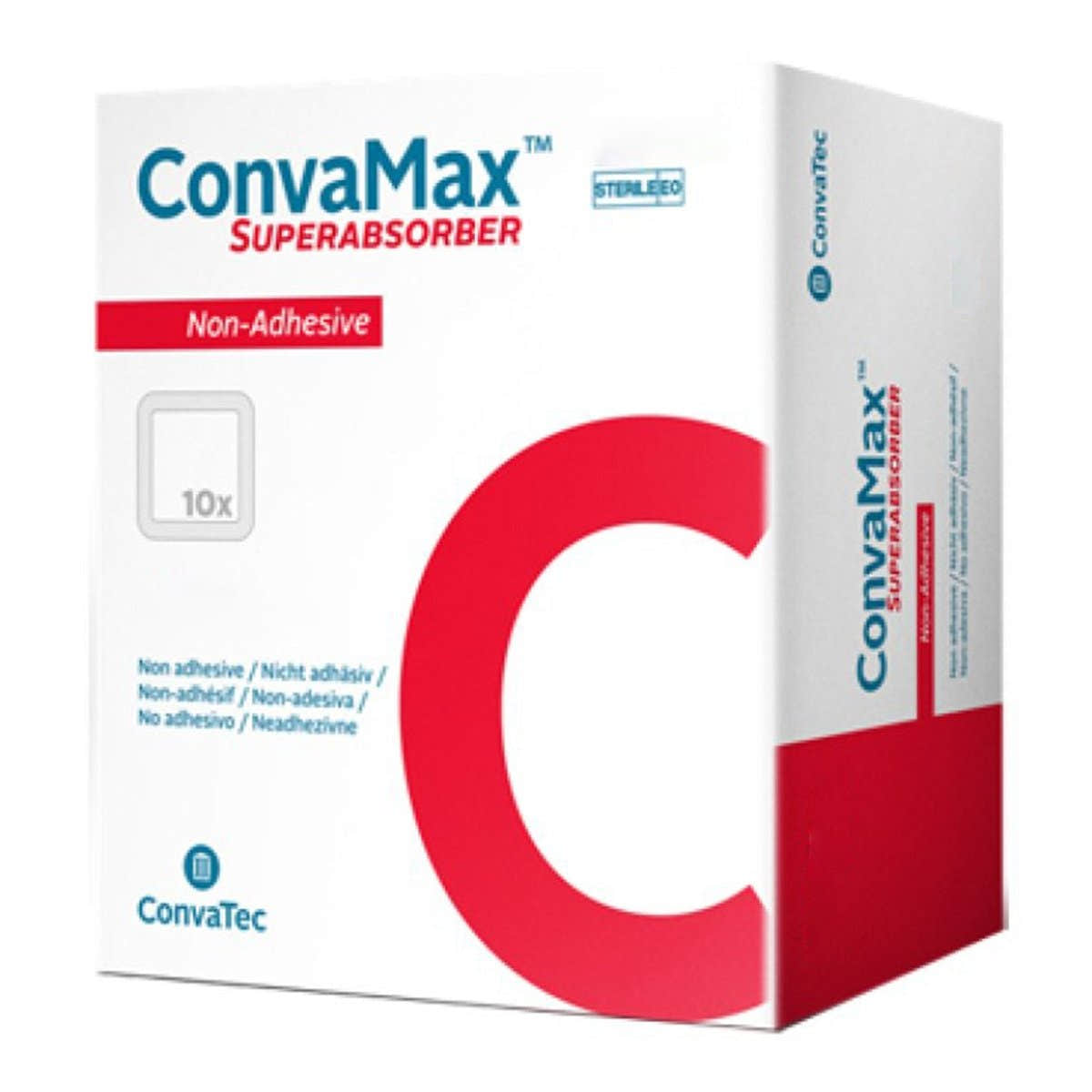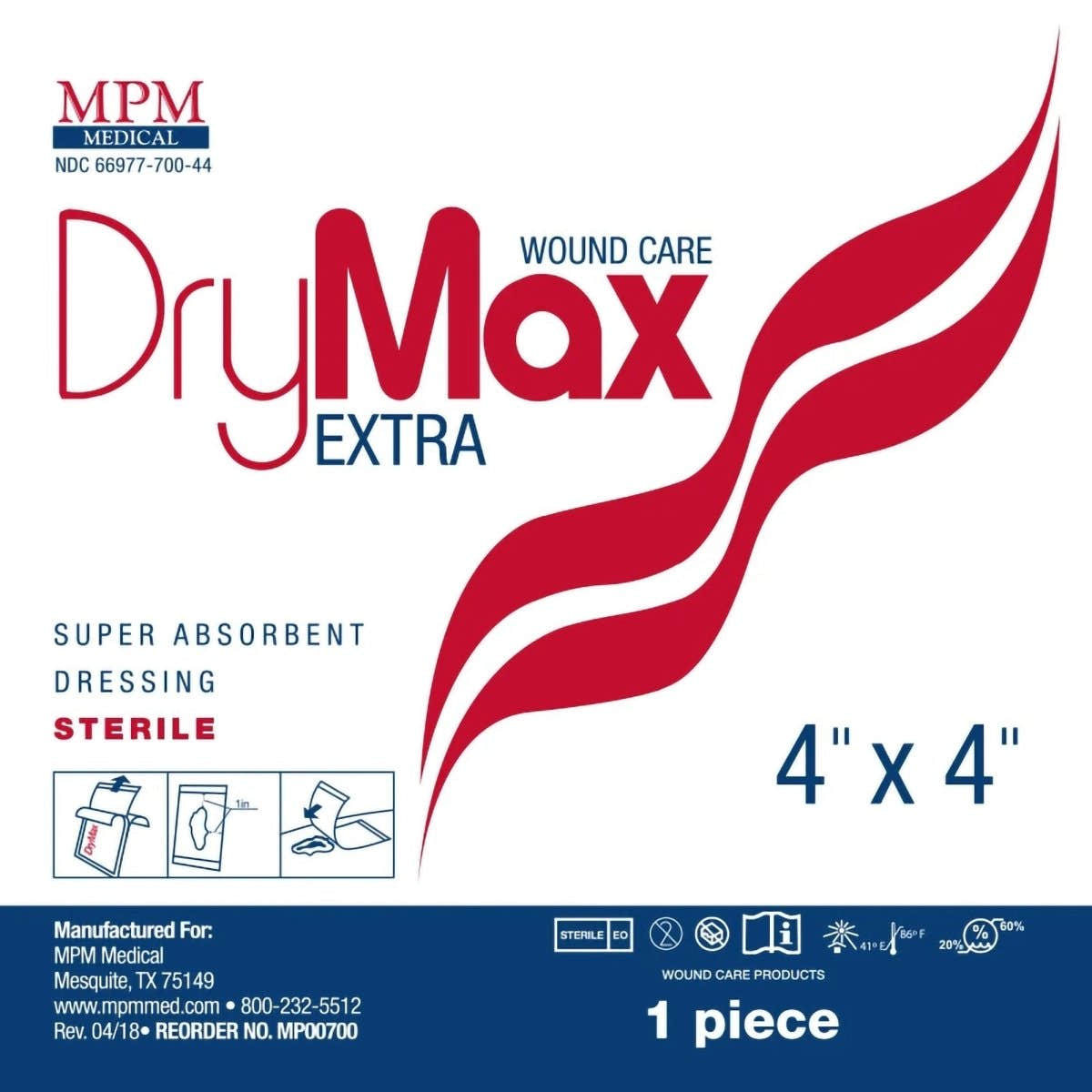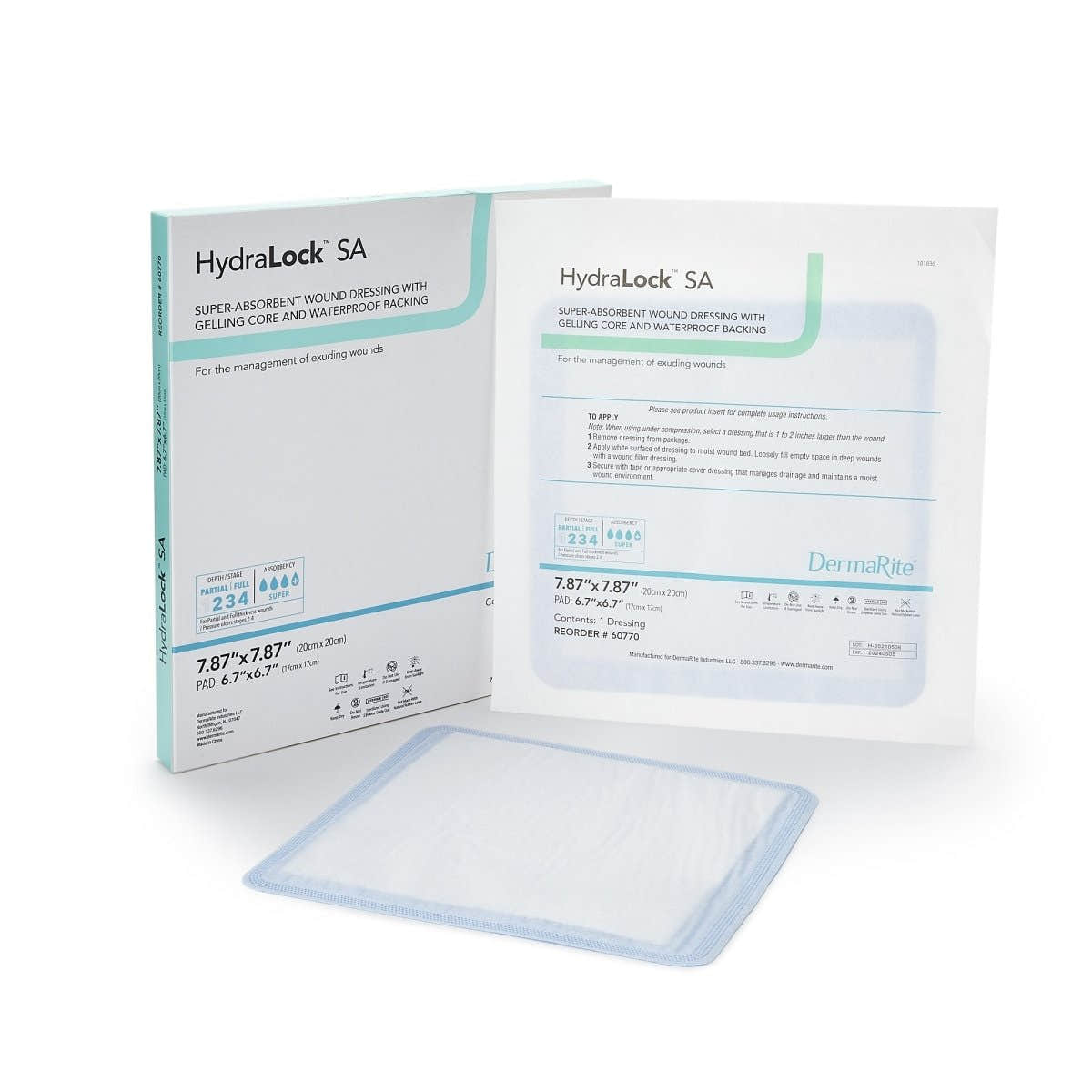
Super Absorbent Dressings

10 products

Showing 1 - 10 of 10 products

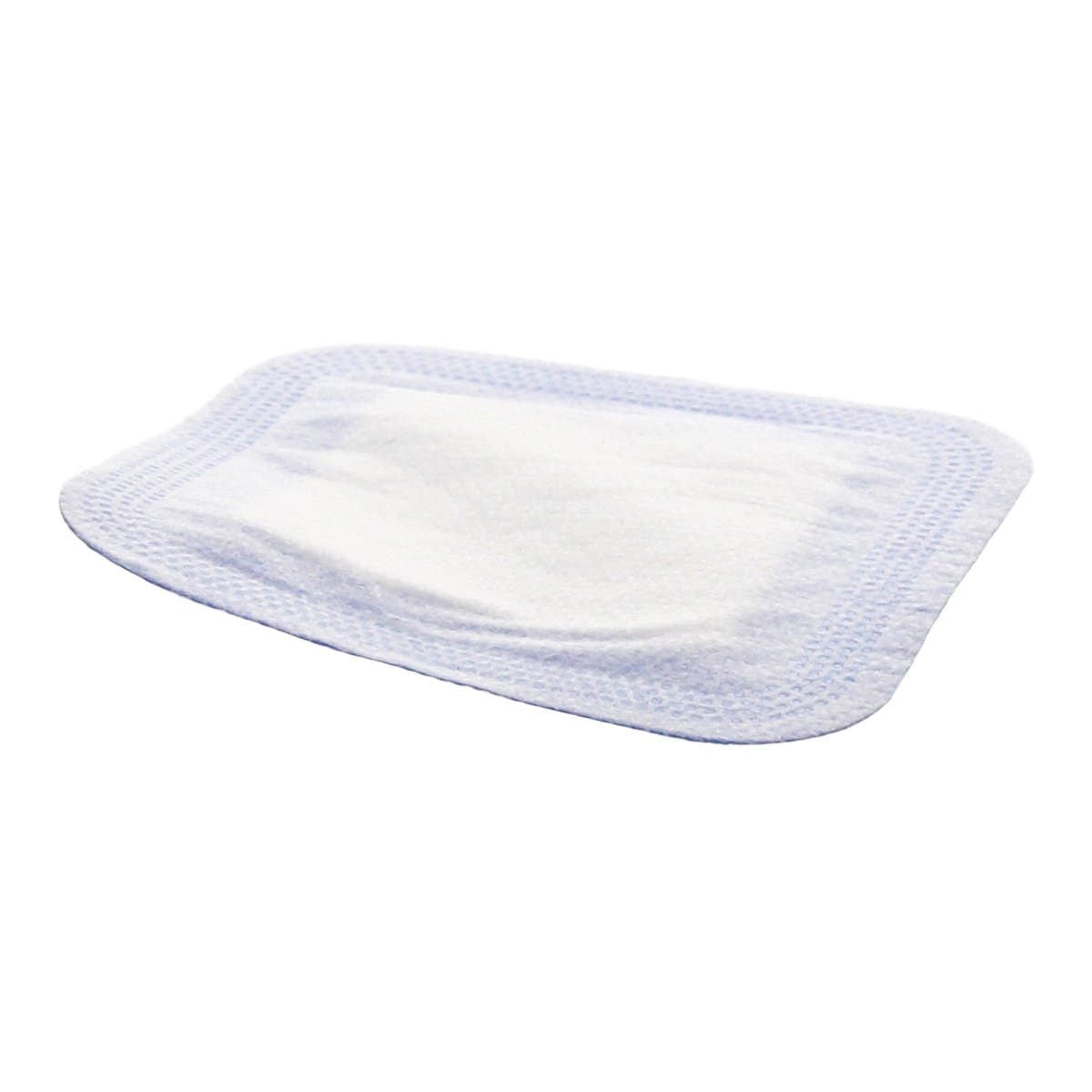
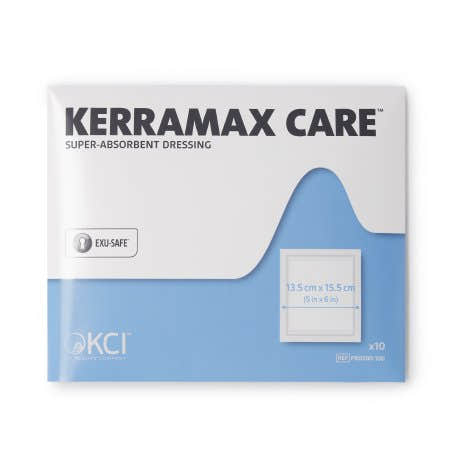
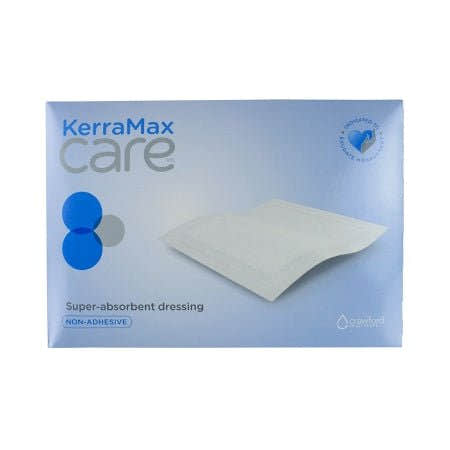
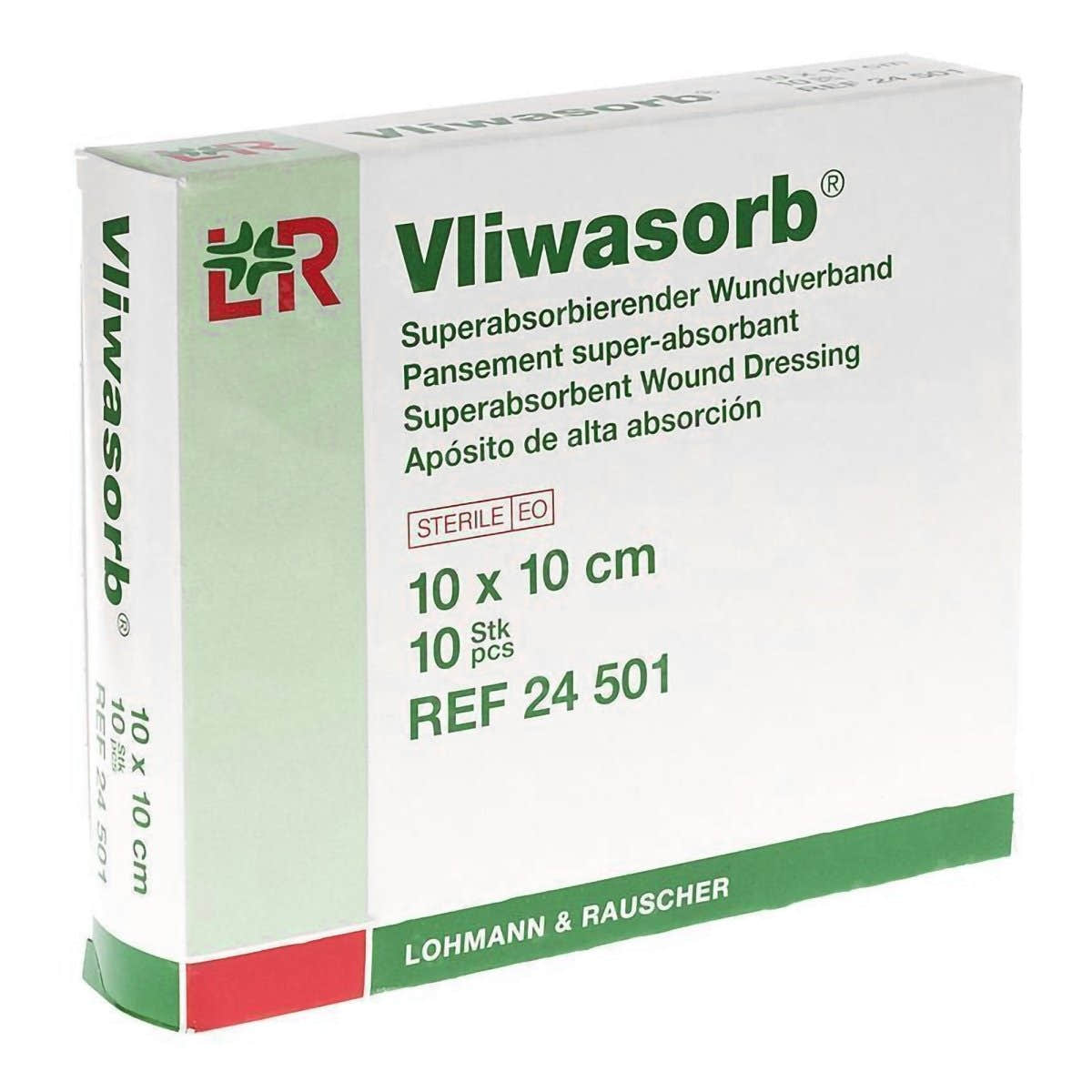
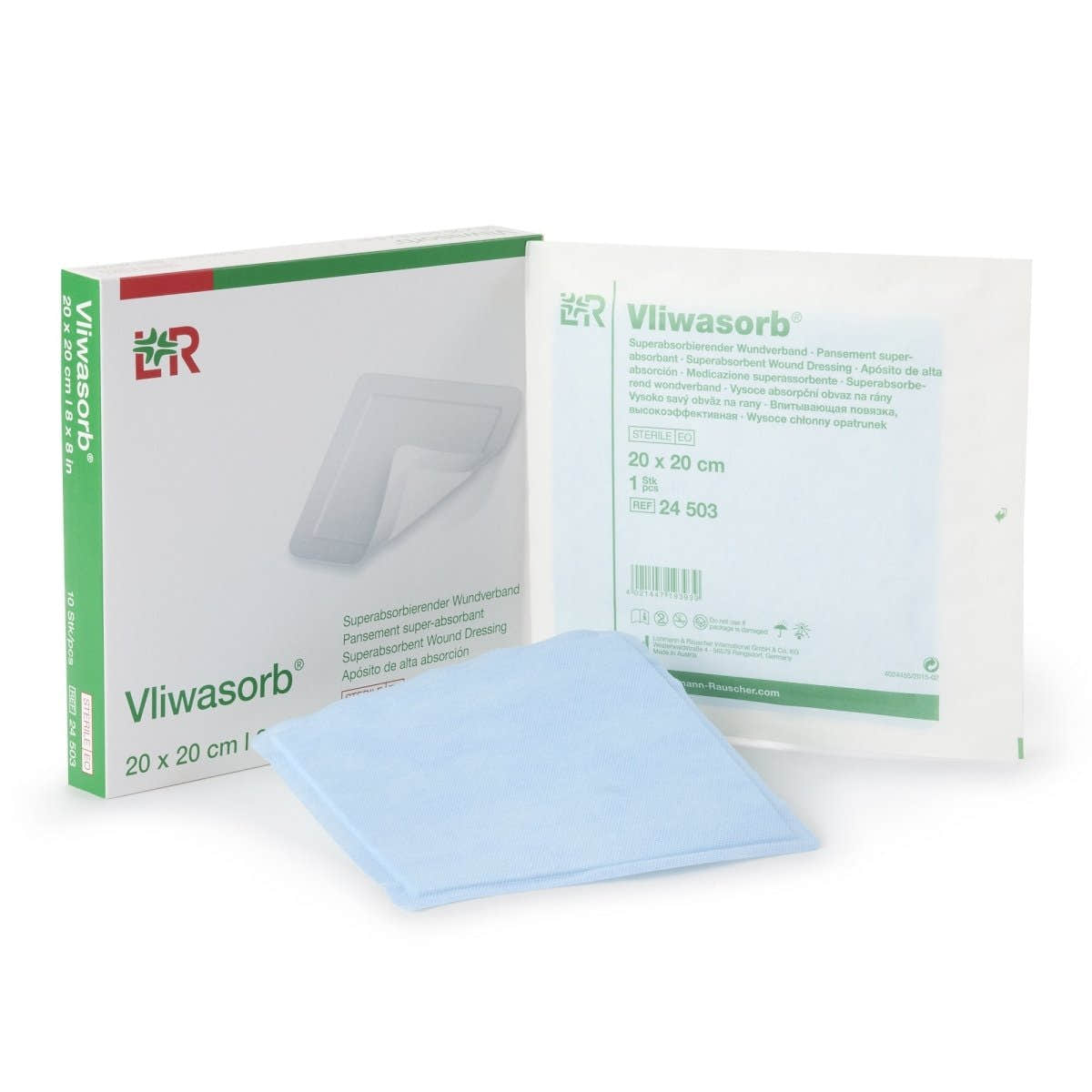
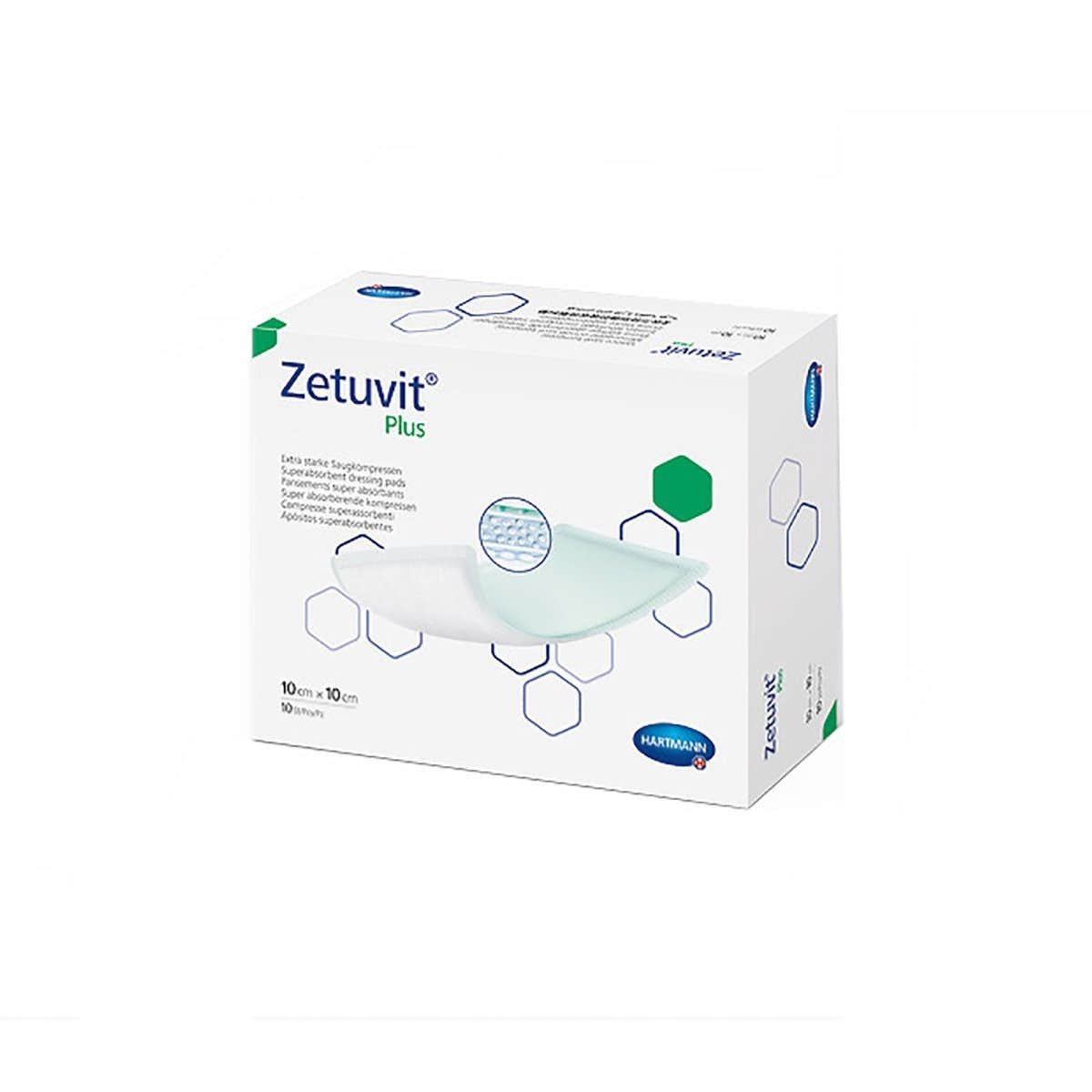
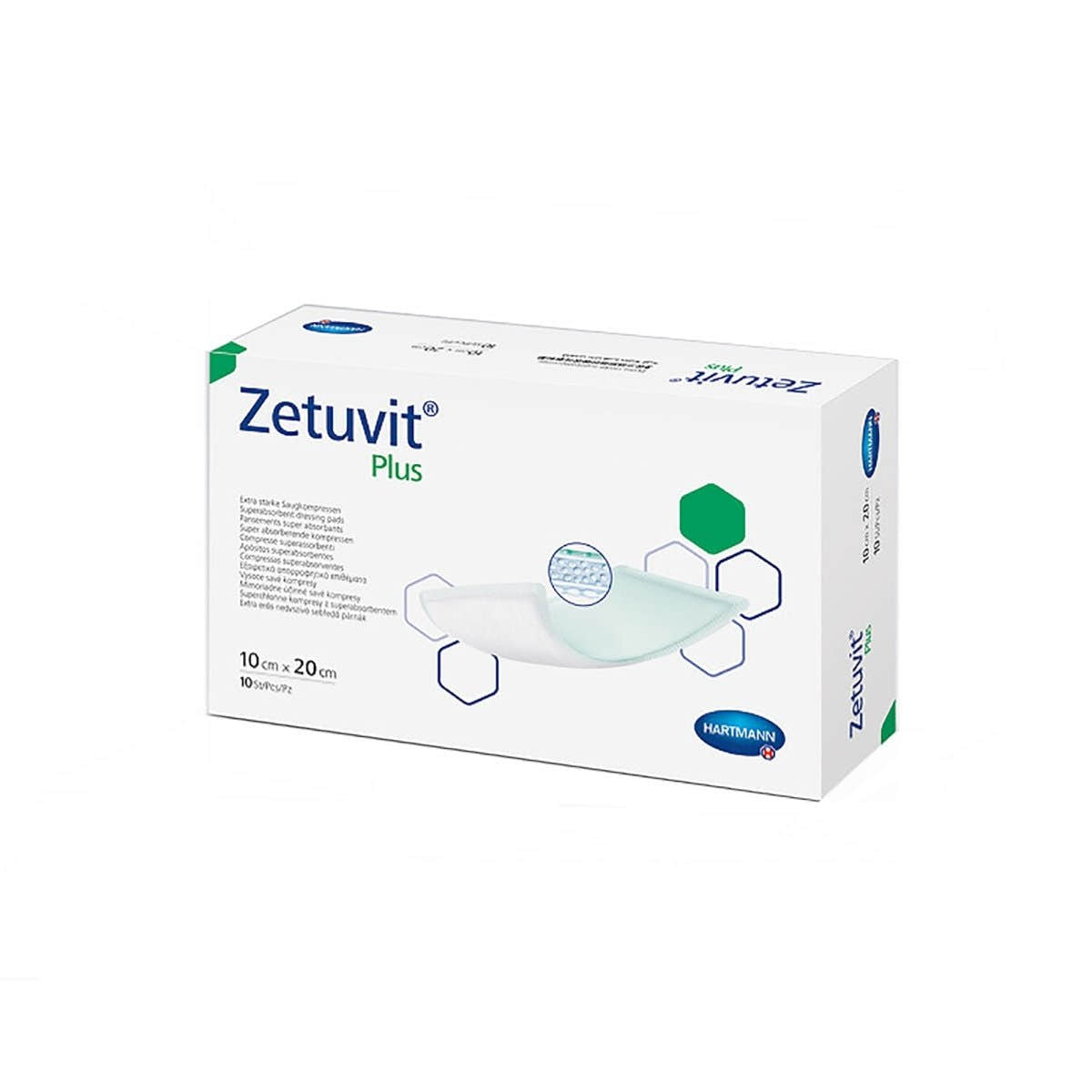
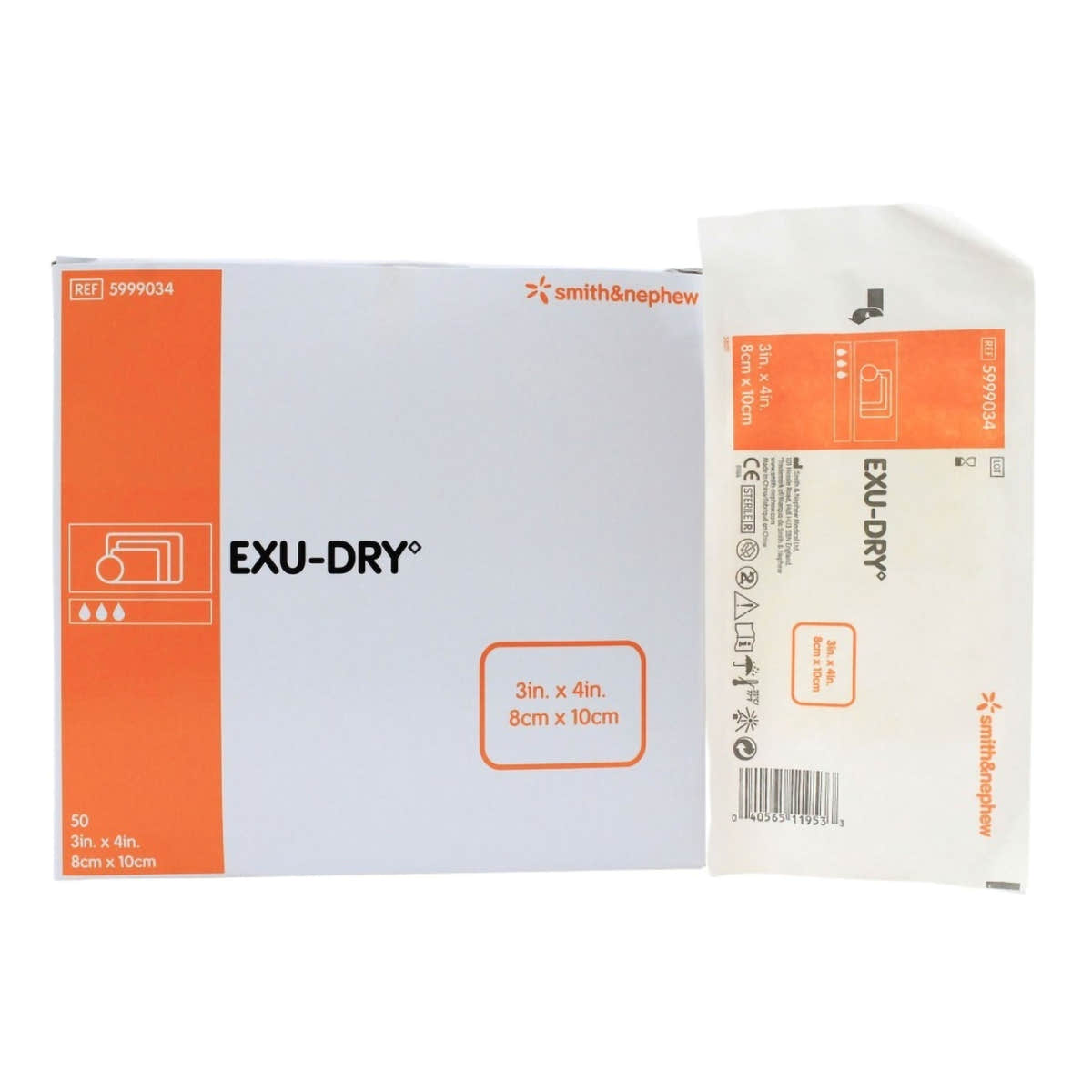
Incorporate super absorbent dressings into your wound care routine and improve your wound care experience. Feel the difference of superior absorption, unparalleled comfort, and extended wear. Your path to faster healing begins with a simple choice – choose excellence, choose comfort, choose super absorbent dressings. Discover the future of wound care with absorbent dressings and take the first step towards a better, more comfortable healing process.
Showing 1 - 10 of 10 products
View

Frequently Asked Questions about Super Absorbent Dressings

Super absorbent dressings are wound care products designed to manage moderate to heavy exudate from chronic or acute wounds, keeping the wound bed moist while pulling excess fluid away from the skin. Super absorbent dressings help reduce the risk of maceration and support a healthier healing environment. They are commonly used on leg ulcers, pressure injuries, and post-surgical wounds.

Super absorbent dressings are designed for patients with moderate to heavily draining wounds, including those managing chronic wounds like venous leg ulcers, diabetic foot ulcers, or pressure injuries. Caregivers, wound care nurses, and individuals managing wounds at home can all benefit from using super absorbent dressings when standard gauze or foam dressings are no longer keeping up with drainage.

Apply a super absorbent dressing by first cleaning the wound thoroughly, then placing the dressing directly over the wound bed or on top of a primary contact layer, depending on the specific product type. Secure the dressing with tape or a bandage if the product does not have a self-adhesive border. Always follow the manufacturer's instructions for each specific dressing.

Super absorbent dressings should be changed when the dressing is saturated, when leakage occurs, or according to a clinician's recommendation — typically every one to seven days depending on wound drainage levels. One of the key advantages of super absorbent dressings is their ability to hold large volumes of fluid, which can reduce the frequency of dressing changes compared to standard gauze.

Super absorbent dressings are available in a range of sizes to accommodate different wound dimensions, from small dressings around 4 x 4 inches to larger sizes suitable for covering extensive wound areas. Choosing the right size means the dressing should overlap the wound edges by at least one inch on all sides to ensure adequate coverage and absorption.

Yes, many super absorbent dressings are formulated with gentle, skin-friendly materials and soft borders specifically designed to minimize trauma to fragile or sensitive skin during removal. Some options in the super absorbent dressing category feature silicone contact layers or non-adherent surfaces that reduce pain and protect the periwound skin. Always check the individual product specifications to confirm suitability for sensitive skin.

Because super absorbent dressings are engineered with multi-layer technology that locks in large volumes of wound fluid and prevents it from being released back into the wound, which standard gauze cannot do effectively. Regular gauze saturates quickly and can lead to leakage, skin breakdown, and more frequent dressing changes. Super absorbent dressings offer longer wear time and better moisture management for heavily exuding wounds.

Yes, super absorbent dressings can function as either a primary or secondary dressing depending on the specific product design. Bordered or adherent versions are typically used as primary dressings placed directly on the wound, while non-bordered super absorbent dressings are often used as secondary dressings layered over a primary contact layer. Check the product labeling to confirm the intended use.

Super absorbent dressings generally hold significantly more fluid than foam dressings, making super absorbent dressings the preferred choice for wounds with heavy exudate that foam alone cannot manage. Foam dressings are better suited for low to moderate drainage, while super absorbent dressings provide greater fluid retention capacity and help prevent strikethrough and leakage on high-output wounds.

Recently viewed