
Bacteriostatic Dressings

1 product

Showing 1 - 1 of 1 product

Bacteriostatic Dressings: Wound Care Designed to Support a Clean Healing Environment

Bacteriostatic dressings are a specialized category of wound care products formulated to help inhibit the growth of bacteria at the wound site. Whether used in clinical settings or at home under professional guidance, these dressings are designed to provide a protective, moisture-balanced environment that supports the wound care process. Cart Health carries bacteriostatic dressings from trusted manufacturers like Southwest Technologies, making it straightforward to find a reliable option suited to your needs.
Showing 1 - 1 of 1 product
View
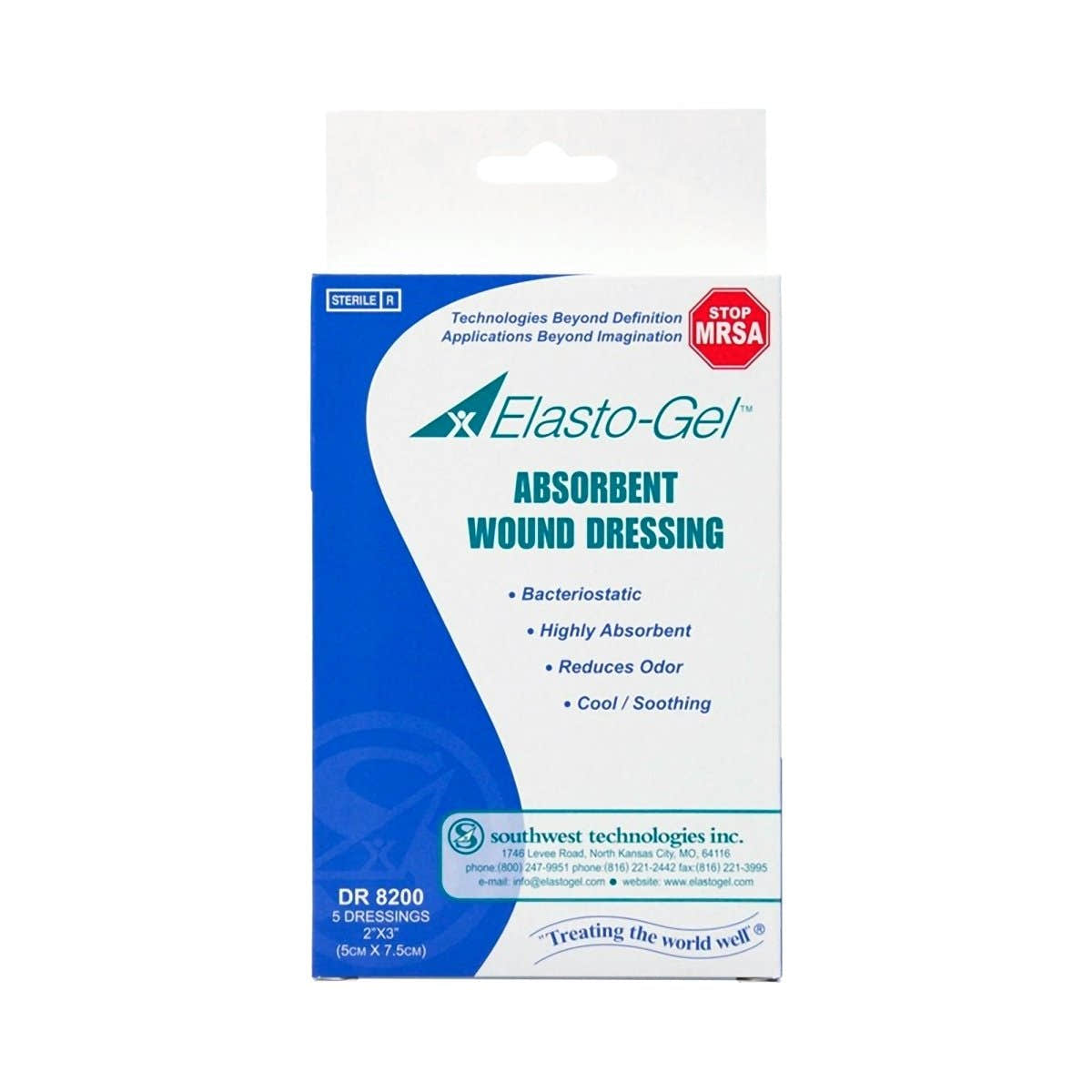
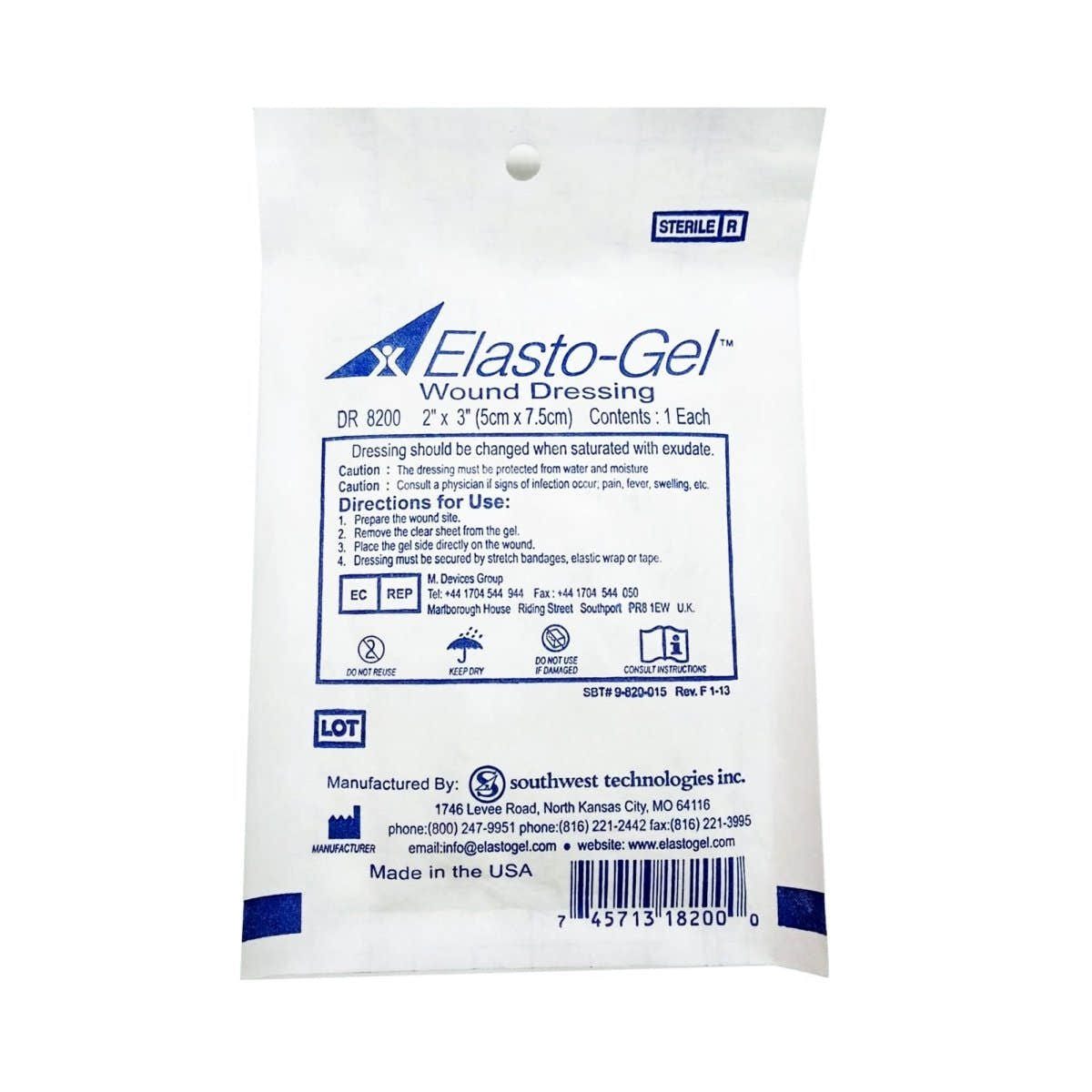
Elasto-Gel Wound Dressing, 2 x 3 Inch - 315060_BX - 1

Frequently Asked Questions about Bacteriostatic Dressings

Bacteriostatic dressings are wound coverings designed to inhibit the growth of bacteria at the wound site, helping to reduce the risk of infection during the healing process. Unlike standard gauze, bacteriostatic dressings create an environment that actively discourages bacterial proliferation, making them a common choice for wounds that are at higher risk of contamination.

Bacteriostatic dressings are designed for patients with wounds that carry an elevated risk of bacterial infection, including surgical incisions, chronic wounds, abrasions, and ulcers. Caregivers, wound care nurses, and individuals managing wounds at home may all benefit from using bacteriostatic dressings when standard non-antimicrobial dressings are not sufficient.

Apply a bacteriostatic wound dressing by first cleaning the wound thoroughly, then placing the dressing directly over the wound bed so it covers the entire affected area without gaps. Secure the edges with medical tape or a secondary dressing if needed, and follow the manufacturer's recommended change frequency to maintain the dressing's effectiveness.

Bacteriostatic dressings should generally be changed according to the wound care provider's instructions, which typically depends on the level of wound drainage and the specific dressing type being used. Leaving a saturated dressing in place too long can reduce its bacteriostatic properties and increase infection risk, so monitoring the wound regularly is important.

Bacteriostatic dressings are used for a range of wound types including abrasions, lacerations, surgical wounds, pressure injuries, and chronic ulcers where bacterial contamination is a concern. The bacteriostatic properties make these dressings particularly useful in wound care settings where maintaining a clean healing environment is a clinical priority.

Yes, many bacteriostatic dressings are formulated to be gentle enough for use on sensitive or fragile skin, though the specific materials and adhesives vary by product. Always review the product specifications before use, and consult a healthcare provider if the patient has known skin sensitivities or allergies to wound care materials.

Bacteriostatic dressings differ from standard wound dressings in that bacteriostatic dressings are specifically engineered to inhibit bacterial growth, while conventional dressings primarily serve as a physical barrier. This added antimicrobial function makes bacteriostatic dressings a preferred option for wounds where infection prevention is a key part of the care plan.

Yes, selecting the correct size of bacteriostatic dressing matters because a dressing that is too small will leave wound edges exposed, while one that is too large may be difficult to secure and could cause unnecessary skin irritation. Choosing a bacteriostatic dressing that fully covers the wound with a small margin around the edges is the standard recommendation in wound care guidelines.

Because bacteriostatic dressings provide continuous, localized bacterial inhibition without the risk of systemic antibiotic exposure or the development of antibiotic resistance that can come with repeated topical antibiotic use. Bacteriostatic dressings also keep the wound covered and moist simultaneously, combining infection control with physical wound protection in a single product.

Bacteriostatic dressings should be stored in a cool, dry location away from direct sunlight and extreme temperatures, and kept in their original sealed packaging until ready for use. Proper storage helps preserve the bacteriostatic properties of the dressing and ensures the product remains sterile and effective through its labeled expiration date.

Recently viewed