
Bariatric Rollators

2 products

Showing 1 - 2 of 2 products

Shop our Selection of Bariatric Rollators to fit your needs and style.

Bariatric rollators are specialized mobility devices that are designed for use by individuals who are overweight and have difficulty standing or walking.
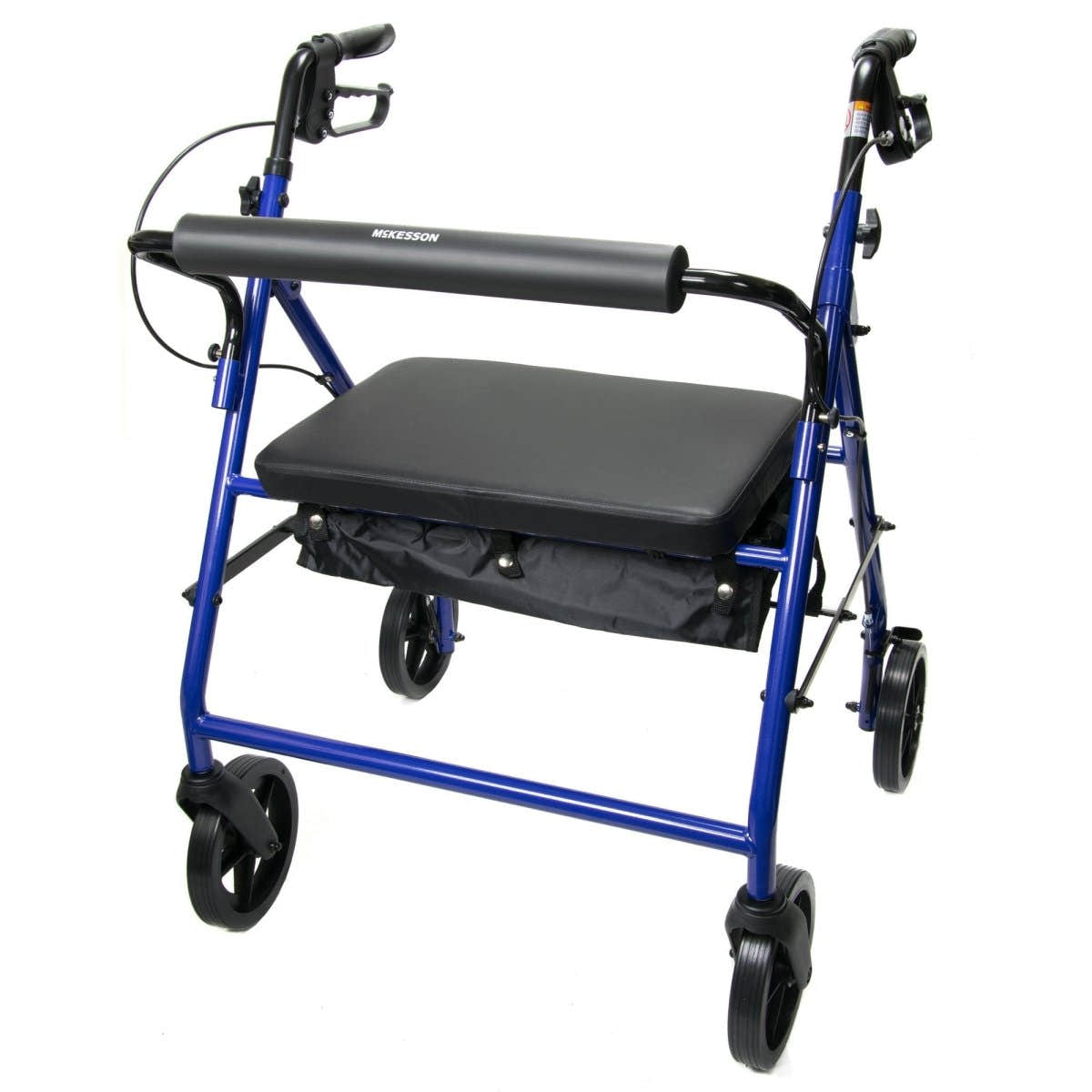
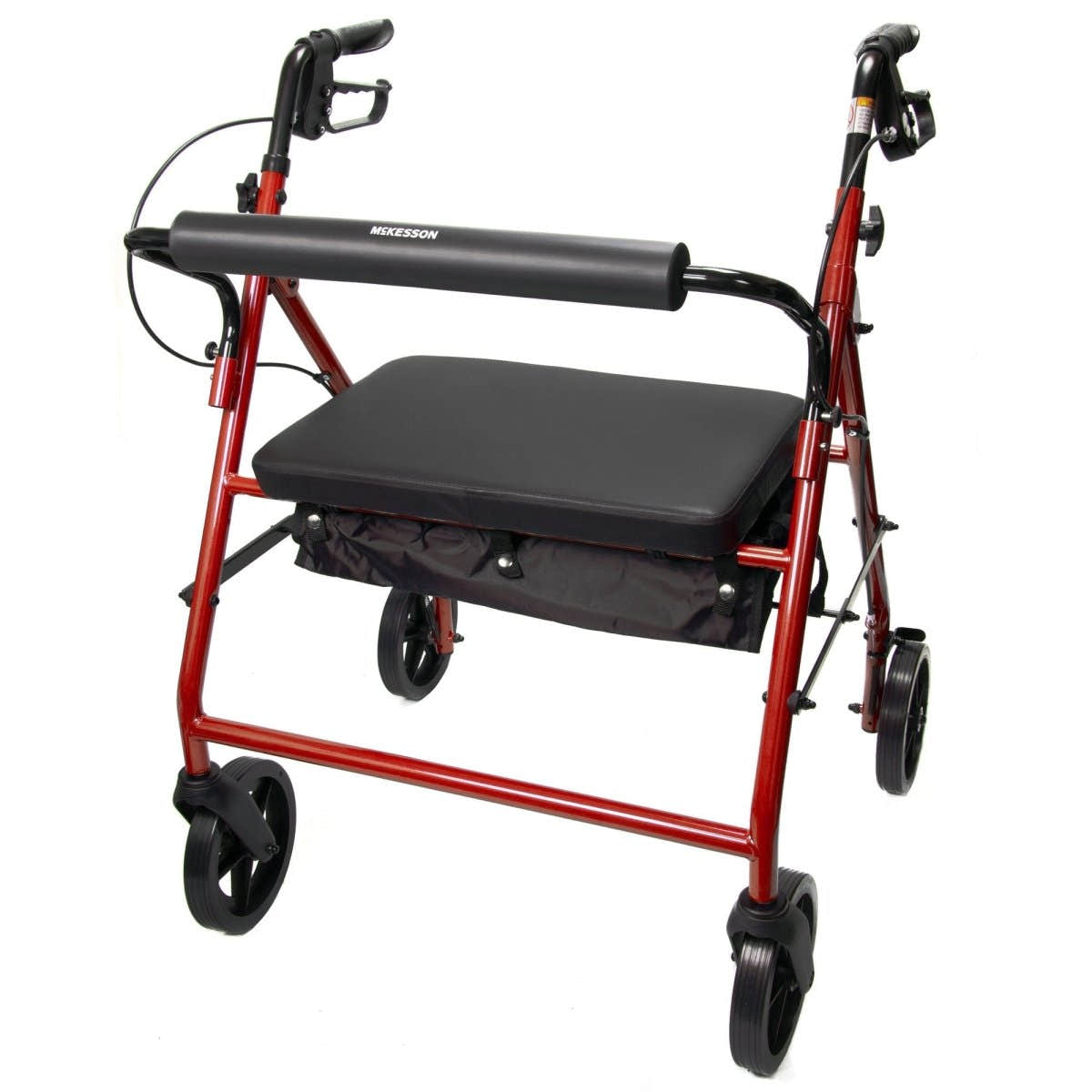
Showing 1 - 2 of 2 products
View
Nitro HD Bariatric 4 Wheel Rollator, Black - 1081351_EA - 1

Frequently Asked Questions about Bariatric Rollators

A bariatric rollator is a heavy-duty, wheeled mobility walker specifically built to support individuals who are overweight and need extra stability while standing or walking. Bariatric rollators are larger and sturdier than standard rollators, constructed from stronger materials to safely accommodate higher weight capacities.

Bariatric rollators are designed for individuals who are overweight, have difficulty walking or standing, and need a mobility aid that can safely support a higher body weight than a standard rollator allows. They are a strong fit for anyone who finds a regular walker or rollator too narrow, too light, or insufficiently stable.

Bariatric rollators differ from standard rollators in that bariatric rollators are built with reinforced frames, wider seats, and higher weight capacities to accommodate larger body sizes. A standard rollator is typically designed for average body weights and dimensions, making it unsuitable for users who need extra structural support.

Start by adjusting the handle height on the bariatric rollator so your elbows bend at a comfortable angle when gripping the handles. Walk at a steady pace, keeping the rollator slightly in front of you, and always engage the hand brakes before sitting down on the seat to prevent rolling.

Choose a bariatric rollator by first checking the weight capacity to make sure the rollator can safely support your body weight, then consider frame width, seat height, and wheel size to match your body dimensions and the surfaces you will be walking on most often.

Yes, many bariatric rollators are designed to handle both indoor and outdoor surfaces, though wheel size and frame design can affect performance on different terrain. Larger wheels generally perform better on uneven outdoor surfaces, while smaller wheels tend to maneuver more easily in tight indoor spaces.

Bariatric rollators may be covered by Medicare or private insurance when prescribed by a physician and deemed medically necessary, but coverage depends on your specific plan and documentation. Checking with your insurance provider and asking your doctor for a prescription is the best first step to confirming eligibility.

Because bariatric rollators have wheels, users can push the walker forward naturally rather than lifting and scooting it with each step, which reduces fatigue and effort compared to a traditional walker. Bariatric rollators also typically include a built-in seat, allowing users to rest whenever needed without searching for a nearby chair.

Most bariatric rollators fold by lifting or pressing a folding latch on the frame, which collapses the rollator into a more compact shape for storage or transport. Always check that the locking mechanism is fully engaged before lifting the folded bariatric rollator to avoid accidental unfolding.

Wipe down the frame of a bariatric rollator regularly with a damp cloth and mild soap to remove dirt and debris, and check the wheels, brakes, and bolts periodically to make sure all components are secure and functioning properly. Avoid submerging the rollator in water, and dry the frame thoroughly after cleaning to prevent rust or corrosion.

Recently viewed