Standard Wheelchairs

6 products

Showing 1 - 6 of 6 products

Standard Wheelchairs: Reliable Manual Mobility for Everyday Use

Standard wheelchairs offer a practical, time-tested solution for anyone who needs dependable manual mobility at home, in care settings, or on the go. Cart Health carries manual wheelchairs from trusted brands like Drive Medical and McKesson, with options ranging from lightweight everyday models to reclining chairs designed for extended comfort. Whether you're outfitting a home, a facility, or supporting a loved one, this collection makes it straightforward to find a chair that fits the user and the situation.
Showing 1 - 6 of 6 products
View
Save 18%
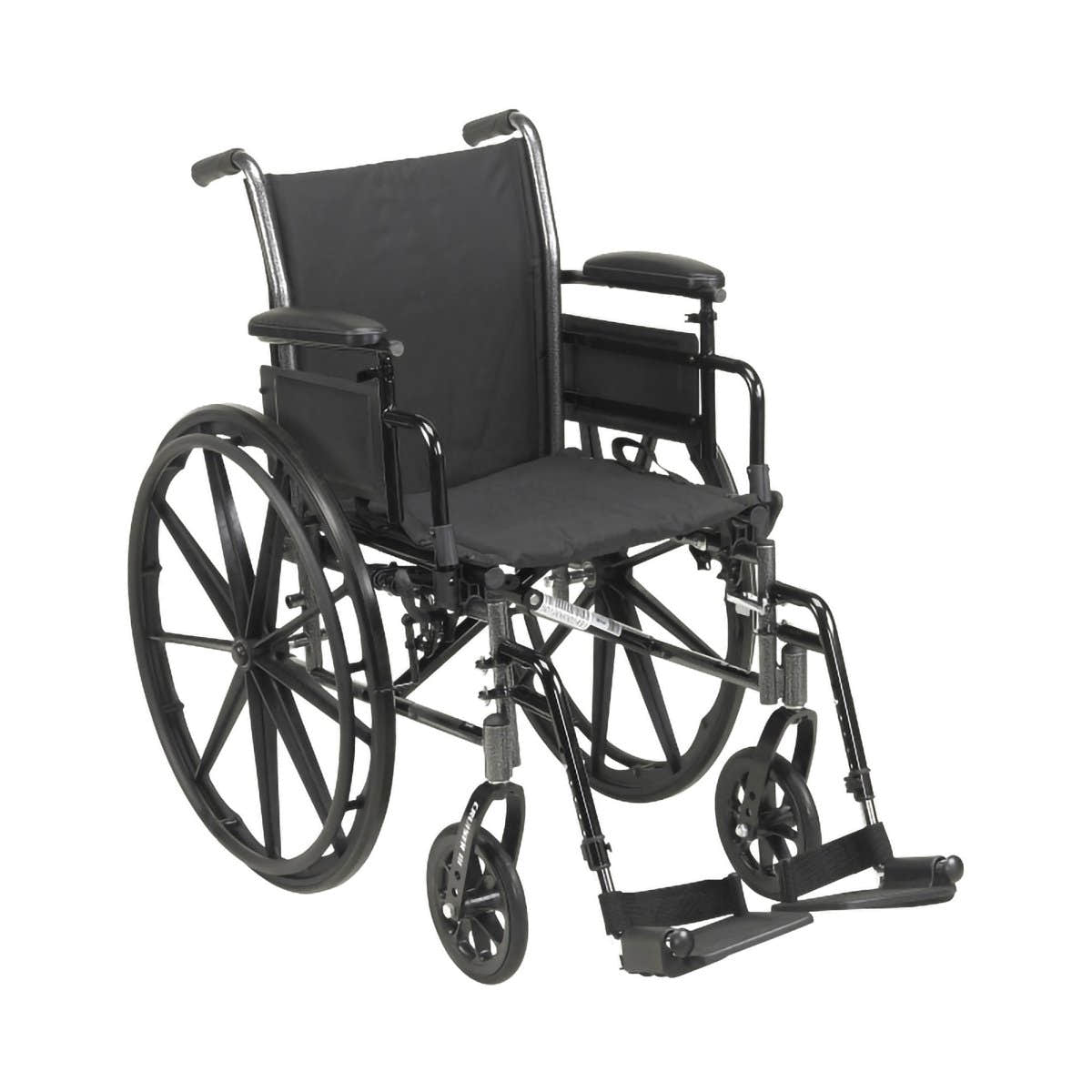
drive Cruiser III Lightweight Wheelchair, 20-Inch Seat Width - 705194_EA - 1
drive Cruiser III Lightweight Wheelchair, 20-Inch Seat Width
Sale price$265.99 Regular price$324.99
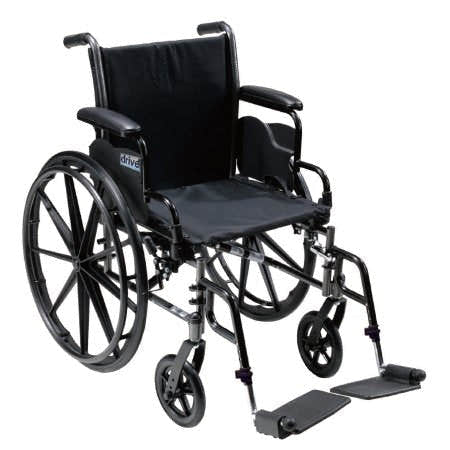
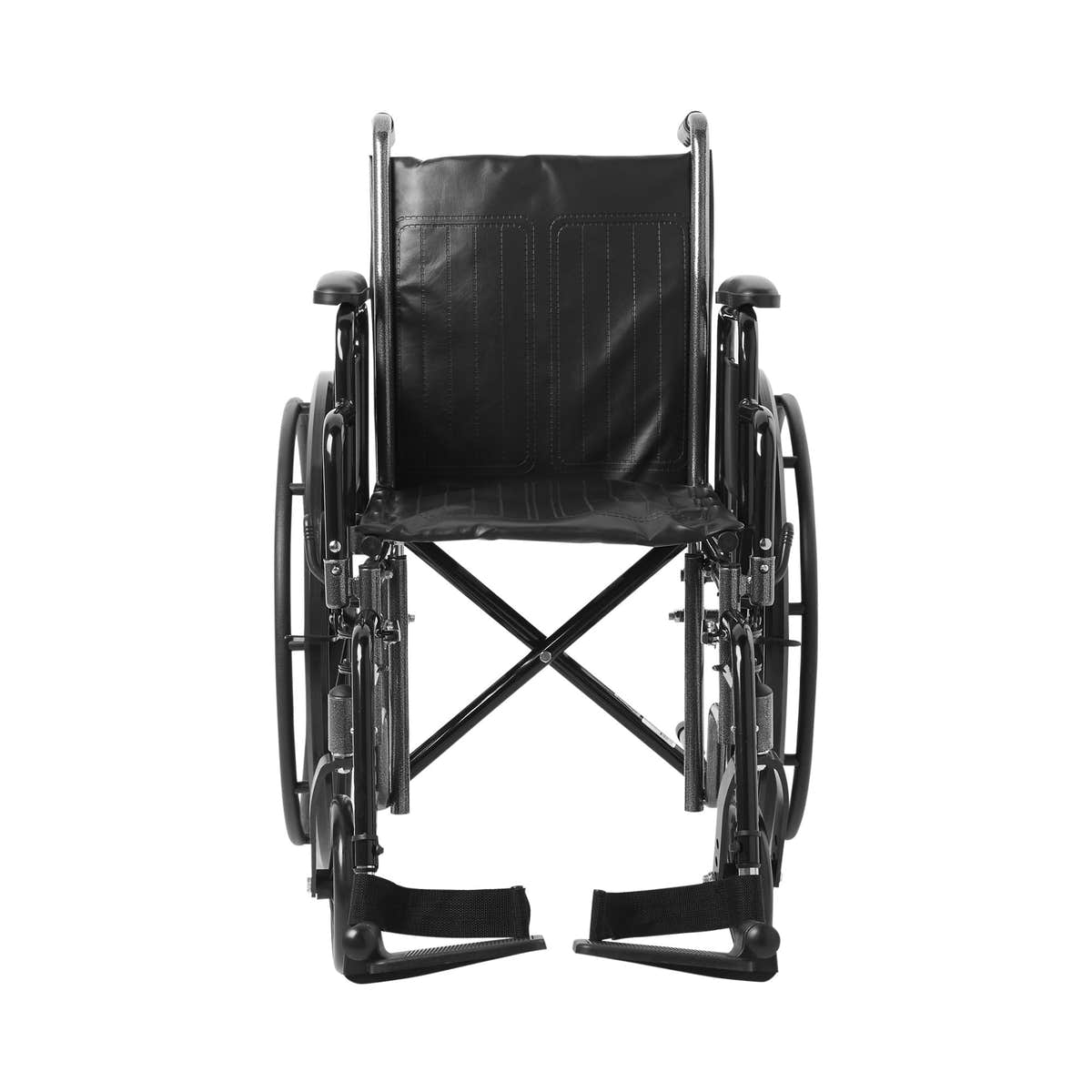
McKesson Dual Axle Lightweight Wheelchair - 1128892_EA - 1
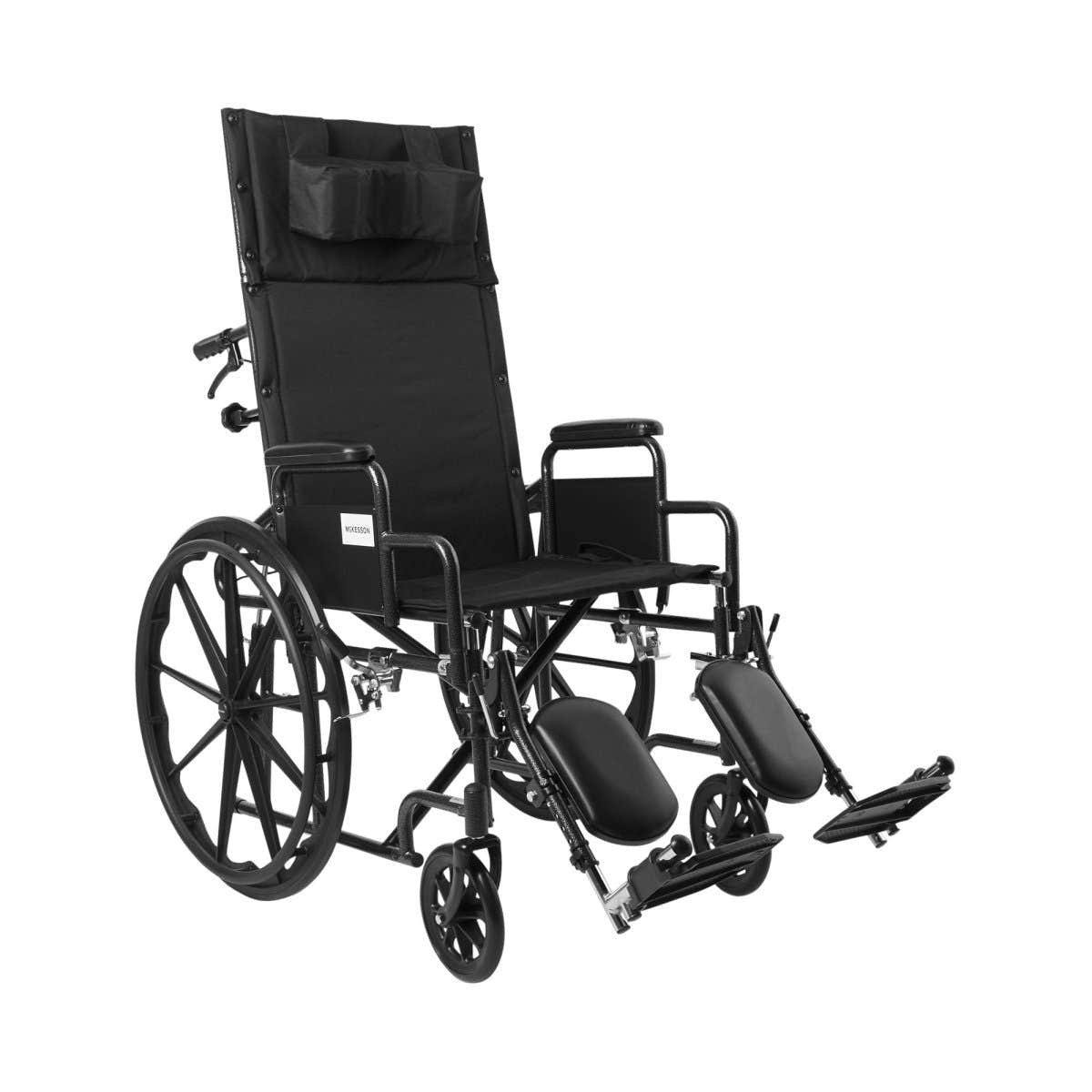
McKesson Reclining Wheelchair, 20-Inch Seat Width - 1065291_EA - 1
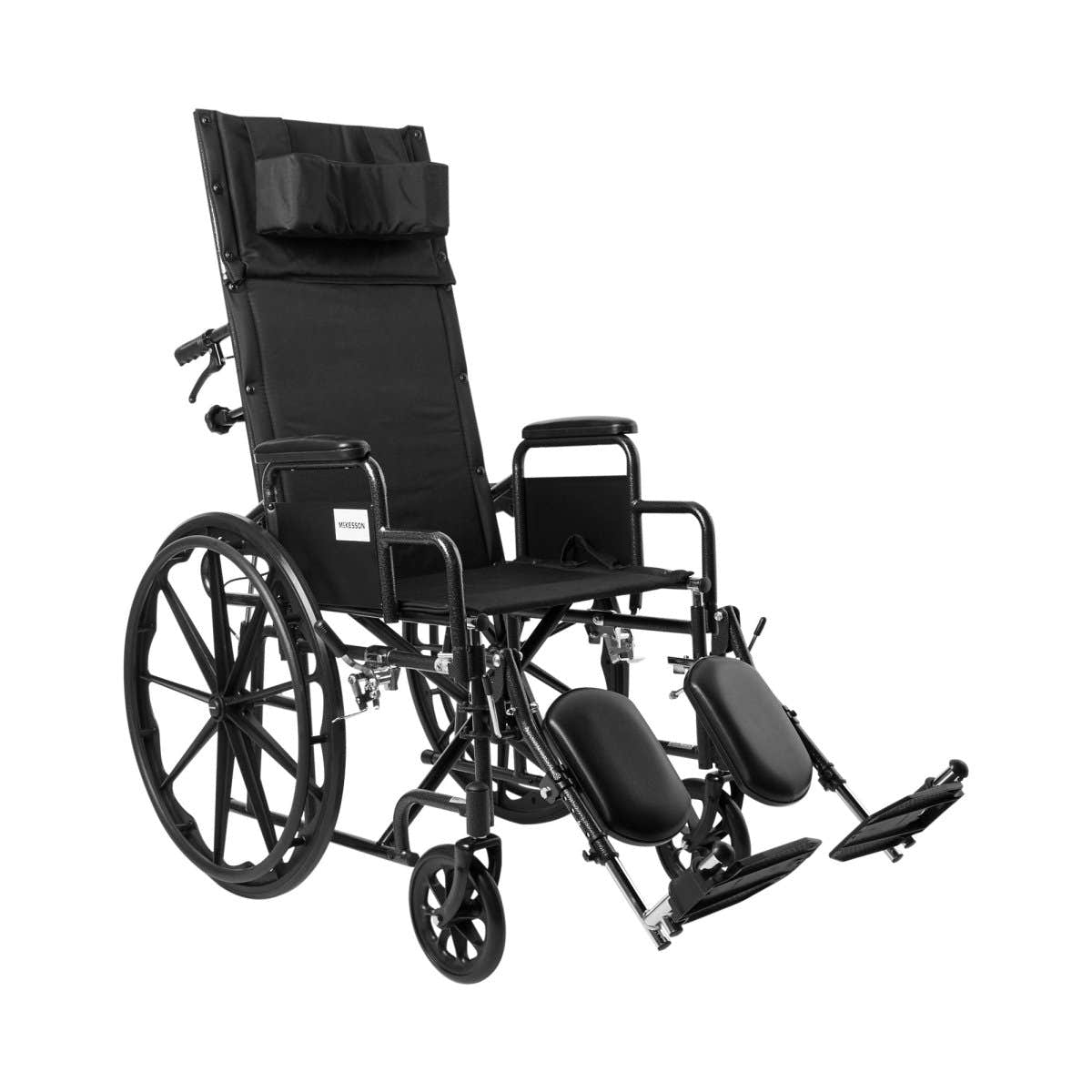
McKesson Reclining Wheelchair, 18-Inch Seat Width - 1065290_EA - 1
Save 43%
McKesson Dual Axle Wheelchair Desk Length Arm Swing-Away Footrest - 1065272_EA - 2
McKesson Dual Axle Wheelchair Desk Length Arm Swing-Away Footrest
Sale priceFrom $248.99 Regular price$436.99
Choose options

Frequently Asked Questions about Standard Wheelchairs

A standard wheelchair is a manually propelled mobility device designed to help people who have difficulty walking move safely and independently. Standard wheelchairs typically feature a seat, backrest, footrests, and large rear wheels that users or caregivers can push. They are commonly used for recovery, long-term mobility needs, or daily transportation assistance.

Standard wheelchairs are designed for people who have limited or no ability to walk due to injury, illness, surgery recovery, or a long-term physical condition. They work well for both temporary use, such as post-operative recovery, and ongoing daily mobility support. Caregivers can also push standard wheelchairs for users who cannot self-propel.

Start by measuring the user's hip width while seated, then select a standard wheelchair with a seat width that allows about one inch of clearance on each side. Common seat widths for standard wheelchairs are 18 inches and 20 inches. Choosing the correct seat width helps prevent pressure sores and ensures comfortable, stable seating.

A lightweight standard wheelchair is built for easier transport and everyday mobility, while a reclining standard wheelchair features an adjustable backrest that tilts back to relieve pressure or accommodate users who cannot sit fully upright. The best choice depends on the user's medical needs, posture requirements, and how frequently the chair will be transported or stored.

Always engage the wheel locks on a standard wheelchair before the user sits down or stands up to prevent the chair from rolling. Make sure footrests are positioned correctly and that the user's feet rest flat on them during use. Caregivers should also check that armrests and footrests are securely attached before each use.

Yes, a standard wheelchair can be pushed by a caregiver using the handles located on the back of the chair. Most standard wheelchairs are designed to accommodate both self-propulsion by the user and attendant pushing by a caregiver. This makes standard wheelchairs a flexible option for a wide range of mobility situations.

Standard wheelchairs are commonly available in 18-inch and 20-inch seat widths to accommodate different body sizes. Selecting the correct seat width is important for user comfort, proper posture, and pressure injury prevention. Some models may offer additional width options, so checking product specifications before purchasing is always recommended.

Wipe down a standard wheelchair regularly using a mild soap and water solution applied with a soft cloth, paying attention to the seat, armrests, and frame. Check the wheels, brakes, and footrests periodically to make sure all moving parts are functioning properly. Keeping a standard wheelchair clean and well-maintained helps extend its lifespan and ensures safe use.

Yes, a standard wheelchair may be covered by Medicare or private insurance when prescribed by a physician and deemed medically necessary. Coverage typically requires documentation of the user's diagnosis and mobility limitations. Contacting your insurance provider before purchasing a standard wheelchair is the best way to confirm your specific coverage and any out-of-pocket costs.

Because standard wheelchairs have large rear wheels that allow users to self-propel, making them more independent than transport wheelchairs, which rely entirely on a caregiver for movement. Standard wheelchairs also tend to offer more adjustability in features like armrests and footrests. For users who want the option to move on their own, a standard wheelchair is generally the better choice.

Recently viewed