Pediatric Nutrition: Formulas, Supplements & Drinks for Growing Kids
Supporting a child's nutritional needs can look very different from one family to the next. This collection brings together a range of pediatric-focused products — from everyday toddler nutrition drinks to specialized tube feeding formulas and targeted oral supplements — designed to help caregivers and healthcare teams find the right fit for children at different ages and stages.
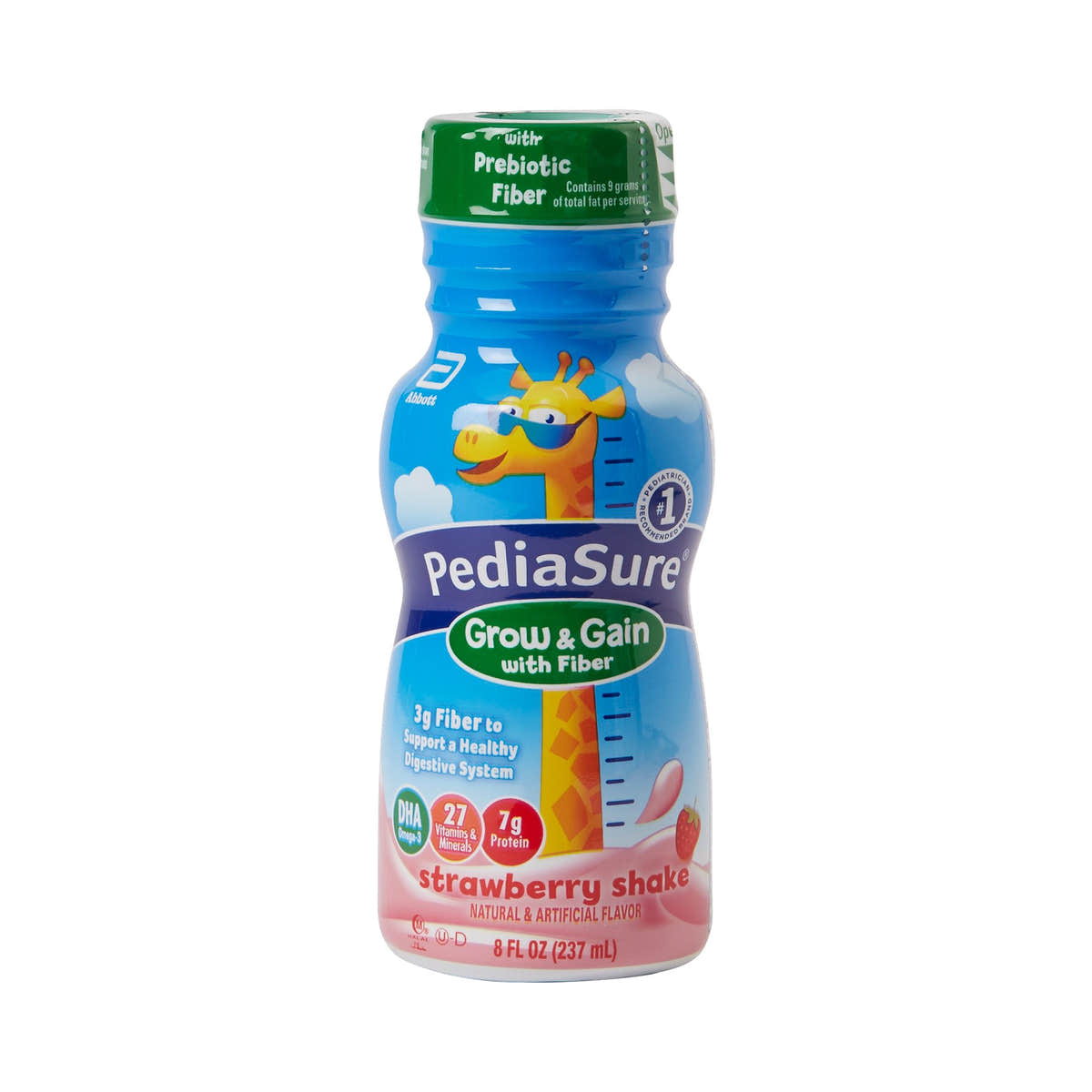
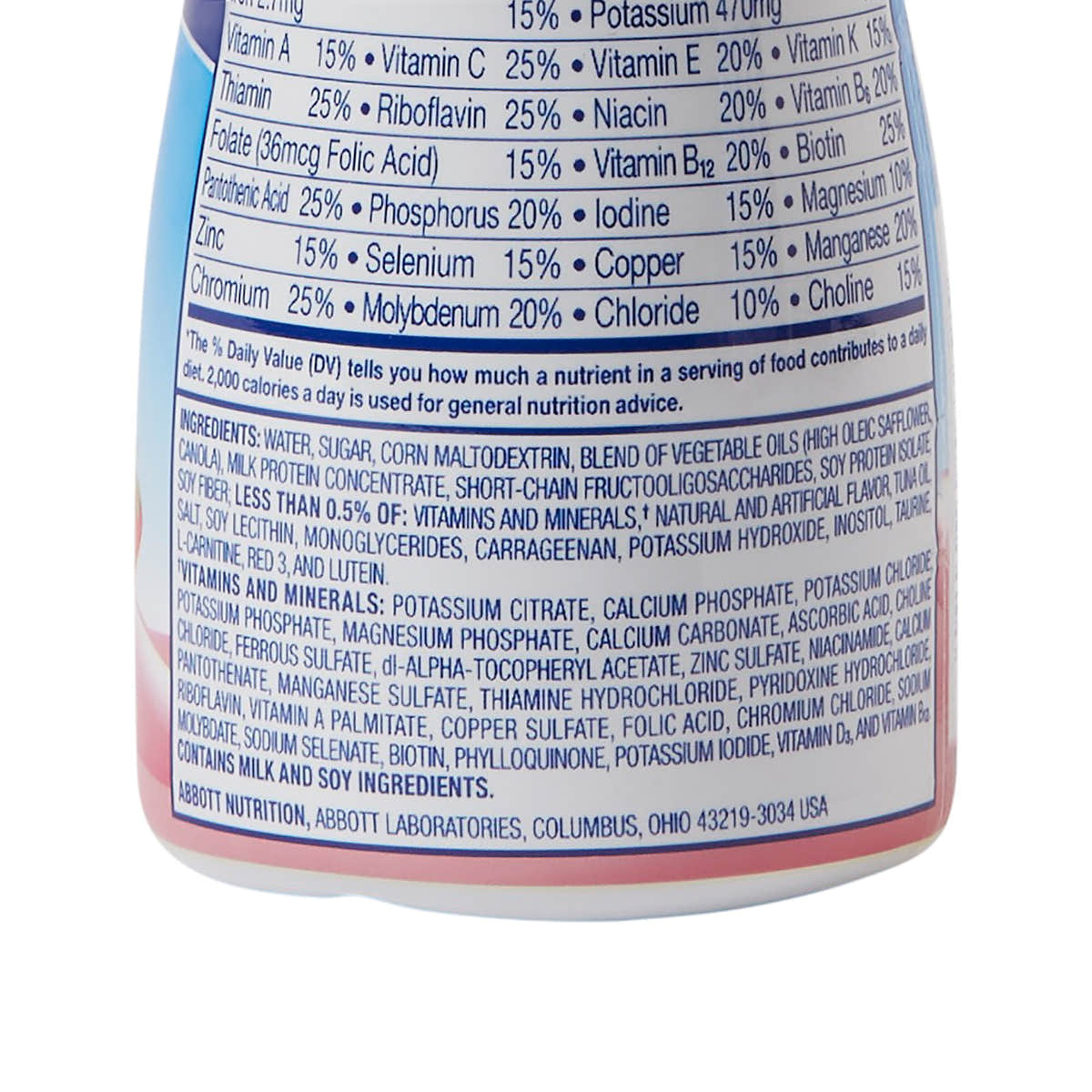
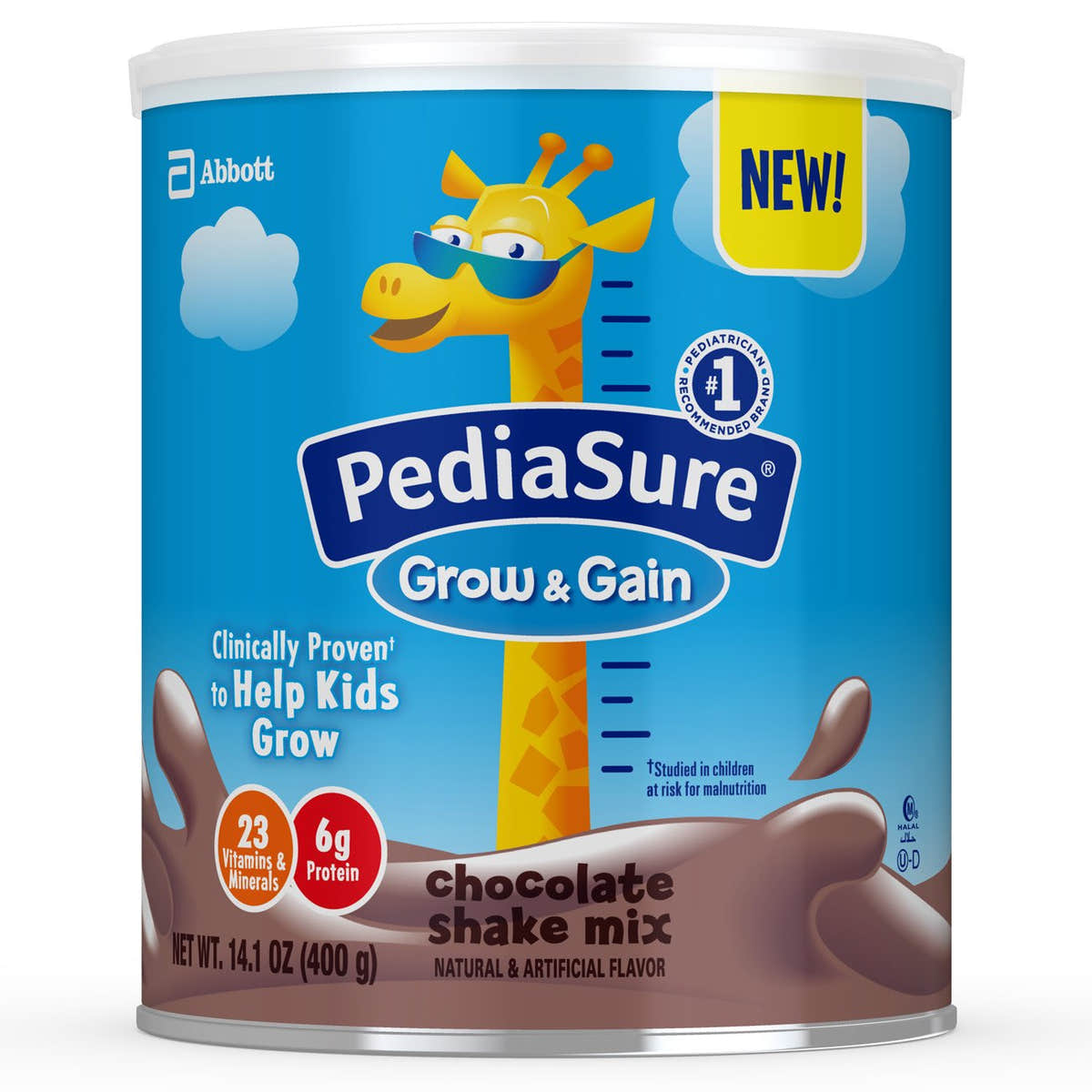
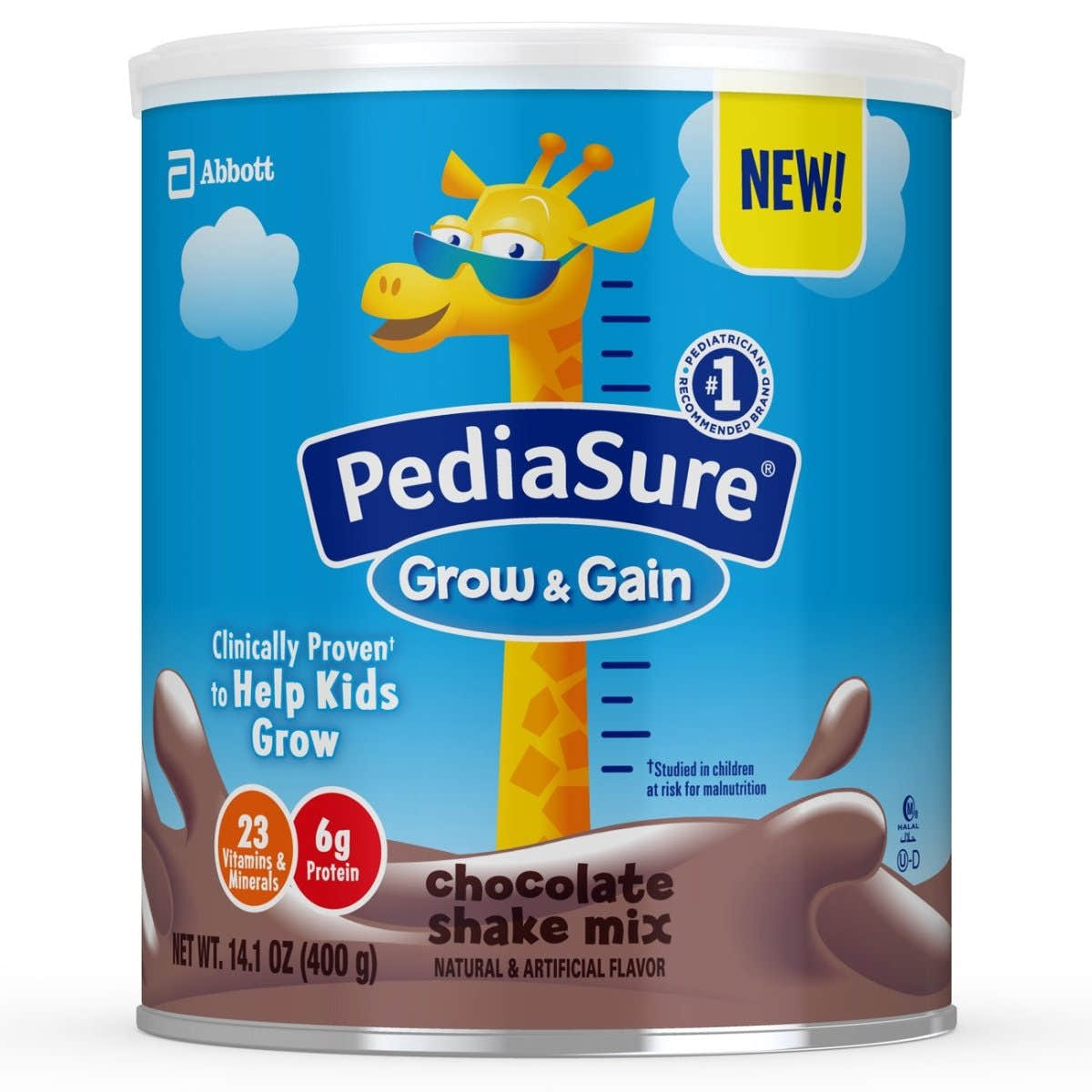
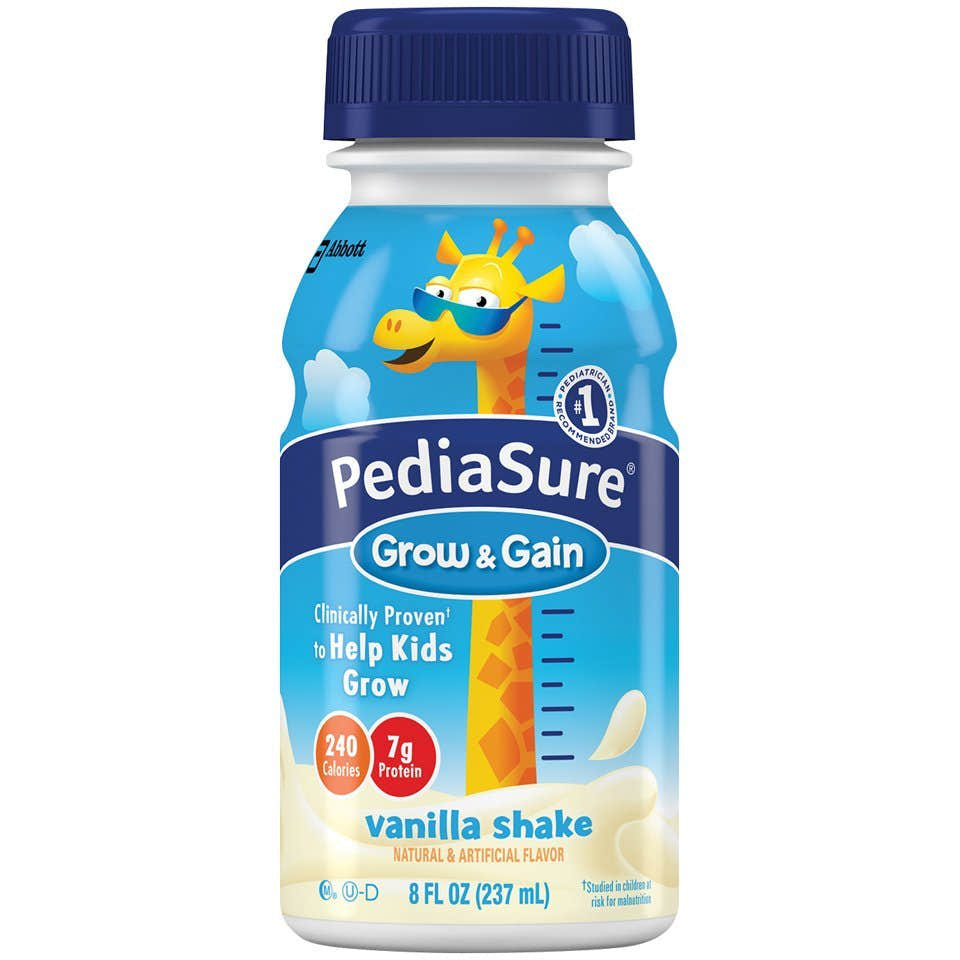
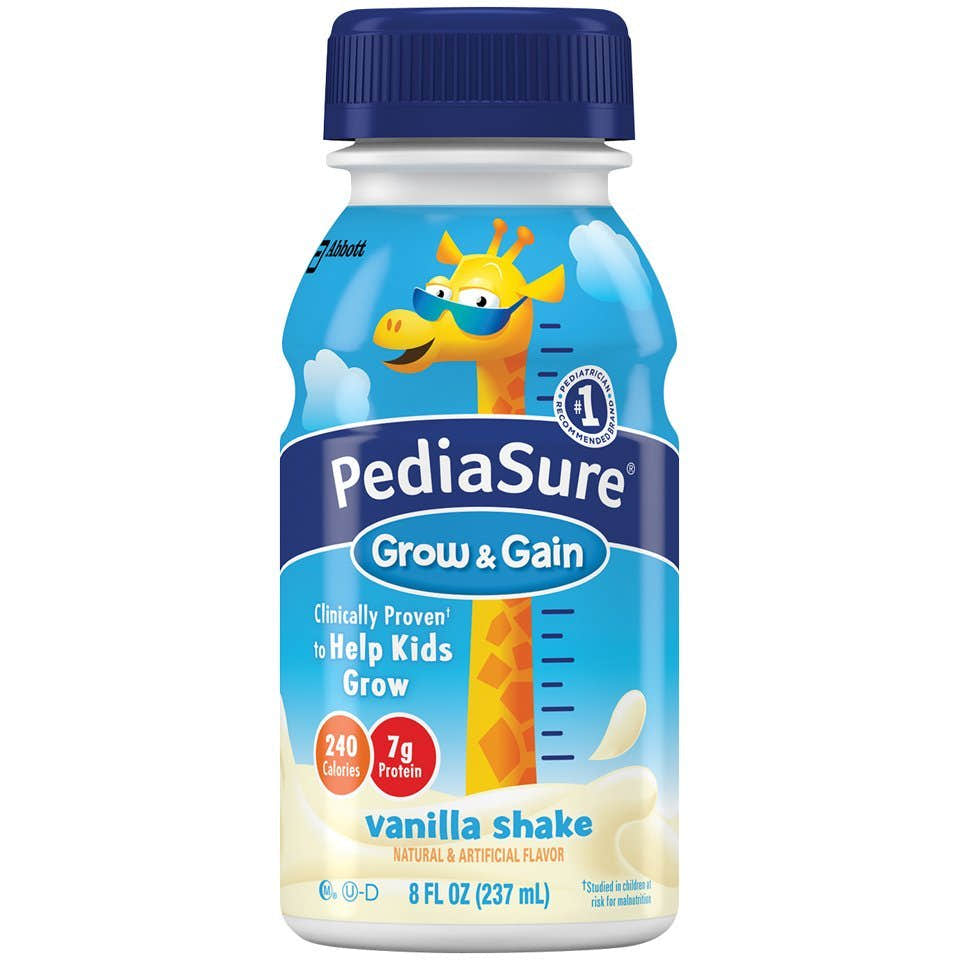
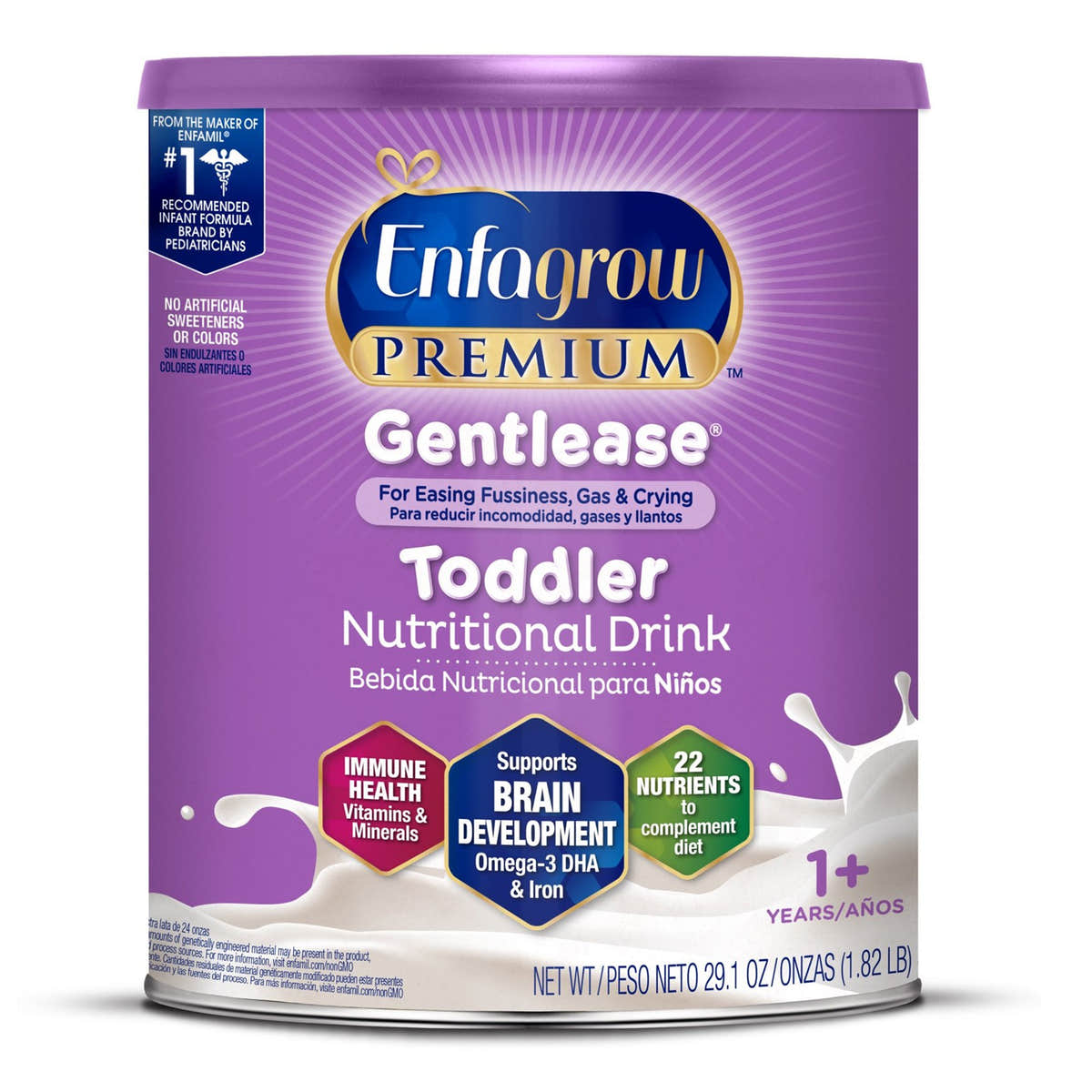
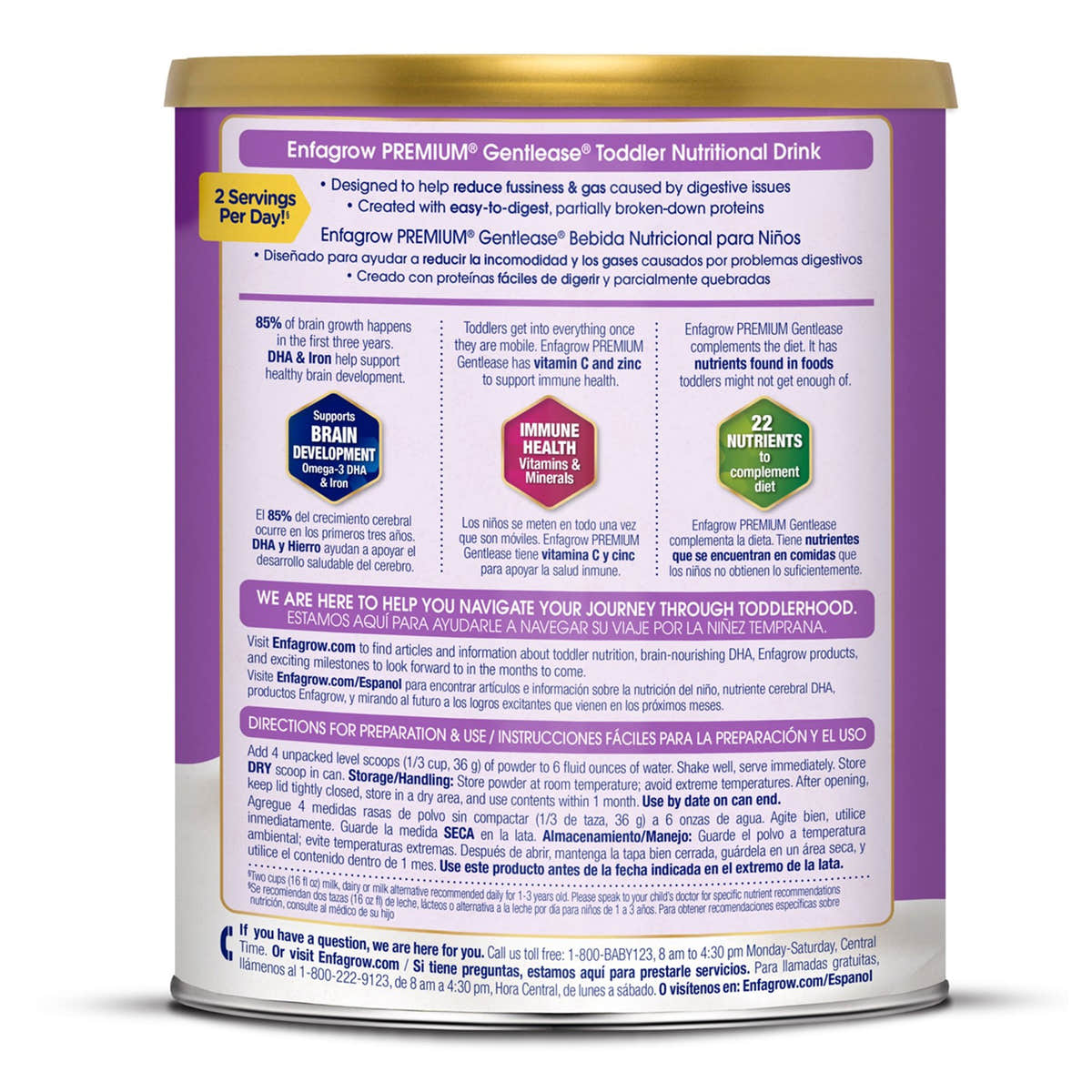
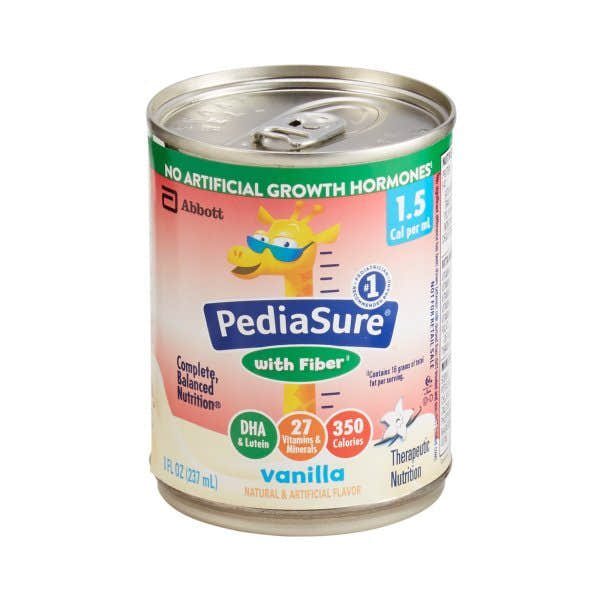
Toddler nutrition drinks and shake mixes: Products like Enfagrow NeuroPro Toddler Nutritional Drink and PediaSure Grow & Gain are formulated to complement the diets of toddlers and young children who may need additional nutritional support alongside meals.
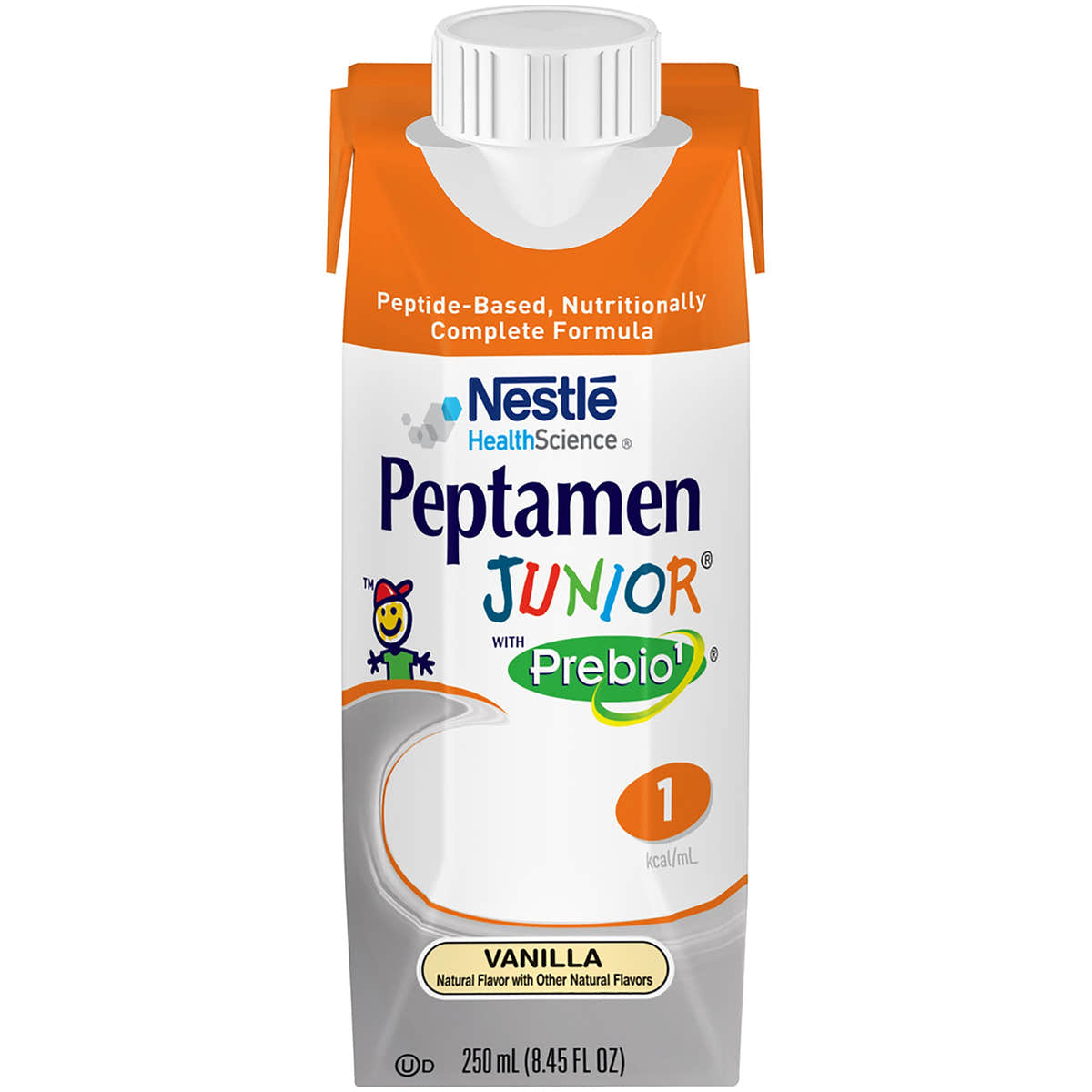
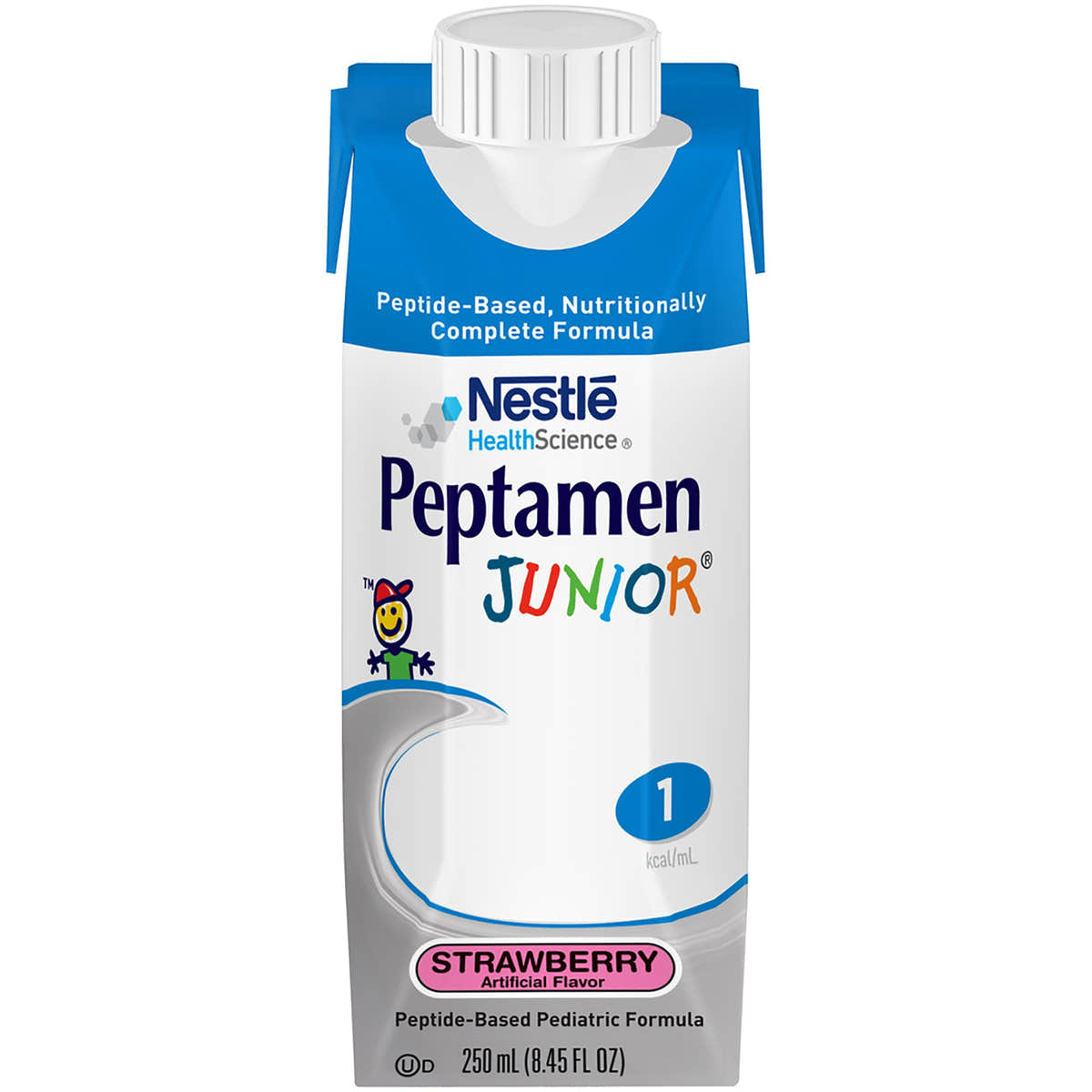
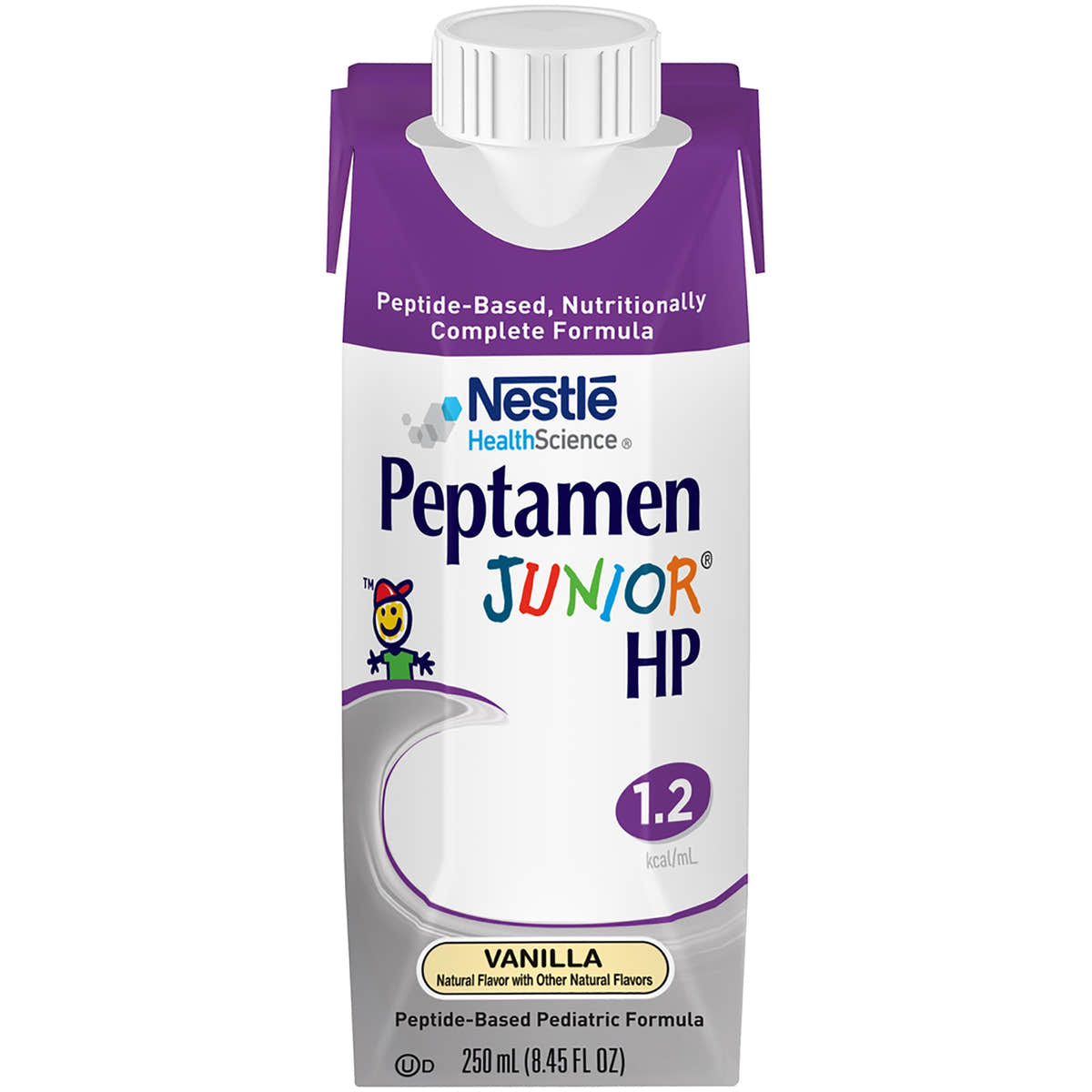
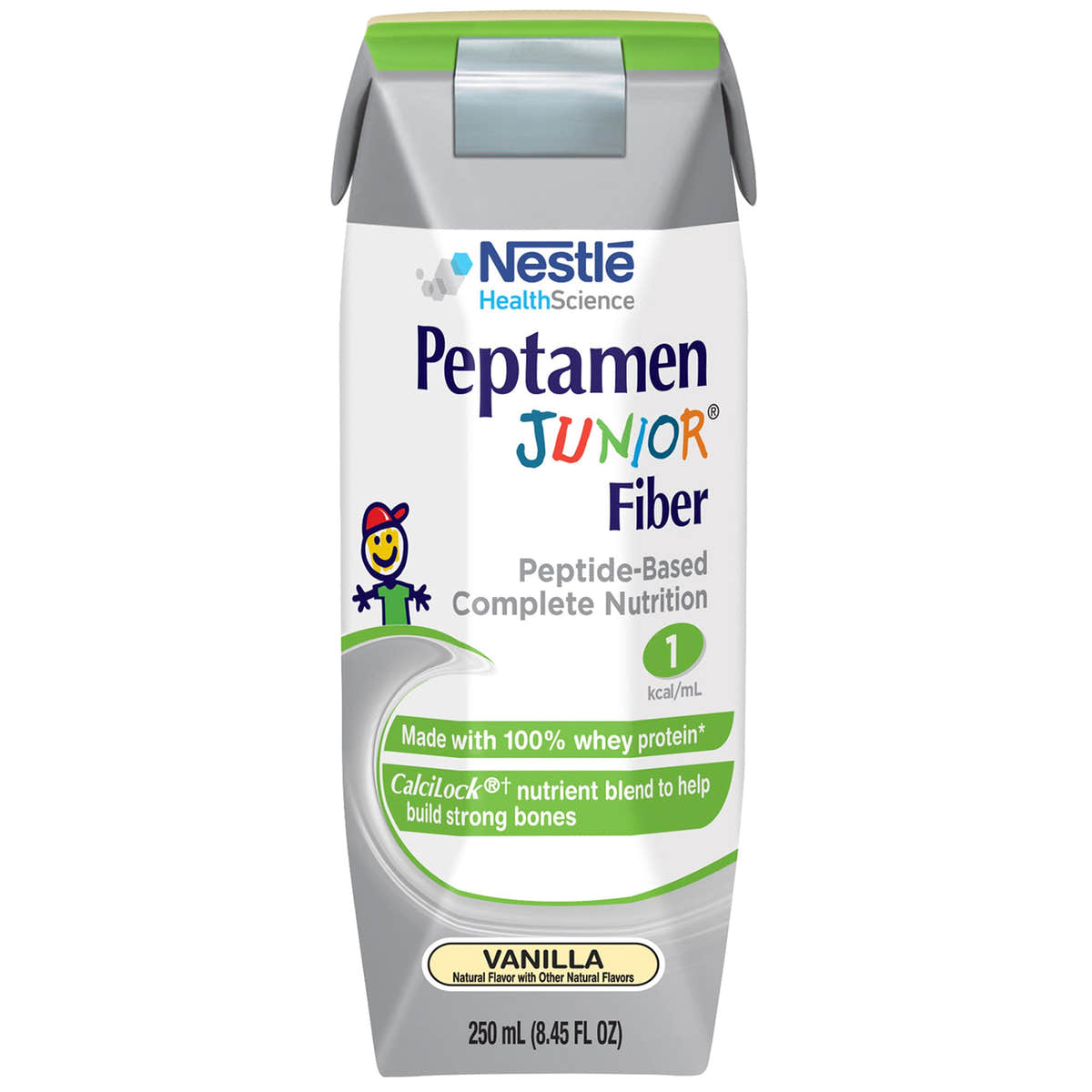
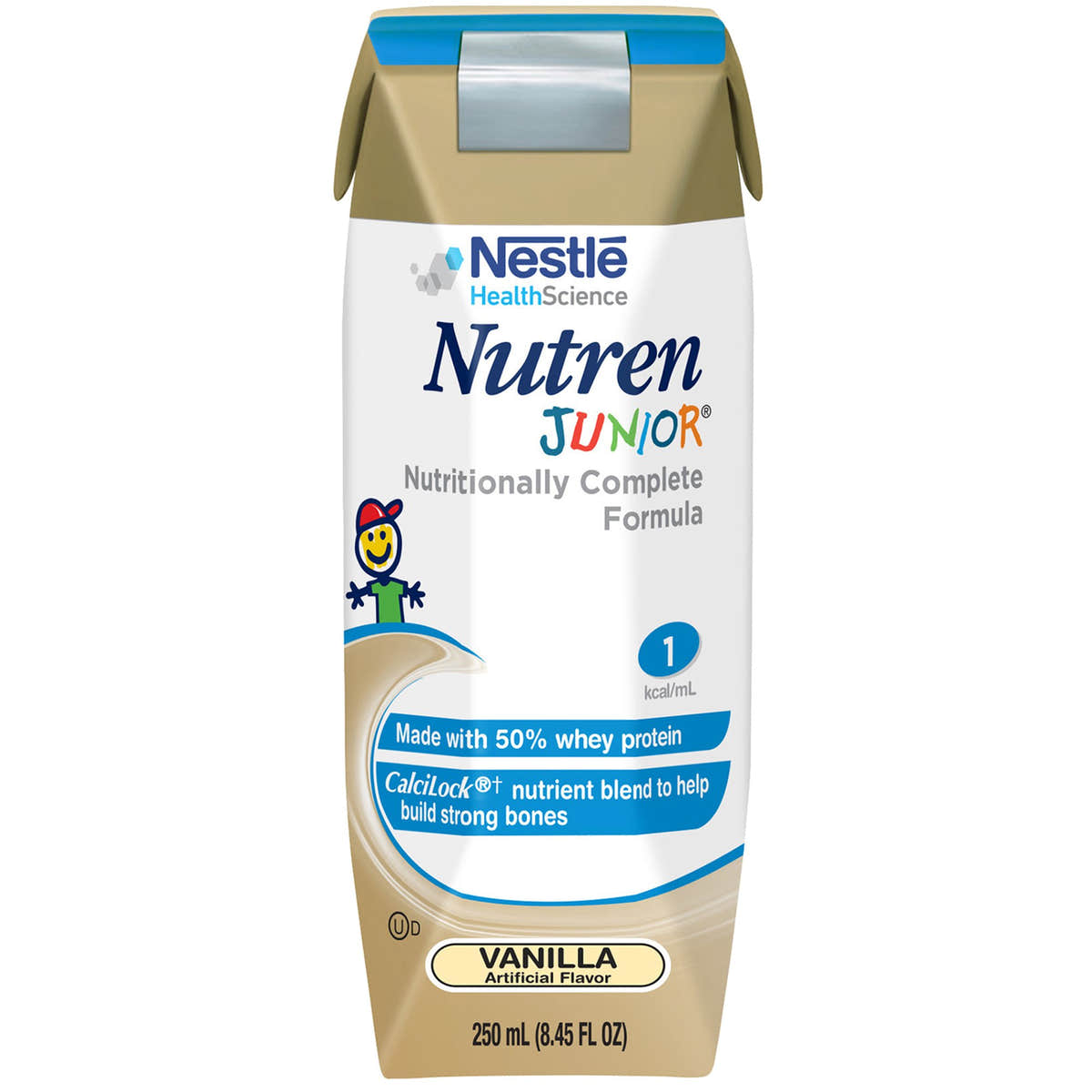
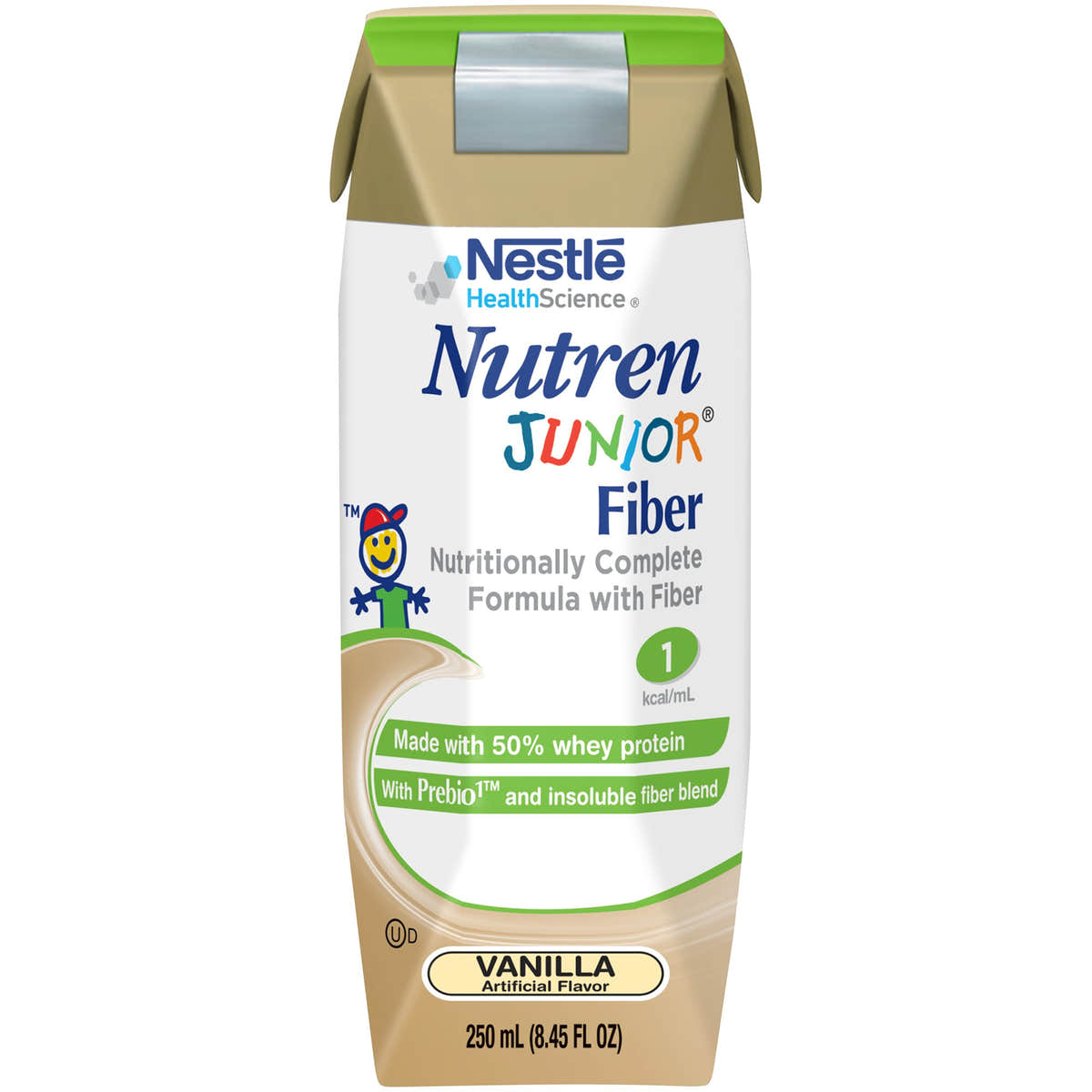
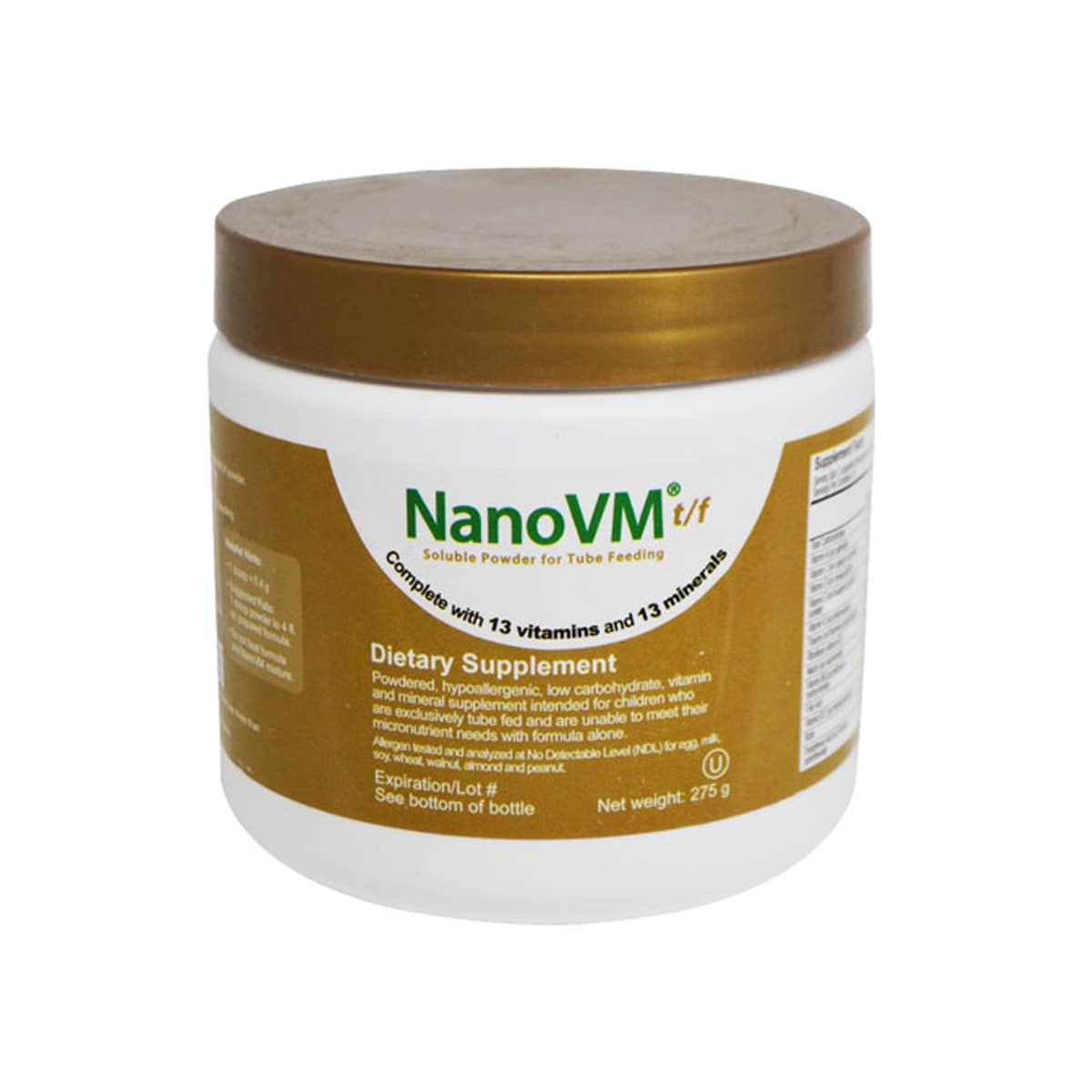
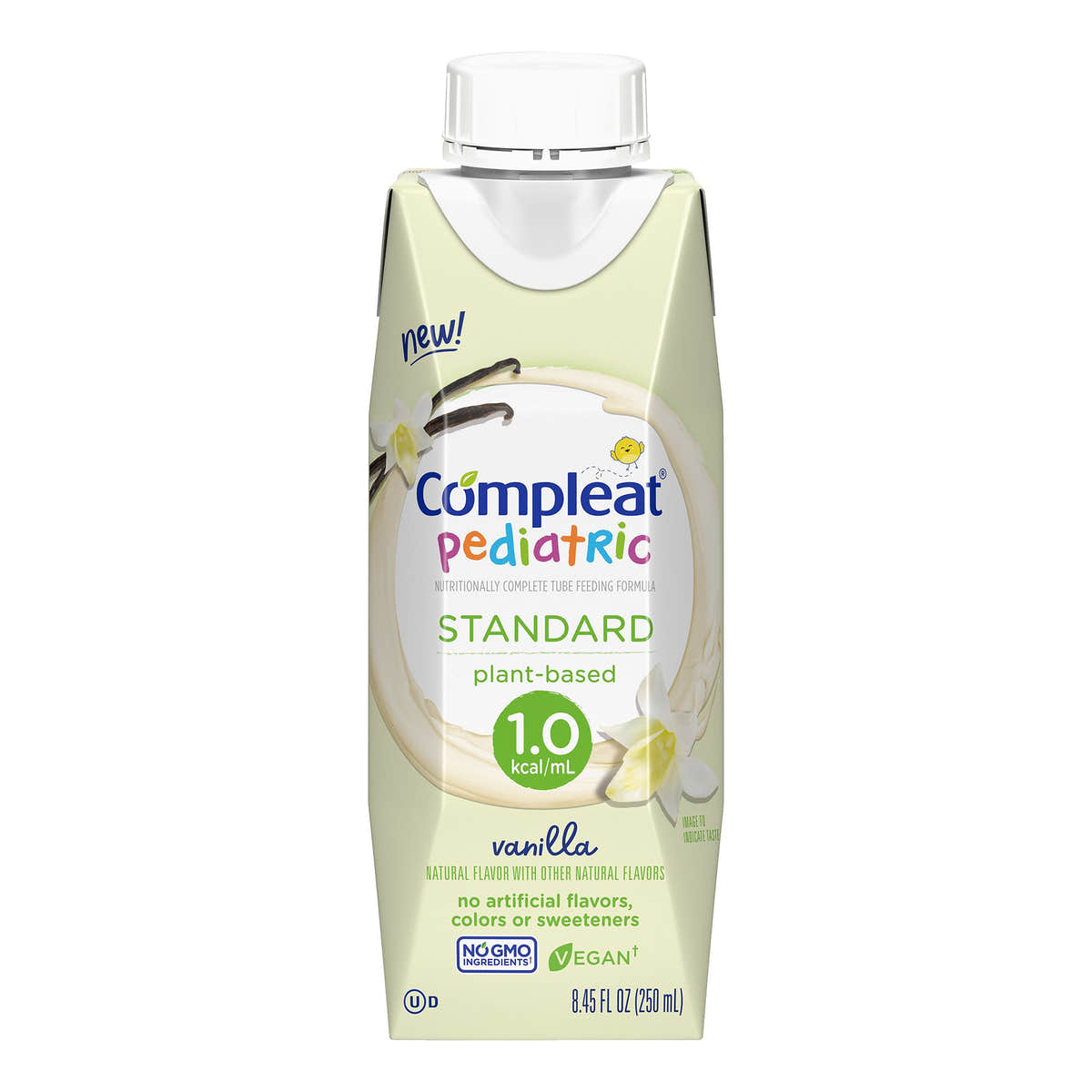
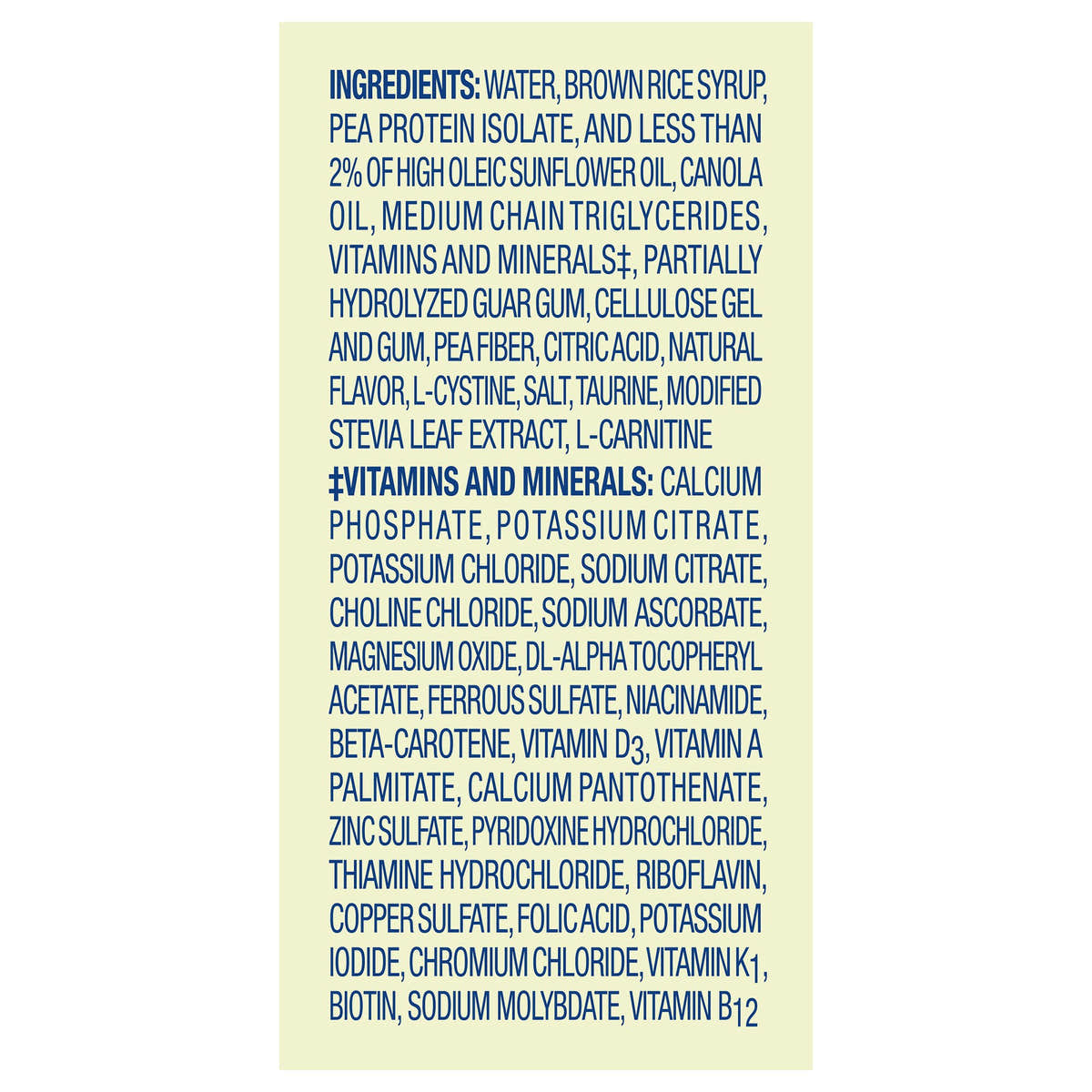
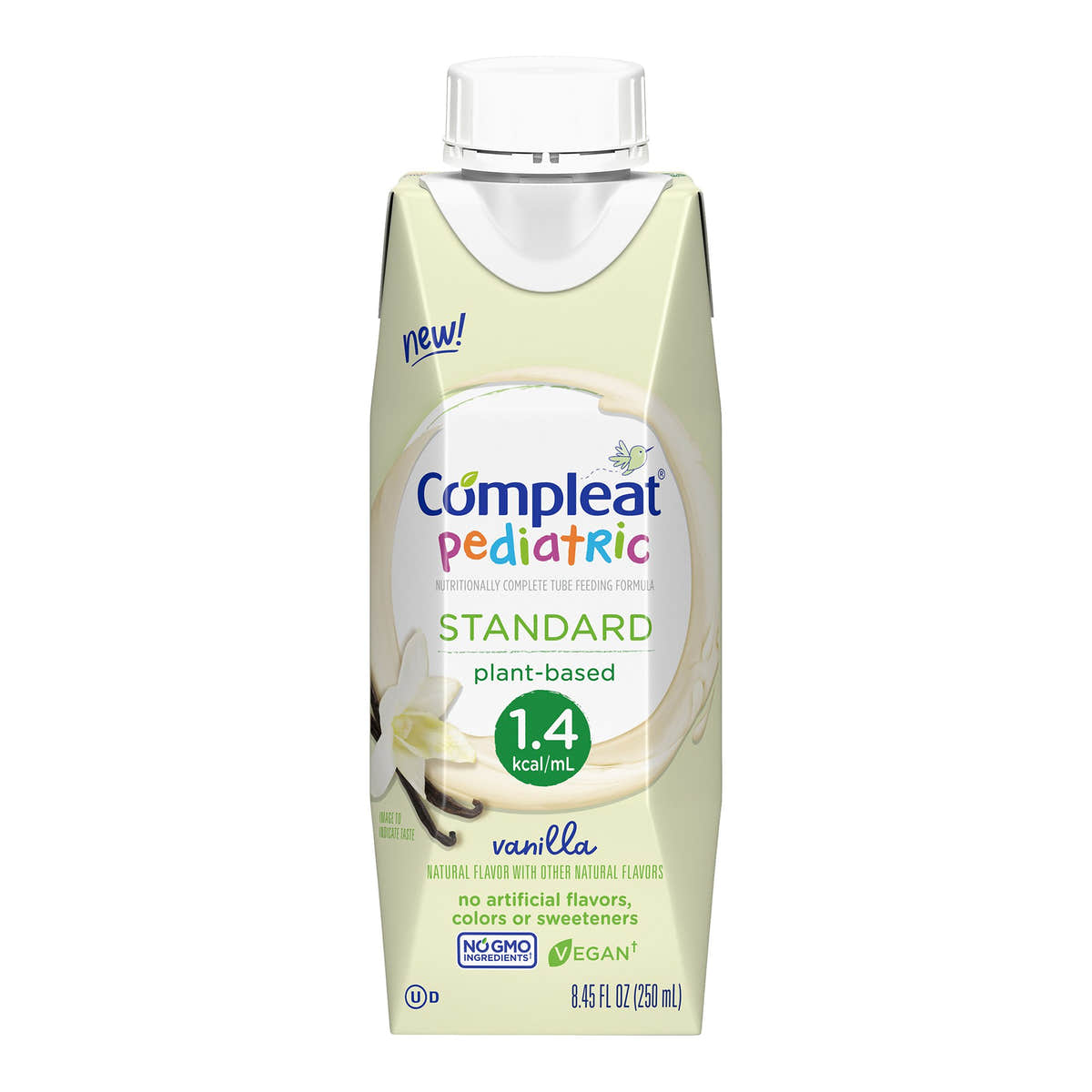
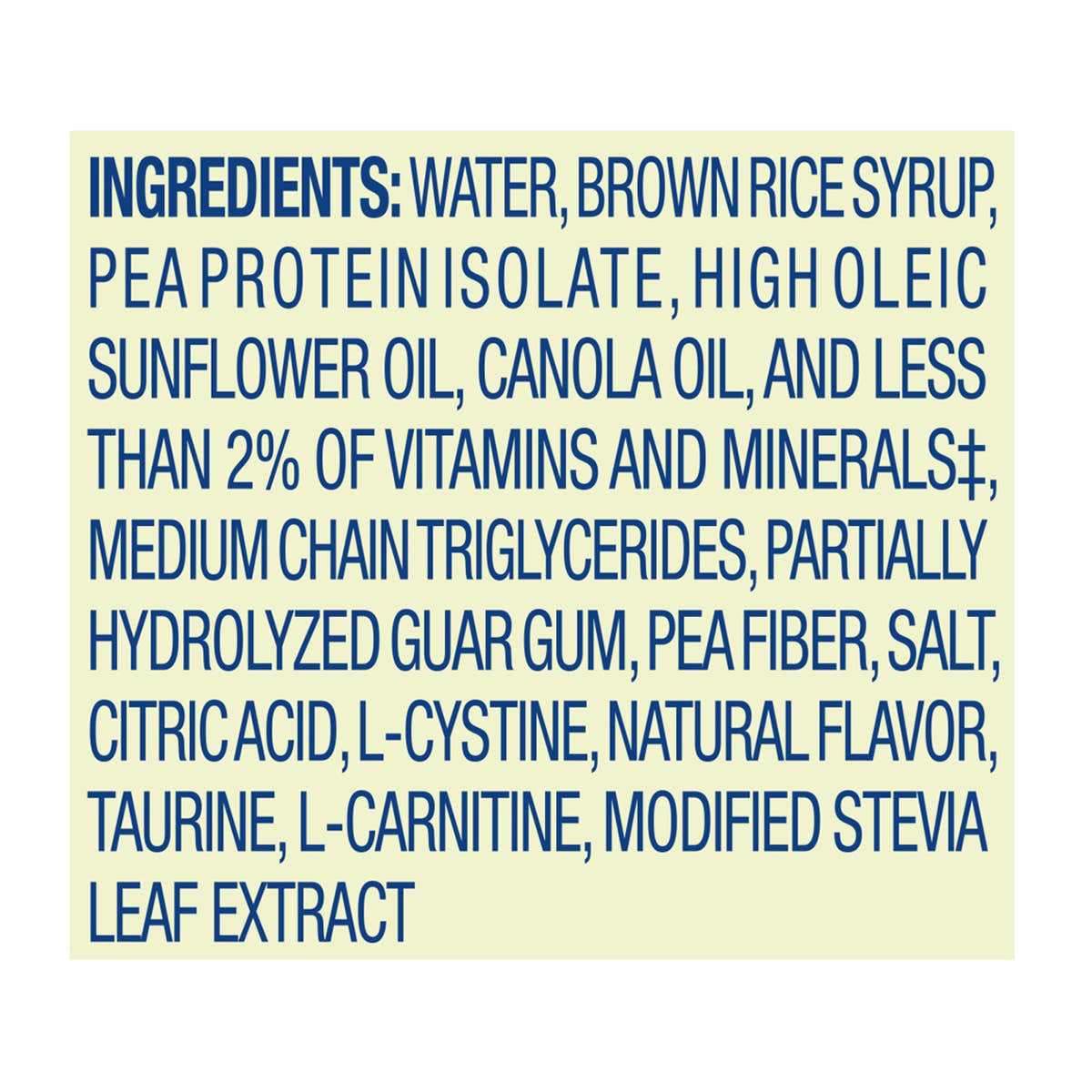
Tube feeding and medical nutrition formulas: The Peptamen Junior line and PediaSure Peptide formulas are designed for children who require enteral (tube) feeding or have specific clinical nutritional needs, often under the guidance of a healthcare provider.
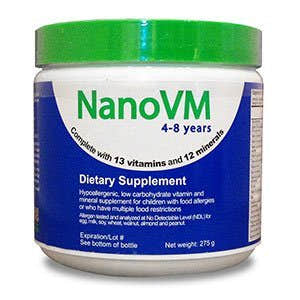
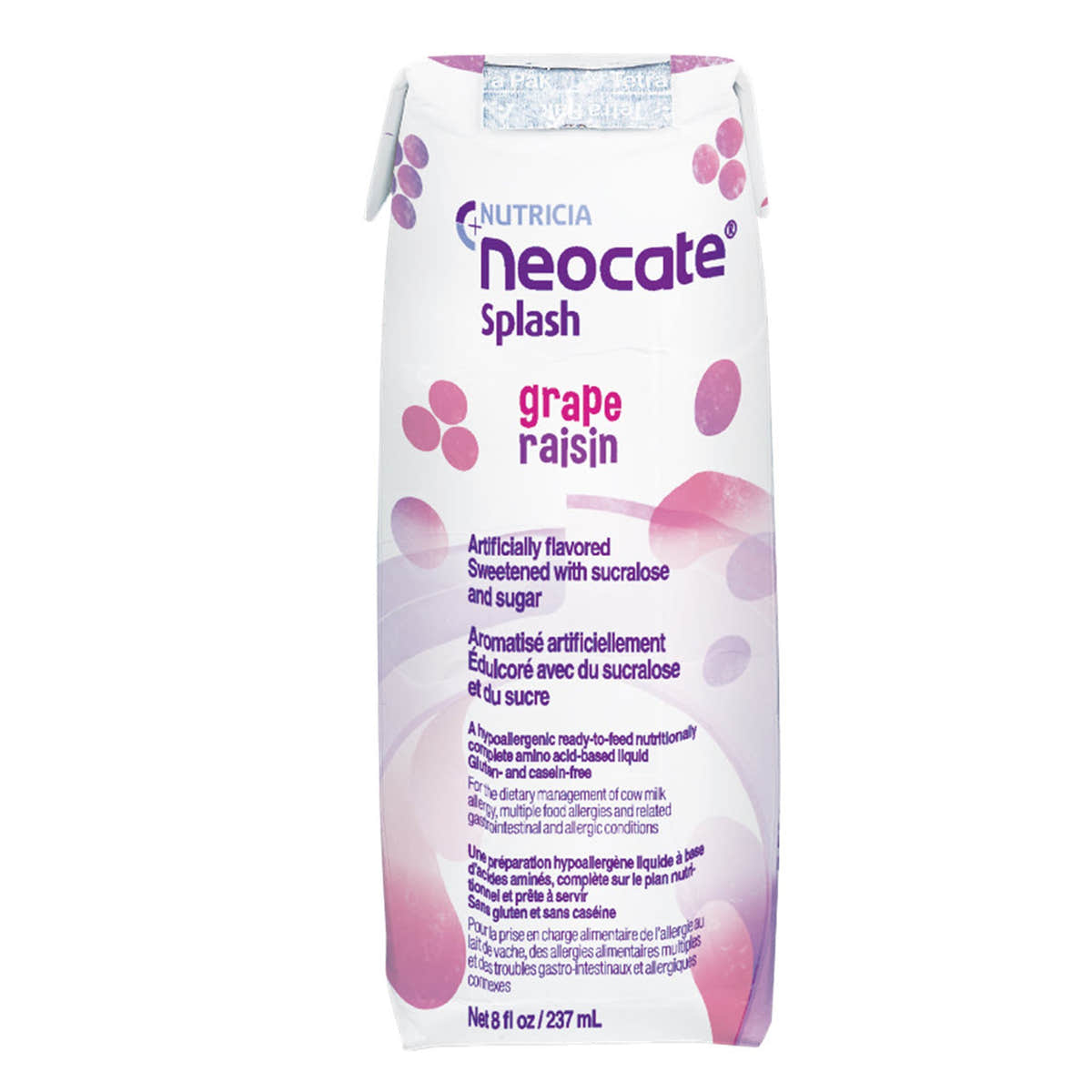
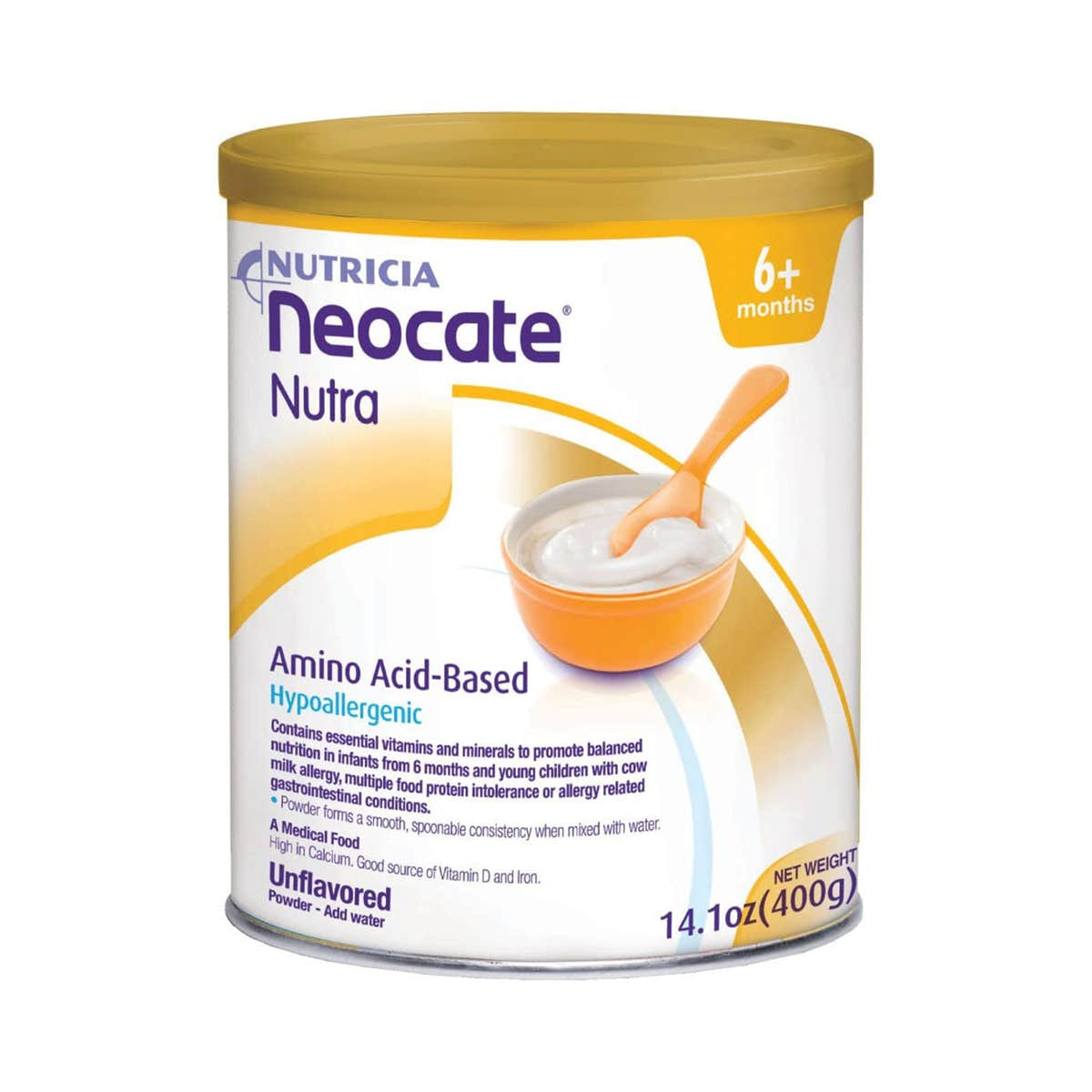
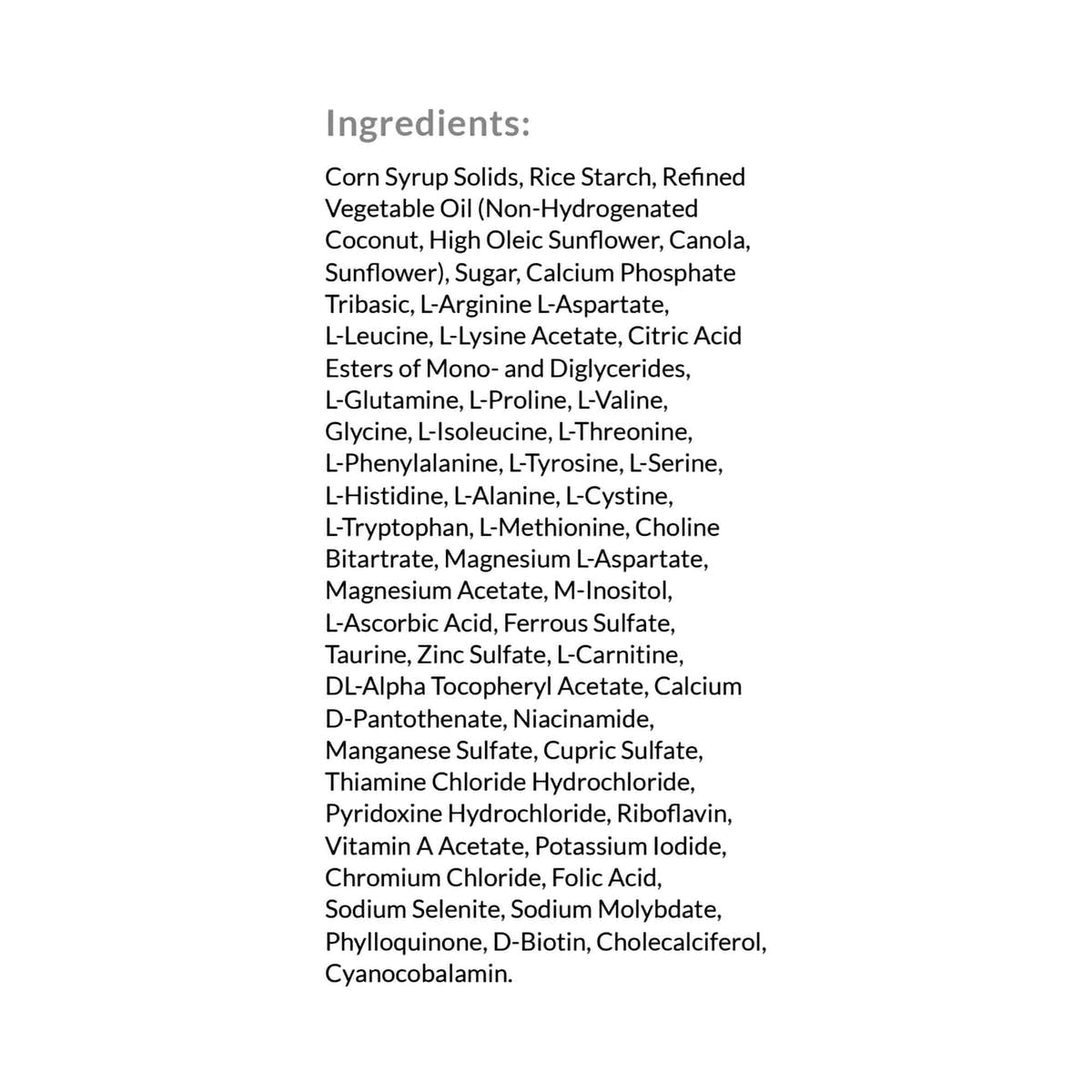
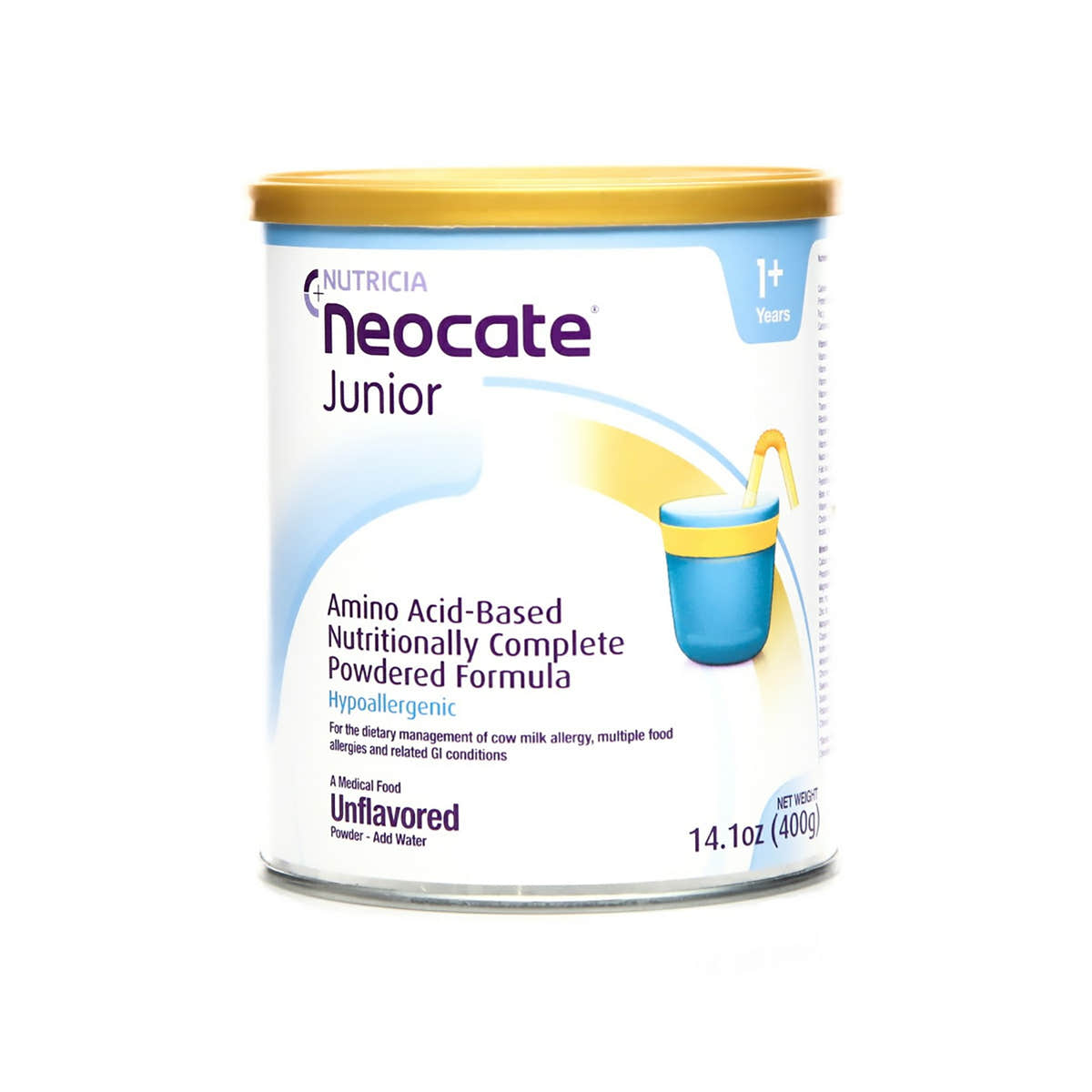
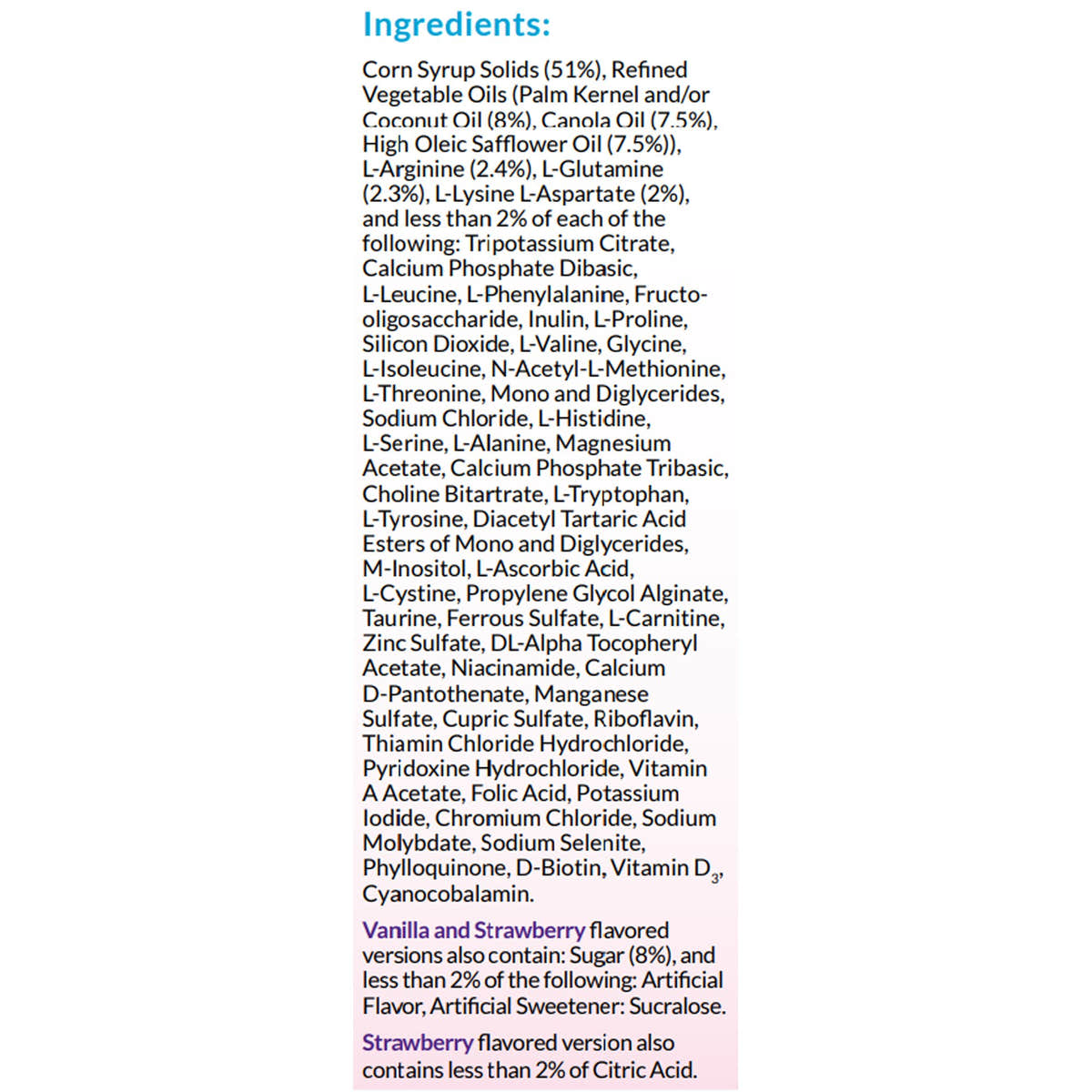
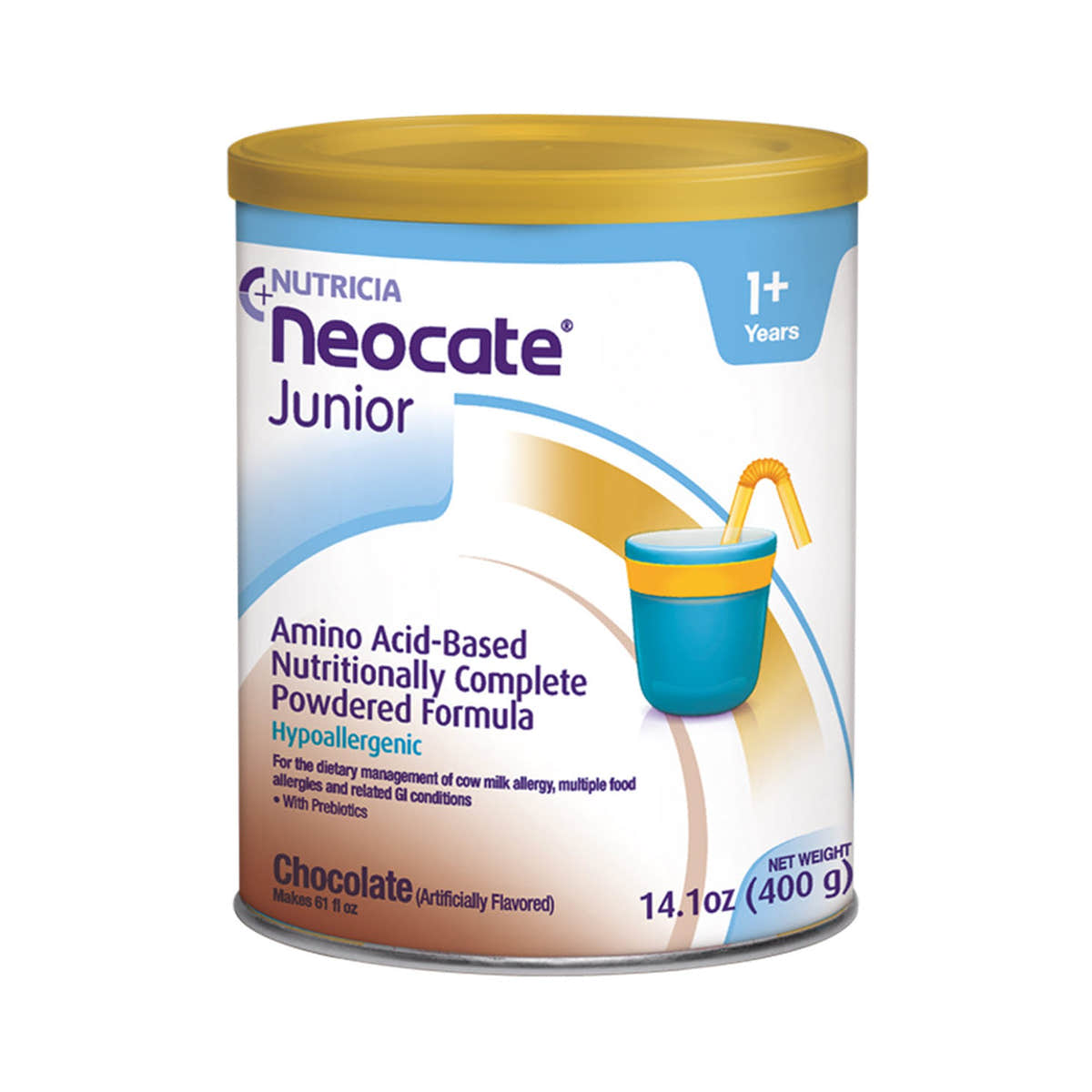
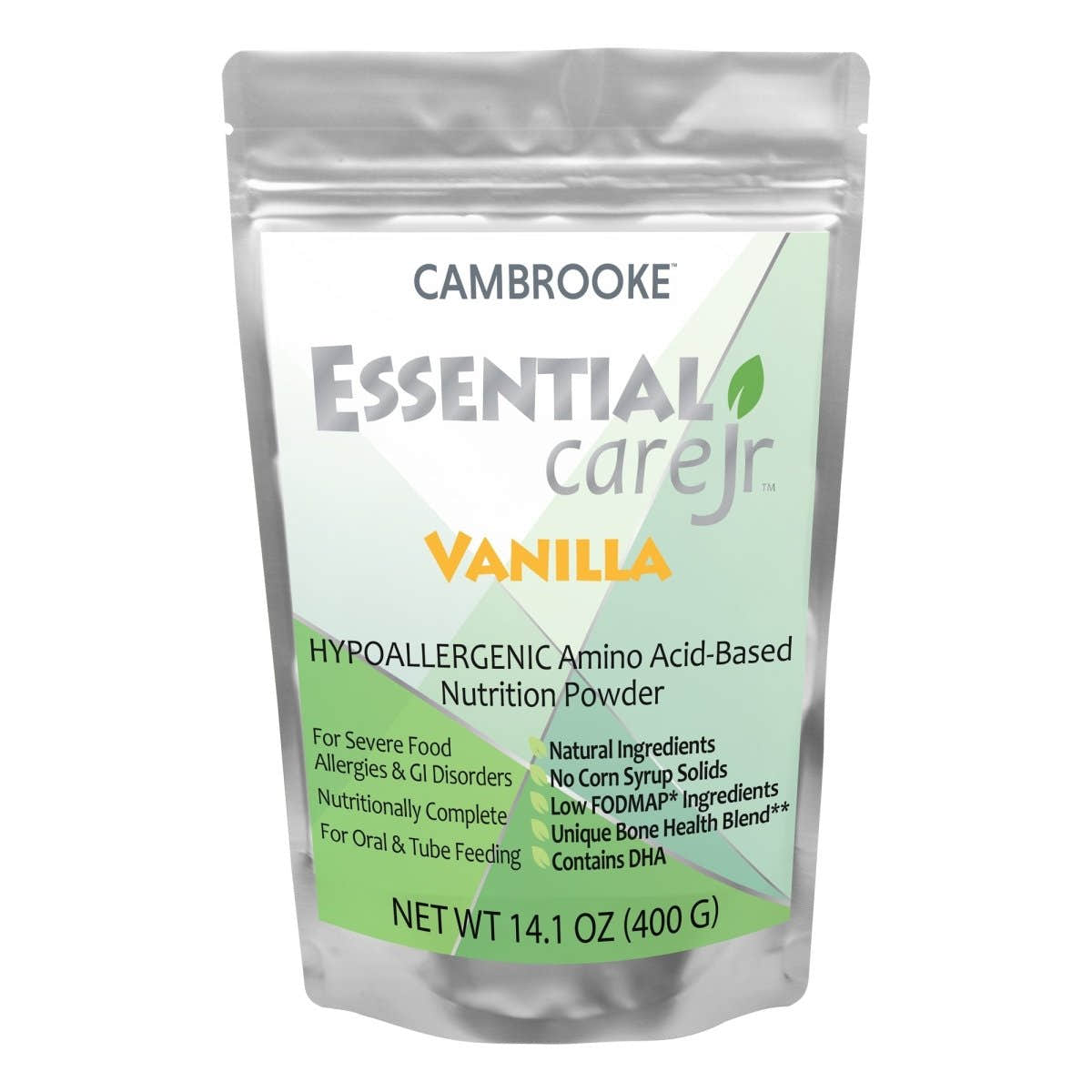
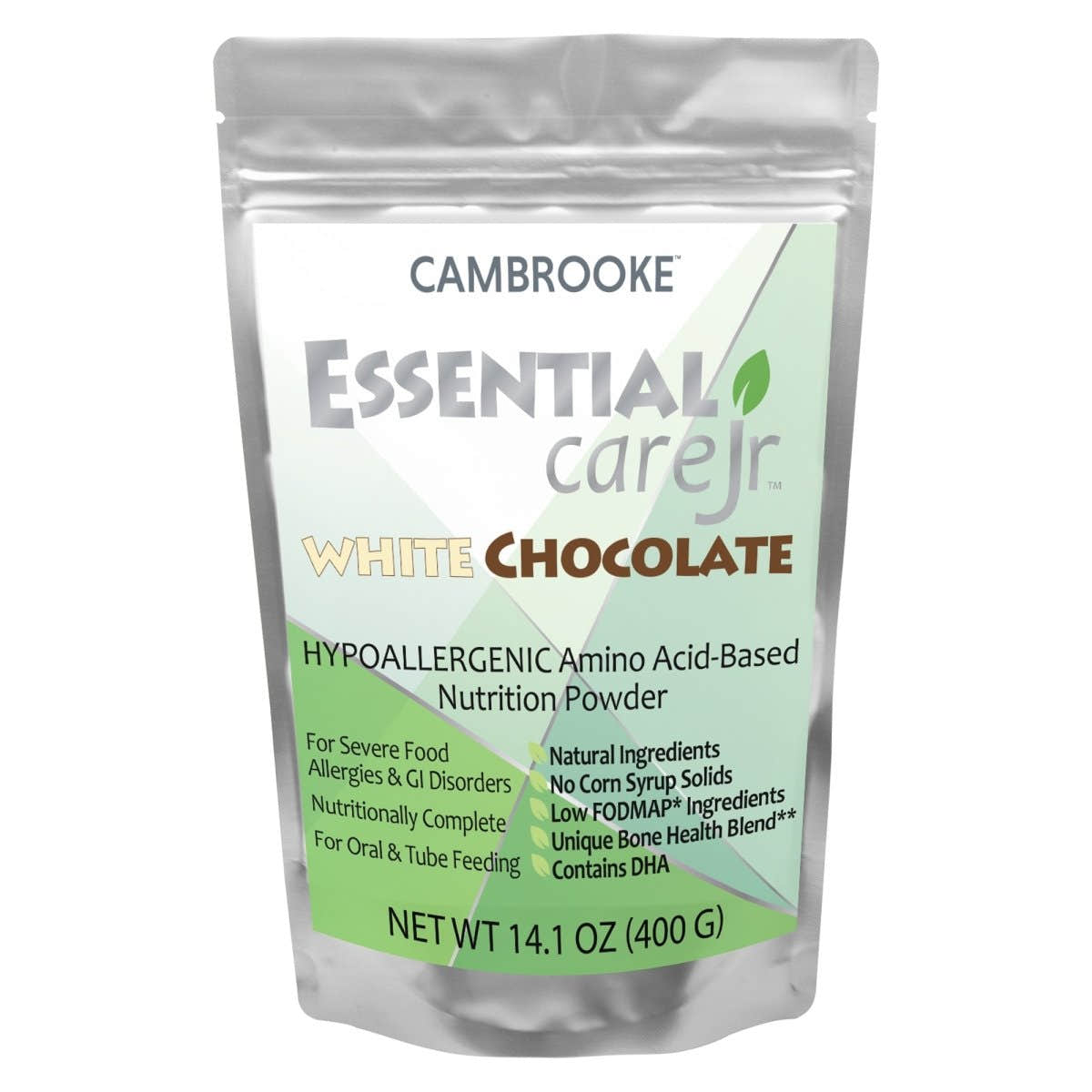
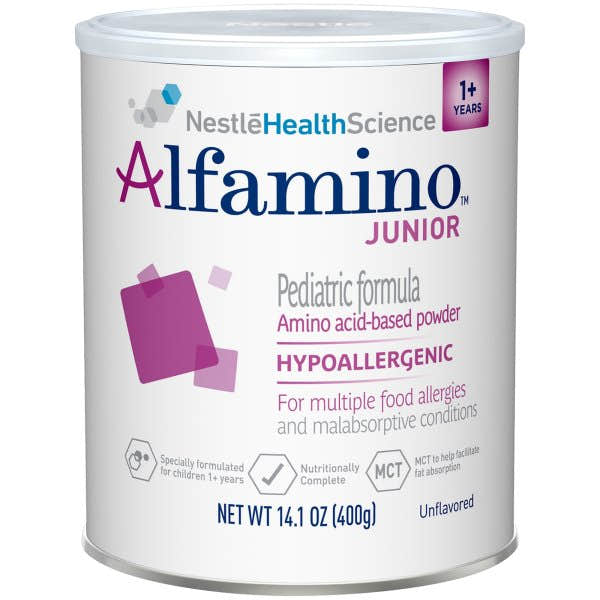
Elemental and amino acid-based formulas: Products such as Vivonex Pediatric Elemental Powder and the PFD Toddler Powder are formulated for children with particular dietary requirements, including protein or amino acid sensitivities.
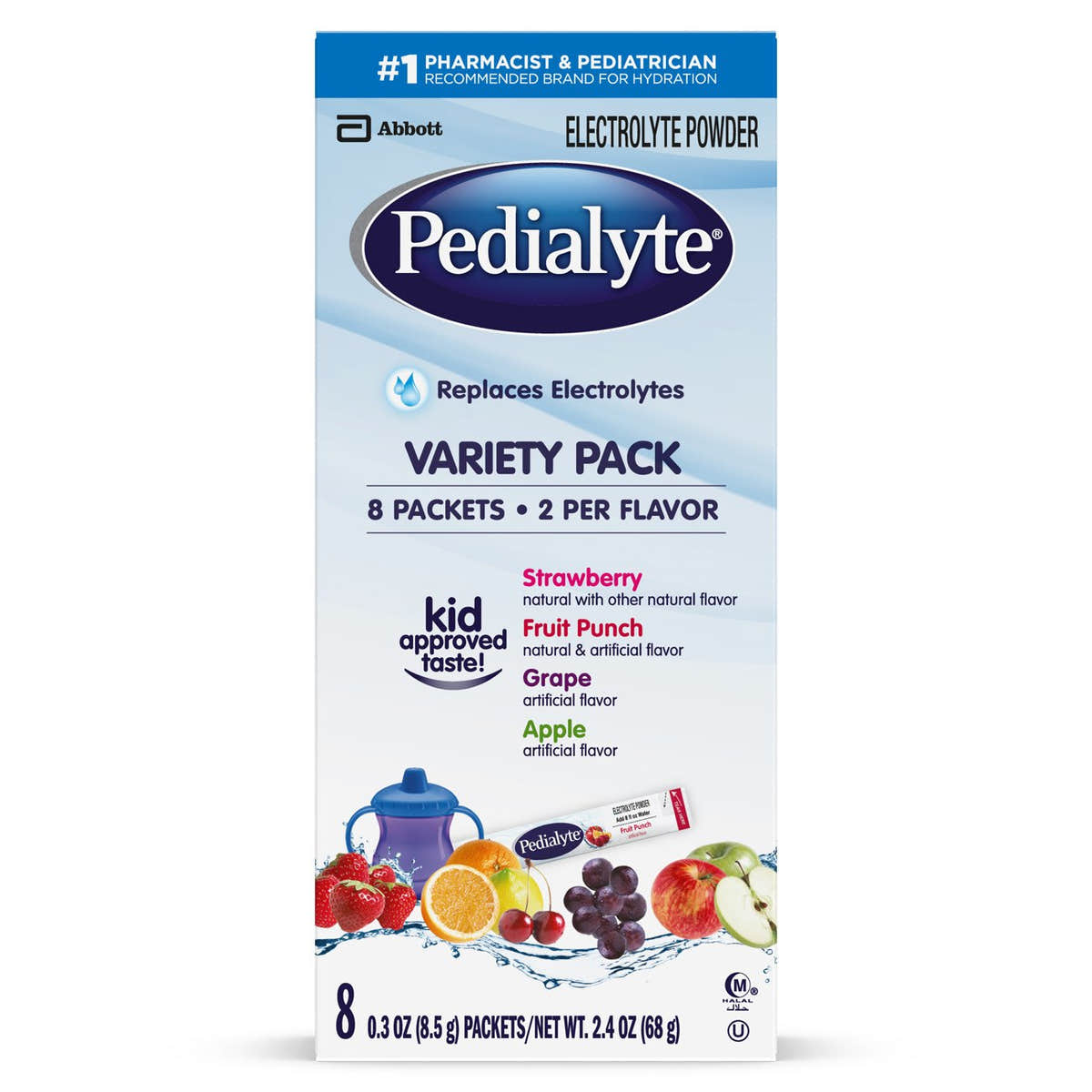
Electrolyte solutions: The sunmark Pediatric Oral Electrolyte Solution supports hydration and electrolyte replenishment in young children.
How to Choose the Right Product
The right pediatric nutrition product depends on a child's age, dietary needs, and whether the product is intended for everyday supplementation or a specific clinical purpose. Here are a few things to consider:
Age range: Many products in this collection are formulated for defined age groups. Always check the product label to confirm it's appropriate for the child's age.
Oral vs. tube feeding: Some formulas — such as the Peptamen Junior and PediaSure Peptide lines — are suitable for both oral and tube feeding use, while others are designed exclusively for oral consumption. Review product details carefully.
Dietary restrictions: If a child has sensitivities to certain proteins or amino acids, look for elemental or amino acid-free options such as Vivonex Pediatric Elemental Powder or the PFD Toddler Powder.
Healthcare guidance: Specialized formulas and tube feeding products are typically used under the supervision of a pediatrician, dietitian, or other healthcare professional. When in doubt, consult a qualified provider before selecting a clinical nutrition product.
Trusted Brands in Pediatric Nutrition
This collection features products from established names in pediatric and clinical nutrition, including PediaSure, Peptamen, Mead Johnson, Vivonex, and others. Whether you're
Filters (0)
Frequently Asked Questions about Pediatric
Pediatric nutritional supplements are specially formulated products designed to support healthy growth, development, and nutritional needs in infants, toddlers, and children who may not get adequate nutrition from food alone. These supplements can help fill dietary gaps, support weight gain, and provide essential vitamins, minerals, and macronutrients for growing children.
Pediatric oral supplements and tube feeding formulas are designed for infants, toddlers, and children who have difficulty meeting their nutritional needs through regular food, including those with feeding disorders, chronic illness, malabsorption conditions, or increased caloric demands. A pediatrician or registered dietitian should guide product selection based on the child's specific medical needs.
Start by consulting a pediatrician or registered dietitian who can assess the child's age, weight, health conditions, and nutritional deficits before recommending a pediatric formula. Key factors include whether the child needs oral supplementation or tube feeding support, as well as any dietary restrictions such as protein-free or elemental formulations.
Pediatric oral supplements are nutritional products intended to be consumed by mouth, while tube feeding formulas are designed to be delivered directly to the stomach or intestine through a feeding tube. Some pediatric formulas are approved for both oral and tube feeding use, offering flexibility depending on the child's feeding ability and medical situation.
Yes, pediatric tube feeding formulas are clinically designed to be safe for long-term nutritional support in children when used under medical supervision. These formulas are developed to meet the specific caloric, protein, and micronutrient requirements of growing children, but ongoing monitoring by a healthcare provider is strongly recommended to adjust intake as the child's needs change.
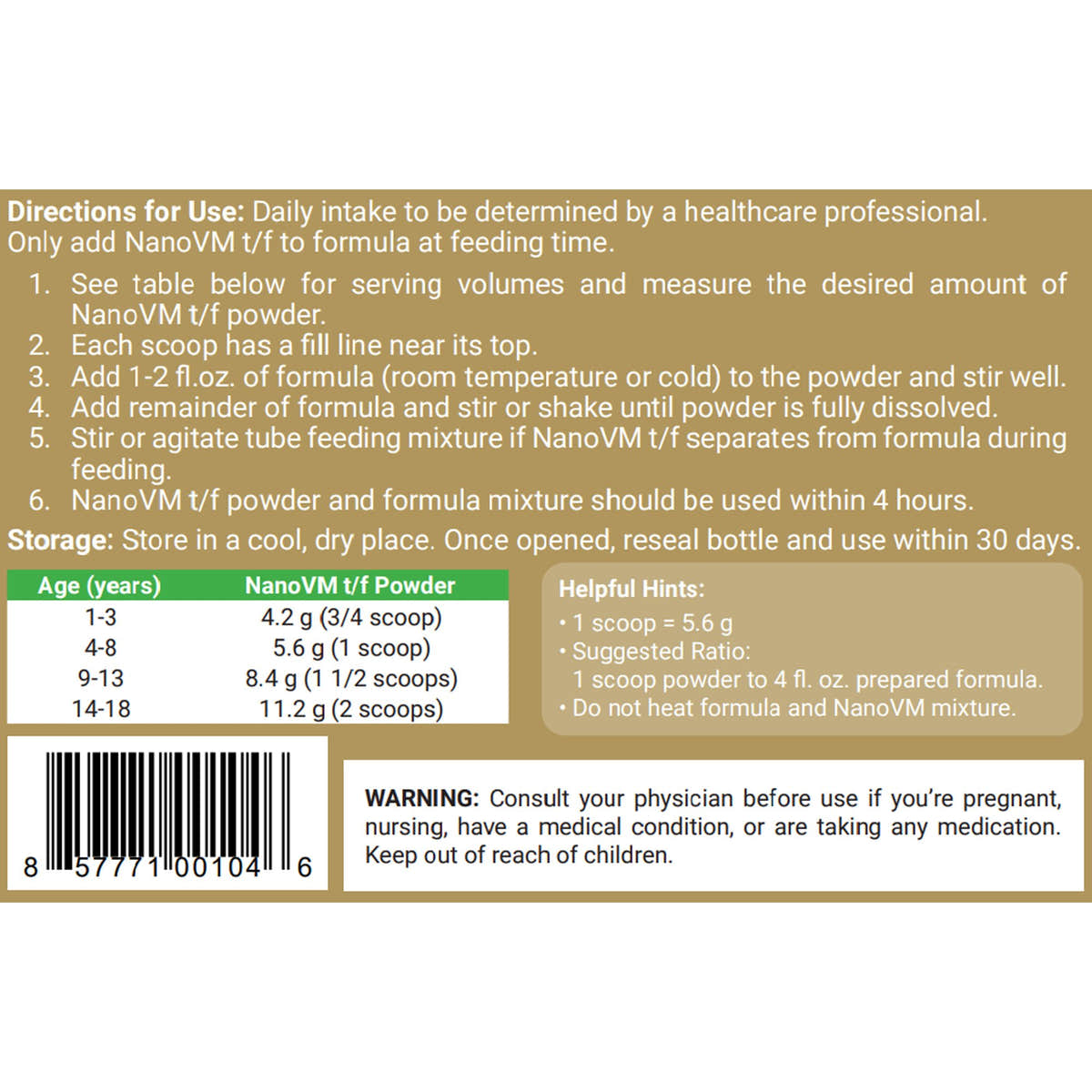
Store opened pediatric nutritional supplements according to the manufacturer's instructions, which typically require refrigeration and use within 24 to 48 hours of opening. Unopened products should be kept in a cool, dry place away from direct sunlight, and any formula that has exceeded its use-by date or shows signs of spoilage should be discarded immediately.
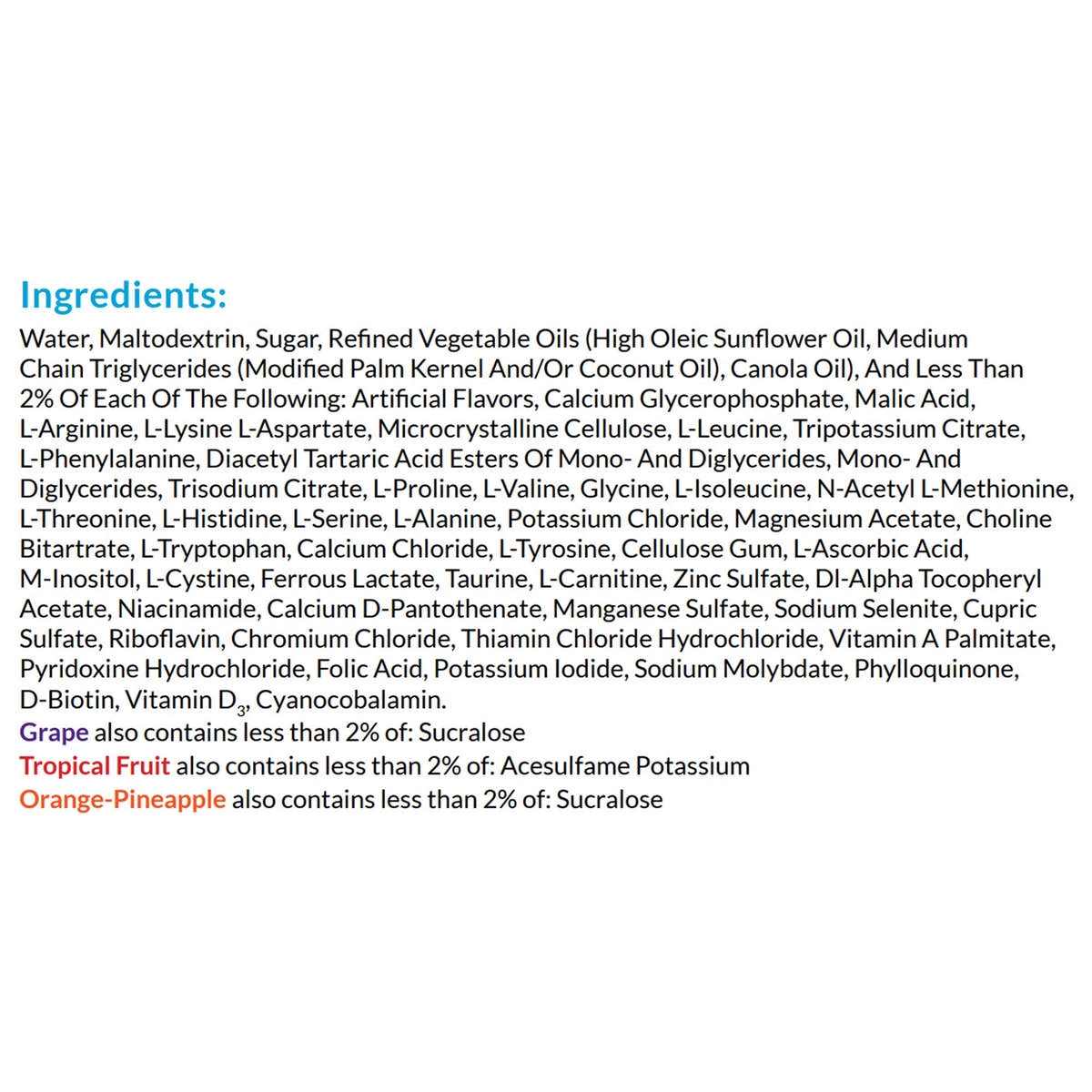
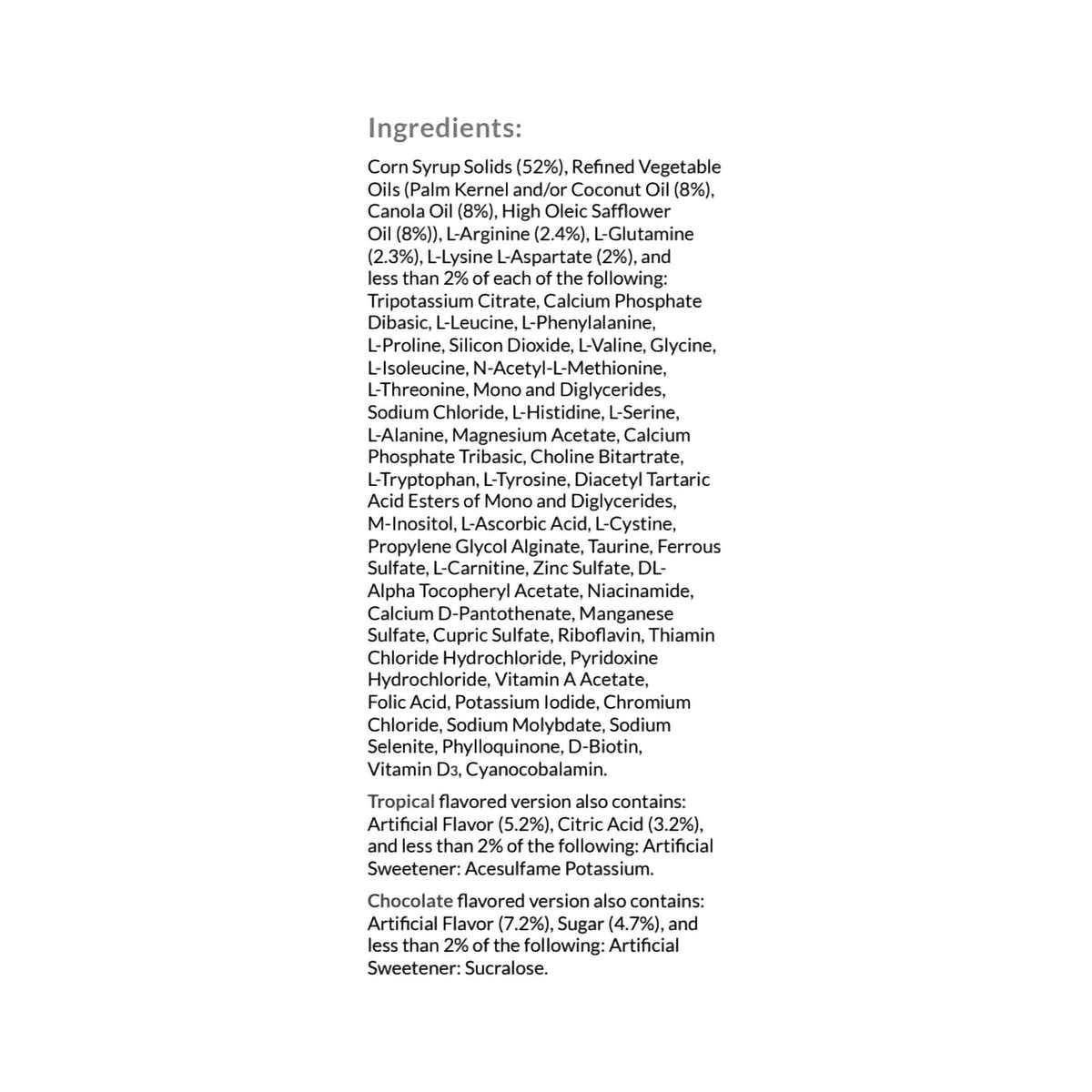
Because some children have conditions like severe food allergies, gastrointestinal disorders, or malabsorption syndromes that prevent them from tolerating intact proteins, elemental and amino acid-based pediatric formulas break nutrients down into their simplest forms for easier digestion and absorption. These specialized formulas reduce the digestive burden and are often recommended for children with complex medical needs.
Pediatric nutritional supplements are generally formulated for specific age groups, commonly ranging from infants and toddlers ages one to three years up through school-age children ages four to thirteen years. Selecting the correct age-appropriate formula matters because nutritional requirements, caloric density, and ingredient ratios differ significantly as children grow and develop.
Yes, pediatric electrolyte solutions can generally be used alongside nutritional supplements to help restore fluids and electrolytes lost during illness, vomiting, or diarrhea. However, electrolyte solutions are not a replacement for complete nutritional formulas and should be used for short-term hydration support, with a healthcare provider guiding the overall feeding plan.
Pediatric nutritional supplements available through medical supply sources are typically formulated to higher clinical standards, offering targeted nutrient profiles for children with specific medical or developmental needs, whereas standard toddler drinks found in grocery stores are designed for generally healthy children without specialized dietary requirements. Medical-grade pediatric supplements often provide greater caloric density, therapeutic ingredient ratios, and formulations suited for children with growth challenges or health conditions.
Do you still have questions about Pediatric?
If we still haven't answered your question, you can contact us by live chat or email and we will get back to you as soon as possible.