Surgical Headcovers

14 products

Showing 1 - 14 of 14 products

Protect your patients & staff with our top-rated surgical headcovers. Get maximum comfort & protection, shop now for a safe & sterile surgical environment!

Showing 1 - 14 of 14 products
View
Cardinal Bouffant Cap - 269573_EA - 1
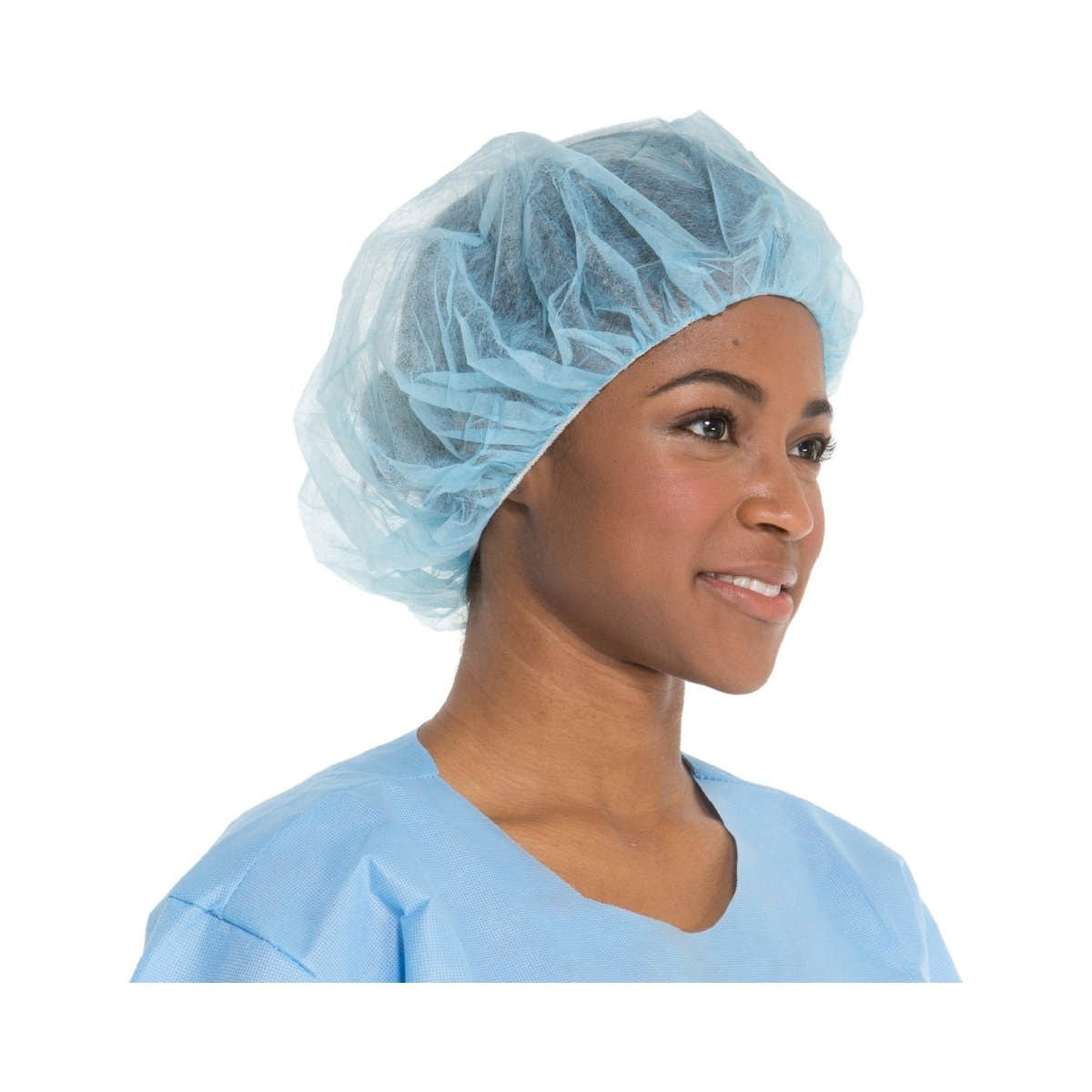
Cardinal Bouffant Cap
Sale priceFrom $0.99
Choose options
Halyard Blue Ties Surgeon Cap -Case of 3
Halyard Blue Ties Surgeon Cap
Sale priceFrom $37.99
Choose options
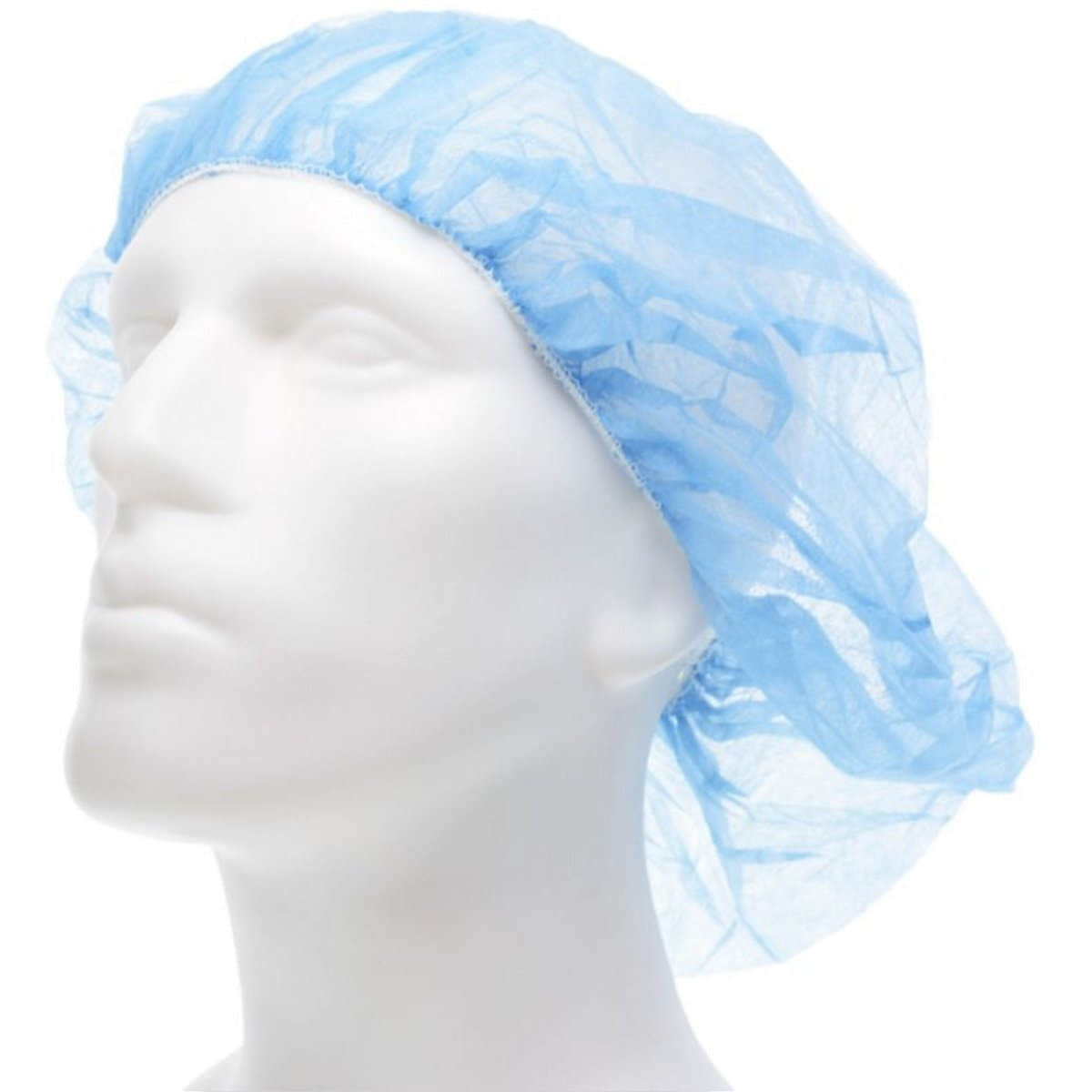
Halyard Bouffant Cap, X-Large, Blue -Case of 500
Halyard Bouffant Cap
Sale priceFrom $26.99
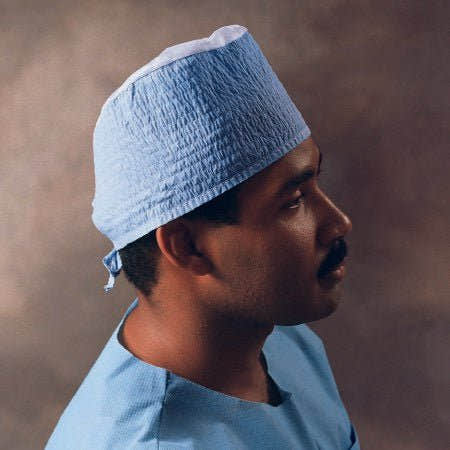
Choose options
Halyard Surgeon Cap - 188621_CS - 1
Halyard Surgeon Cap
Sale priceFrom $37.99

Choose options
Halyard Spunbound Bouffant Cap, Large -Box of 100
Halyard Spunbound Bouffant Cap
Sale priceFrom $25.99
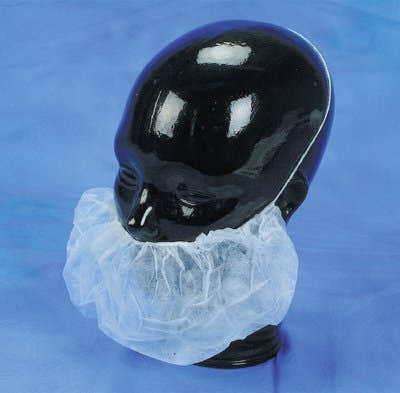
Choose options
Health Care Logistics Beard Cover - 718508_PK - 1
dynarex Bouffant Cap, Blue -Box of 100
dynarex Bouffant Cap
Sale priceFrom $12.99
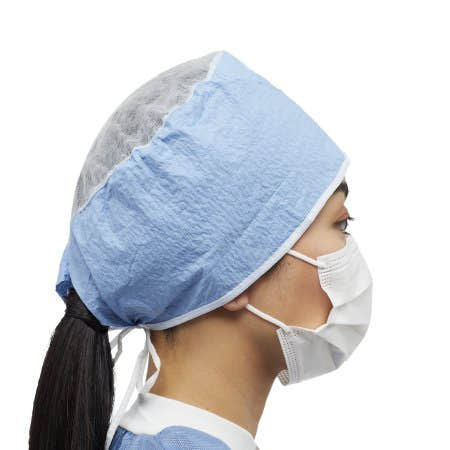
Choose options
McKesson Surgeon Cap - 1186139_CS - 1
McKesson Surgeon Cap
Sale priceFrom $29.99
Choose options
Fashion Seal Uniforms Surgeon Cap -Dozen of 12
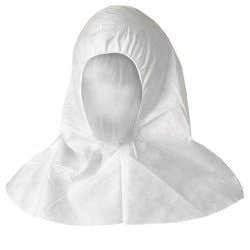
KleenGuard A20 Protective Hood -Case of 100
KleenGuard A20 Protective Hood
Sale price$209.99
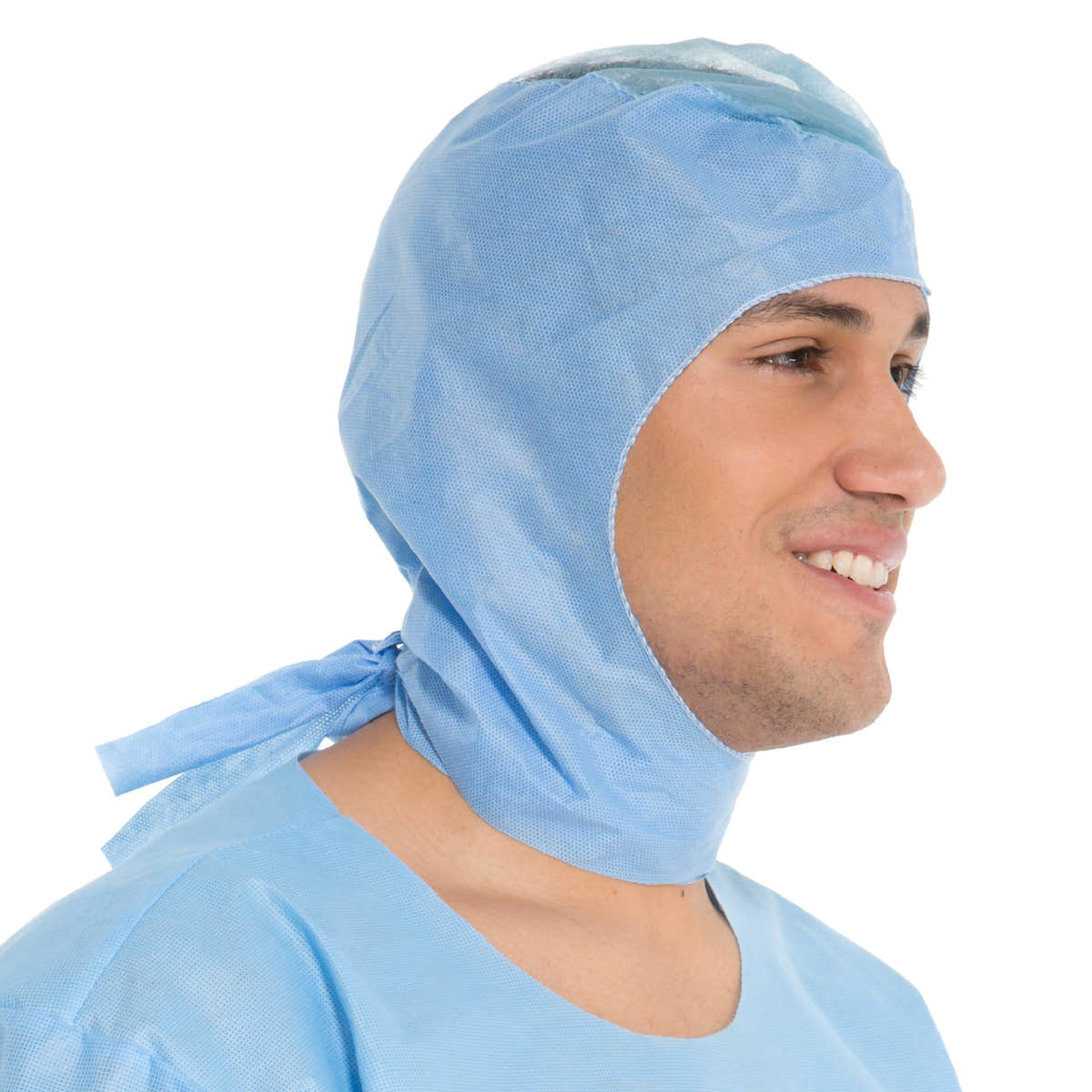
Halyard Surgical Hood -Case of 3
Halyard Surgical Hood
Sale priceFrom $75.99
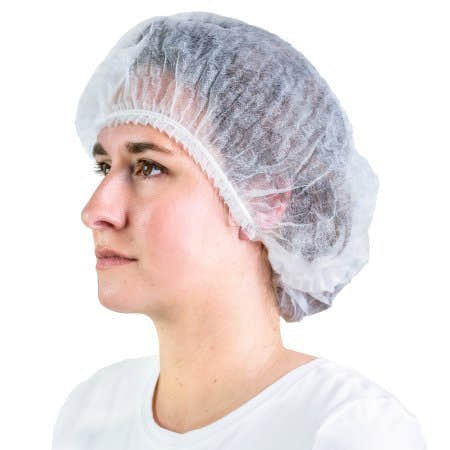
Cypress Bouffant Cap White Elastic Closure With Clip - 1167506_BG - 1
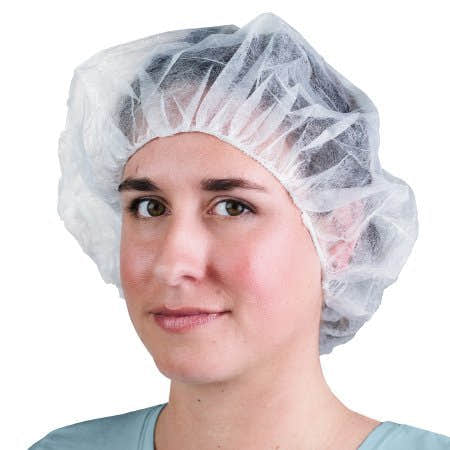
Cypress Bouffant Cap White Elastic Closure - 1167172_BG - 1

Frequently Asked Questions about Surgical Headcovers

Surgical headcovers are protective garments worn over the hair and head to prevent contamination in sterile environments like operating rooms and procedure areas. Surgical headcovers help reduce the risk of hair and skin particles falling into open surgical fields, protecting both patients and healthcare staff during procedures.

Surgical headcovers are designed for anyone entering a sterile or semi-sterile clinical environment, including surgeons, nurses, surgical technicians, and support staff. Anyone present in an operating room or procedure suite is typically required to wear a surgical headcover to maintain proper infection control standards.

A bouffant cap is a gathered, dome-shaped surgical headcover that fits loosely over all hair, while a surgeon cap sits closer to the head with a tied or elasticized back. Bouffant caps are often preferred for covering larger volumes of hair, while surgeon caps are common among scrubbed-in clinical staff who prefer a more fitted feel.

Start by washing or sanitizing your hands before handling a surgical headcover, then open the cap and position it over your forehead, pulling it back to fully cover all hair including sideburns and the nape of the neck. For tied styles, secure the ties snugly at the back, and for elastic styles, confirm the band sits flat with no hair exposed at the edges.

Most surgical headcovers available for healthcare settings are single-use disposable products designed to be discarded after each procedure or shift. Disposable surgical headcovers help eliminate the risk of cross-contamination that can occur with laundered reusable options, making them the standard choice in most clinical environments.

Choosing the right surgical headcover size depends on the amount of hair being covered and the head circumference of the wearer. Bouffant-style surgical headcovers with elastic closures tend to accommodate a wider range of head sizes, while surgeon caps with adjustable ties offer a more customizable fit for individuals with specific sizing needs.

Yes, wearing a surgical headcover reduces the risk of surgical site infections by preventing hair, skin flakes, and airborne particles from contaminating sterile fields. Healthcare regulatory guidelines and infection control standards widely recommend surgical headcovers as a basic but critical barrier precaution in operating rooms and sterile procedure areas.

Because different clinical roles and personal preferences call for different levels of fit and adjustability, surgical headcovers are manufactured with both tie and elastic closure options. Tied surgical headcovers allow a more precise, snug fit often preferred by surgeons, while elastic closure bouffant caps offer quick, one-size-friendly coverage suitable for a broader range of staff.

Surgical headcovers should be stored in a clean, dry environment away from moisture, direct sunlight, and areas with heavy foot traffic or airborne debris. Keeping surgical headcovers in their original sealed packaging until point of use helps preserve their cleanliness and ensures they are ready for safe use in sterile environments.

Surgical headcovers are purpose-built for clinical sterile environments and are held to stricter manufacturing and material standards than standard foodservice or industrial hair nets. Unlike regular hair nets, surgical headcovers are designed to fully enclose hair and reduce particulate shedding in a way that meets the infection control requirements of operating rooms and procedure suites.

Recently viewed