Filters

Waste Receptacles

65 products

Showing 1 - 24 of 65 products

Shop for Waste Receptacles and Trash Cans

Specifically designed to meet the stringent requirements of healthcare facilities, clinics, and medical offices. As a medical professional, you understand the critical importance of maintaining a clean and hygienic environment to ensure the well-being of patients and staff. Our range of waste receptacles is carefully curated to provide effective and efficient waste management solutions, promoting safety and infection control within your facility.
Showing 1 - 24 of 65 products
View
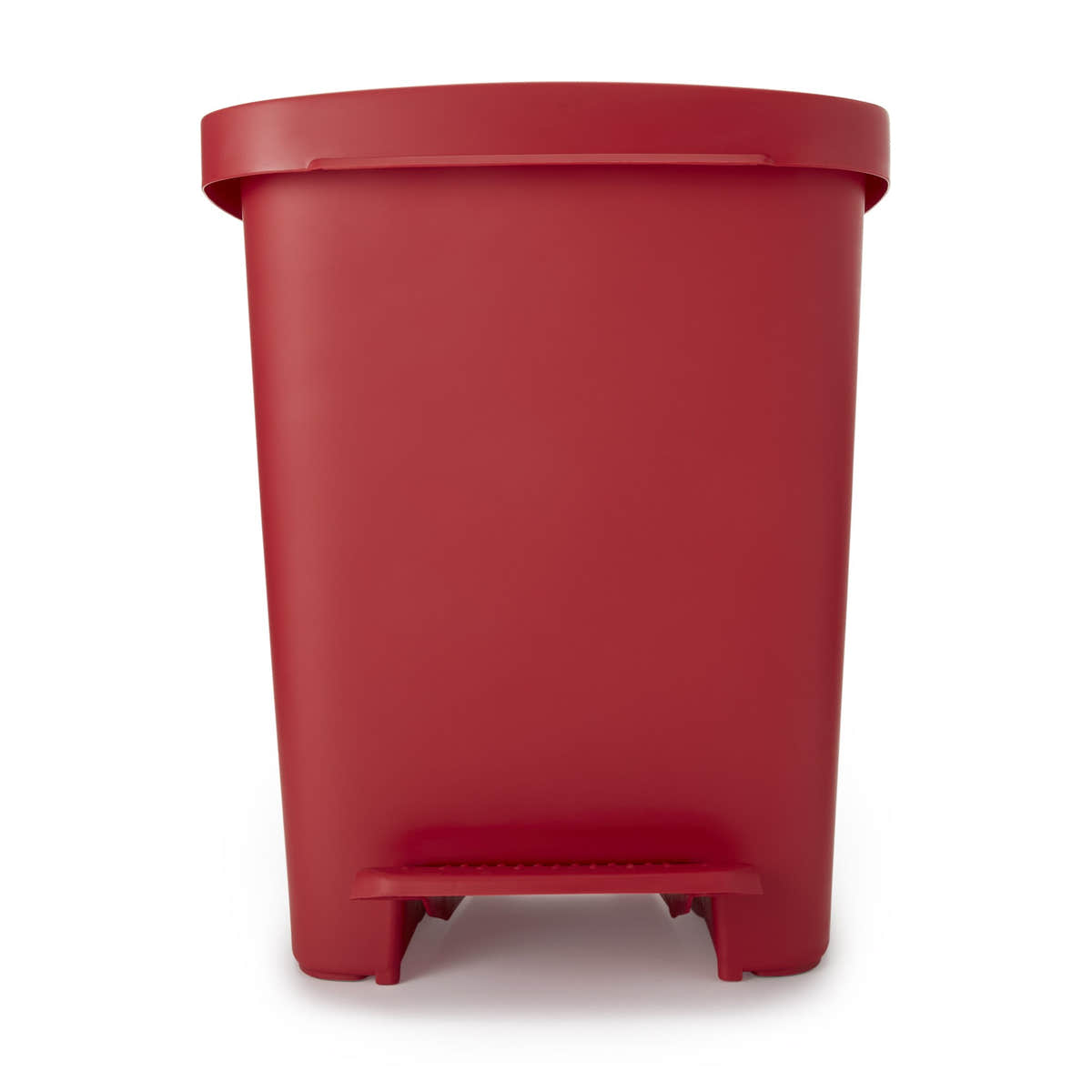
Unisan Trash Can - 874051_EA - 1
Unisan Trash Can
Sale price$8.99
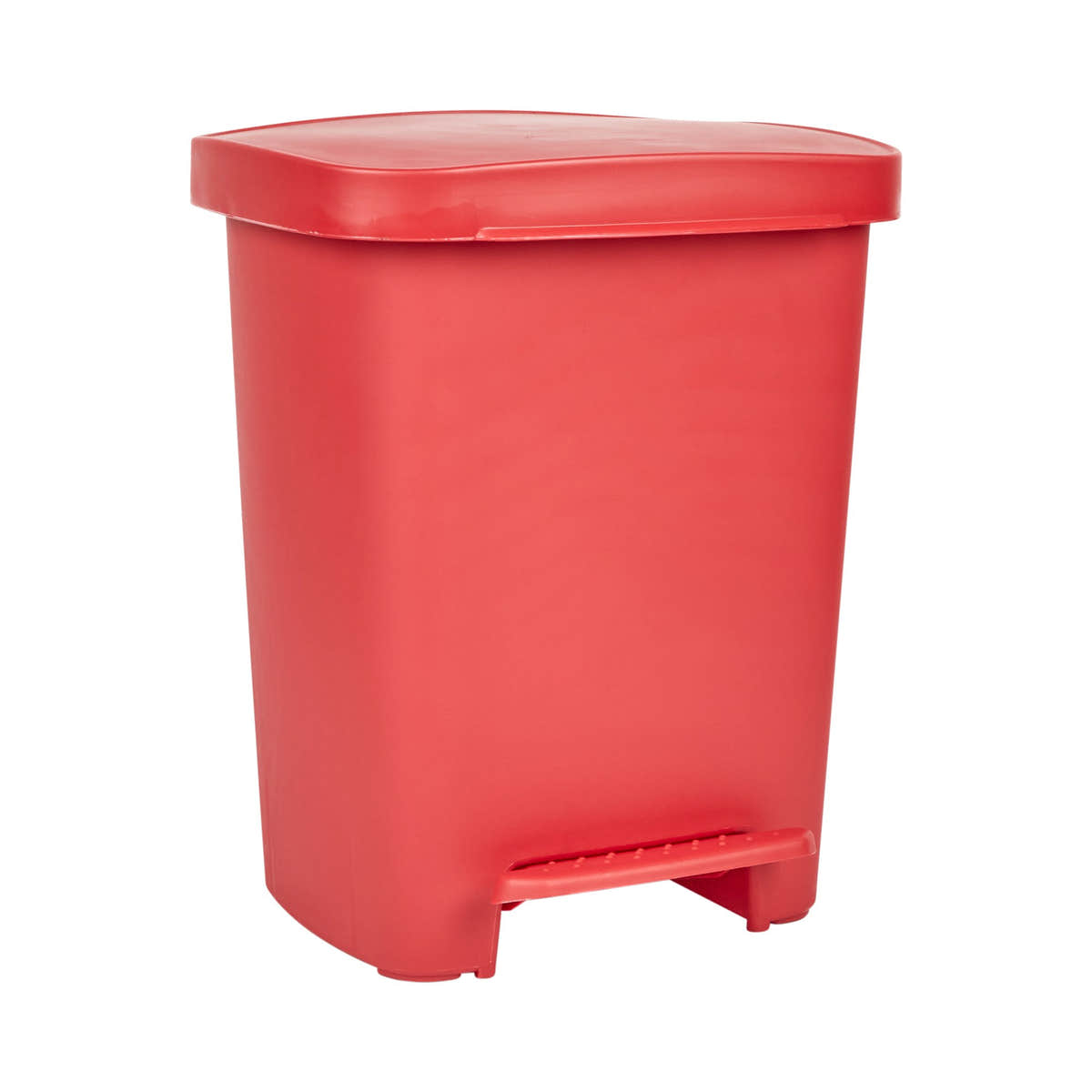
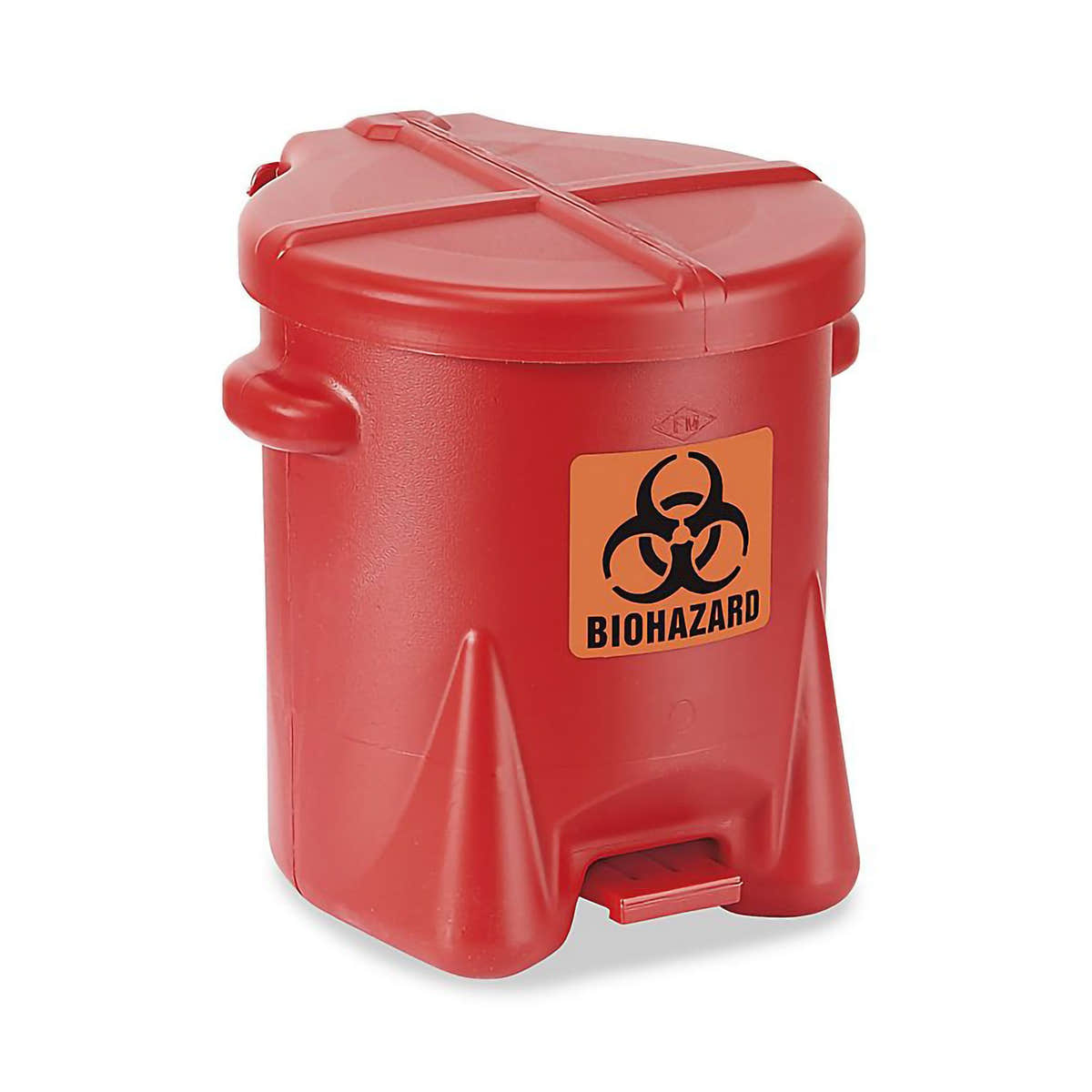
ULINE Trash Can -Each
ULINE Trash Can
Sale price$208.99
Saalfeld Redistribution Trash Can -Each
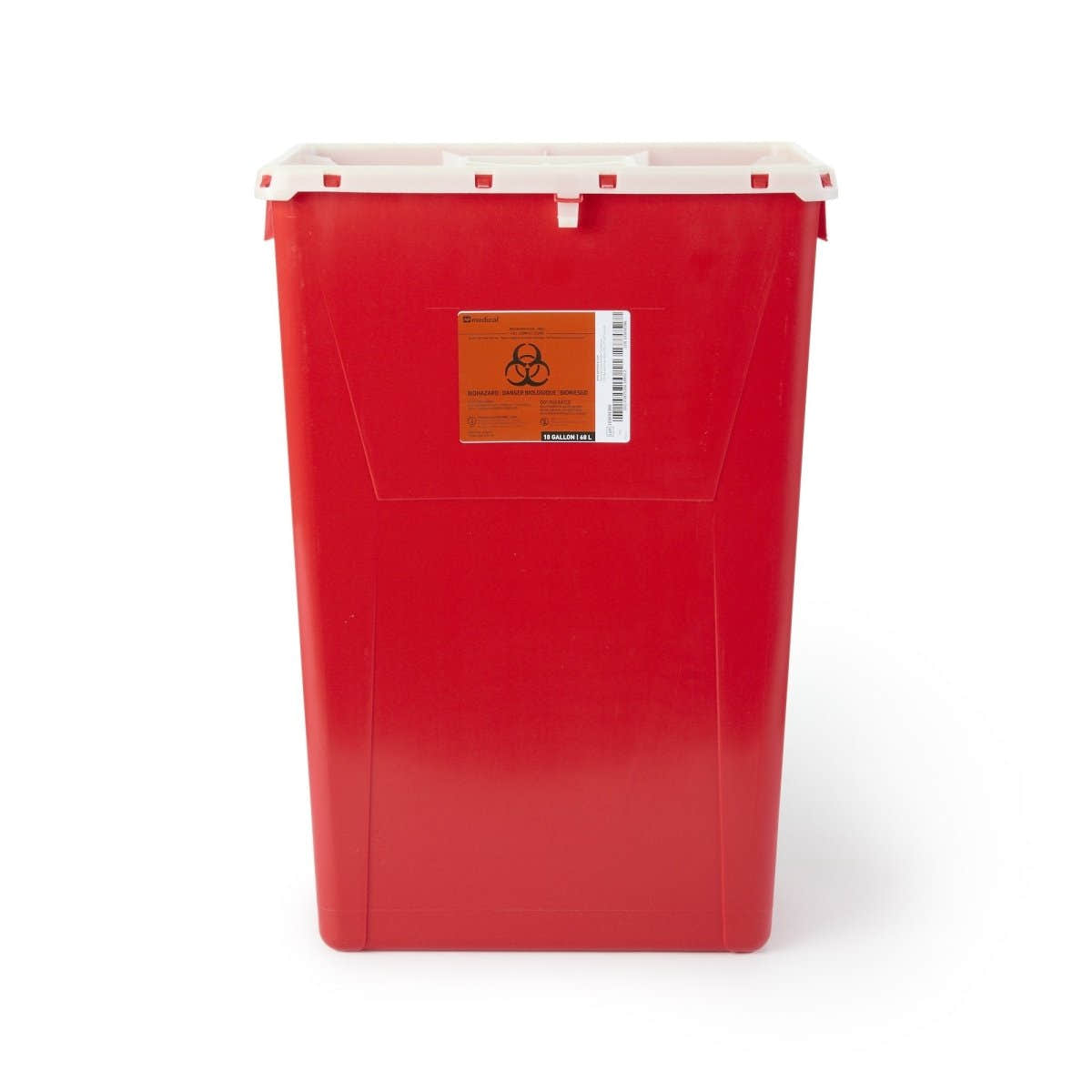
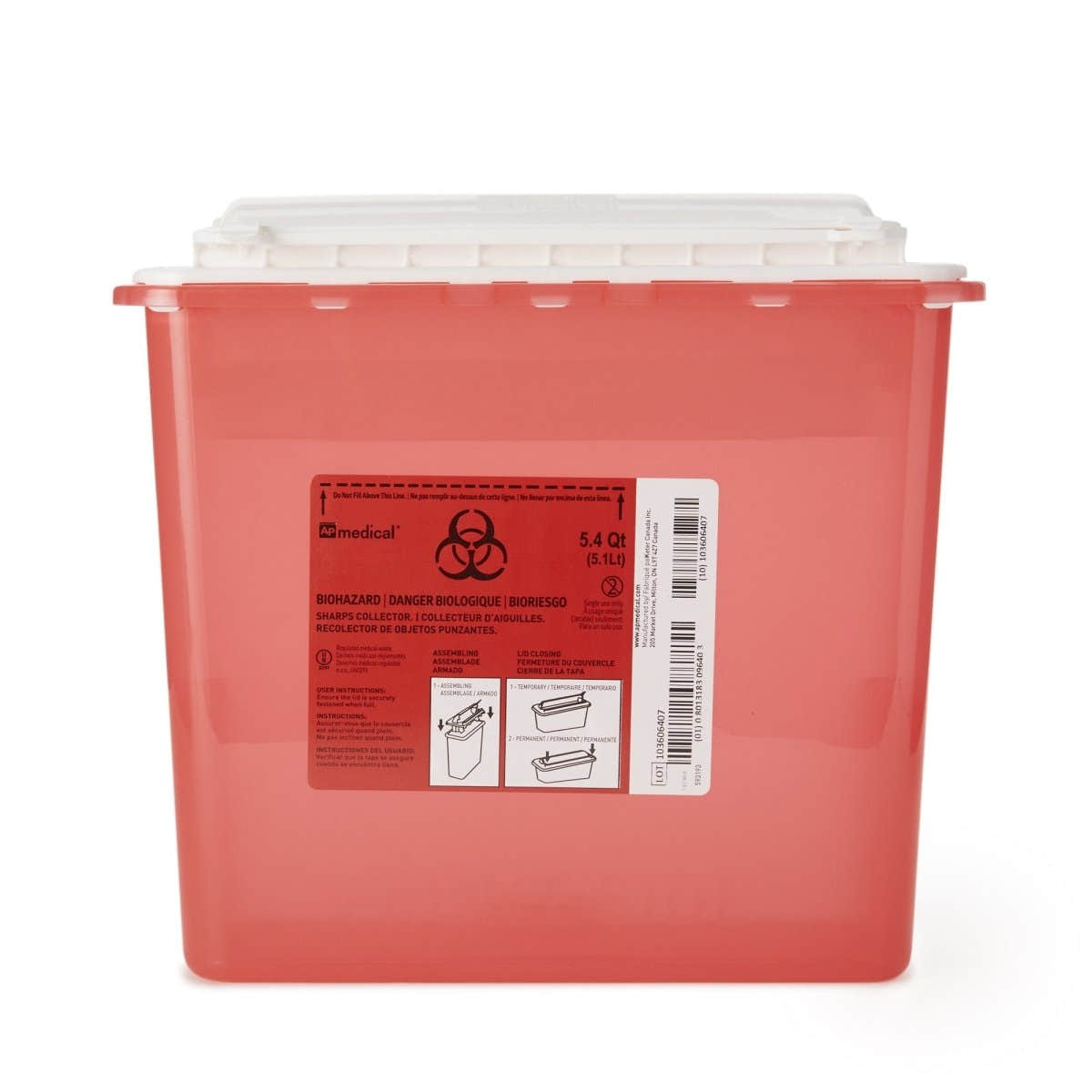
McKesson Trash Can -Each
McKesson Trash Can
Sale priceFrom $101.99
Choose options
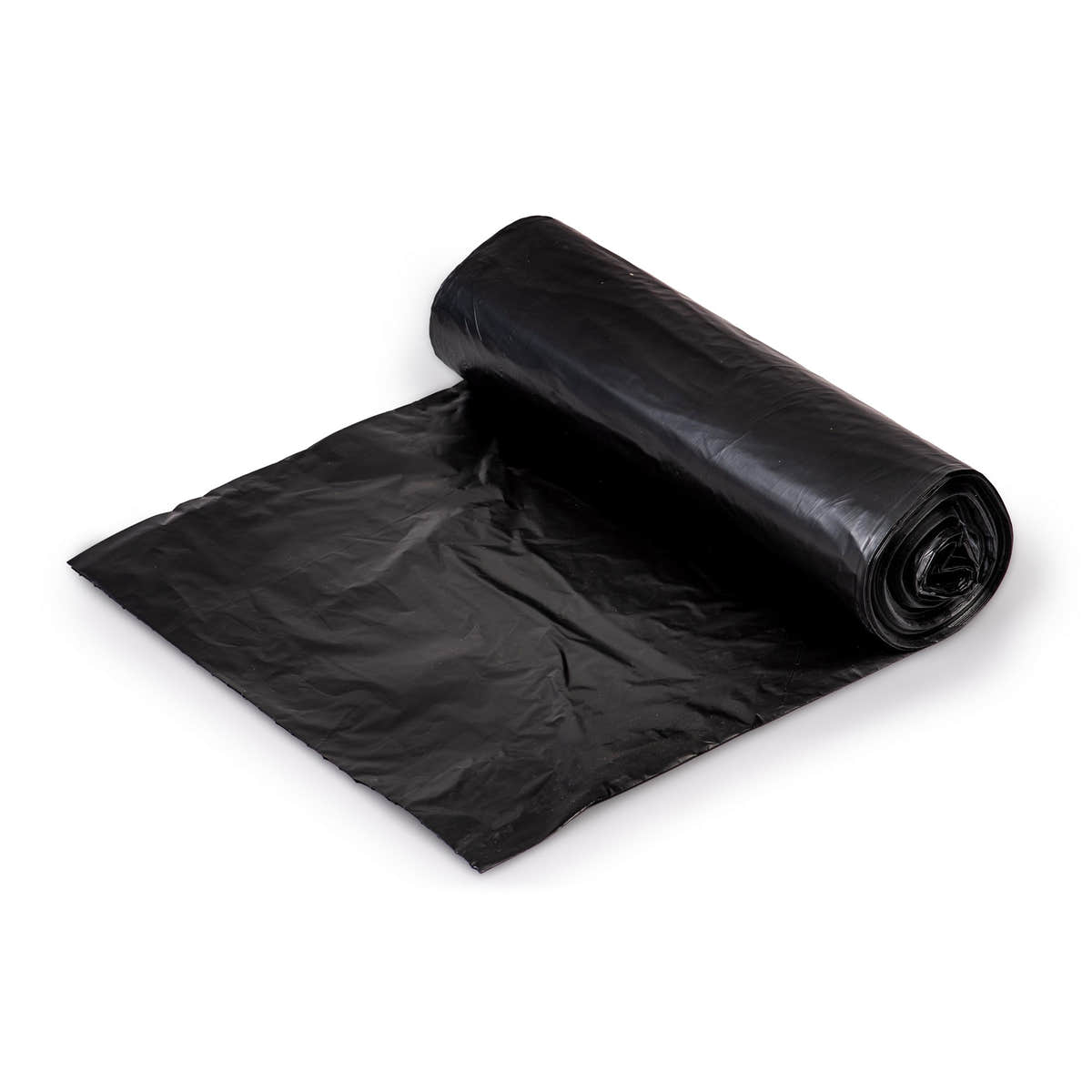
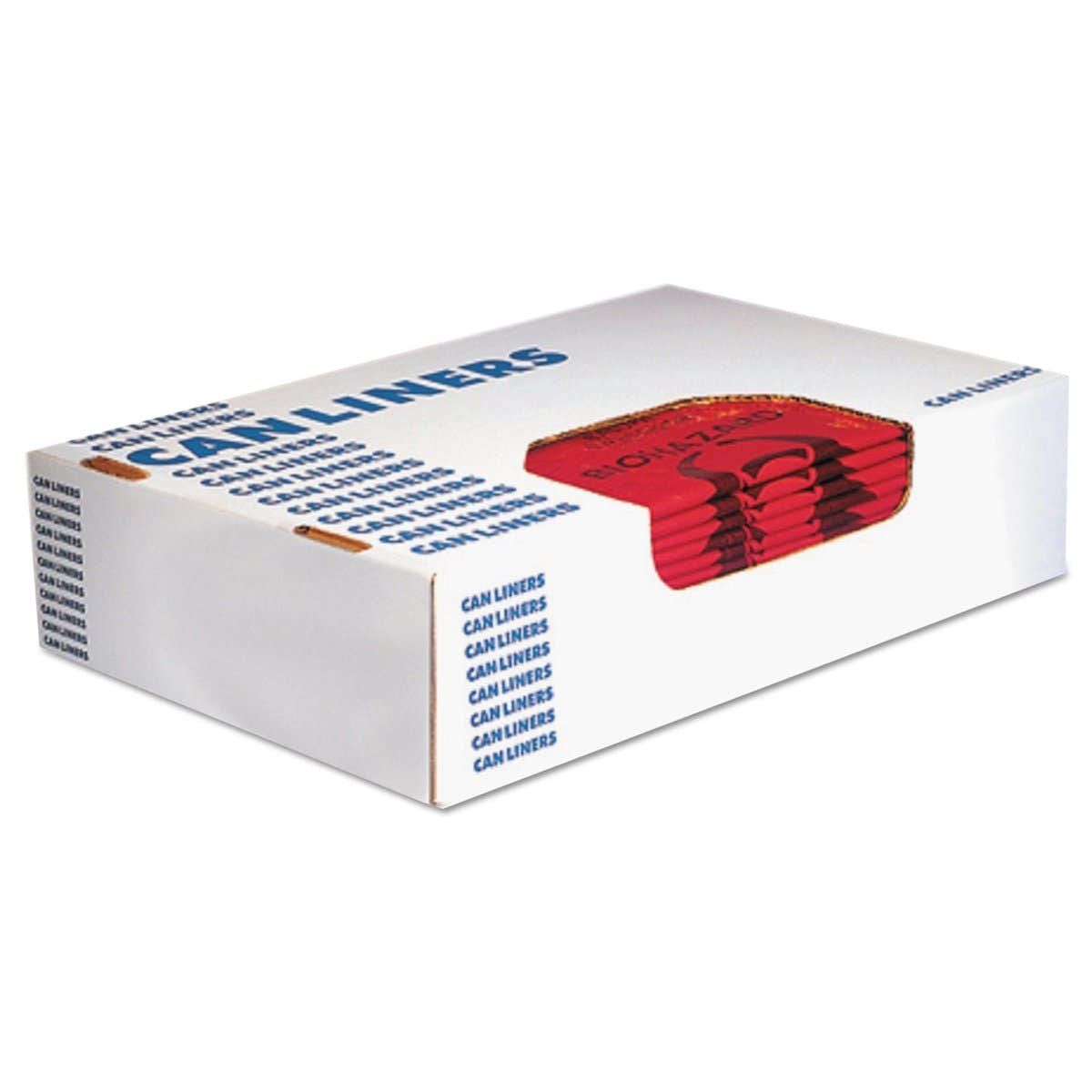
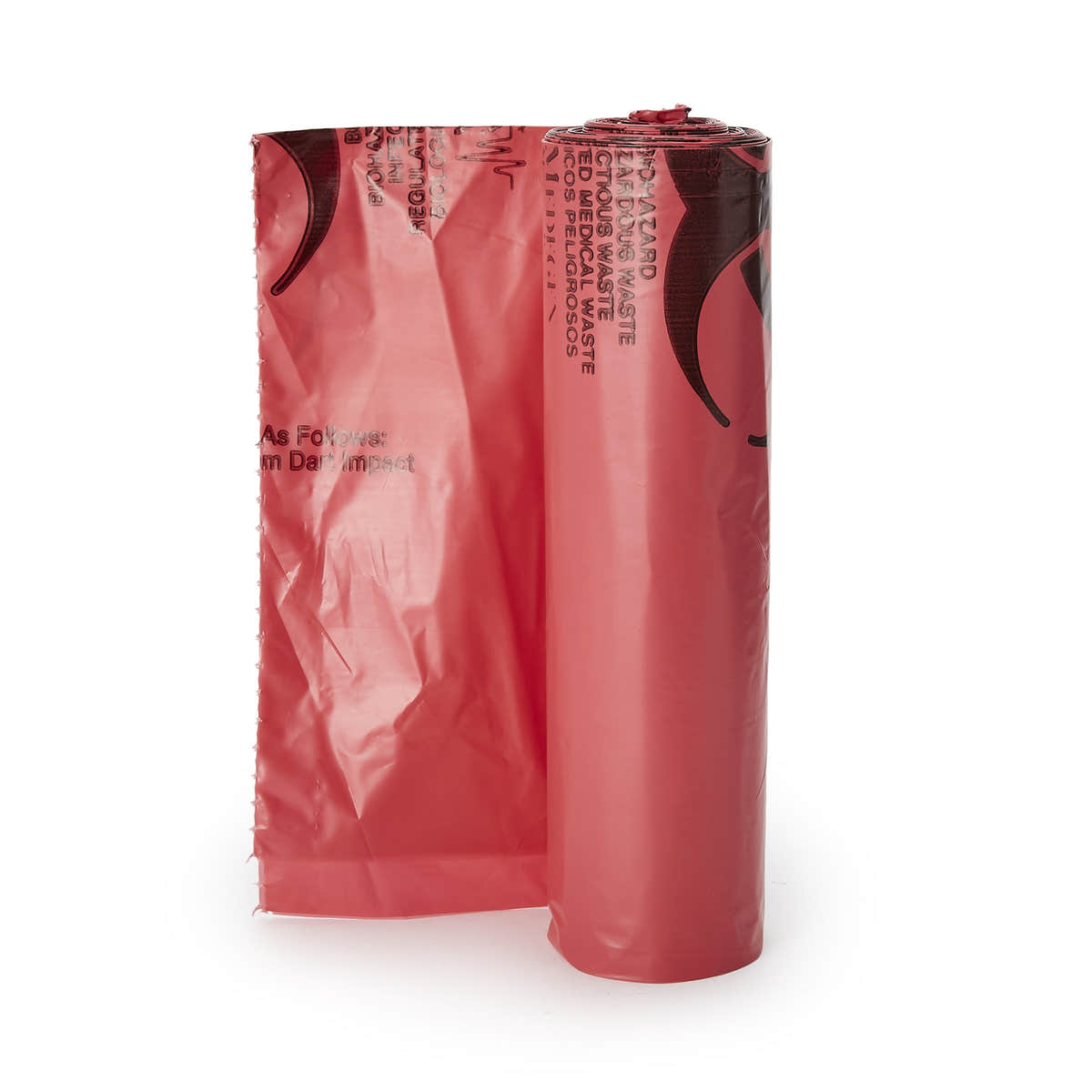
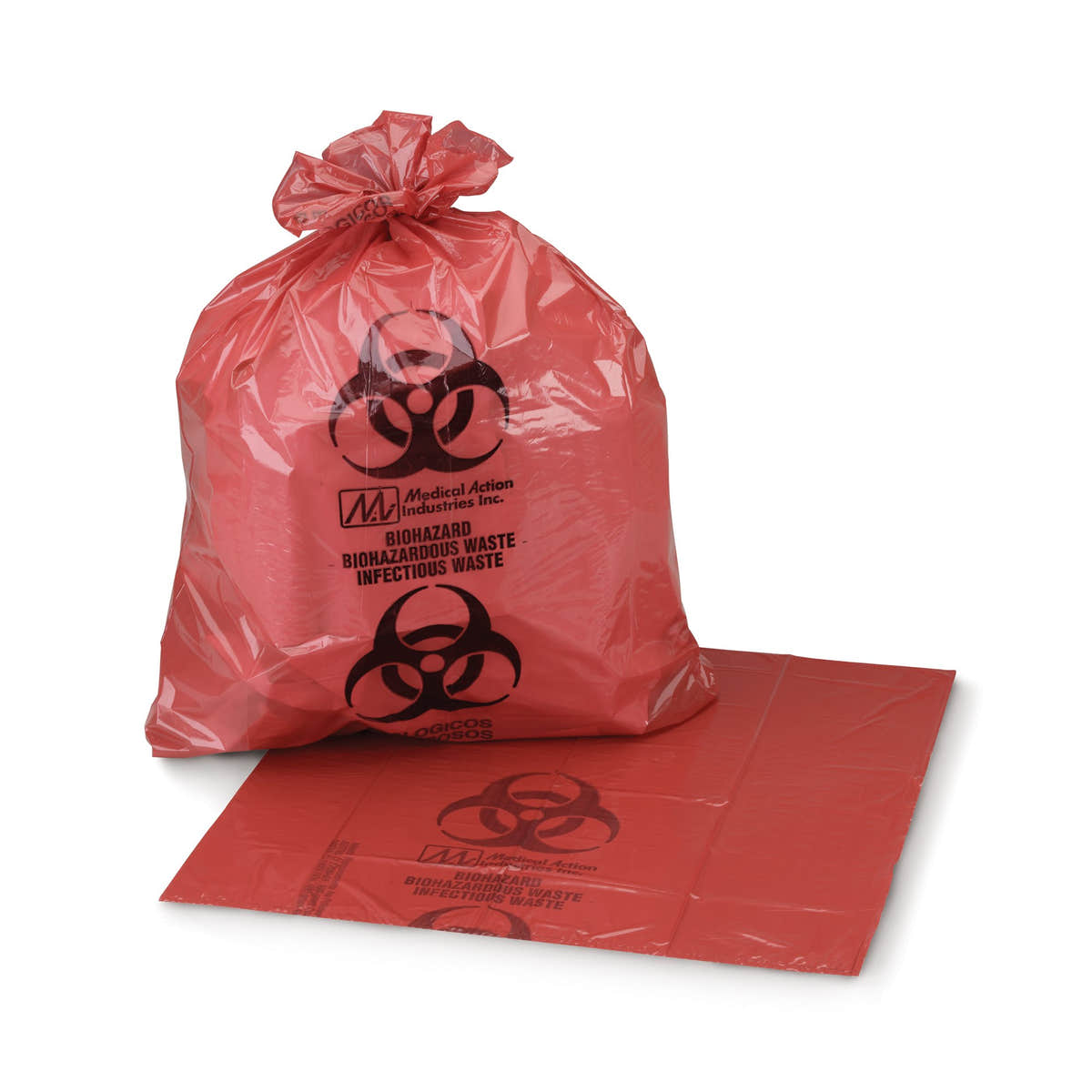
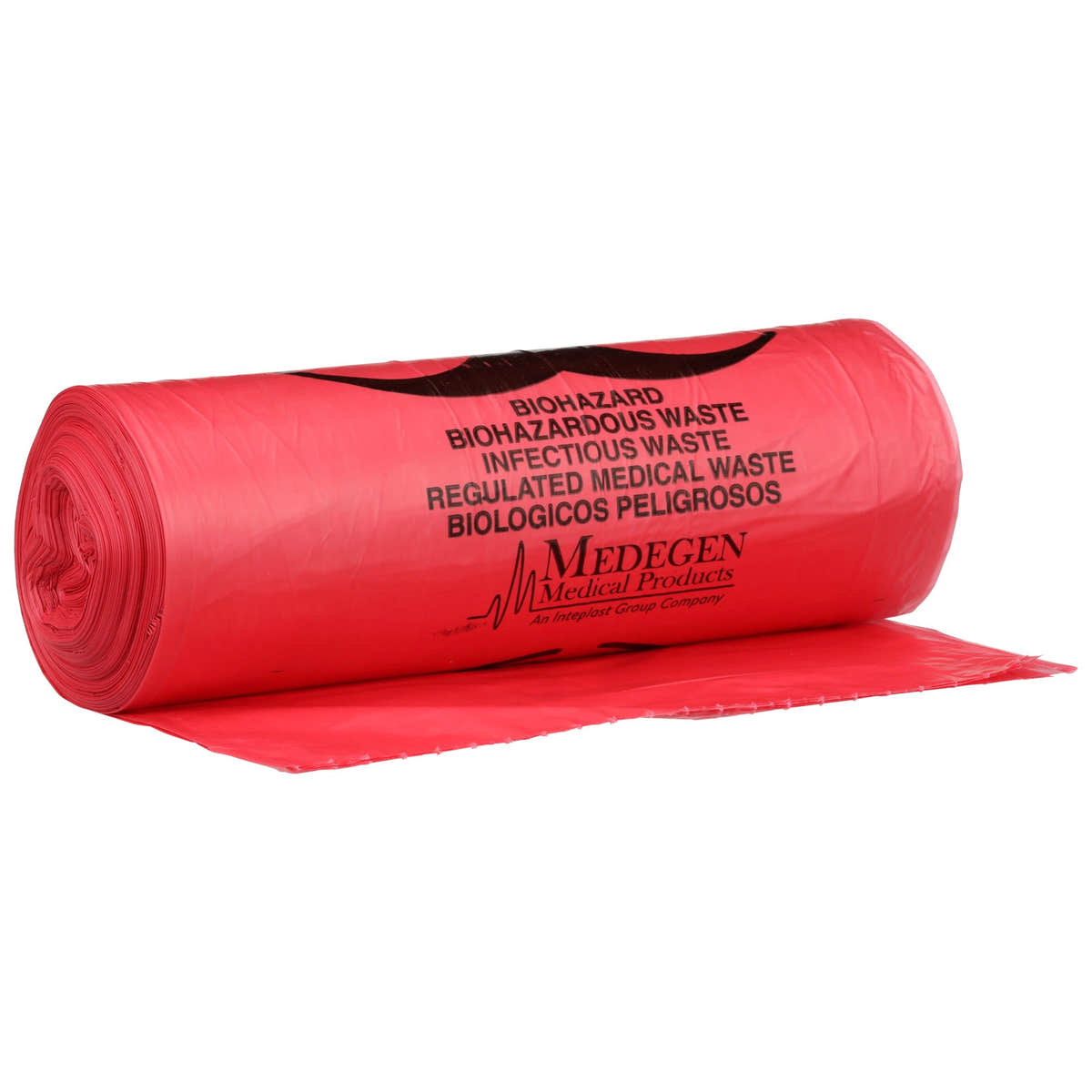
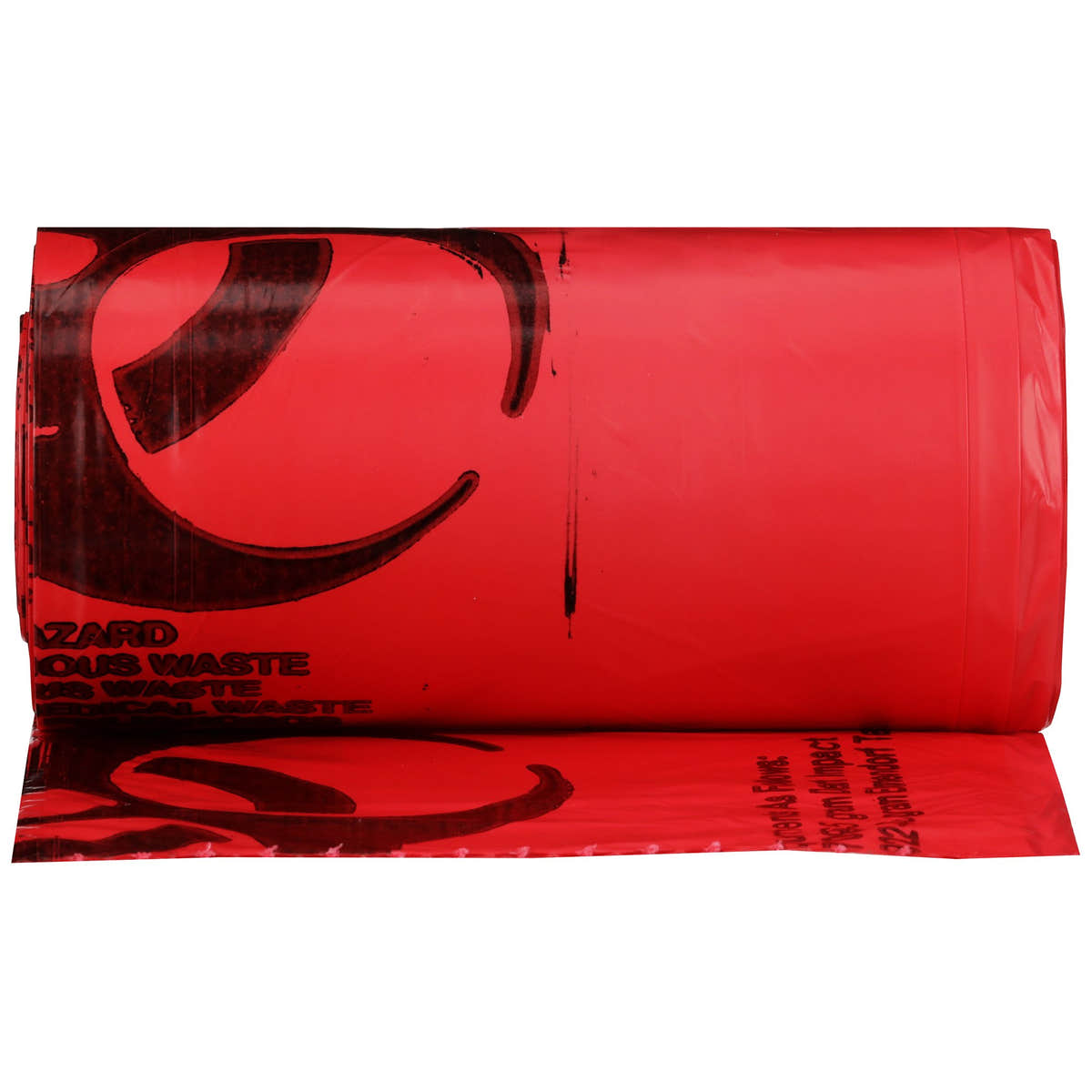
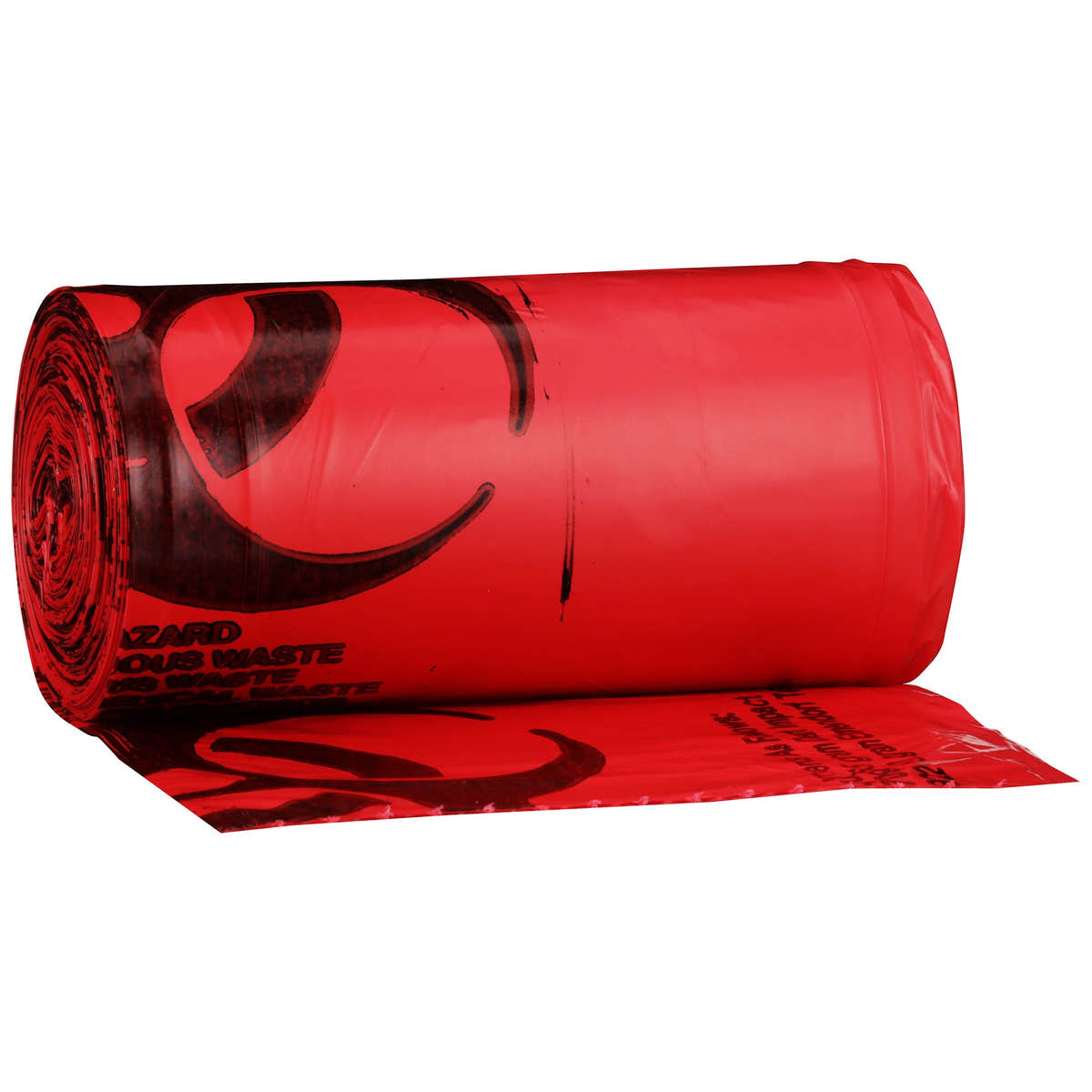
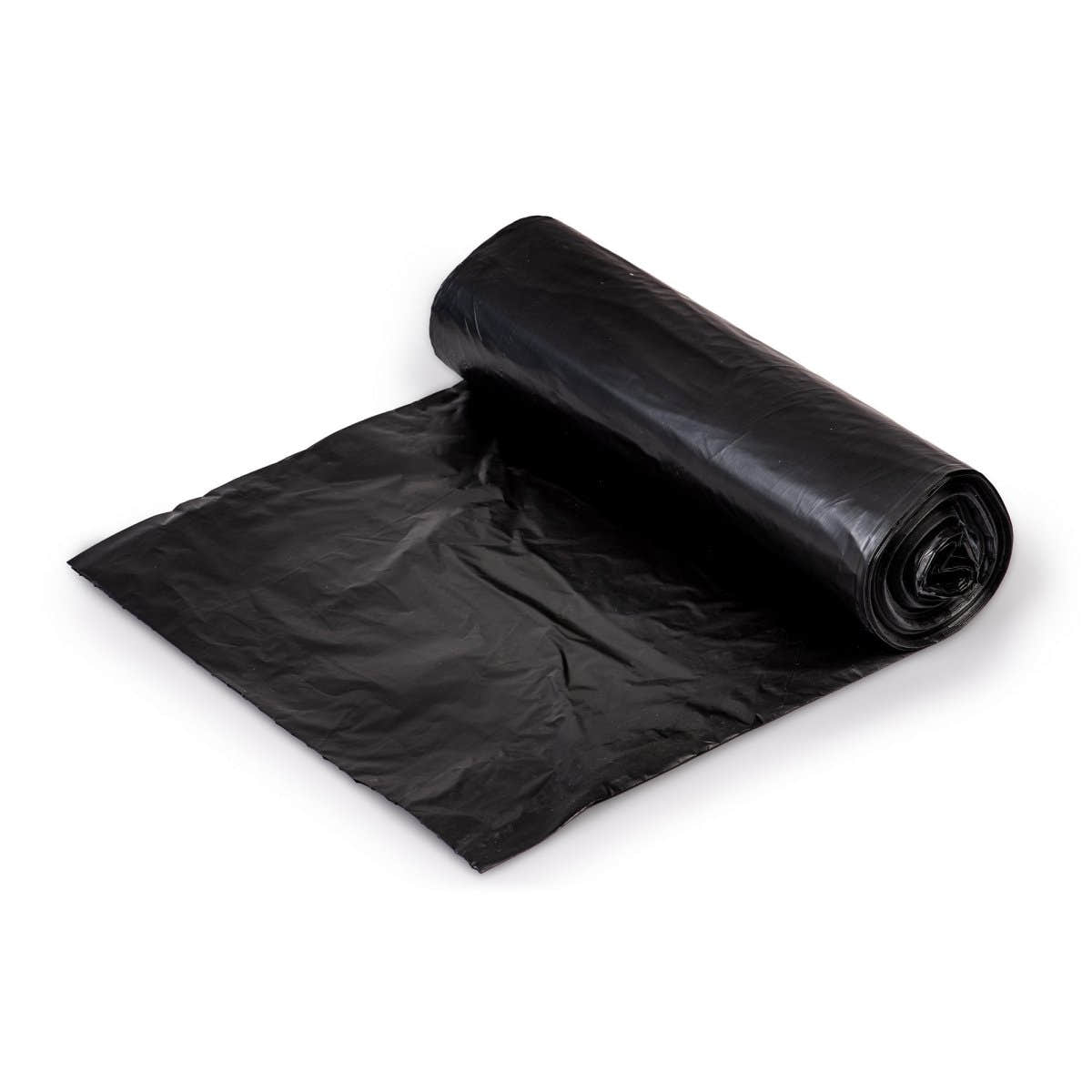
Biohazard Waste Bag -Pack of 200
Biohazard Waste Bag
Sale priceFrom $4.99
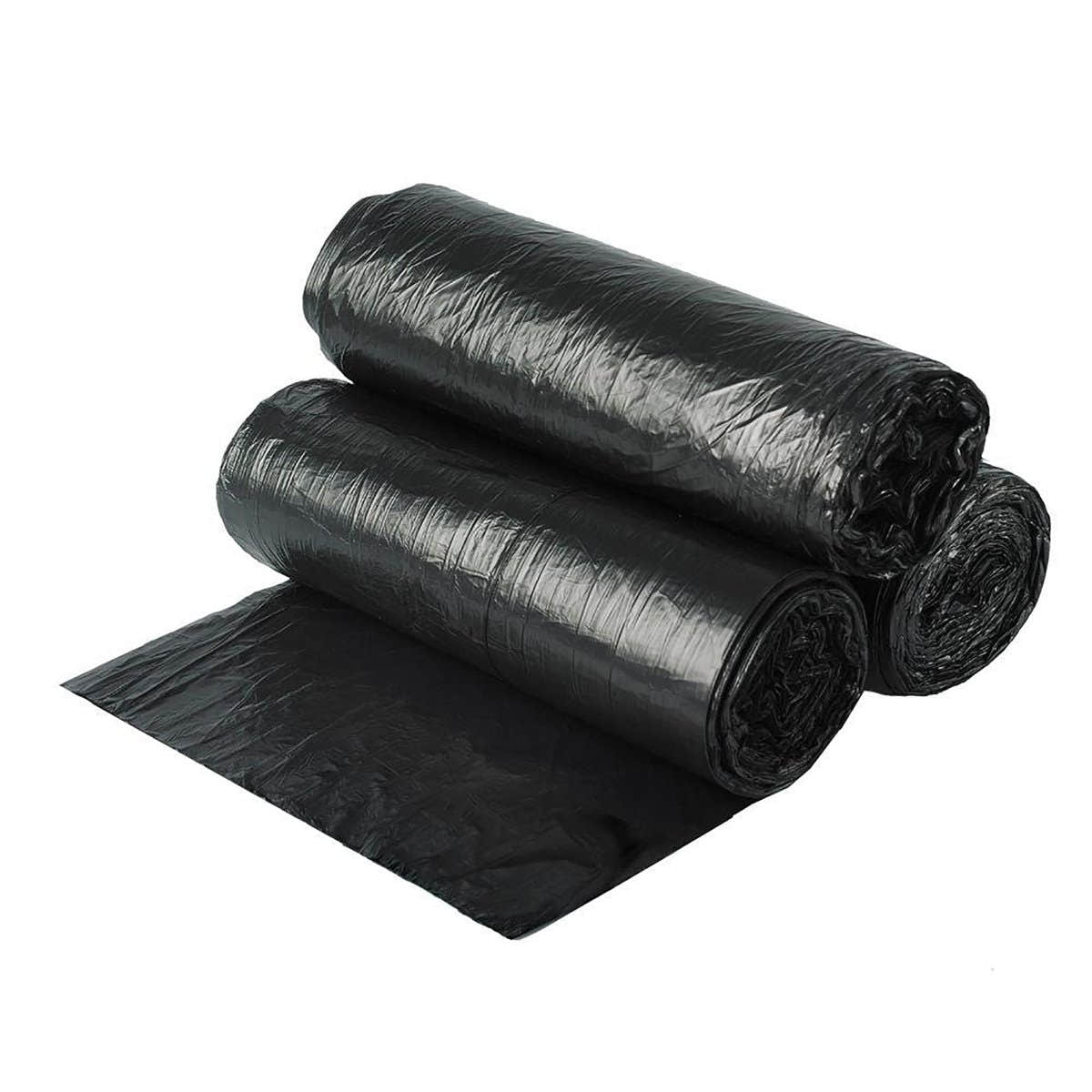
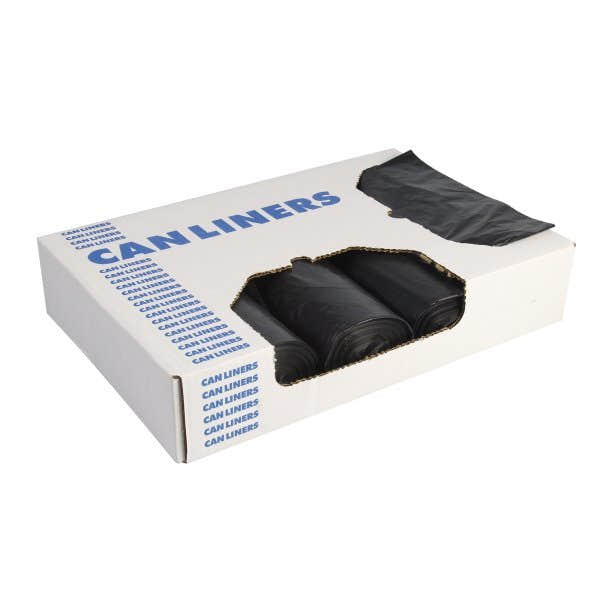
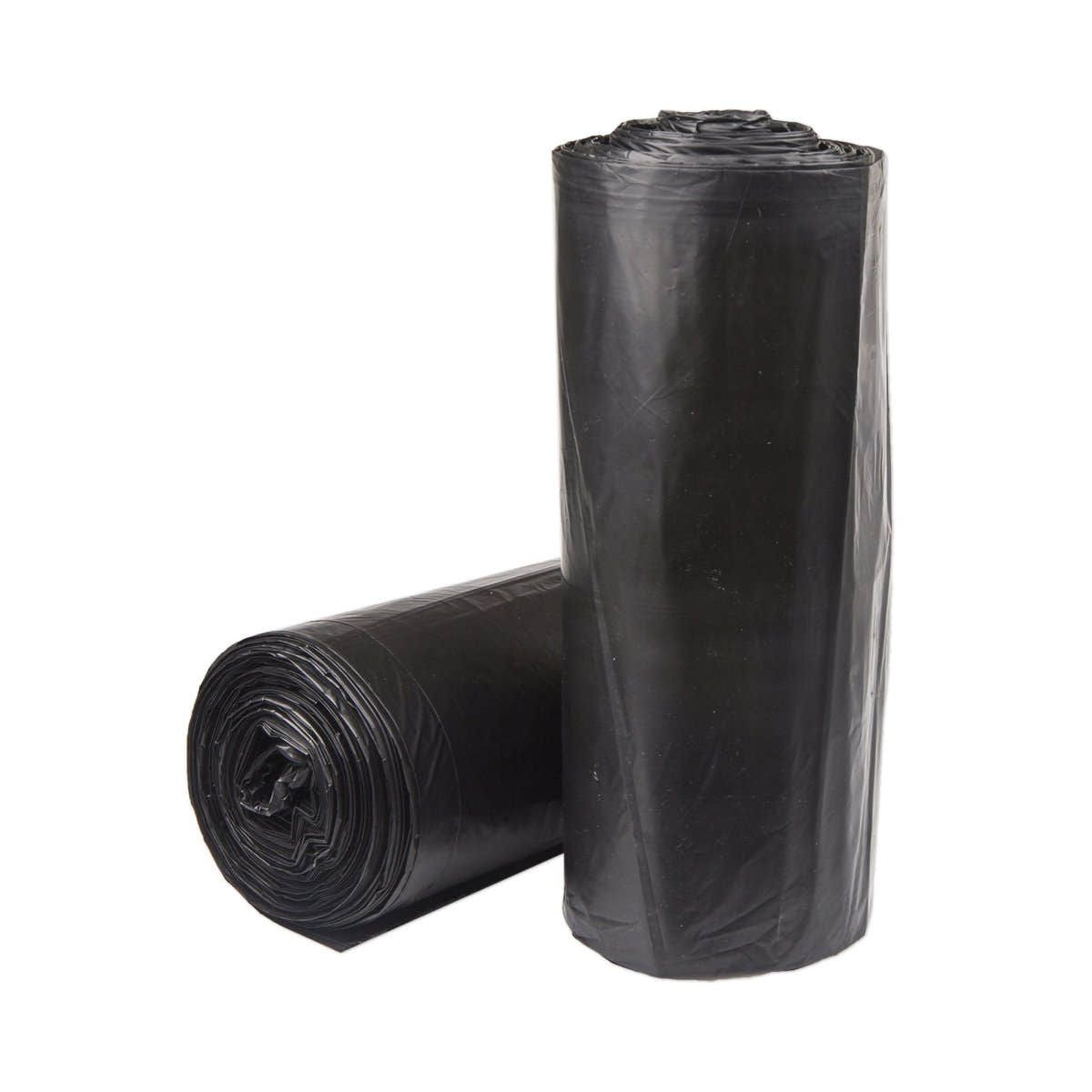
Colonial Bag Medium Duty Trash Bag, Black, 15 gal. - 915311_CS - 1
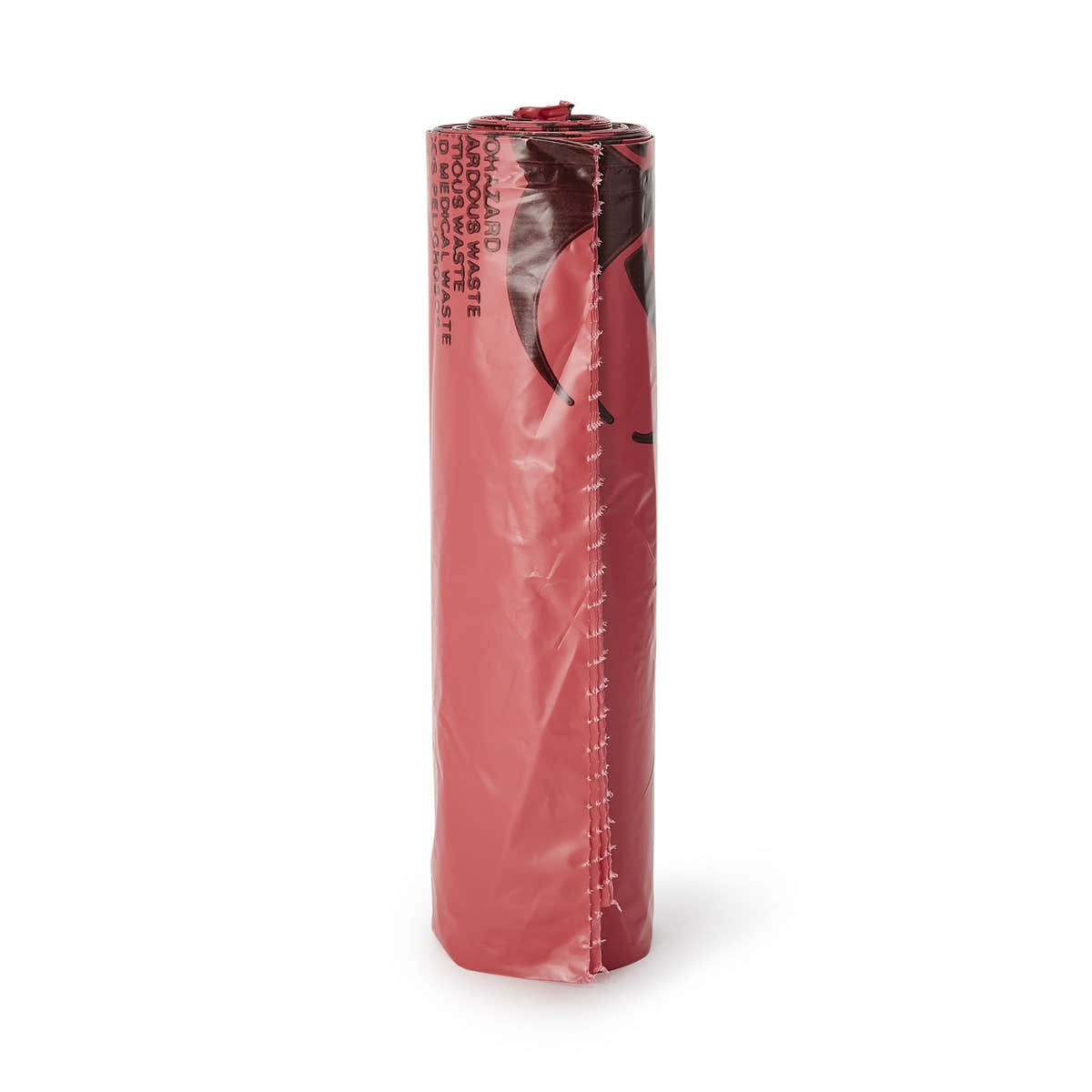
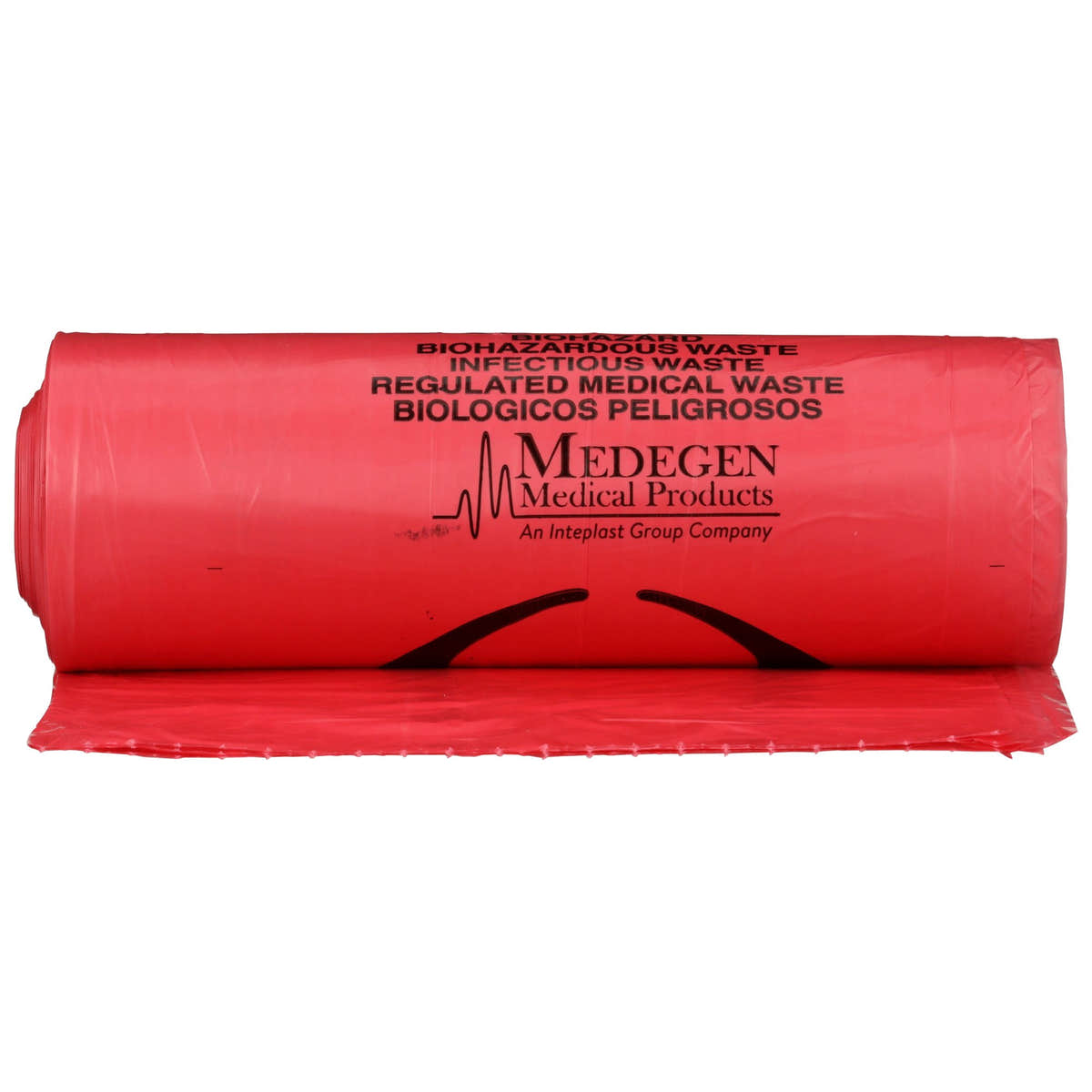
Bio-Bag Infectious Waste Bag -Box of 50
Bio-Bag Infectious Waste Bag
Sale price$120.99
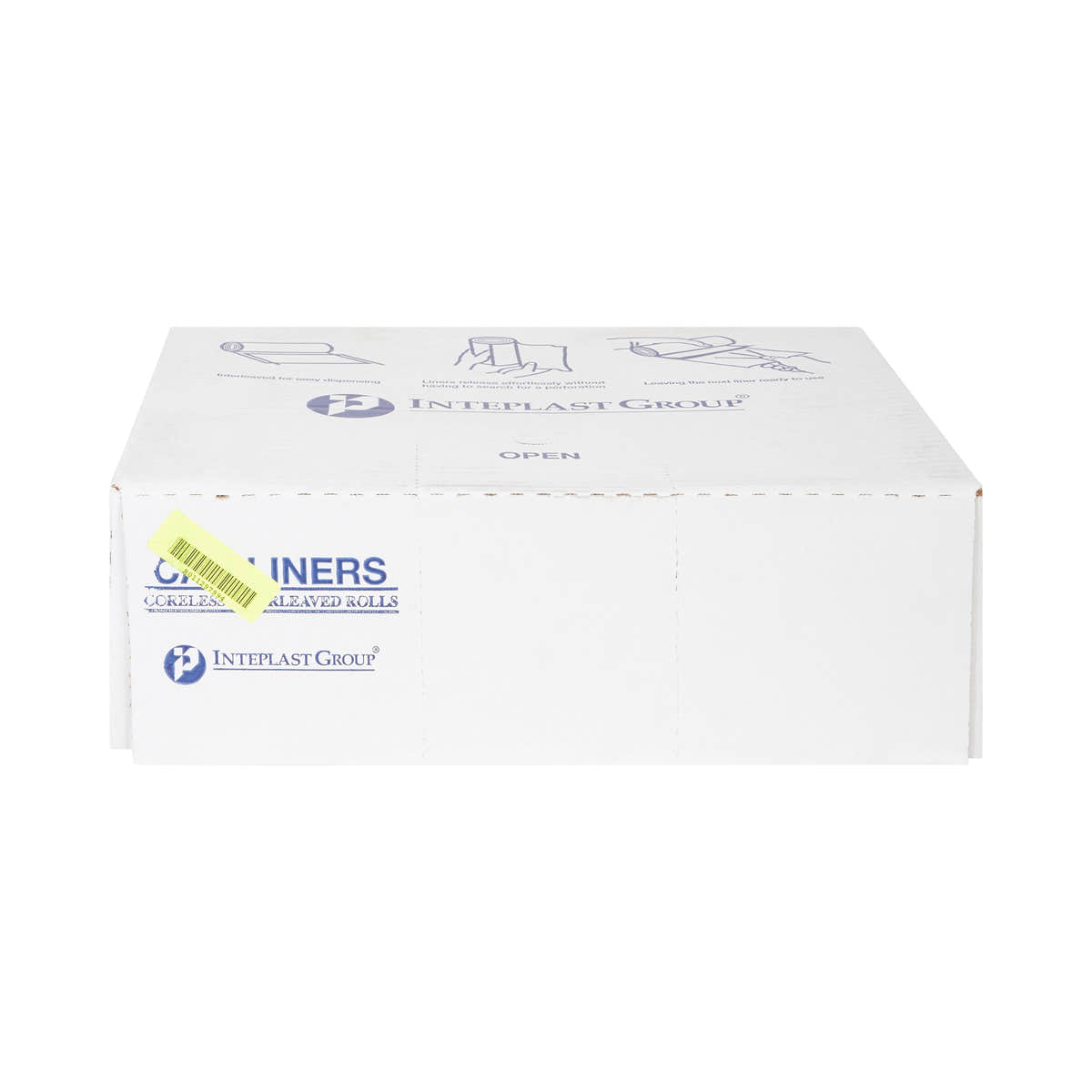
Colonial Bag Corporation Infectious Waste Bag - 941027_CS - 1
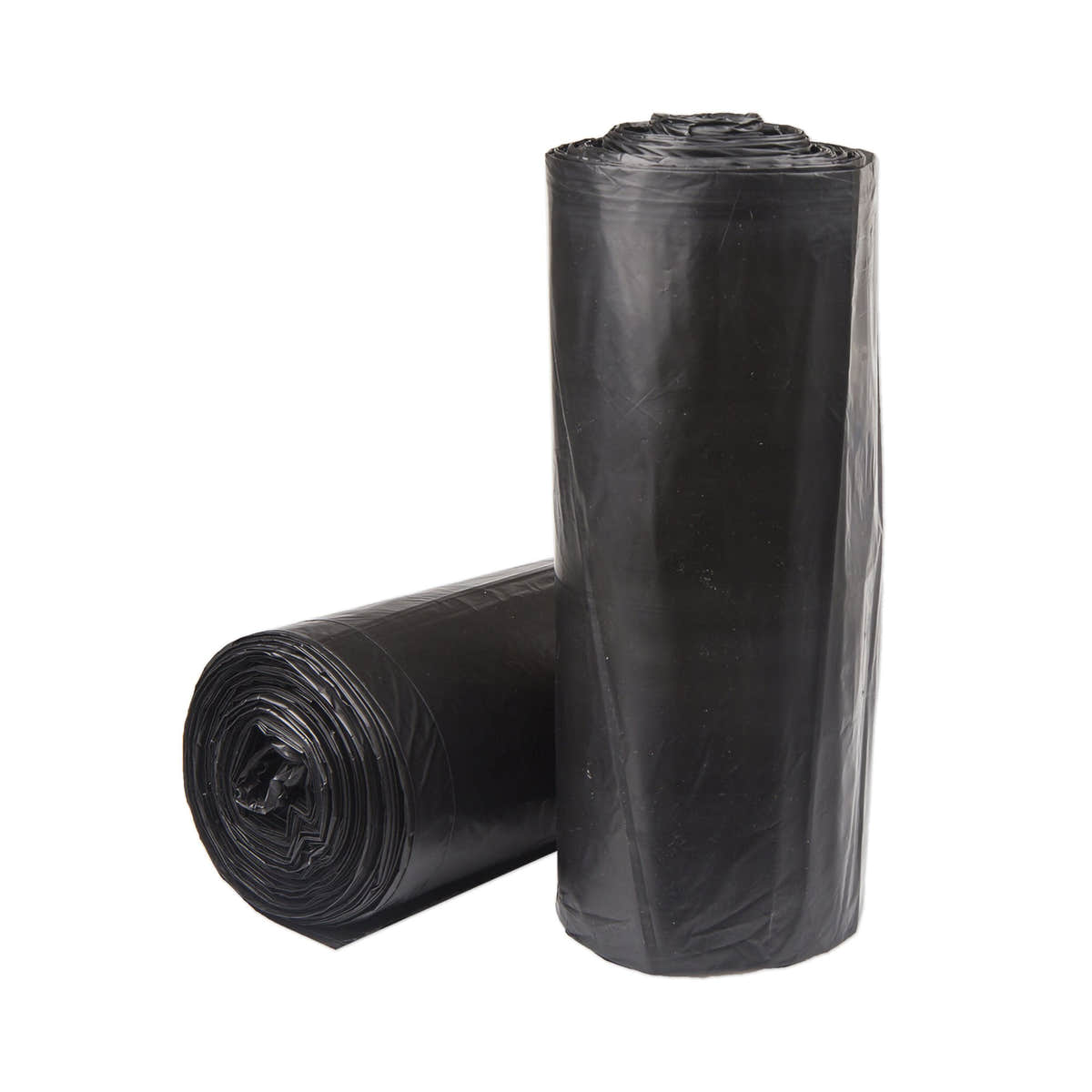
Colonial Bag Trash Bags, 20 to 30 gal - 919733_CS - 1
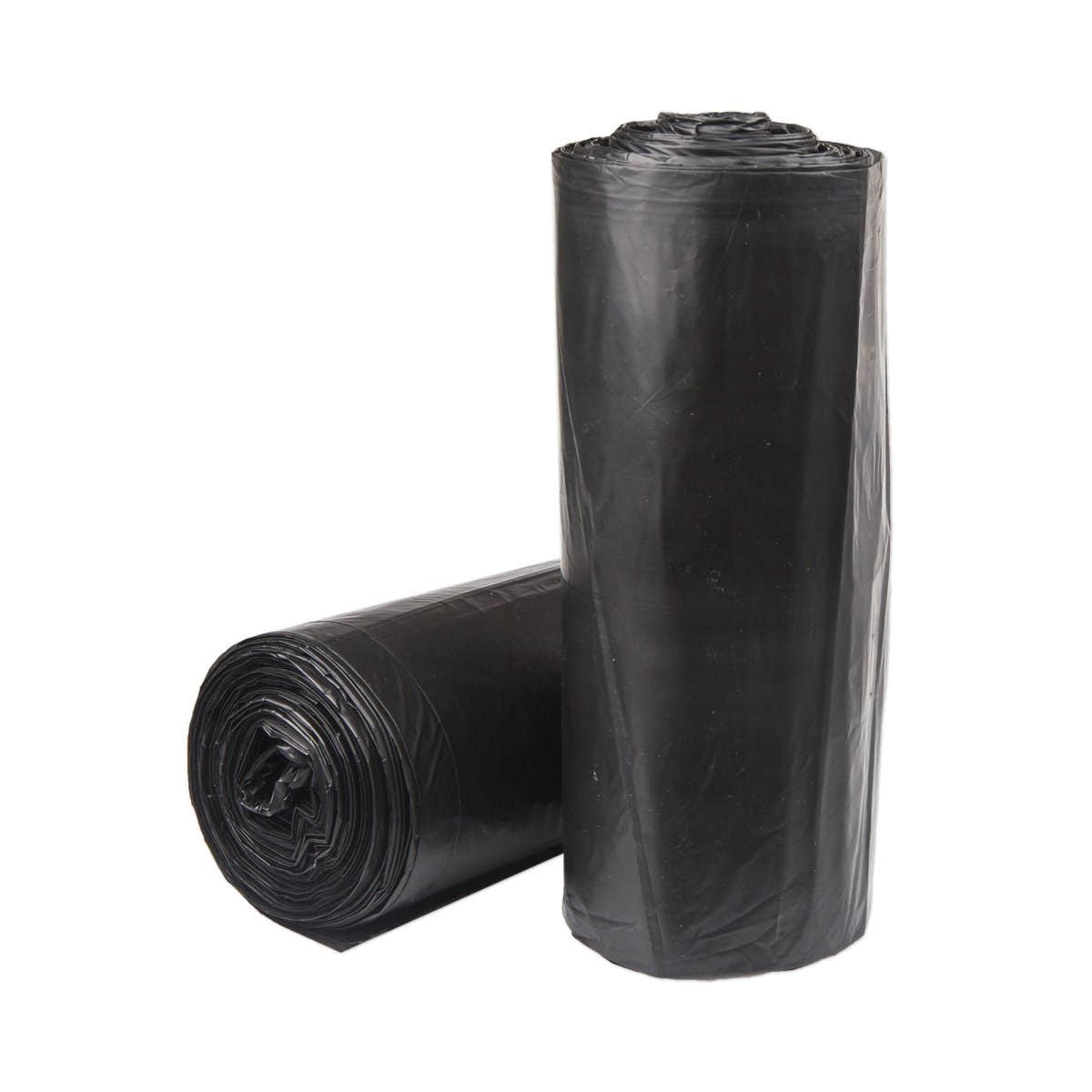
Colonial Trash Bag - 887403_CS - 1
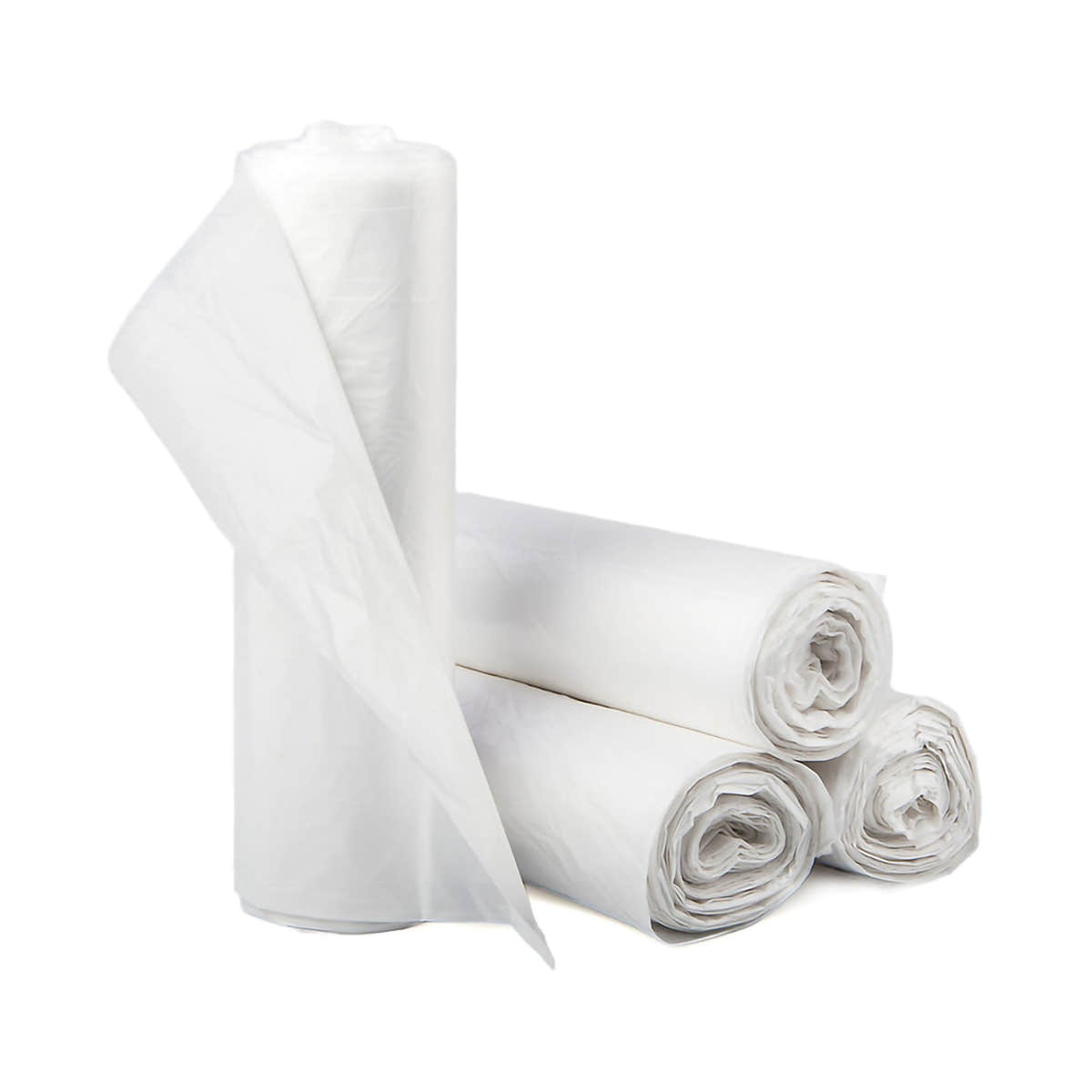
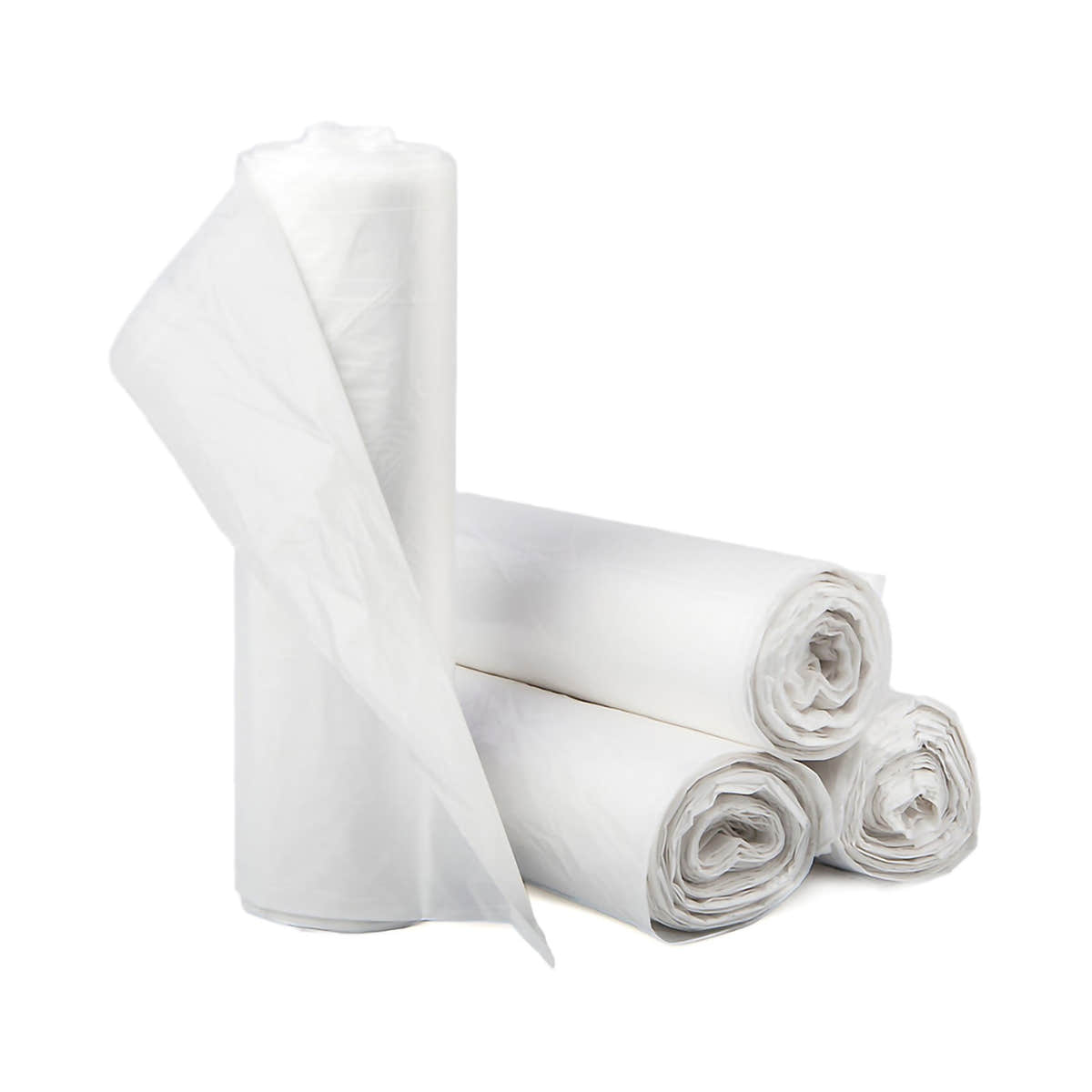
Colonial Trash Bags
Sale price$72.99
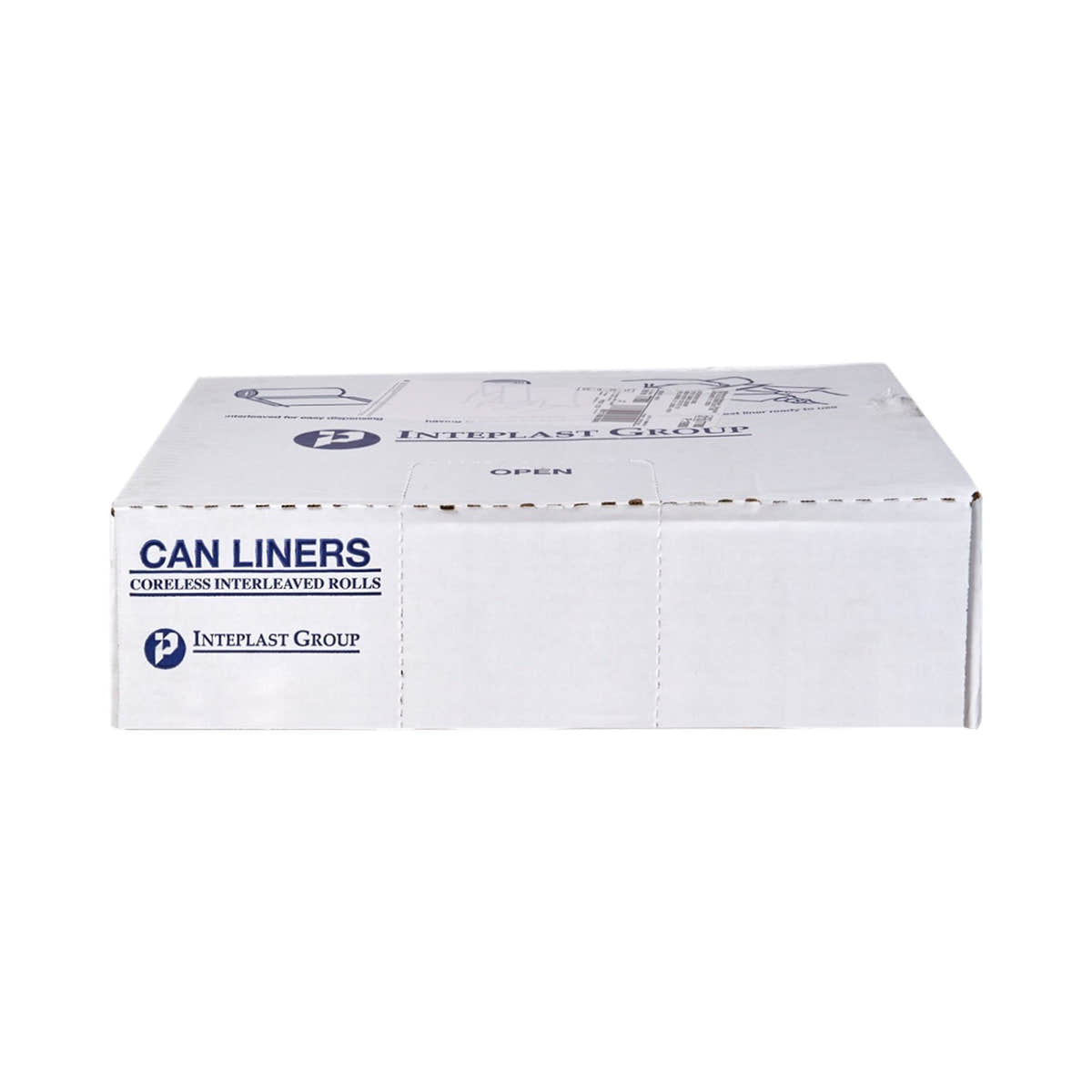
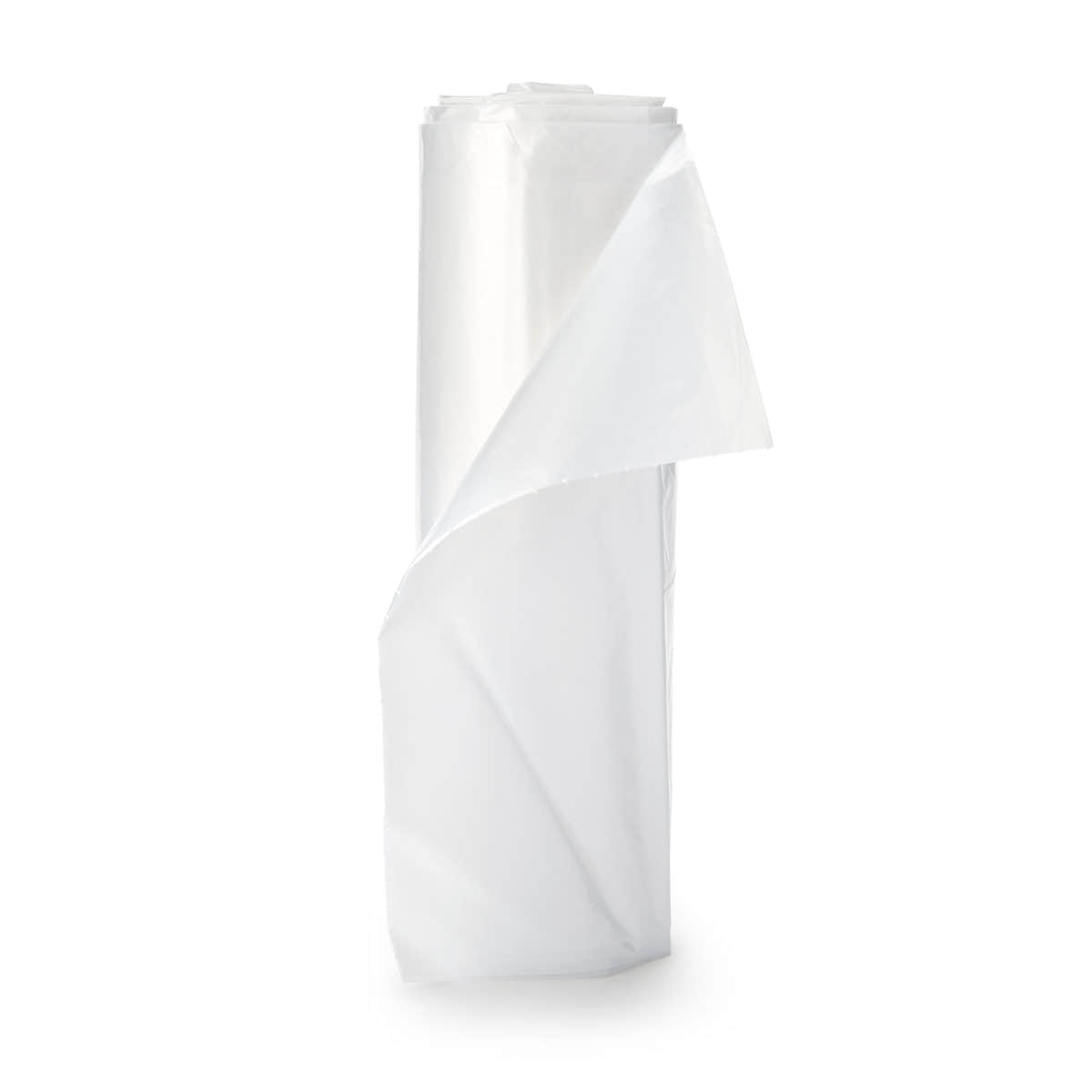
Glad Trash Bag - 1050830_CS - 1
Glad Trash Bag
Sale price$43.99
Heritage Medium Duty Trash Bag, 12-16 gal. Capacity - 472807_CS - 1
Heritage Super Heavy Duty Trash Bag, 60 gal - 513896_CS - 1
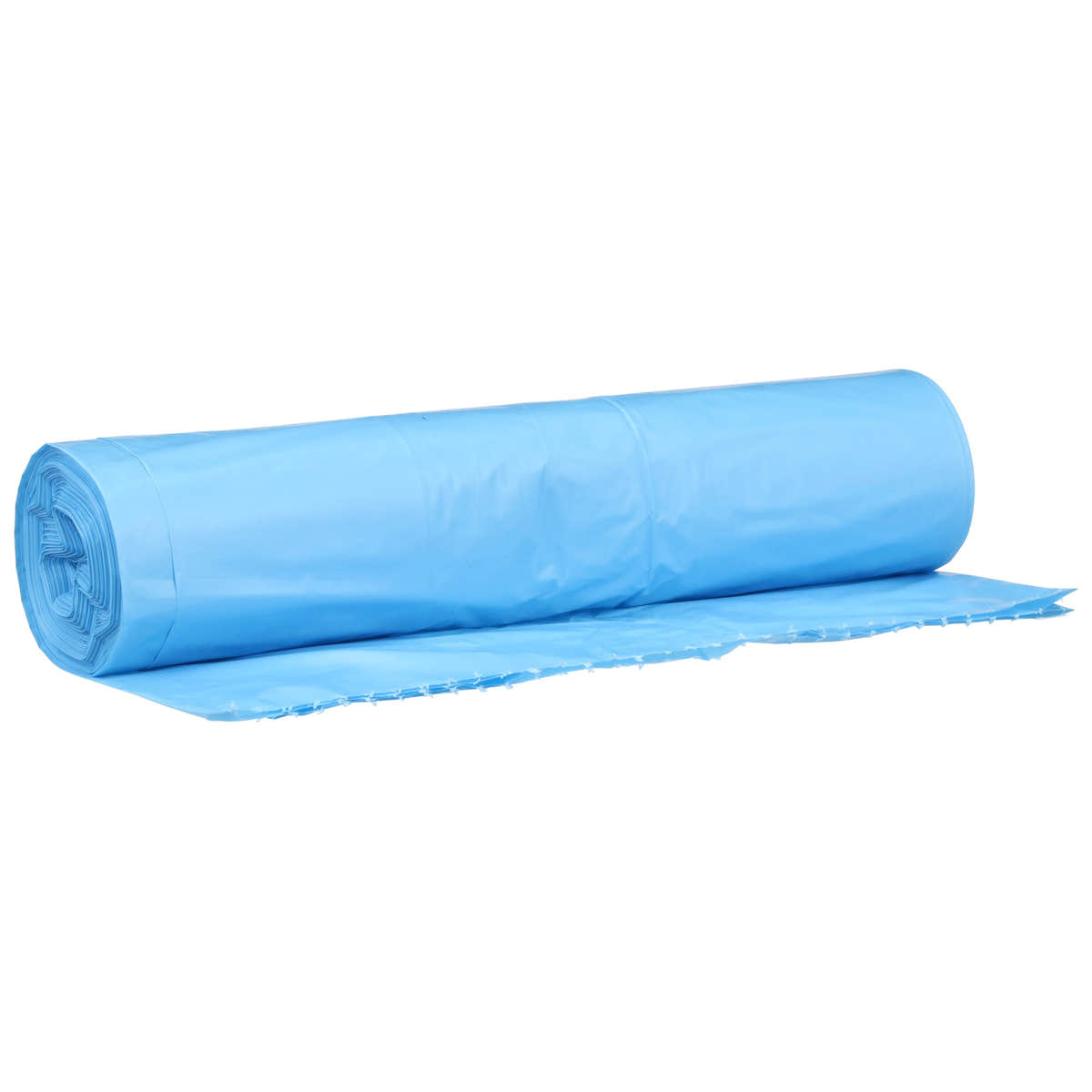
Heritage Super Tuf Trash Bags, 33 gal. Capacity -Case of 150
Heritage Super Tuf Trash Bags
Sale priceFrom $41.99
Heritage Trash Bags - 1055142_CS - 1
Heritage Trash Bags
Sale priceFrom $74.99
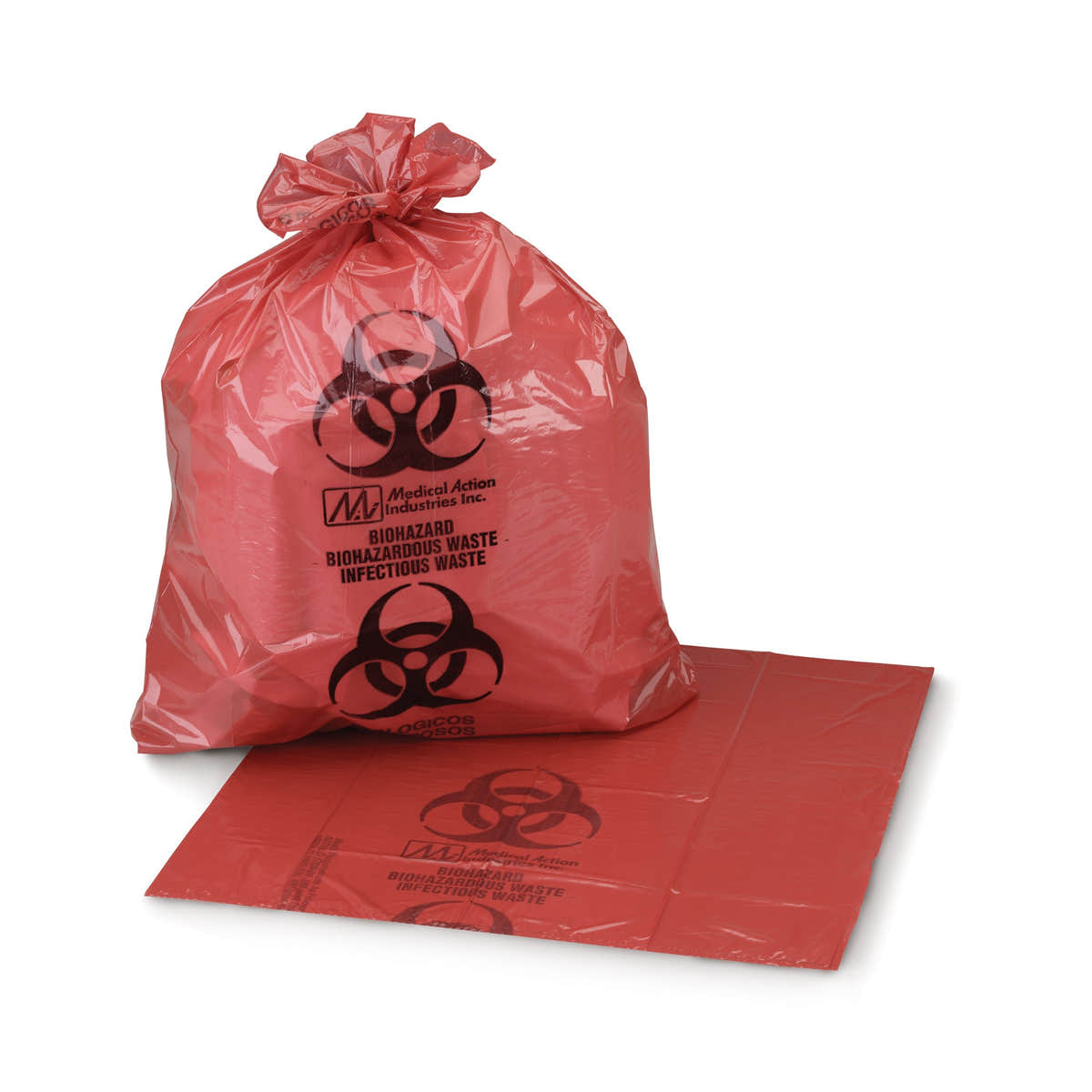
Heritage X-Liner Heavy Duty Trash Bag, 60 gal. Capacity - 695436_CS - 1
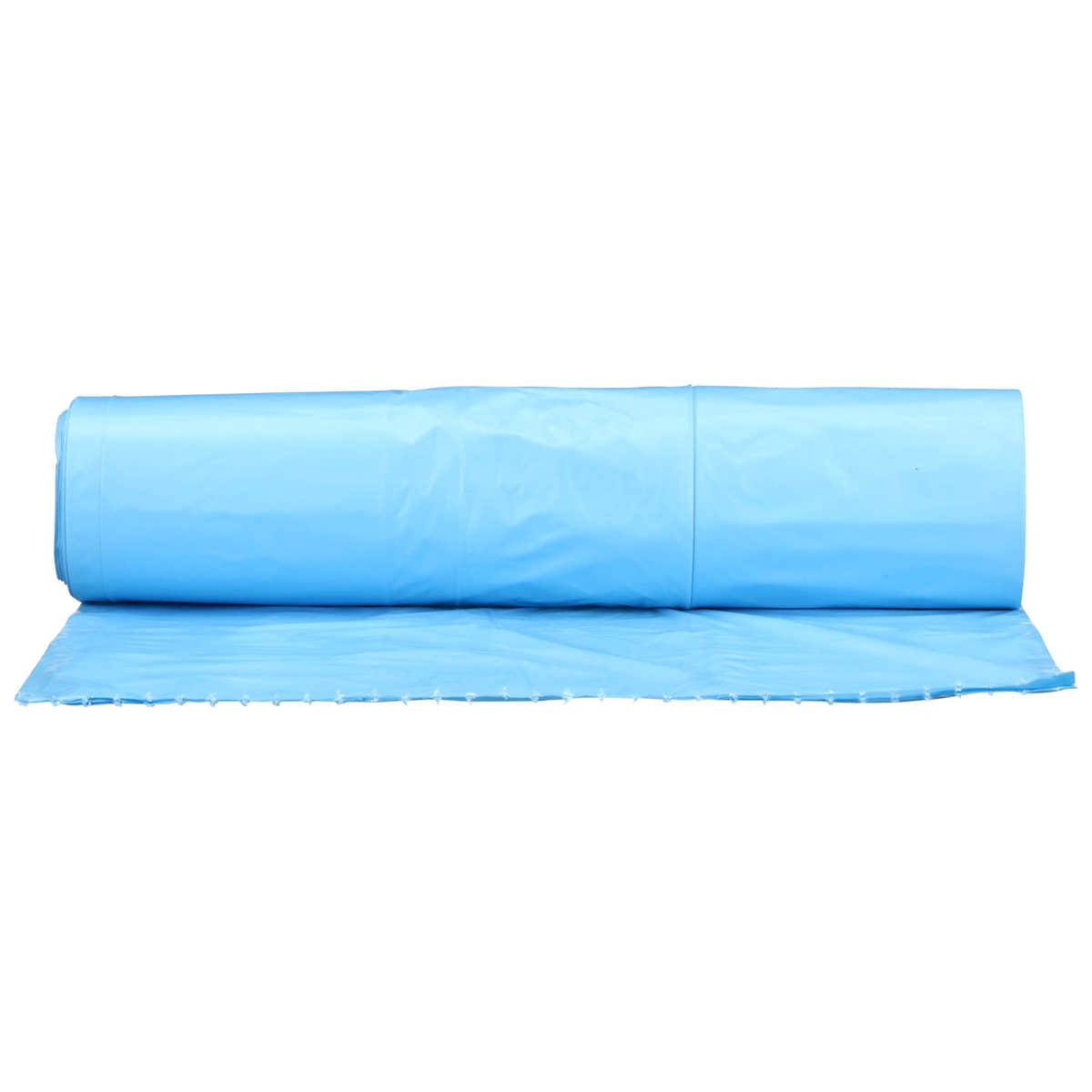
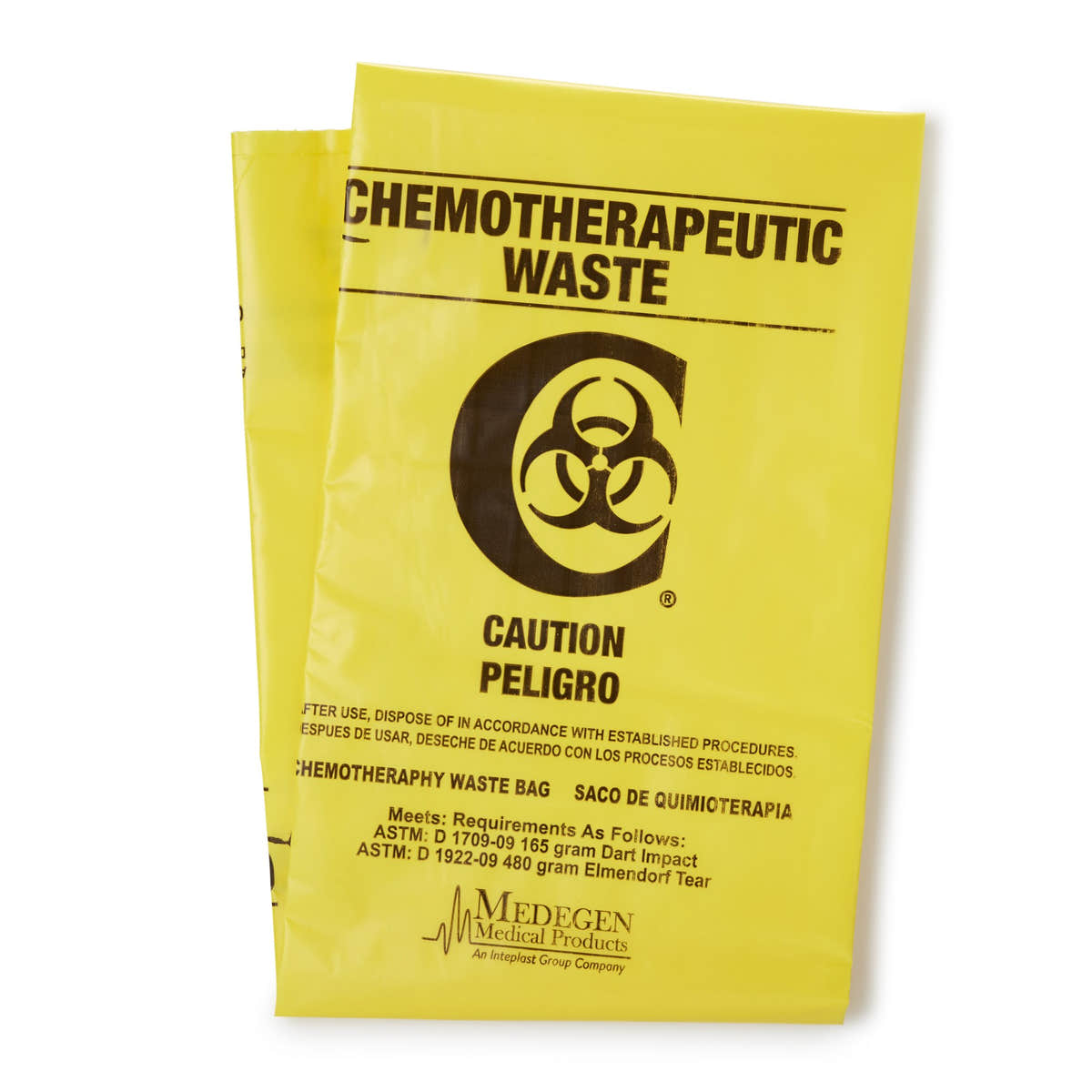
Infectious Waste Bag - 695595_CS - 1
Infectious Waste Bag
Sale price$60.99

Frequently Asked Questions about Waste Receptacles

Waste receptacles in healthcare settings are designed to collect and contain various types of waste, including medical waste, to maintain a clean and hygienic environment. They help prevent the spread of infections and ensure proper waste management.

Healthcare waste receptacles should be used for disposing of various types of waste generated in healthcare facilities, such as gloves, gauze, bandages, disposable syringes, medical packaging, and other items contaminated with bodily fluids or potentially infectious materials. Proper segregation and disposal procedures should be followed according to local regulations and guidelines.

Waste receptacles in healthcare settings should be clearly labeled with color-coded signage to indicate the type of waste that should be placed inside. For example, yellow bins are typically used for infectious waste, red bins for hazardous waste, and so on. Proper labeling helps healthcare professionals and staff to identify and dispose of waste correctly.

When selecting waste receptacles for healthcare facilities, it's essential to consider factors such as size, durability, ease of cleaning, lid design (to prevent odors and the spread of airborne contaminants), foot-pedal operation (to promote hands-free use), and compatibility with waste disposal systems (e.g., liners, sharps containers). Additionally, compliance with local waste management regulations should be ensured.

The frequency of waste receptacle emptying in healthcare settings depends on the waste volume, type of waste, and local regulations. However, it is generally recommended to empty and replace waste receptacles regularly to prevent overfilling, odor buildup, and the risk of contamination. Adhering to a routine schedule and monitoring waste levels can help determine the appropriate frequency for emptying.

Waste receptacles in healthcare settings should be regularly cleaned and disinfected to maintain hygiene standards. Cleaning protocols may vary depending on the receptacle material, but typically involve using appropriate disinfectants, wiping down surfaces, and rinsing with water. It's crucial to follow facility-specific cleaning guidelines and use personal protective equipment (PPE) when handling waste receptacles.

Some best practices for handling waste receptacles in healthcare settings include ensuring proper waste segregation, closing lids tightly after use, avoiding overfilling, using liners or bags designed for healthcare waste, using foot-pedals or touchless mechanisms to minimize contact, and properly securing and transporting filled receptacles to designated waste disposal areas. Regular training and education on waste management practices are also important.

Yes, there are safety precautions to follow when dealing with waste receptacles in healthcare facilities. These include wearing appropriate PPE (such as gloves and protective clothing), avoiding direct contact with waste, avoiding overfilling receptacles to prevent spills, using caution when handling sharps containers, and following facility-specific protocols for waste handling and disposal to minimize the risk of injury or exposure to hazardous materials.

While waste receptacles in healthcare settings are primarily designed for medical waste disposal, separate receptacles can be designated for recyclable materials, such as paper, plastics, and other non-infectious items. Implementing recycling programs can help reduce waste and promote environmental sustainability in healthcare facilities

Recently viewed