Foam Dressings

95 products

Showing 1 - 24 of 95 products

Foam Dressings - Soft, Comfortable Wound Care for Healing and Protection

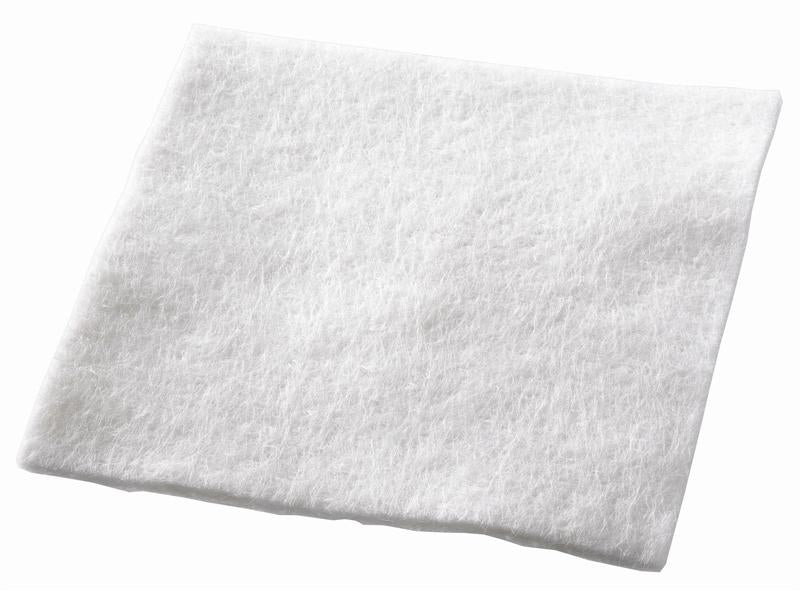
Foam dressings are a popular choice for wound care due to their soft, comfortable feel and versatility. These dressings are made of a soft, spongy foam material that conforms to the shape of the wound and helps to protect it from further irritation or damage.

Showing 1 - 24 of 95 products
View
Aquacel Nonadhesive without Border Foam Dressing, 6 x 8 Inch - 802591_BX - 1
Restore Nonadhesive without Border Foam Dressing, 4 x 4 Inch - 725368_BX - 1
Kendall Adhesive with Border Foam Dressing, 6 x 6 Inch - 548582_BX - 1
Kendall Adhesive with Border Foam Dressing, 4 x 4 Inch - 548570_BX - 1

Frequently Asked Questions about Foam Dressings

Foam dressings are soft, absorbent wound coverings used to protect wounds, manage drainage, and maintain a moist healing environment. Foam dressings work well for pressure ulcers, leg ulcers, and surgical wounds. Their spongy structure conforms to the wound surface, helping reduce irritation while supporting the body's natural healing process.

Foam dressings are designed for patients and caregivers managing moderate to heavily draining wounds such as pressure ulcers, venous leg ulcers, and post-surgical sites. Foam dressings are commonly recommended by wound care nurses and clinicians, but many options are also suitable for home use when following a healthcare provider's guidance.

Start by cleaning the wound thoroughly and allowing the skin around it to dry before applying a foam dressing. If using an adhesive-bordered foam dressing, peel and press the border firmly onto intact skin surrounding the wound. For non-adhesive foam dressings, secure the dressing in place with medical tape or a secondary bandage.

Silicone foam dressings feature a soft silicone contact layer that allows gentle removal without disturbing the wound bed or surrounding skin, while regular foam dressings typically use a standard adhesive or are held in place with tape. Silicone foam dressings are often preferred for fragile or sensitive skin where minimizing trauma during dressing changes is a priority.

Foam dressings are generally changed when the dressing becomes saturated, the wound shows signs of infection, or as directed by a healthcare provider — typically every two to seven days depending on wound drainage levels. Leaving a foam dressing in place too long can lead to maceration of the surrounding skin, so monitoring the wound regularly is important.

Foam dressings are available in a wide range of sizes to fit different wound locations and dimensions, with common options including small squares around 3½ x 3½ inches, mid-range sizes like 4 x 4 inches and 5 x 5 inches, and larger formats such as 6 x 8 inches. Specialty shapes, including circular and tracheostomy-specific designs, are also available to accommodate unique wound sites.

Yes, many foam dressings are specifically formulated to be safe for sensitive or fragile skin, particularly silicone foam dressings that use a gentle adhesive designed to minimize skin stripping during removal. When selecting foam dressings for elderly patients or those with compromised skin integrity, silicone-bordered options are generally the most skin-friendly choice available.

Because foam dressings maintain a moist wound environment, they support faster and more effective healing compared to dry dressings for many wound types. Foam dressings also cushion the wound from pressure and friction, absorb excess drainage to prevent maceration, and are comfortable enough for patients to wear during daily activities without significant discomfort.

Foam dressings are generally better suited for moderate to heavily draining wounds, while hydrocolloid dressings work best on low to moderately draining wounds and form a gel layer over the wound bed. Foam dressings tend to offer superior absorption and breathability, whereas hydrocolloid dressings provide a more occlusive seal that may be preferred for certain wound types.

Foam dressings should be stored in a cool, dry place away from direct sunlight, moisture, and extreme temperatures to preserve their sterility and adhesive properties. Always keep foam dressings in their original sealed packaging until ready to use, and check the expiration date before applying any dressing to a wound to ensure the product remains safe and effective.

Recently viewed