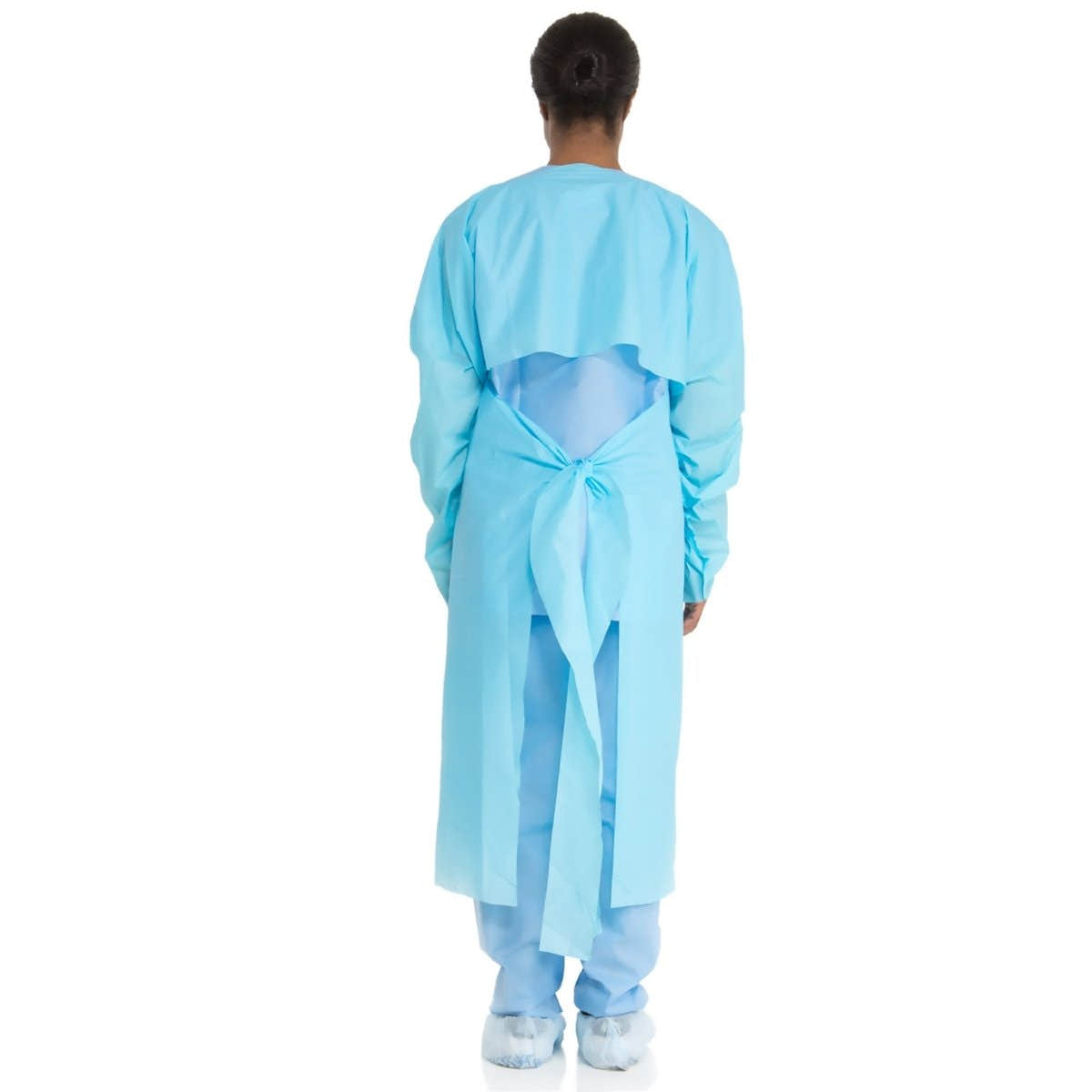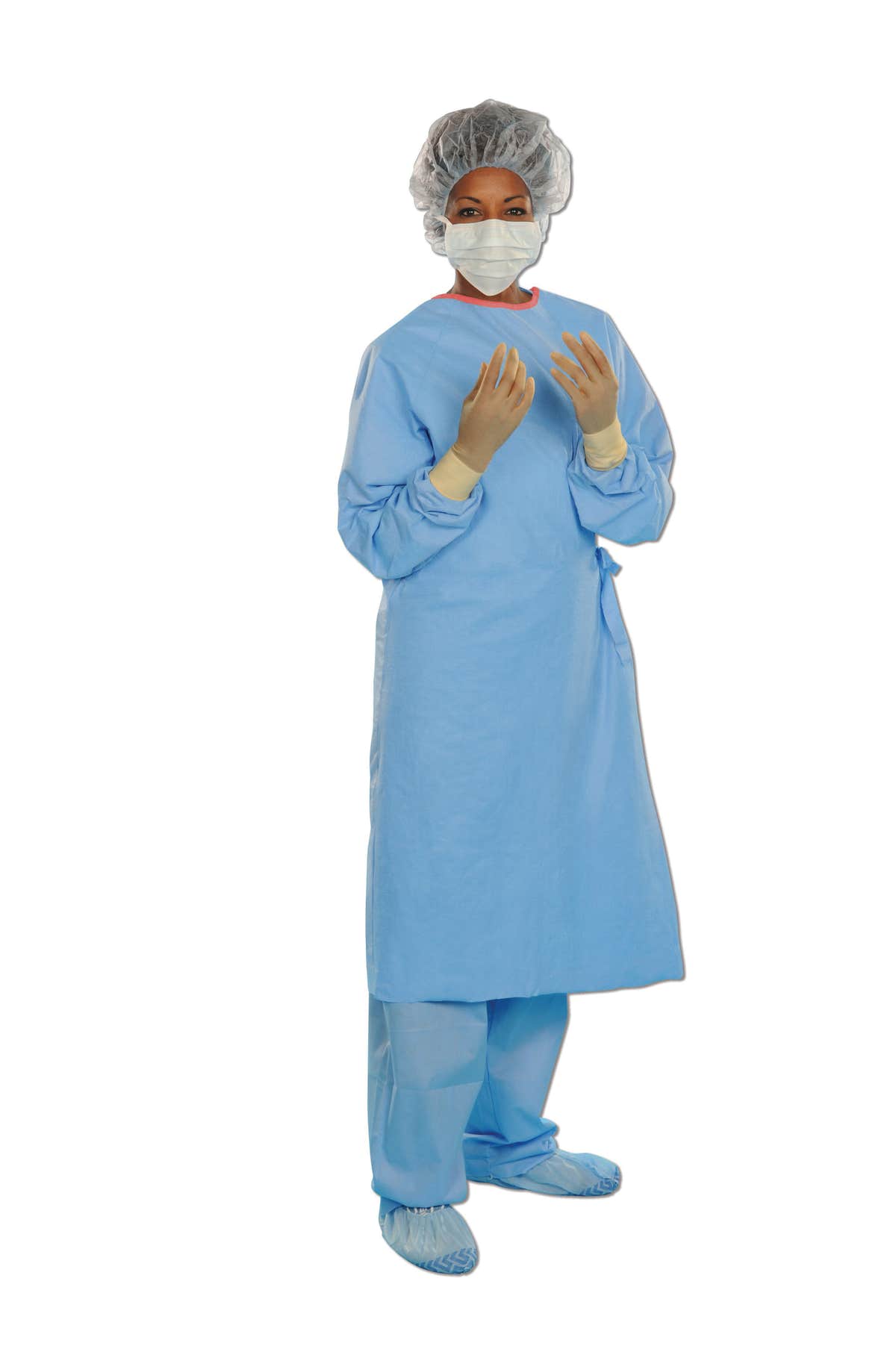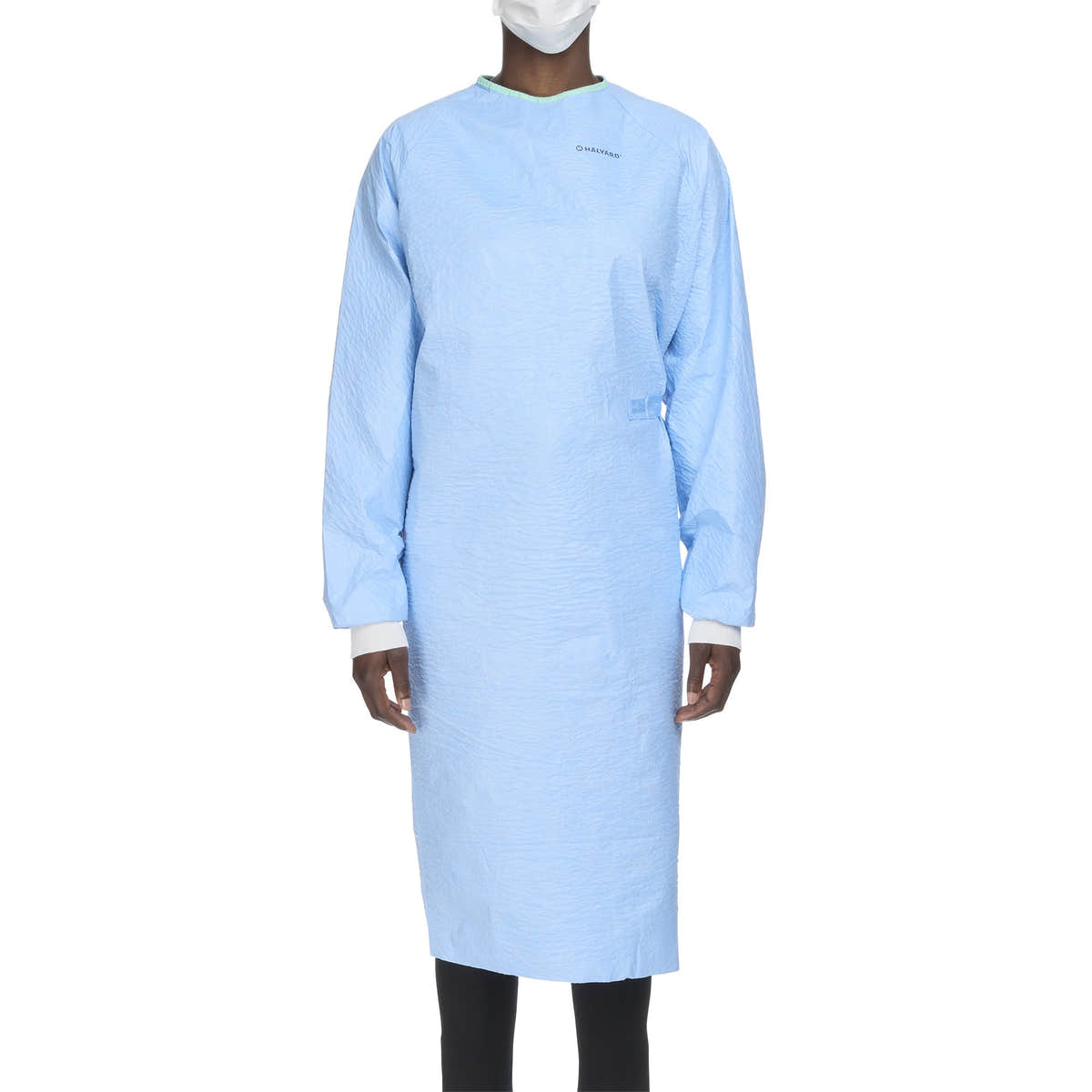
Medical Gowns

75 products

Showing 1 - 24 of 75 products

Offering Unparalleled Protection and Comfort

Are you looking for top-quality medical gowns that provide exceptional protection without compromising on comfort? Our extensive collection offers a wide range of styles and features, ensuring that you find the perfect gown to meet your specific needs. Step into a world of superior protection and comfort with Cart Health's medical gowns.
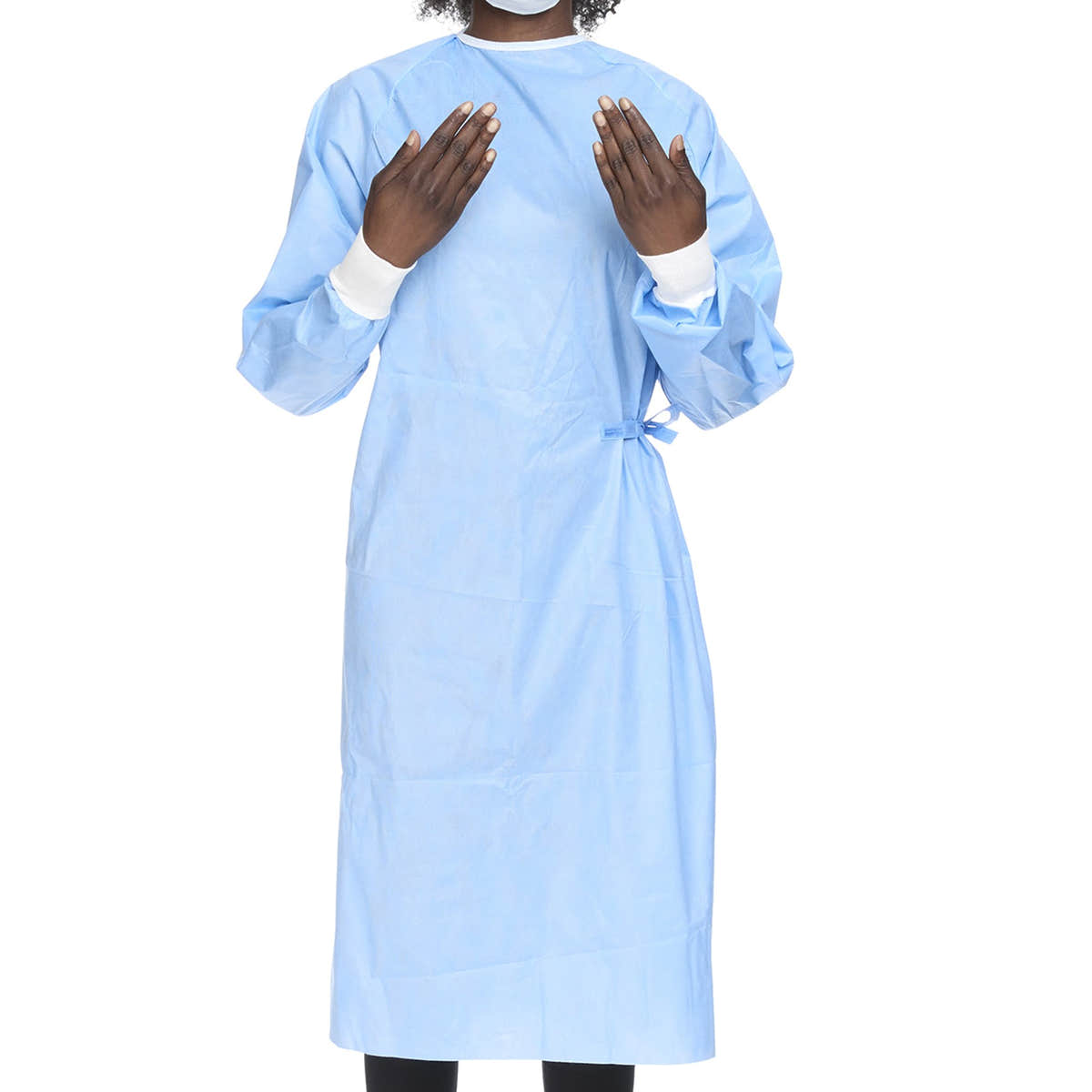
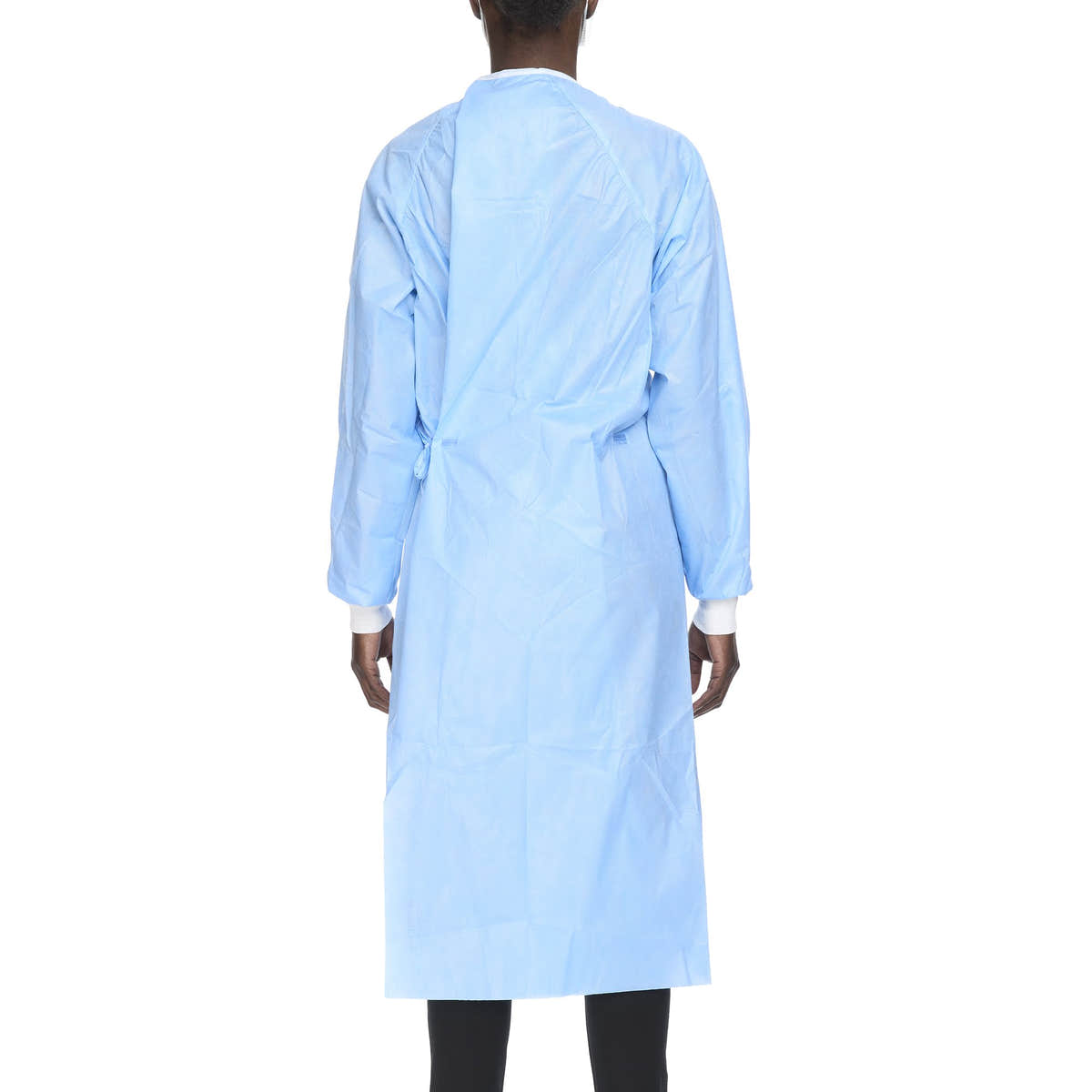
Showing 1 - 24 of 75 products
View
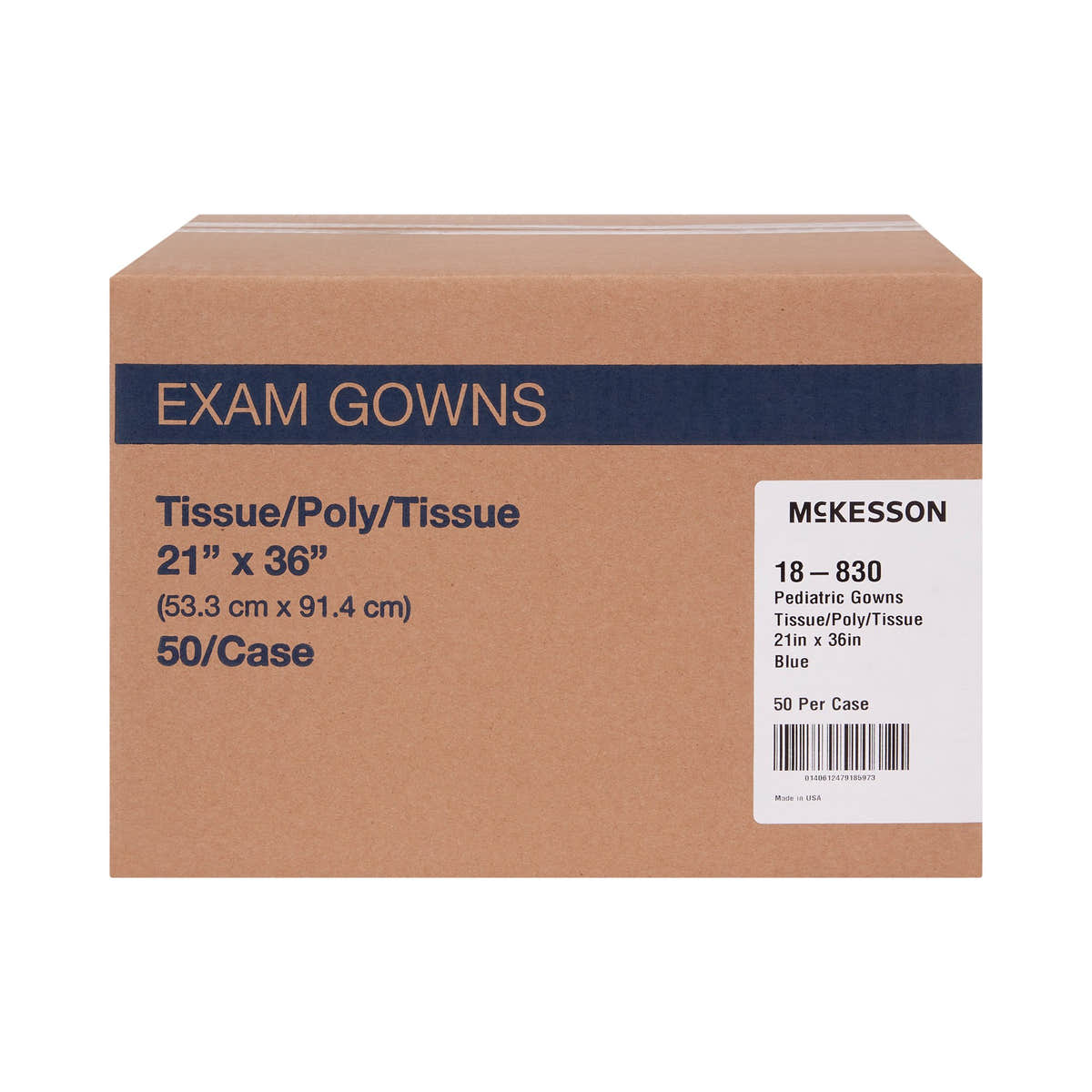
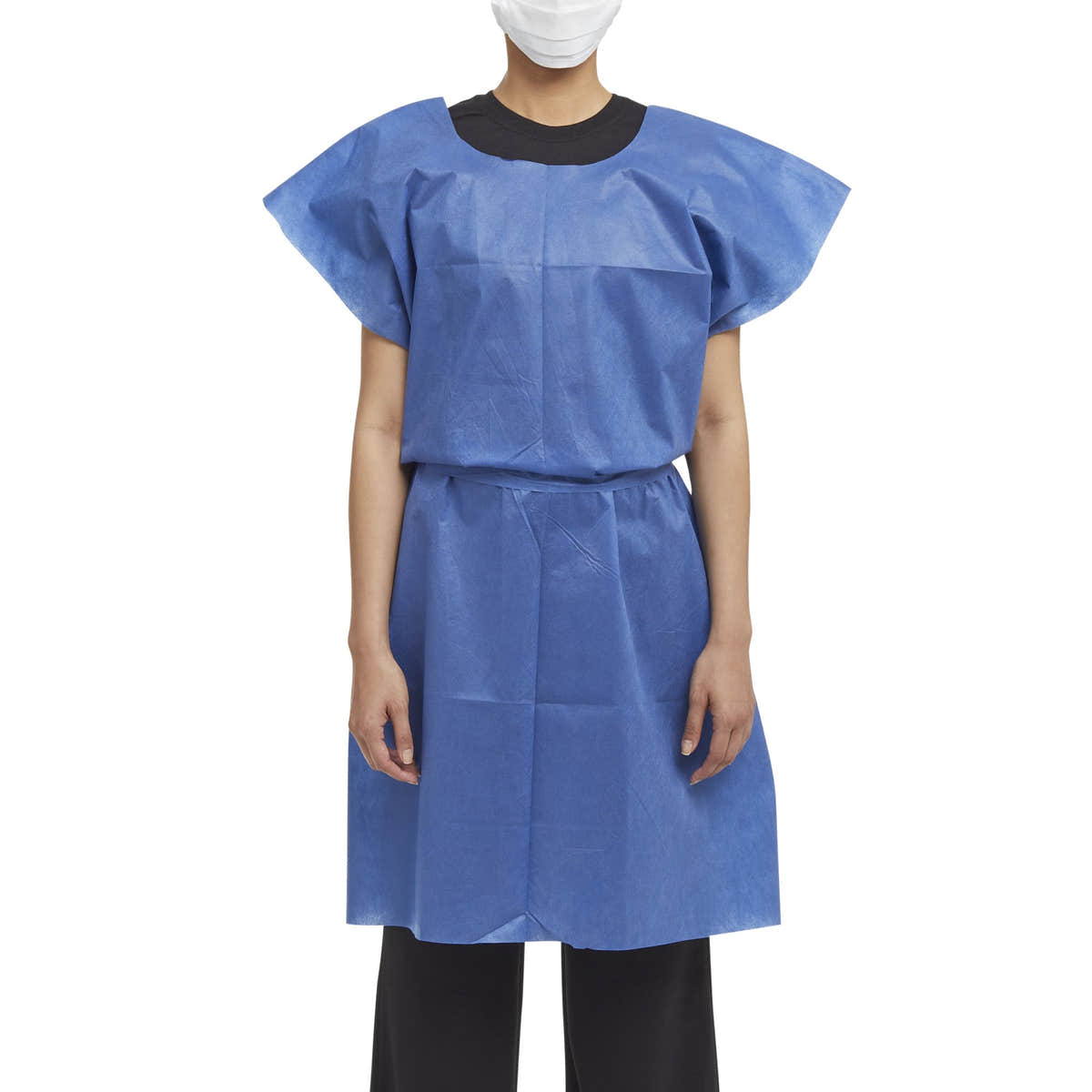
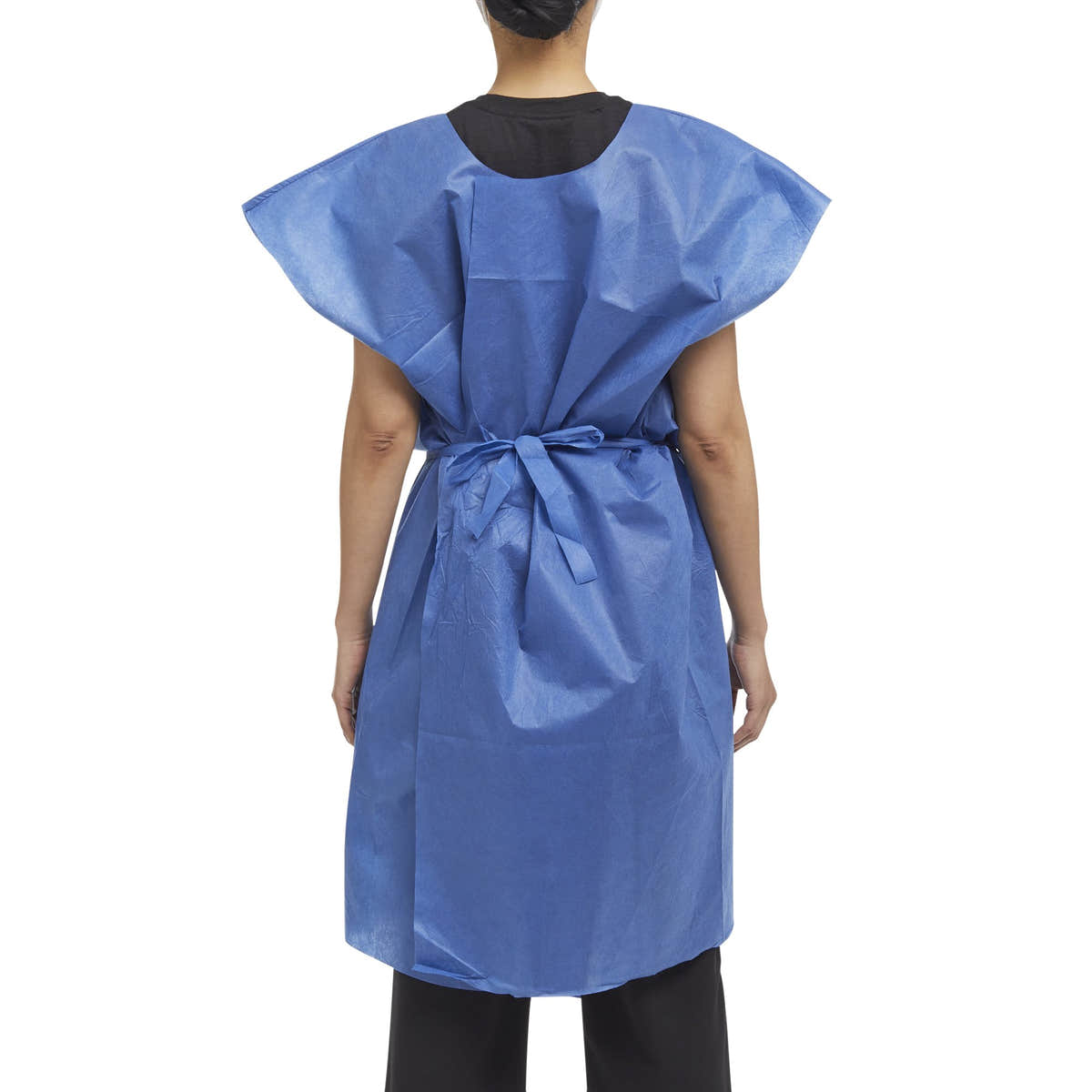
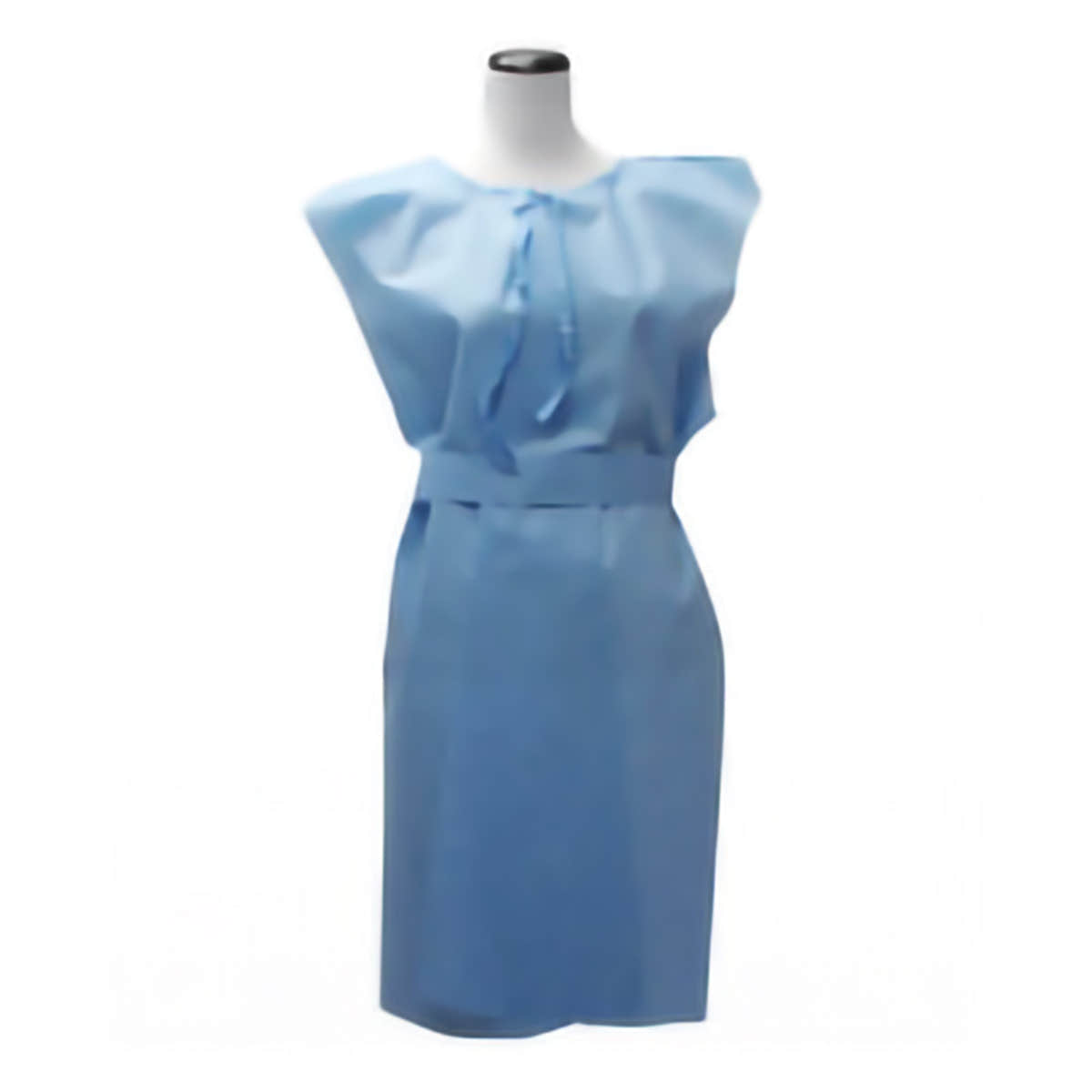
Medi-Pak Exam Gown, Blue, Pediatric Medium -Case of 50
Medi-Pak Exam Gown
Sale priceFrom $24.99
Choose options
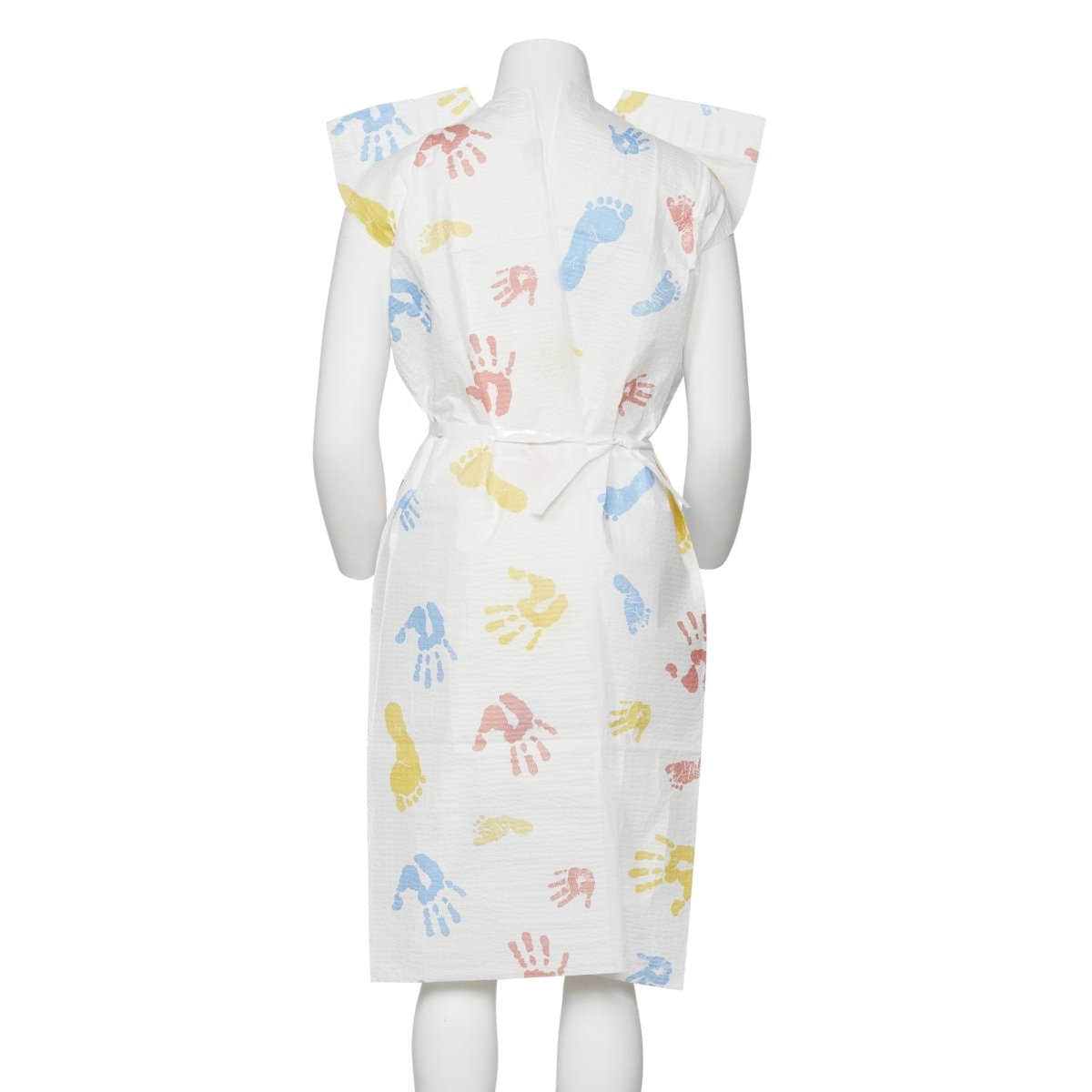
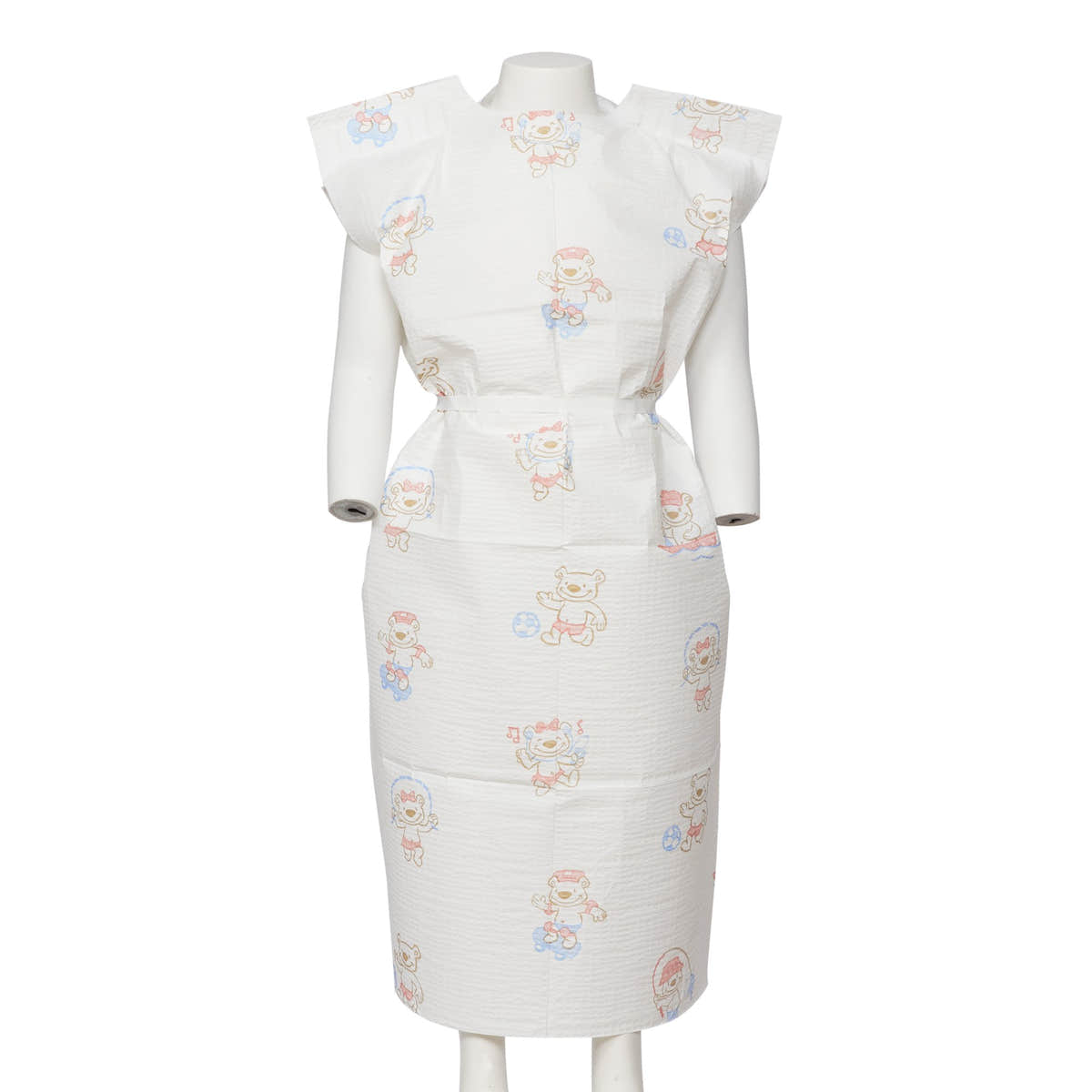
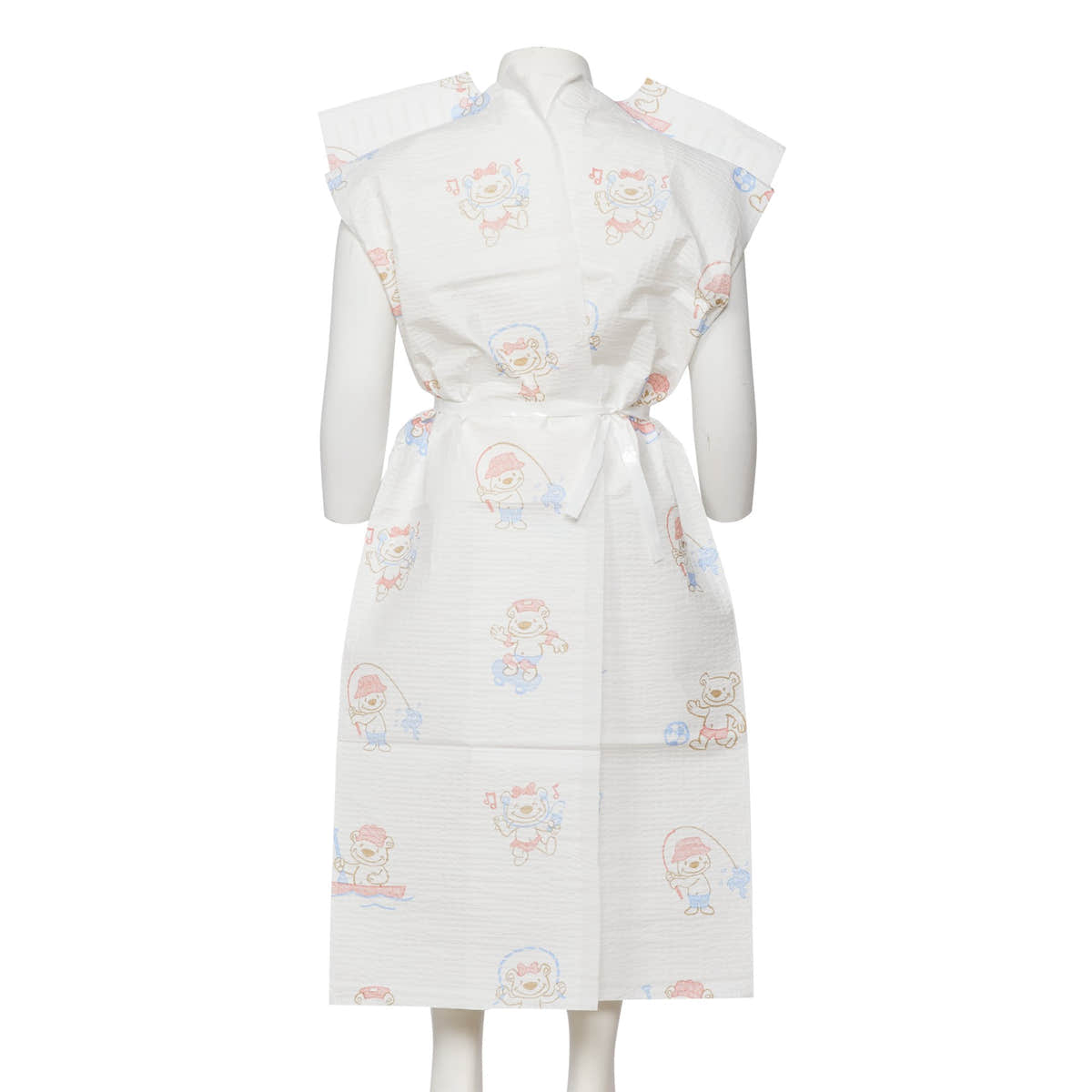
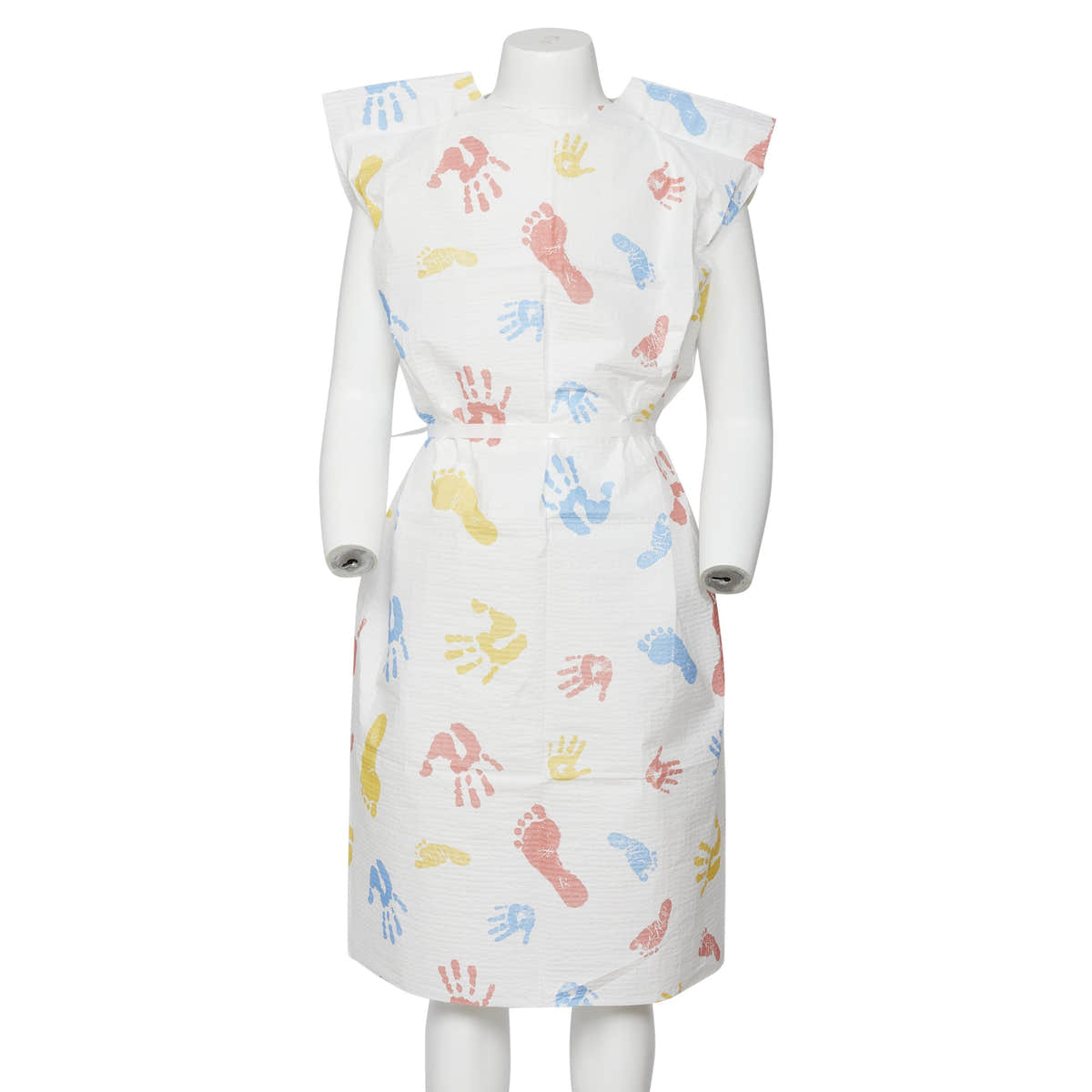
Graham Medical Products Pediatric Exam Gown, Tiny Tracks Print -Case of 50
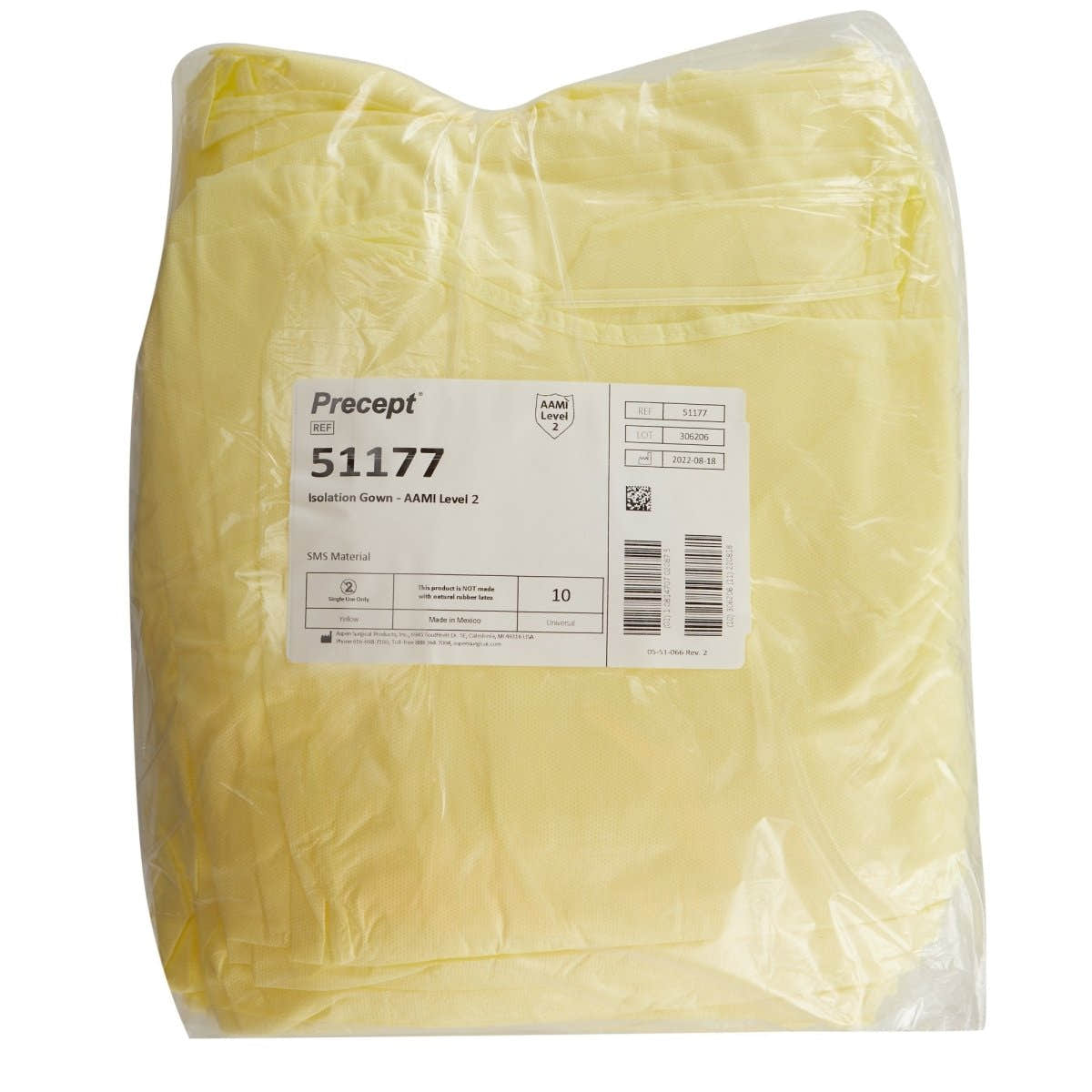
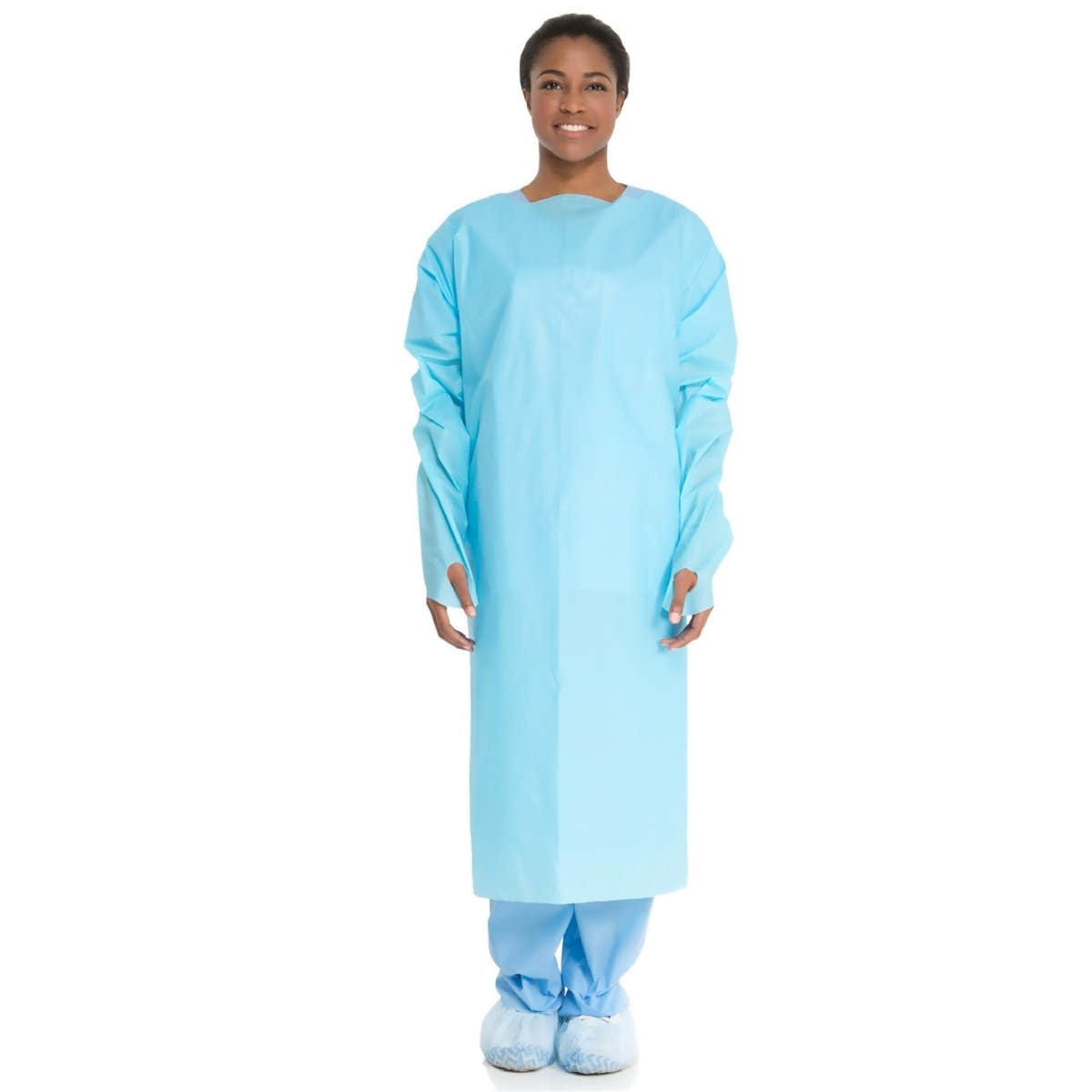
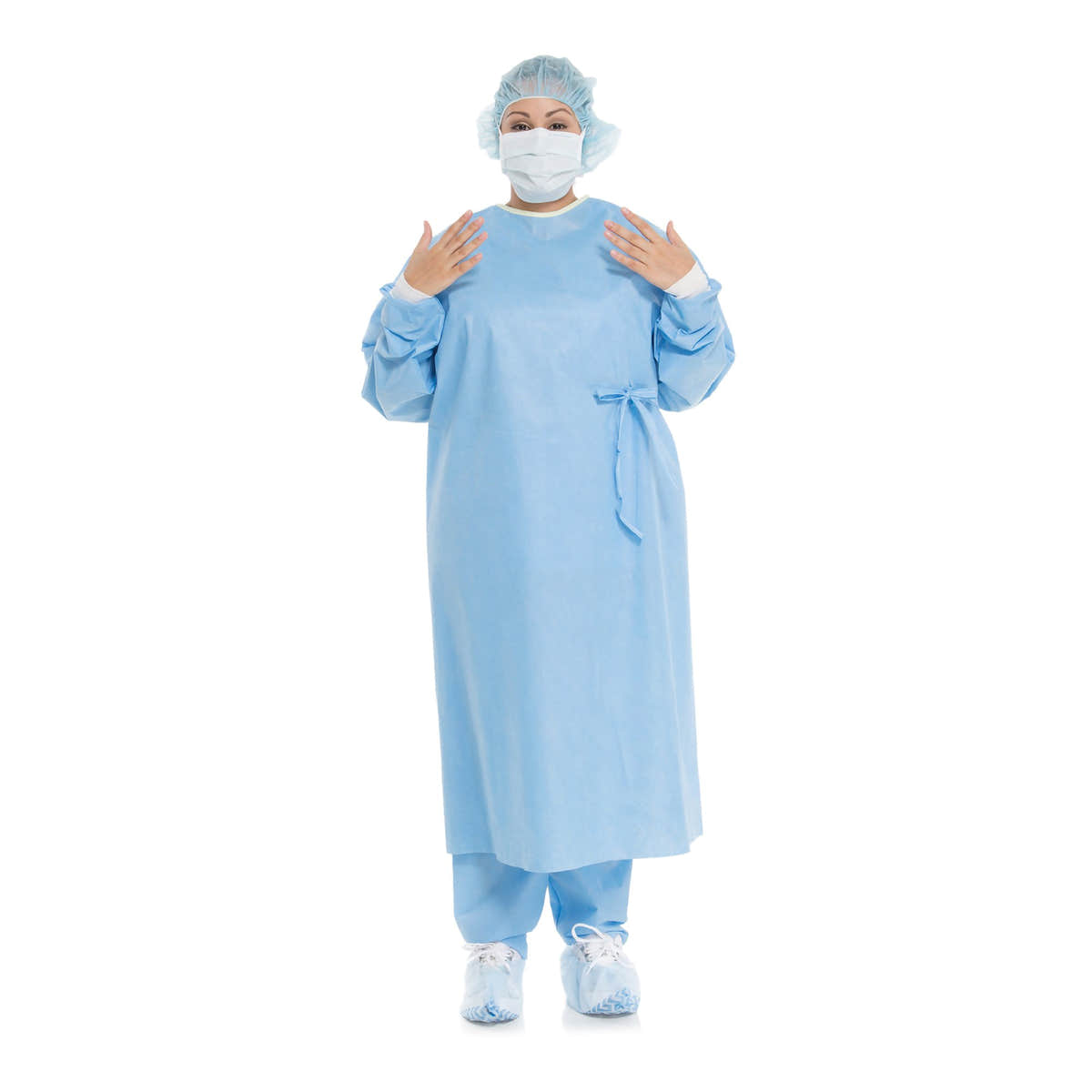
Cardinal Health Isolation Gown - 804358_CS - 1
Cardinal Health Isolation Gown
Sale priceFrom $11.99
Choose options
HPK Industries Patient Exam Gown, Medium -Case of 50
HPK Industries Patient Exam Gown
Sale priceFrom $2.99
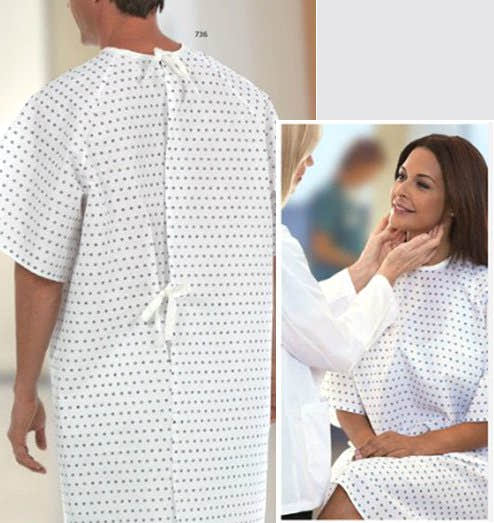
Choose options
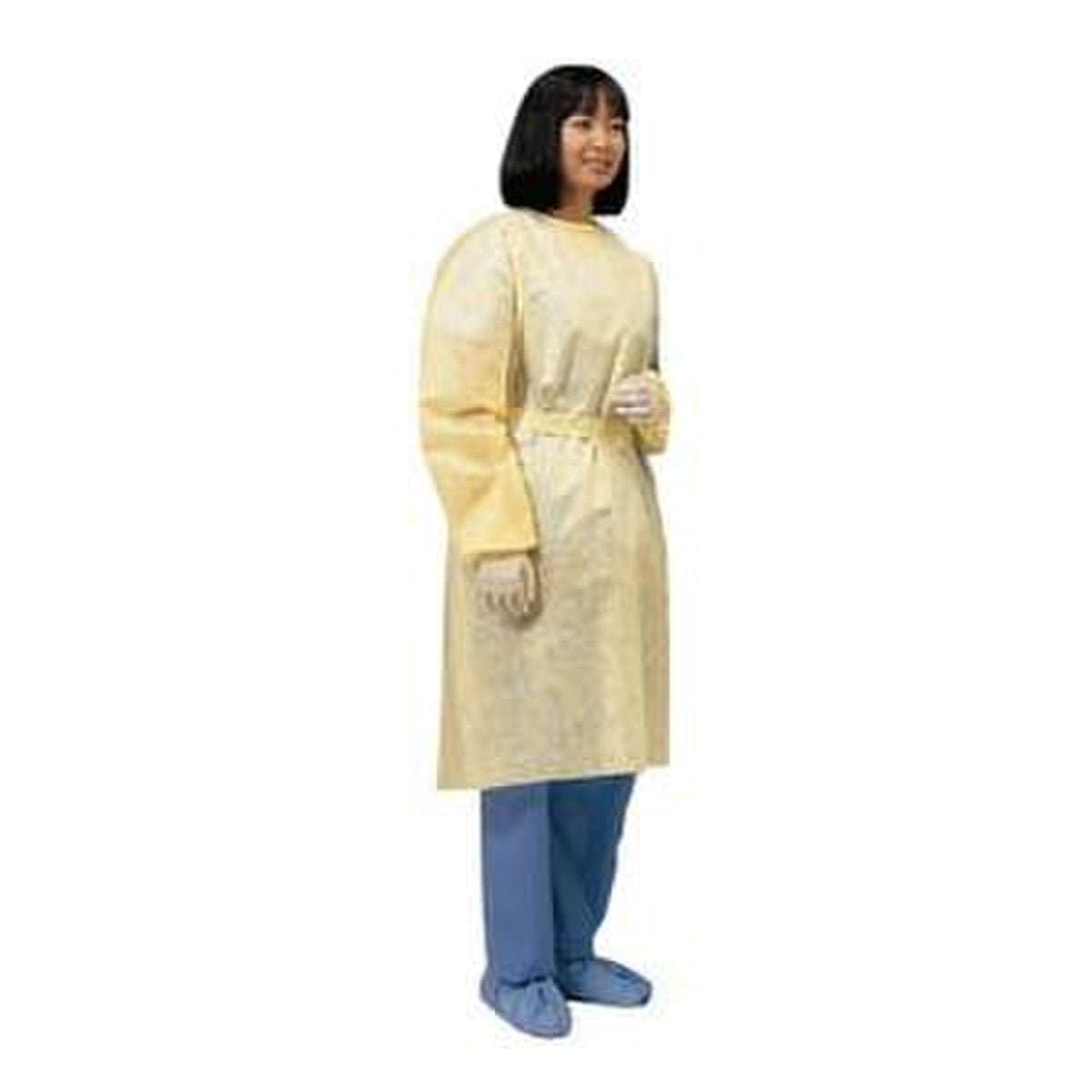
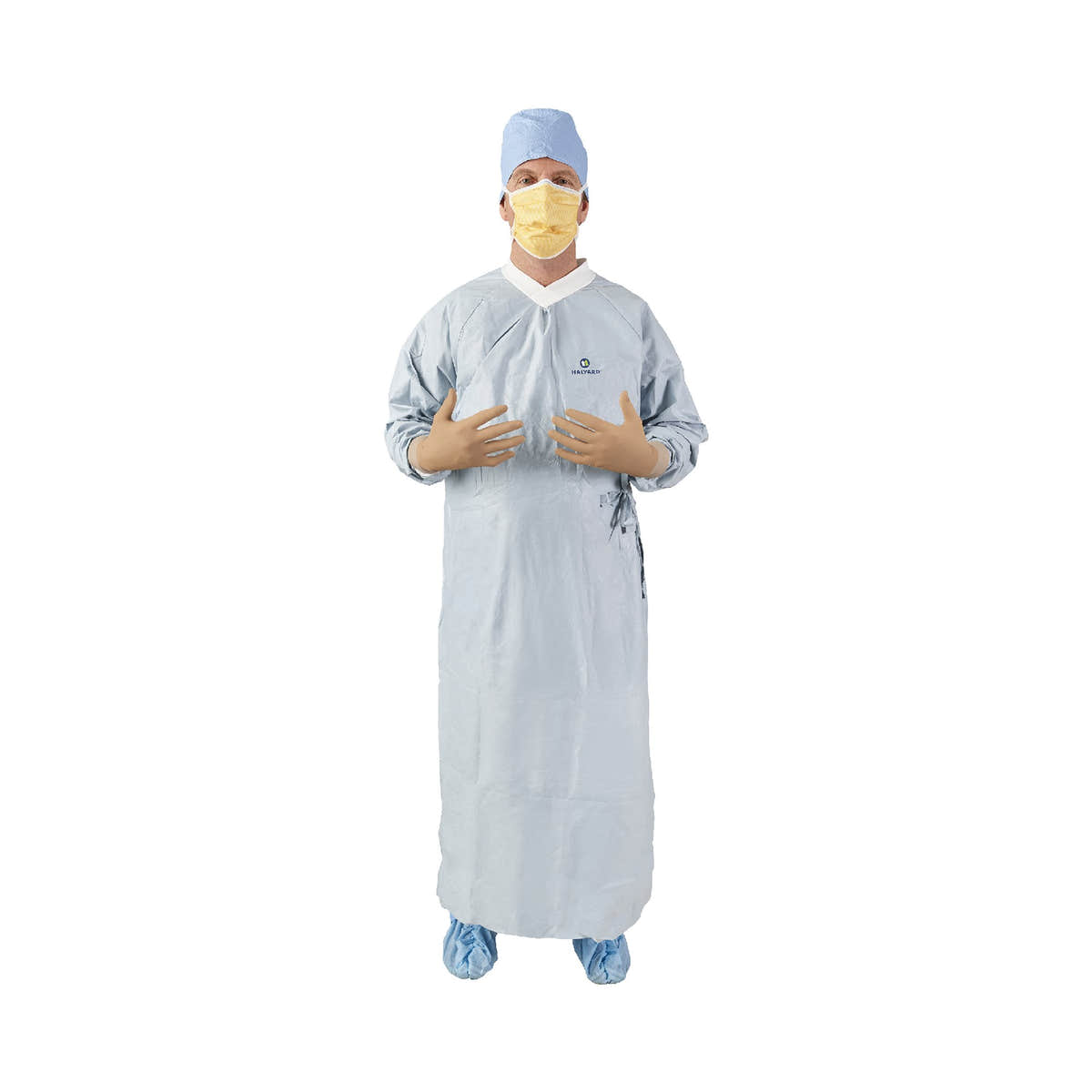
Fashion Seal Protective Procedure Gown, Large, Yellow -Each
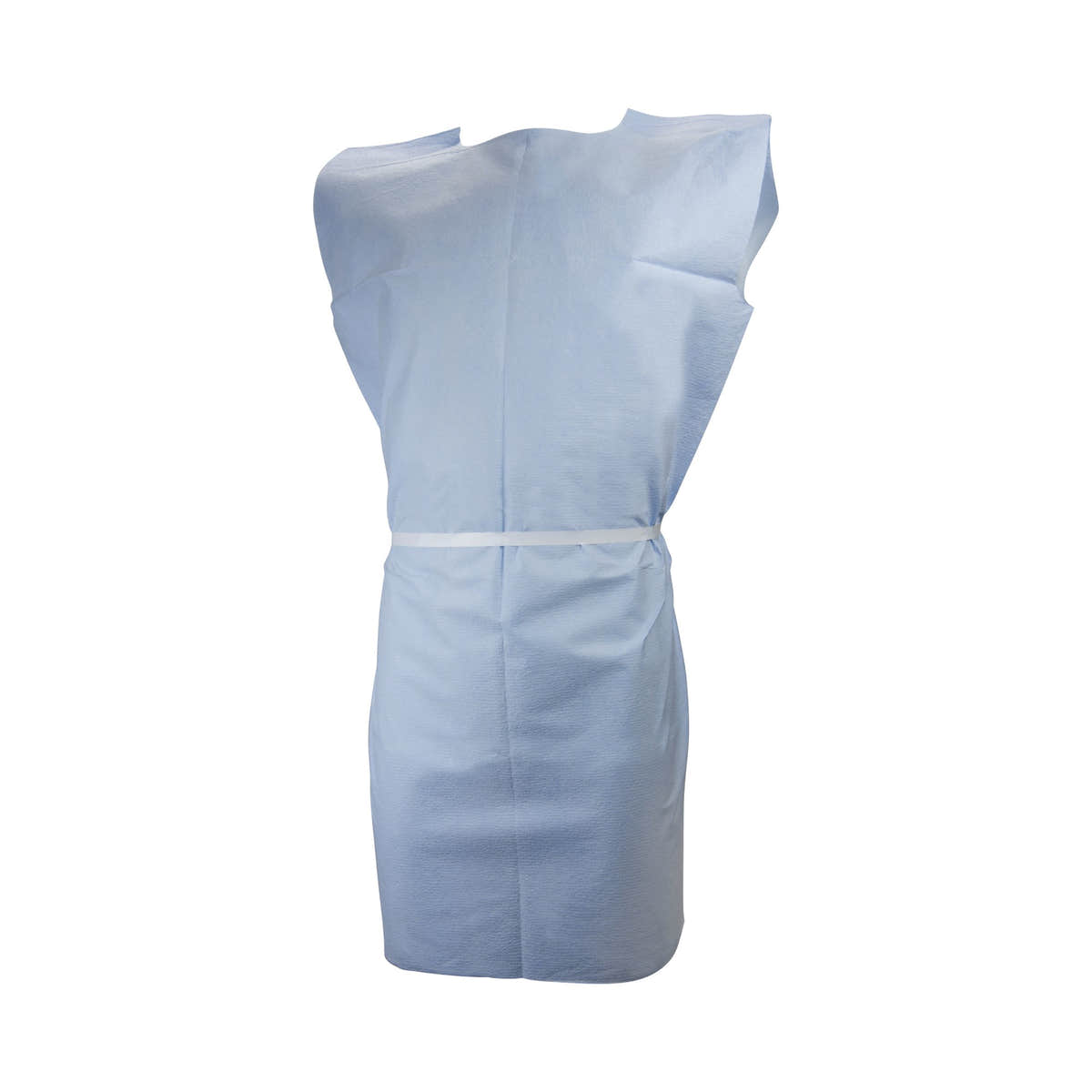
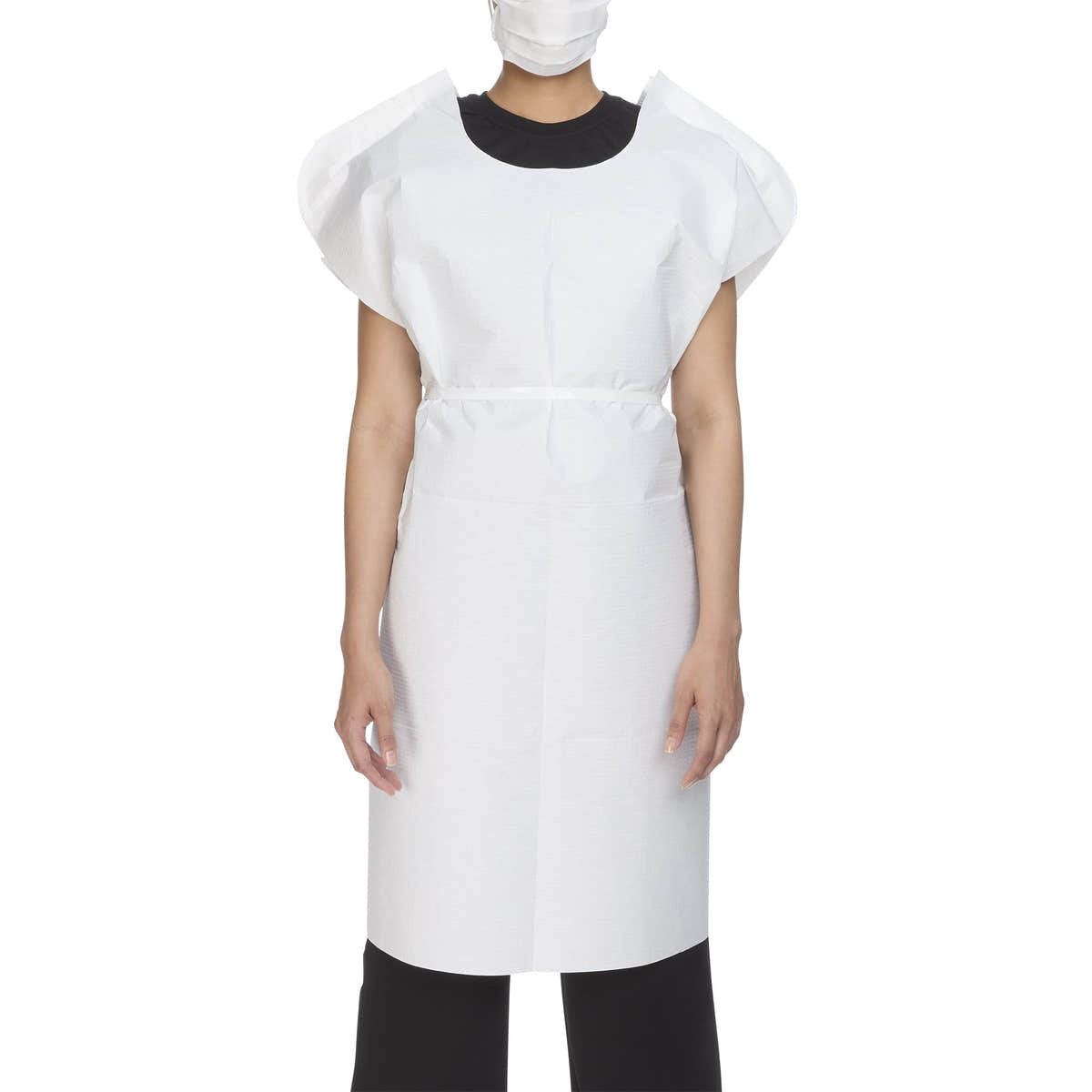
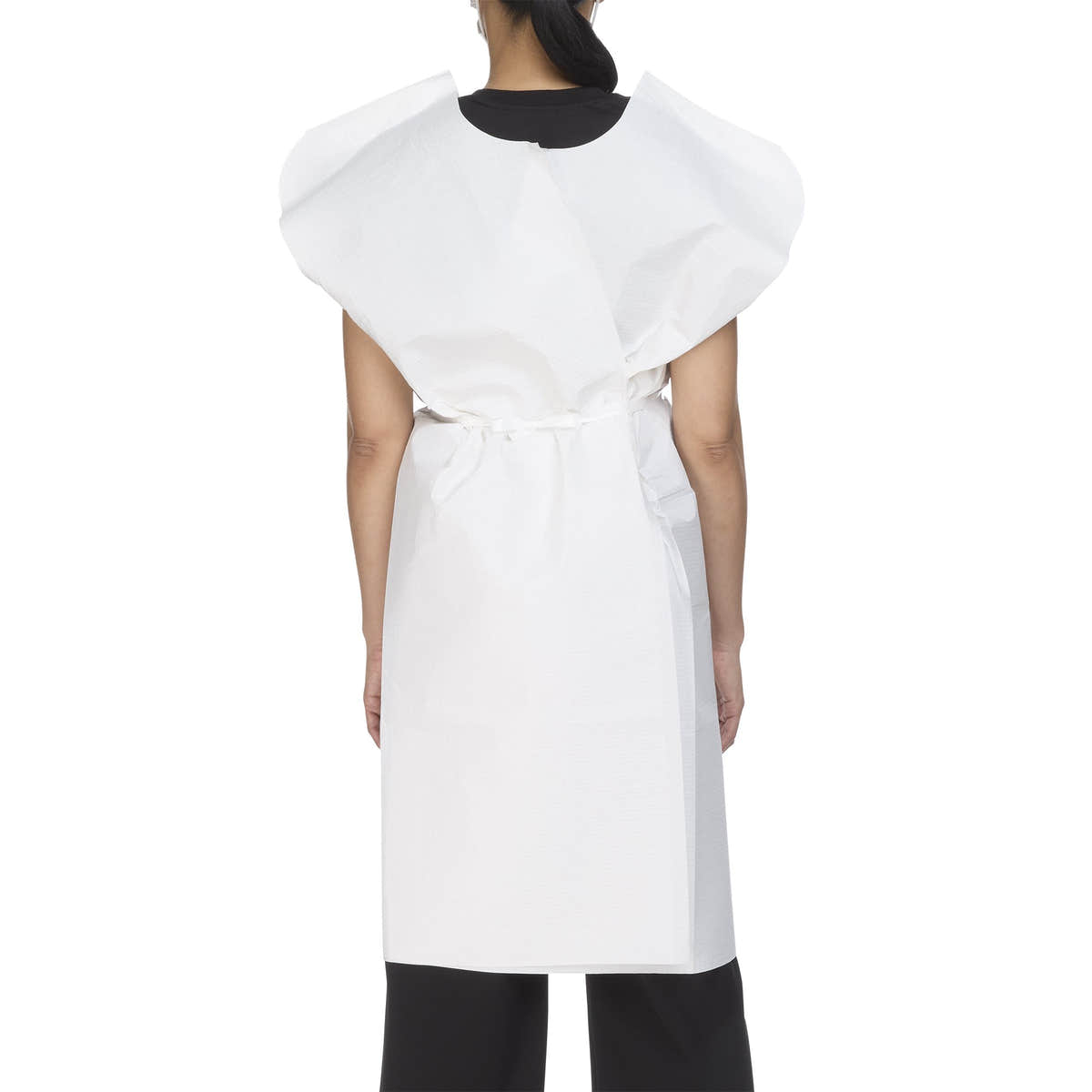
McKesson Deluxe Patient Exam Gown, One Size Fits Most, White -Case of 50
McKesson Deluxe Patient Exam Gown
Sale priceFrom $1.99
Choose options
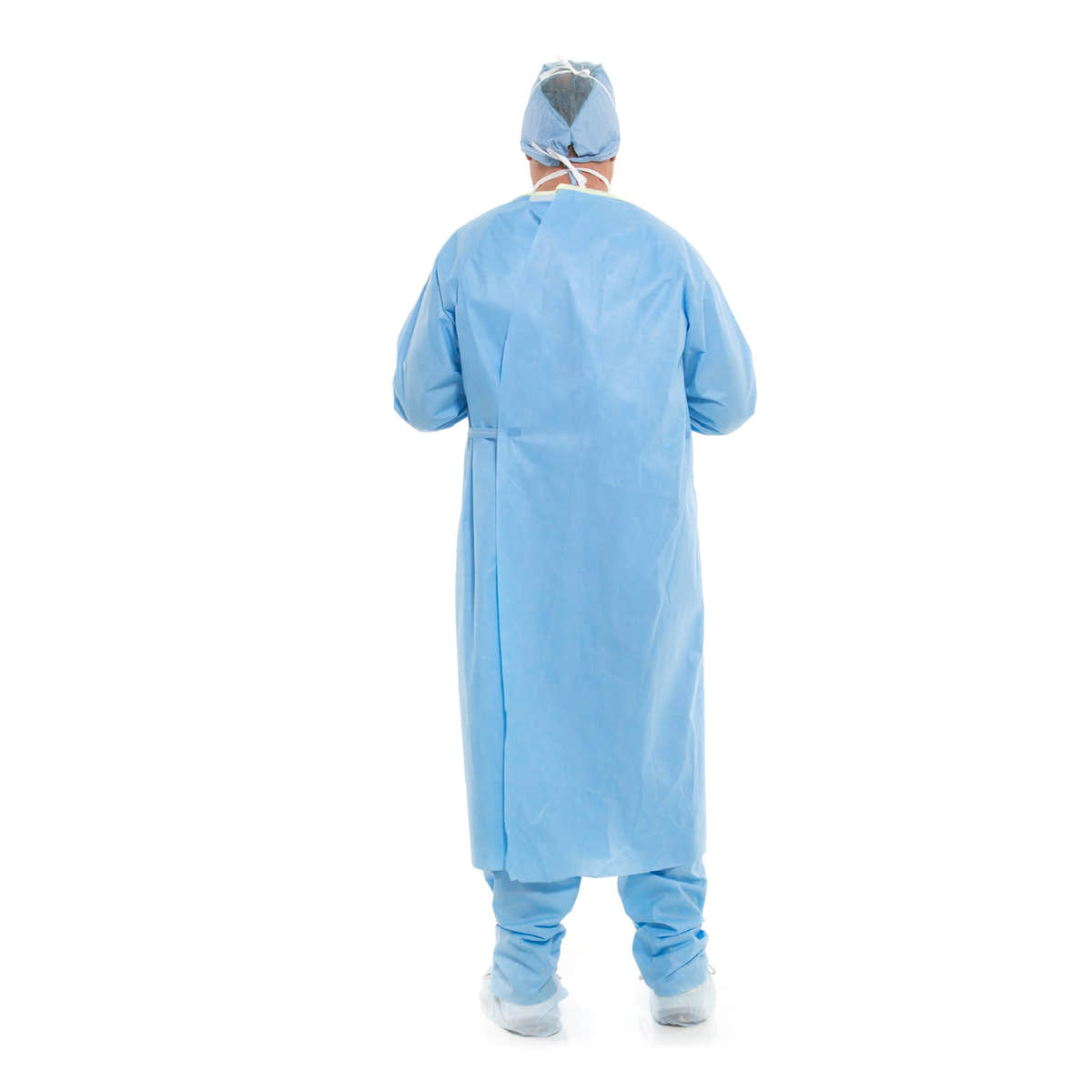
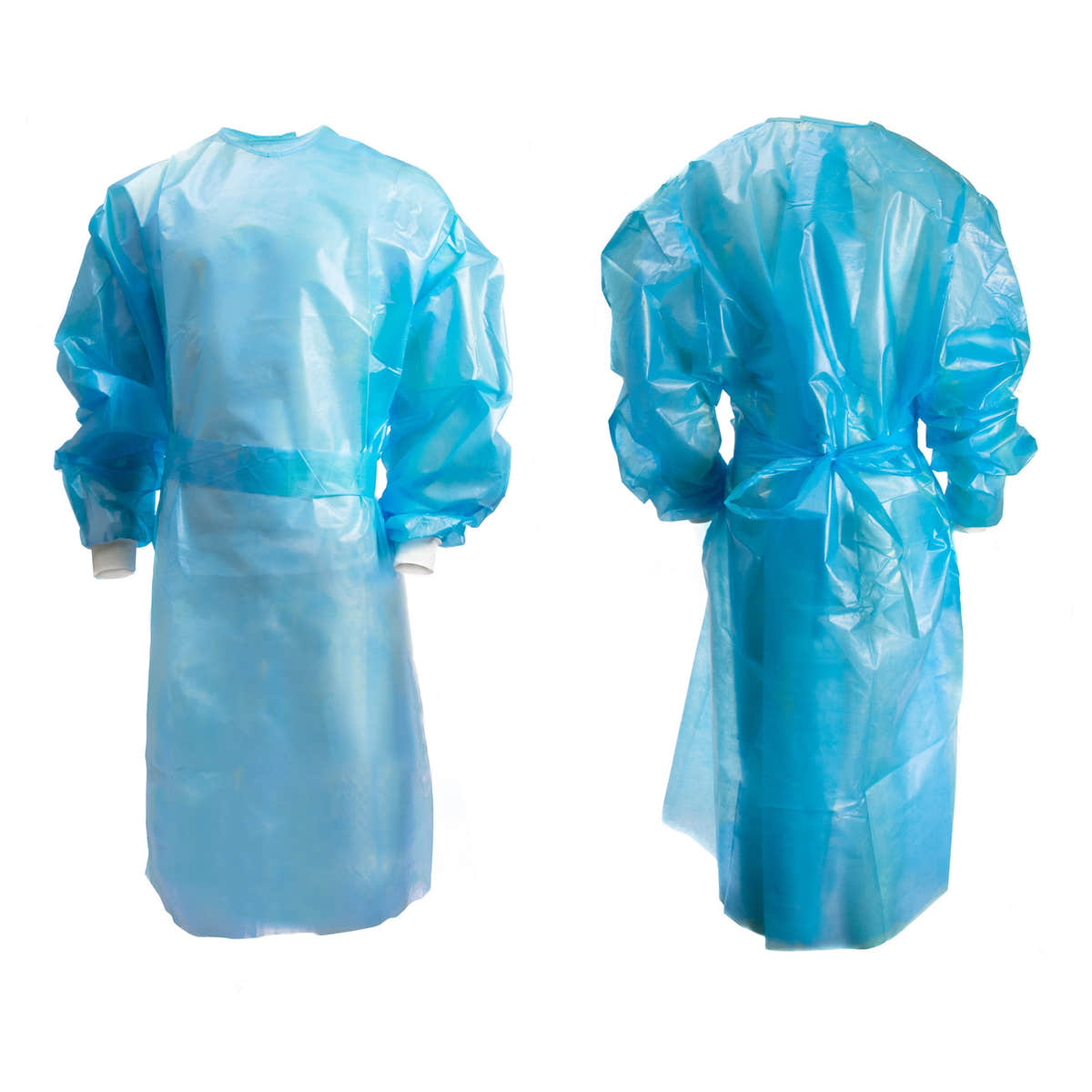
Impervious Procedure Gown - 315087_EA - 7
Impervious Procedure Gown
Sale priceFrom $2.99
Choose options
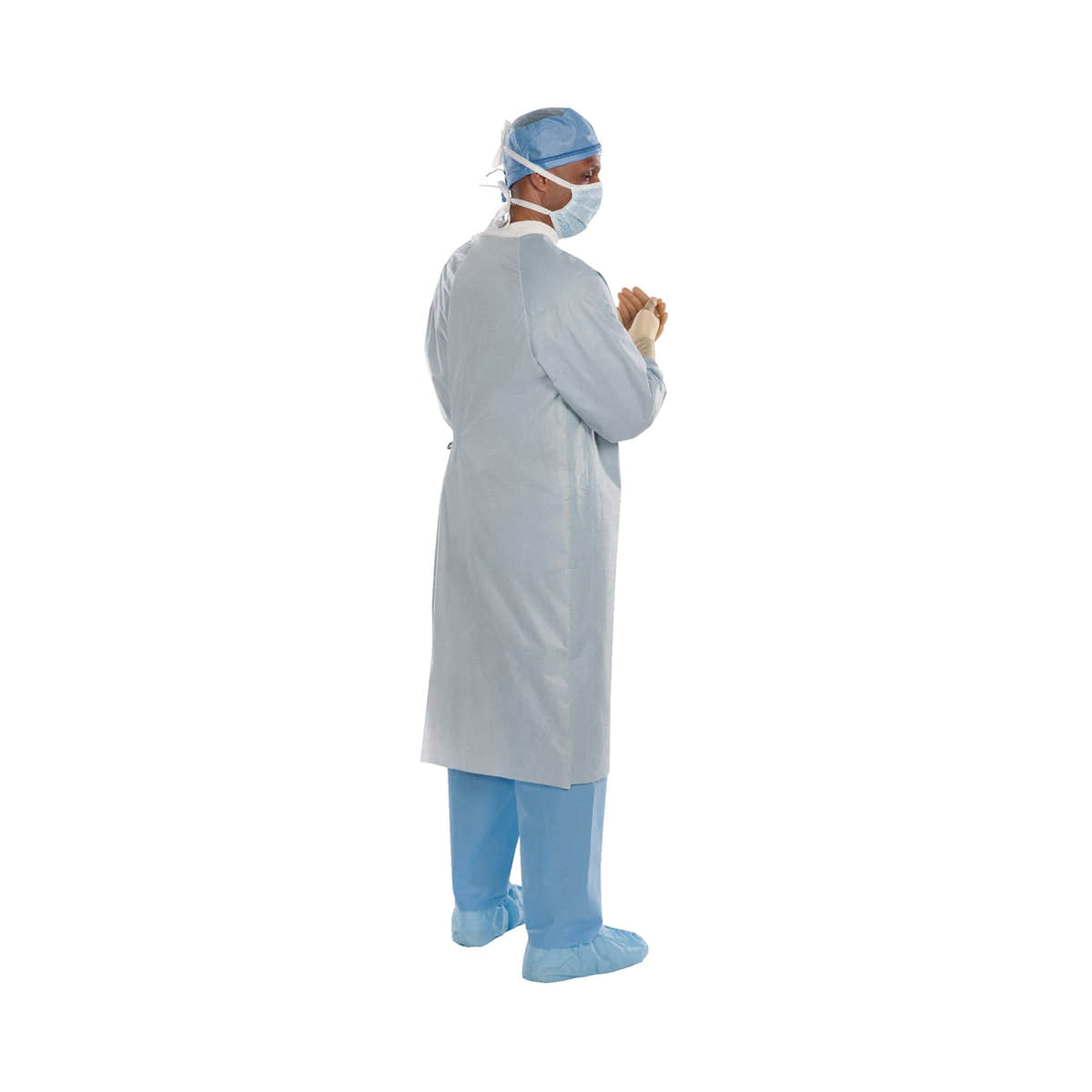
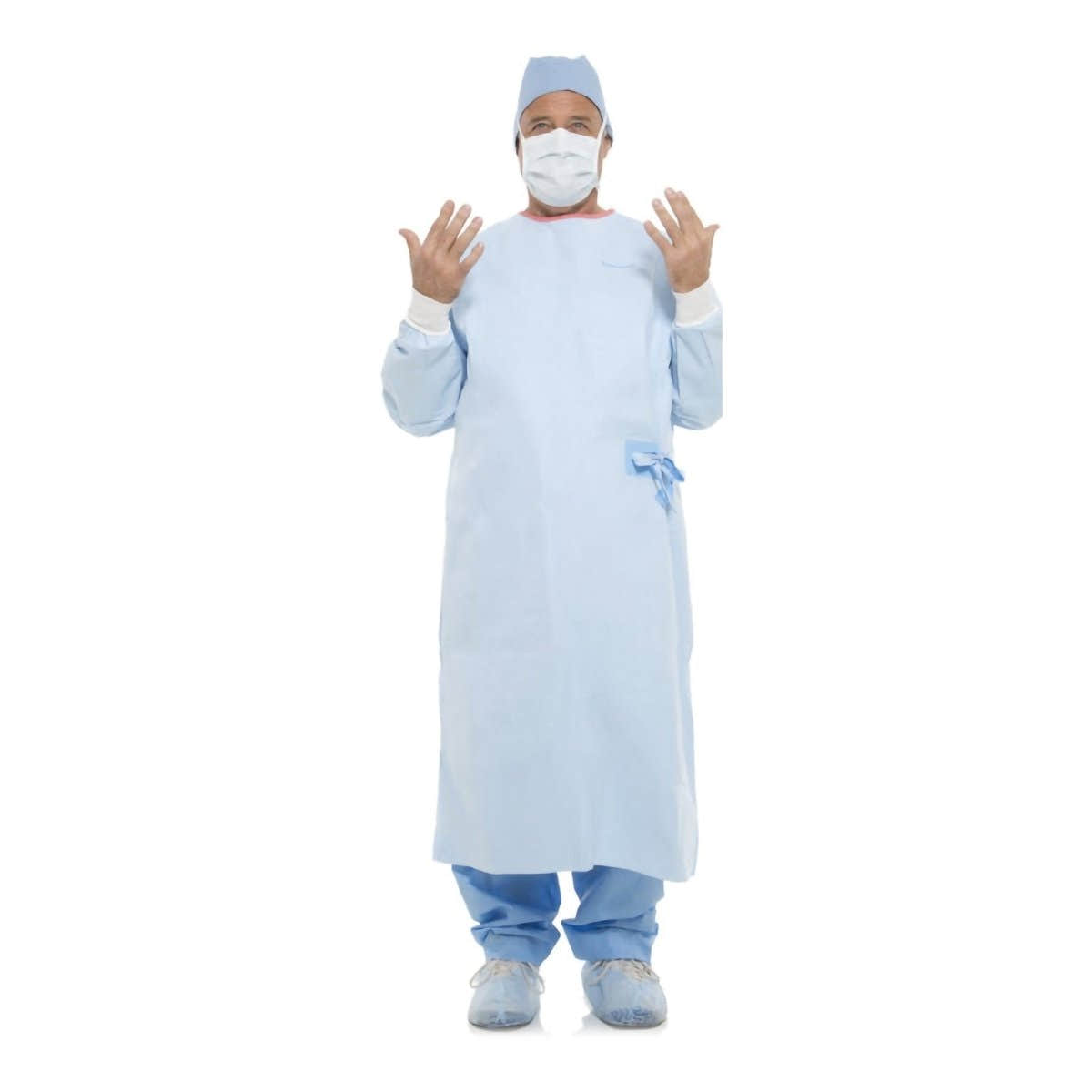
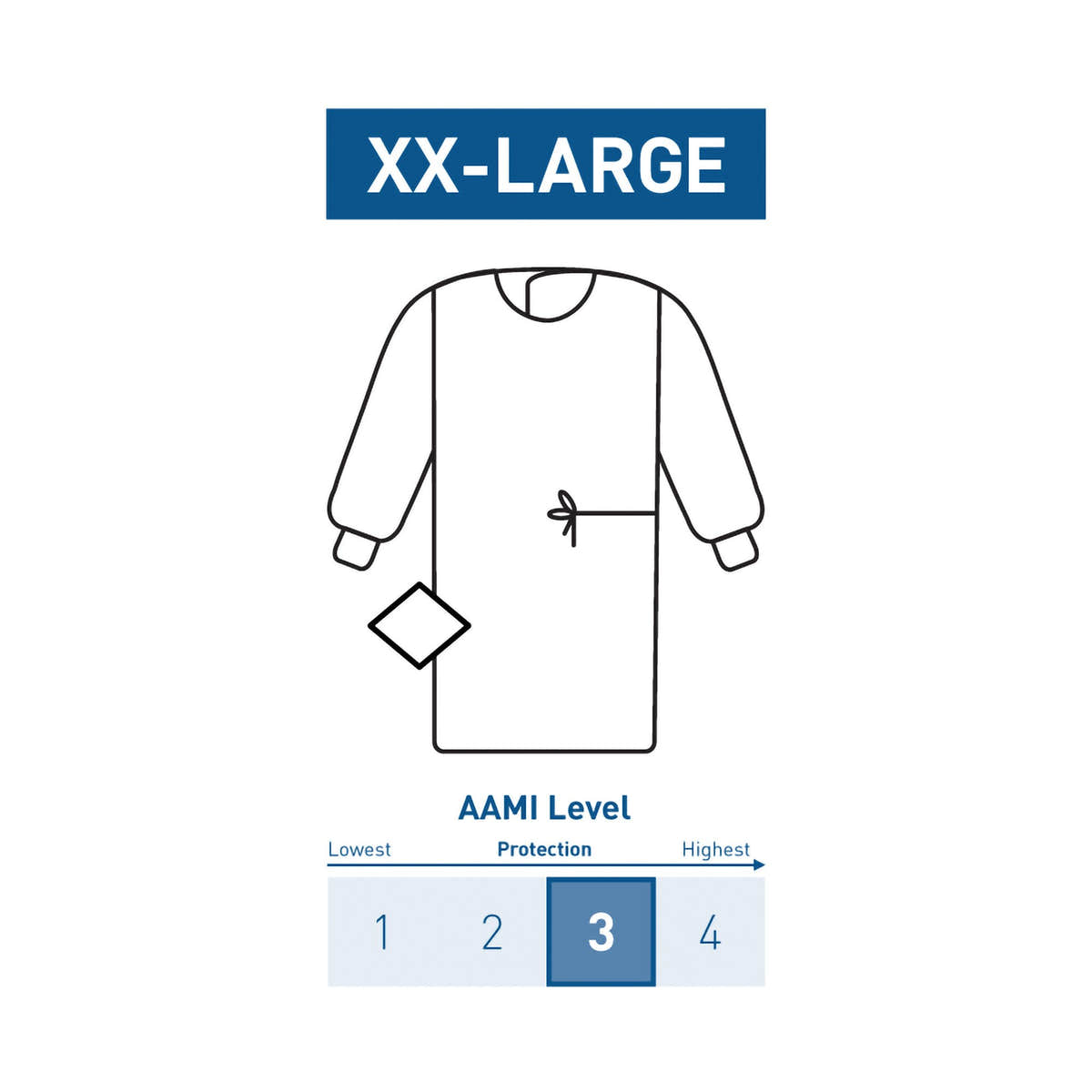
AERO CHROME Surgical Gown with Towel, X-Large -Case of 30
AERO CHROME Surgical Gown with Towel
Sale priceFrom $354.99
Choose options
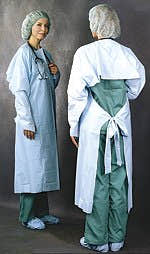
All Stars Patient Exam Gown - 684006_EA - 1
All Stars Patient Exam Gown
Sale priceFrom $23.99
Choose options
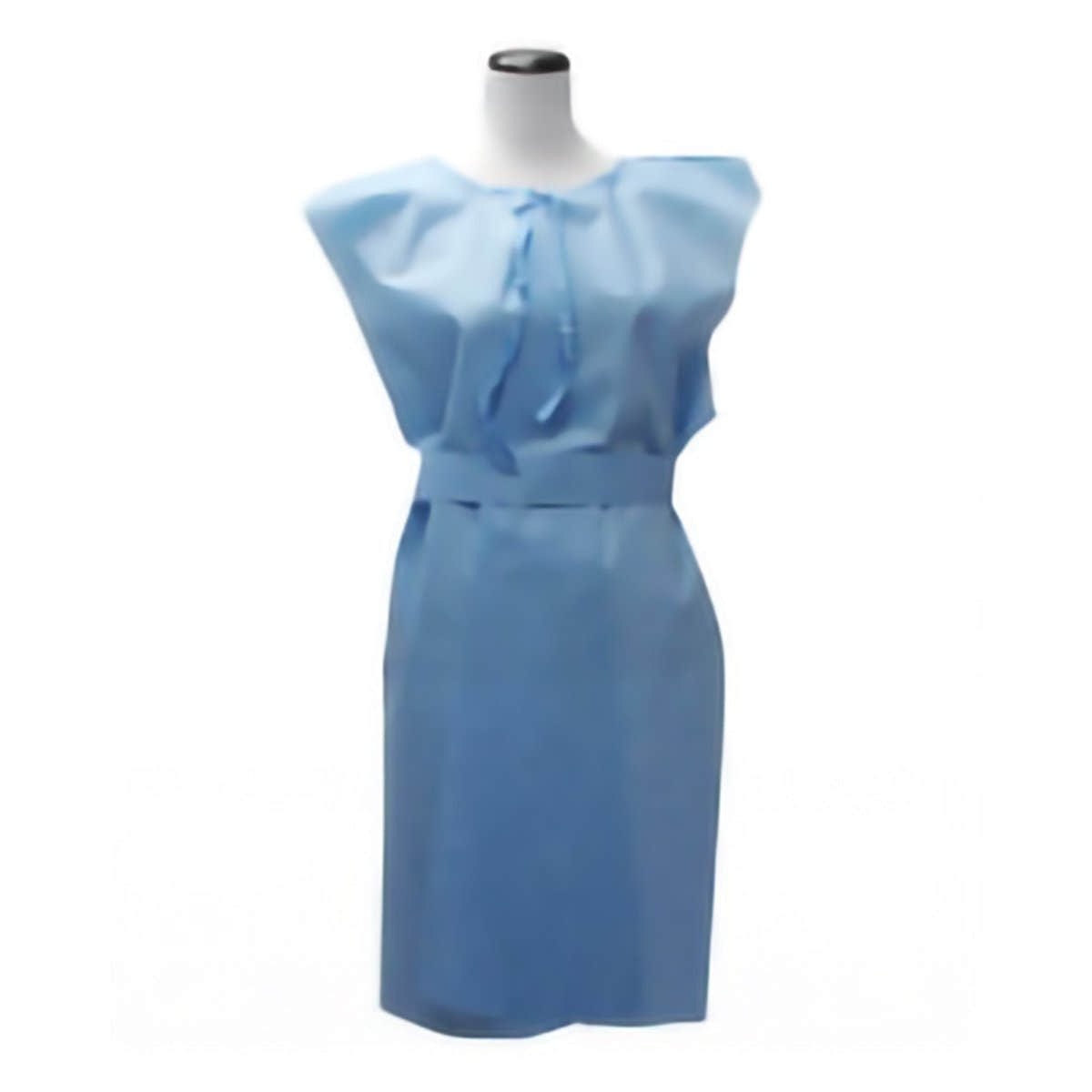
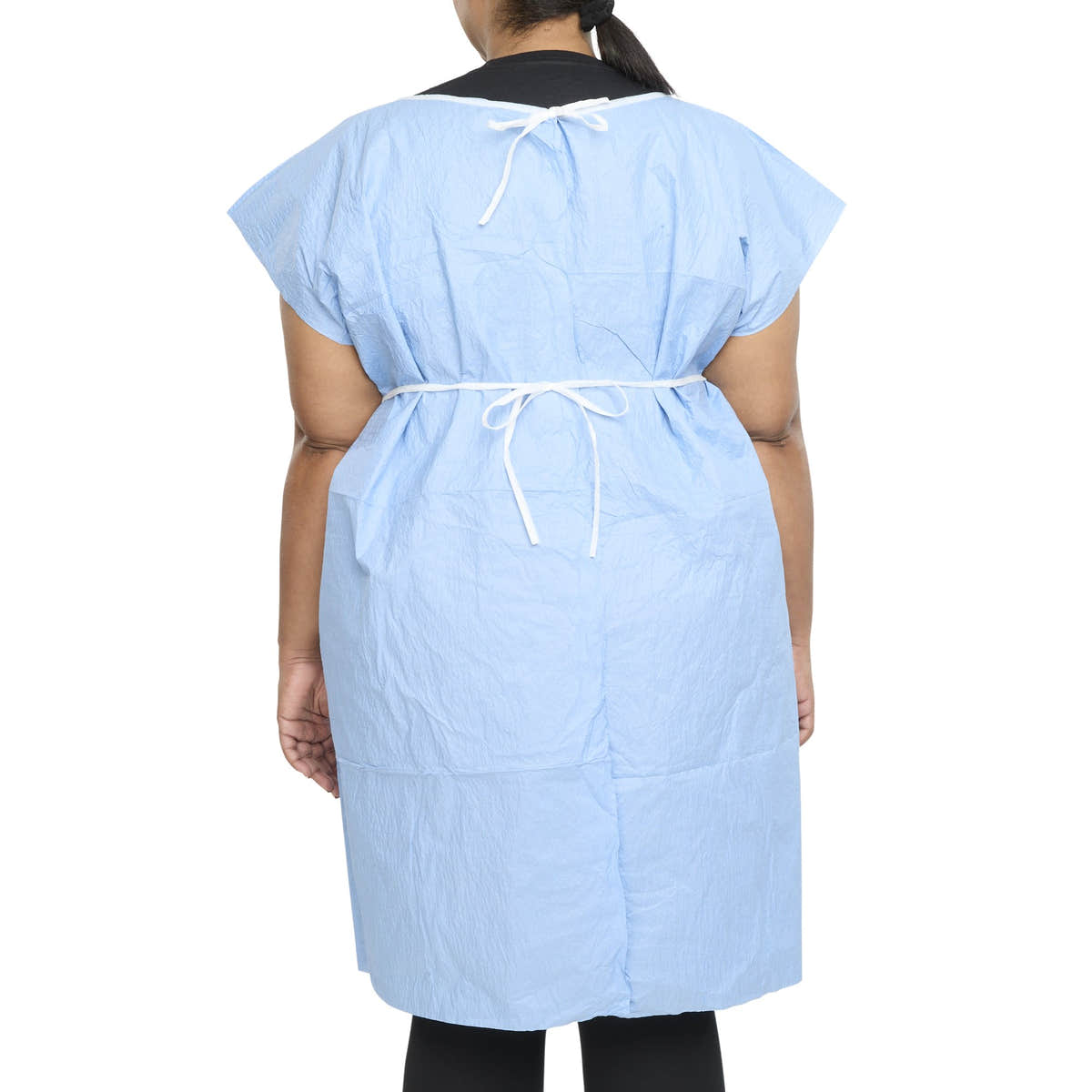
Graham Medical Products Patient Exam Gown Sleeveless Waist Tie, Medium/Large, Blue -Case of 50
Graham Medical Products Heavy Duty Patient Exam Gown Waist Tie, Medium/Large, Blue, 30 X 42 Inch -Case of 50
Graham Medical Products Exam Gown, Medium/Large, Blue -Case of 50
Graham Medical Products Disposable Patient Exam Gown, Child Size, Activity Bears Print -Case of 50

Frequently Asked Questions about Medical Gowns

Medical gowns are protective garments worn by healthcare workers and patients to prevent the spread of infection, shield against fluid exposure, and maintain hygiene during exams, procedures, and surgery. Different gown types serve different purposes, from basic patient exams to full surgical coverage.

Medical exam gowns are lightweight garments designed for patient use during routine checkups and examinations, while surgical gowns are sterile, fluid-resistant garments worn by surgical teams to protect against blood and bodily fluid exposure during operations. Surgical gowns typically meet stricter barrier protection standards than exam gowns.

Isolation gowns are designed for healthcare workers who need a protective barrier when caring for patients with infectious conditions or when working in environments where exposure to blood, bodily fluids, or hazardous materials is possible. They are commonly used in hospitals, clinics, and long-term care facilities.

Start by sliding your arms through the sleeves and positioning the gown so the opening faces the back, then secure all ties or closures at the neck and waist. For isolation and procedure gowns, make sure all skin and clothing are fully covered before entering a patient care area.

Choosing the right medical gown depends on the level of barrier protection needed, the clinical setting, and whether the gown will be worn by staff or patients. Exam gowns work well for routine visits, procedure gowns offer moderate fluid resistance, and surgical gowns are required for sterile operative environments.

Medical gowns are available in a range of sizes to fit different patients and healthcare workers, including options sized for pediatric patients and adults. When selecting a gown, consider the intended wearer and whether the gown needs to fully wrap or tie closed for adequate coverage.

Medical gowns are available in both disposable and reusable versions depending on the product. Disposable medical gowns are single-use and should be discarded after each patient encounter, while reusable gowns are laundered according to facility protocols and manufacturer guidelines between uses.

Medical gowns play a critical role in infection control by creating a physical barrier between healthcare workers, patients, and potential contaminants like blood, fluids, and pathogens. Wearing the appropriate gown type in clinical settings helps reduce cross-contamination and supports compliance with standard precautions.

Medical gowns should be stored in a clean, dry environment away from direct sunlight, moisture, and sharp objects that could compromise the material. Disposable gowns should remain in their original packaging until use, and facilities should rotate stock to ensure gowns are used before any manufacturer-recommended expiration dates.

Procedure gowns and isolation gowns are both used in clinical settings, but procedure gowns are typically designed for moderate-risk tasks and may offer targeted fluid resistance, while isolation gowns provide broader coverage intended to protect against contact with infectious materials. The right choice depends on the specific clinical task and exposure risk.

Recently viewed