Wheelchair Parts & Accessories

18 products

Showing 1 - 18 of 18 products

Wheelchair Parts & Accessories for Everyday Function and Comfort

Whether someone is setting up a new wheelchair or upgrading an existing one, having the right accessories makes a meaningful difference in day-to-day comfort, safety, and convenience. This collection brings together a broad range of wheelchair parts and add-ons from trusted brands including Drive Medical, McKesson, Mabis Healthcare, Skil-Care, and Sunset Healthcare — so shoppers can find exactly what they need in one place.

Showing 1 - 18 of 18 products
View
drive Limb Support - 922102_EA - 1
drive Limb Support
Sale price$59.99
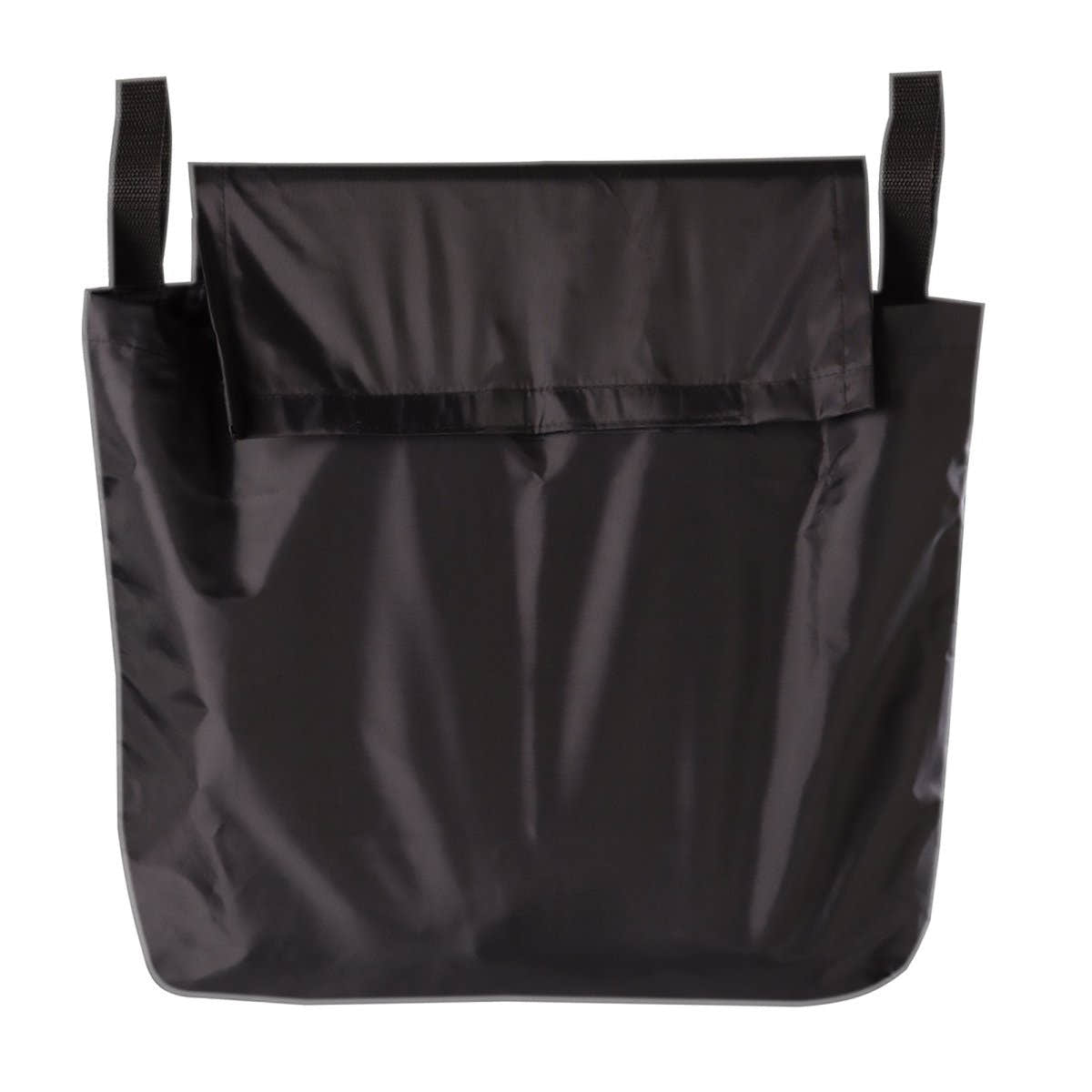
Mabis Wheelchair Bag - 850079_EA - 1
Mabis Wheelchair Bag
Sale price$22.99
drive Elevating Leg rest - 812183_PR - 1
drive Elevating Leg rest
Sale price$74.99
drive Medical Swing-Away Footrests, Plastic - 765821_PR - 1
Save 43%
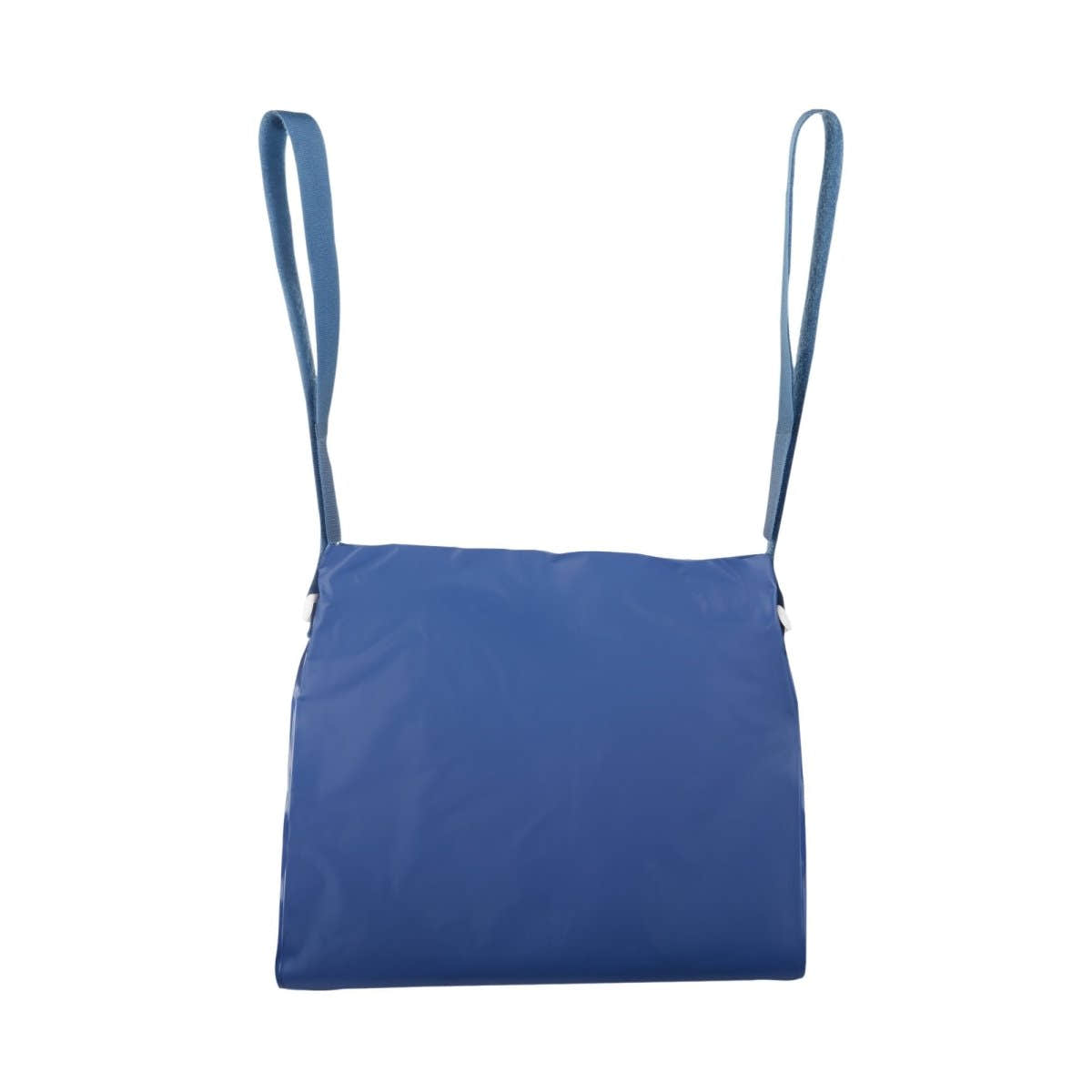
McKesson Urinary Bag Drainage Holder, Adjustable Straps, Navy Blue - 712614_CS - 1
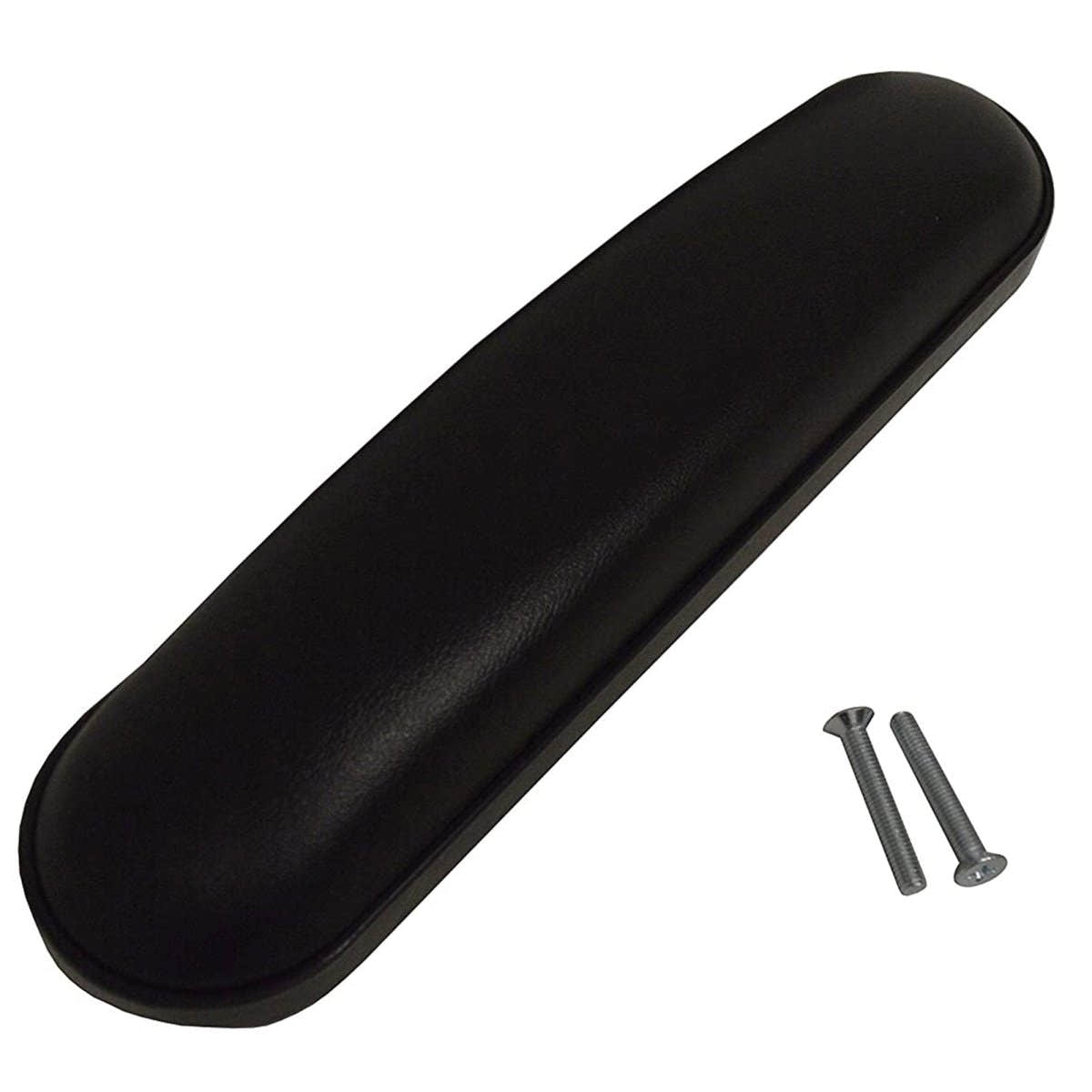
drive Wheelchair Armrest Pad, 10½ Inch - 700594_EA - 1
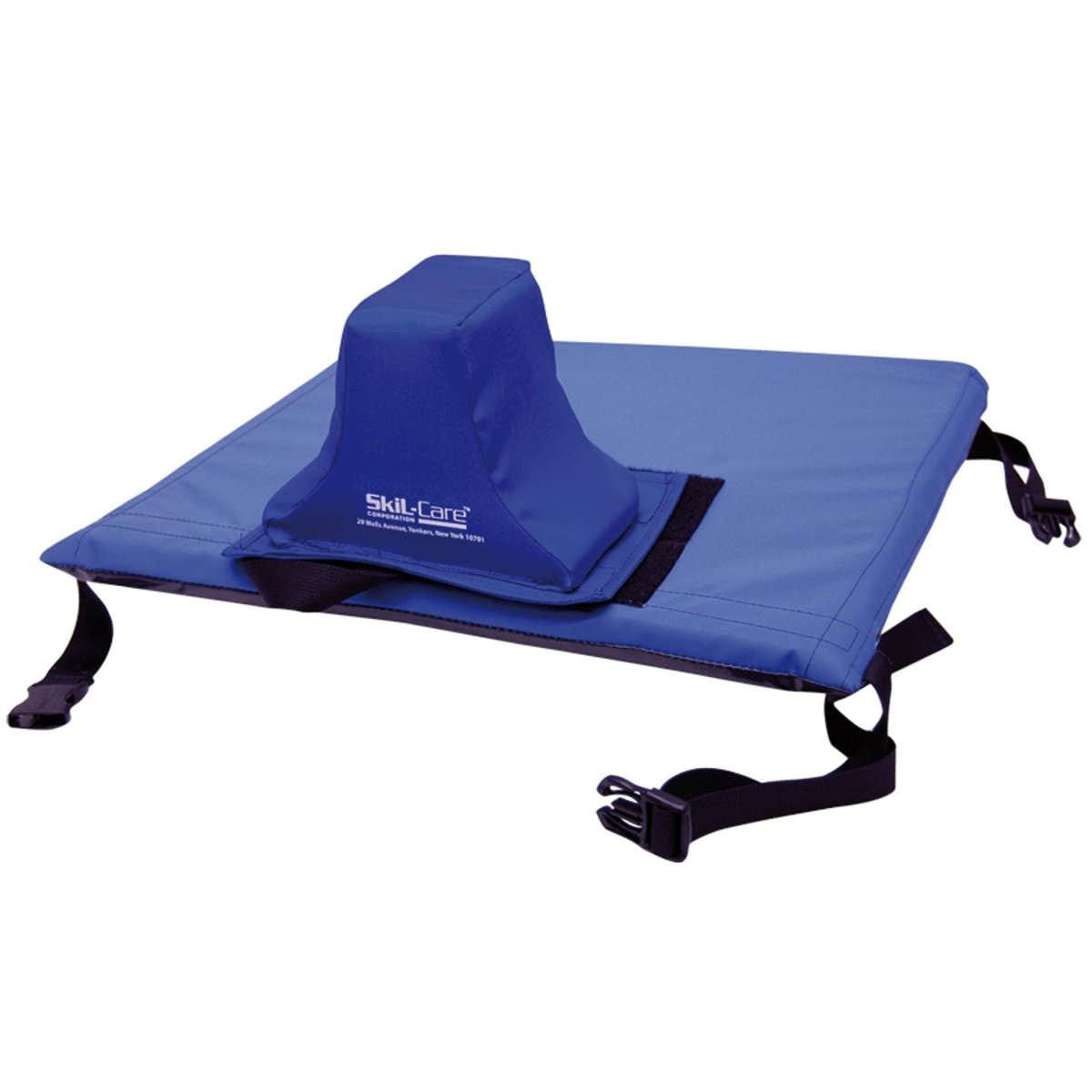
SkiL-Care E-Z Transfer Slider Pommel - 637436_EA - 1
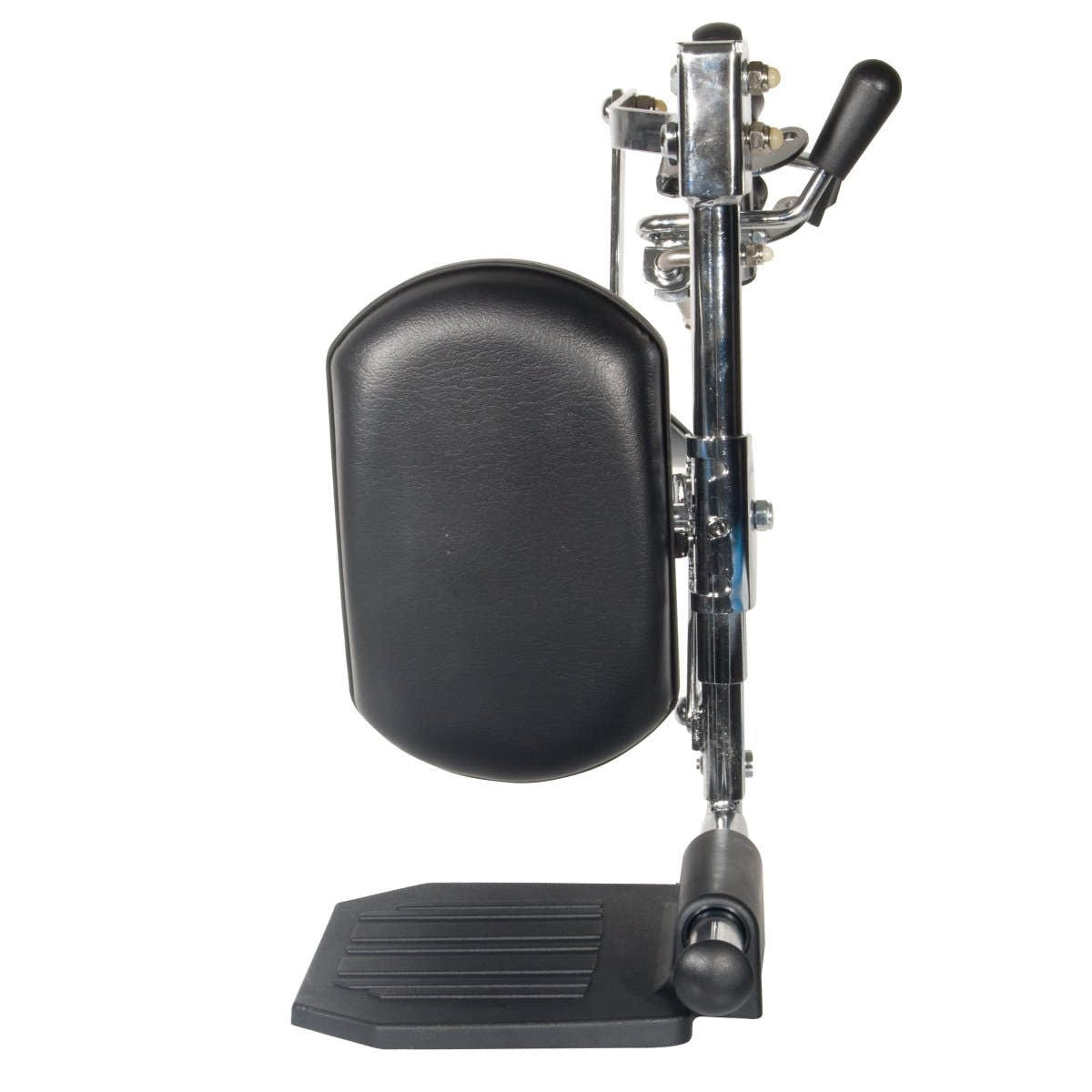
drive Elevating / Articulating Leg rest - 631576_EA - 1
Invacare Armrest Pad for Wheelchair - 580700_EA - 1
drive Swing-Away Elevating Leg Rests - 580118_PR - 1
drive Wheel Lock Extension - 579923_EA - 1
drive Wheel Lock Extension
Sale price$23.99
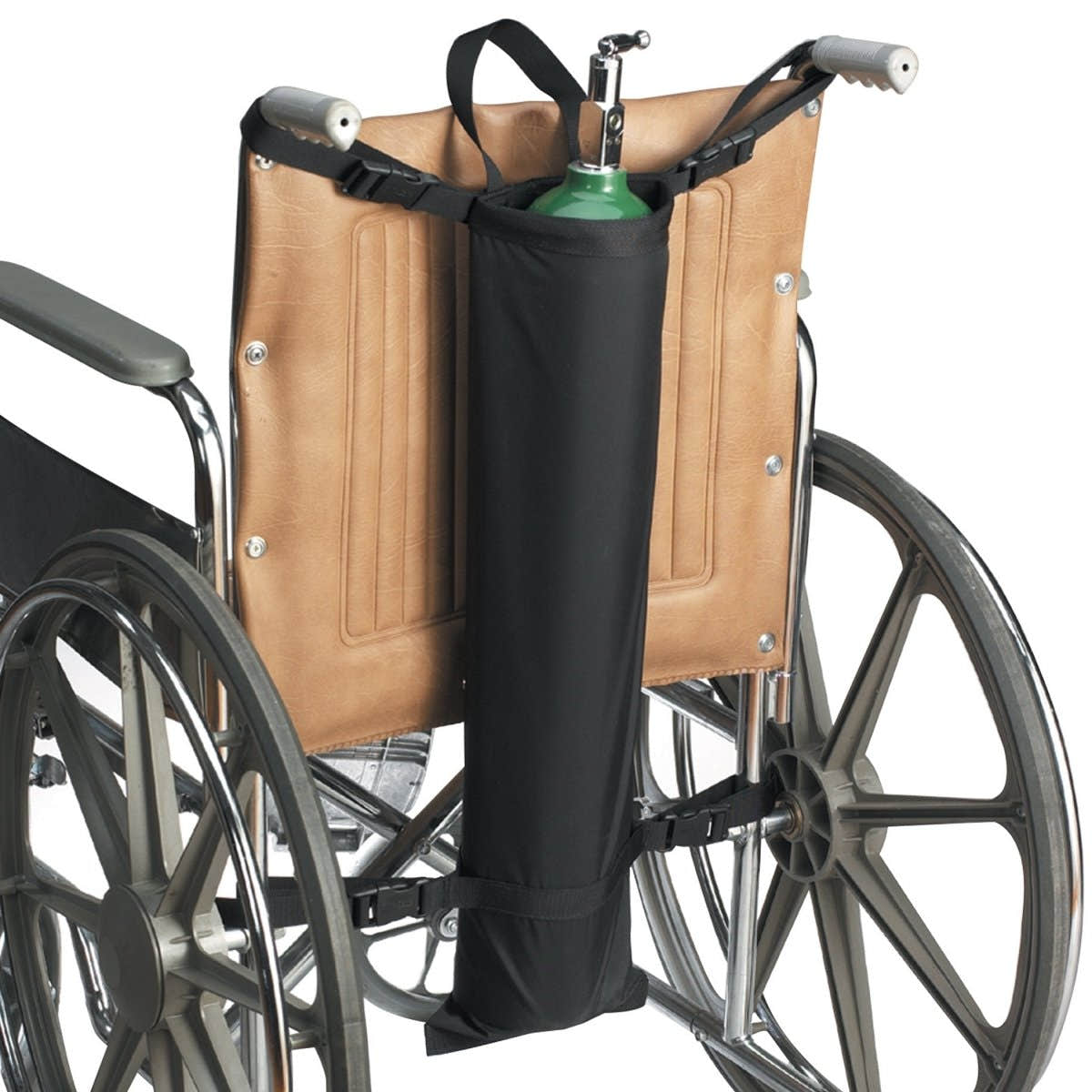
SkiL-Care Oxygen Cylinder Holder - 579436_EA - 1
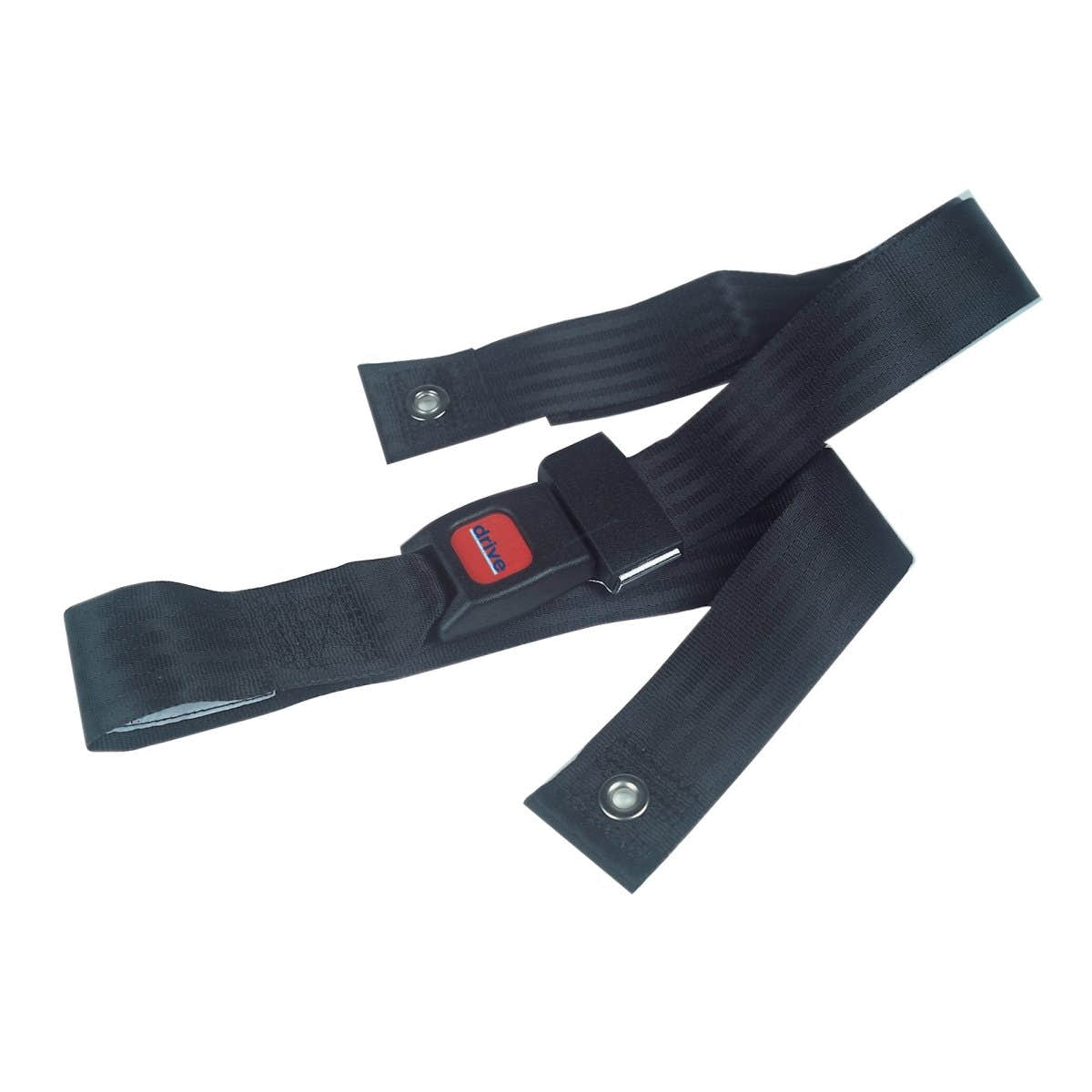
drive Seat Belt - 577701_EA - 1
drive Seat Belt
Sale price$26.99
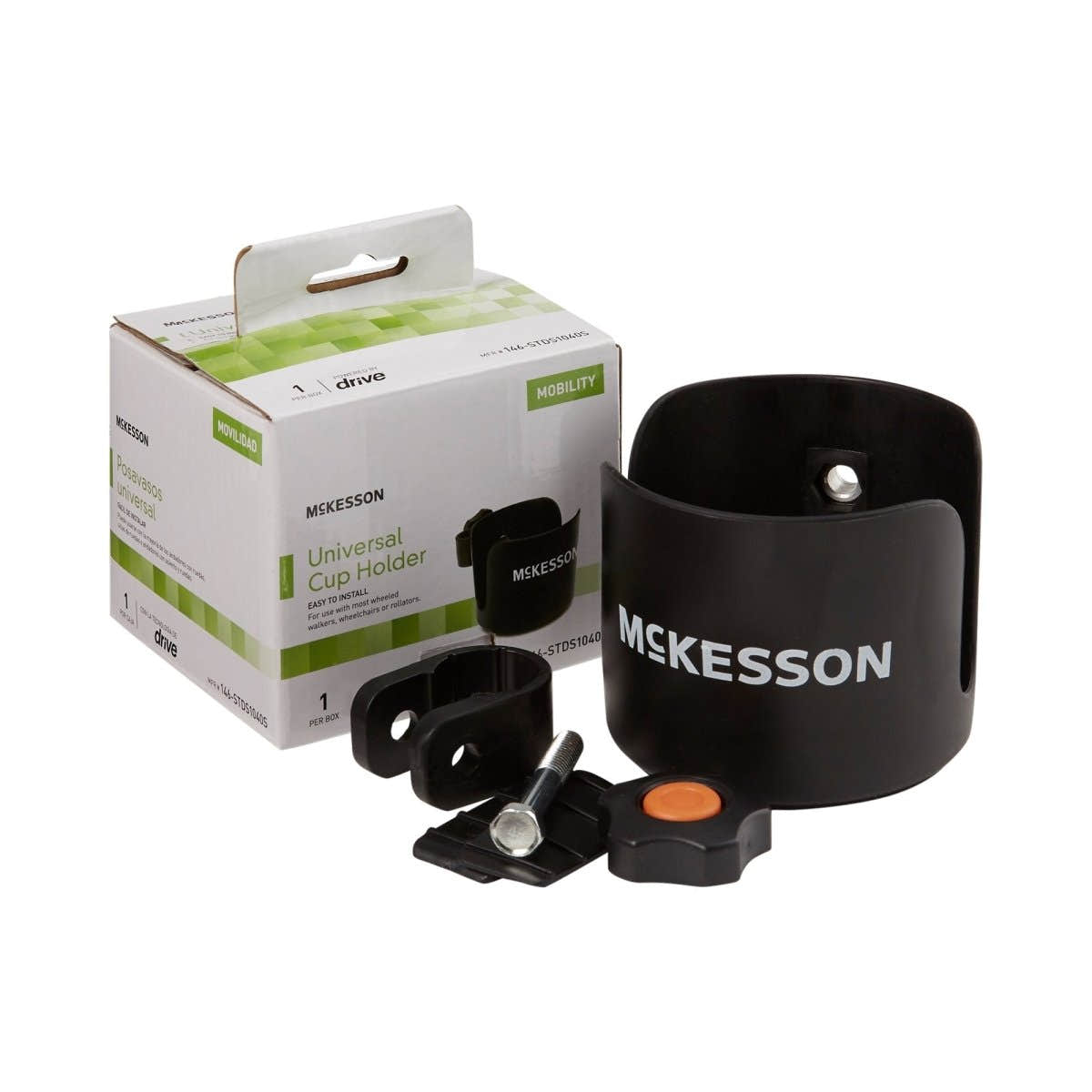
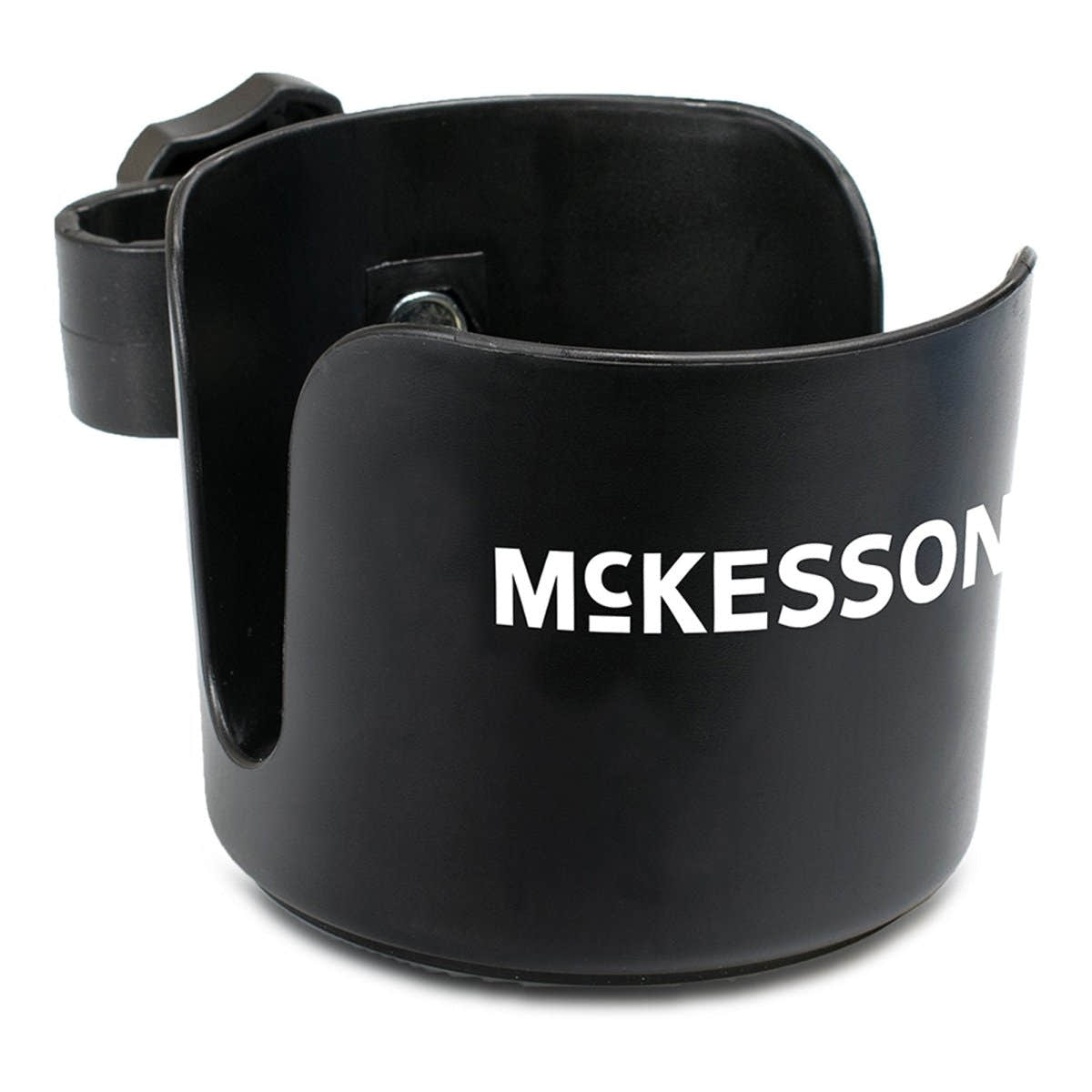
McKesson Cup Holder - 1103363_CS - 1
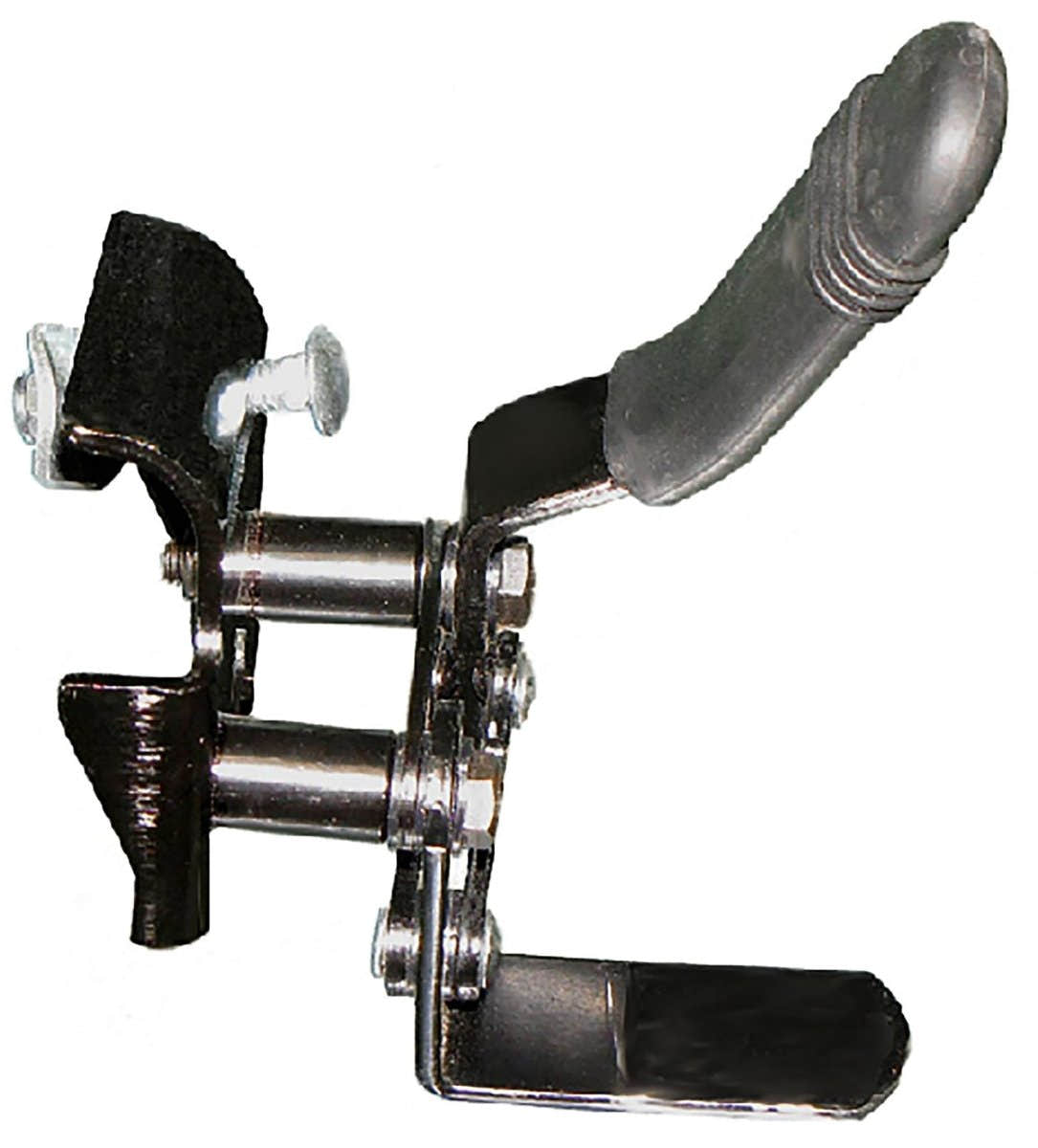
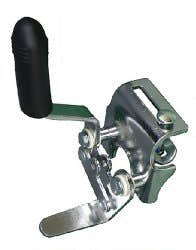
drive Brake Assembly -Each
drive Brake Assembly
Sale price$30.99
Frequently Asked Questions about Wheelchair Parts & Accessories

Wheelchair parts and accessories are add-on components designed to improve comfort, safety, and function for wheelchair users. Common examples include leg rests, armrest pads, anti-tippers, seat belts, footrests, and storage bags that attach to a standard wheelchair frame.

Wheelchair accessories are designed for anyone who uses a manual wheelchair and wants to improve comfort, mobility, or safety during daily use. Caregivers, physical therapists, and occupational therapists also select accessories to meet specific patient needs related to positioning, pressure relief, or fall prevention.

Start by identifying the specific challenge you want to address, such as foot support, pressure relief, or tipping prevention, then match the accessory type to that need. Always verify that the accessory is compatible with your wheelchair model and frame width before purchasing.

No, wheelchair parts and accessories are not universally compatible with all wheelchair models, as fit depends on frame width, seat depth, and attachment hardware. Always check the product specifications and compare them against your wheelchair's measurements before ordering a replacement or add-on part.

Wheelchair safety accessories most critical for users include anti-tippers, which prevent rearward tipping, seat belts that keep the user securely positioned, and wheel lock extensions that make braking easier to reach. These components are especially important for users with limited upper body strength or balance challenges.

Attach wheelchair leg rests and footrests by aligning the mounting bracket with the front rigging receiver on the wheelchair frame and sliding or locking the component into place according to the manufacturer's instructions. Swing-away and elevating styles typically use a locking pin or knob that should be firmly secured before use.

Because standard wheelchair armrests are often hard plastic or bare metal that can cause discomfort or pressure sores during prolonged sitting, wheelchair armrest pads provide a cushioned surface that protects the arms and elbows. They are particularly beneficial for users who spend several hours a day in their wheelchair.

Wheelchair bags and accessory holders attach directly to the rear push handles, armrests, or frame of the wheelchair to store personal items, medical supplies, or equipment like oxygen cylinders and urinary drainage bags. These storage accessories keep essential items within reach without obstructing the user or caregiver.

Clean wheelchair accessories by wiping down hard components like footrests and anti-tippers with a mild disinfectant and a damp cloth, and hand-wash fabric items such as bags and armrest pads with mild soap and warm water. Regular inspection of hardware, straps, and locking mechanisms helps ensure the accessories remain safe and functional.

Yes, wheelchair accessories can significantly assist with transfers and positioning by providing support structures, padded surfaces, and stability aids that make movement safer for both the user and caregiver. Accessories like transfer boards, positioning belts, and elevating leg rests are commonly recommended by therapists to support safe and comfortable transfers.

Recently viewed