Hydrogel Dressings

23 products

Showing 1 - 23 of 23 products

Superior and Gentle Wound Care Solutions

Looking for a wound dressing that is gentle on the skin, promotes healing, and provides long-lasting moisture? Look no further than hydrogel dressings!

Hydrogel dressings wound dressings are made of water and polymer components. The result is a gel-like substance that is highly absorbent and provides a moist environment to help the wound heal quicker. Having a moist environment is important for wounds because it helps to promote healing and prevent the formation of scar tissue, even though women dig scars, right?

Showing 1 - 23 of 23 products
View
Cutimed Siltec Dressing, 6 x 6 Inch - 917237_BX - 1
Save 17%
Cutimed Sorbact Sterile Hydrogel Dressing, 3 x 6 Inch - 811942_BX - 1
Cutimed Sorbact Sterile Hydrogel Dressing, 3 x 6 Inch
Sale priceFrom $19.99 Regular price$23.99
Cutimed Sorbact Hydrogel Dressing, 3 x 3 Inch - 811354_BX - 1
Save 48%
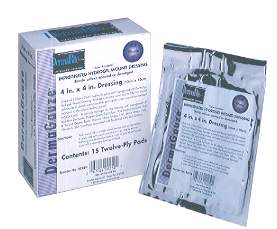
DermaGauze Hydrogel Dressing, 2 x 2 Inch - 727082_BX - 1
DermaGauze Hydrogel Dressing, 2 x 2 Inch
Sale price$12.99 Regular price$24.99
Save 62%
McKesson Hydrogel Dressing, 2 x 2 Inch - 494192_BX - 1
McKesson Hydrogel Dressing, 2 x 2 Inch
Sale priceFrom $4.99 Regular price$12.99
Choose options
Save 55%
Solosite Hydrogel Dressing, 3 oz. - 224395_CS - 1
Solosite Wound Gel, 3 oz.
Sale priceFrom $14.99 Regular price$32.99
Choose options
Save 45%
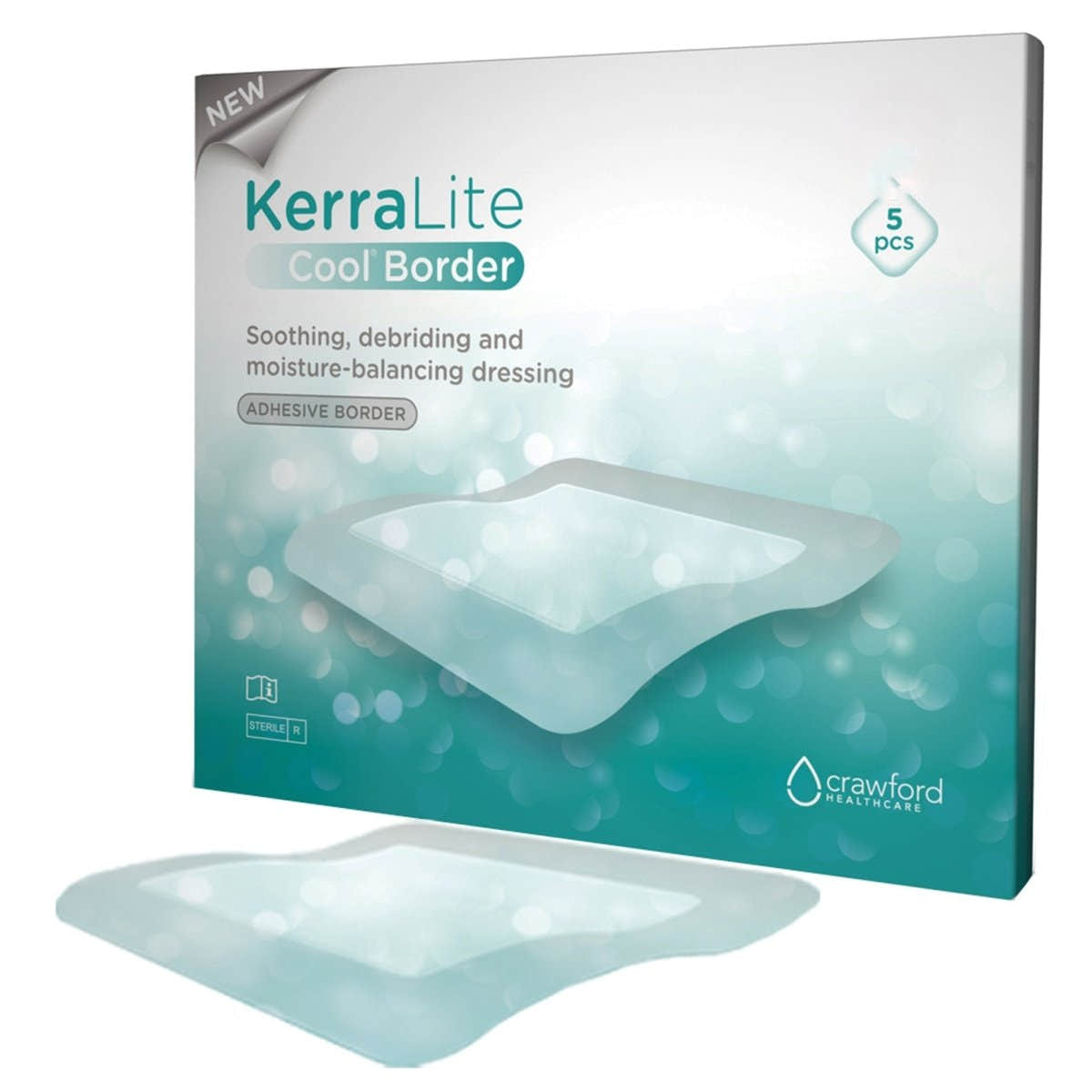
KerraLite Cool Hydrogel Dressing, 4 x 4 Inch - 1189331_CS - 1
KerraLite Cool Hydrogel Dressing, 4 x 4 Inch
Sale priceFrom $21.99 Regular price$39.99
Choose options
Safe N Simple Fibergel Wound Dressing - 1090699_CS - 1
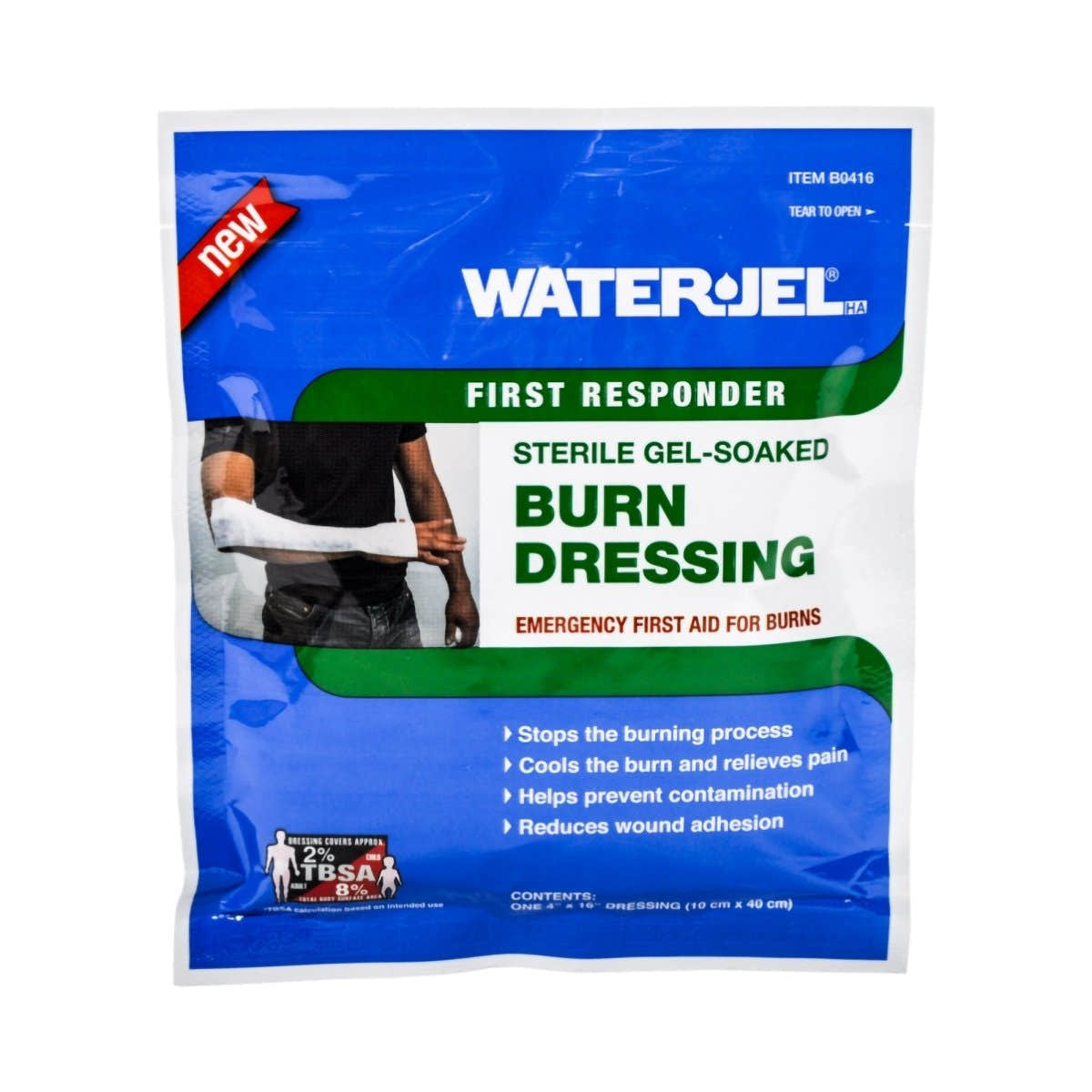
Water-Jel Burn Dressing - 1071031_CS - 1
Water-Jel Burn Dressing
Sale priceFrom $3.99
Choose options
FiberGel Hydrogel Dressing, 2 x 2 Inch - 1058995_BX - 1
FiberGel Hydrogel Dressing - 1058996_BX - 1
FiberGel Hydrogel Dressing
Sale priceFrom $6.99

Frequently Asked Questions about Hydrogel Dressings

Hydrogel dressings are used to create and maintain a moist wound environment that supports faster healing for dry, necrotic, or painful wounds. Hydrogel dressings work by delivering moisture directly to the wound bed, which helps soften dead tissue and reduce discomfort during healing.

Hydrogel dressings are designed for people managing dry or minimally draining wounds, including those with pressure ulcers, surgical wounds, minor burns, or skin tears. They are also commonly recommended for patients whose wounds require gentle, non-traumatic dressing changes due to sensitive or fragile skin.

Apply a hydrogel dressing by first cleaning the wound thoroughly, then placing the gel or dressing sheet directly over the wound bed and securing it with a secondary dressing or tape as needed. Change hydrogel dressings according to your clinician's instructions, typically every one to three days depending on wound drainage.

Hydrogel sheet dressings come as pre-formed gel pads that conform to the wound surface, while hydrogel impregnated gauze dressings consist of gauze saturated with hydrogel for packing deeper or irregularly shaped wounds. The right choice depends on wound depth, location, and the amount of drainage present.

Yes, certain hydrogel dressings formulated with antimicrobial agents can be used on wounds at risk of infection or with mild bacterial burden. However, standard hydrogel dressings without antimicrobial properties are generally not recommended for heavily infected wounds, so always follow the guidance of a healthcare provider.

Because hydrogel dressings maintain a consistently moist wound environment, they support cell migration and tissue regeneration, which are both critical steps in the healing process. Moist wound healing has been clinically shown to reduce healing time compared to wounds left to dry out under traditional dressings.

Hydrogel dressings are available in a range of sizes to accommodate different wound types and locations, with common sheet sizes including 2 x 2 inch and 4 x 4 inch options, as well as gel formulations measured by weight or volume for tube or amorphous products. Choosing the right size ensures full wound coverage without excessive overlap onto healthy skin.

Yes, hydrogel dressings are generally considered safe for sensitive or fragile skin because hydrogel dressings are non-adherent and designed to lift away from the wound without causing trauma during removal. Their high water content makes them one of the gentler wound care options available for elderly patients or those with compromised skin integrity.

Hydrogel dressings should be stored at room temperature in a cool, dry place away from direct sunlight and extreme heat or cold, which can degrade the gel structure. Always check the expiration date before use and keep sterile hydrogel products in their original sealed packaging until ready to apply.

Hydrogel dressings add moisture to dry wounds, while foam dressings are designed to absorb excess fluid from heavily draining wounds, making the two categories suited for opposite wound conditions. If a wound is producing significant exudate, a foam dressing is typically the better choice, whereas hydrogel dressings excel in keeping dry or necrotic wounds adequately hydrated.

Recently viewed