Fillers and Packing Strips

19 products

Showing 1 - 19 of 19 products

Accelerate Healing with Advanced Wound Fillers and Packing Strips

In need of top-notch wound care products? Look no further! Explore our extensive collection of wound fillers and packing strips, specially crafted to enhance healing and deliver superior wound management. Say goodbye to slow recovery times and hello to quick, effective treatment.
Showing 1 - 19 of 19 products
View
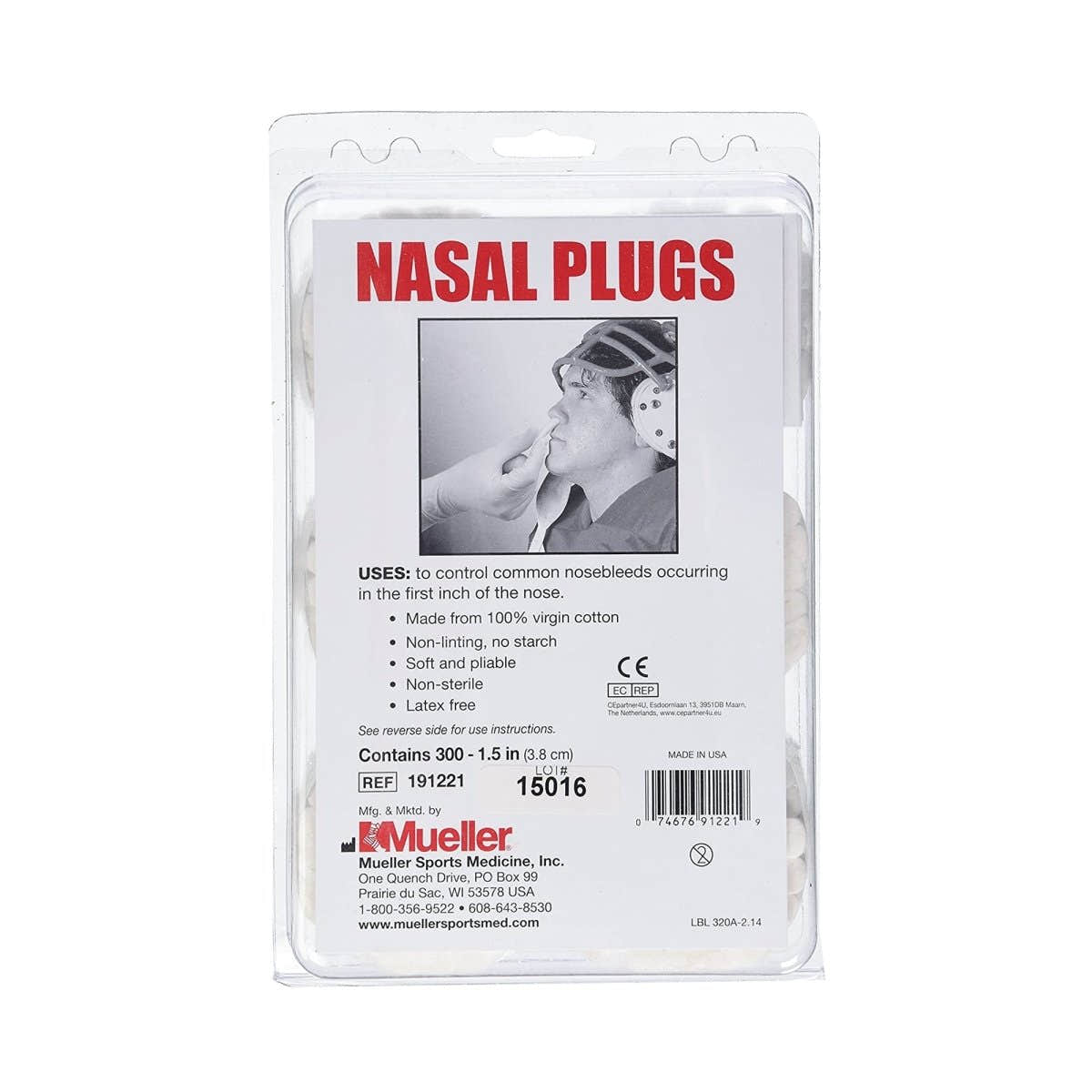
Mueller Sports Medicine Nasal Plug, 1½ Inch - 647594_PK - 1
Save 69%
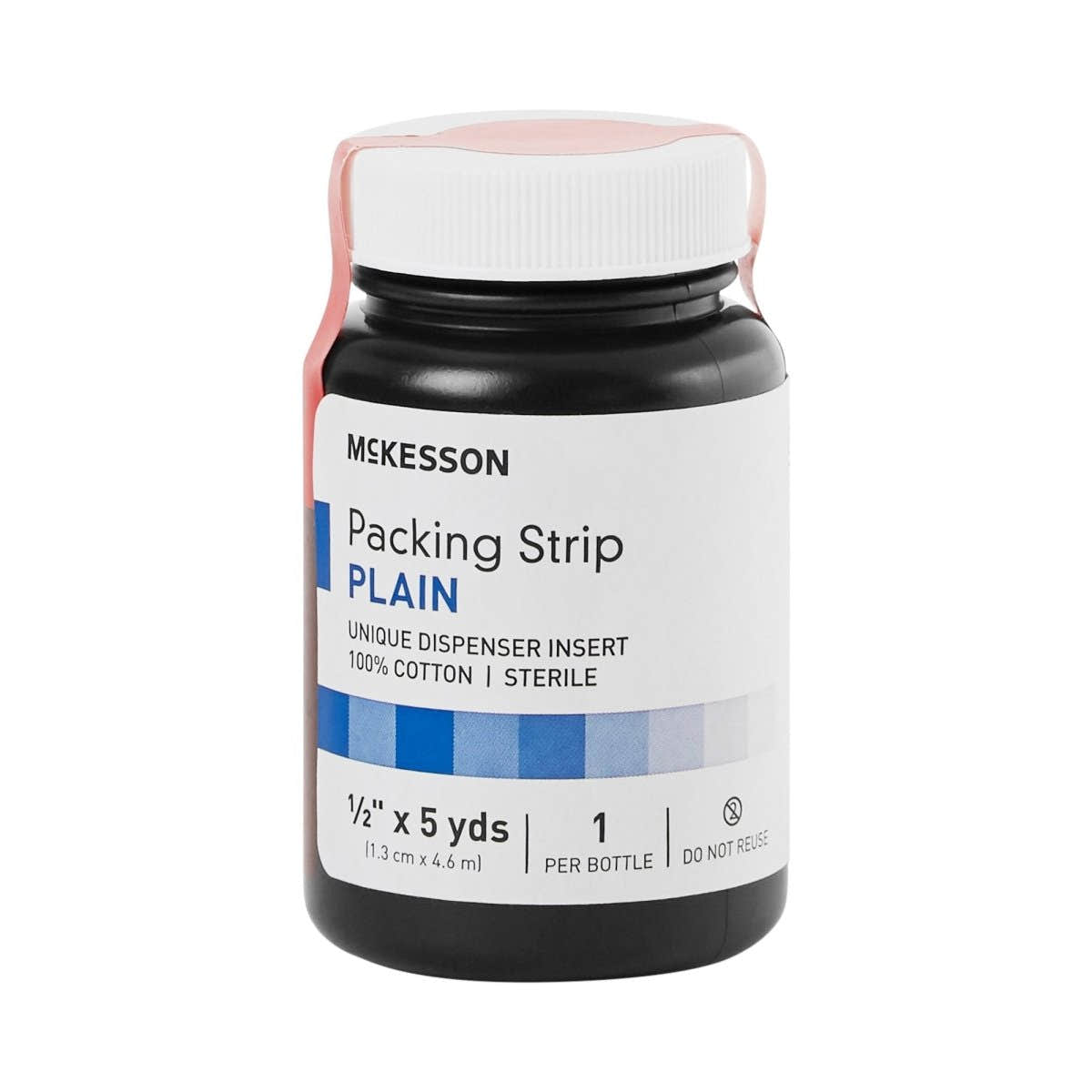
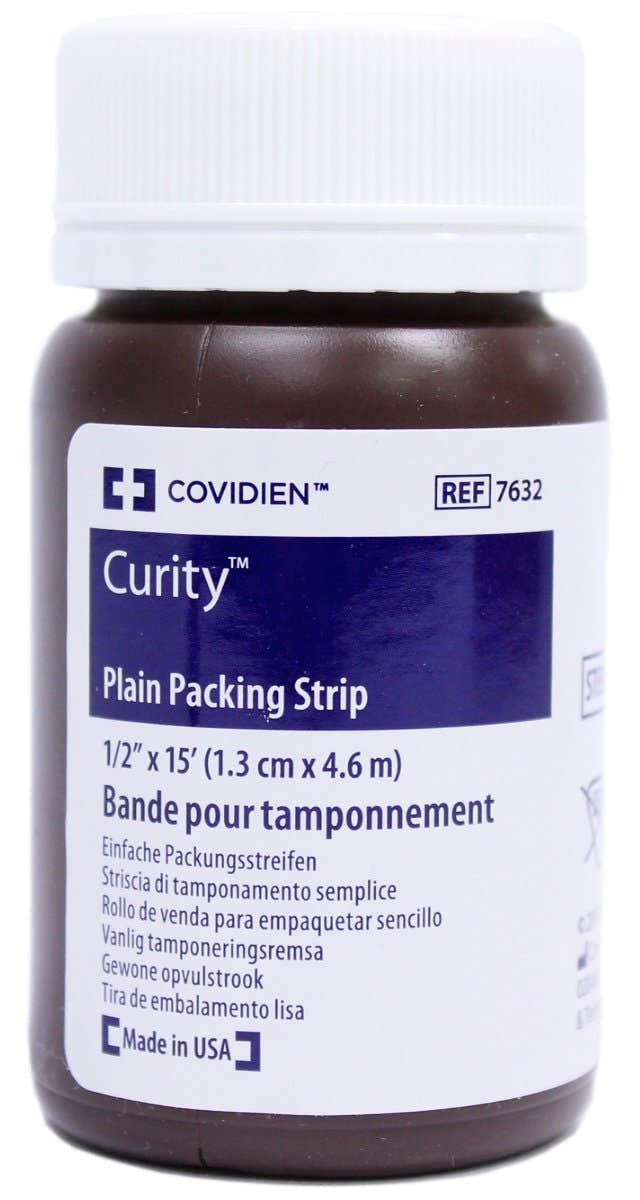
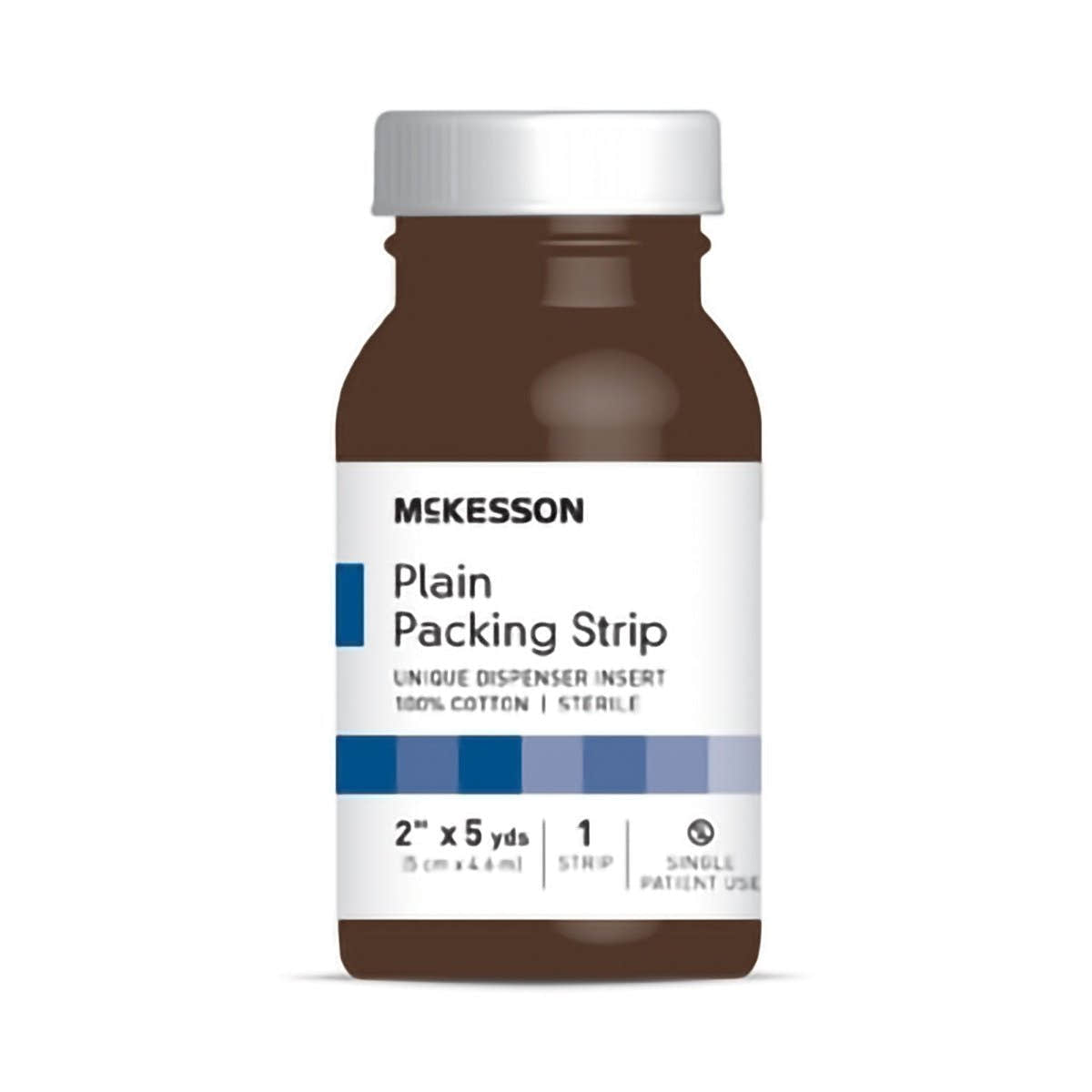
McKesson Packing Strip, ½ Inch x 5 Yard - 632342_BT - 1
McKesson Packing Strip, ½ Inch x 5 Yard
Sale priceFrom $3.99 Regular price$12.99
Choose options
Save 69%
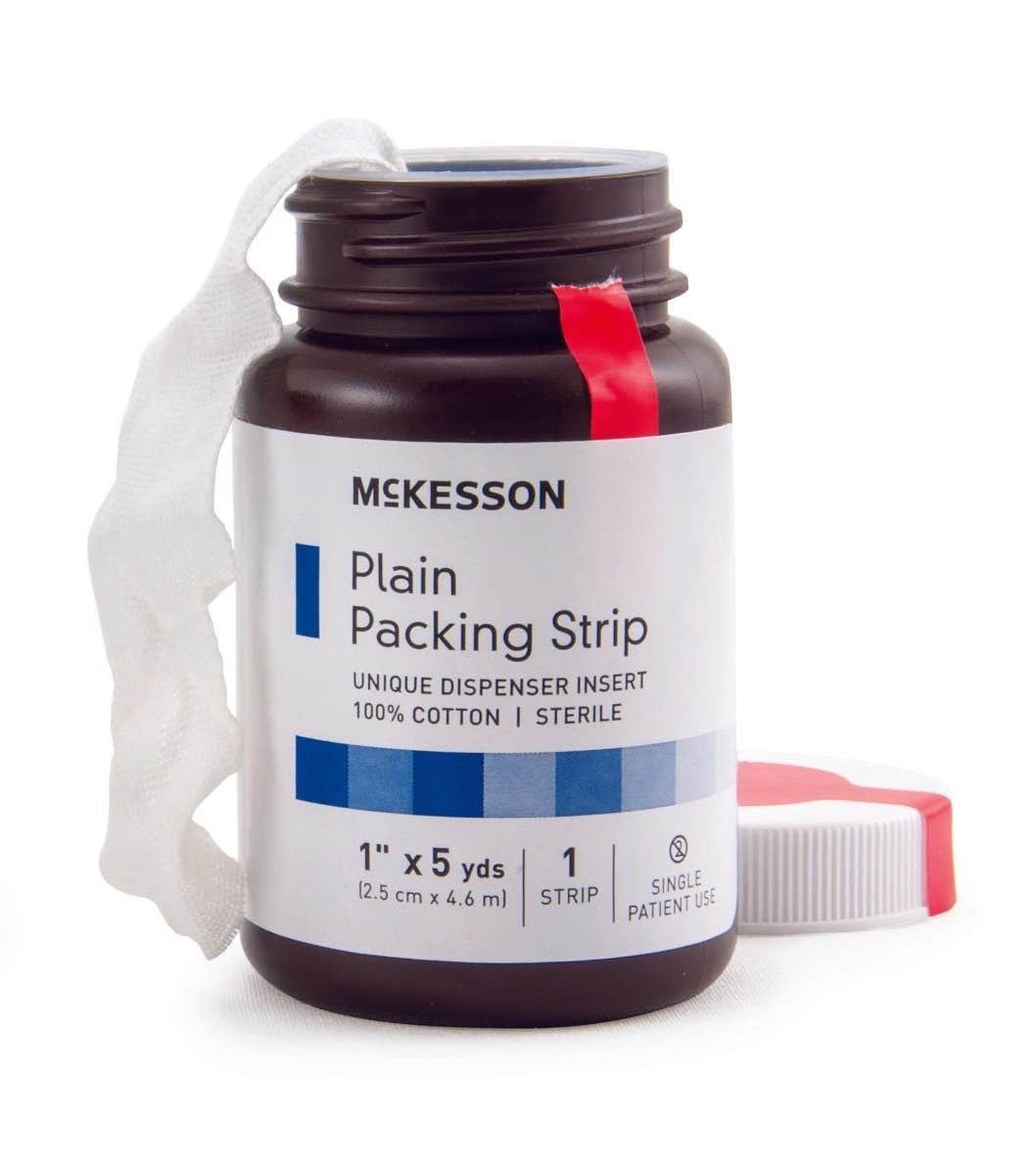
McKesson Nonimpregnated Wound Packing Strip, 1 Inch x 5 Yard - 470438_BT - 1
McKesson Nonimpregnated Wound Packing Strip, 1 Inch x 5 Yard
Sale priceFrom $3.99 Regular price$12.99
Choose options
Save 64%
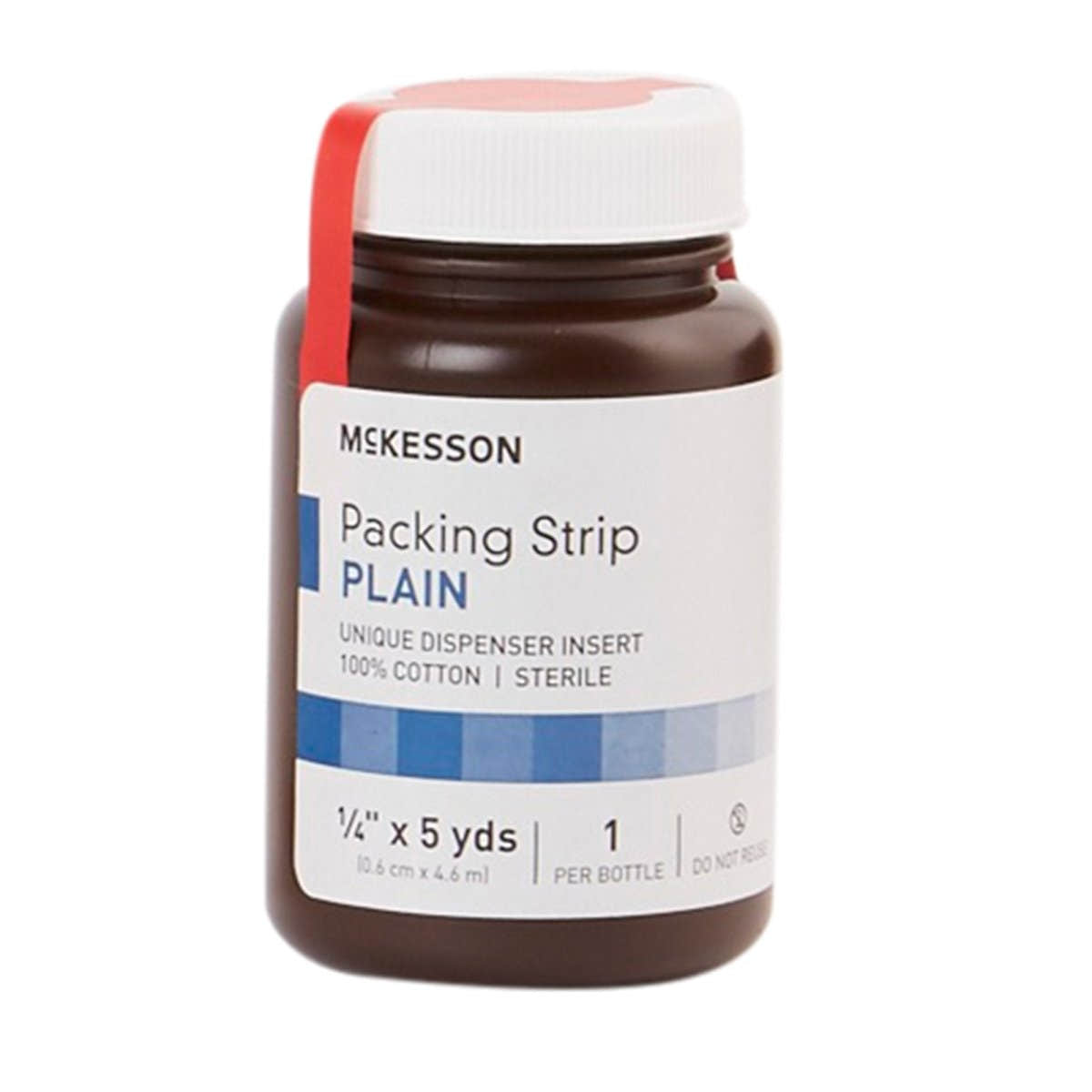
McKesson Nonimpregnated Wound Packing Strip, ¼ Inch x 5 Yard - 470436_BT - 1
McKesson Nonimpregnated Wound Packing Strip, ¼ Inch x 5 Yard
Sale priceFrom $3.99 Regular price$10.99
Choose options
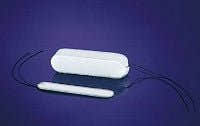
Rhino Rocket Nasal Packing -1 X 3 X 3 cm
Rhino Rocket Nasal Packing
Sale priceFrom $27.99
Choose options
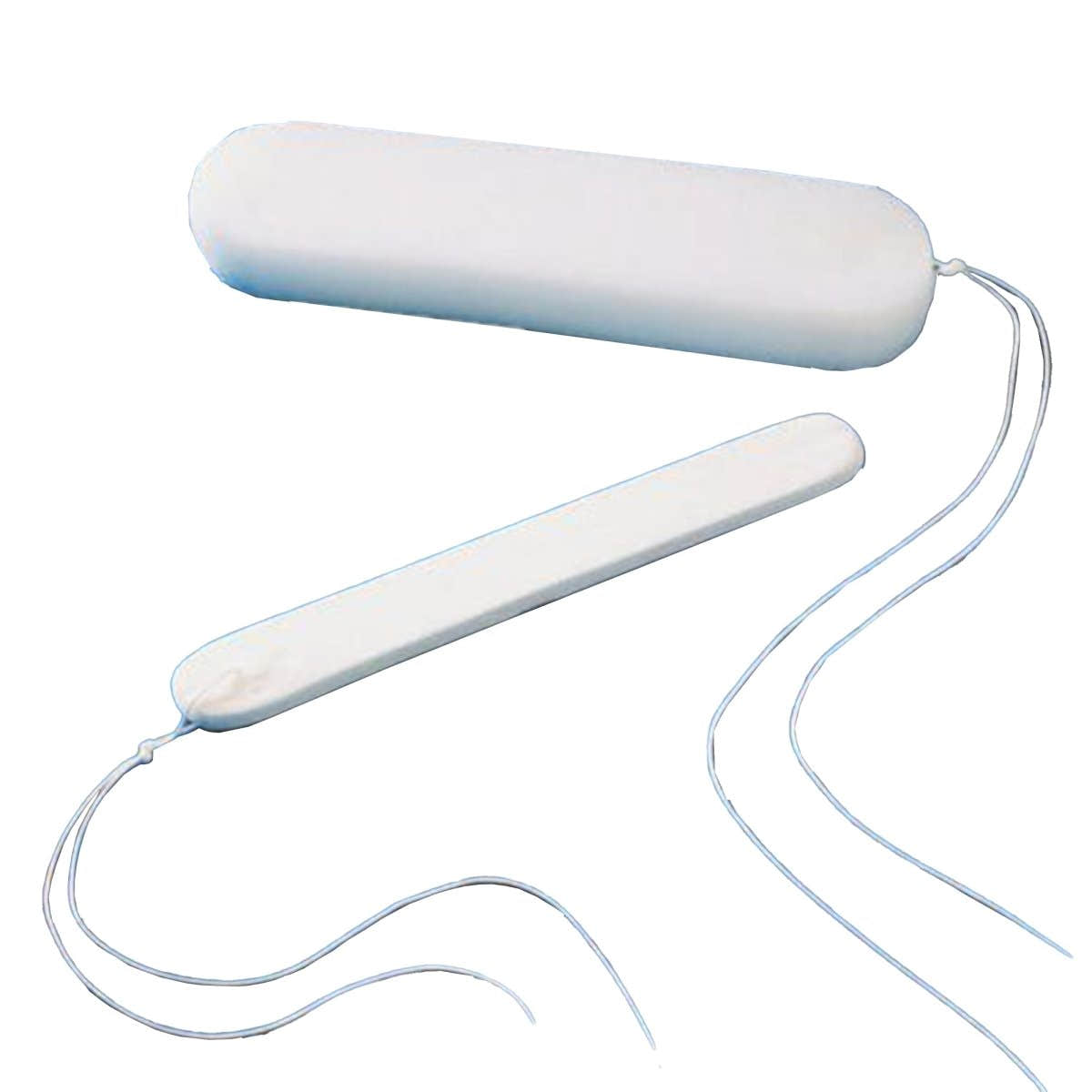
Ivalon Nasal Packing - 372132_EA - 1
Ivalon Nasal Packing
Sale priceFrom $9.99
Choose options
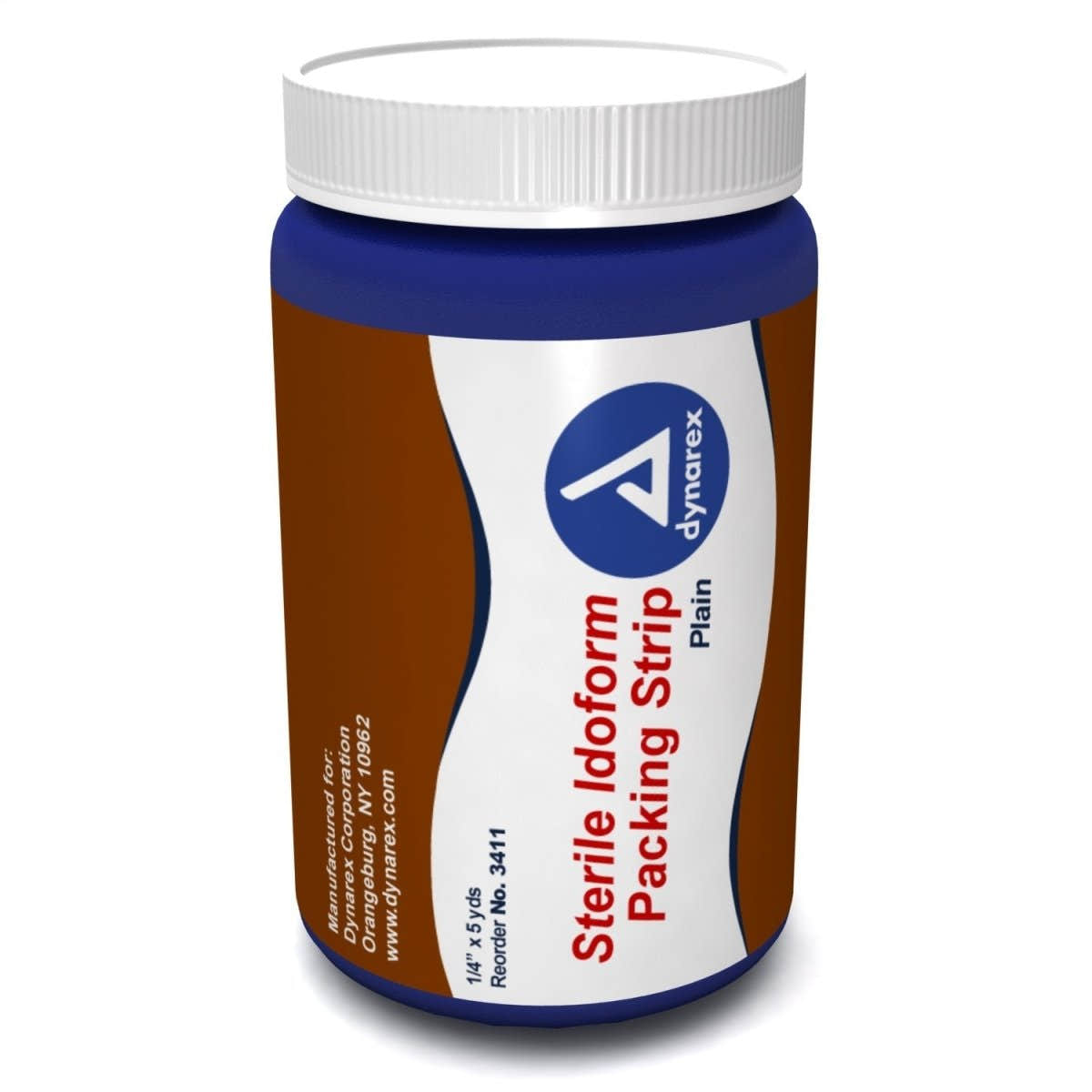
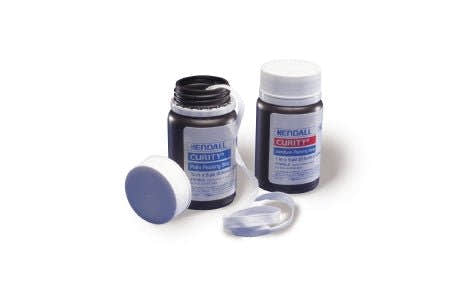
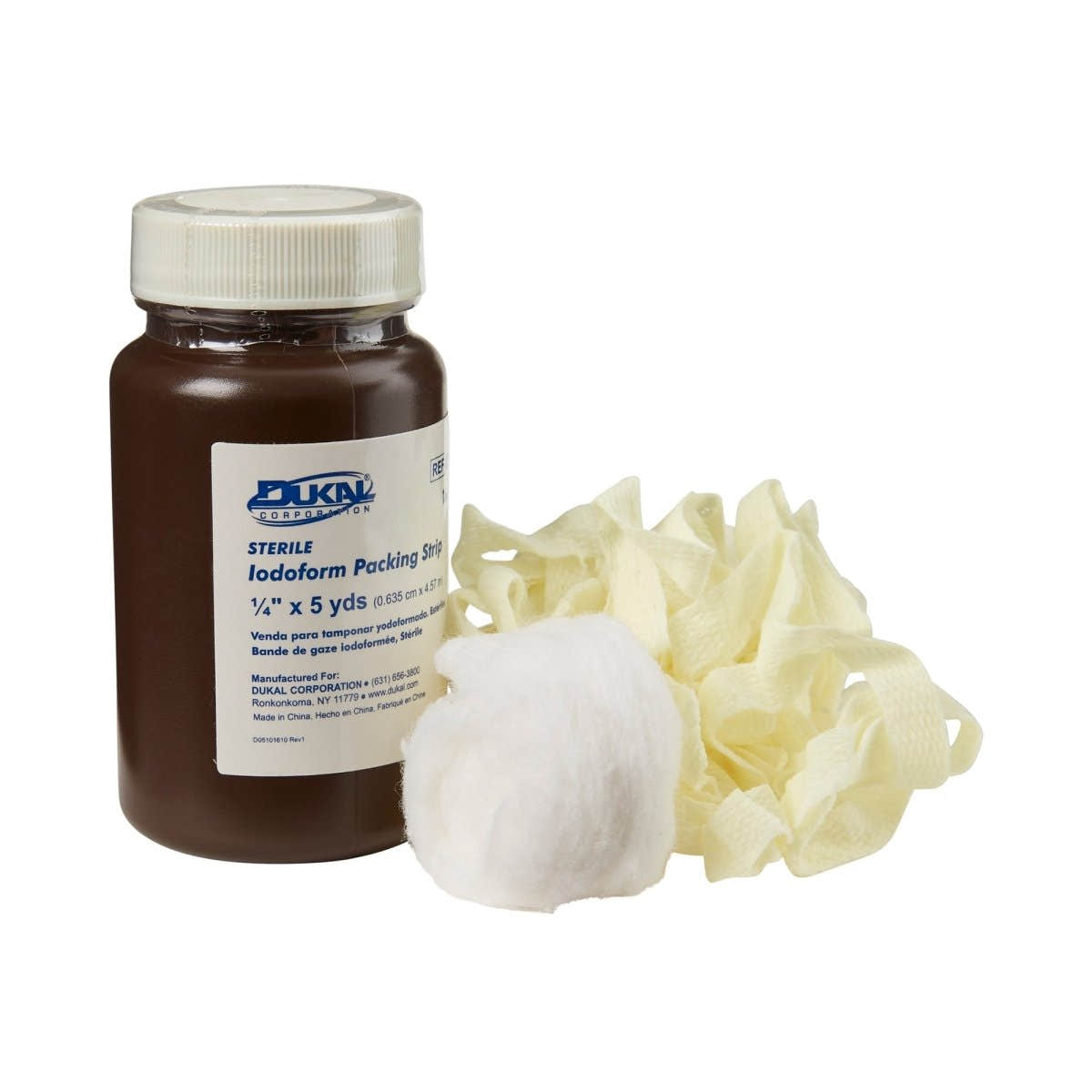
Dukal Nonimpregnated Wound Packing Strip, ¼ Inch x 5 Yard - 348496_EA - 1
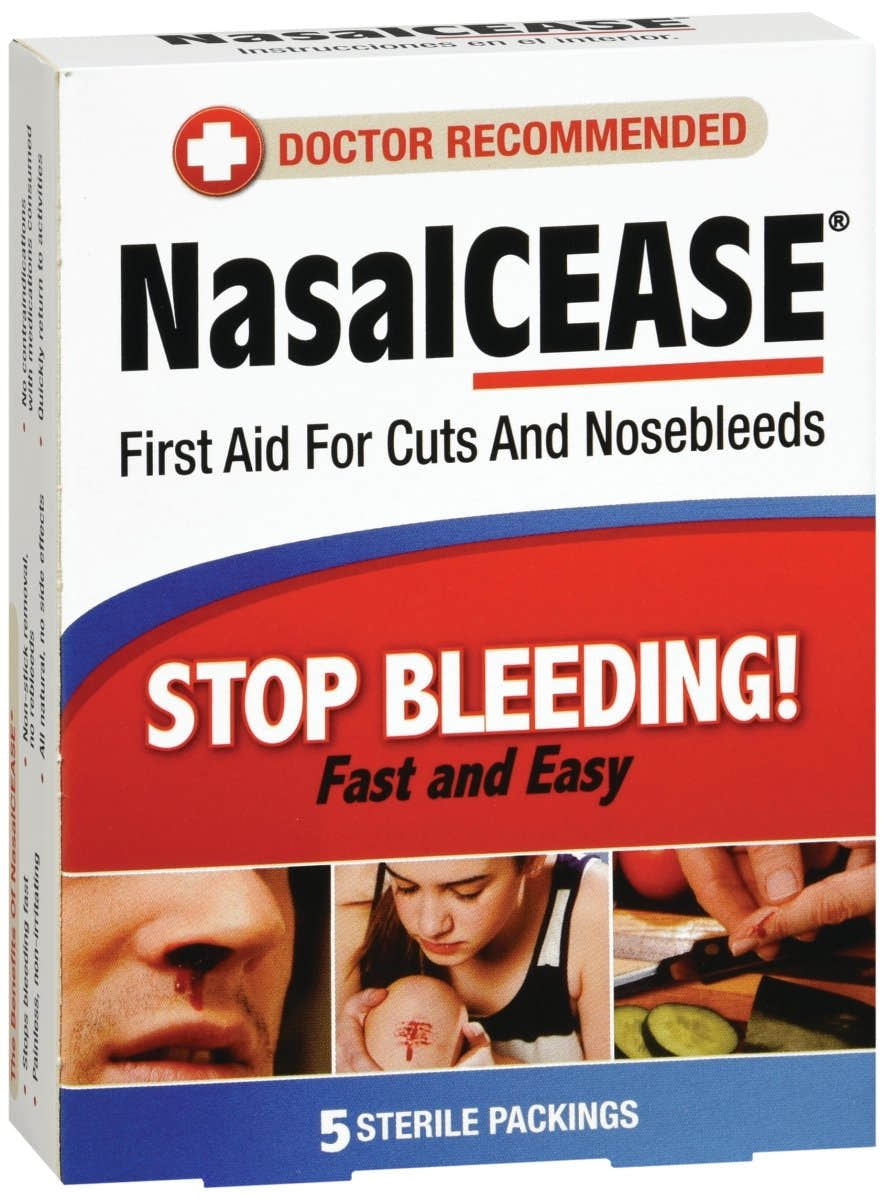
Nasalcease Nasal Packing - 670661_BX - 1
Nasalcease Nasal Packing
Sale price$15.99
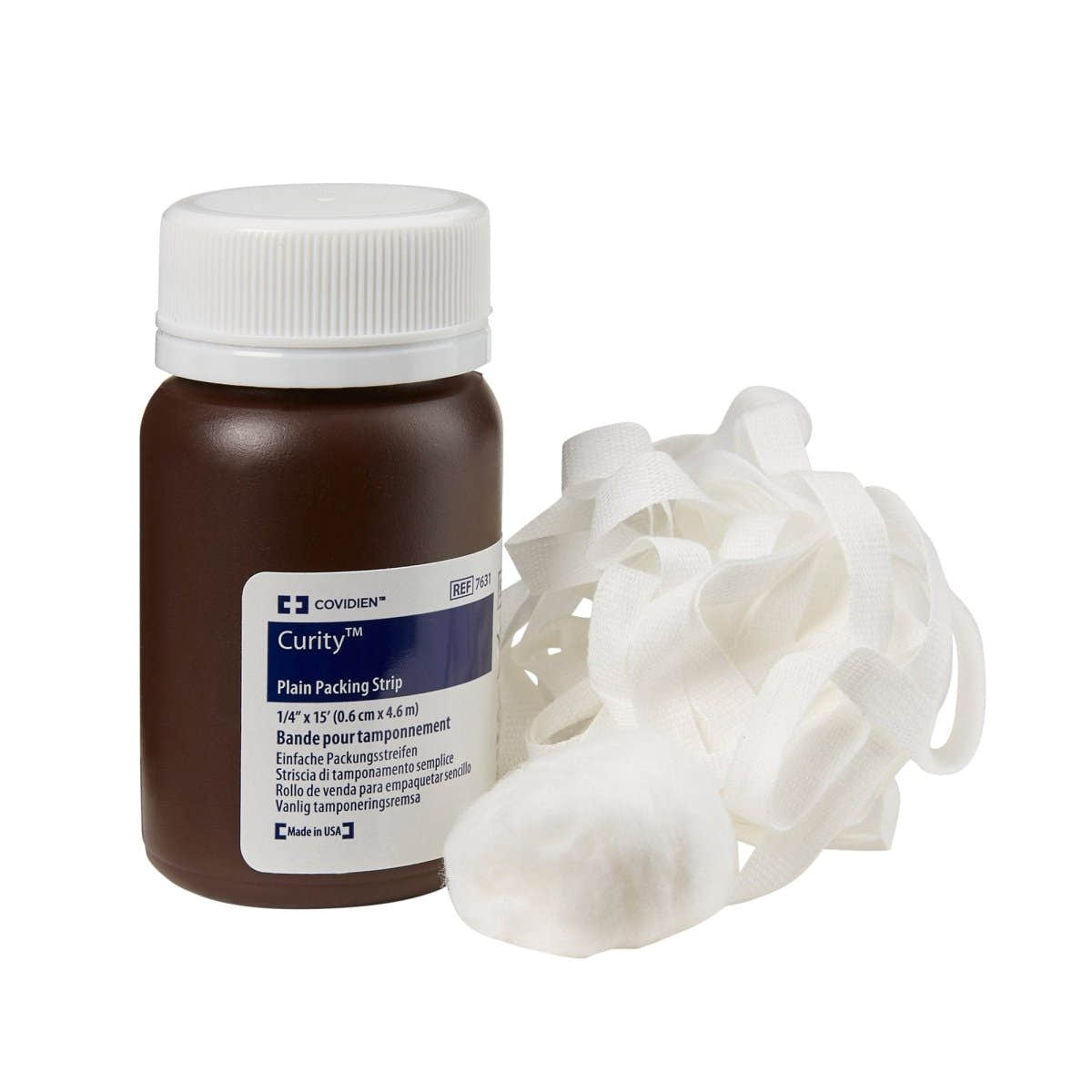
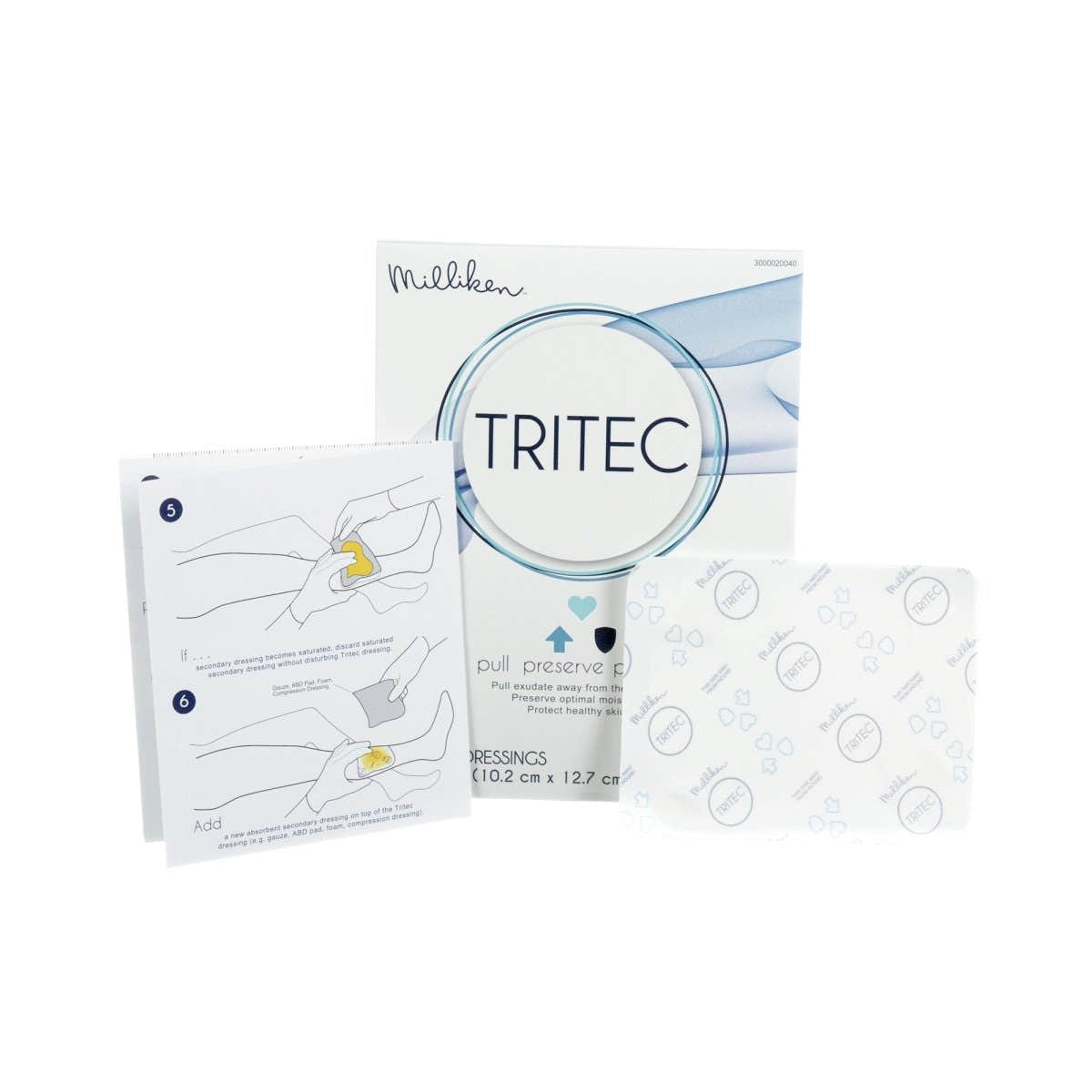
Tritec Contact Layer Wound Dressing - 794692_EA - 1

Frequently Asked Questions about Fillers and Packing Strips

Wound fillers and packing strips are used to fill deep or tunneling wounds, absorb drainage, and maintain a moist healing environment that supports tissue regeneration. These products help prevent wound edges from closing prematurely, which can trap bacteria and delay healing. They are a standard tool in managing surgical wounds, abscesses, and other open wounds.

Wound packing strips are designed for patients, caregivers, and healthcare professionals managing deep, open, or draining wounds that require internal packing to heal properly from the inside out. Clinicians commonly use them post-surgery or after abscess drainage. Home caregivers may also use them under the guidance of a healthcare provider for ongoing wound management.

Start by cleaning the wound thoroughly, then gently loosely pack the wound packing strip into the wound cavity using sterile forceps, leaving a small tail visible for easy removal. Avoid packing too tightly, as this can restrict circulation and slow healing. Change the packing according to your healthcare provider's instructions, typically daily or every few days.

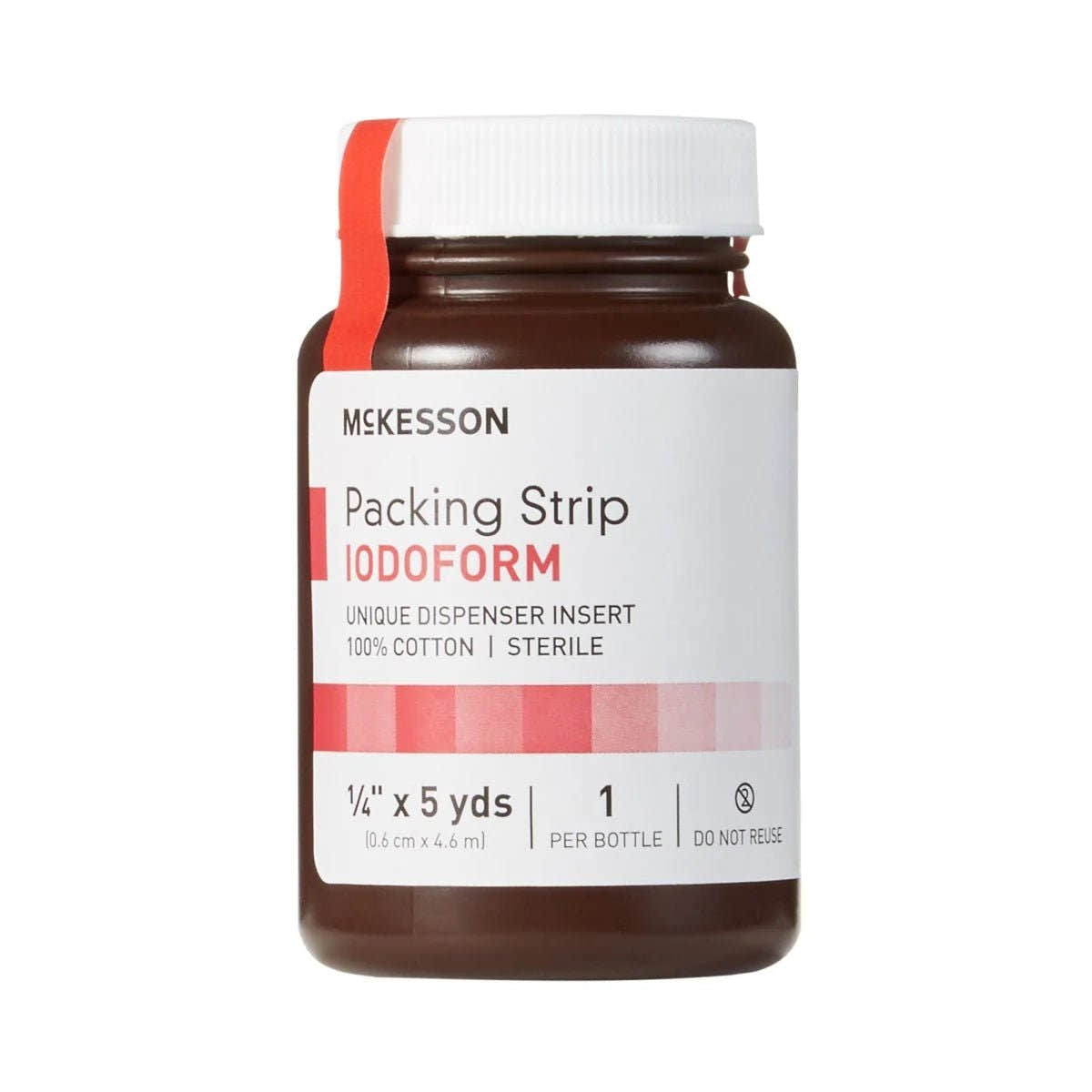
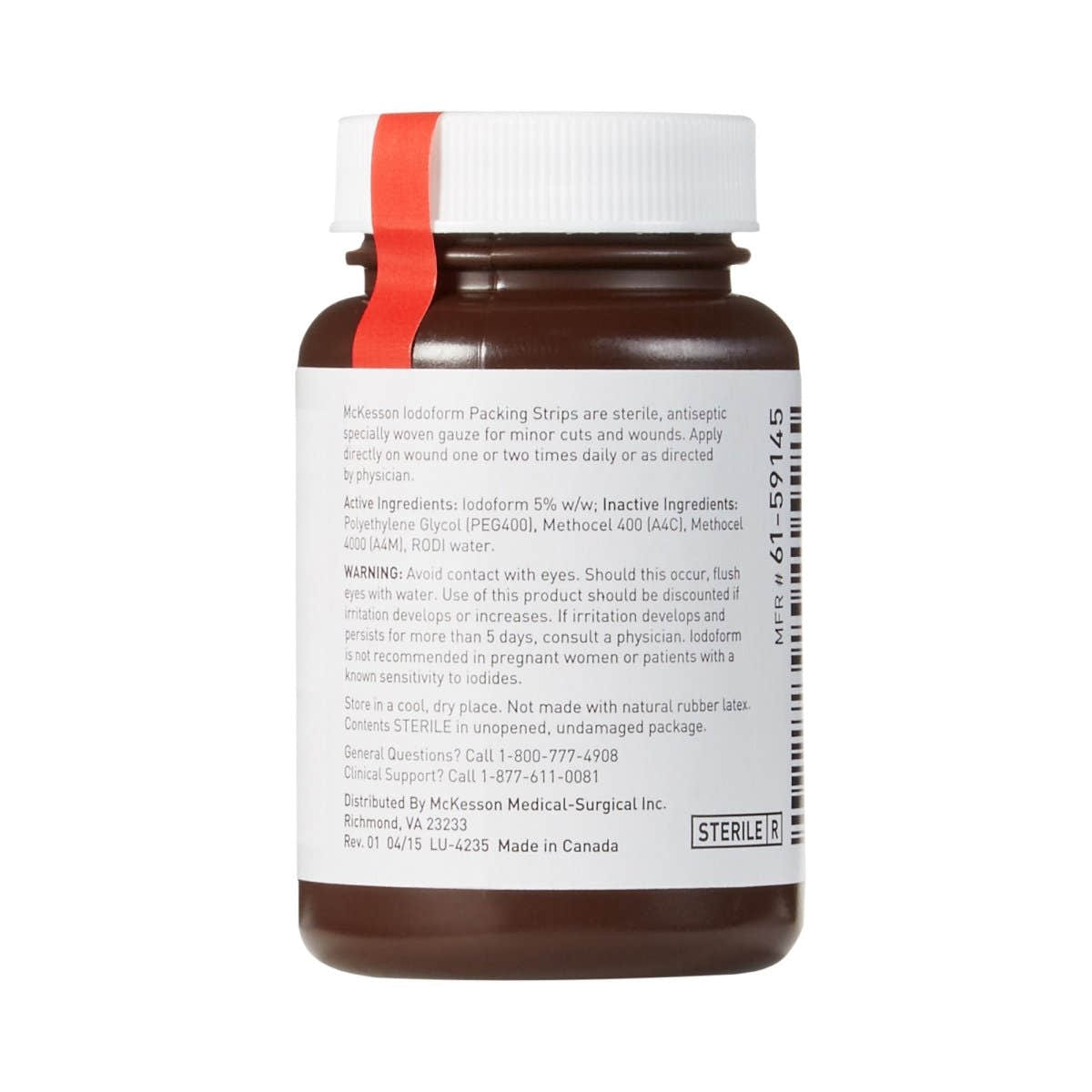
Iodoform wound packing strips are pre-saturated with iodoform, an antiseptic agent that helps reduce bacteria in infected or high-risk wounds, while nonimpregnated wound packing strips are plain gauze used when antimicrobial treatment is not needed. The choice between the two depends on wound type, infection status, and your clinician's recommendation. Both types come in various widths to fit different wound sizes.

Wound packing strips commonly come in widths ranging from one-quarter inch to one inch, with lengths typically measuring one to five yards per strip. Narrower strips, such as one-quarter inch, are suited for smaller or tighter wound tunnels, while wider strips work better for larger wound cavities. Choosing the right size ensures proper wound contact and effective drainage absorption.

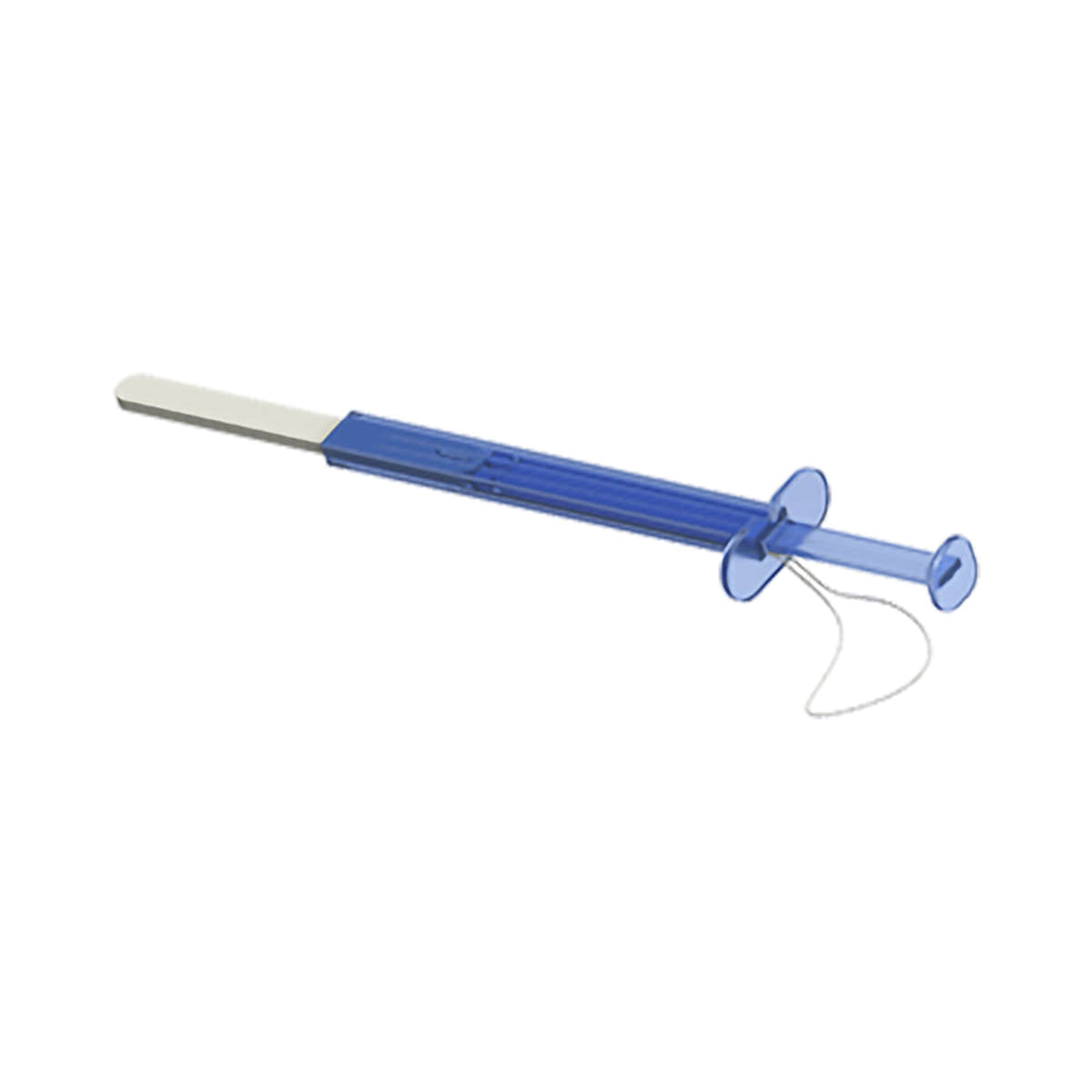
Yes, nasal packing is specifically designed for use inside the nasal cavity to control nosebleeds or support healing after nasal surgery, while wound packing strips are made for open skin wounds. Nasal packing products are shaped and sized to fit the nasal passage and may include an applicator for easier placement. Both product types fall under the broader category of fillers and packing strips.

Wound fillers and packing strips can be safe for home use when a healthcare provider has assessed the wound and provided clear instructions for application and removal. Many products in this category are sterile and individually packaged to reduce infection risk during at-home dressing changes. Always consult a clinician before beginning wound packing at home, especially for deep or infected wounds.

Because wound packing strips are specifically designed to be inserted into deep or tunneling wound cavities, standard flat gauze pads cannot conform to or fill irregular wound spaces the way packing strips can. Packing strips allow for controlled, layer-by-layer wound filling that supports healing from the inside out. This makes wound packing strips a more effective option for managing wounds with depth or undermining.

Wound fillers and packing strips should be stored in a cool, dry place away from direct sunlight, moisture, and extreme temperatures to maintain sterility and product integrity. Keep packages sealed until ready for use, and check the expiration date before each application. Proper storage ensures the strips remain sterile and effective for wound care when needed.

Recently viewed