Liquid Bandages

5 products

Showing 1 - 5 of 5 products

Liquid bandages provide a fast, flexible way to protect minor cuts, cracks, and abrasions. Applied as a liquid, they dry quickly to form a clear, waterproof barrier that helps shield wounds from dirt, bacteria, and moisture.

Unlike traditional bandages, liquid bandages conform to the skin’s natural movement, making them ideal for hard-to-cover areas like fingers, knuckles, heels, and joints. They are commonly used for everyday cuts, small wounds, and skin splits that need protection without bulky coverage.

Liquid bandages are designed for external use on minor injuries and should be used as directed. They offer convenient, breathable protection to support the body’s natural healing process.
Showing 1 - 5 of 5 products
View
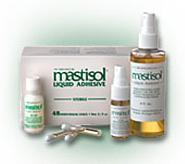
Mastisol Liquid Adhesive, 15 mL Spray Bottle - 661300_EA - 1
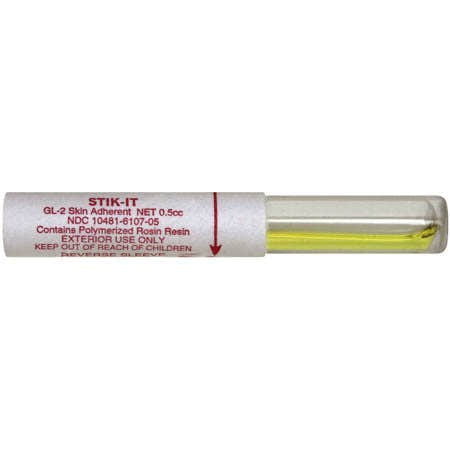
Stik-It Skin Liquid Adhesive, 0.5 cc Ampule - 518251_BX - 1
Mastisol Liquid Bandage, 2/3 mL Sterile Tip Vial - 384949_BX - 1
Save 68%
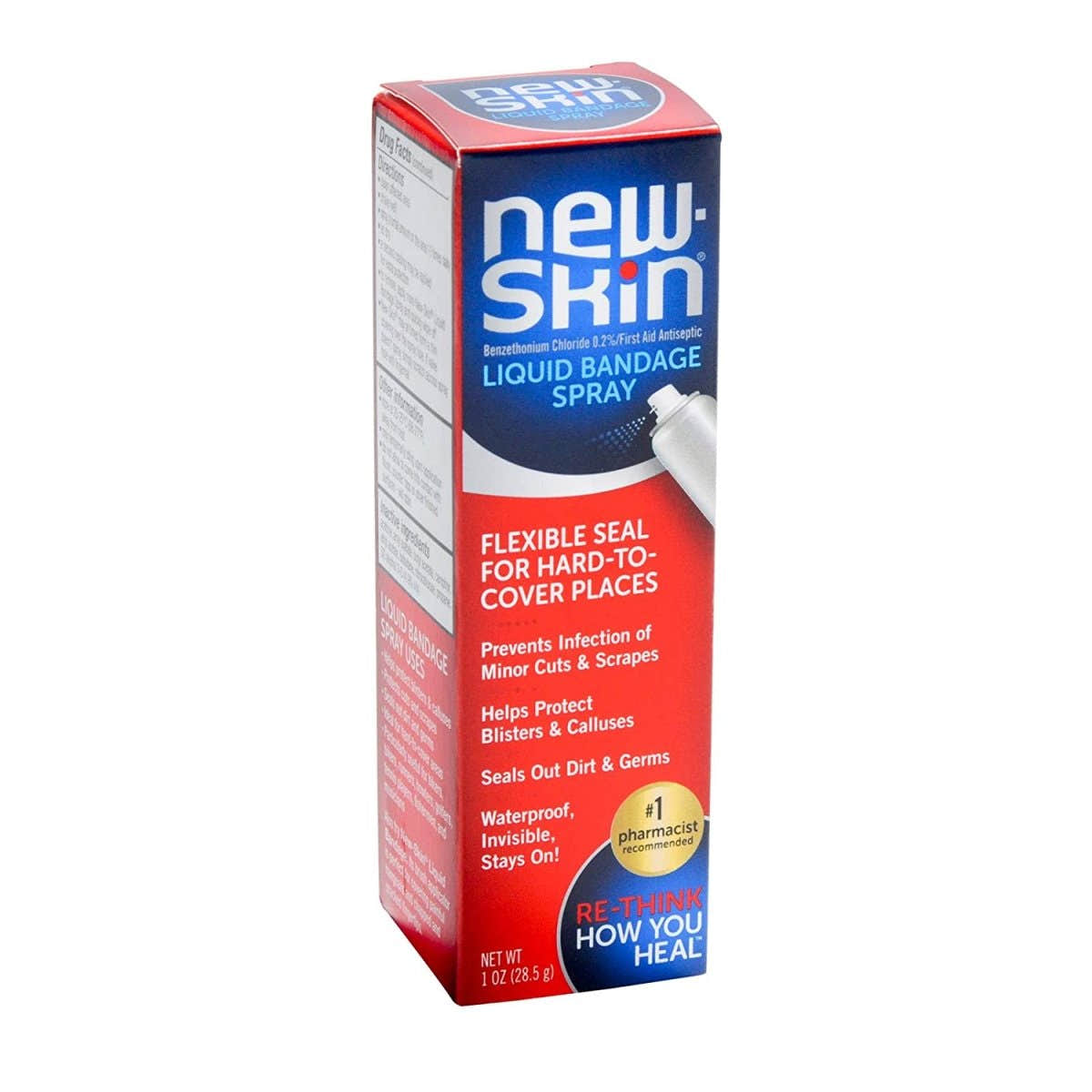
New-Skin Liquid Bandage, 1 oz. - 1064762_EA - 1
New-Skin Liquid Bandage, 1 oz.
Sale price$8.99 Regular price$27.99
3M Nexcare Liquid Bandage - 1084035_BX - 1
3M Nexcare Liquid Bandage
Sale priceFrom $10.99

Frequently Asked Questions about Liquid Bandages

Liquid bandages are topical wound sealants that dry quickly to form a clear, flexible, waterproof barrier over minor cuts, cracks, and abrasions. Liquid bandages shield wounds from dirt, bacteria, and moisture while conforming to natural skin movement, making them especially useful for hard-to-cover areas like knuckles, fingers, heels, and joints.

Liquid bandages are designed for anyone who needs to protect minor cuts, skin splits, or small abrasions in areas where traditional bandages struggle to stay in place. Liquid bandages work particularly well for active individuals, people who work with their hands, and anyone dealing with recurring skin cracks on fingers, heels, or joints.

Apply liquid bandage directly to clean, dry skin over a minor cut or abrasion, then allow it to dry completely before exposing the area to water or friction. Most liquid bandages dry within seconds to form a clear, protective film, so avoid touching the treated area until the seal has fully set.

Liquid bandages form a flexible, skin-conforming seal directly on the wound rather than relying on adhesive strips and gauze pads like traditional bandages do. This makes liquid bandages far more practical for curved or high-movement areas such as knuckles and heels, where standard bandages tend to peel off quickly.

Yes, liquid bandages are waterproof once fully dried, forming a clear barrier that helps keep moisture, dirt, and bacteria out of minor wounds. This waterproof protection makes liquid bandages a popular choice for people who need wound coverage during handwashing, bathing, or outdoor activities.

No, liquid bandages are designed for external use on minor injuries only, such as small cuts, skin cracks, and superficial abrasions. Deep wounds, puncture injuries, or wounds that are actively bleeding heavily should be evaluated by a healthcare professional rather than treated with a liquid bandage.

Liquid bandages are available in several formats including spray bottles, small vials, and ampules, giving users options based on wound size and application preference. Spray formats are convenient for quick coverage over larger areas, while vials and ampules offer more precise application for small or narrow wounds.

Yes, liquid bandages are formulated for topical use on intact skin surrounding minor wounds and are widely used by both consumers and healthcare settings. As with any topical product, liquid bandages should be kept away from eyes and mucous membranes and used only as directed on the product label.

Because liquid bandages create a protective seal that actively blocks bacteria, dirt, and moisture from entering a wound, which reduces the risk of infection and supports faster healing. Leaving even minor cuts uncovered exposes them to everyday contaminants, especially on hands and fingers that contact surfaces frequently throughout the day.

Store liquid bandages at room temperature in a cool, dry location away from direct sunlight and heat, and always keep containers tightly sealed between uses to prevent the formula from drying out prematurely. Checking the expiration date before use ensures the liquid bandage will form a proper protective seal when applied.

Recently viewed