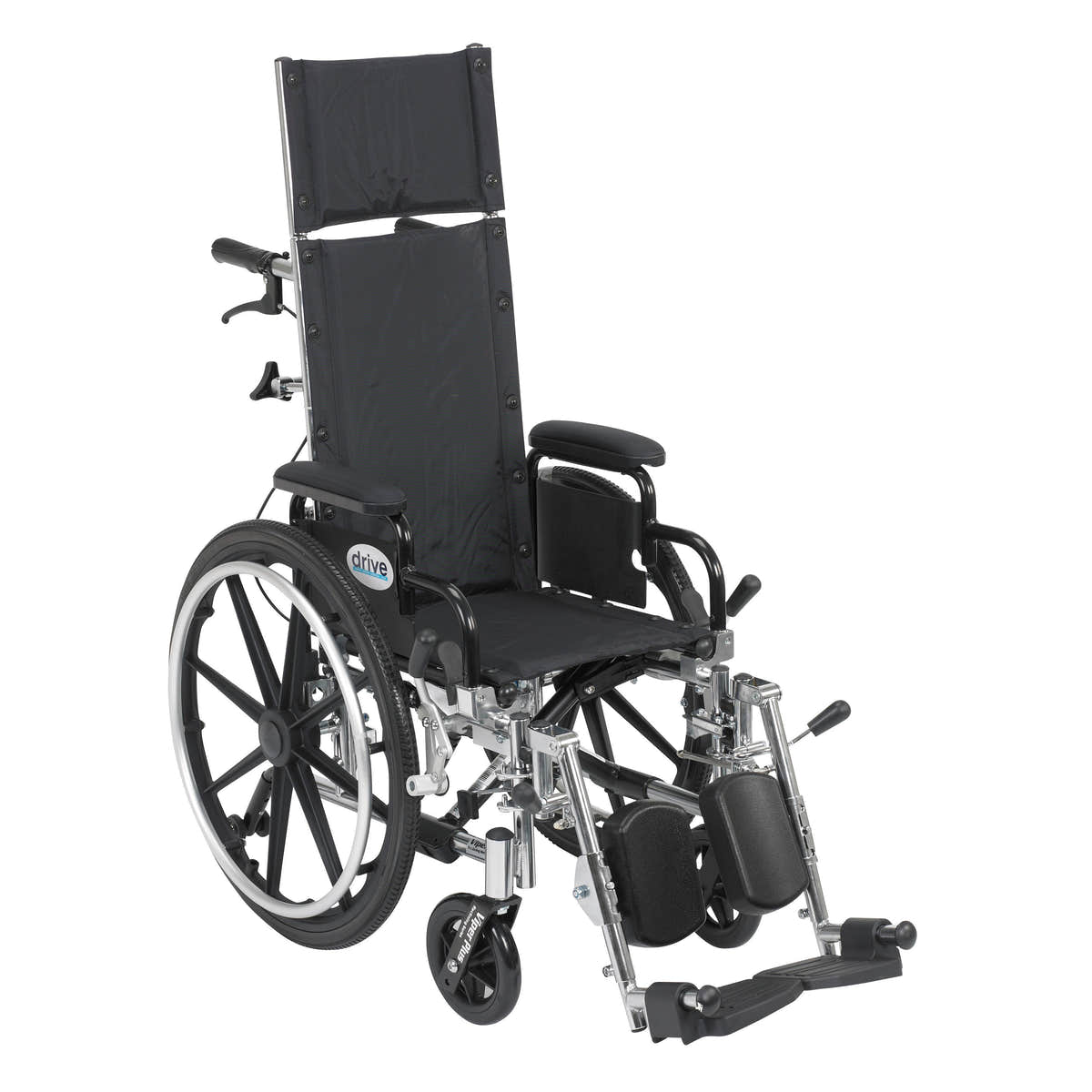
Recliner Wheelchairs for Mobility

8 products

Showing 1 - 8 of 8 products

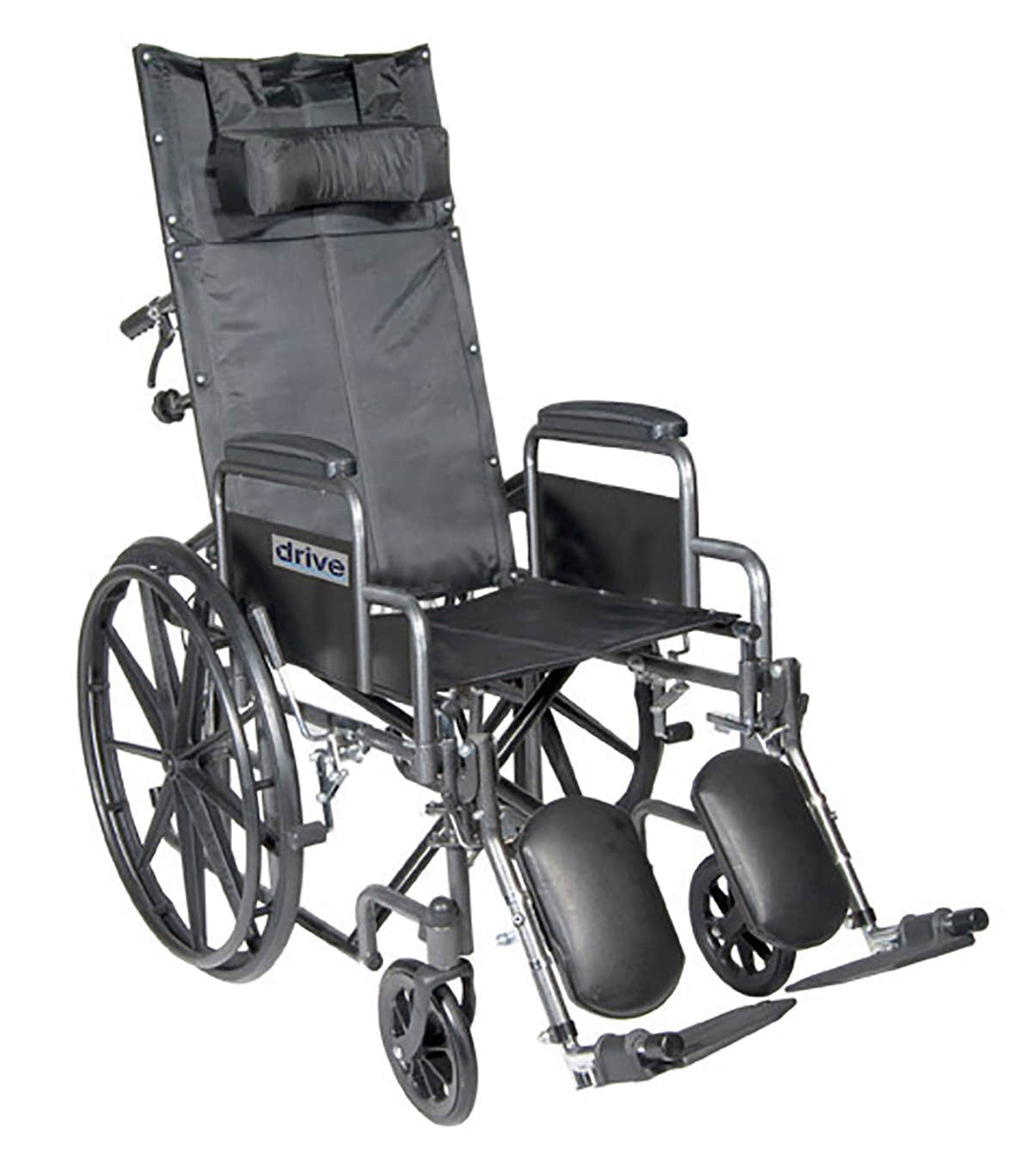
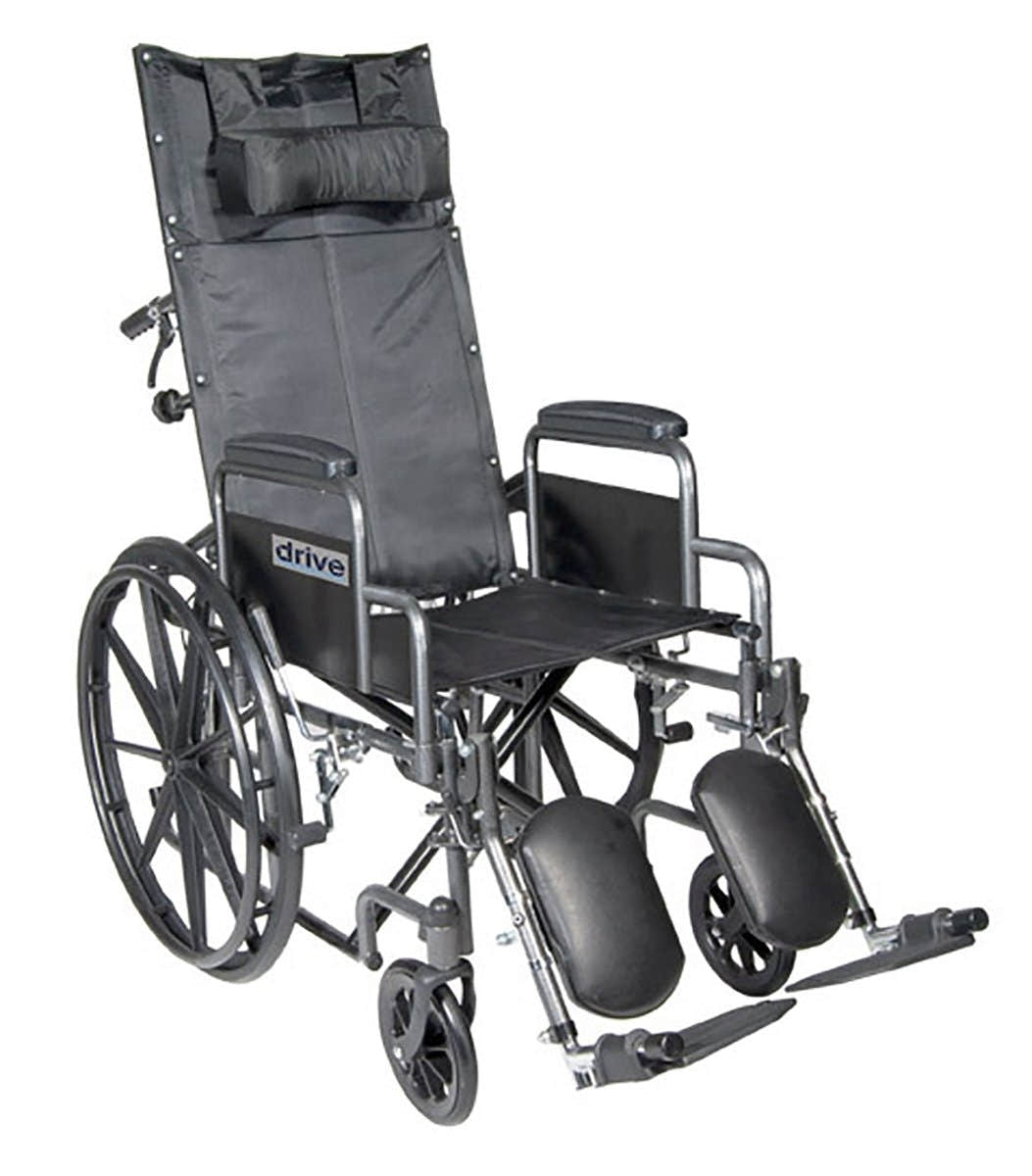
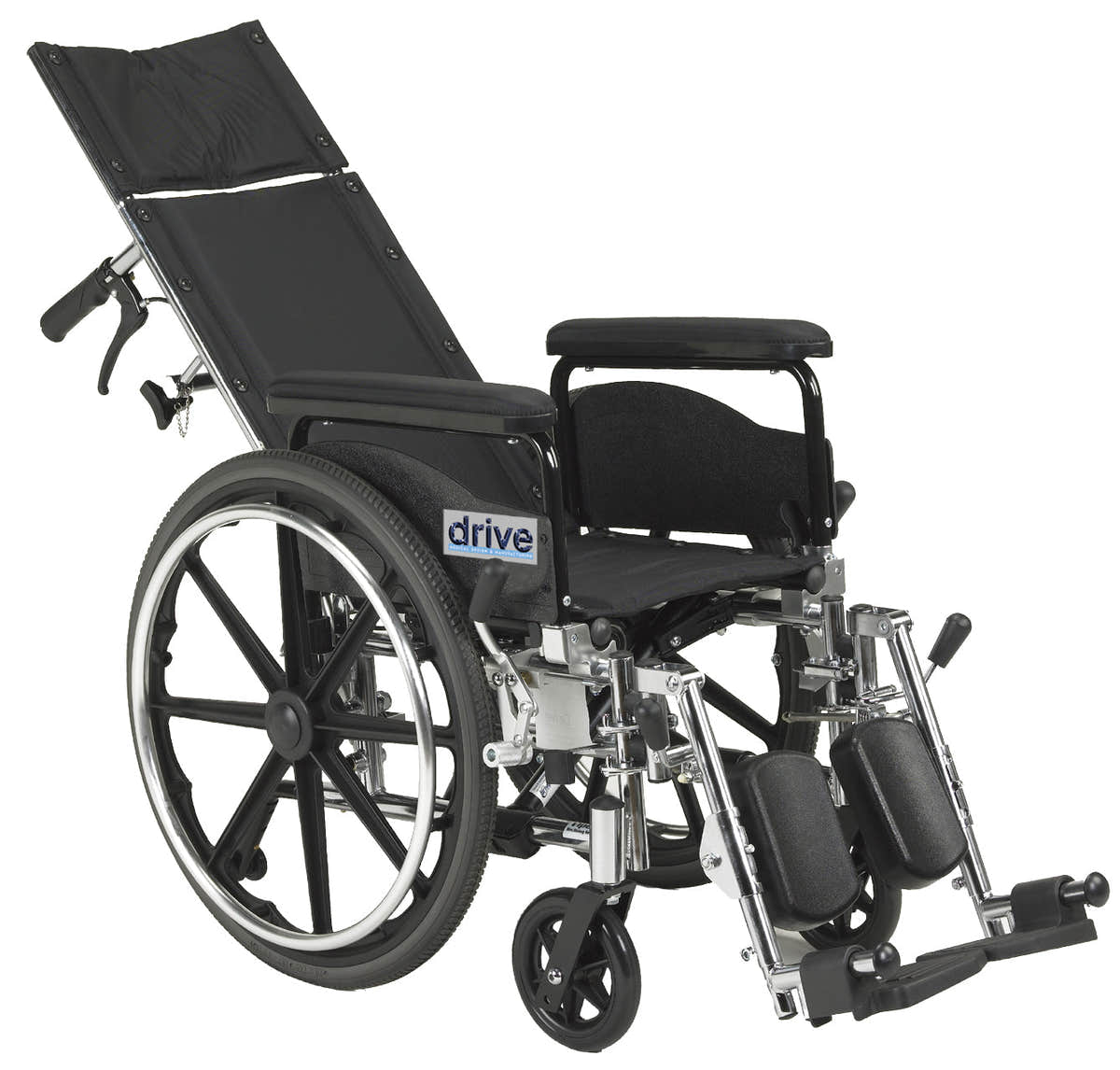
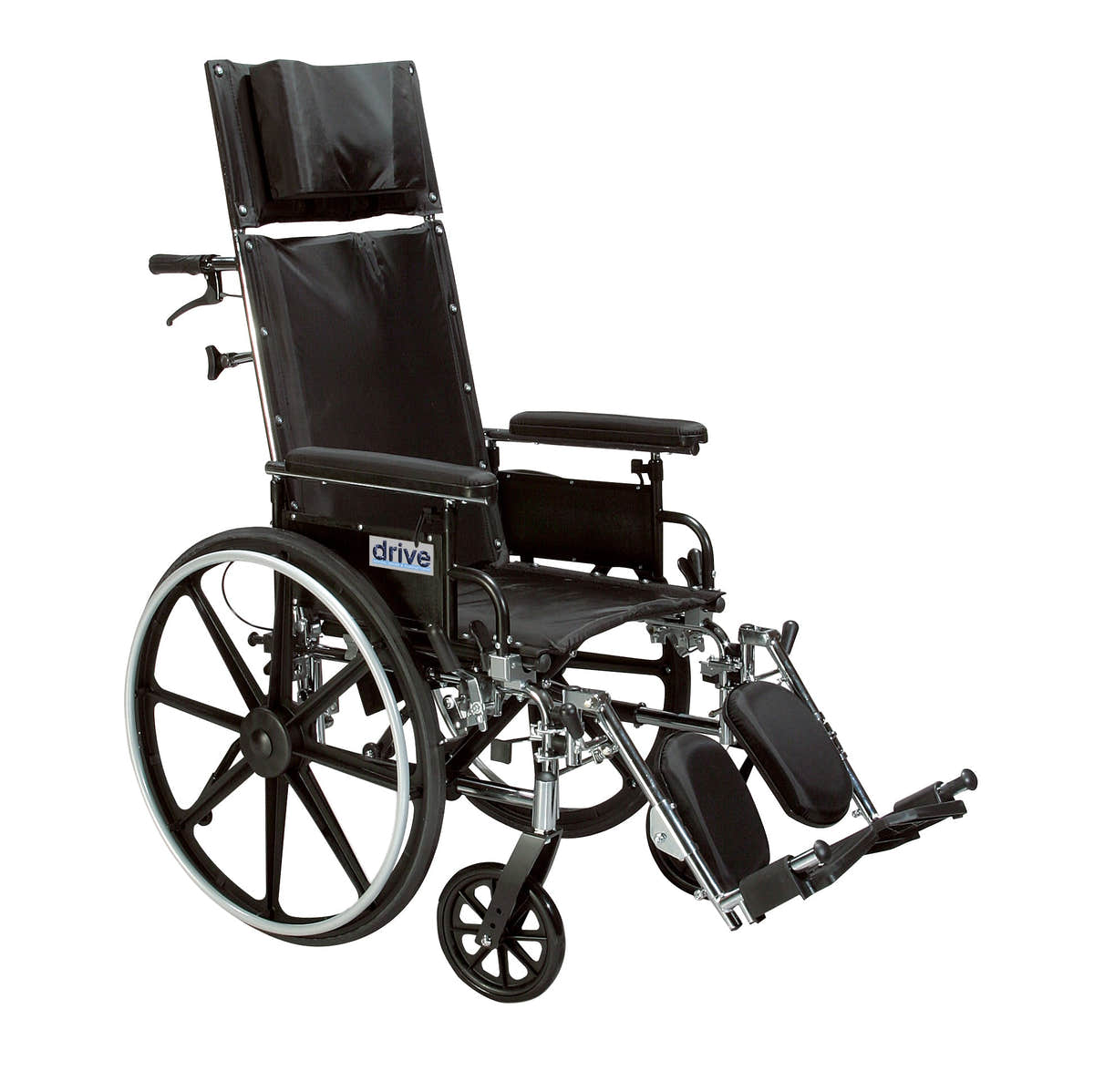
Reclining wheelchairs provide comfort, pressure relief, and supported positioning for anyone who spends extended time seated. They're a thoughtful choice for patients with limited trunk control, those recovering from surgery, and caregivers managing repositioning and pressure-injury prevention at home or in a care facility.

Showing 1 - 8 of 8 products
View
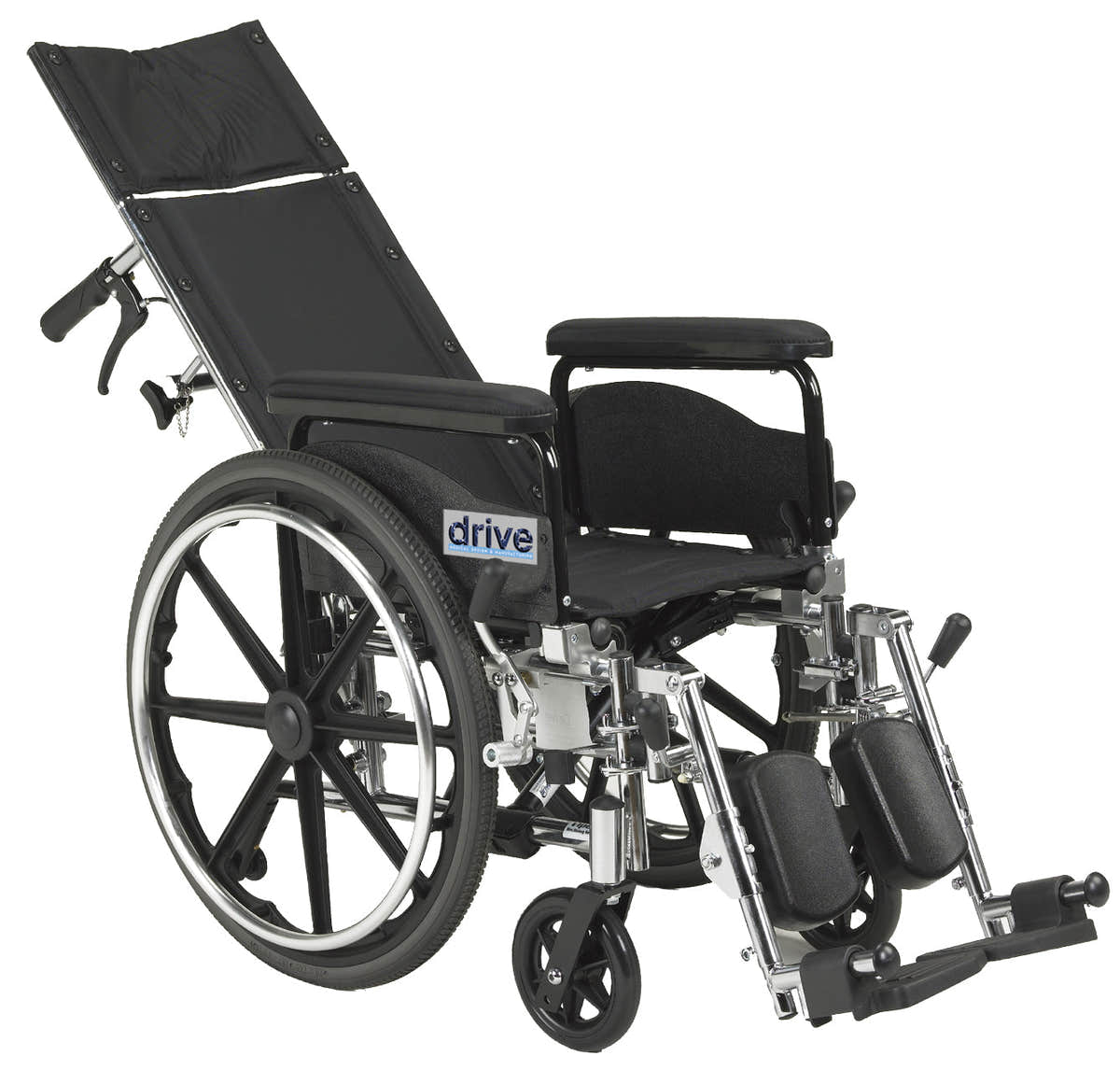
drive Viper Plus Reclining Wheelchair, 16-Inch Seat Width -Each
Save 9%
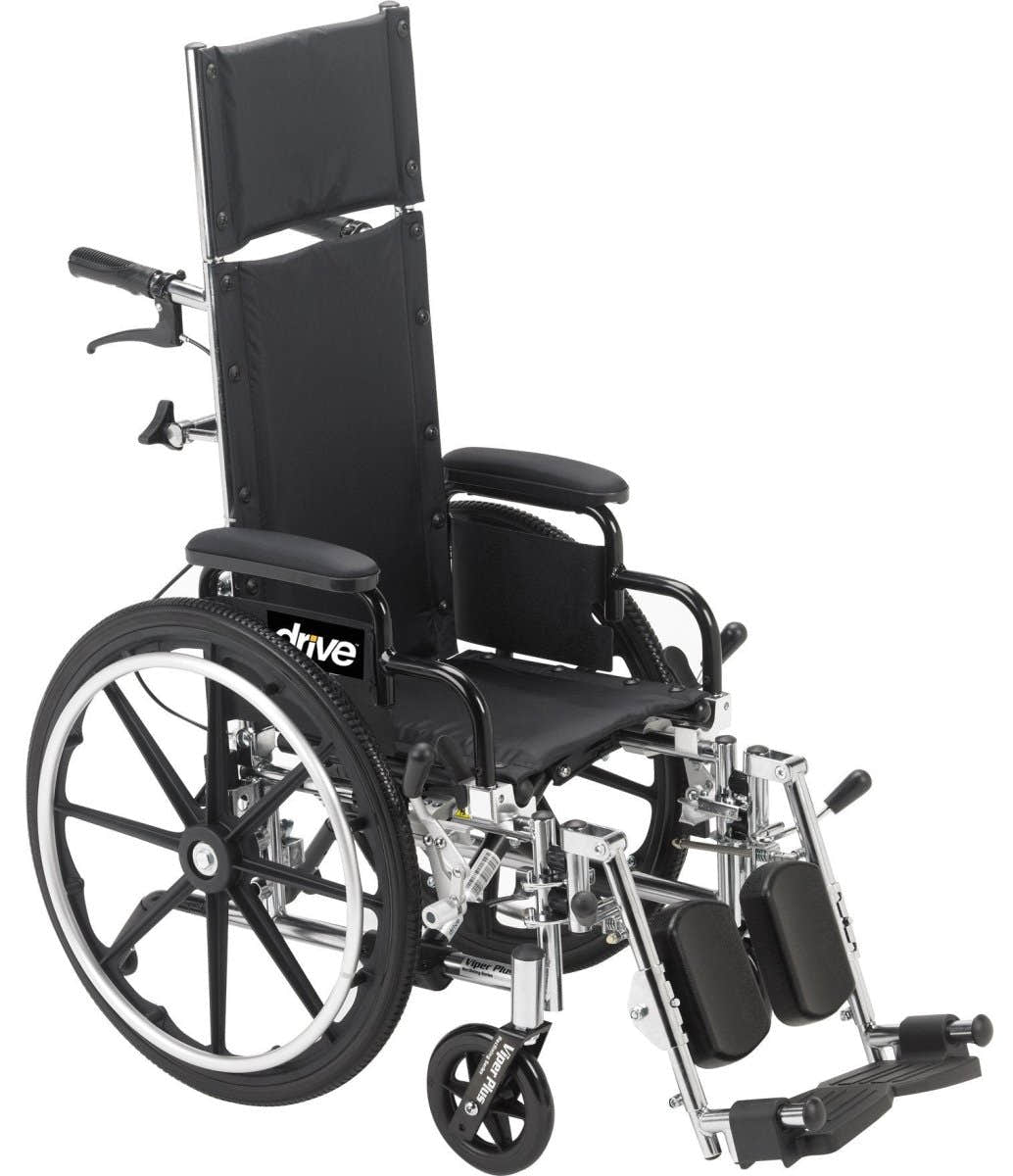
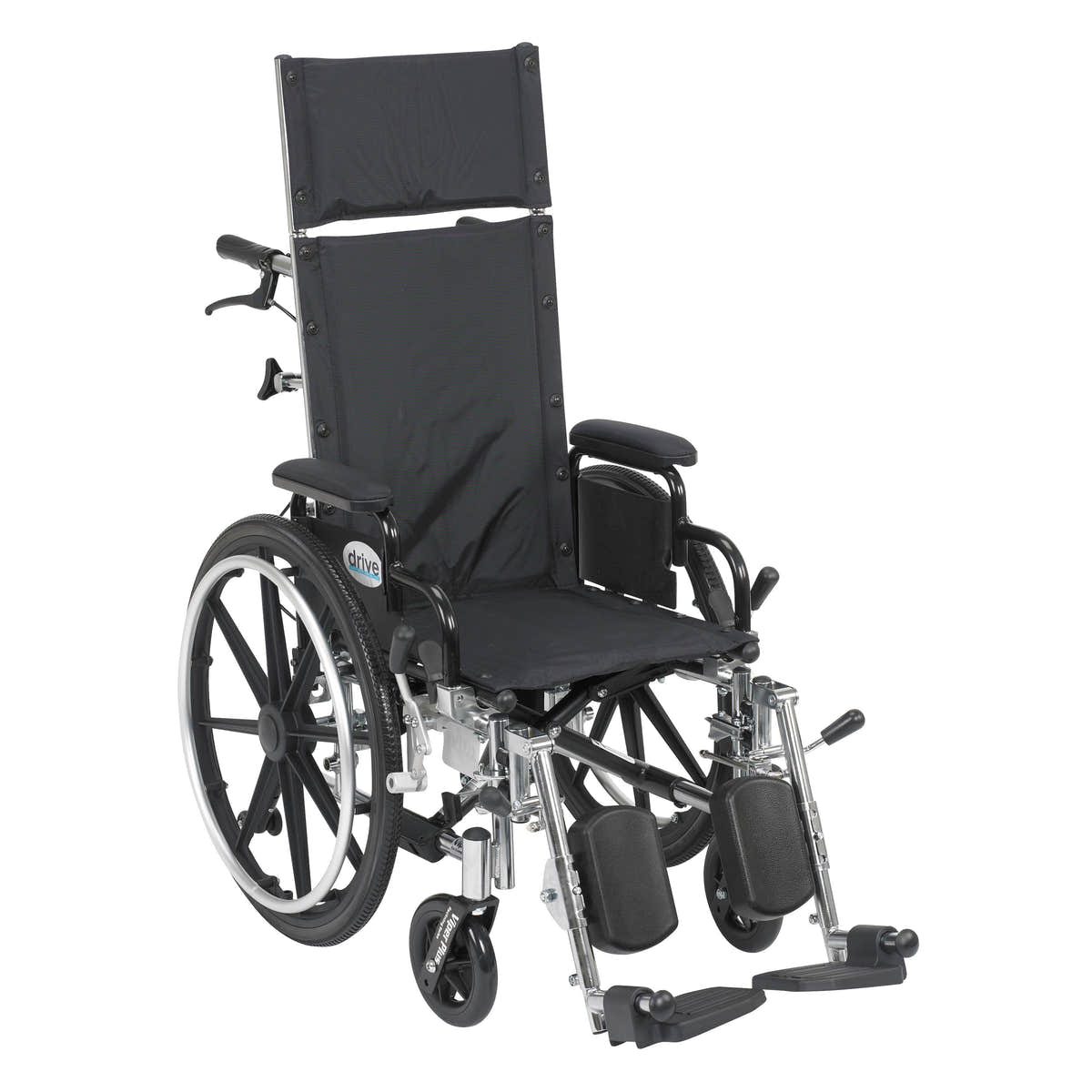
drive Viper Plus Pediatric Reclining Wheelchair, 14-Inch Seat Width - 804243_EA - 1
Save 1%
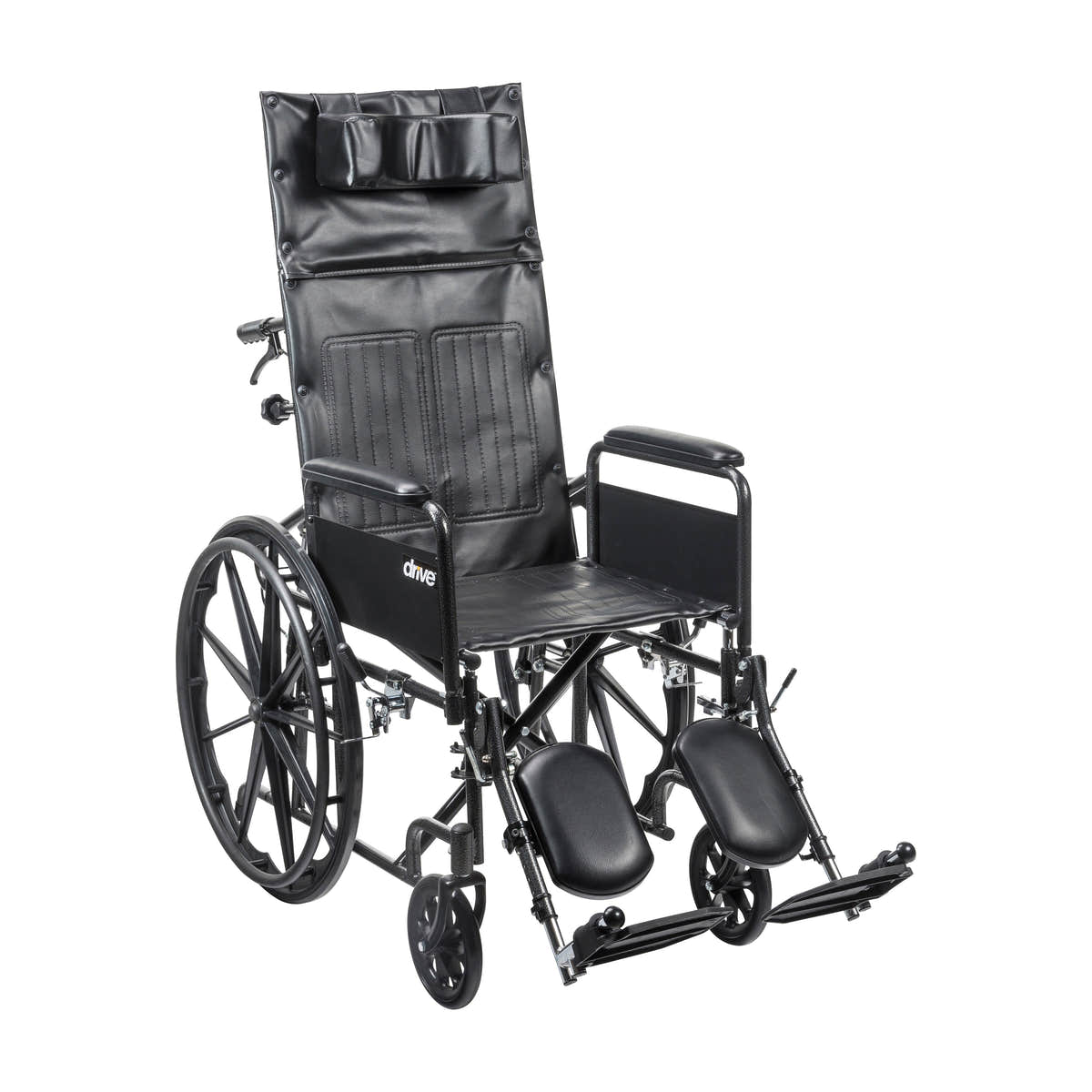
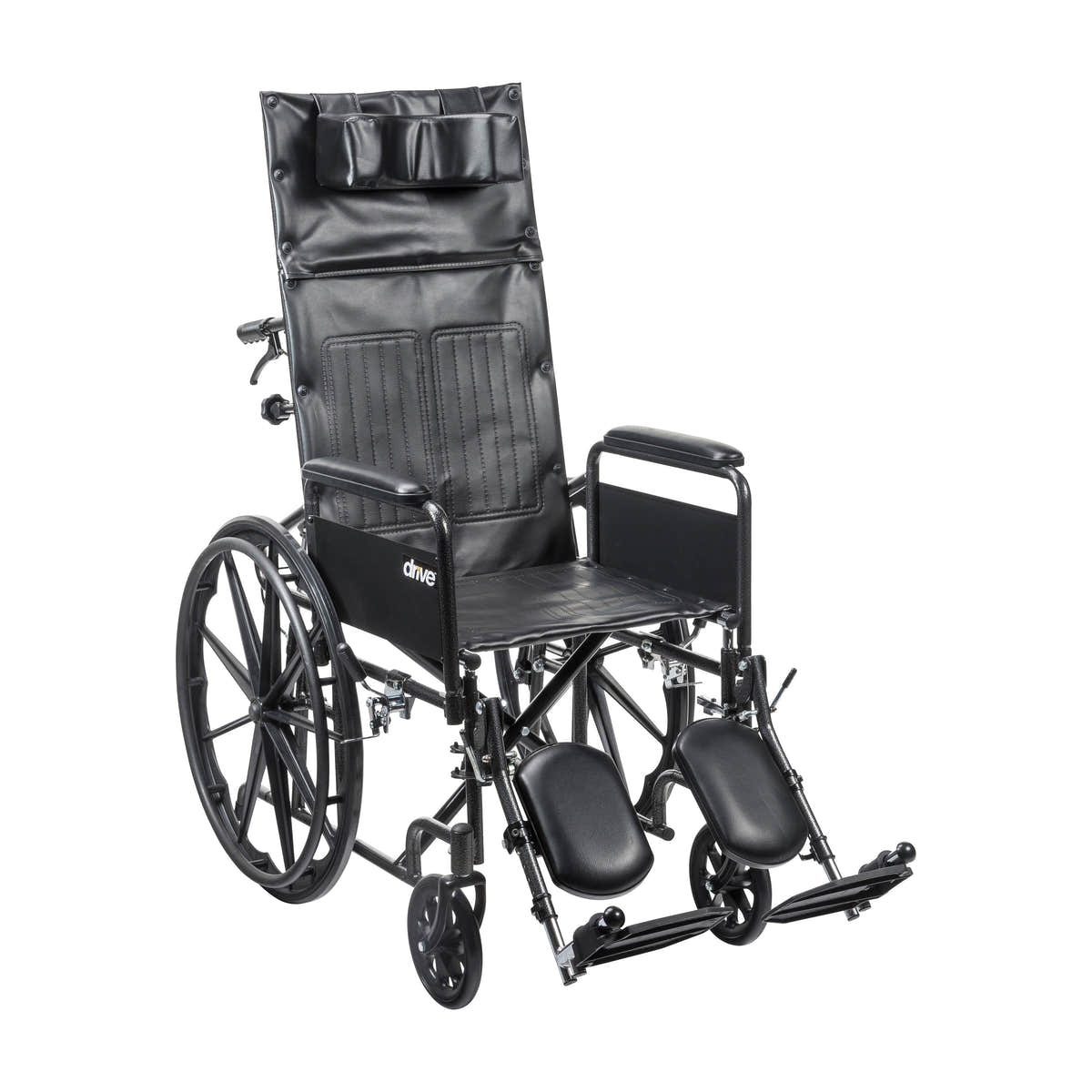
drive Silver Sport Reclining Wheelchair, 16-Inch Seat Width -Each
drive Silver Sport Reclining Wheelchair, 16-Inch Seat Width
Sale price$670.99 Regular price$676.99
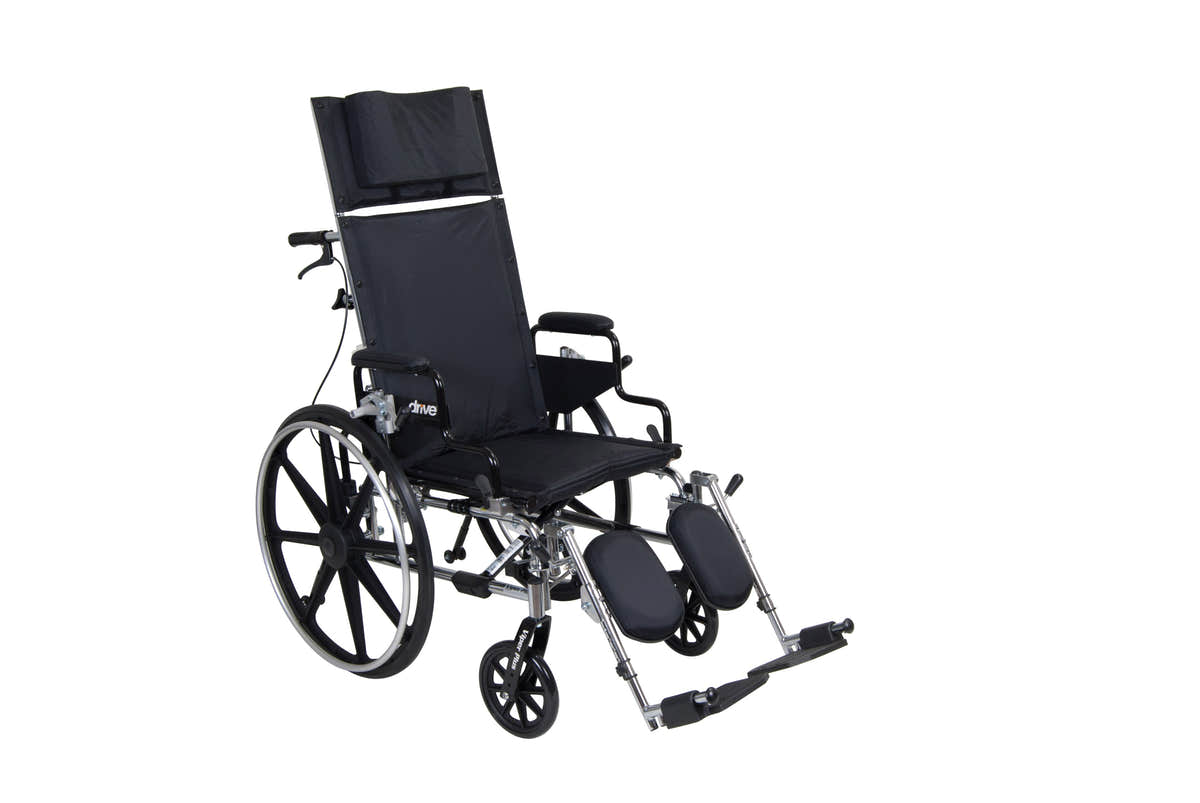
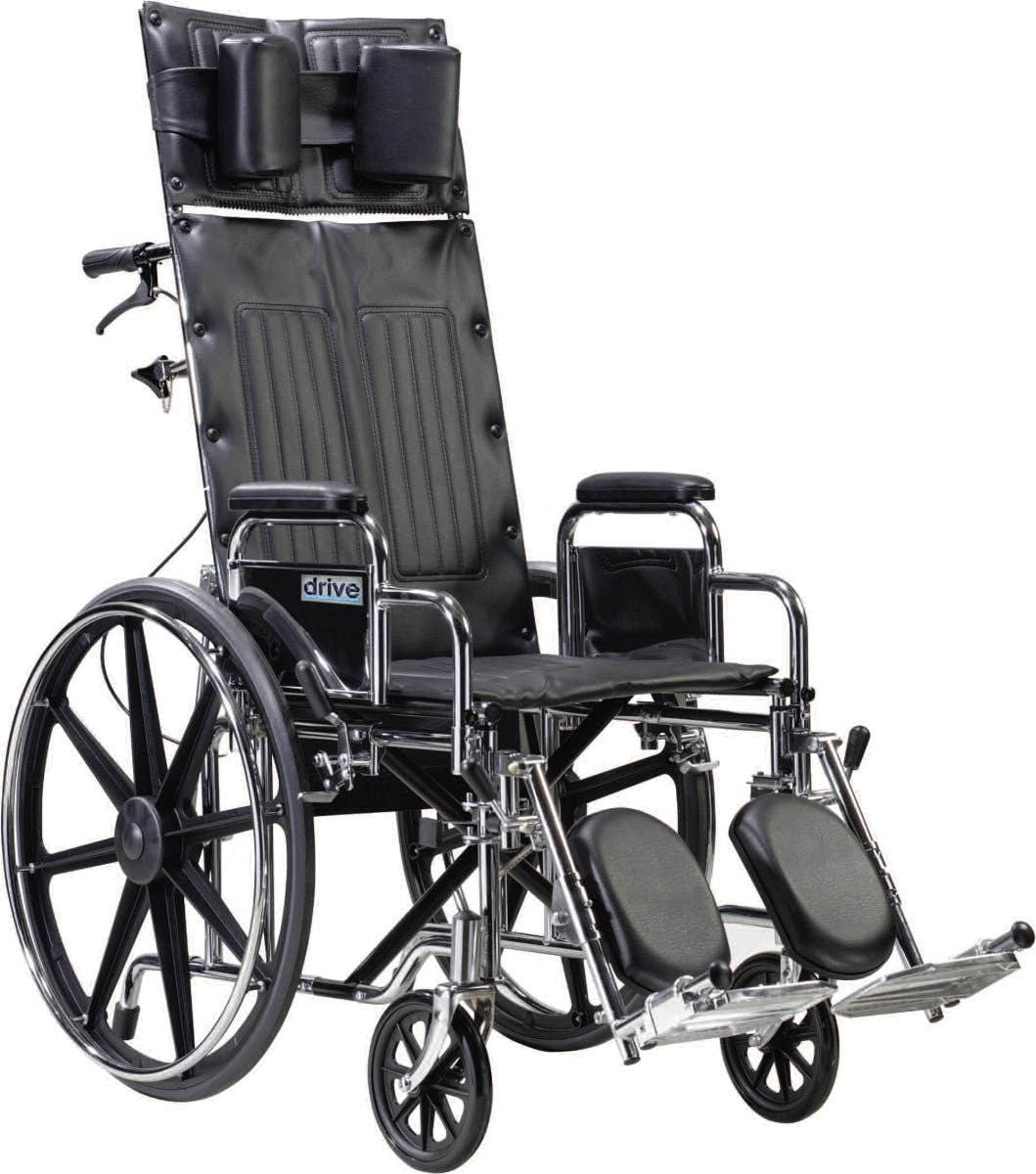
drive Sentra Reclining Wheelchair, 22-Inch Seat Width -Each
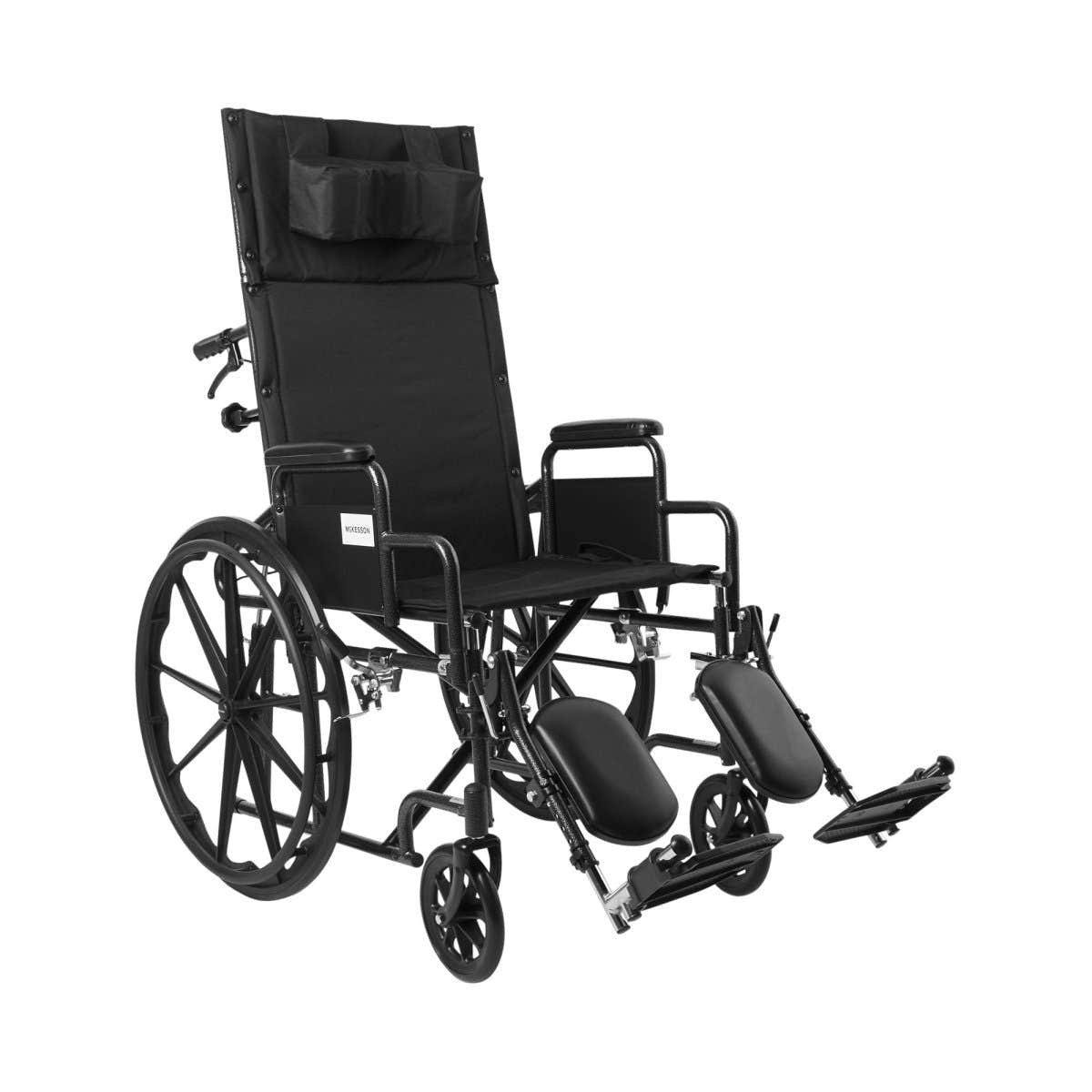
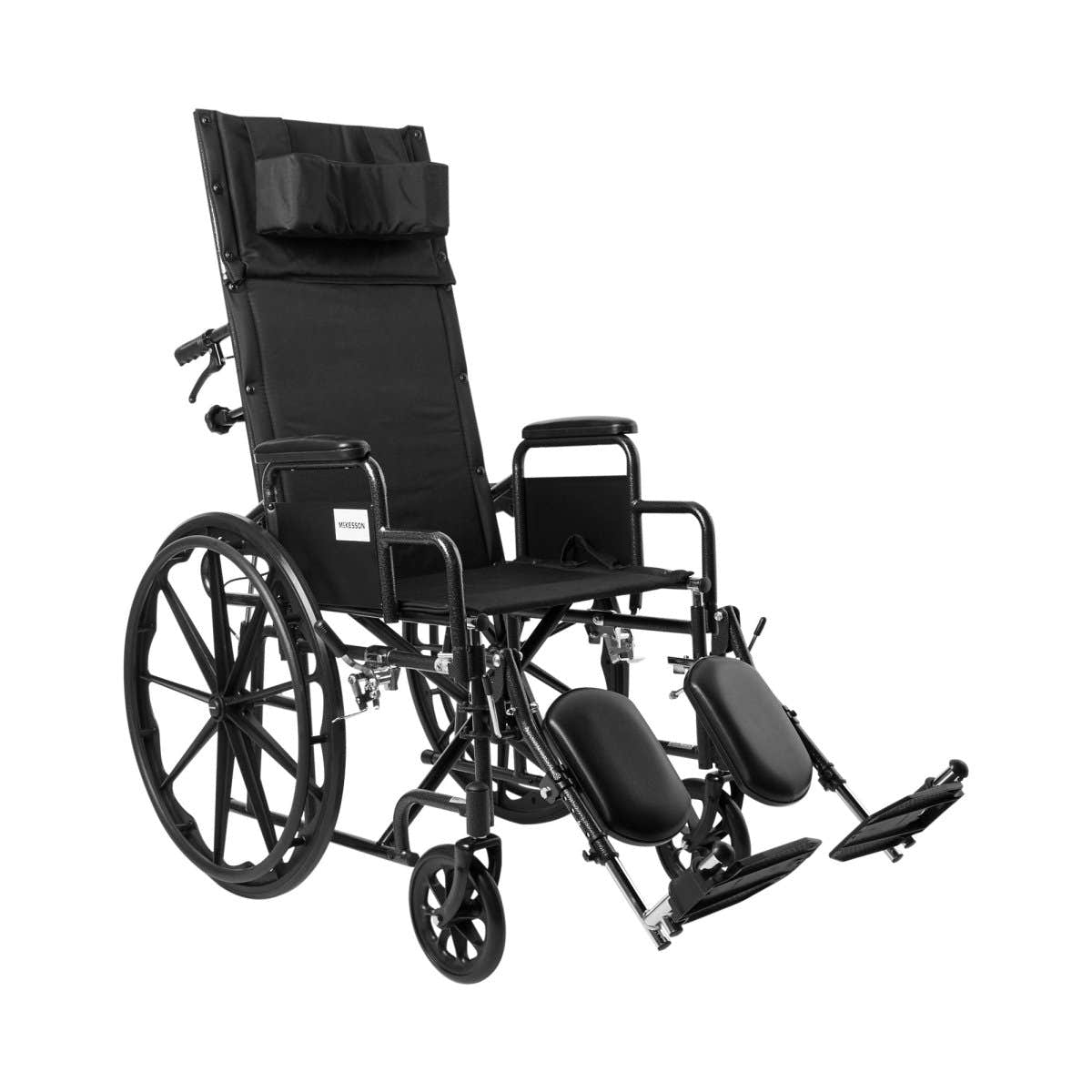
McKesson Reclining Wheelchair, 20-Inch Seat Width - 1065291_EA - 1
McKesson Reclining Wheelchair, 18-Inch Seat Width - 1065290_EA - 1
Silver Sport Full-Reclining Wheelchair, Full Arms, 16" Seat

Frequently Asked Questions about Recliner Wheelchairs for Mobility

A recliner wheelchair is a manual wheelchair with an adjustable backrest that tilts smoothly from an upright sitting position to a near-flat lying position. This design helps users who spend extended time in a wheelchair manage pressure, improve circulation, and stay more comfortable throughout the day.

Reclining wheelchairs are designed for individuals who need to spend long periods seated, including people with limited trunk control, pressure injury risks, or medical conditions that require periodic position changes. Caregivers managing patients with limited mobility also benefit from the easier repositioning that reclining wheelchairs allow.

Start by engaging the wheelchair brakes before adjusting the backrest to prevent the chair from rolling during repositioning. Slowly lower the backrest using the reclining mechanism while supporting the user's upper body, and confirm the user is comfortable and properly positioned before releasing the adjustment.

Reclining wheelchairs are commonly available in seat widths ranging from 14 inches to 22 inches, covering pediatric through bariatric sizing needs. Choosing the right seat width is important for comfort and pressure distribution, so measure the user's hip width and add about one inch on each side for a proper fit.

Choose a reclining wheelchair size by measuring the user's seated hip width, thigh length, and back height before comparing those measurements to available seat dimensions. A proper fit prevents pressure sores and sliding, so selecting the correct seat width and depth is just as important as the reclining function itself.

Yes, reclining wheelchairs may be covered by Medicare, Medicaid, or private insurance when a physician documents medical necessity, such as a condition requiring pressure relief or repositioning. Coverage varies by plan and diagnosis, so it is best to check with your insurance provider and obtain a prescription before purchasing.

Clean a reclining wheelchair regularly by wiping down the frame, armrests, and upholstery with a mild soap and water solution, then drying thoroughly to prevent rust or mildew. Periodically check the reclining mechanism, wheel bearings, and footrest hardware for wear, and lubricate moving parts as recommended by the manufacturer.

A reclining wheelchair adjusts the backrest angle independently while the seat base stays flat, whereas a tilt-in-space wheelchair shifts the entire seating system as one unit without changing the hip angle. Reclining wheelchairs are often preferred for users who need to lie back fully, while tilt-in-space models better manage shear forces for skin protection.

Because standard wheelchairs keep users in a fixed upright position, they are not suitable for people who need to relieve pressure, manage spasticity, or rest in a reclined position throughout the day. Reclining wheelchairs provide that postural flexibility, making them a better fit for users with complex medical or positioning needs.

Yes, reclining wheelchairs are available in pediatric seat widths, such as 14 inches, specifically sized to fit younger or smaller users who require postural support and reclining capability. When selecting a pediatric reclining wheelchair, it is important to confirm that the seat dimensions, weight capacity, and adjustability match the child's current size and growth needs.

Recently viewed