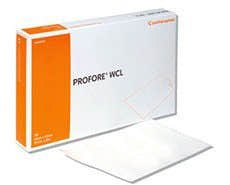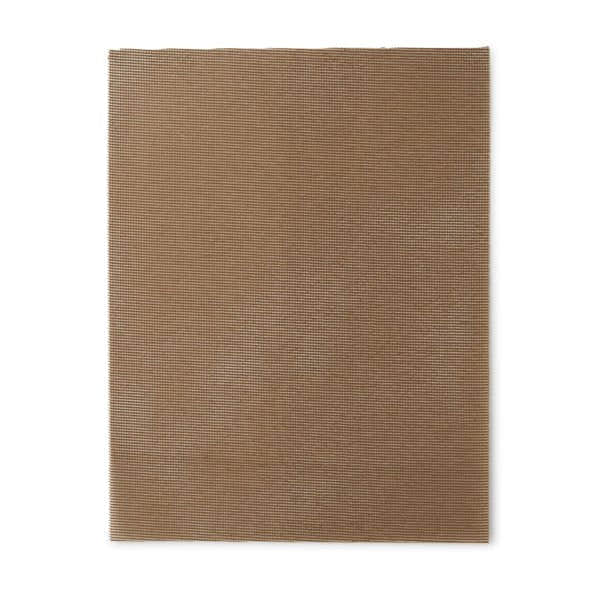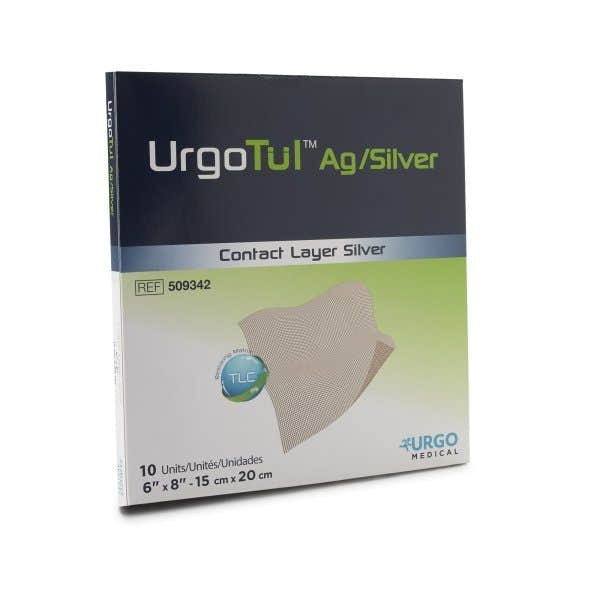
Wound Contact Layer Dressings

10 products

Showing 1 - 10 of 10 products

Layer Dressings for Wound Contact

Our Wound Contact Layer Dressings are designed with advanced technology to provide the perfect environment for wound healing. With a soft and gentle touch, these dressings promote faster recovery and offer comfortable wound care.

Showing 1 - 10 of 10 products
View
Save 68%
McKesson Silicone Wound Contact Layer Dressing, 3 x 4 Inch - 1083095_BX - 1
McKesson Silicone Wound Contact Layer Dressing, 3 x 4 Inch
Sale priceFrom $5.99 Regular price$18.99
Choose options
Save 63%
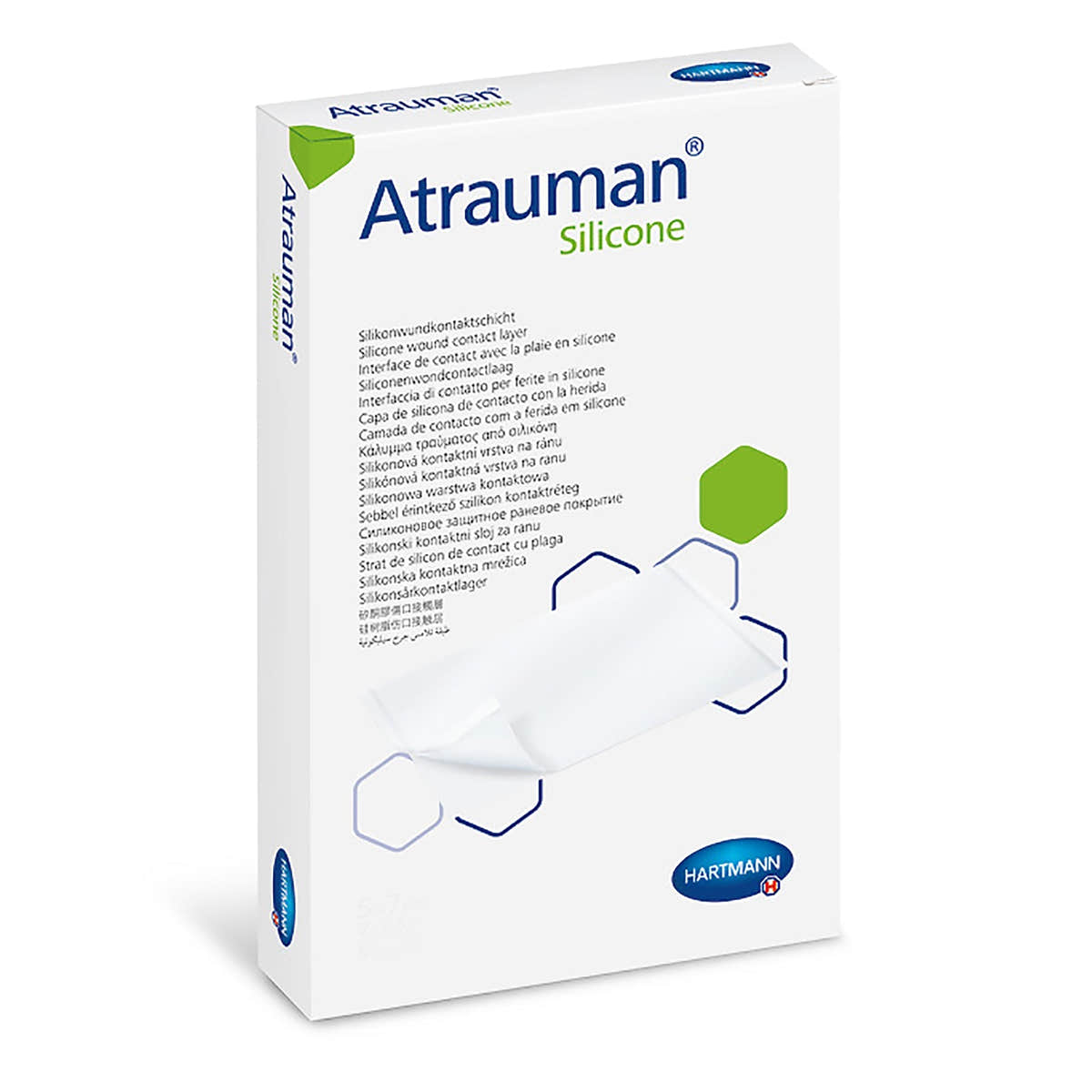
McKesson Silicone Wound Contact Layer Dressing, 4 x 7-2/5 Inch - 1083096_BX - 1
McKesson Silicone Wound Contact Layer Dressing, 4 x 7-2/5 Inch
Sale priceFrom $13.99 Regular price$37.99
Choose options
Save 50%
Restore Silver Wound Contact Layer Dressing, 6 x 8 Inch - 617706_EA - 1
Restore Silver Wound Contact Layer Dressing
Sale priceFrom $19.99 Regular price$39.99
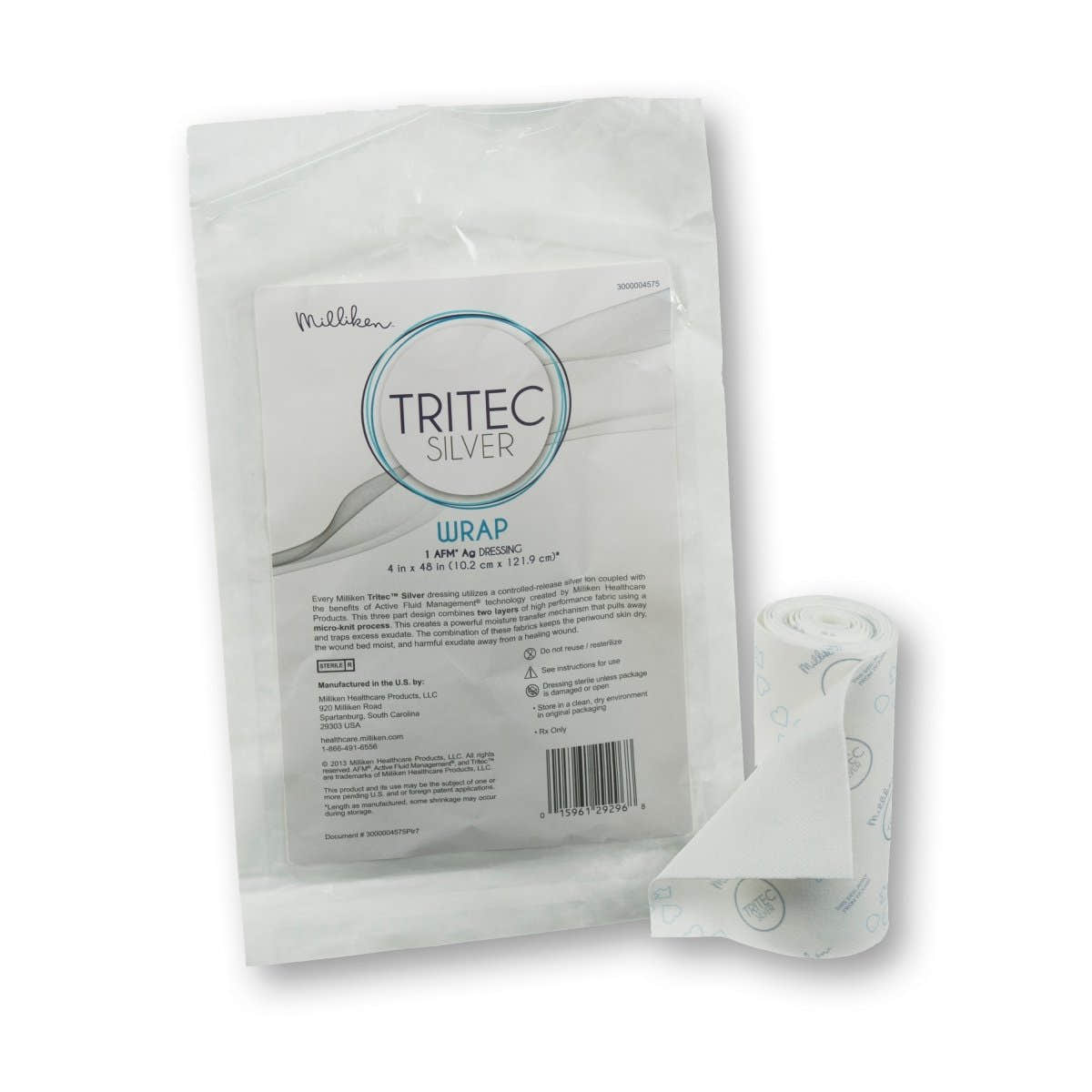
Tritec Silver Dressing, 4 x 48 Inch - 763995_CS - 1
Tritec Silver Dressing, 4 x 48 Inch
Sale priceFrom $78.99
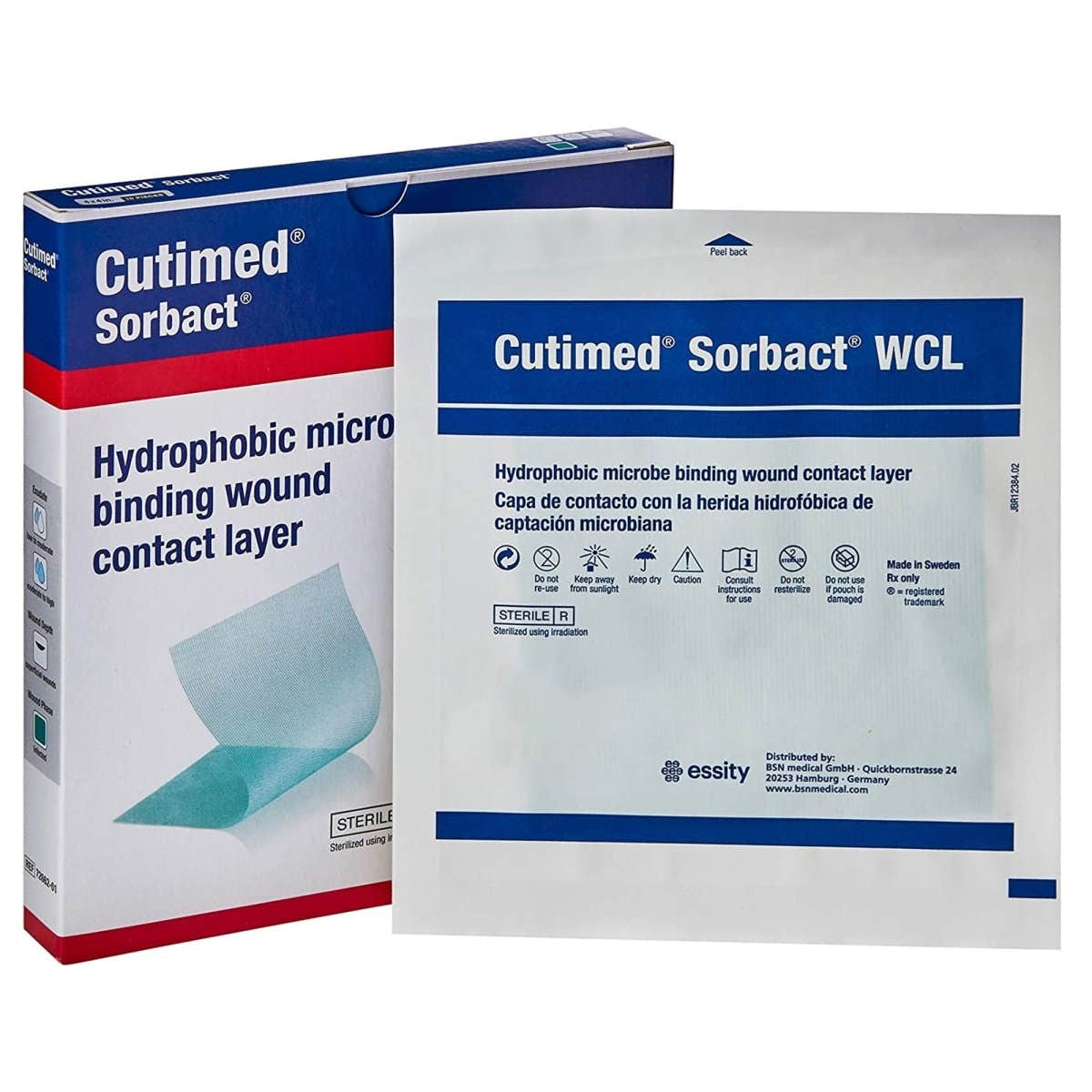
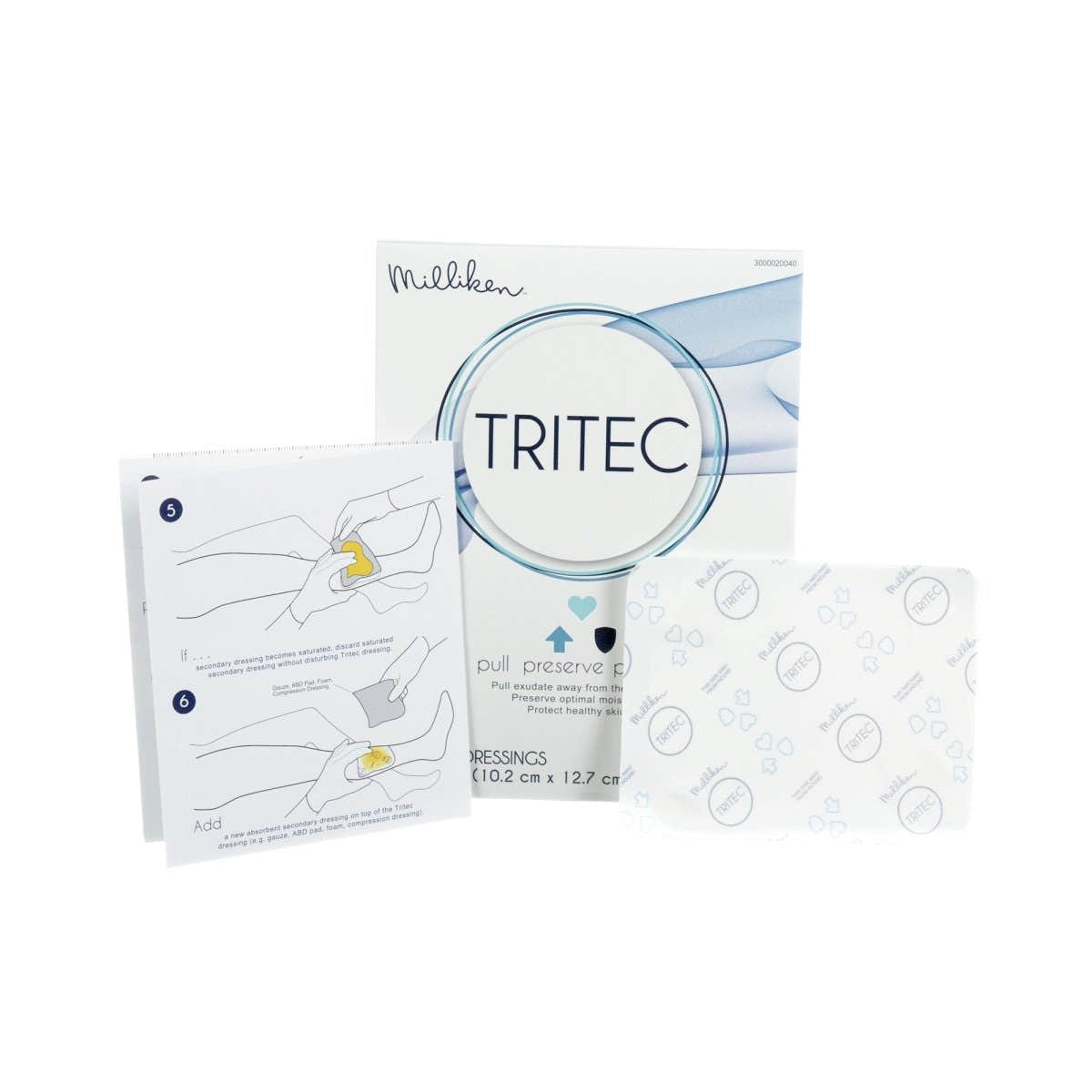
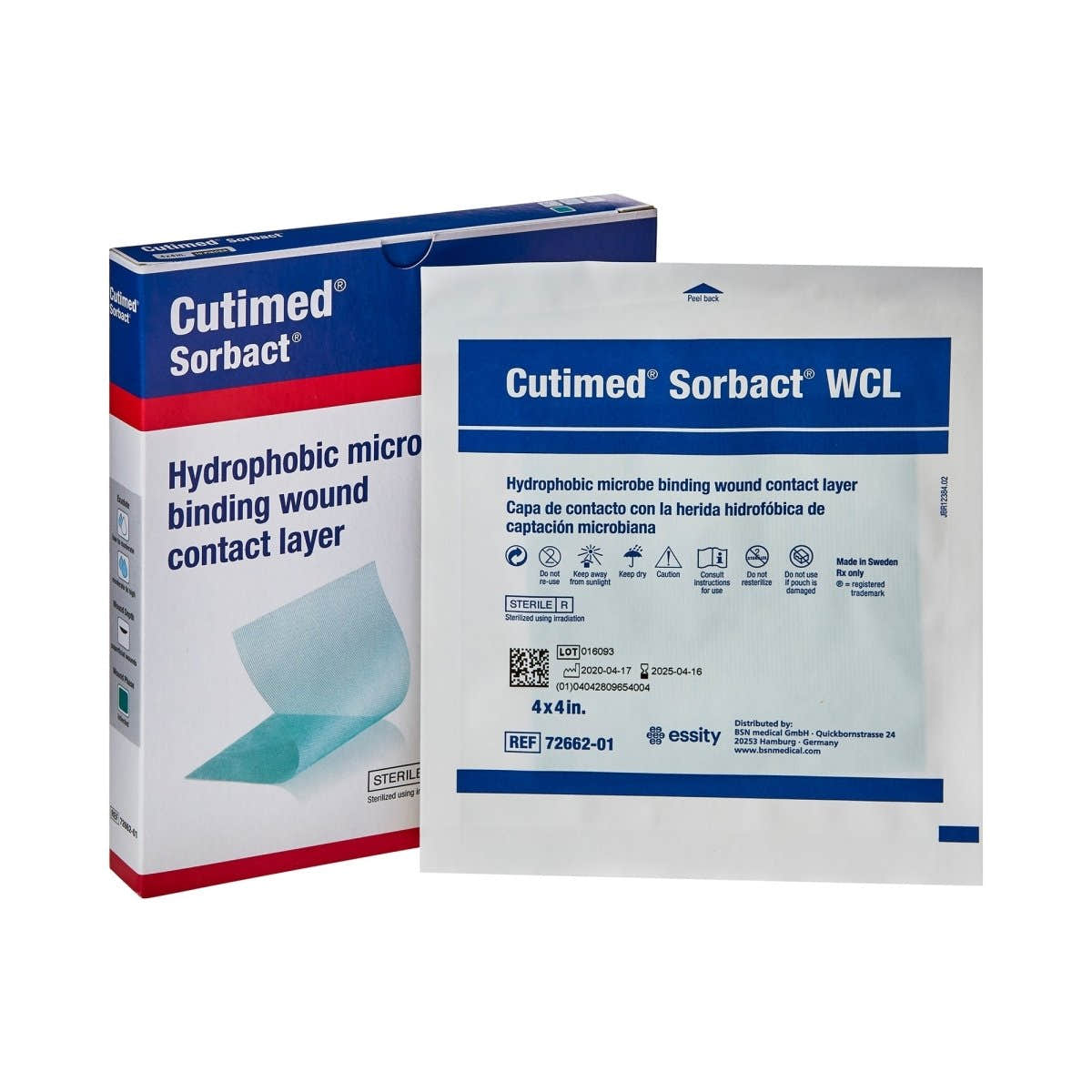
Tritec Contact Layer Wound Dressing - 794692_EA - 1

Frequently Asked Questions about Wound Contact Layer Dressings

Wound contact layer dressings are thin, low-adherent sheets placed directly on a wound bed to protect healing tissue while allowing wound fluids to pass through to an absorbent secondary dressing. Wound contact layer dressings come in silicone, silver, and antimicrobial varieties to suit different wound types and healing stages.

Wound contact layer dressings are designed for patients with wounds that require gentle, non-traumatic dressing changes, including those with fragile or sensitive skin, partial or full-thickness wounds, or wounds at risk of infection. Caregivers managing chronic wounds, post-surgical sites, or burns often rely on wound contact layer dressings as a primary interface layer.

Place the wound contact layer dressing directly onto the cleaned wound bed, ensuring full coverage of the wound surface without overlapping healthy skin. Secure the dressing with a secondary absorbent pad or bandage, and change the contact layer according to your clinician's instructions or when the secondary dressing becomes saturated.

Silicone wound contact layer dressings are designed primarily to minimize pain and trauma during removal by gently adhering to the wound without sticking to healing tissue. Silver wound contact layer dressings add an antimicrobial element, making silver varieties better suited for wounds with an elevated risk of infection or bacterial contamination.

Yes, wound contact layer dressings are specifically designed to be used alongside a secondary dressing that provides absorption. The wound contact layer sits directly on the wound, while a foam, gauze, or absorbent pad placed on top manages fluid and protects the wound from the outside environment.

Wound contact layer dressings are available in a range of sizes to fit different wound dimensions, with common options including small sizes around 2 x 3 inches and larger formats up to 4 x 7 inches or longer ribbon-style dressings for packing. Choosing the right size ensures full wound coverage without excessive overlap onto surrounding skin.

Because wounds with signs of infection or high bacterial bioburden benefit from a dressing that actively reduces microbial load at the wound surface, antimicrobial wound contact layer dressings help lower the risk of infection while still providing gentle, non-adherent contact. Antimicrobial wound contact layer dressings are often recommended by clinicians when standard silicone options are not sufficient.

Yes, wound contact layer dressings, particularly silicone-based options, are formulated to be gentle on sensitive and fragile skin by minimizing adhesion to the wound surface. Wound contact layer dressings reduce the pain and skin stripping that can occur with traditional gauze, making wound contact layer dressings a preferred choice for elderly patients or those with delicate tissue.

Wound contact layer dressings offer a significant advantage over traditional gauze by preventing the dressing from adhering to the wound bed, which reduces pain and tissue damage at dressing changes. Gauze can dry out and stick to healing tissue, while wound contact layer dressings maintain a stable interface that supports undisturbed wound healing.

Wound contact layer dressings should be stored in a cool, dry place away from direct sunlight and moisture, and kept in their original sealed packaging until use to maintain sterility. Always check the expiration date printed on the package before applying a wound contact layer dressing, and discard any dressing whose packaging has been damaged or compromised.

Recently viewed