Your privacy matters to us! By using our site, you agree to the collection and use of your Personal Information as described in our Privacy Policy.
Finger Cots
4 products
Showing 1 - 4 of 4 products
About Medical Finger Cots
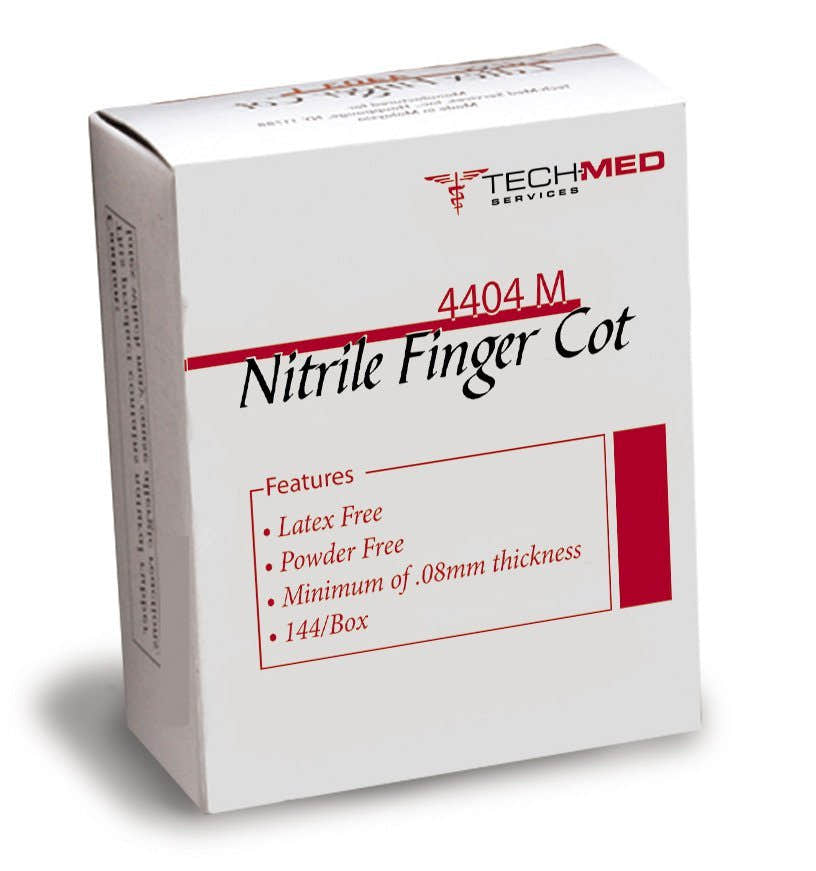
Finger cots are protective coverings that are worn over individual fingers to provide a barrier between the skin and external elements. They are commonly used in medical and healthcare settings to maintain hygiene, prevent contamination, and minimize the risk of infection.
Finger cots are typically made of latex, nitrile, or other hypoallergenic materials, ensuring compatibility with a wide range of individuals, including those with latex allergies. These small, flexible covers are designed to fit snugly over the finger, offering a comfortable and secure fit. They are available in various sizes to accommodate different finger dimensions.
In healthcare settings, finger cots serve multiple purposes. They are commonly used during examinations, wound care procedures, and other tasks that require direct contact with patients. By wearing finger cots, healthcare providers can protect themselves and their patients from cross-contamination, reducing the transmission of bacteria, viruses, and other pathogens.
Finger cots also find applications outside of healthcare. They are widely used in industries that require precise handling, such as electronics manufacturing, laboratories, and cleanrooms. Additionally, they can be utilized in beauty salons, where they provide an extra layer of protection for manicurists and customers during nail treatments.
Finally, finger cots are essential protective coverings used in healthcare and various other industries. By creating a barrier between the finger and external elements, these small but effective tools help maintain hygiene, prevent contamination, and reduce the risk of infection. With their comfortable fit and wide availability, finger cots are an invaluable asset in ensuring the safety and well-being of both healthcare professionals and their patients.
Frequently Asked Questions about Finger Cots
Finger cots are protective coverings worn over a single finger to create a barrier against contamination, infection, and external elements. Finger cots are commonly used in medical and healthcare settings to maintain hygiene during wound care, examinations, or any task where protecting one finger is needed without wearing a full glove.
Finger cots are designed for healthcare professionals, caregivers, and individuals who need to protect a single finger during medical procedures, wound dressing changes, or injury recovery. Anyone managing a cut, bandage, or skin condition on one finger can benefit from wearing a finger cot to keep the area clean and shielded.
Place the open end of the finger cot over the tip of your finger and roll or pull it down toward the base until it fits snugly. Finger cots should sit securely without cutting off circulation, so choose a size that allows comfortable movement while maintaining a close, protective seal.
Yes, finger cots are available in latex-free materials such as nitrile, making them a safe option for people with latex allergies or sensitivities. When shopping for finger cots, look for products labeled nitrile or hypoallergenic to ensure compatibility with your skin.
Finger cots typically come in multiple sizes, ranging from small to extra-large, to accommodate different finger widths and lengths. Choosing the right size is important because a finger cot that is too loose may slip off, while one that is too tight can restrict circulation during use.
A standard finger cot is a flexible covering that protects the finger from contamination, while a finger cot splint combines that protective barrier with rigid or semi-rigid support to immobilize an injured finger. Finger cot splints are typically used for fractures, sprains, or post-surgical recovery where stabilization is needed alongside protection.
Store finger cots in a cool, dry place away from direct sunlight and extreme temperatures to prevent the material from degrading. Keeping finger cots in their original packaging until use helps maintain their integrity and ensures they remain clean and ready when needed.
No, finger cots are generally intended for single use and should be discarded after each application to prevent cross-contamination and maintain proper hygiene. Reusing a finger cot, especially in medical or wound care situations, increases the risk of introducing bacteria or other contaminants to the protected area.
Because finger cots cover only one finger, they allow the rest of the hand to remain bare, which improves dexterity and tactile sensitivity during detailed tasks. Full gloves can feel bulky and reduce fine motor control, making finger cots a practical alternative when only one finger needs protection.
Finger cots can be used in any situation where a single finger needs protection, including food handling, electronics assembly, crafting, and general first aid at home. The same barrier protection that makes finger cots valuable in clinical settings also makes them useful for keeping cuts or bandages clean during everyday activities.
Do you still have questions about Finger Cots?
If we still haven't answered your question, you can contact us by live chat or email and we will get back to you as soon as possible.