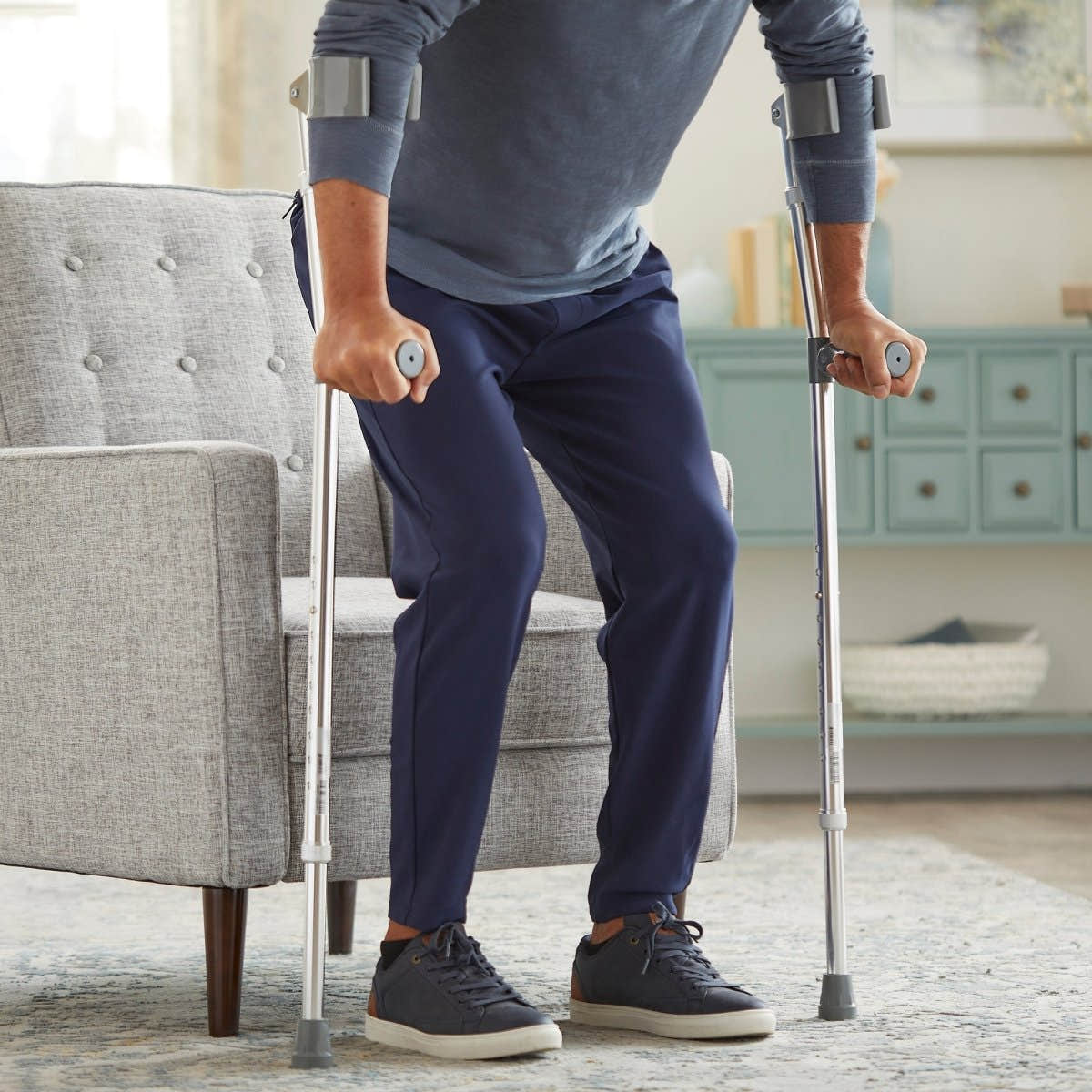
Forearm Crutches

2 products

Showing 1 - 2 of 2 products

Forearm crutches, also known as elbow crutches or Canadian crutches, are mobility devices that provide support and stability to individuals with lower limb injuries or disabilities. They're used by people who have difficulty walking or need additional support when standing or moving around.
Showing 1 - 2 of 2 products
View
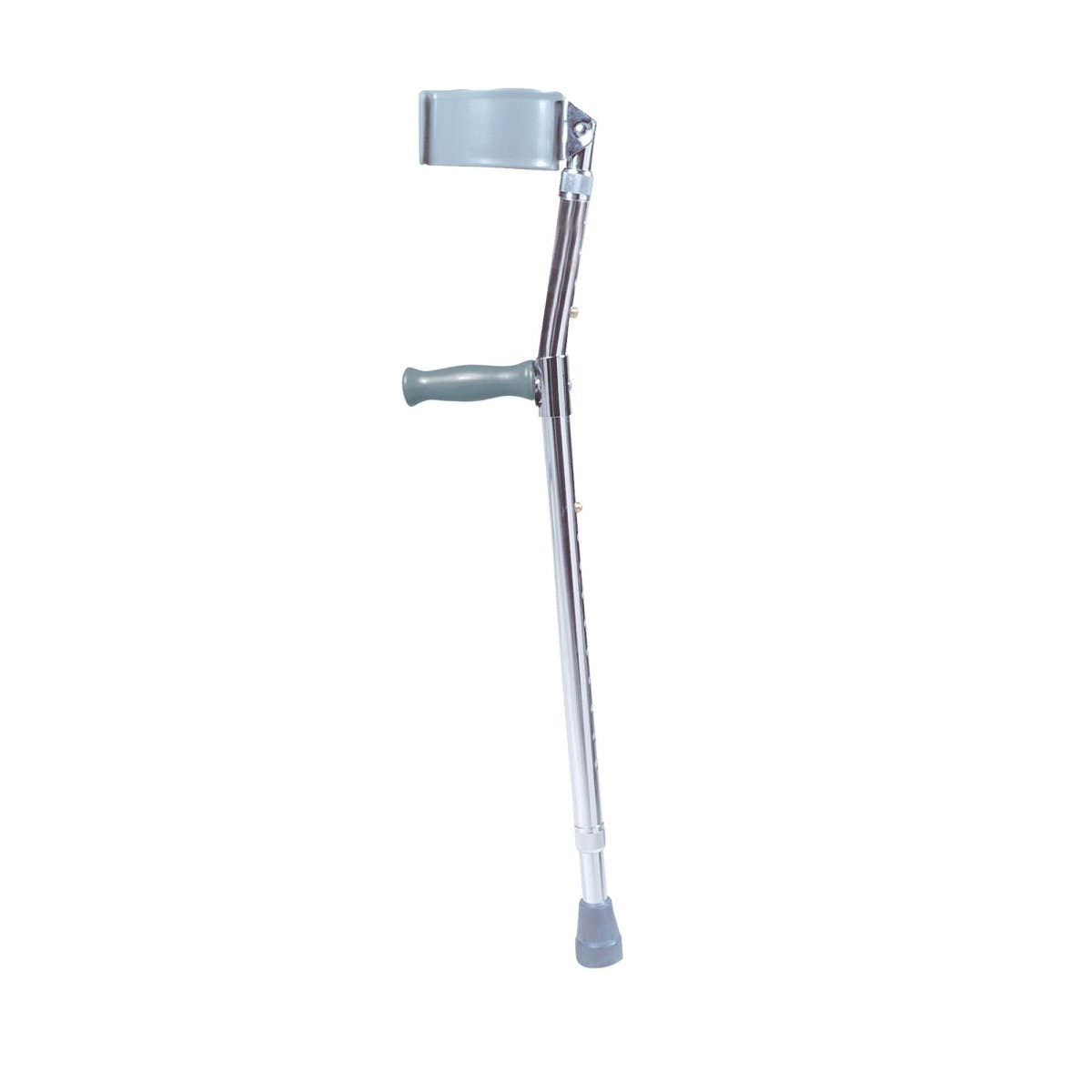
drive Forearm Crutch, Tall - 686785_BX - 1
drive Forearm Crutch, Tall
Sale price$101.99
Save 15%
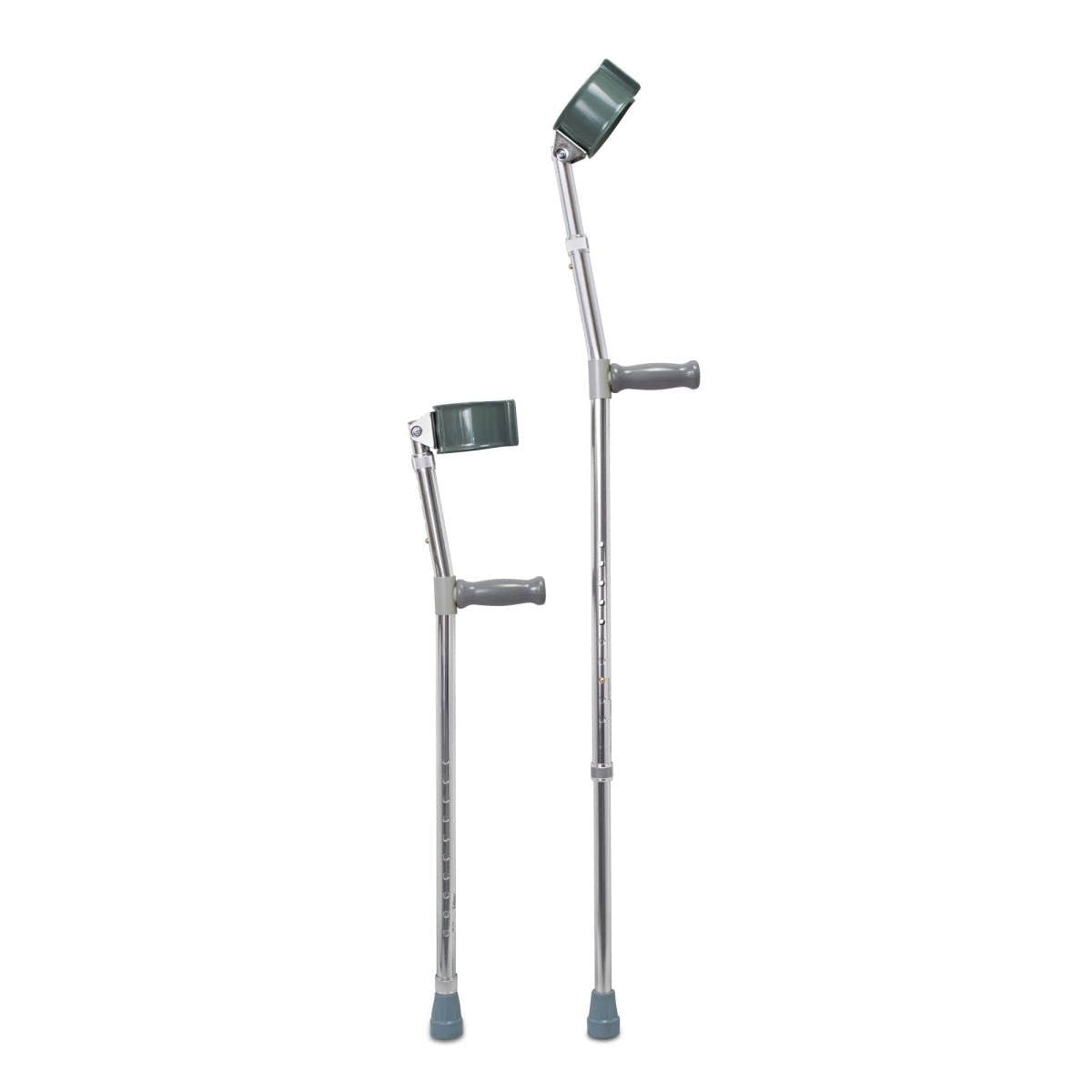
McKesson Forearm Crutch - 1095260_BX - 1
McKesson Forearm Crutches
Sale priceFrom $78.99 Regular price$92.99
Choose options

Frequently Asked Questions about Forearm Crutches

Forearm crutches are mobility devices that provide support and stability to people with lower limb injuries or disabilities who have difficulty walking or standing. Forearm crutches, also called elbow crutches or Canadian crutches, feature an arm cuff and handgrip to distribute weight away from the lower body, improving balance and independence.

Forearm crutches are designed for individuals with lower limb injuries, disabilities, or conditions that make walking difficult and require ongoing or long-term mobility support. Forearm crutches are especially well-suited for people who need more stability and control than a standard underarm crutch provides, including those managing chronic conditions or recovering from surgery.

Start by adjusting the forearm crutch height so the handgrip aligns with your wrist when your arm hangs naturally at your side. Slide your forearm into the cuff, grip the handle firmly, and shift your weight through your arms as you step forward, keeping the crutch tips slightly ahead of your feet for stability.

Adjust forearm crutches by setting the handgrip height so your elbow has a slight bend when you hold the grip while standing upright. Most forearm crutches feature adjustable shafts that can be customized to fit the user's height, so always check the adjustment range before purchasing to ensure a proper fit.

Forearm crutches differ from underarm crutches in that forearm crutches use an arm cuff and handgrip rather than an axillary pad, which reduces pressure on the underarms and allows for more natural movement. Forearm crutches are generally preferred for long-term use because they cause less nerve and tissue strain compared to traditional underarm crutches.

Yes, forearm crutches are designed with non-slip rubber tips that help provide traction and reduce the risk of slipping on smooth or wet surfaces. Users should still exercise caution on uneven terrain and replace worn crutch tips promptly to maintain safe, reliable contact with the ground.

Yes, forearm crutches are adjustable in height to accommodate users of different sizes, making forearm crutches a versatile option for a wide range of individuals. When shopping for forearm crutches, check the listed height range for each model to confirm the crutches will fit your specific measurements before purchasing.

Because forearm crutches distribute weight through the forearms and hands rather than the underarms, forearm crutches reduce strain on the shoulders, nerves, and soft tissue during extended use. The ergonomic handle design and lightweight construction also make forearm crutches more comfortable and practical for people who rely on mobility aids daily.

Wipe down forearm crutches regularly with a damp cloth and mild soap to remove dirt and bacteria from the handles, arm cuffs, and shafts. Inspect the non-slip tips and any adjustable components periodically for wear, and replace tips or tighten hardware as needed to keep forearm crutches functioning safely.

Forearm crutches from trusted medical supply brands are available at Cart Health, where the collection includes options from established manufacturers known for durable, adjustable mobility devices. Shopping from a dedicated medical supply store helps ensure that forearm crutches meet quality and safety standards appropriate for everyday mobility support.

Recently viewed