Floor Mats

11 products

Showing 1 - 11 of 11 products

Enhance safety and hygiene in your medical facility with floor mats designed for healthcare environments. Floor mats offer a combination of comfort, durability, and infection control, making them essential additions to clinics, hospitals, laboratories, and other healthcare settings.
Showing 1 - 11 of 11 products
View
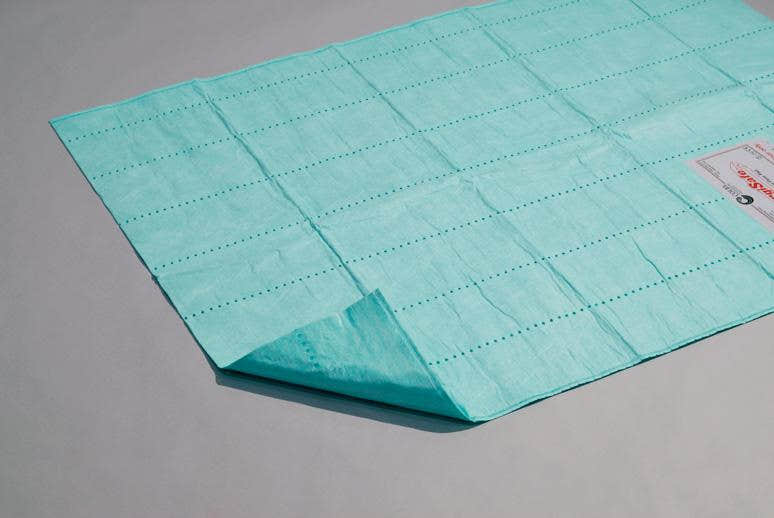
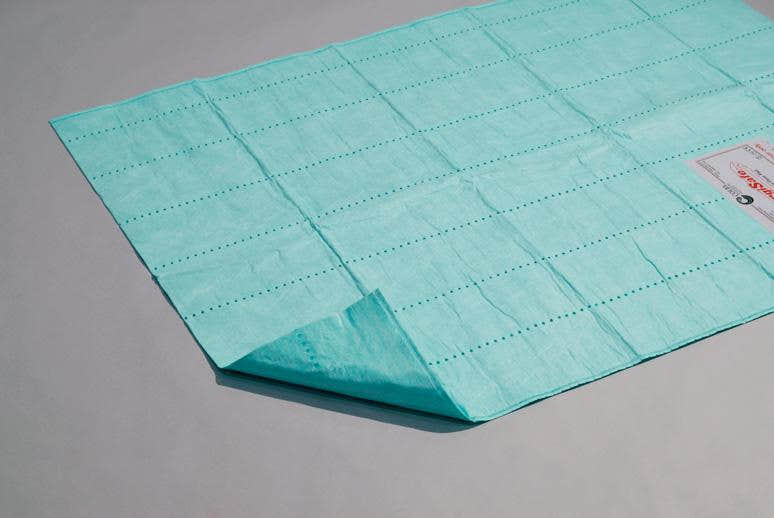
SurgiSafe Absorbent Floor Mat -Case of 30
SurgiSafe Absorbent Floor Mat
Sale priceFrom $14.99

Choose options
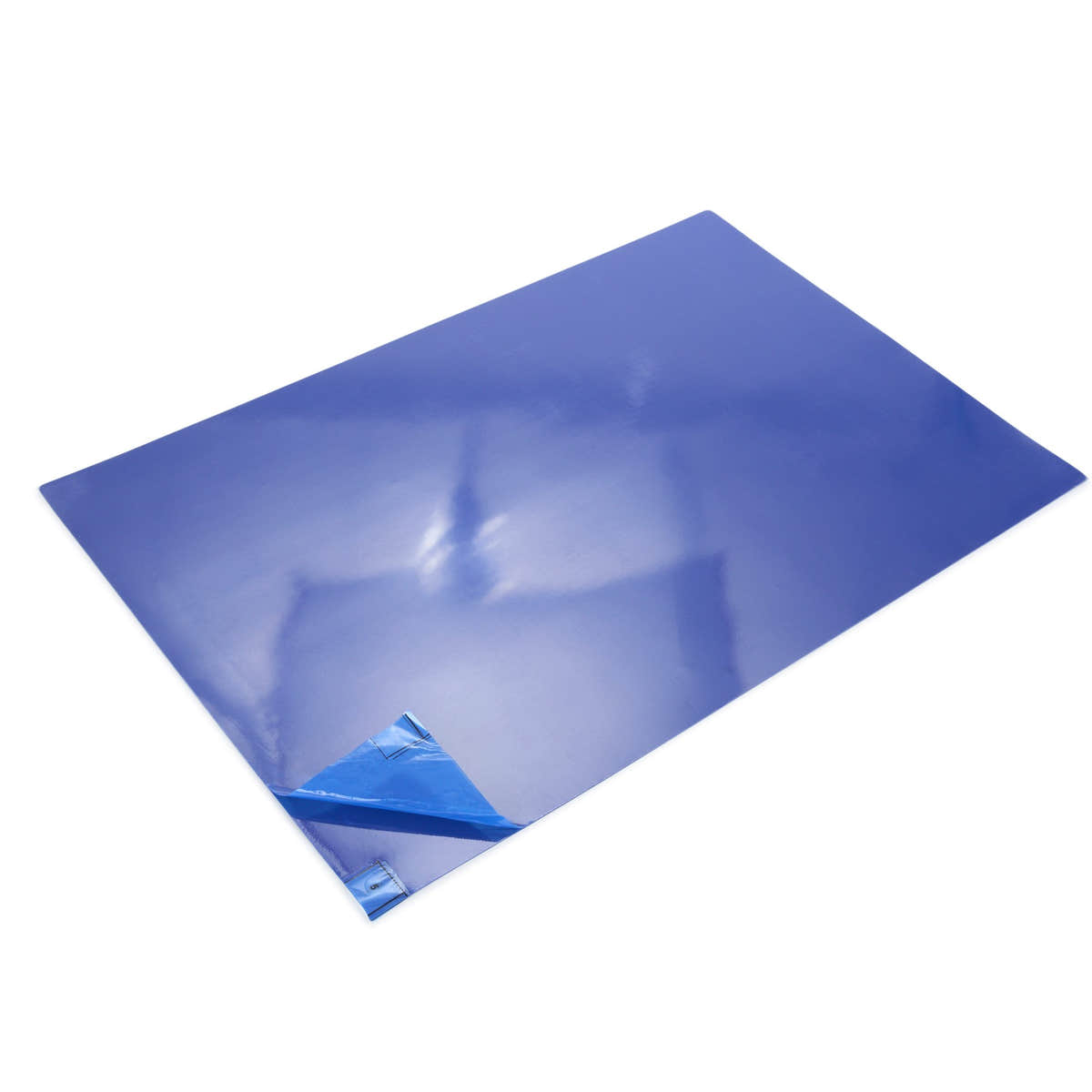
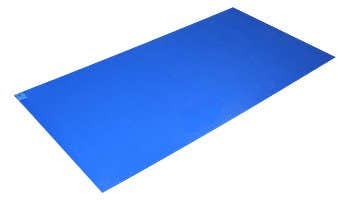
Poly Tack Floor Mat -Case of 4
Poly Tack Floor Mat
Sale price$154.99
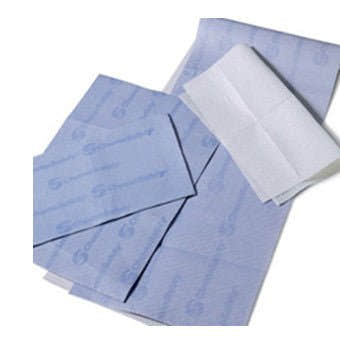
Poly Tack Adhesive Floor Mat -Case of 120
Poly Tack Adhesive Floor Mat
Sale priceFrom $127.99
Choose options
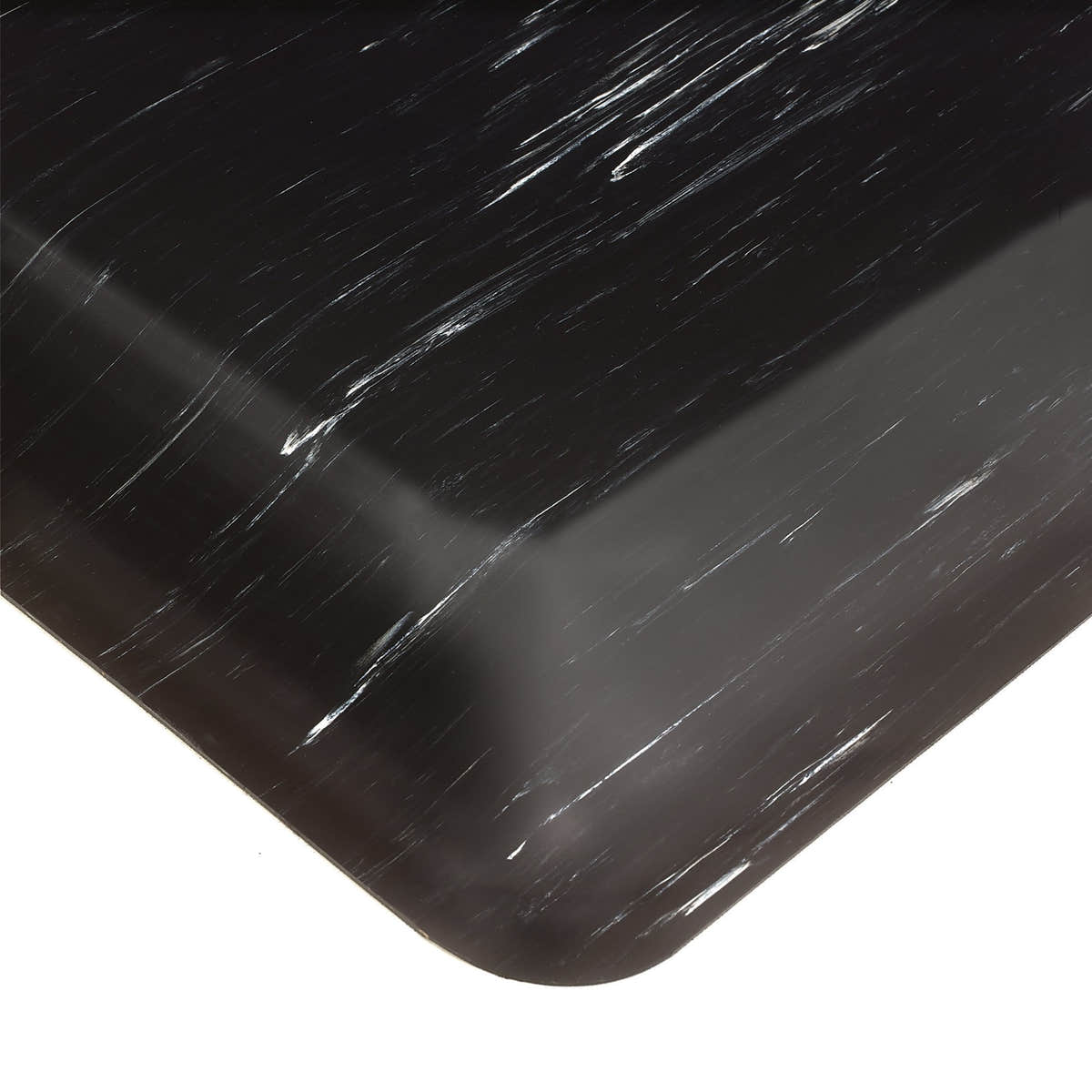
McKesson Anti-Fatigue Mat -Each
McKesson Anti-Fatigue Mat
Sale price$175.99
EnviroSorb Absorbent Floor Mat - 567261_CS - 1
EnviroSorb Absorbent Floor Mat
Sale price$468.99
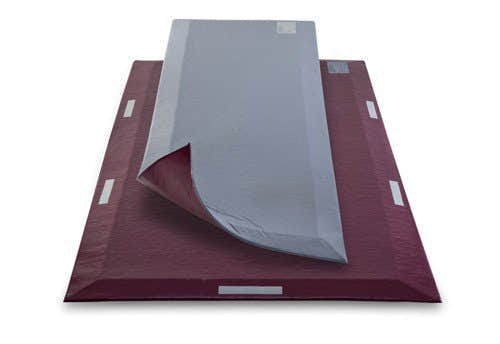
Comfortex Landing Strip Floor Mat - 653257_EA - 1
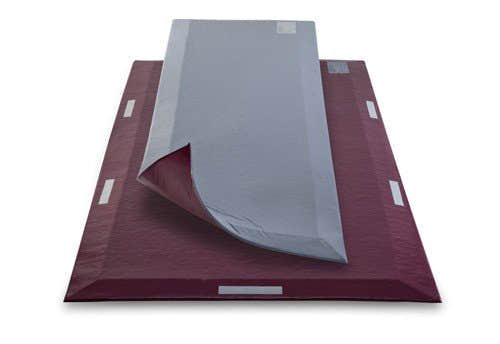
SafetyCare Floor Mat -Each
SafetyCare Floor Mat
Sale price$103.99
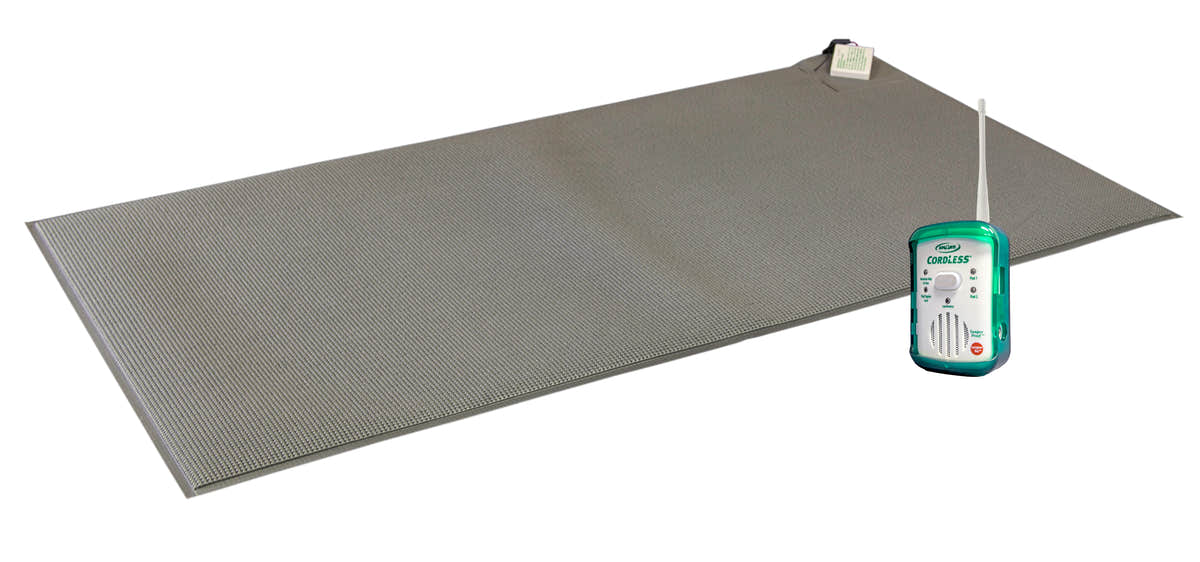
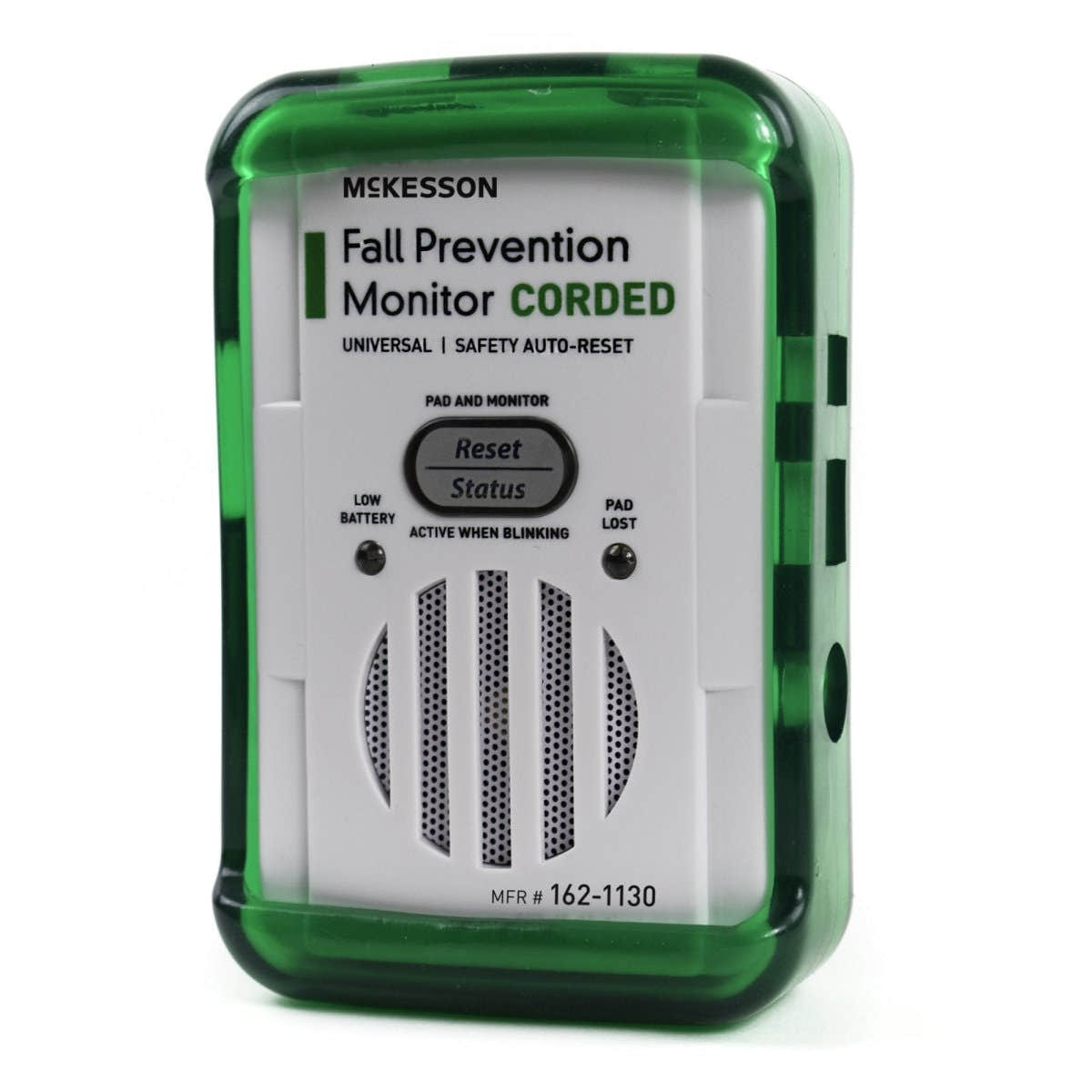
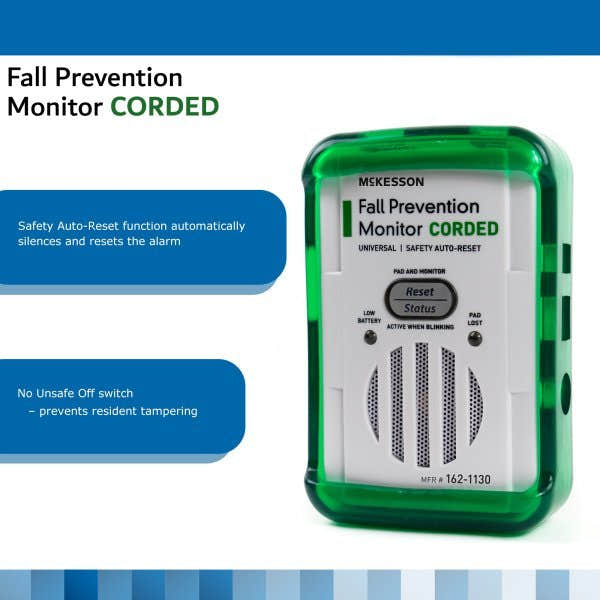
Smart Caregiver Floor Mat Alarm System  -Each

Frequently Asked Questions about Floor Mats

Medical floor mats are used to improve safety, comfort, and hygiene in healthcare environments by providing slip resistance, fatigue relief, spill absorption, and fall prevention support. Floor mats are commonly placed in clinics, hospitals, laboratories, and procedure areas where staff and patients need added protection underfoot.

Medical floor mats are designed for healthcare professionals, facility managers, and caregivers working in hospitals, clinics, labs, and long-term care settings. Floor mats also benefit patients who are at risk of falls or who spend extended time near beds, chairs, or procedure areas.

Start by identifying the primary need — whether that is spill absorption, anti-fatigue support, infection control, or fall prevention monitoring — and then match the floor mat type to that specific use case. Consider the location, the level of foot traffic, and whether the mat needs to be disposable or reusable before making a selection.

Absorbent floor mats are designed to capture spills, fluids, and contaminants to maintain a clean and safe surface, while anti-fatigue floor mats are engineered to cushion prolonged standing and reduce physical strain on staff. Healthcare facilities often use both types depending on the specific demands of each area or workstation.

Yes, floor mats can help prevent falls in hospital settings by providing a non-slip surface near beds, chairs, and high-traffic zones where patients may be unsteady. Certain floor mats also integrate with alarm systems that alert caregivers when a patient steps onto or off of the mat.

Yes, some medical floor mats are specifically designed for use in chemotherapy preparation and other hazardous material environments, offering absorbent barriers that help contain spills and reduce contamination risks. Always verify that the floor mat is rated for the specific chemical or hazardous substance used in your facility before placing it in those areas.

Place the floor mat flat on a clean, dry surface in the intended area, such as beside a patient bed, at an entryway, or in a procedure zone, ensuring all edges lie flush with the floor to prevent tripping hazards. For adhesive-backed floor mats, press firmly along all edges to secure the mat in place before use.

Because healthcare environments present unique risks including fluid spills, prolonged staff standing, and patient fall hazards, floor mats address multiple safety and hygiene needs in a single practical product. Facilities that use appropriate floor mats can reduce workplace injuries, improve infection control, and support patient safety standards simultaneously.

Disposable medical floor mats should be discarded according to your facility's infection control and waste disposal protocols, especially after exposure to fluids or hazardous materials. Reusable floor mats should be cleaned following the manufacturer's instructions and inspected regularly for wear, saturation, or damage that could compromise safety or hygiene.

Floor mats are typically used in hospital rooms, surgical prep areas, nursing stations, laboratories, entryways, and anywhere staff stand for extended periods or patients are at risk of falling. The specific type of floor mat needed will vary by location, with absorbent mats suited for procedure areas and anti-fatigue or alarm-integrated mats suited for patient care zones.

Recently viewed