Back Neck & Shoulder Supports

14 products

Showing 1 - 14 of 14 products

Engineered for comfort and durability, each item in the Back, Neck, & Shoulder Supports category is designed to alleviate discomfort and promote proper alignment. From ergonomic braces to heat therapy wraps, find your perfect solution for day-to-day relief and long-term wellness.
Showing 1 - 14 of 14 products
View
Slingshot 2 Shoulder Immobilizer - 642963_EA - 1
Proflex 1650 Back Support - 680404_EA - 1
Proflex 1650 Back Support
Sale price$23.99
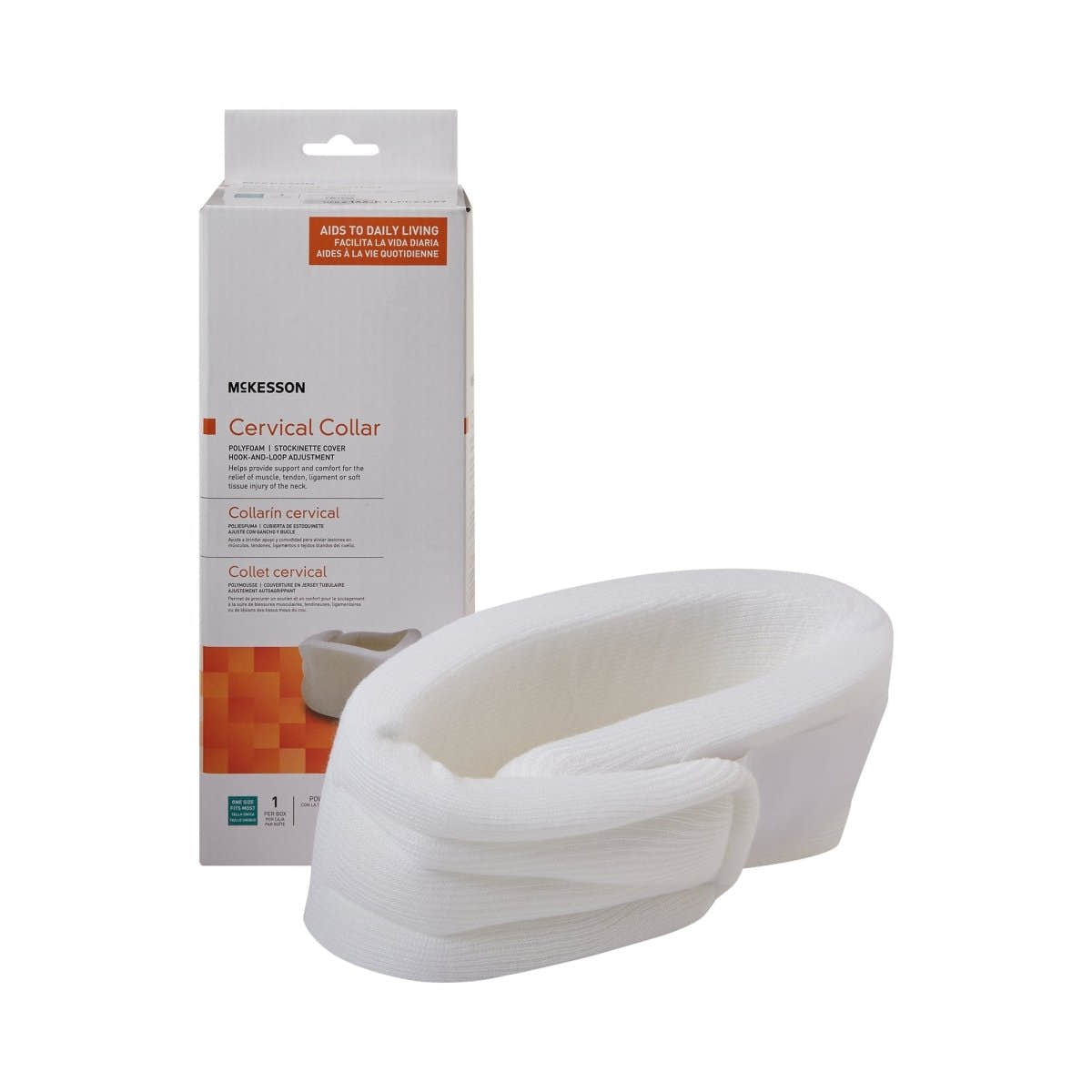
Mckesson Cervical Collar - 1103361_CS - 1
McKesson Cervical Collar
Sale priceFrom $10.99
Choose options
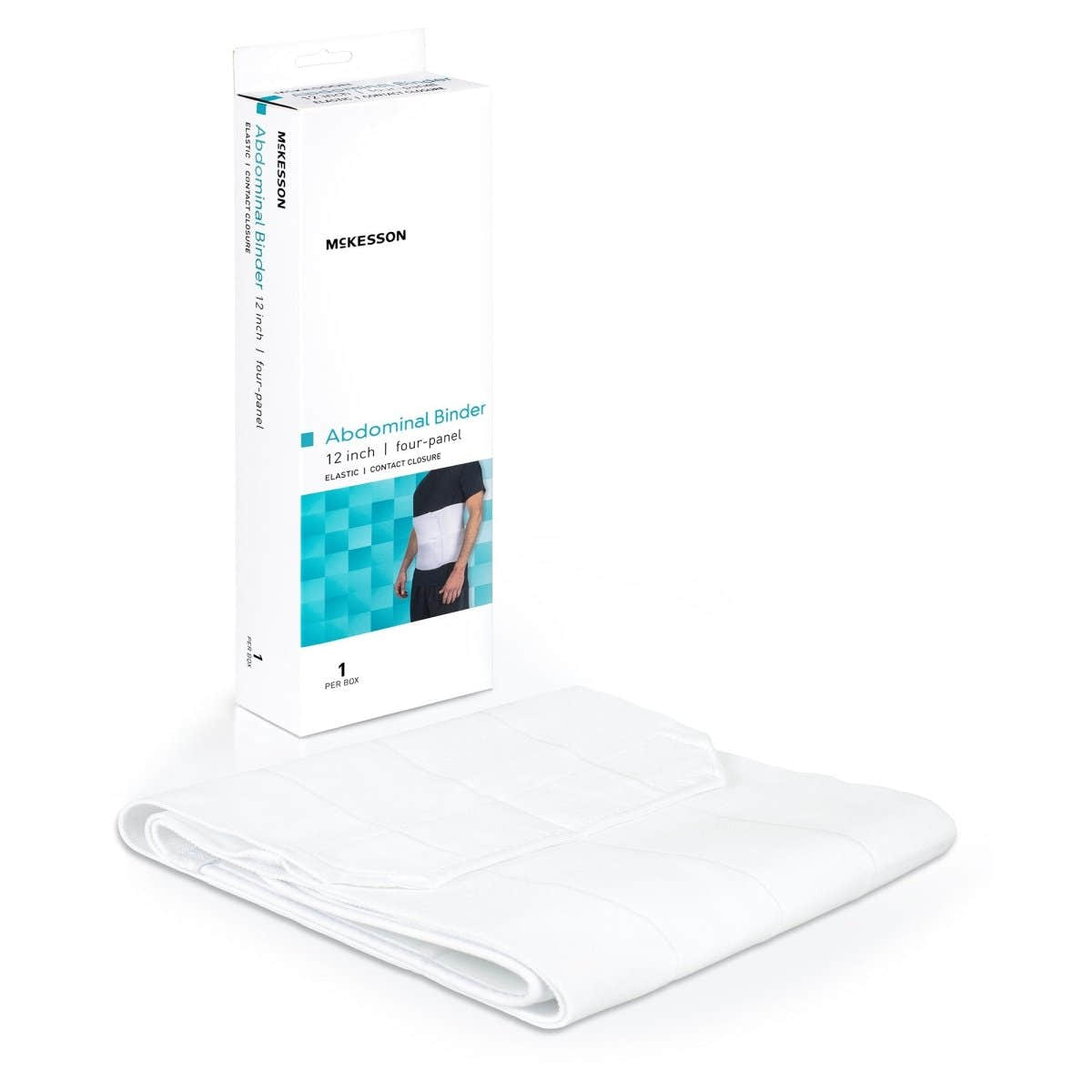
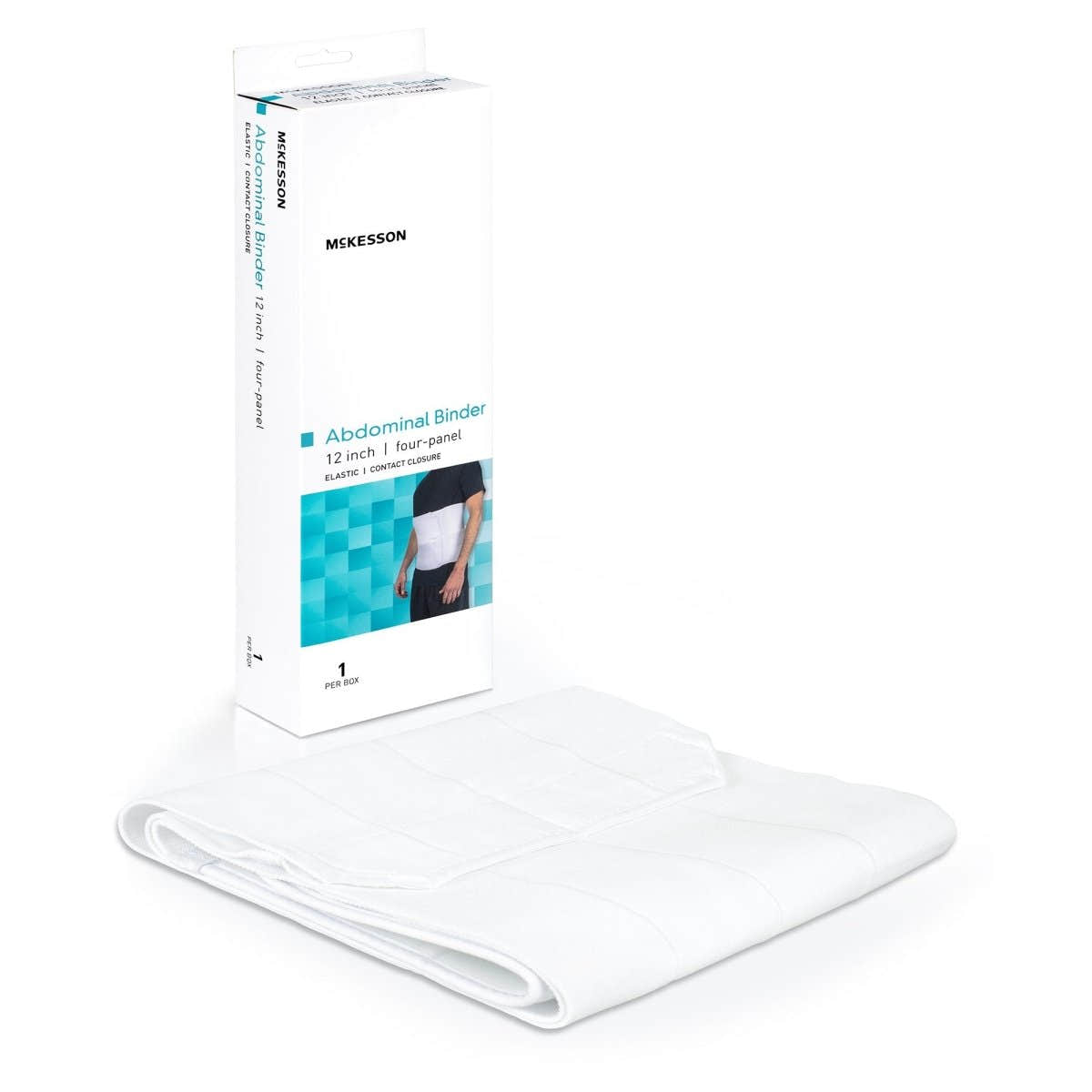
Mckesson 4 Panel ABDominal Support - 1159060_EA - 1
McKesson 4 Panel Abdominal Support
Sale priceFrom $13.99
Choose options
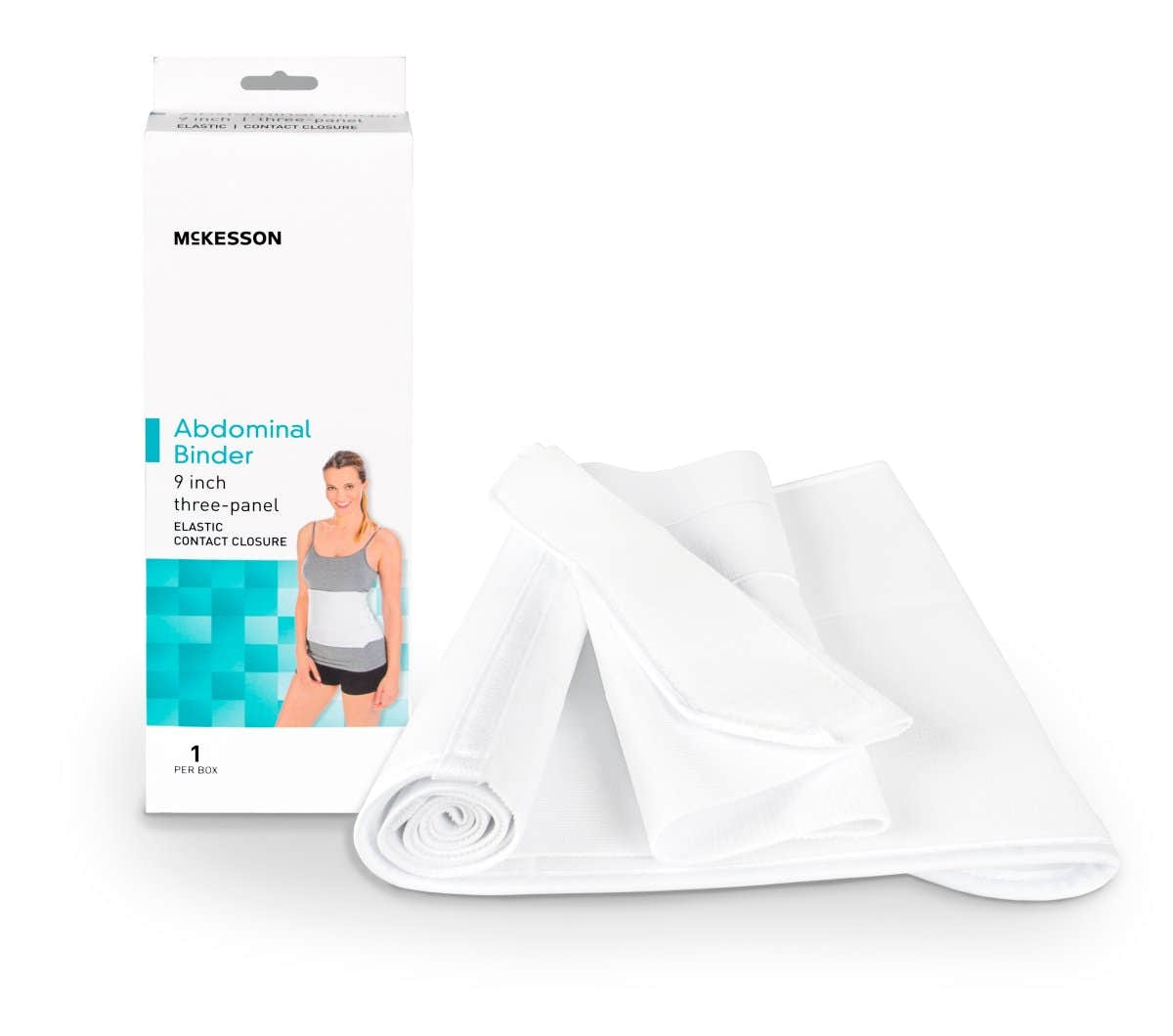
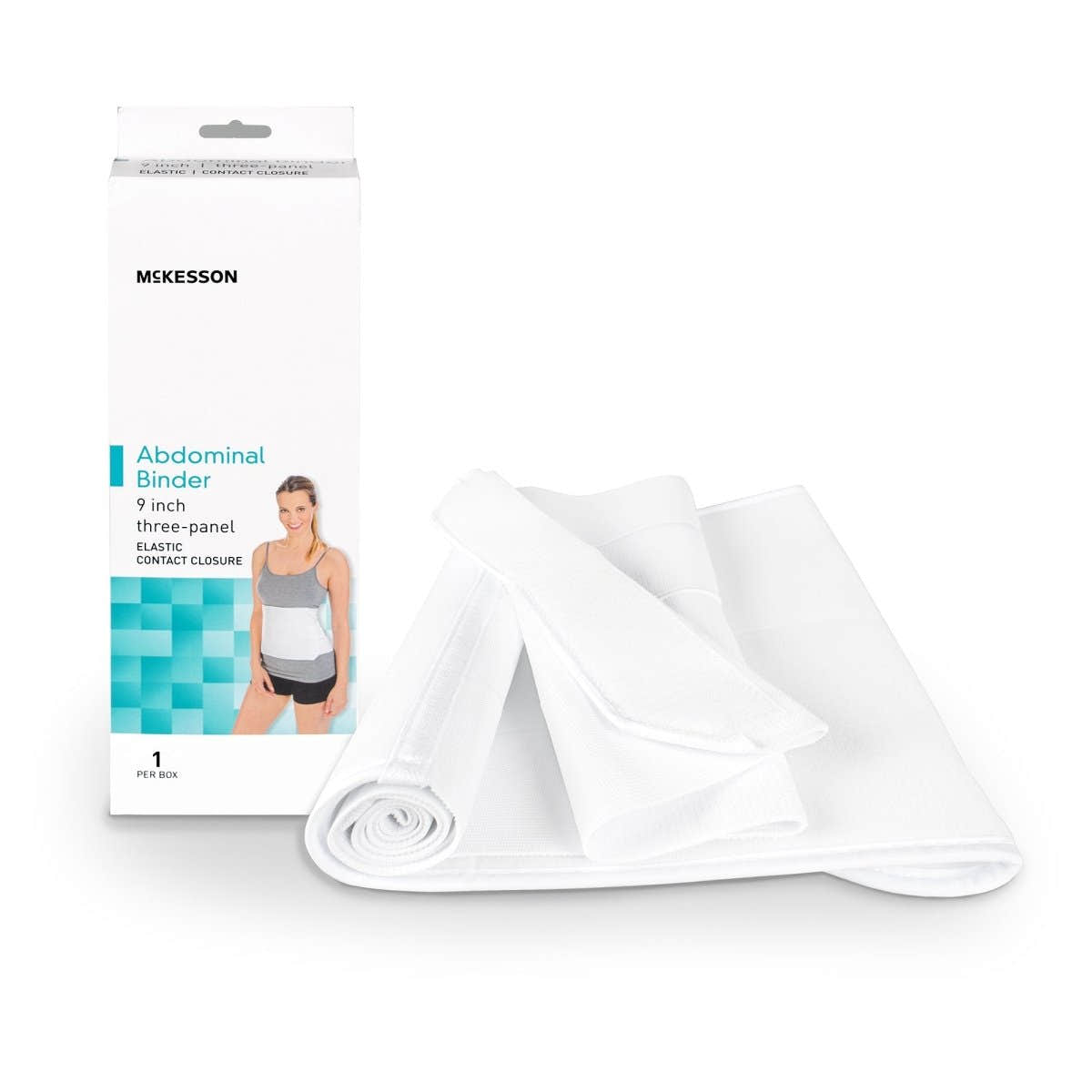
Mckesson 3 Panel ABDominal Support - 1159057_EA - 1
McKesson 3 Panel Abdominal Support
Sale priceFrom $10.99
Choose options
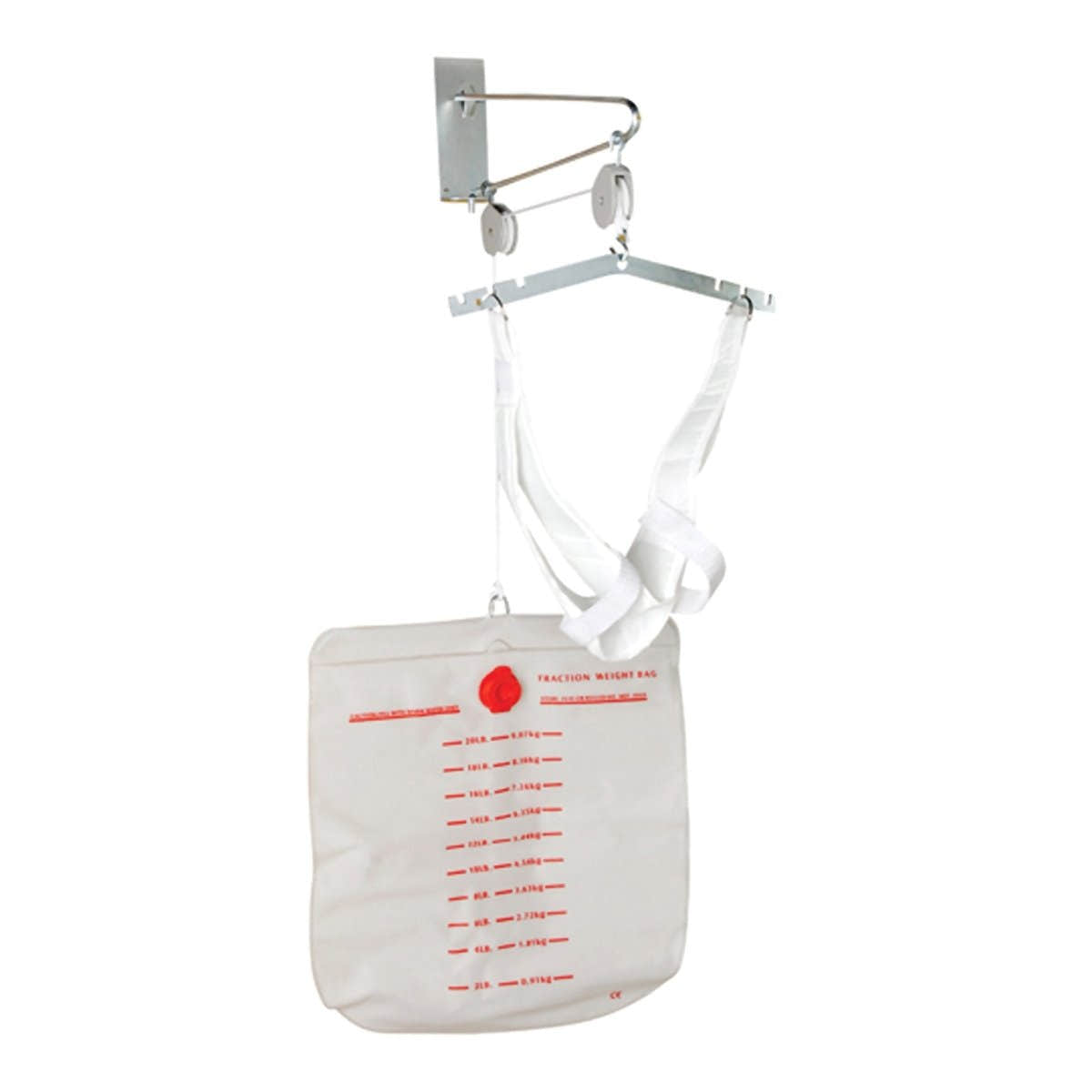
Dmi Cervical Traction Kit - 115450_EA - 1
DMI Cervical Traction Kit
Sale price$24.99
Dale 3 Panel ABDominal Binder With Easygrip Strips - 1192074_BX - 1
Comfor ABDominal Binder - 432016_EA - 1
Comfor ABDominal Binder
Sale price$25.99
Cinch Lock Shoulder Immobilizer - 285447_EA - 1
Arc Shoulder Brace - 998789_EA - 1
Arc Shoulder Brace
Sale price$359.99
Aircast Quick Fit Shoulder Immobilizer - 785301_EA - 1
3M Ace Back Support Belt - 1084240_EA - 1
3M Ace Back Support Belt
Sale price$40.99
3M Ace Back Brace - 1084238_BX - 1
3M Ace Back Brace
Sale priceFrom $42.99
Choose options

Frequently Asked Questions about Back Neck & Shoulder Supports

Back, neck, and shoulder supports are orthopedic devices used to stabilize injured or weakened areas, reduce pain, and promote proper spinal and joint alignment during daily activities or recovery. Some products, like cervical collars, limit movement after injury, while others, like back support belts, help reduce strain during physical tasks.

Back, neck, and shoulder supports are designed for people recovering from injuries, managing chronic pain, correcting posture, or performing physically demanding work. They are also commonly recommended for post-surgical patients, office workers experiencing repetitive strain, and individuals with conditions like herniated discs or rotator cuff injuries.

Start by identifying the specific area of discomfort — lower back, cervical spine, or shoulder — and whether you need rigid immobilization or flexible compression support. Consider your activity level, whether the support is for injury recovery or daily prevention, and consult a healthcare provider if you are post-surgical or managing a diagnosed condition.

Place the back support belt around your lower back and fasten it snugly so it sits just above the hips without restricting breathing or circulation. The support should feel firm but comfortable, and most back support belts are designed to be worn over or under clothing during lifting, standing, or other physical activity.

A shoulder immobilizer fully restricts arm and shoulder movement to protect the joint after surgery or serious injury, while a shoulder brace provides compression and stability with more range of motion for active recovery or mild instability. The right choice depends on your injury severity and your doctor's recommendation.

Yes, many back, neck, and shoulder supports are designed for extended daily wear, though the recommended duration varies by product type and intended use. Rigid cervical collars and shoulder immobilizers are typically worn for limited periods as directed by a clinician, while softer compression supports may be suitable for longer daily use.

A cervical collar is a neck support device that limits cervical spine movement to reduce pain, protect injured vertebrae, or stabilize the neck after trauma or surgery. Cervical collars range from soft foam styles for mild discomfort to rigid extrication collars used in emergency medical situations.

Yes, back support belts are generally safe for use during physical work when worn correctly and for appropriate durations, and many occupational back supports are specifically engineered for lifting and labor-intensive tasks. However, relying on a back support belt as a substitute for proper lifting technique is not recommended, and long-term continuous use should be discussed with a healthcare provider.

Most back, neck, and shoulder supports should be hand-washed with mild soap and cool water, then air-dried completely before reuse to preserve the materials and structural integrity. Avoid machine washing rigid components or heat-drying any support, as high temperatures can warp frames, degrade foam padding, or weaken hook-and-loop closures.

Abdominal binders are included in back and torso support collections because abdominal compression directly reduces strain on the lower back by supporting core muscles and improving posture. Abdominal binders are commonly used after abdominal surgery, during pregnancy recovery, or for individuals with weak core muscles that contribute to chronic lower back pain.

Recently viewed