Assessment Tools

4 products

Showing 1 - 4 of 4 products

Shop health assessment tools online and get fast shipping.
Showing 1 - 4 of 4 products
View
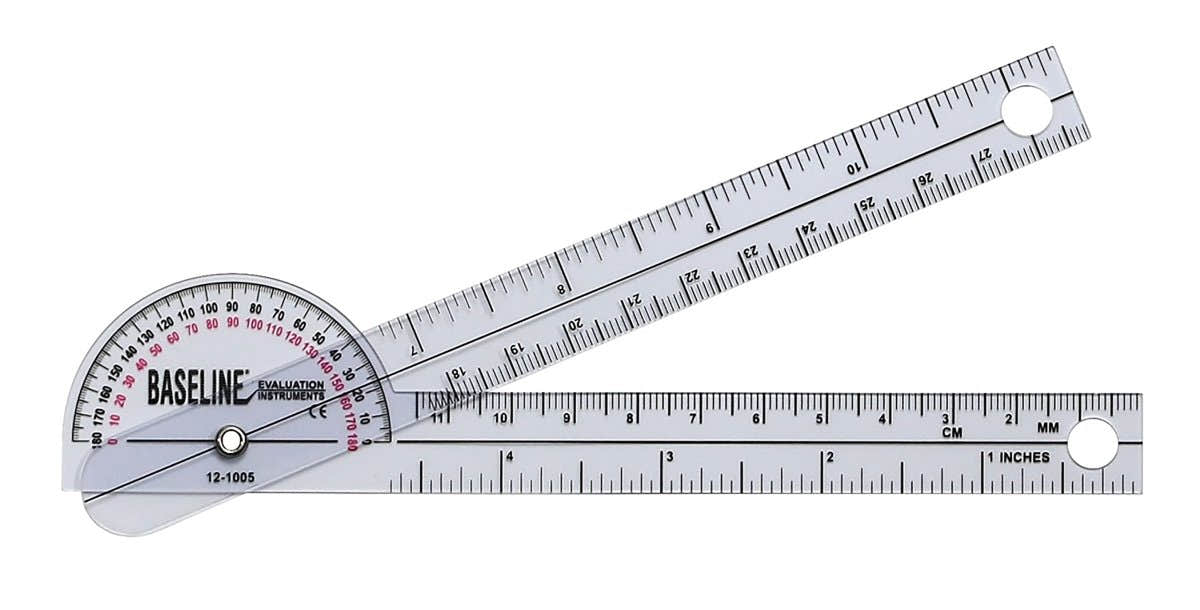
Baseline 180° Head Plastic Goniometer, 6 Inch Arms - 485420_EA - 1
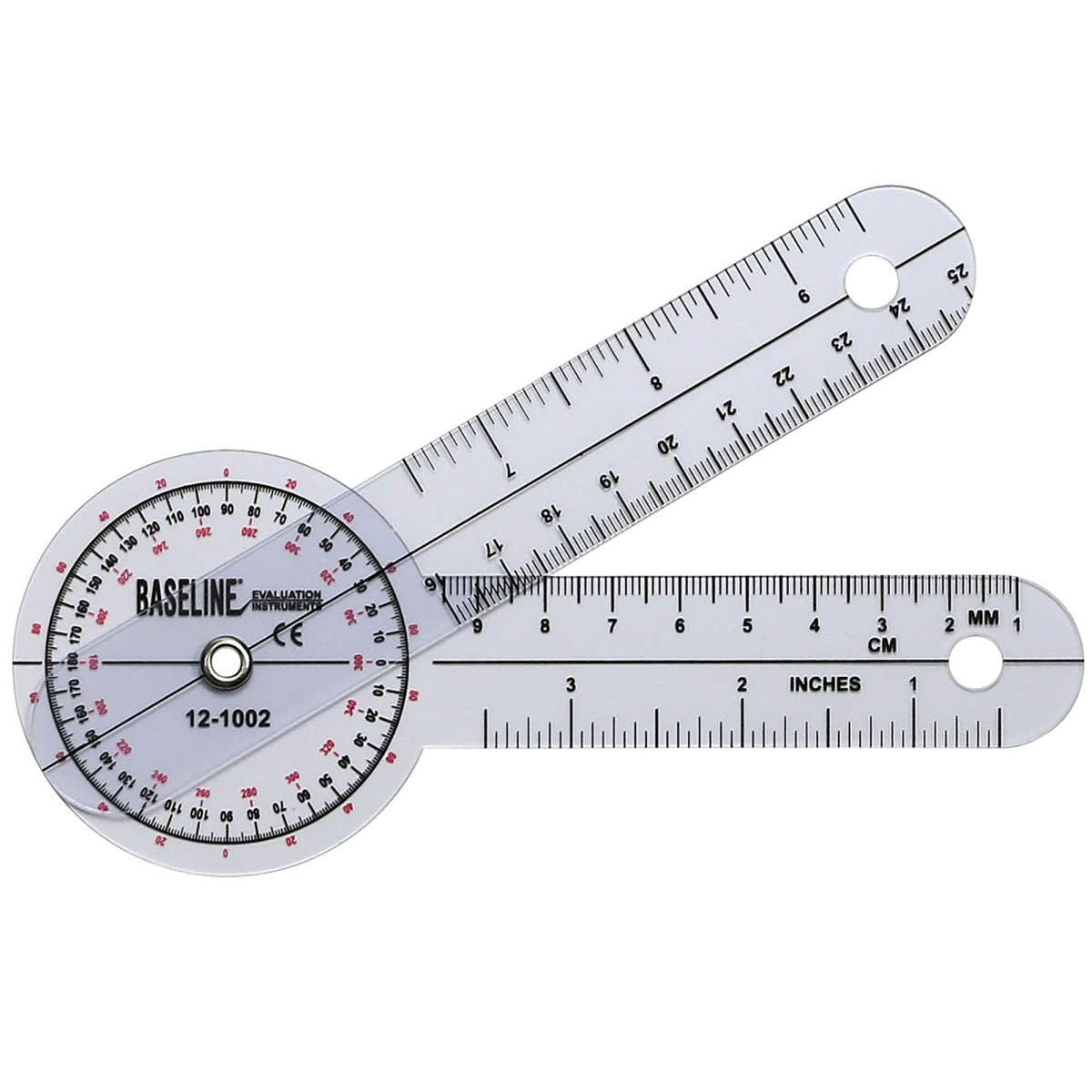
Baseline 360° Head Plastic Goniometer, 6 Inch Arms - 304794_EA - 1
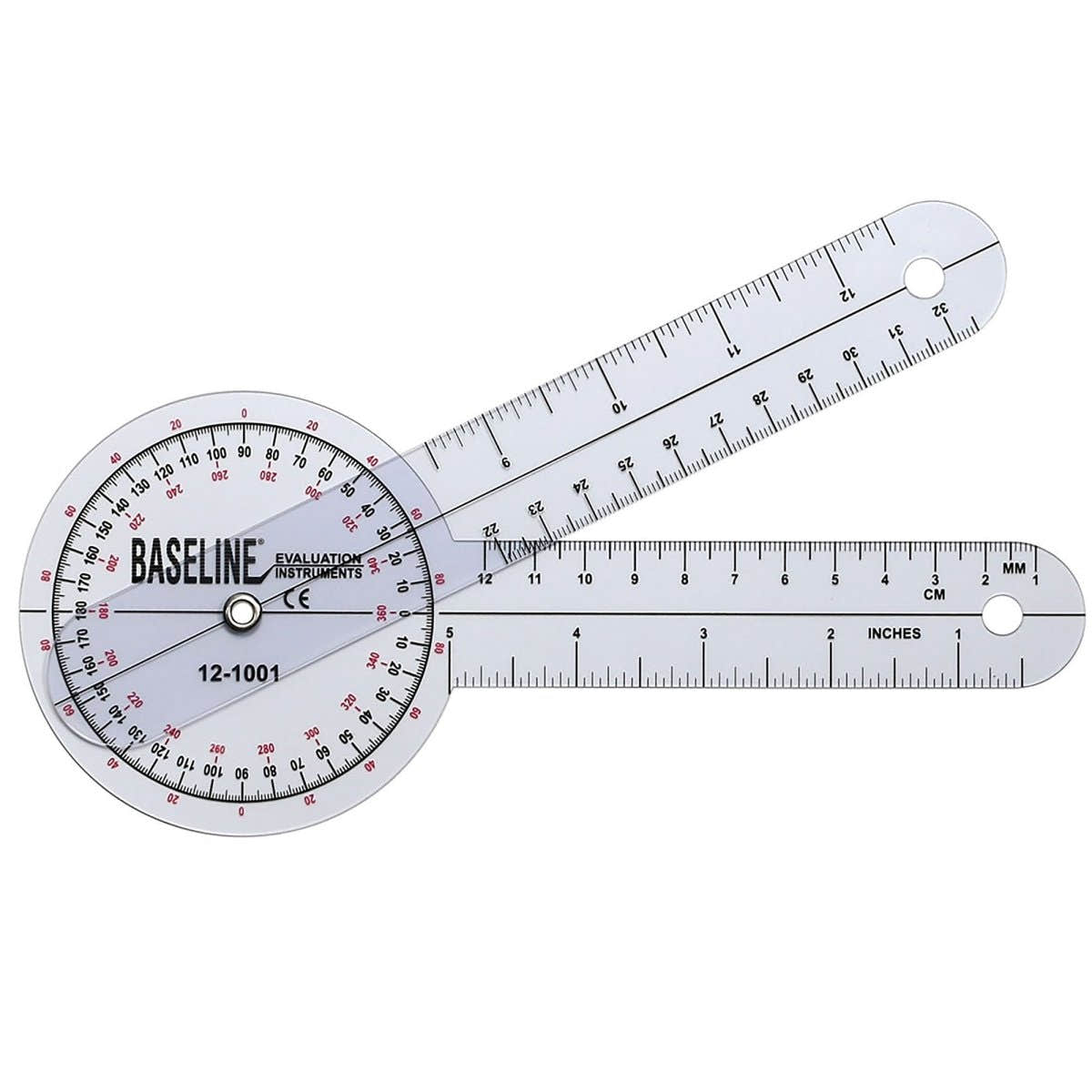
Baseline 360° Head Plastic Goniometer, 8 Inch Arms - 301153_EA - 1
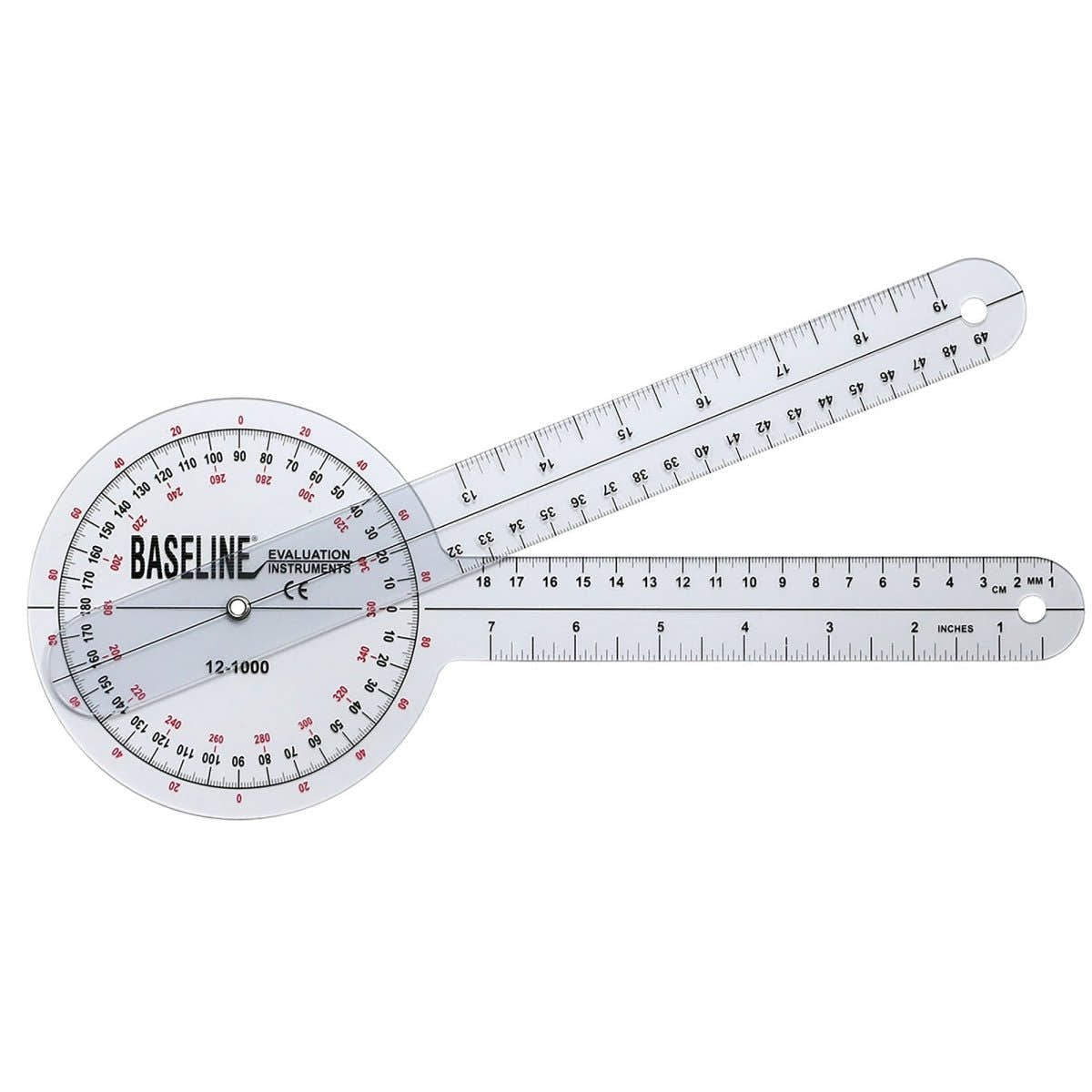
Baseline 360° Head Plastic Goniometer, 12 Inch Arms - 258549_EA - 1

Frequently Asked Questions about Assessment Tools

A goniometer is a clinical measurement tool used to assess the range of motion of a patient's joints, such as the knee, elbow, shoulder, or wrist. Physical therapists, occupational therapists, and athletic trainers use goniometers to track progress during rehabilitation and document functional limitations accurately.

Health assessment tools like goniometers are designed for physical therapists, occupational therapists, athletic trainers, chiropractors, and other clinical professionals who need to evaluate and document a patient's joint mobility. These tools are also used in clinical education settings to teach students proper musculoskeletal assessment techniques.

Place the goniometer's center pivot point directly over the joint being measured, then align each arm along the bones on either side of the joint. Read the angle displayed on the protractor head after the patient moves through their available range of motion, and record the measurement for clinical documentation.

A 180-degree goniometer measures joint motion in a single plane and is typically used for straightforward flexion and extension measurements, while a 360-degree goniometer allows clinicians to measure motion in all directions without repositioning the tool. The 360-degree head design is generally more versatile for complex joints.

Goniometer arm length should match the size of the joint being measured — shorter arms work well for small joints like fingers and toes, while longer arms are better suited for large joints like the hip, knee, or shoulder. Having multiple arm lengths available allows clinicians to assess patients of varying sizes more accurately.

Yes, plastic goniometers are accurate enough for standard clinical range-of-motion assessments when used correctly and consistently. Plastic construction makes these assessment tools lightweight and easy to clean, and research supports their reliability for measuring joint angles in rehabilitation and orthopedic settings when proper landmark placement is used.

Because goniometers provide objective, measurable data about a patient's joint mobility, they are essential for establishing a baseline, tracking rehabilitation progress, and justifying continued treatment to insurers. Without a standardized assessment tool like a goniometer, clinicians would rely on subjective observation alone, which reduces documentation accuracy and clinical consistency.

Wipe plastic goniometers down with a mild disinfectant or alcohol-based wipe after each patient use to maintain hygiene in clinical settings. Avoid soaking goniometers in liquid or exposing them to high heat, as prolonged exposure can warp the plastic and affect measurement accuracy over time.

Assessment tools like goniometers can be purchased through medical supply stores online, including Cart Health, which carries a range of clinical measurement tools with fast shipping options. Buying from a dedicated medical supply retailer ensures you are getting tools designed for professional healthcare use rather than general-purpose measuring instruments.

Goniometers are the most widely used range-of-motion assessment tools in clinical practice because they are affordable, portable, and require no power source or calibration equipment. Digital inclinometers and smartphone-based apps offer alternatives, but traditional goniometers remain the standard in most rehabilitation and orthopedic settings due to their simplicity and proven reliability.

Recently viewed