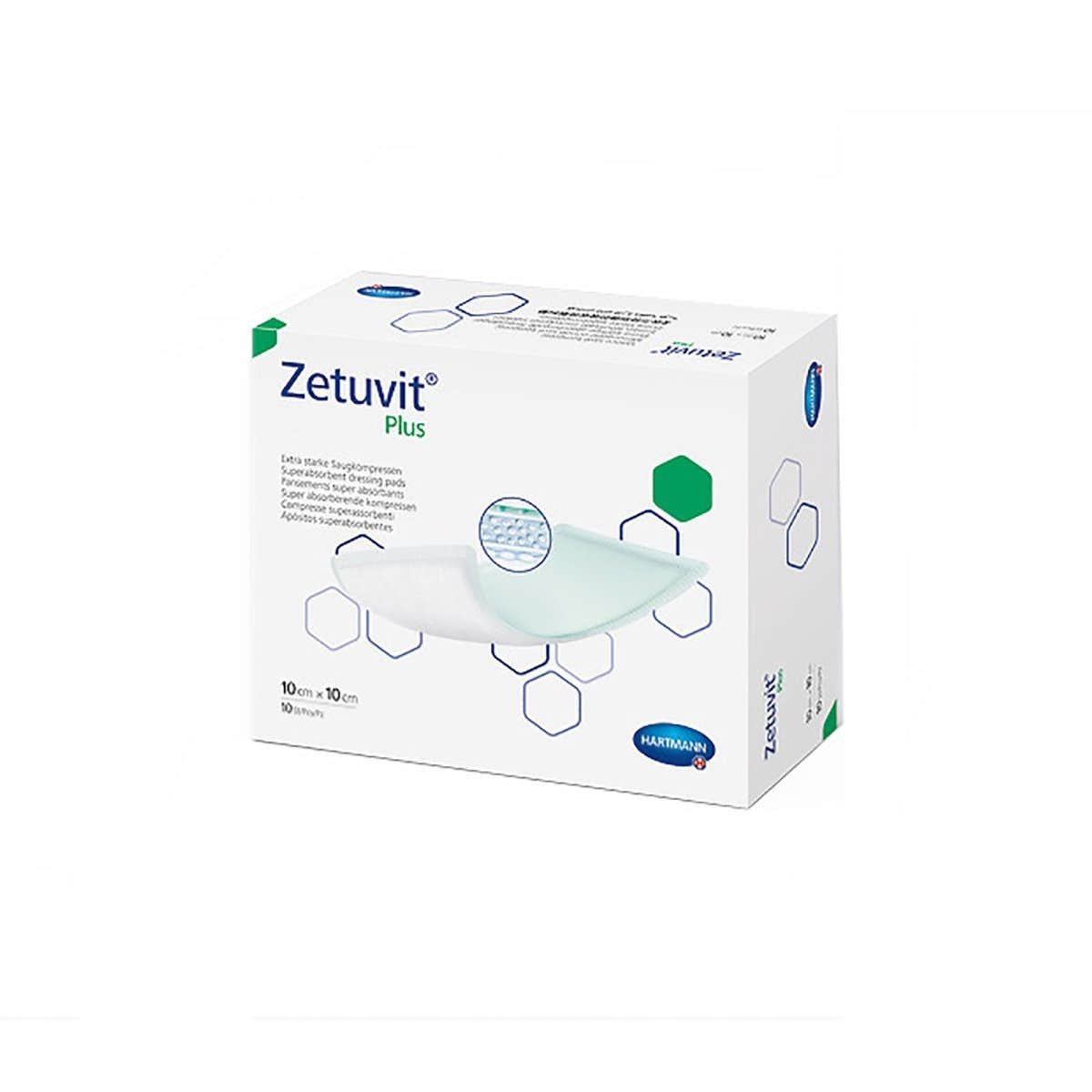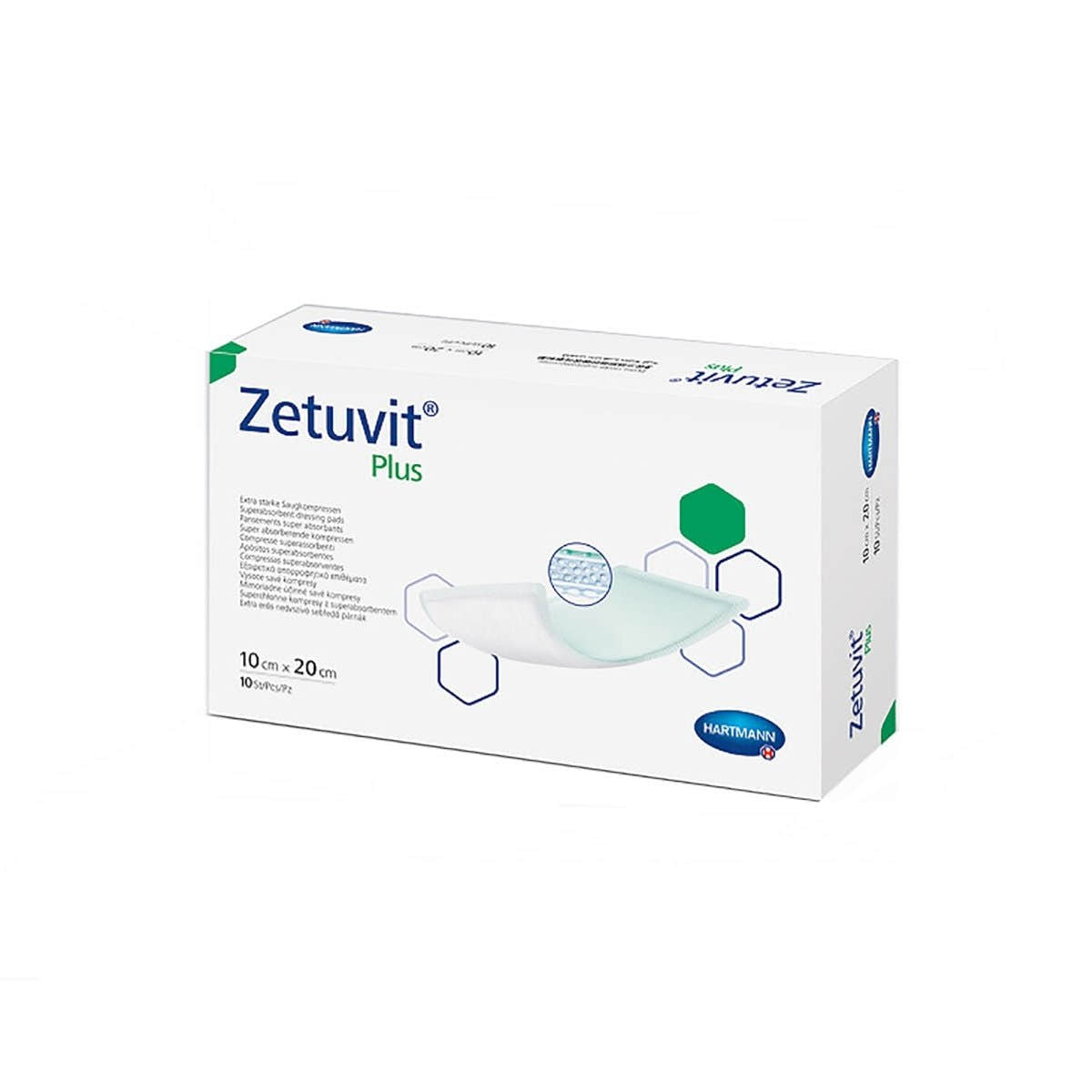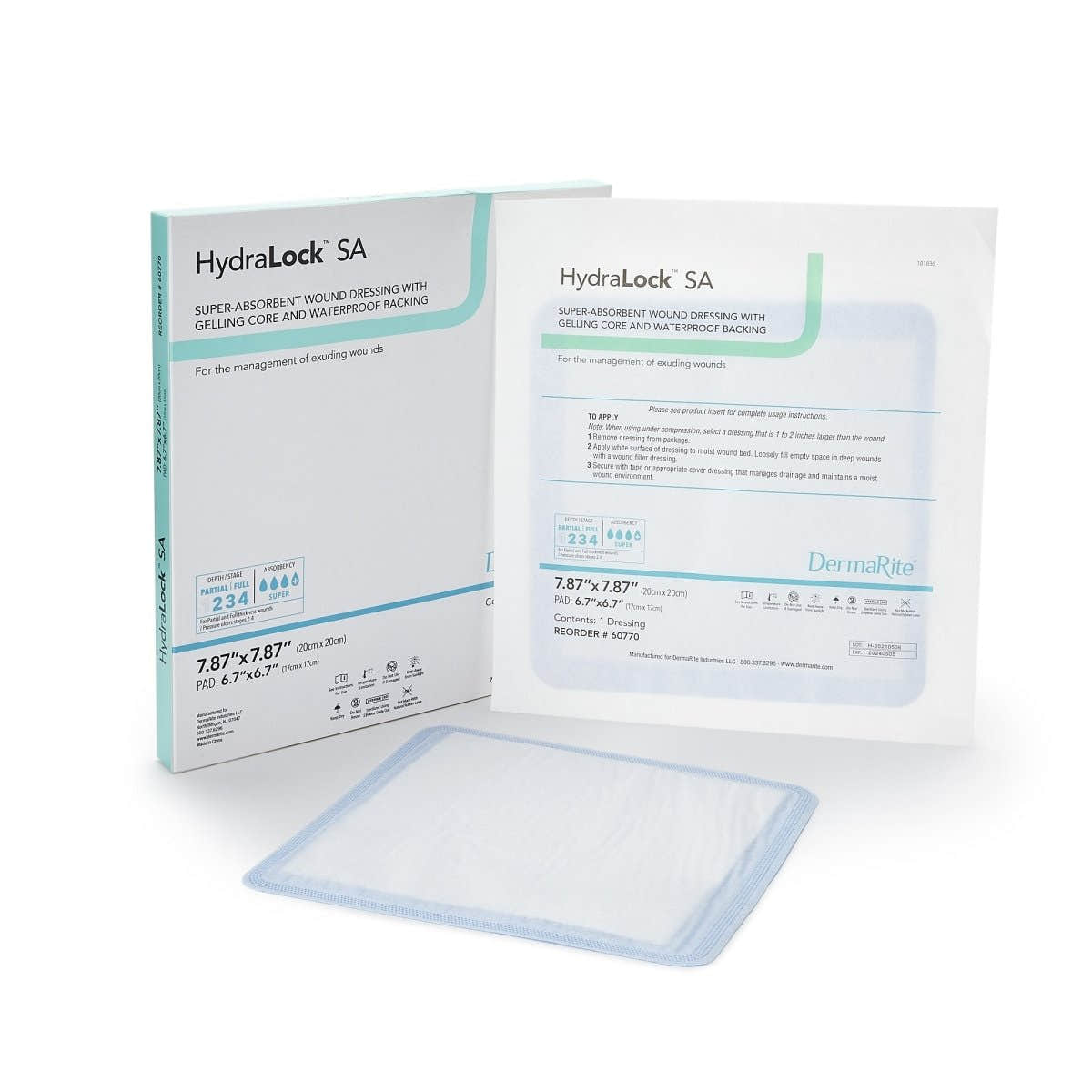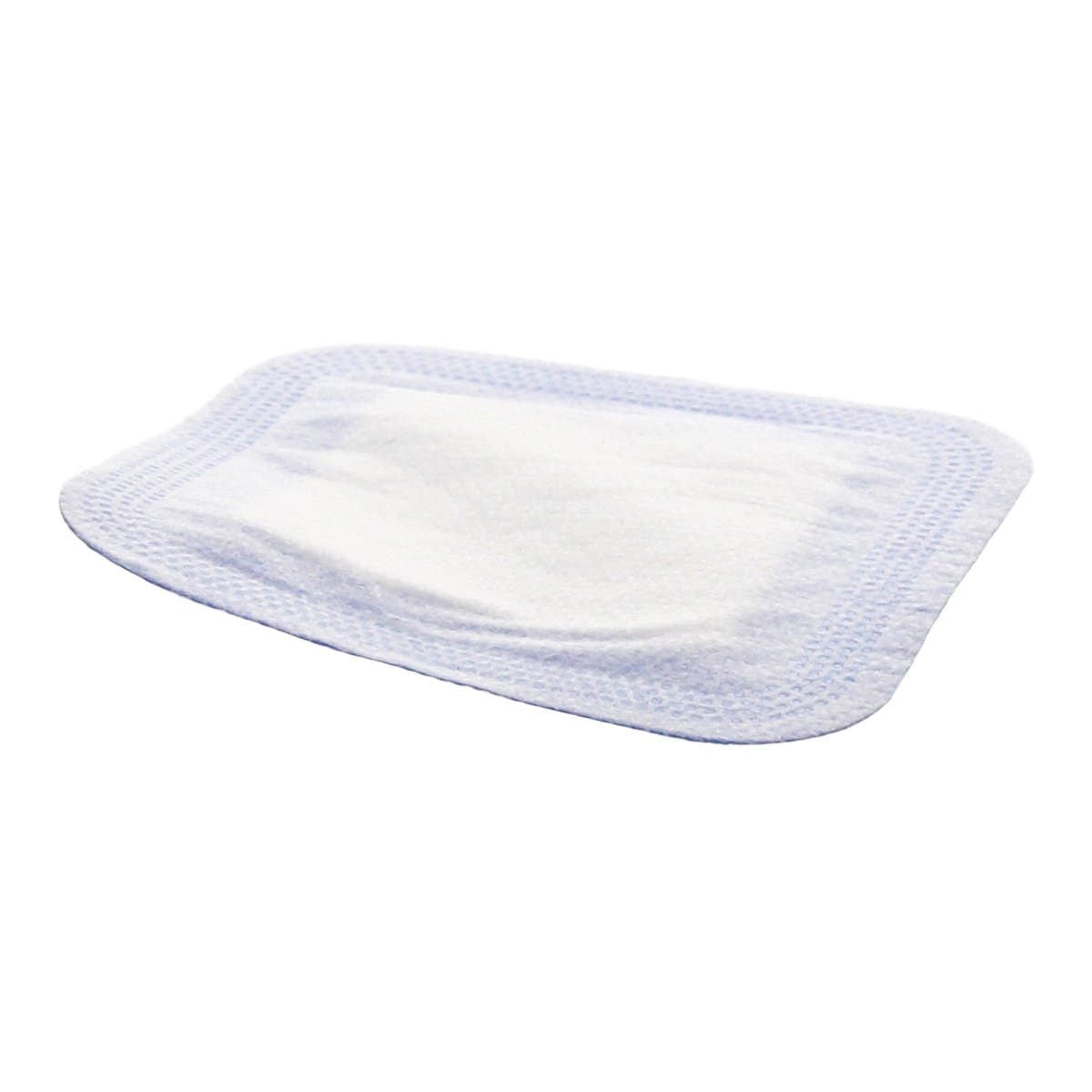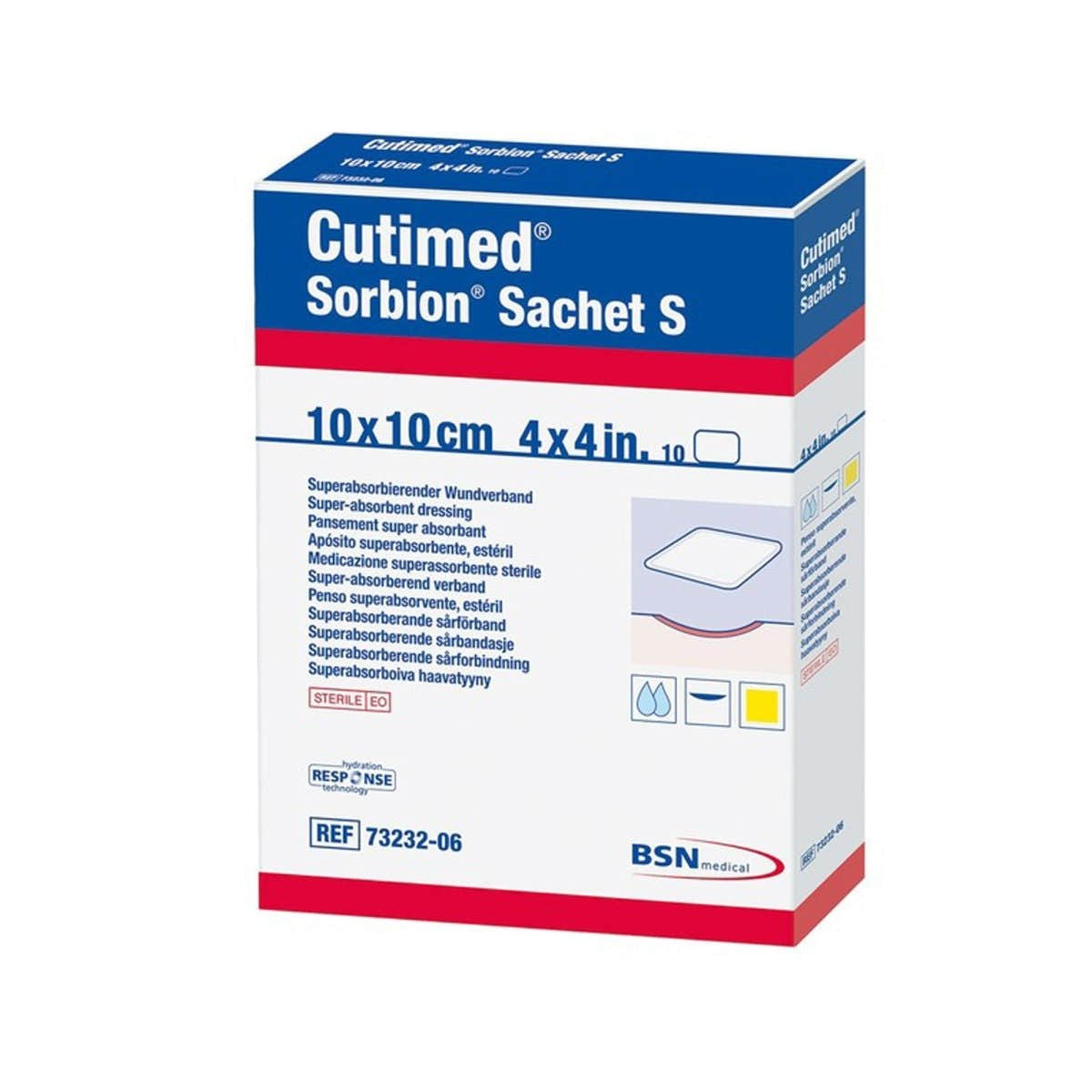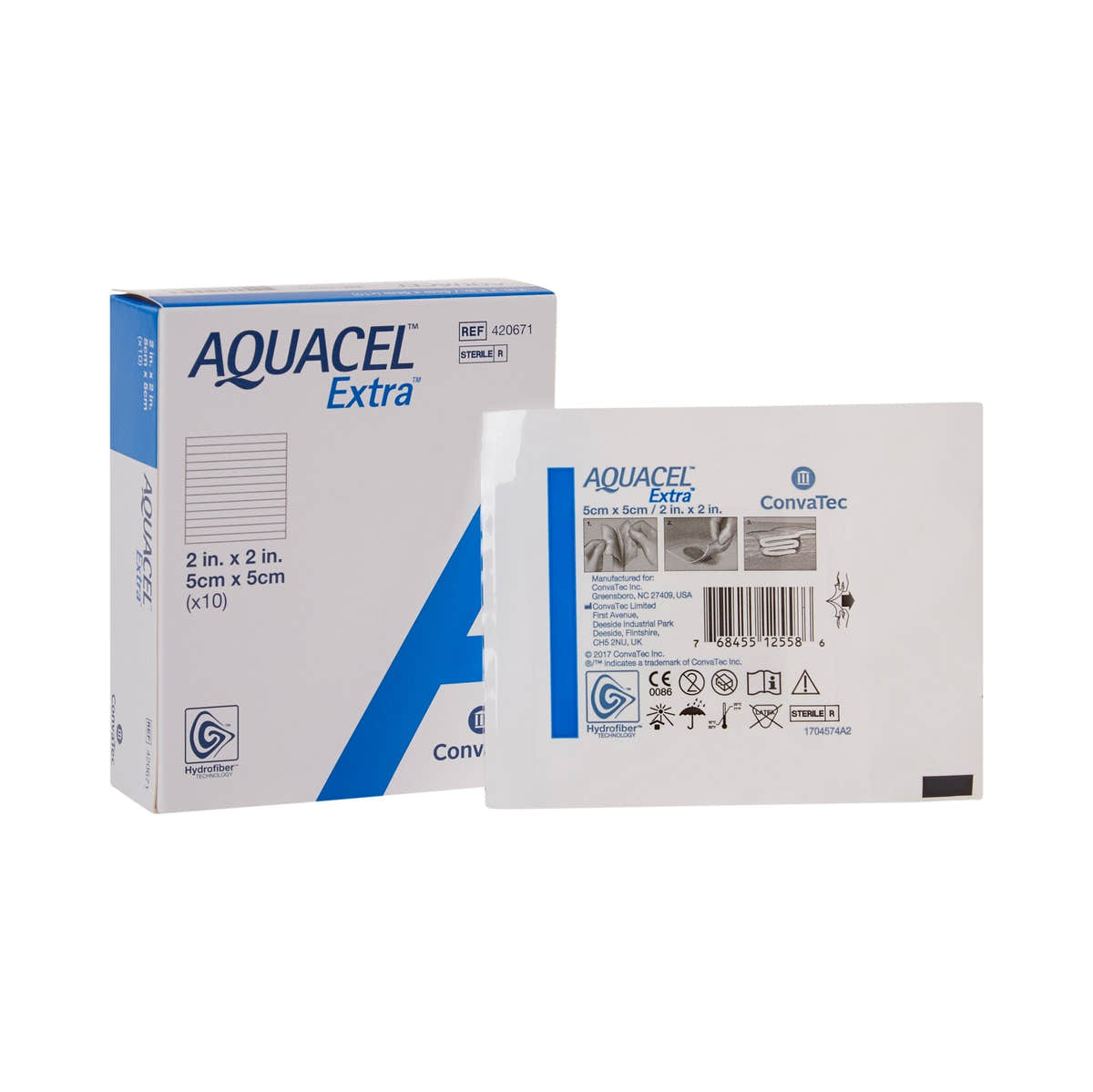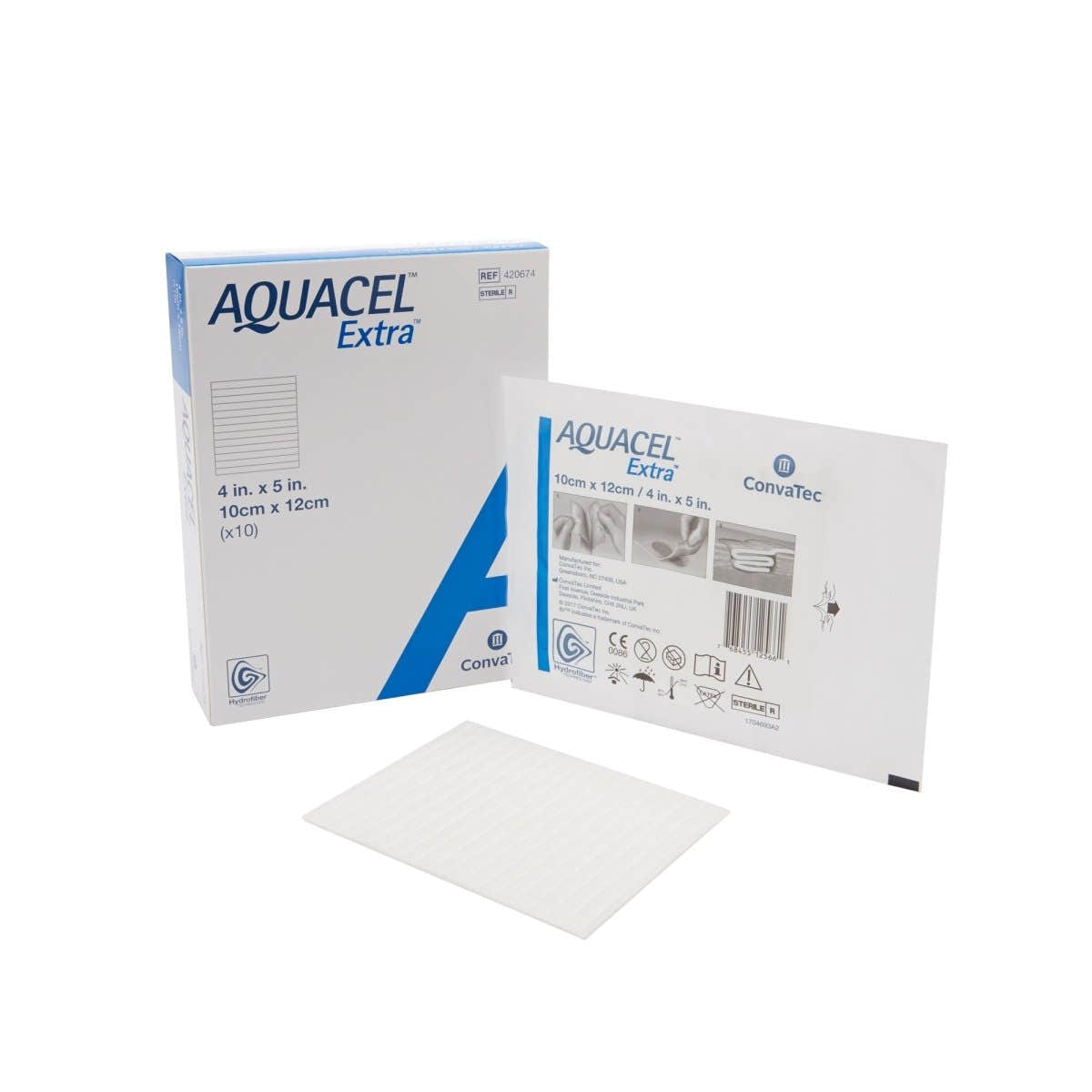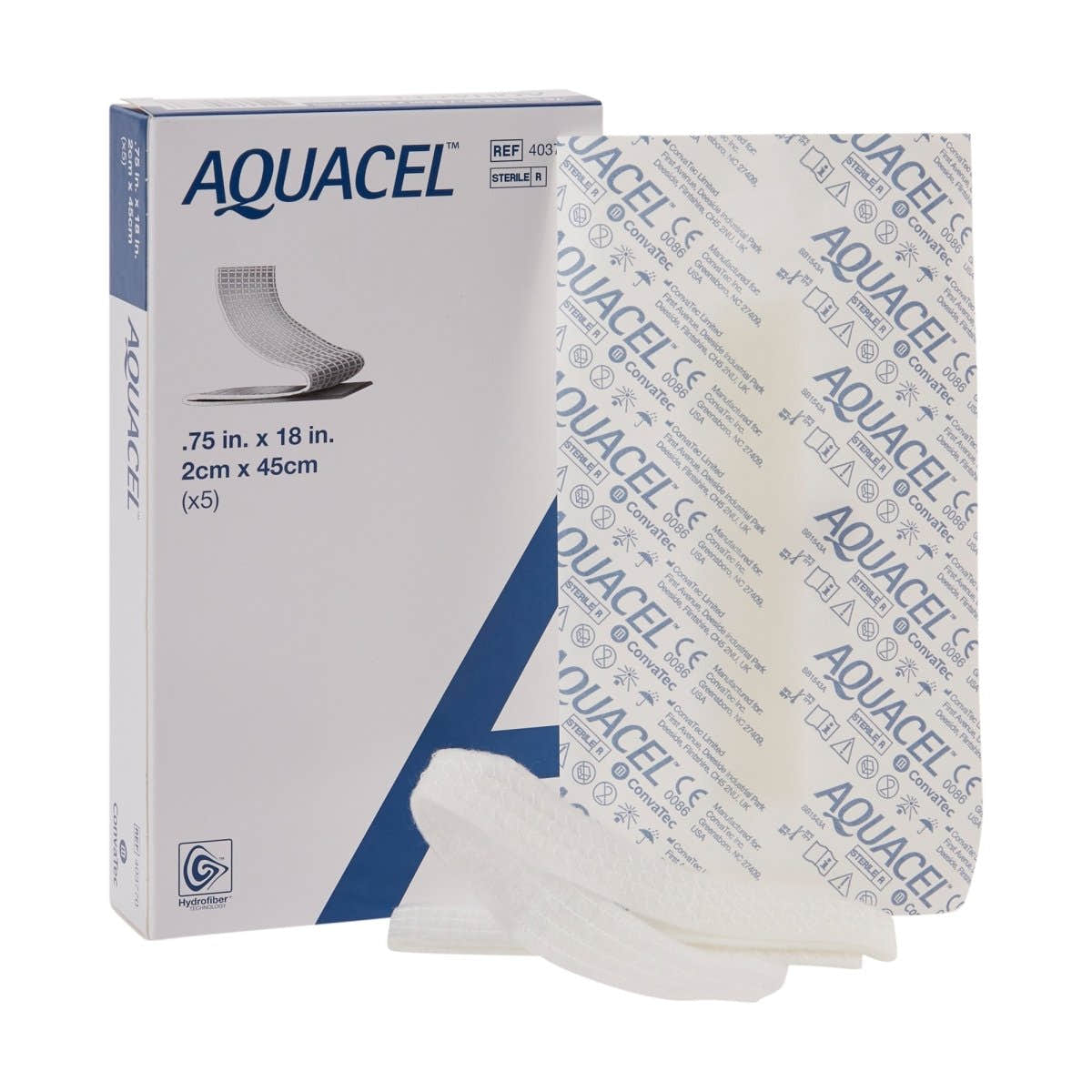
Cellulose Dressings

11 products

Showing 1 - 11 of 11 products

If you're tired of the pain, slow healing, and discomfort of traditional wound care, it's time to upgrade. Explore our collection at Cart Health and experience the difference for yourself.
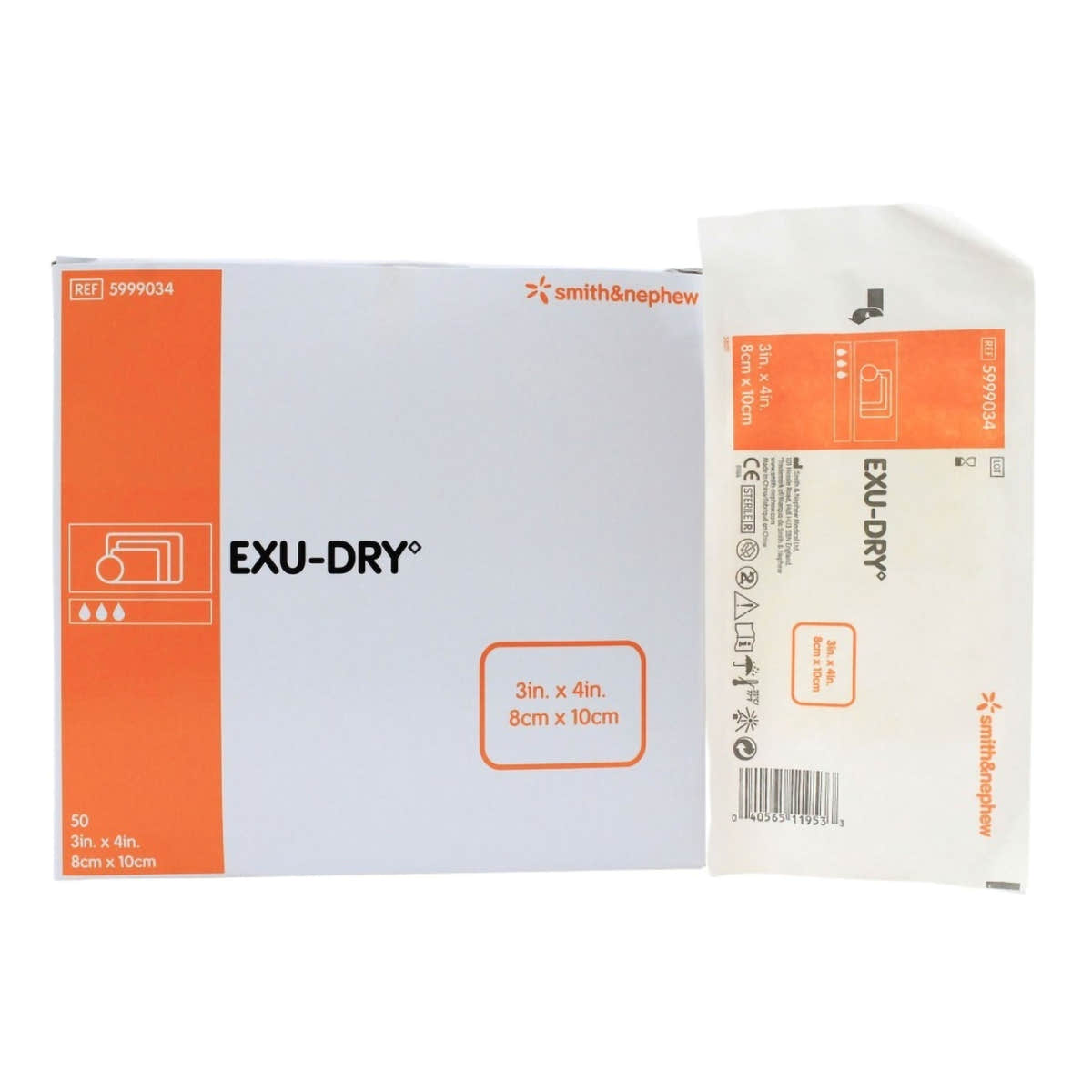
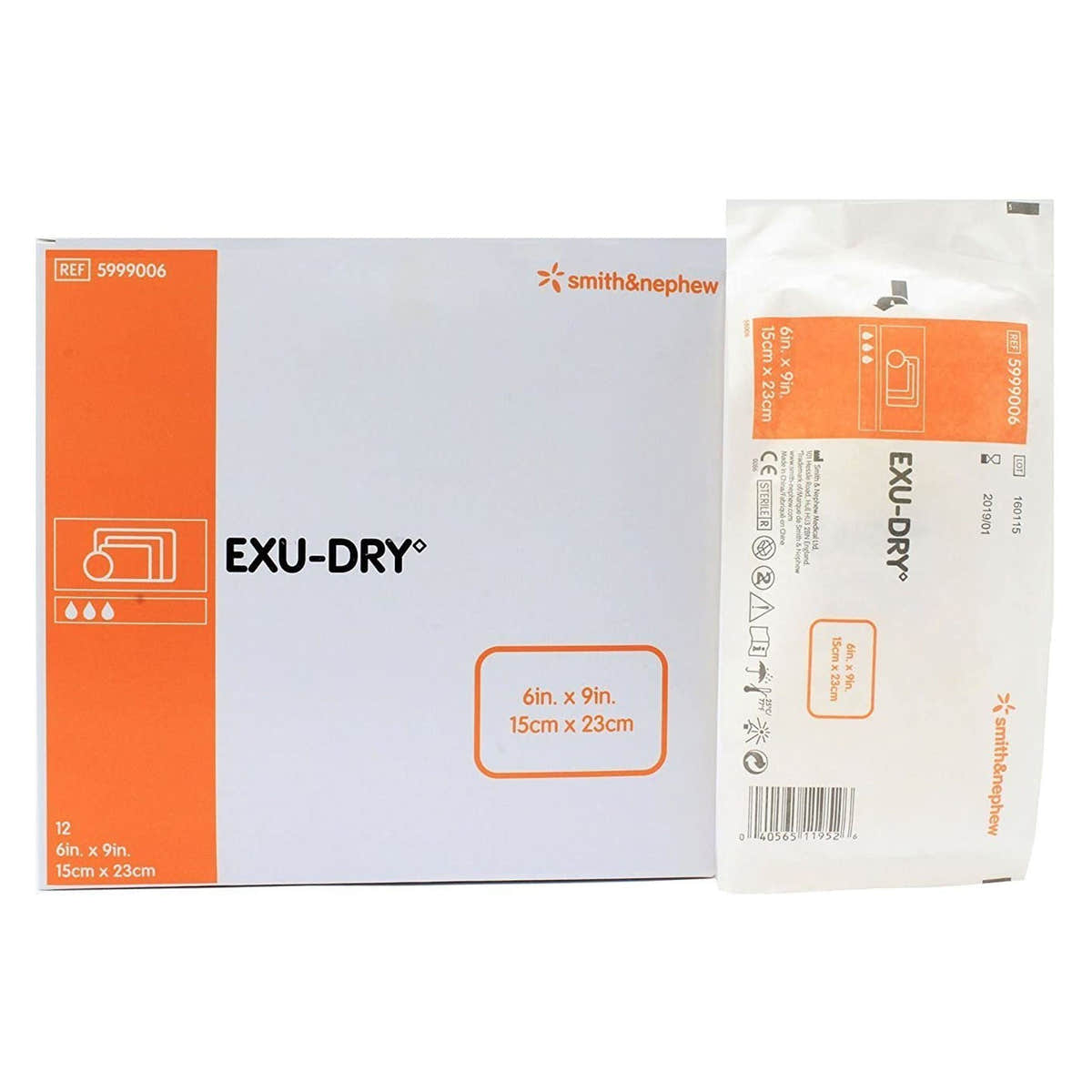
Showing 1 - 11 of 11 products
View

Frequently Asked Questions about Cellulose Dressings

Cellulose dressings are absorbent wound coverings used to manage exudate, support cell regeneration, and create a moist healing environment for moderate to heavily draining wounds. Cellulose dressings are commonly used on chronic wounds, surgical sites, and ulcers where moisture balance is critical to recovery.

Cellulose wound dressings are designed for patients managing moderate to heavily exuding wounds, including those with chronic ulcers, post-surgical wounds, or skin injuries that require consistent moisture management. Caregivers and clinicians also rely on cellulose dressings for patients who need a gentle, effective dressing that minimizes trauma during changes.

Apply a cellulose dressing by first cleaning and drying the wound area, then placing the dressing directly over the wound bed and securing it with a secondary dressing or tape as needed. Make sure the cellulose dressing covers the entire wound surface to ensure proper absorption and moisture management throughout the wear period.

Cellulose dressings should generally be changed when saturated with wound fluid or as directed by a healthcare provider, which may range from every one to several days depending on wound drainage levels. Monitoring the dressing for signs of saturation, leakage, or odor helps determine when a cellulose dressing change is needed.

Cellulose dressings differ from regular gauze in that cellulose dressings are engineered to absorb and lock in wound exudate while maintaining a moist healing environment, whereas gauze can dry out and adhere to the wound. Cellulose dressings also tend to cause less pain and tissue damage during removal compared to traditional gauze dressings.

Yes, cellulose dressings are generally considered safe for sensitive or fragile skin because cellulose dressings are designed to be non-adherent to wound tissue, reducing the risk of trauma during removal. Many cellulose dressings are also free from common irritants, making them a suitable option for patients with delicate or compromised skin.

Because cellulose dressings actively manage moisture at the wound site, cellulose dressings create an optimal healing environment that supports skin cell regeneration and reduces the risk of infection. Traditional dressings often lack this moisture-balancing capability, which can slow recovery and increase patient discomfort during the healing process.

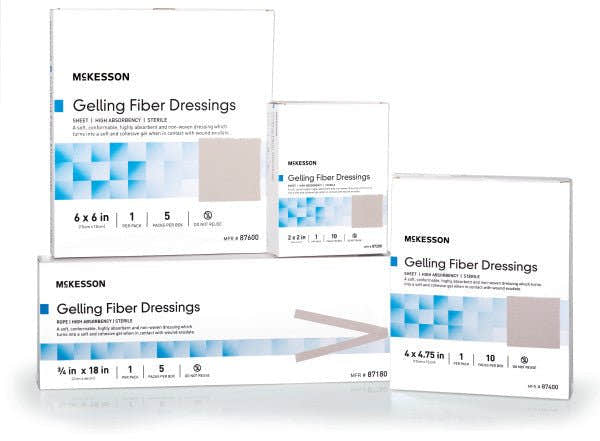
Cellulose dressings are available in a wide range of formats including super absorbent dressings, gelling fiber dressings, hydrofiber dressings, abdominal pads, and ribbon styles to accommodate different wound shapes and drainage levels. Sizes vary to suit small surface wounds as well as larger or deeper wound cavities requiring more specialized coverage.

Cellulose dressings should be stored in a cool, dry place away from direct sunlight and moisture to preserve their sterility and absorbent properties. Always keep cellulose dressings in their original sealed packaging until ready for use, and check the expiration date before applying to ensure the dressing performs as intended.

Cellulose dressings can be used on some infected wounds, but a healthcare provider should assess the wound first to determine whether an antimicrobial dressing or additional treatment is needed alongside the cellulose dressing. Cellulose dressings help manage exudate and maintain a clean wound environment, which can support healing in wounds with mild to moderate infection risk.

Recently viewed