Hand & Wrist Braces

13 products

Showing 1 - 13 of 13 products

Welcome to our Hand & Wrist Braces category, where innovation meets comfort to provide you with solutions for hand and wrist support. Our collection is designed to empower your movement, alleviate discomfort, and promote overall well-being.
Showing 1 - 13 of 13 products
View
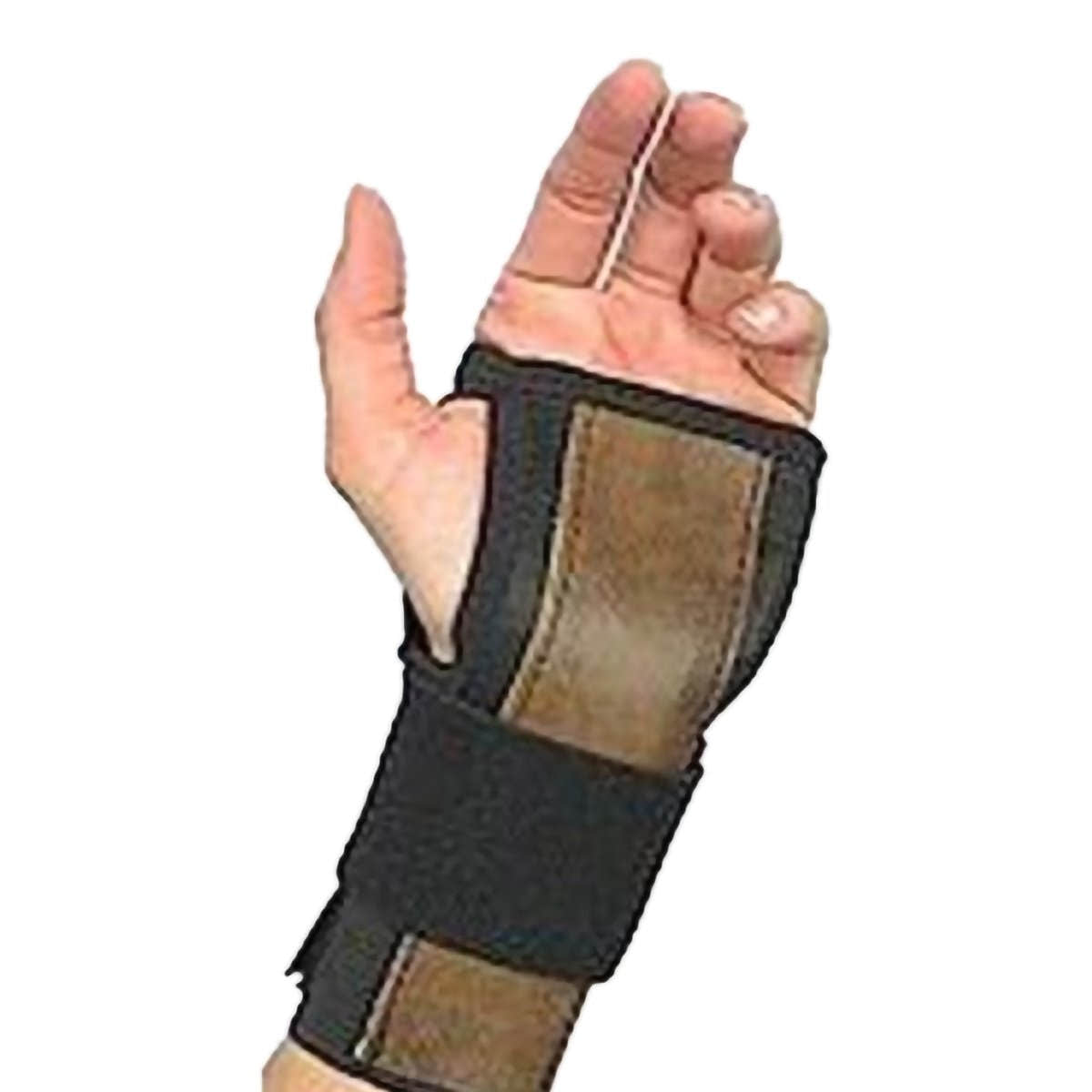
3M Ace Wrist Brace - 1084222_BX - 1
3M Ace Wrist Brace
Sale priceFrom $36.99
Choose options
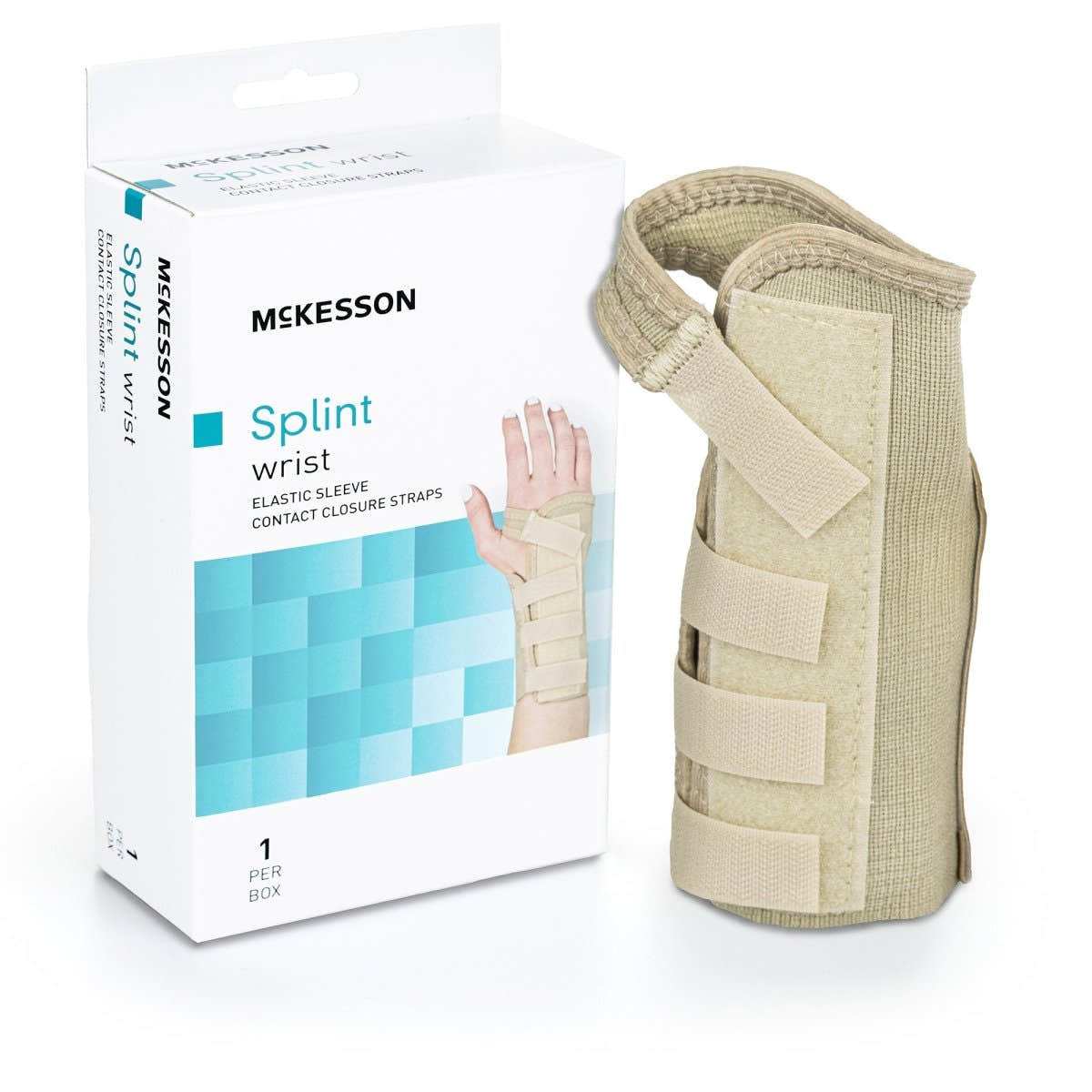
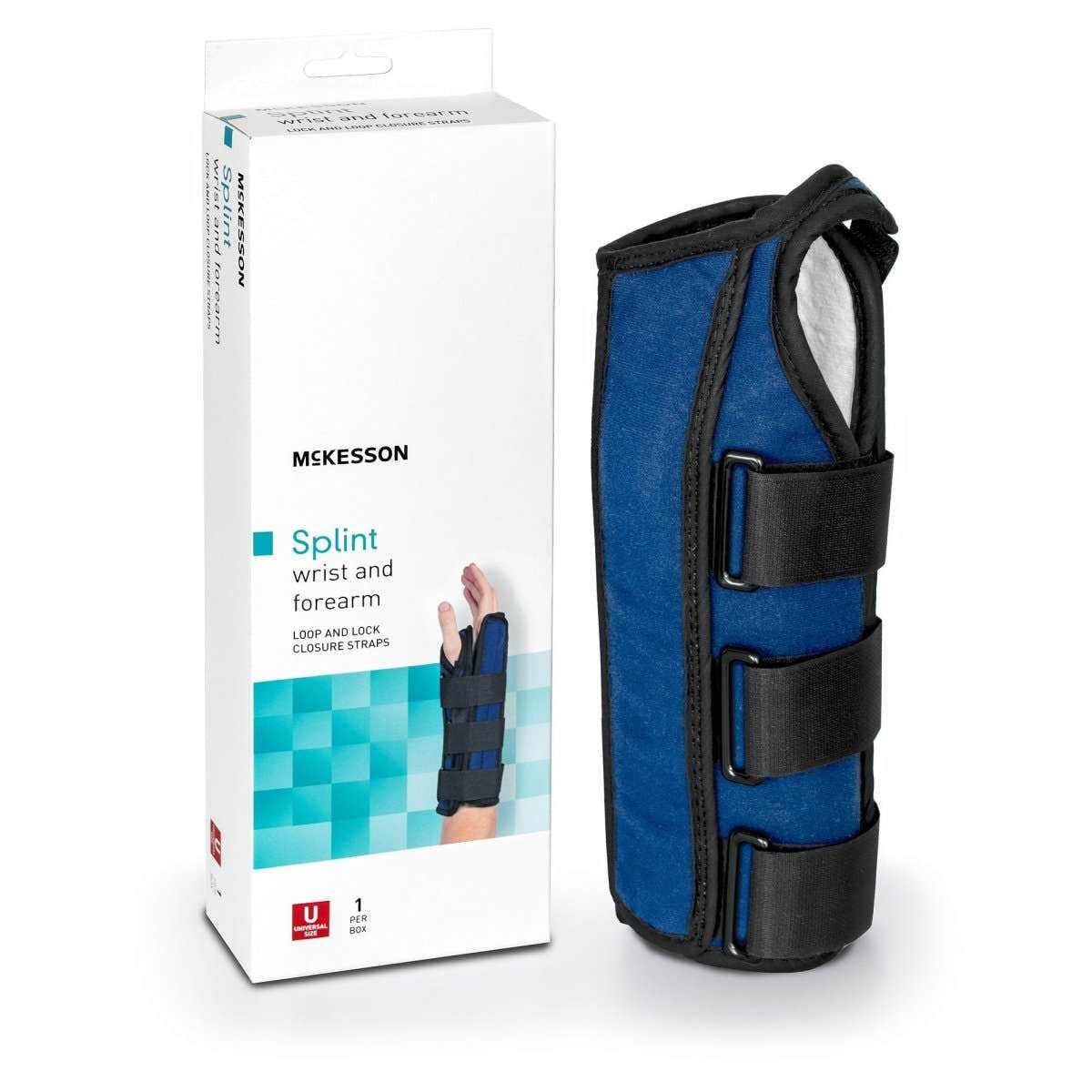
Mckesson Right Wrist / Forearm Splint - 1159149_EA - 1
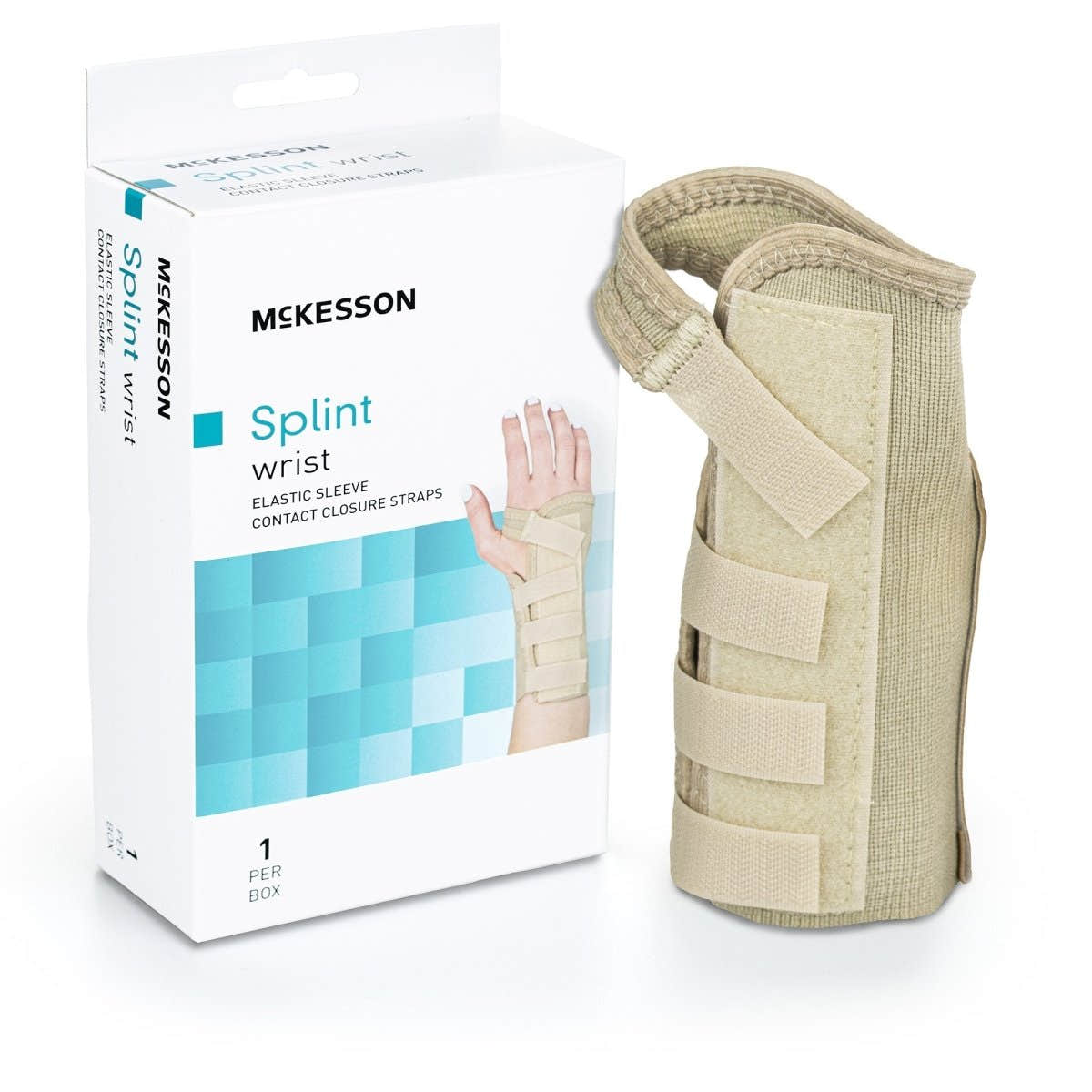
3M Futuro Adult Sport Wrist Support - 846861_CS - 1
3M Futuro Wrist Sport Support
Sale priceFrom $7.99
Choose options
Mckesson Right Wrist Splint - 1159159_EA - 1
Mckesson Right Wrist Splint
Sale priceFrom $8.99
Choose options
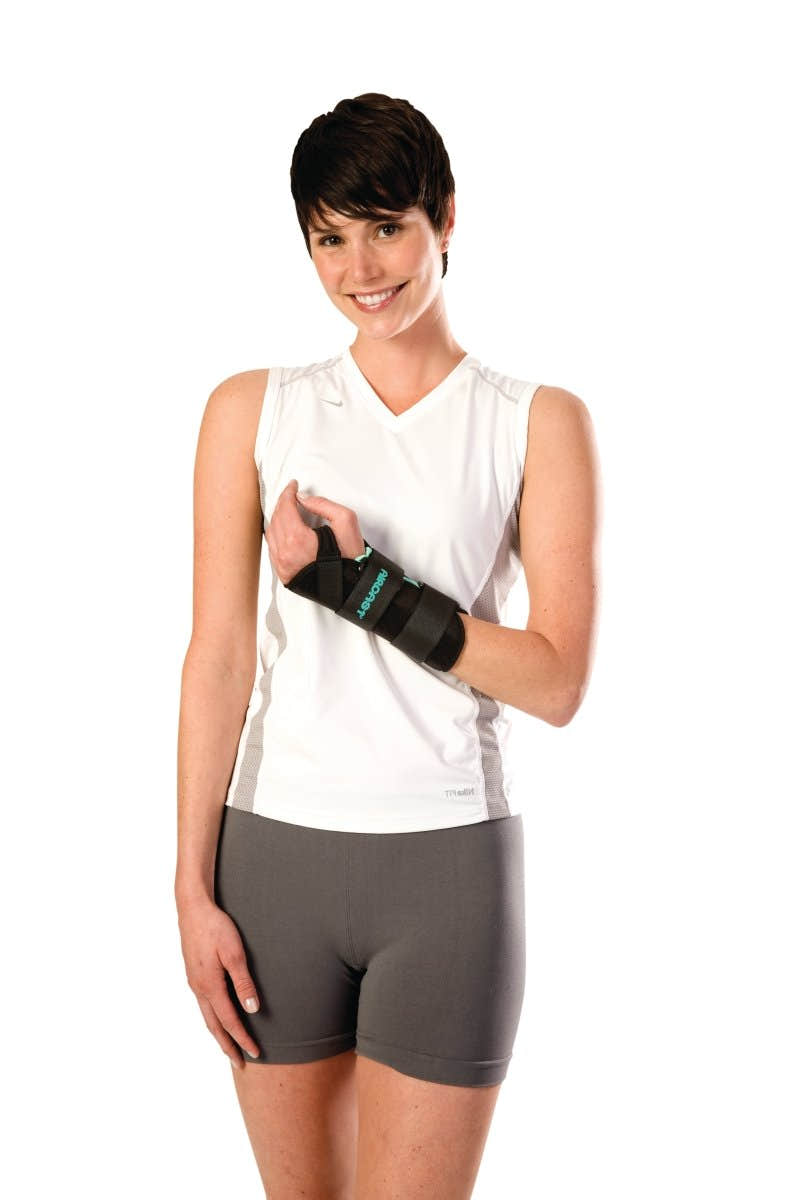
Aircast A2 Wrist Brace - 569012_EA - 1
Aircast A2 Wrist Brace
Sale price$25.99
Aircast A2 Wrist Brace With Thumb Spica - 569016_EA - 1
Apollo Universal Hand Wrist Brace - 860419_EA - 1
Apollo Universal Wrist Brace With Thumb Spica - 860555_EA - 1
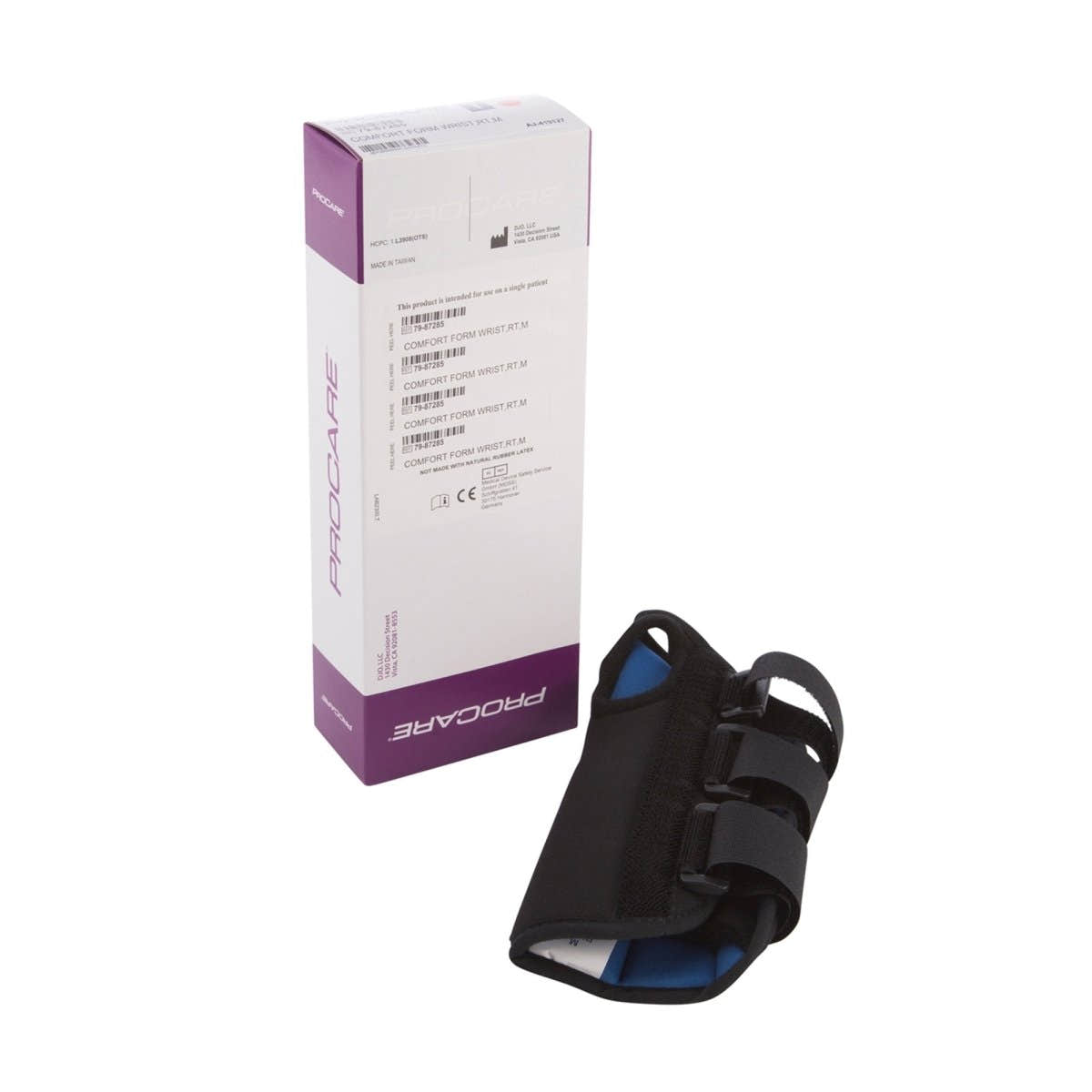
Imak Smartgloves Wrist Splint - 830611_EA - 1
Imak Smartgloves Wrist Splint
Sale priceFrom $23.99
Choose options
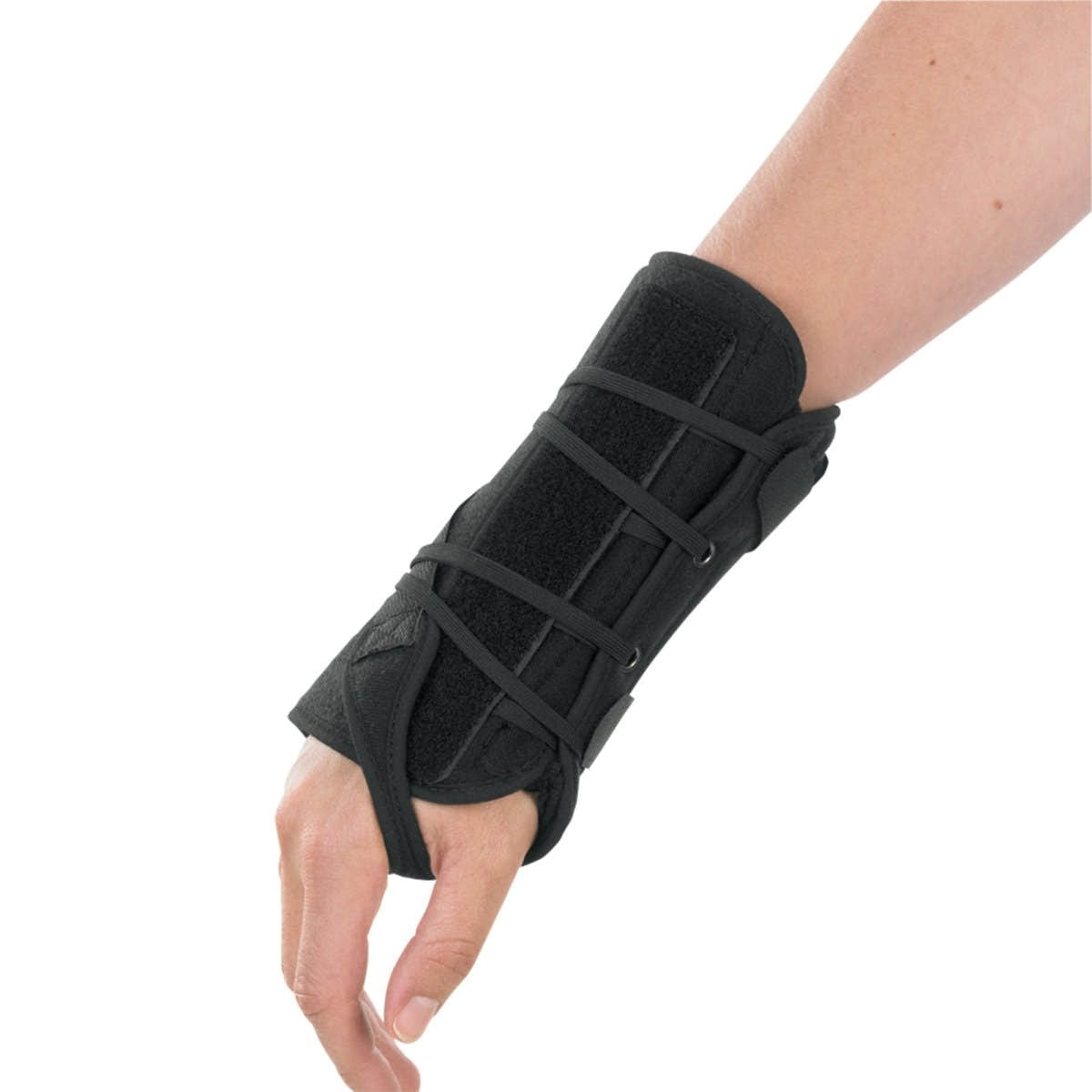
Wrist Brace - 894597_EA - 1
Wrist Brace
Sale price$13.99

Frequently Asked Questions about Hand & Wrist Braces

Hand and wrist braces are supportive devices used to stabilize, protect, and relieve pain in the hand, wrist, or thumb during injury recovery, post-surgery healing, or management of chronic conditions like carpal tunnel syndrome and arthritis. Many styles also include thumb support for added immobilization.

Hand and wrist braces are designed for people recovering from sprains, fractures, or surgery, as well as those managing repetitive strain injuries, carpal tunnel syndrome, tendonitis, or arthritis. Athletes, office workers, and anyone experiencing wrist instability or chronic discomfort may also benefit from wearing one.

Start by sliding your hand through the opening of the wrist brace so the palm sits flat against the interior support stay. Secure any straps from the bottom up, adjusting for a snug but comfortable fit that limits motion without cutting off circulation or causing numbness.

A wrist brace typically uses flexible support and compression to stabilize the joint while allowing some movement, while a wrist splint contains a rigid or semi-rigid stay that holds the wrist in a fixed, neutral position. Splints are generally recommended for more acute injuries or post-surgical recovery.

Choose a hand or wrist brace by measuring the circumference of your wrist just below the wrist bone and comparing that measurement to the sizing chart provided by the manufacturer. Most braces are also labeled for left or right hand, so make sure to select the correct side before purchasing.

Yes, many wrist braces are designed to be worn overnight, particularly for conditions like carpal tunnel syndrome where symptoms often worsen during sleep. Look for a low-profile, breathable style with a palmar stay that keeps the wrist in a neutral position without restricting blood flow.

Yes, a wrist brace with a thumb spica extends support up through the thumb to immobilize the thumb joint in addition to the wrist. This design is commonly used for thumb sprains, De Quervain's tenosynovitis, or injuries involving the base of the thumb where additional stabilization is needed.

Hand and wrist braces should be hand washed in cool water with mild soap, then air dried completely before wearing again. Remove any rigid stays before washing if the design allows, and avoid machine drying or bleach, which can break down the fabric and elastic components over time.

Because immobilizing the wrist with a splint allows inflamed tendons, ligaments, or nerves to rest and heal without the repeated stress that causes ongoing pain or injury. Wrist splints are often recommended as a conservative, non-invasive first-line treatment before considering physical therapy or surgical options.

Hand and wrist braces provide structural support through rigid or semi-rigid stays and targeted strapping, while compression gloves use uniform pressure across the hand to reduce swelling and improve circulation. Braces are better suited for injury stabilization, while compression gloves are typically used for arthritis or mild inflammation management.

Recently viewed