Your privacy matters to us! By using our site, you agree to the collection and use of your Personal Information as described in our Privacy Policy.
Locks and Safety Seals
5 products
Showing 1 - 5 of 5 products
Security and Peace of Mind with Medical and Hospital Locks and Safety Seals!
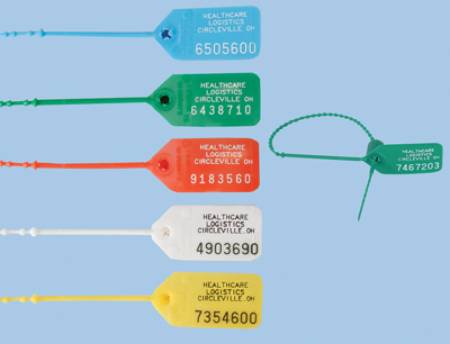
Ensure the utmost protection and safety for medical facilities, hospitals, and healthcare environments with our exceptional range of Medical and Hospital Locks and Safety Seals. Designed with precision and crafted to perfection, our products are your trusted guardians, providing an impenetrable shield against unauthorized access and tampering.
Uncompromising Security: Safeguard your valuable medical supplies, sensitive equipment, and confidential information from theft and misuse. Our locks and safety seals offer robust protection, leaving you worry-free and allowing you to focus on what matters most—providing top-notch healthcare services.
Enhanced Safety: Minimize the risk of contamination and ensure patient well-being with our advanced locking mechanisms. With our products, you can secure pharmaceutical cabinets, storage units, and restricted areas, preventing unauthorized access and maintaining a sterile environment.
Tamper-Proof Assurance: Protect the integrity of medications, vital documents, and important assets with our tamper-evident safety seals. Each seal is designed to reveal any signs of interference, alerting you to potential breaches and ensuring the authenticity and safety of your supplies.
Efficient Workflow: Streamline your operations with our user-friendly locks and seals. Our products are intelligently designed for quick and easy access by authorized personnel, facilitating a smooth workflow and reducing time-consuming procedures.
Compliance Made Easy: Stay compliant with industry regulations and accreditation standards effortlessly. Our locks and safety seals are engineered to meet and exceed the stringent requirements of the medical and healthcare sectors, giving you peace of mind and simplifying compliance procedures.
Take Action Now and Experience the Difference!
With our Medical and Hospital Locks and Safety Seals, you can finally establish an impregnable fortress of security, ensuring the well-being of patients, protecting valuable assets, and upholding the reputation of your medical facility. Don't compromise on safety—choose our high-quality products today and witness unparalleled peace of mind.
Access control for healthcare facilities
Equip your facility with the best locks and safety seals available in the market. Browse our extensive collection now and take a step towards creating a safer, more secure healthcare environment.
Invest in excellence. Choose Medical and Hospital Locks and Safety Seals for unwavering security and uncompromising protection.
Frequently Asked Questions about Locks and Safety Seals
Medical locks and safety seals are security devices used to prevent unauthorized access to medications, supplies, and sensitive equipment in healthcare settings. Tamper-evident seals show visible signs of tampering, while padlocks provide a physical barrier. Together, they help facilities maintain compliance and protect against theft or misuse.
Hospital locks and safety seals are designed for healthcare facilities, pharmacies, clinics, and any medical environment where controlled substances, sensitive equipment, or confidential supplies need to be secured. Nurses, pharmacy staff, and facility managers commonly rely on these products to maintain safety protocols and accountability.
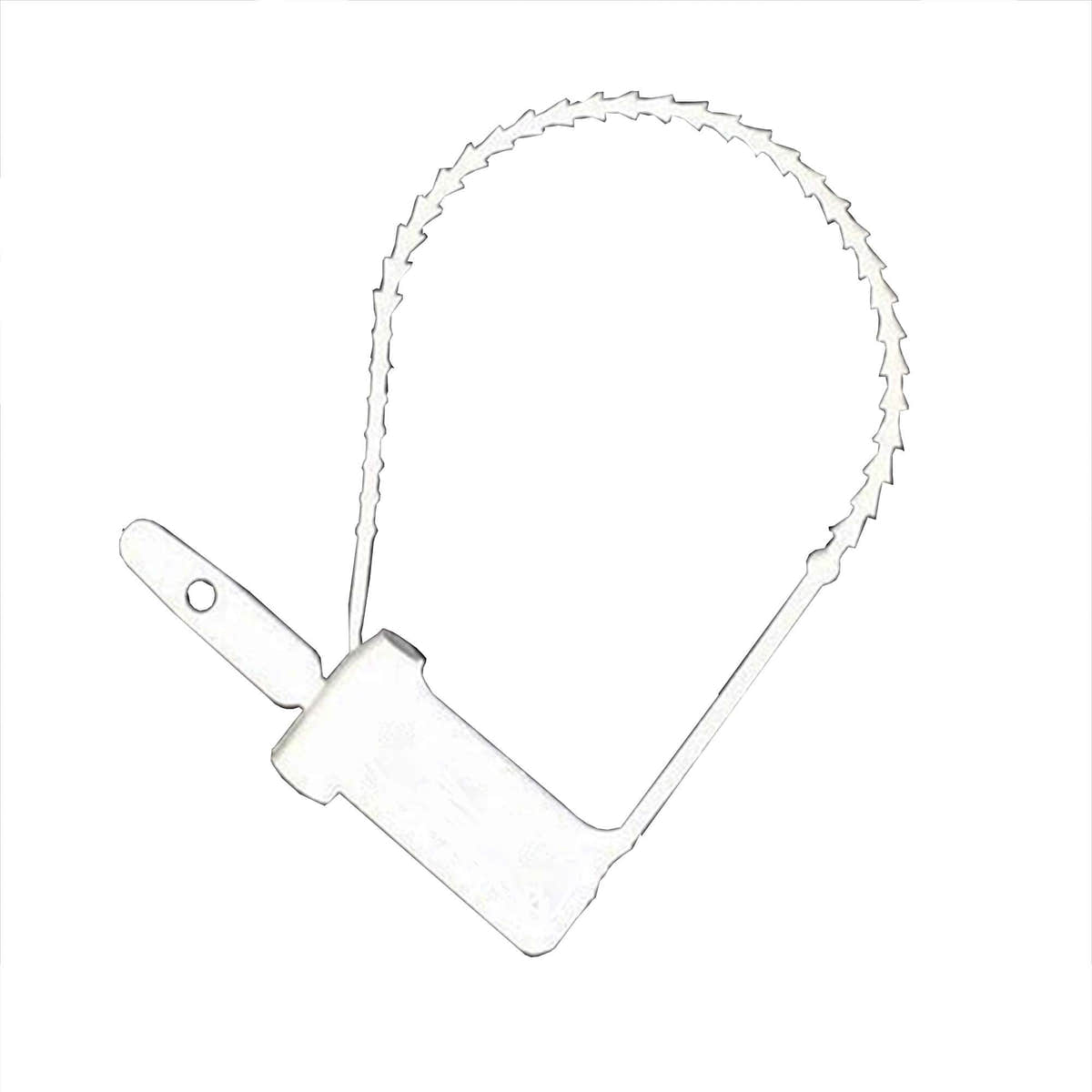
Apply a tamper evident seal by threading or snapping it through the closure point of a container, bag, or cabinet latch until it locks in place. Once secured, the seal cannot be removed without leaving visible evidence of tampering, making it easy to spot unauthorized access during routine checks.
Tamper evident seals are single-use, disposable closures that show visible damage if broken, while medical padlocks are reusable physical locks that require a key or combination to open. Seals work best for tracking and auditing, whereas padlocks provide stronger physical resistance against forced entry.
No, medical safety seals are designed as single-use devices and cannot be reused once applied or removed. The tamper evident feature works precisely because breaking the seal permanently alters or destroys it, which is what signals that access has occurred and helps maintain a reliable chain of custody.
Because tamper evident seals provide a visible, low-cost method of detecting unauthorized access to medications, supplies, and equipment without requiring electronic monitoring. In healthcare environments, even a brief, undetected breach can compromise patient safety or regulatory compliance, making physical evidence of tampering a critical safeguard.
Start by identifying what you need to secure, such as medication carts, supply bags, or storage cabinets, and then match the closure type to that application. Breakable pull-tight seals work well for bags and bundles, while heavy-duty padlocks are better suited for cabinets and doors requiring repeated access.
Yes, medical locks and safety seals are widely used in facilities that must meet healthcare security and regulatory requirements, including those set by accreditation bodies and pharmacy oversight agencies. Always verify that the specific seal or lock chosen aligns with your facility's protocols and any applicable local or federal guidelines.
Medical safety seals and locks should be stored in a cool, dry location away from direct sunlight and extreme temperatures to preserve their integrity before use. Keeping unused seals in their original packaging helps prevent accidental activation and ensures they remain in proper working condition until needed.
Yes, purchasing medical locks and safety seals in larger quantities is a practical choice for hospitals and clinics that use them regularly across multiple departments. Bulk supply ensures staff always have seals on hand when needed, reduces the risk of running out during audits or inspections, and typically lowers the per-unit cost.
Do you still have questions about Locks and Safety Seals?
If we still haven't answered your question, you can contact us by live chat or email and we will get back to you as soon as possible.