Compression Socks

14 products

Showing 1 - 14 of 14 products

Compression socks are for anyone looking to improve their leg health, enhance athletic performance, or simply seek comfort during long periods of standing or sitting. Compression socks offer a wide range of benefits, catering to the needs of people with diabetes, healthcare professionals, travelers, and anyone in between.
Showing 1 - 14 of 14 products
View
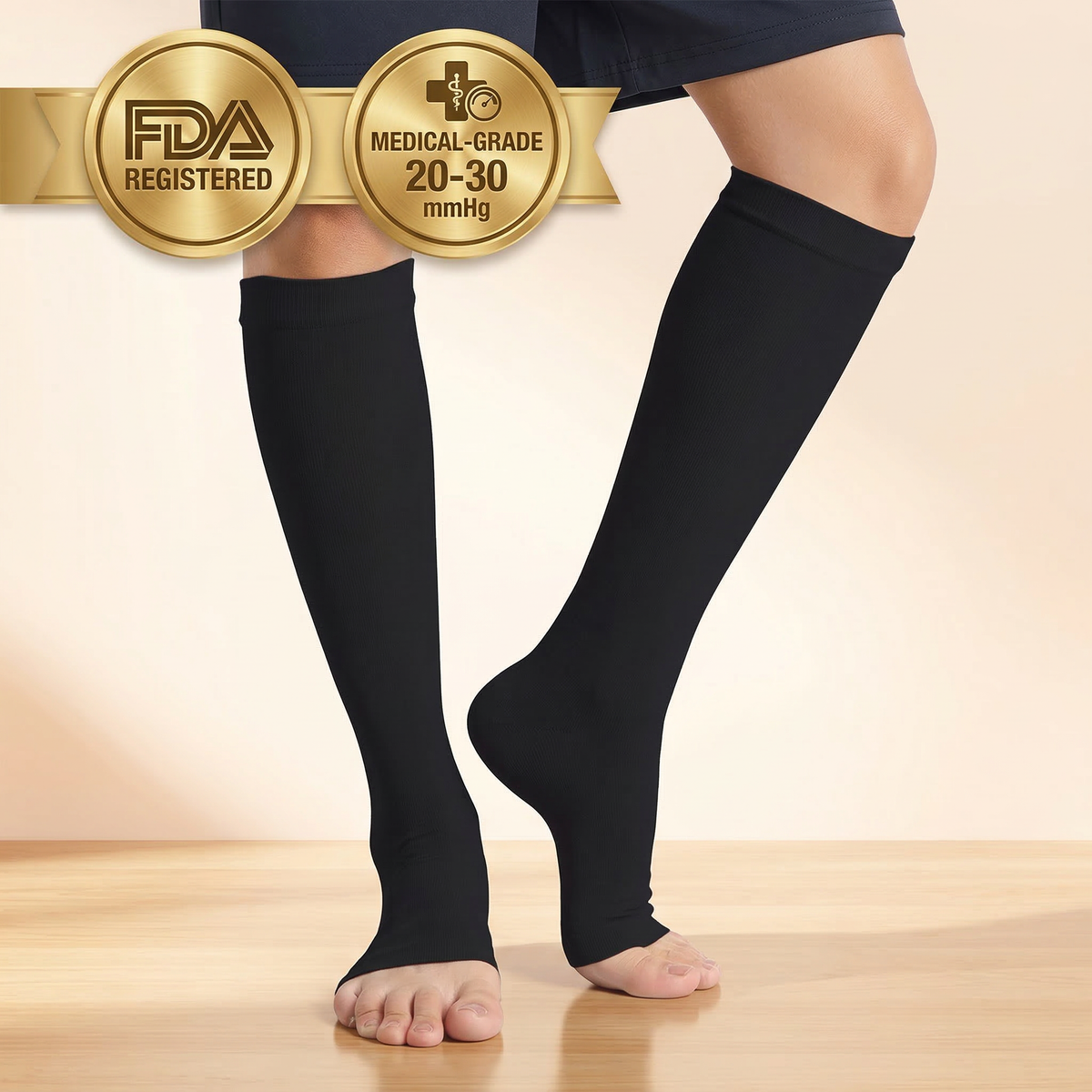
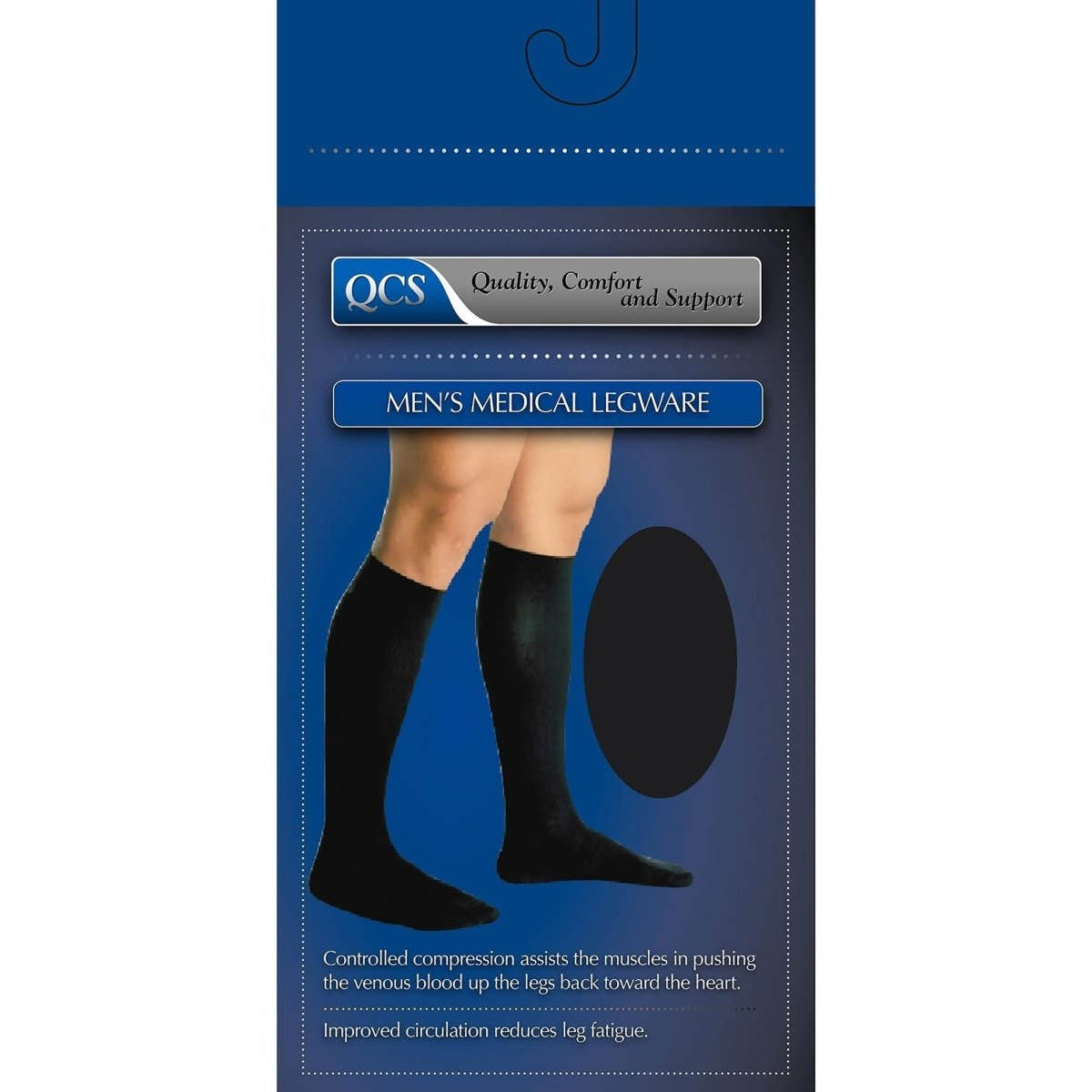
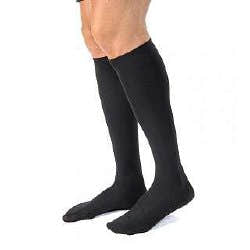
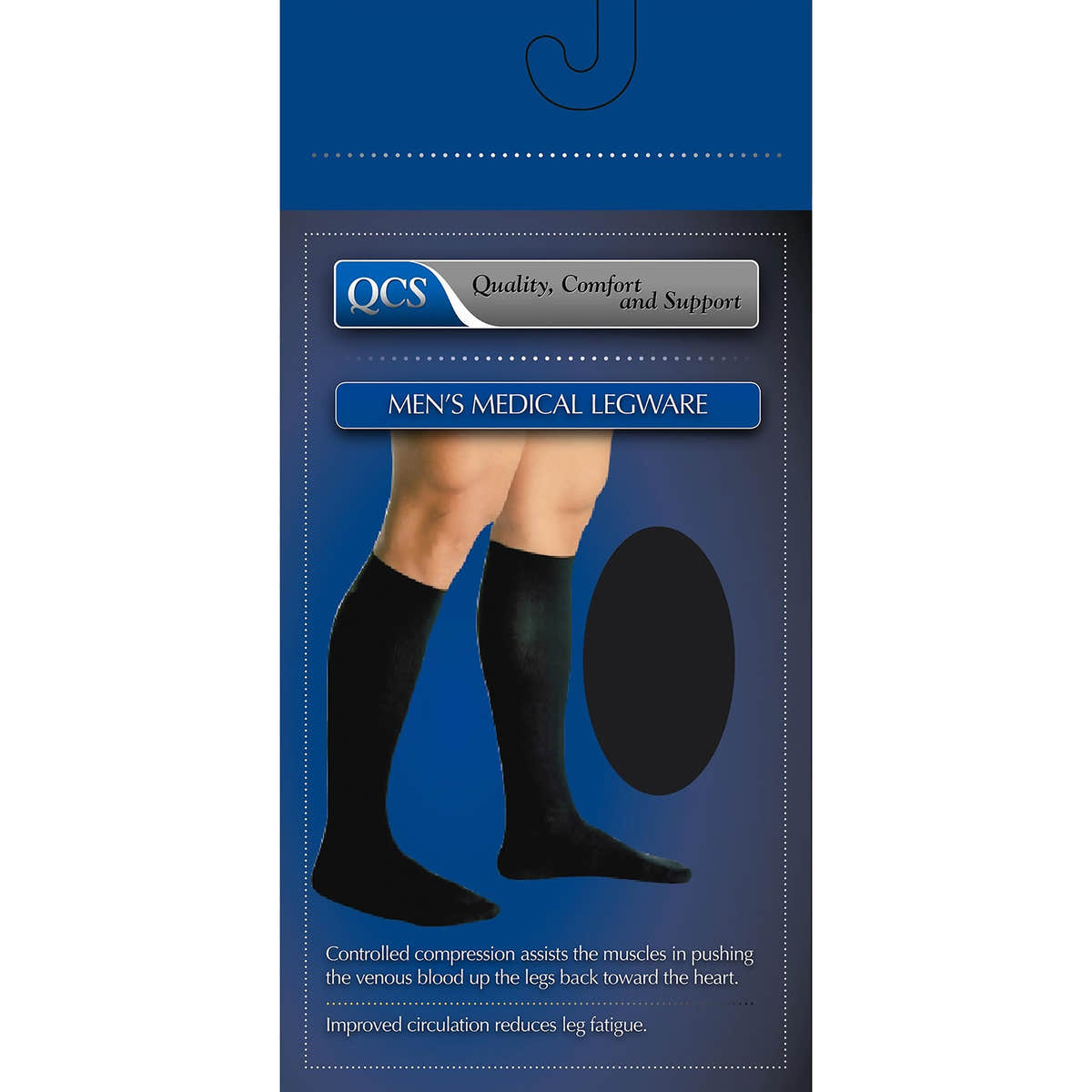
QCS Firm Compression Knee-High Socks, Large, Black -Each
QCS Firm Compression Knee-High Socks
Sale priceFrom $17.99
JOBST Activa Compression Dress Socks - 824265_PR - 1
JOBST Activa Compression Dress Socks
Sale priceFrom $24.99
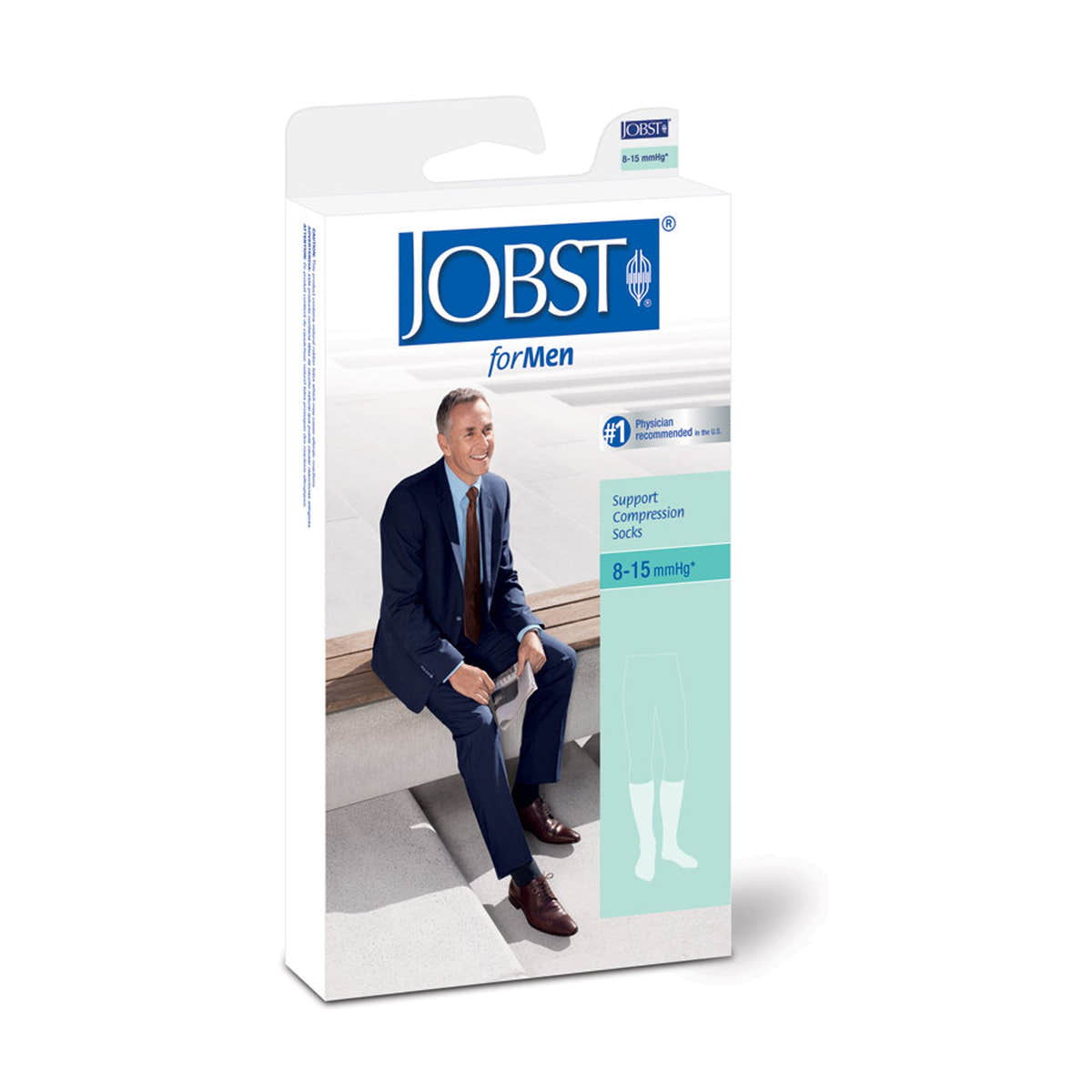
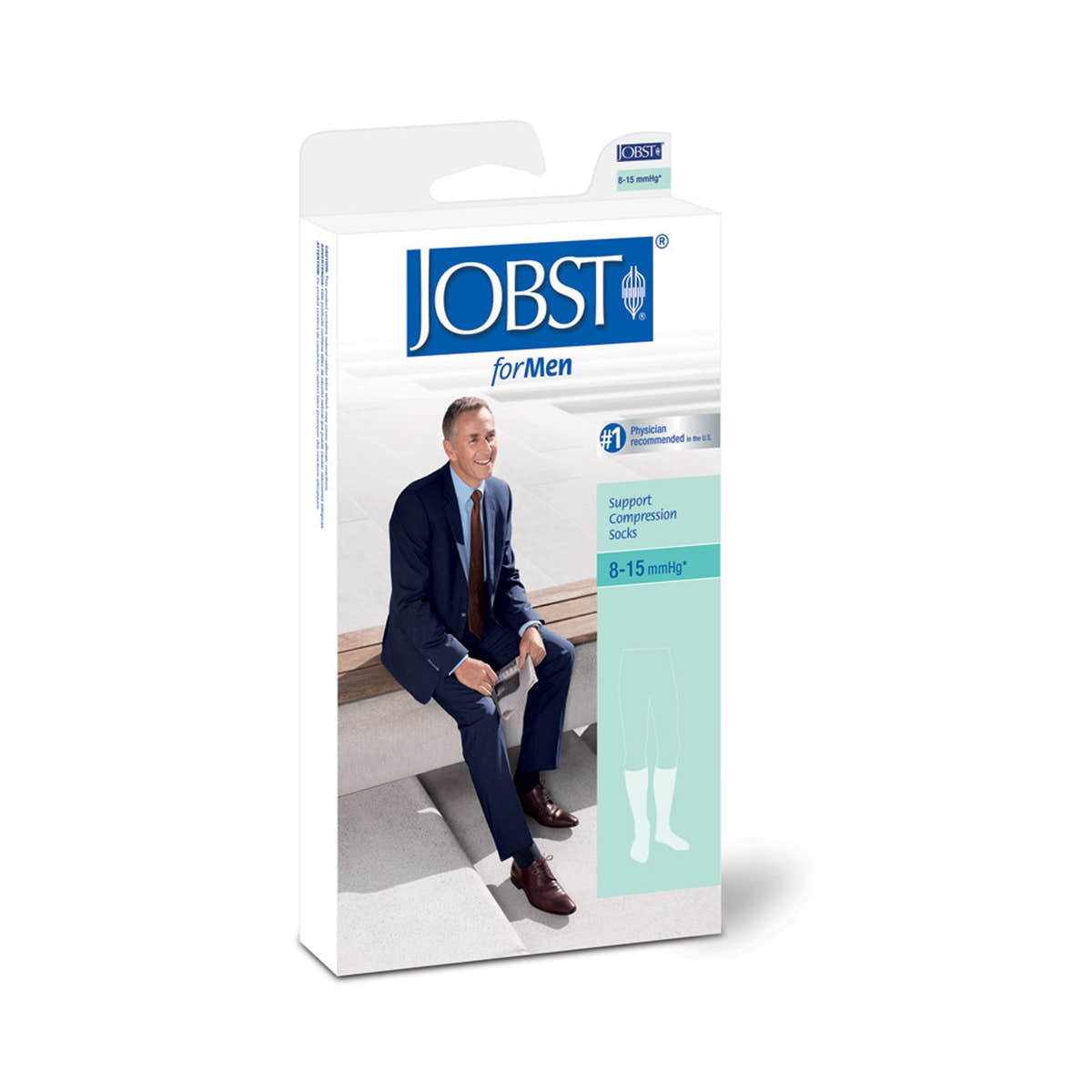
Jobst for Men Classic Compression Knee-High Socks, X-Large, White -1 Pair
JOBST for Men Causal Male Compression Socks, X-Large -1 Pair
Jobst Compression Socks, Large, White -1 Pair
JOBST Compression Socks For Men - 248315_PR - 1
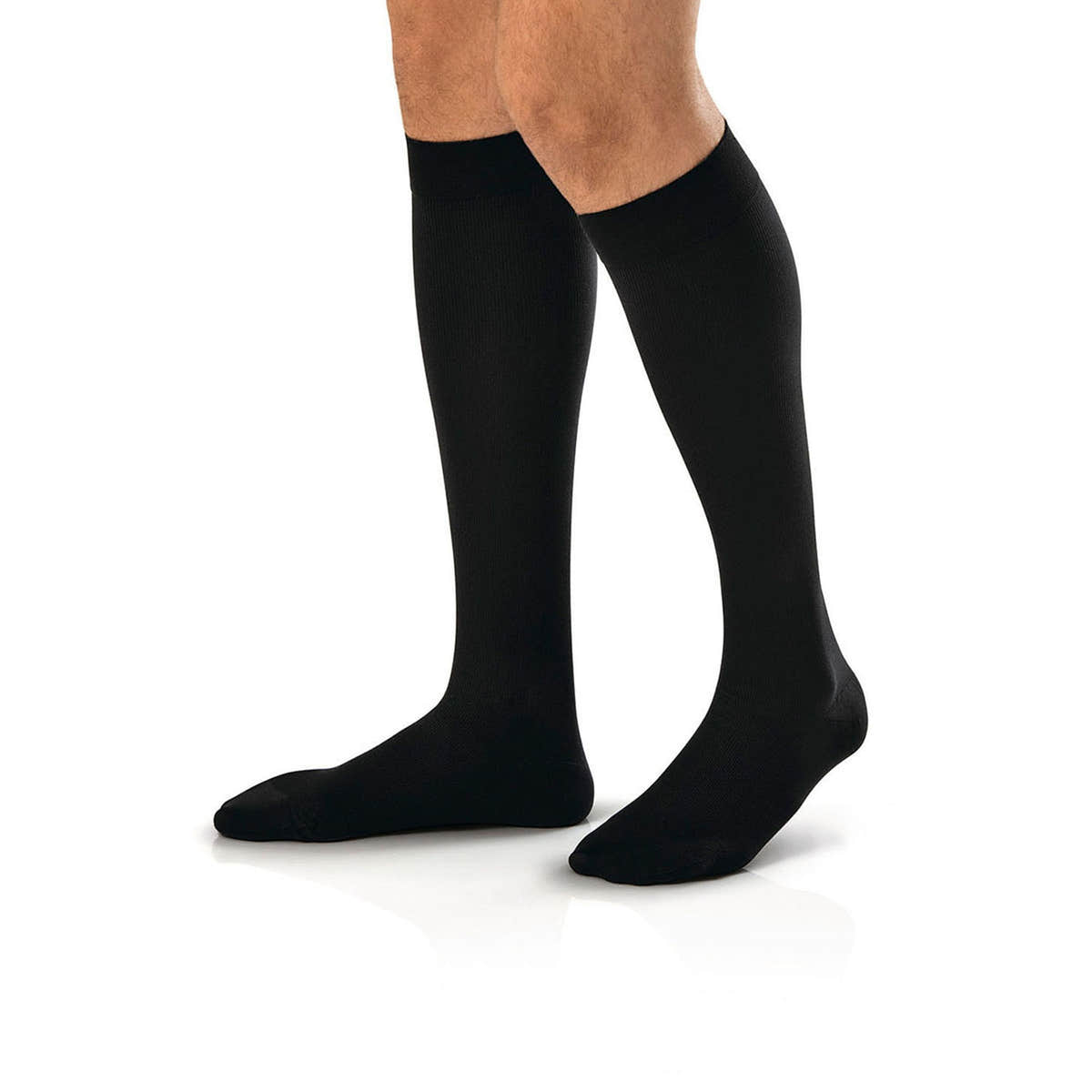
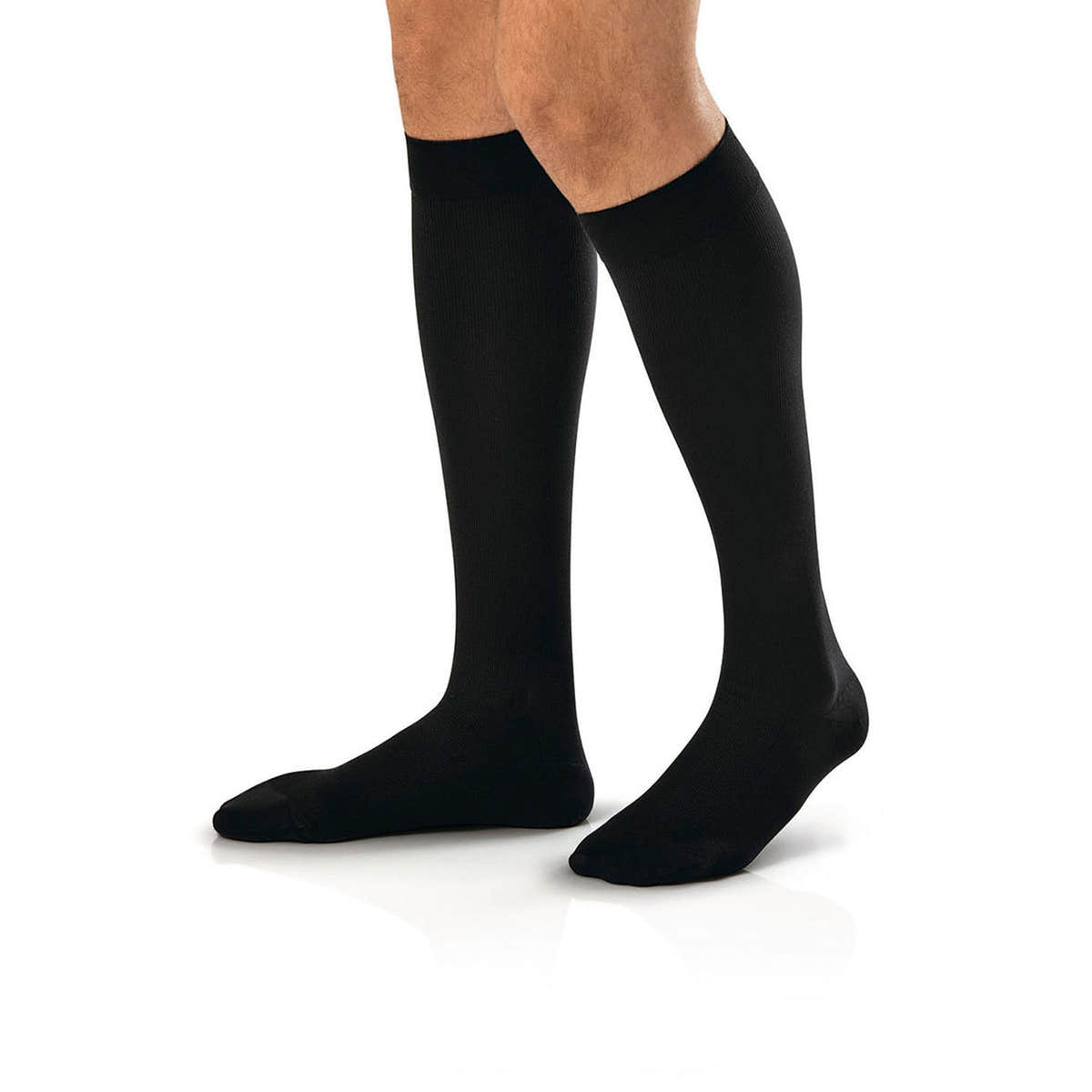
Jobst Compression Knee-High Socks, Medium, Black -1 Pair
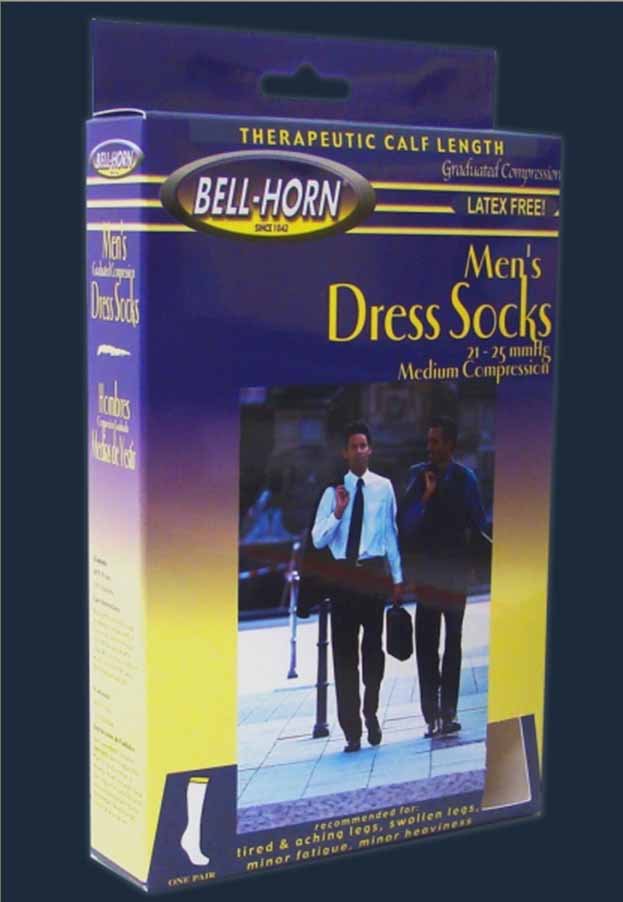
Bell-Horn Male Compression Dress Socks, X-Large -1 Pair
QCS Compression Knee-High Socks, X-Large, Black -Each
QCS Compression Knee-High Socks
Sale priceFrom $16.99
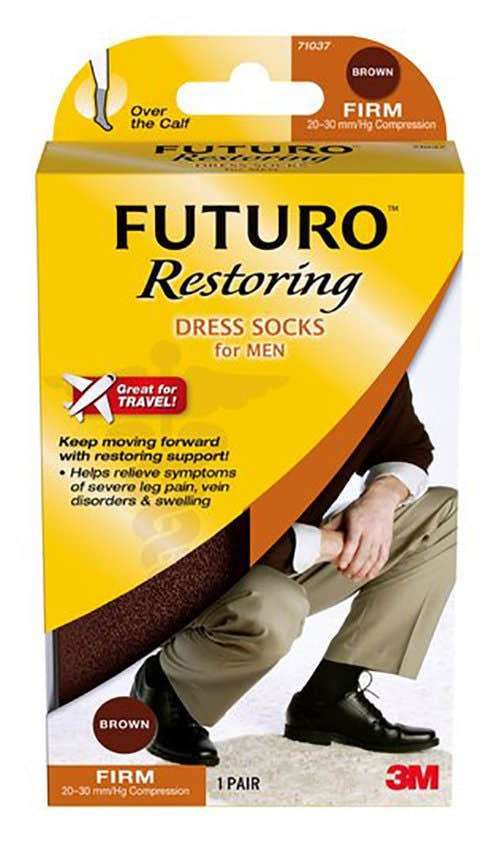
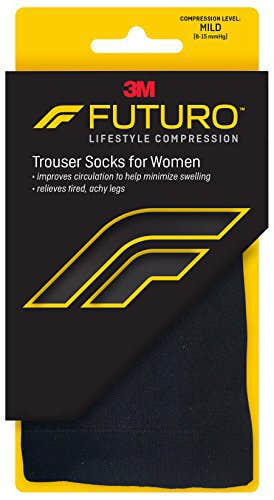
3M Futuro Energizing Compression Socks -Case of 12
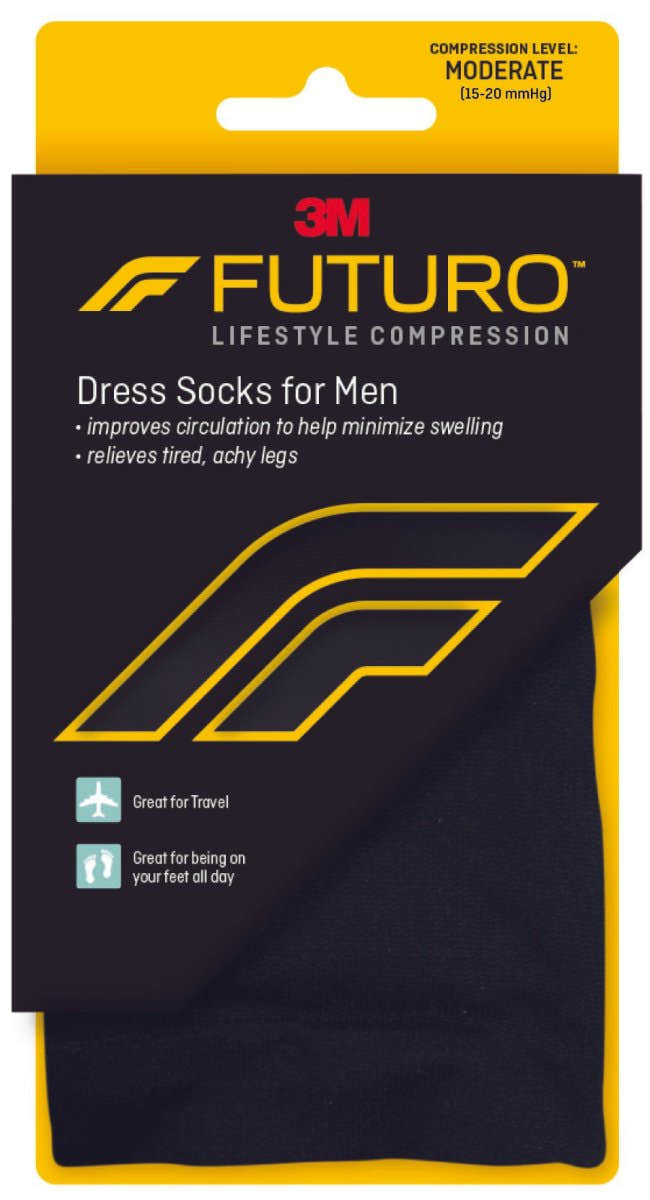
3M Futuro Revitalizing Dress Socks For Men - 1084272_BX - 1
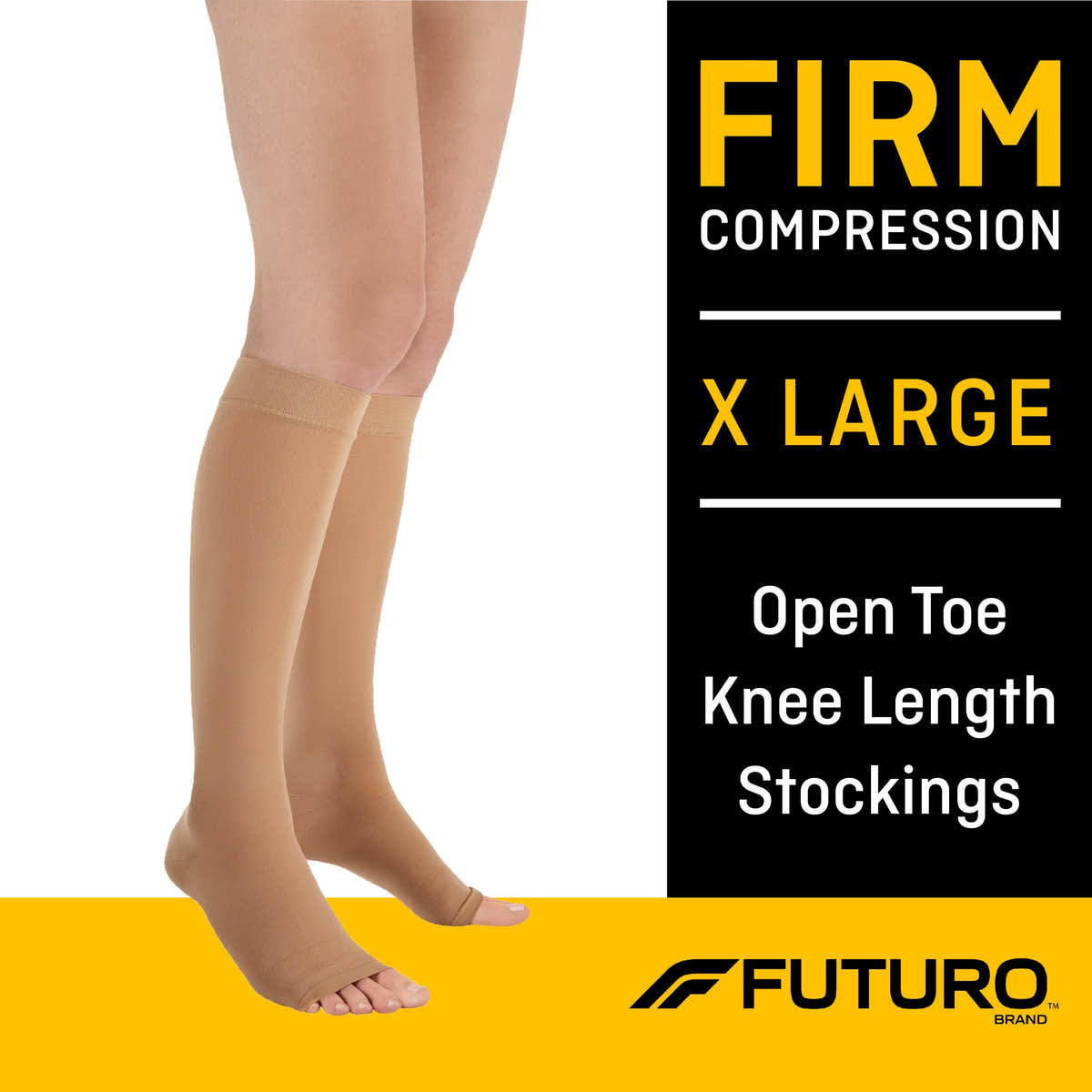
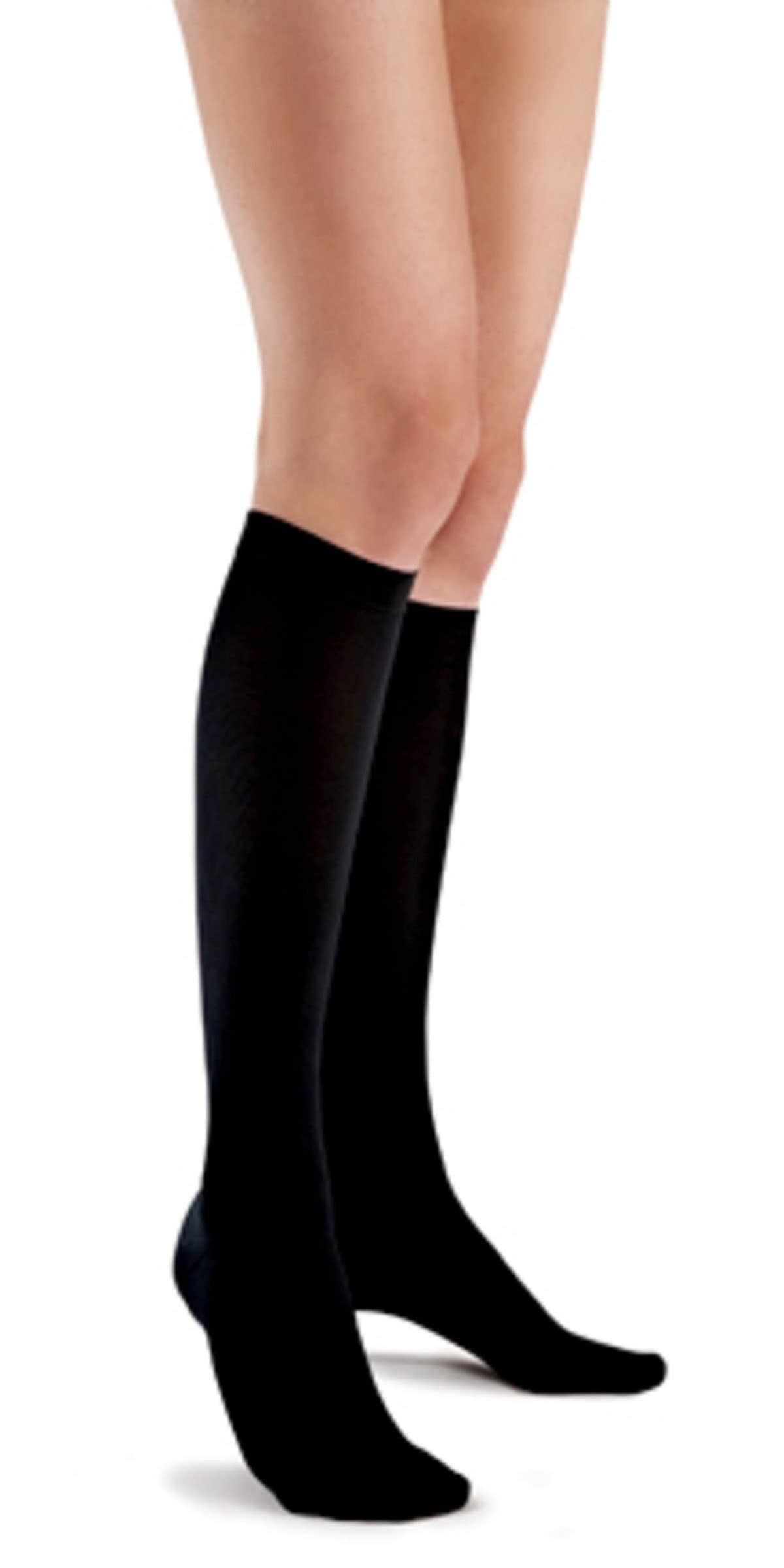
3M Futuro Compression Stockings -Each
3M Futuro Compression Stockings
Sale priceFrom $31.99
Frequently Asked Questions about Compression Socks

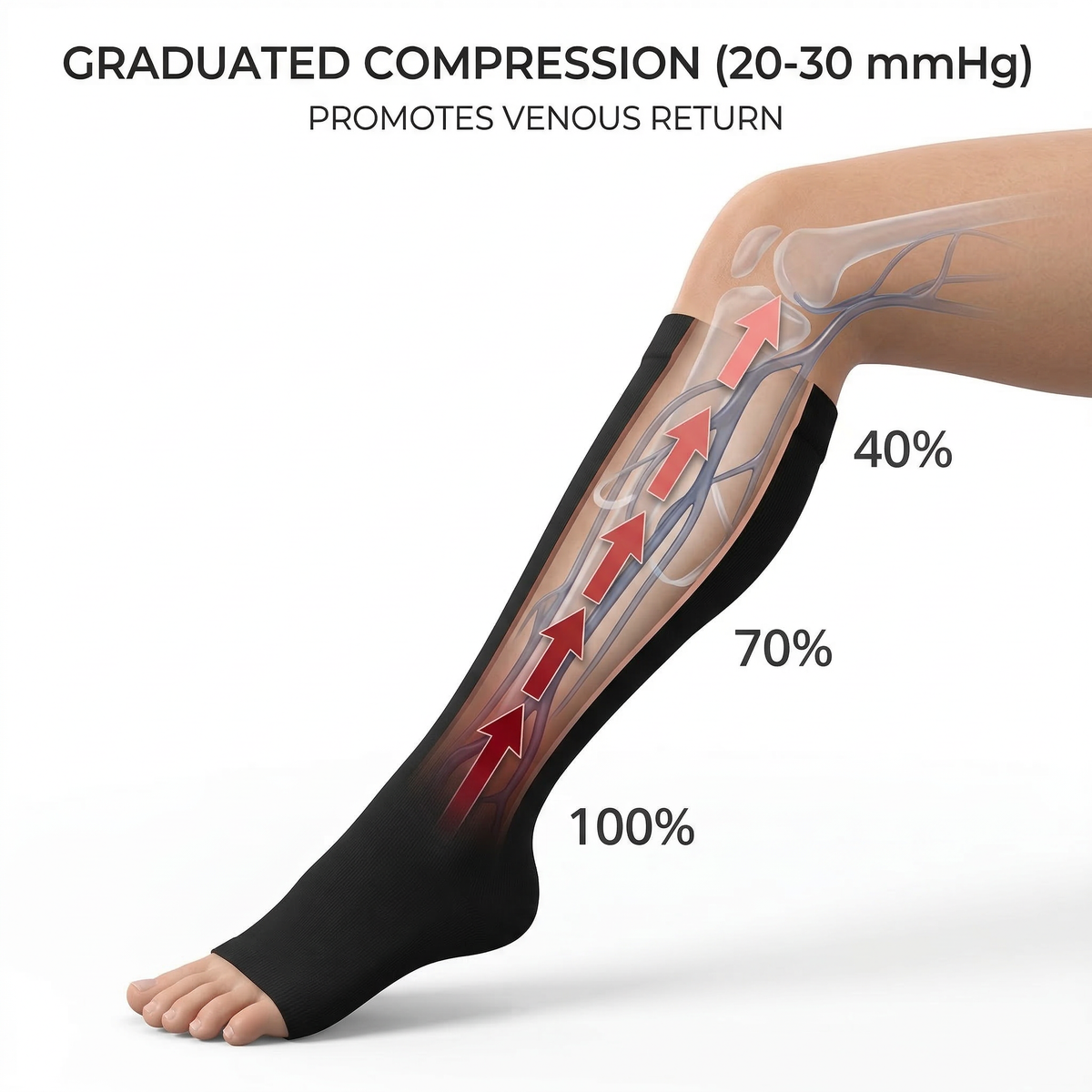
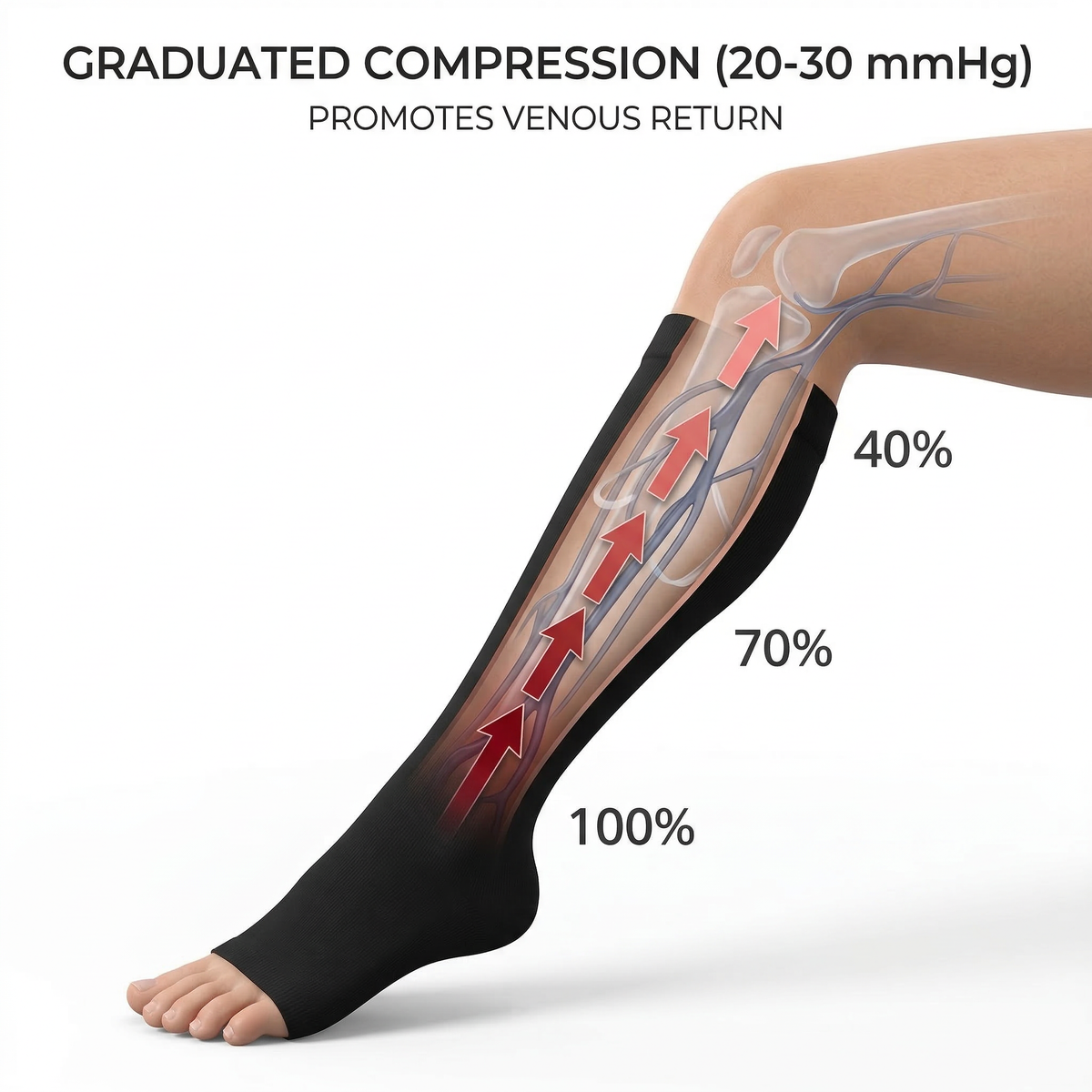
Compression socks are specially designed hosiery that apply graduated pressure to the legs and ankles to promote blood circulation and reduce swelling. Compression socks help prevent fatigue, lower the risk of deep vein thrombosis, and support overall leg health during long periods of standing, sitting, or physical activity.

Compression socks are designed for people with diabetes, healthcare professionals who stand for long shifts, frequent travelers, athletes, and anyone who experiences leg fatigue or swelling. Compression socks are also commonly recommended for individuals at risk of circulation-related conditions such as deep vein thrombosis or varicose veins.

Start by turning the compression sock inside out down to the heel, place your foot in, and gradually roll the fabric up your leg to avoid bunching. Smooth out any wrinkles along the way, as bunched fabric can create uneven pressure points and reduce the effectiveness of the compression socks.

Choosing the right size compression socks requires measuring your ankle circumference, calf circumference, and leg length, then matching those measurements to the sizing chart provided by the manufacturer. Wearing the wrong size can reduce the therapeutic benefit or cause discomfort, so accurate measurements are essential before purchasing.

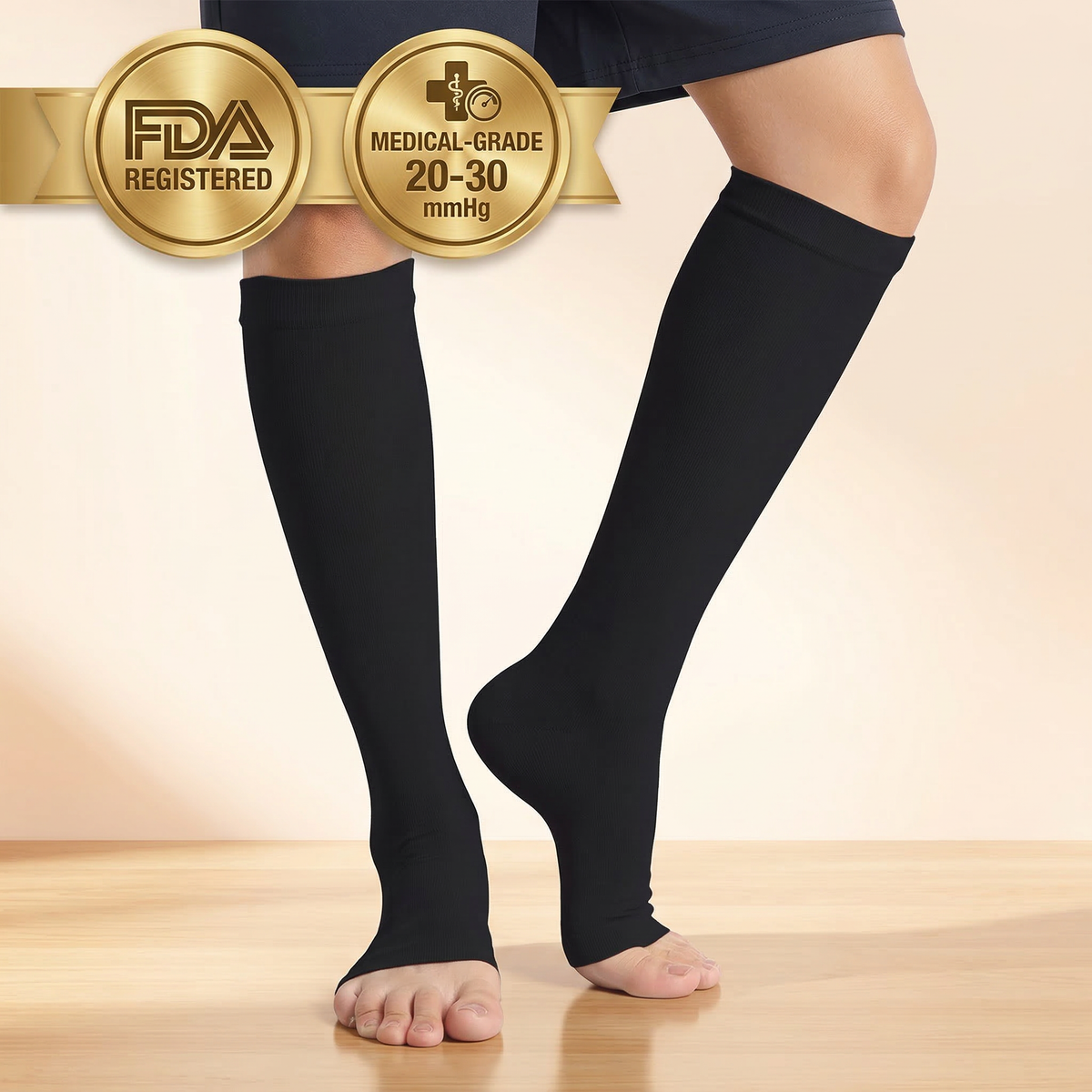
Compression socks are available in multiple compression levels, typically measured in millimeters of mercury, ranging from mild support for everyday comfort to firm compression for more clinical needs. The right compression level depends on your specific condition or activity, so consulting a healthcare provider is a good idea if you are unsure.

Yes, compression socks can generally be worn throughout the day and are designed for extended use during activities like working, traveling, or exercising. Most people put compression socks on in the morning before swelling starts and remove them before bed, unless a healthcare provider advises otherwise.

Yes, compression socks are safe for many people with diabetes and are specifically designed to support circulation in the lower legs and feet. However, people with diabetes should consult their doctor before wearing compression socks, since certain compression levels may not be appropriate depending on individual circulation health.

Because sitting for long periods during flights or road trips slows blood flow in the legs, compression socks help travelers reduce swelling, discomfort, and the risk of deep vein thrombosis. Compression socks are a simple, non-invasive way to stay comfortable and protect leg health during extended travel.

Wash compression socks in cool or lukewarm water using a mild detergent, either by hand or on a gentle machine cycle, and allow them to air dry away from direct heat. Avoiding high heat from dryers or radiators helps compression socks maintain their elasticity and graduated pressure over time.

Compression socks differ from regular socks by applying graduated pressure that is tightest at the ankle and gradually decreases up the leg to actively support circulation. Regular socks provide no therapeutic pressure, while compression socks are engineered to reduce swelling, fatigue, and the risk of blood pooling in the lower legs.

Recently viewed