Breast Pumps and Kits

26 products

Showing 1 - 24 of 26 products

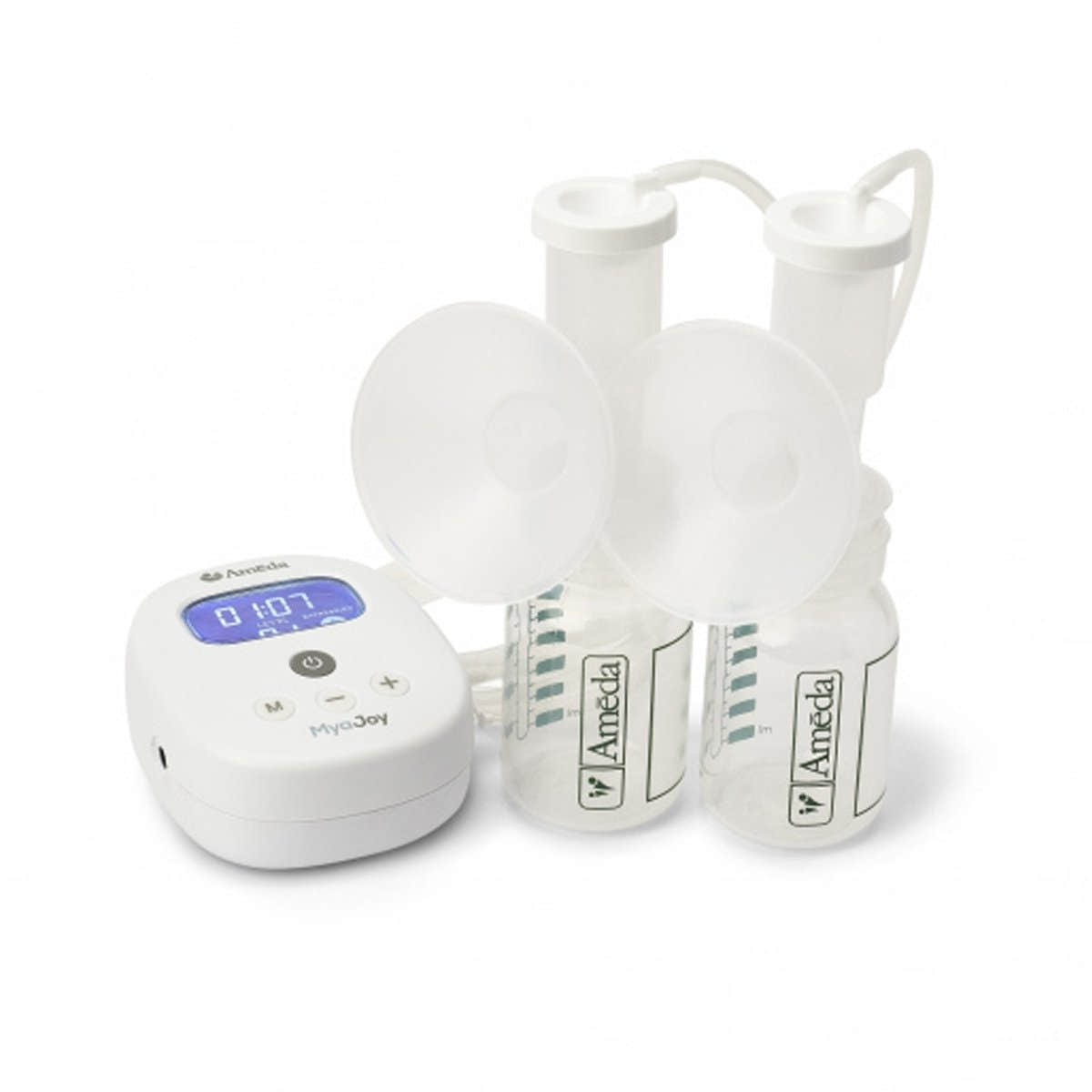
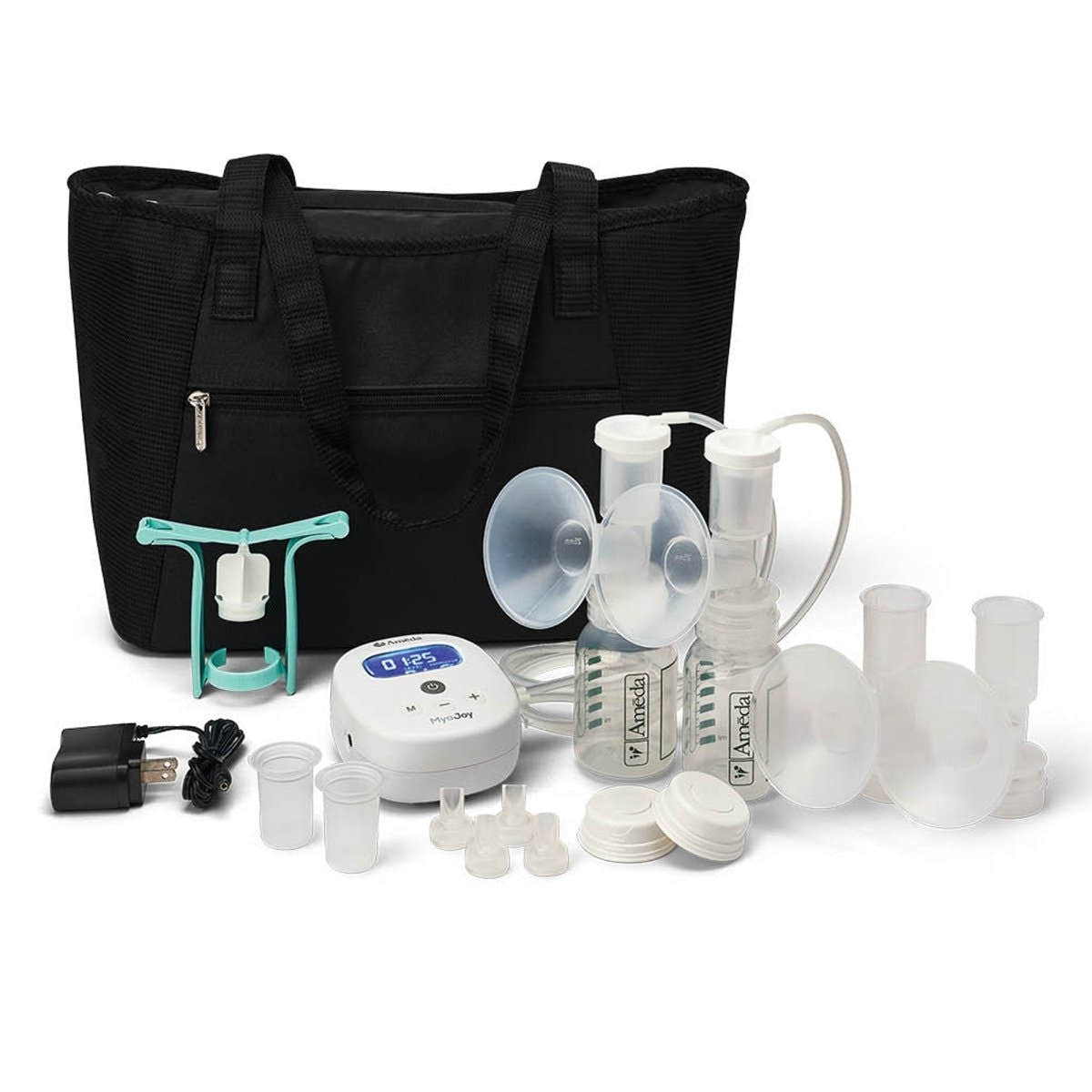
Breast pumps and kits help nursing parents express, store, and provide milk with comfort and confidence — whether you're feeding a newborn, heading back to work, or supporting a baby in the NICU. Our selection covers electric, manual, and hospital-grade styles so you can match a pump to your routine and your goals.
Showing 1 - 24 of 26 products
View
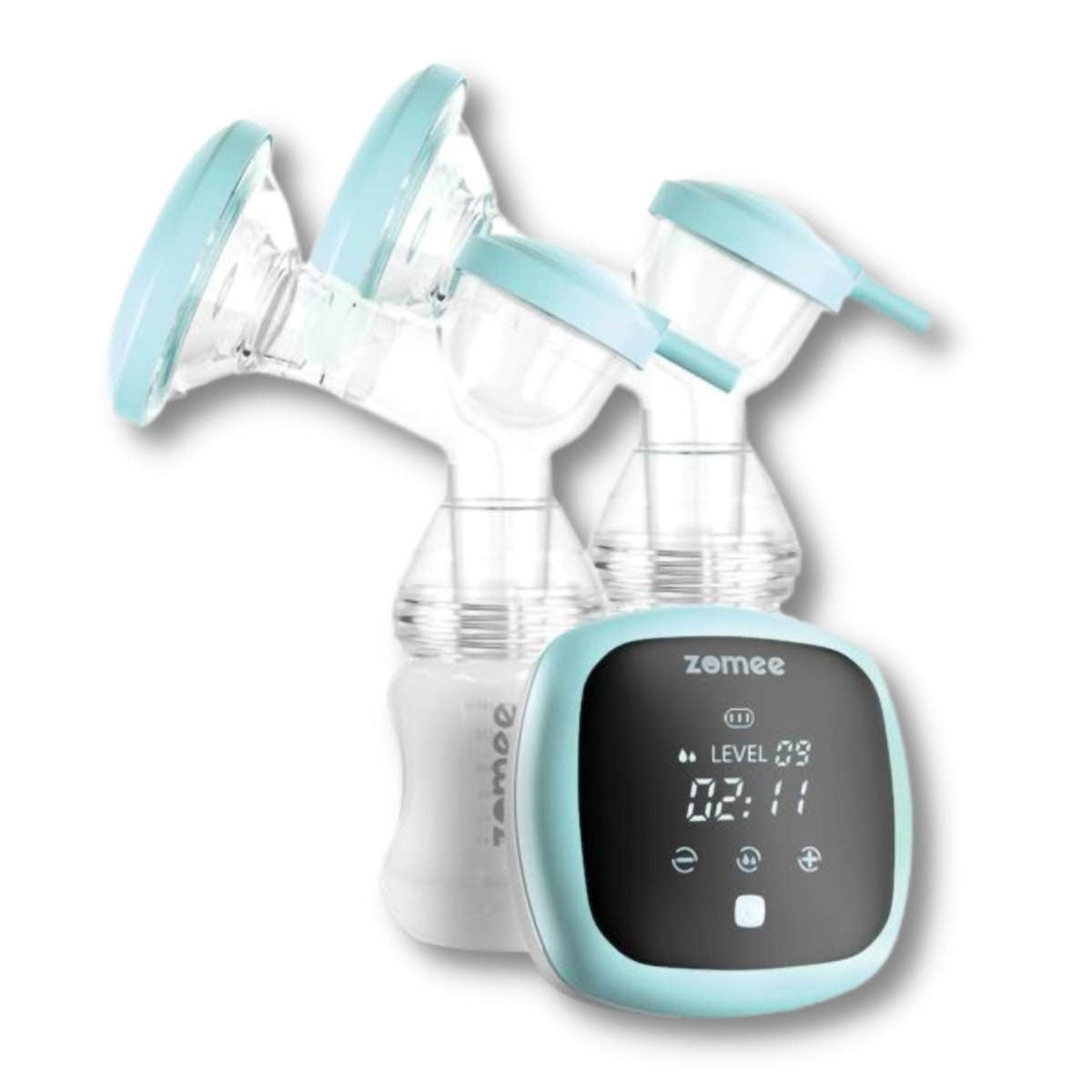
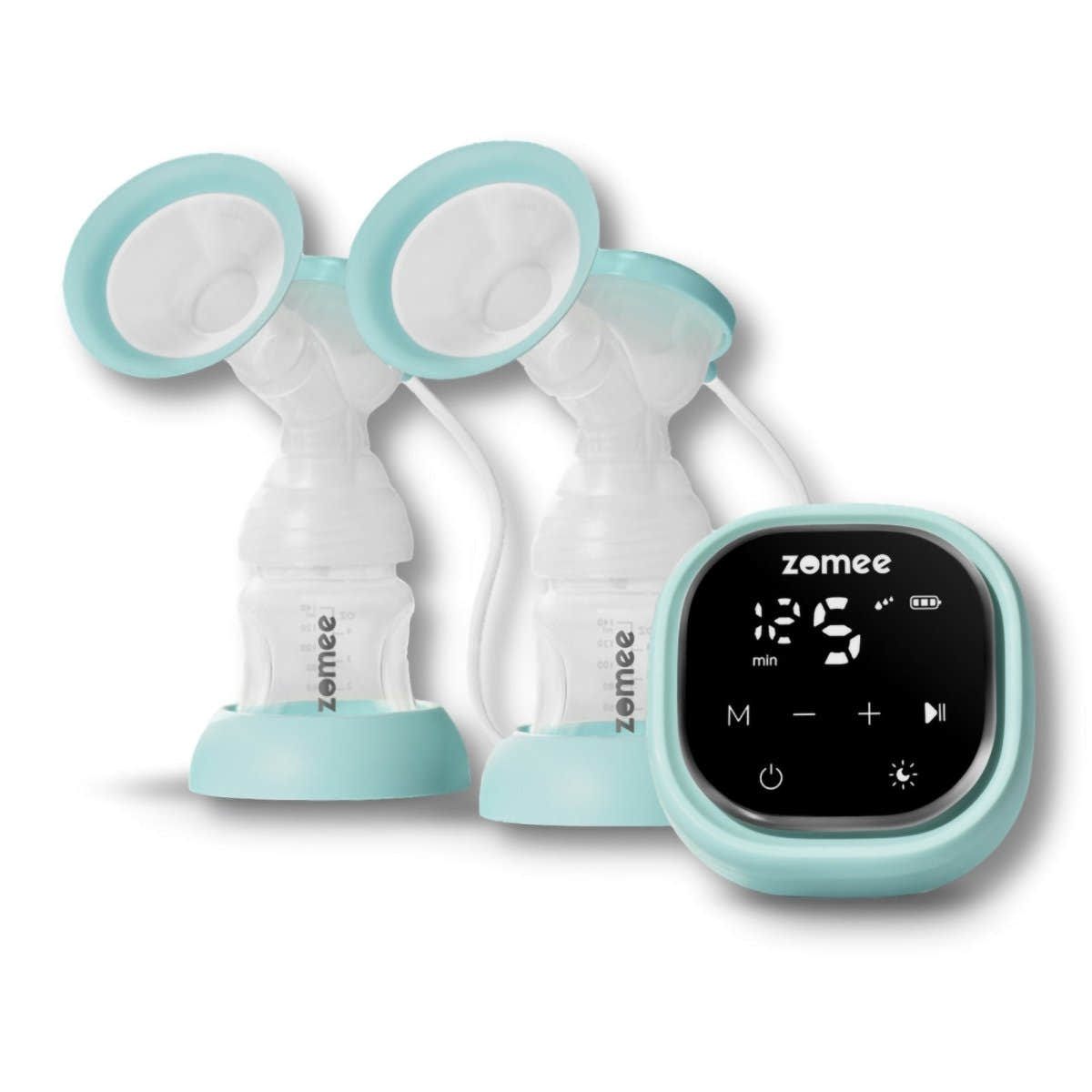
Zomee Z1 Double Electric Breast Pump Kit - 1181797_EA - 1
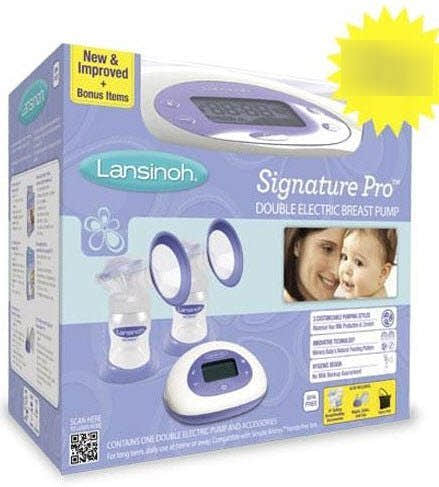
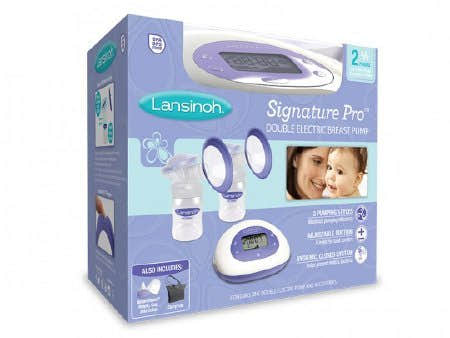
Lansinoh Signature Pro Double Electric Breast Pump Kit - 1101234_EA - 1
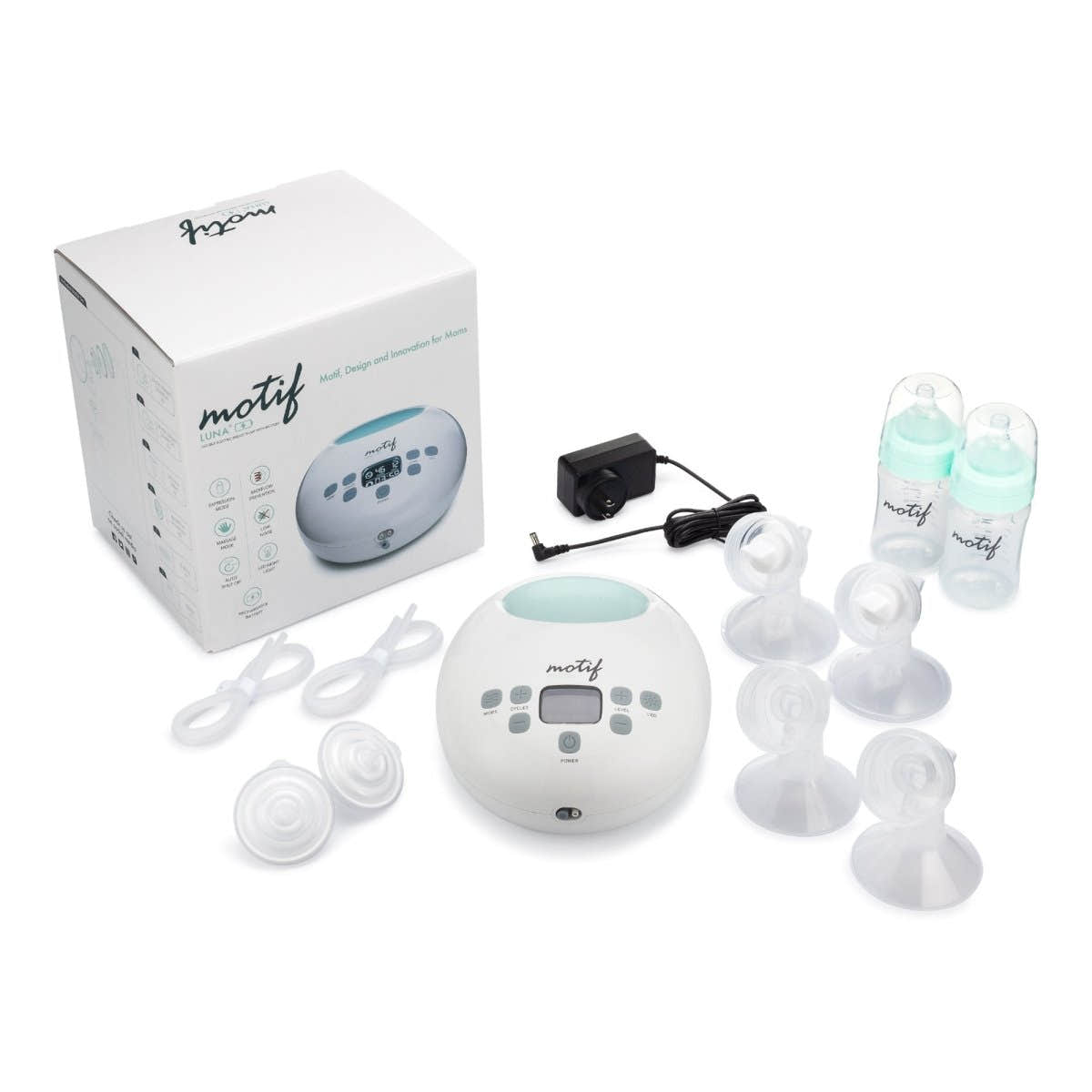
Luna Double Electric Breast Pump Kit - 1196046_EA - 10
Luna Double Electric Breast Pump Kit
Sale priceFrom $154.99
Choose options
Lansinoh SignaturePro Breast Pump Kit - 1039102_EA - 1
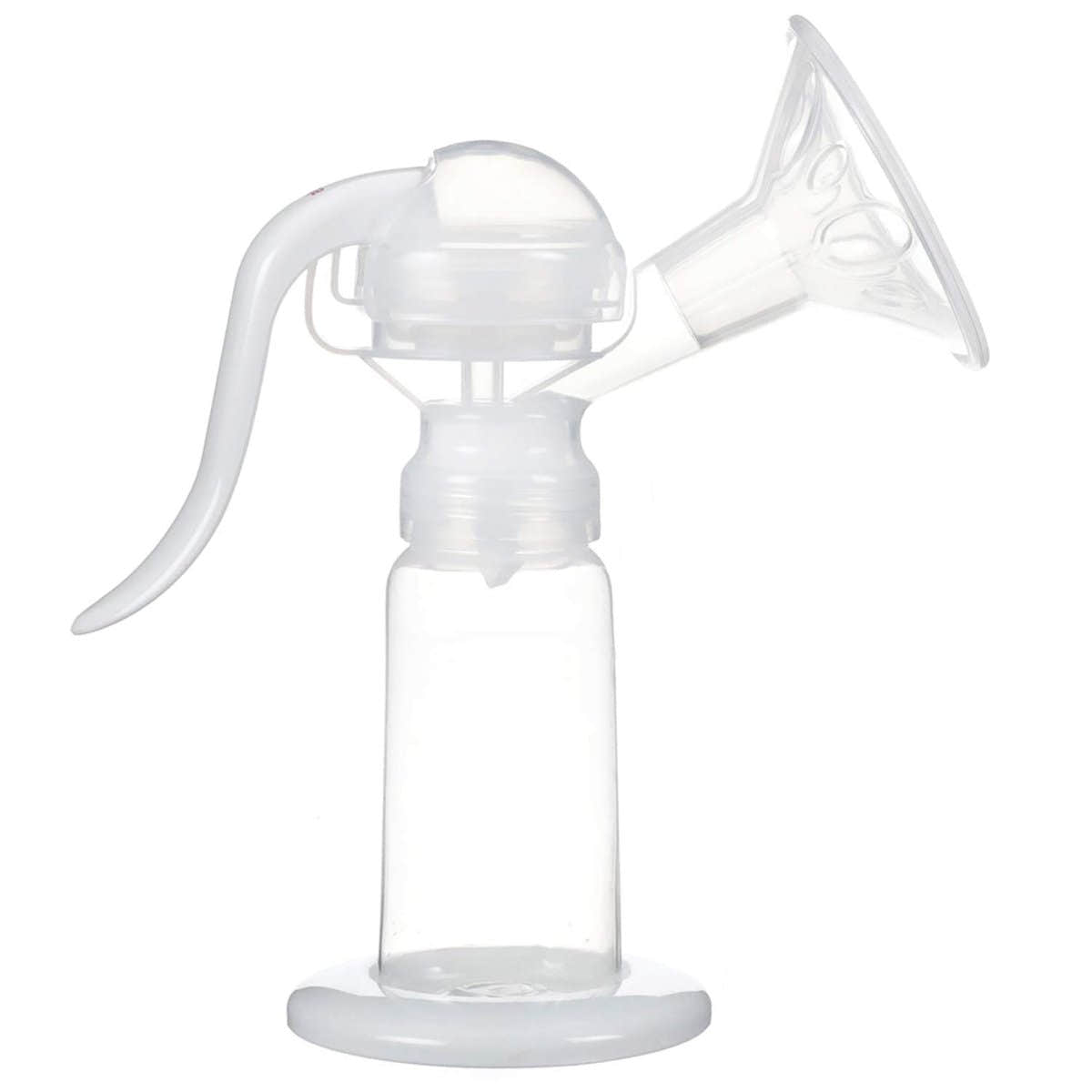
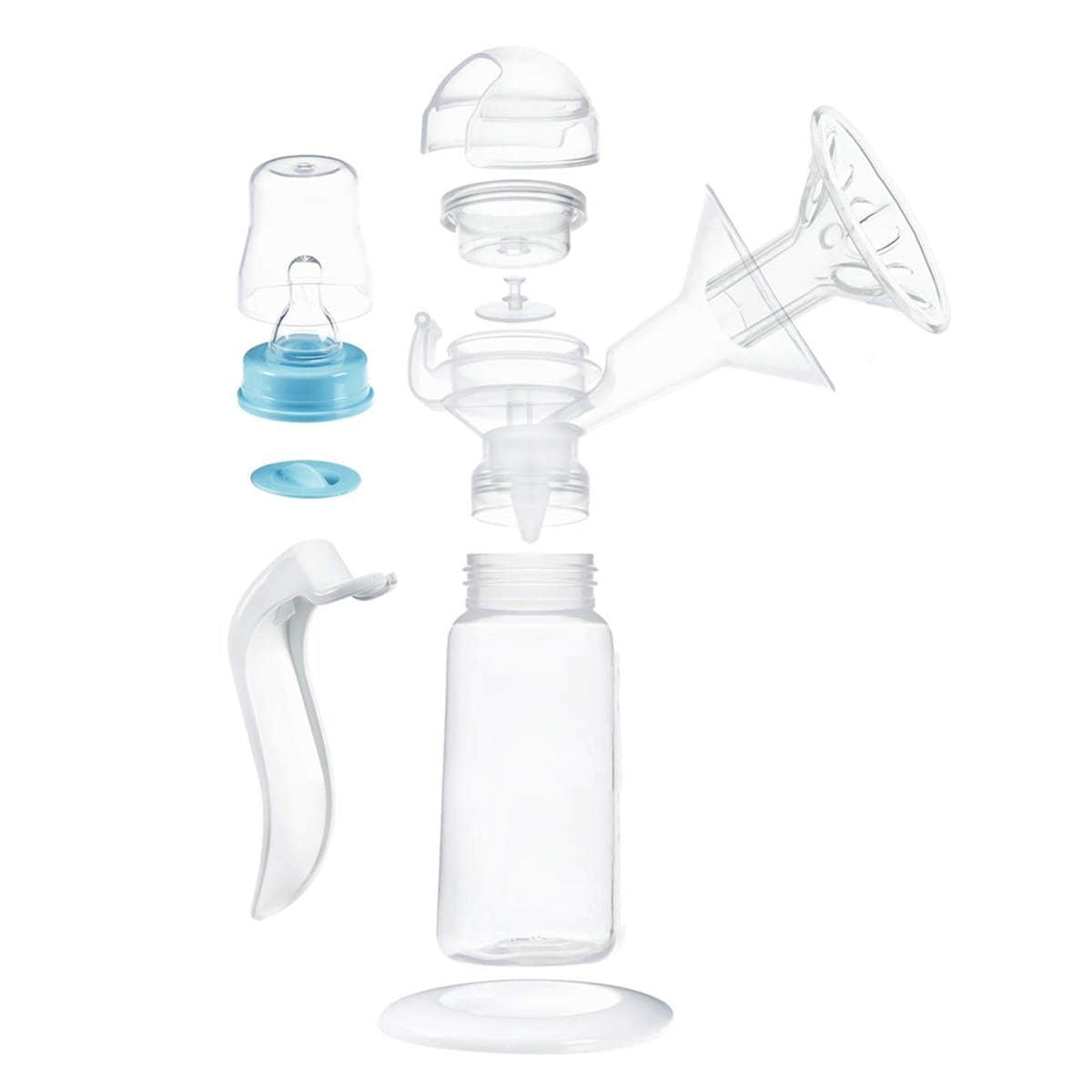
SpeCtra Single Manual Breast Pump - 1039356_EA - 1
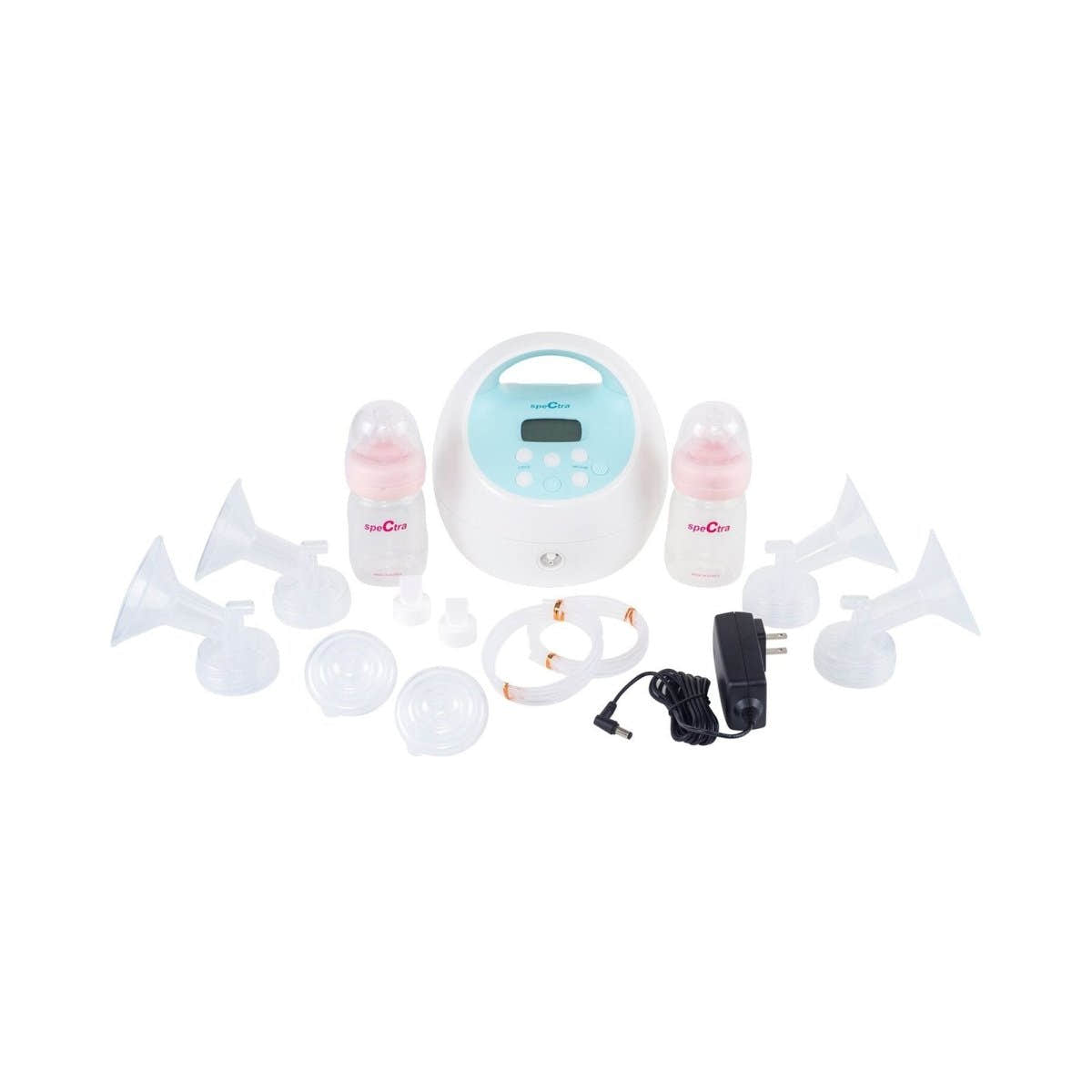
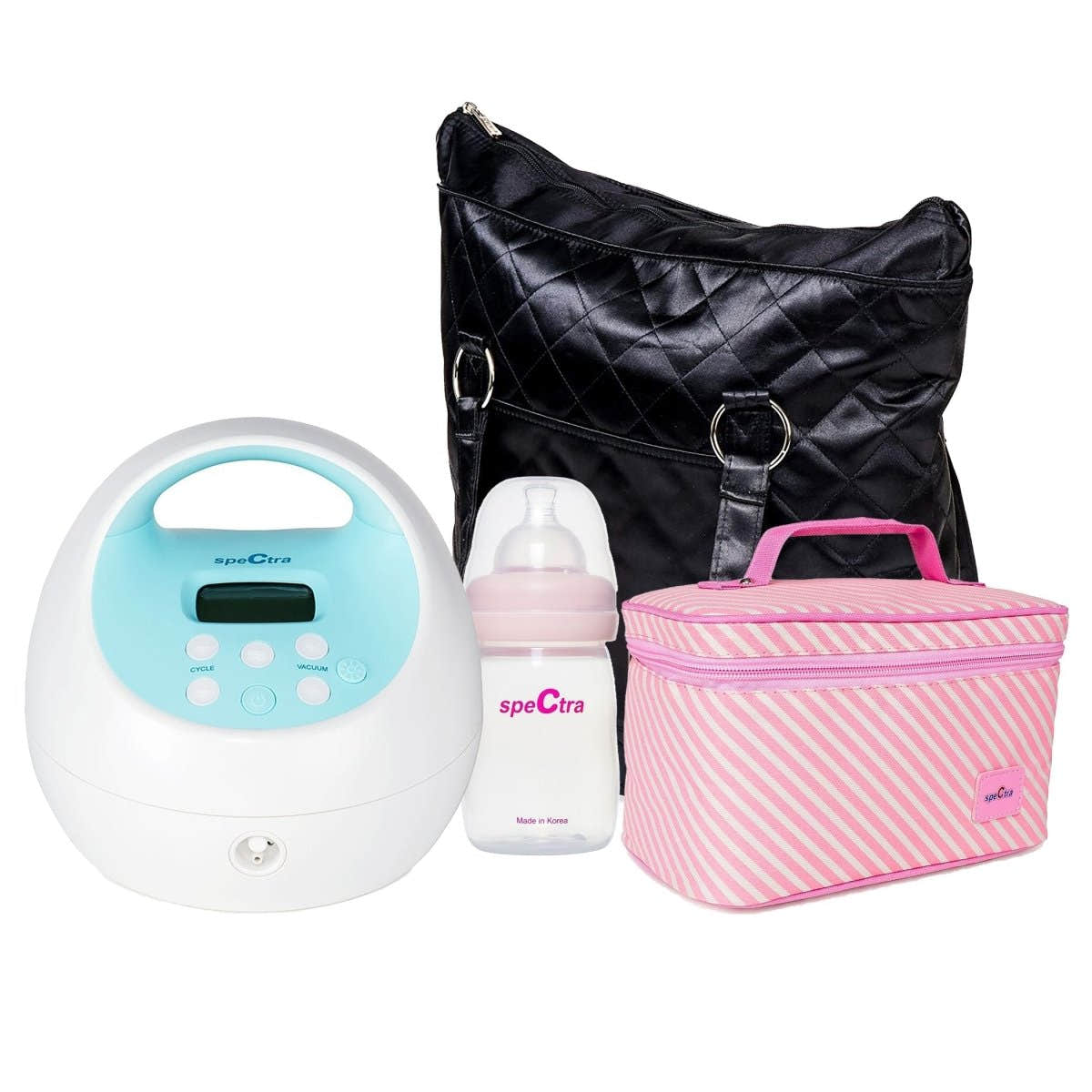
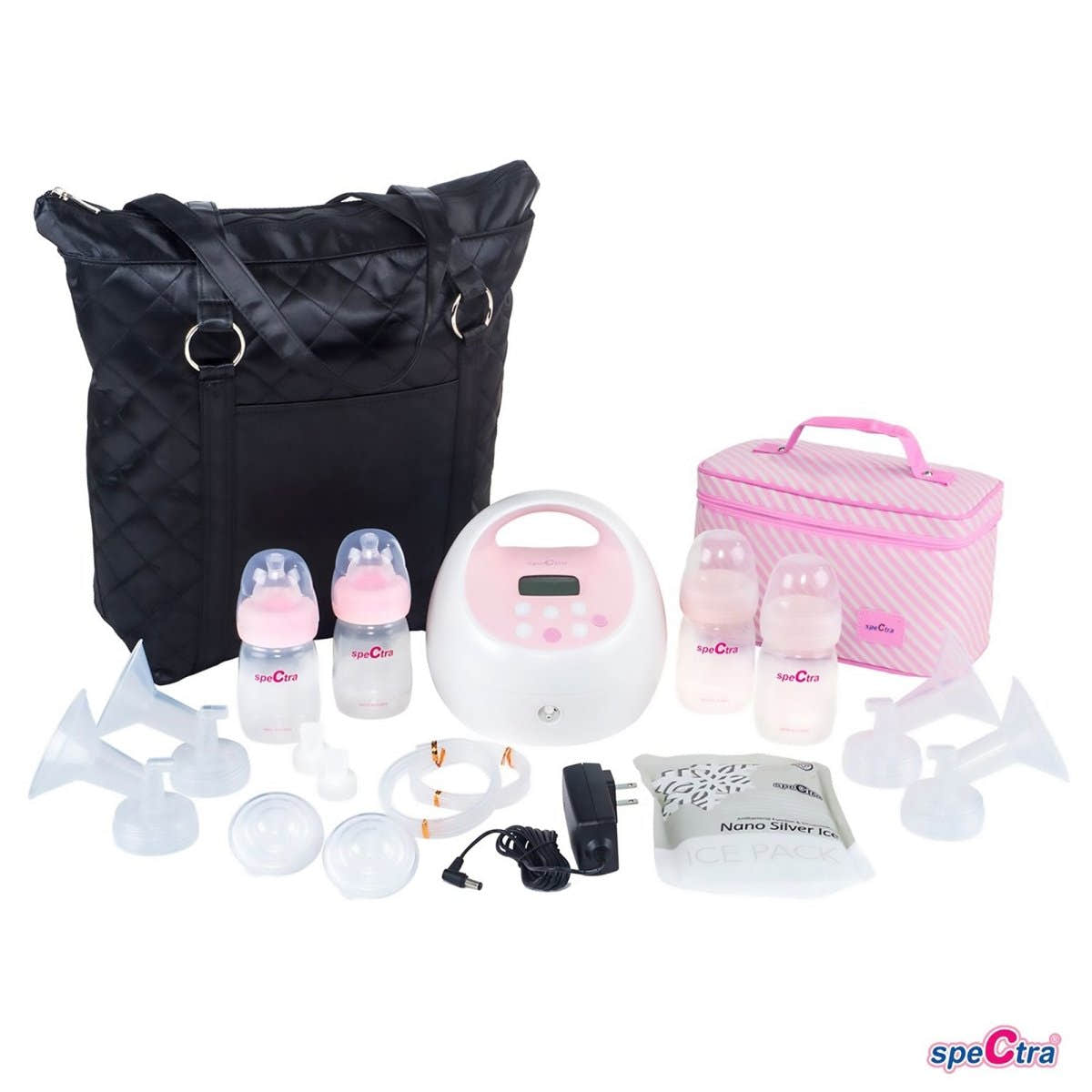
SpeCtra S2 Plus Double Electric Breast Pump Kit - 1039501_EA - 1
Ameda Platinum Double Electric Breast Pump - 1040417_EA - 1
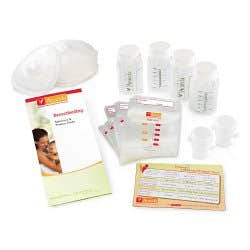
Ameda Breast Pumping Starter Set - 1040419_EA - 1
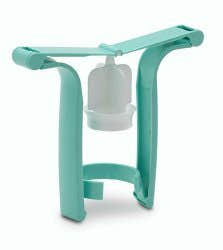
Ameda One-Hand Manual Breast Pump Adapter, 2 X 6 X 10 Inch - 1040438_EA - 1
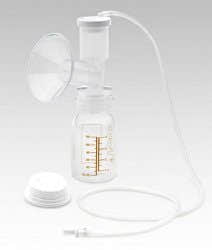
Ameda Manual One Hand Breast Pump - 1040440_EA - 1
Ameda HygieniKit Breast Milk Collection System - 1040448_EA - 1
Save 68%
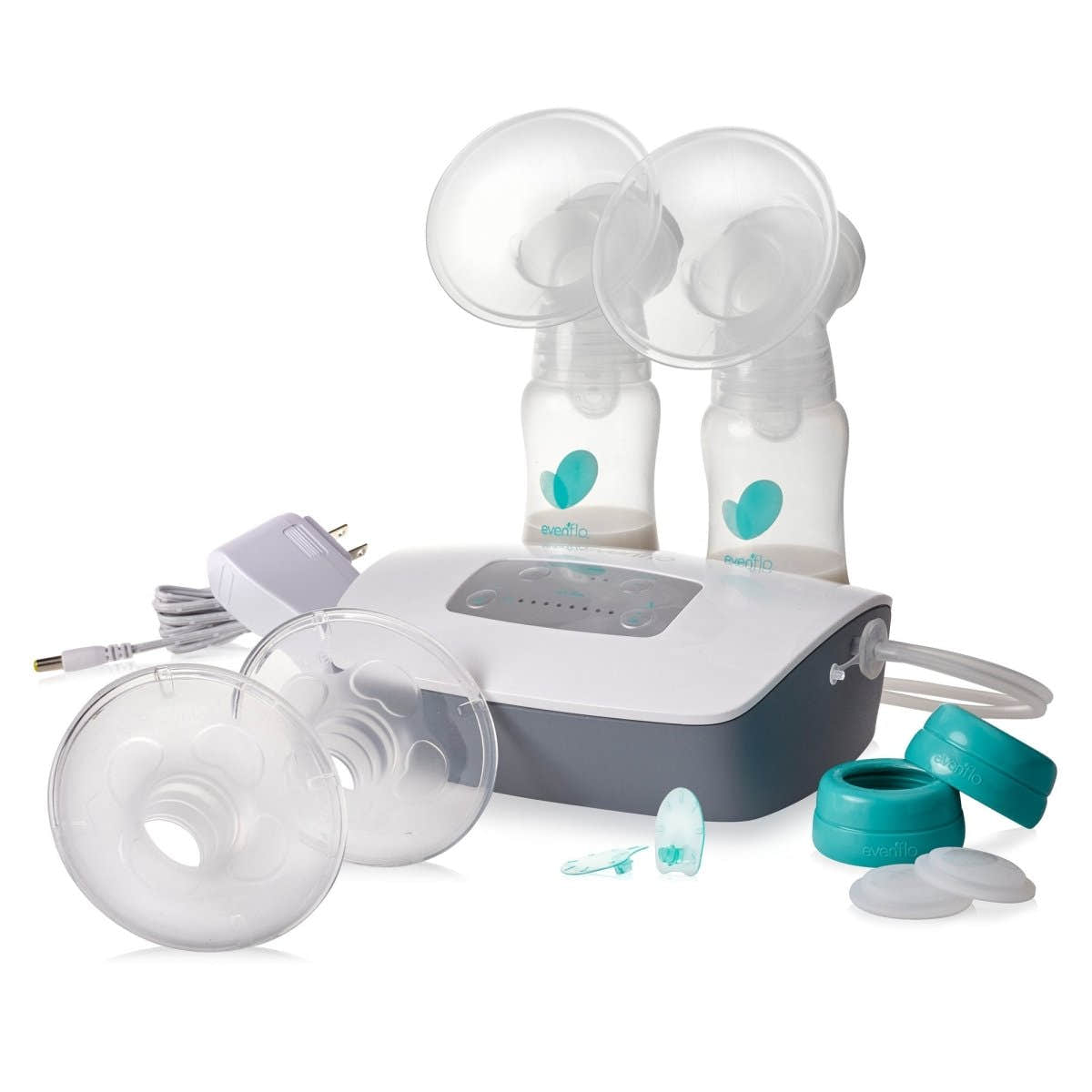
Evenflo Advanced Single Electric Breast Pump Kit - 1062665_CS - 1
Evenflo Advanced Single Electric Breast Pump Kit
Sale priceFrom $37.99 Regular price$119.99
Choose options
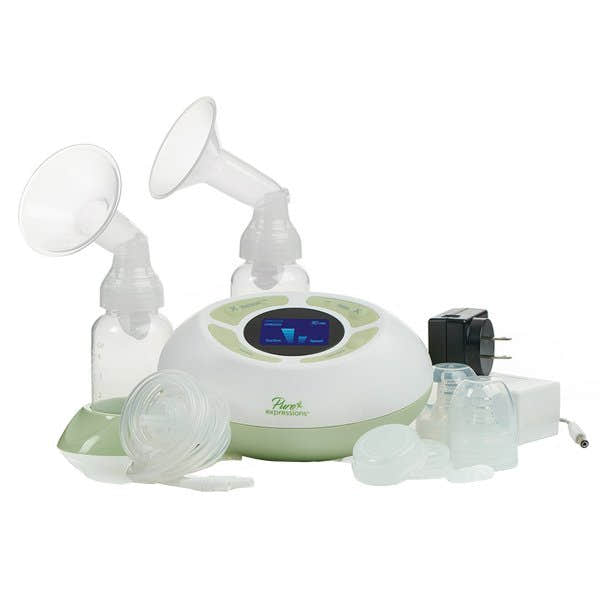
Pure Expressions Dual Channel Electric Breast Pump - 1107254_EA - 1
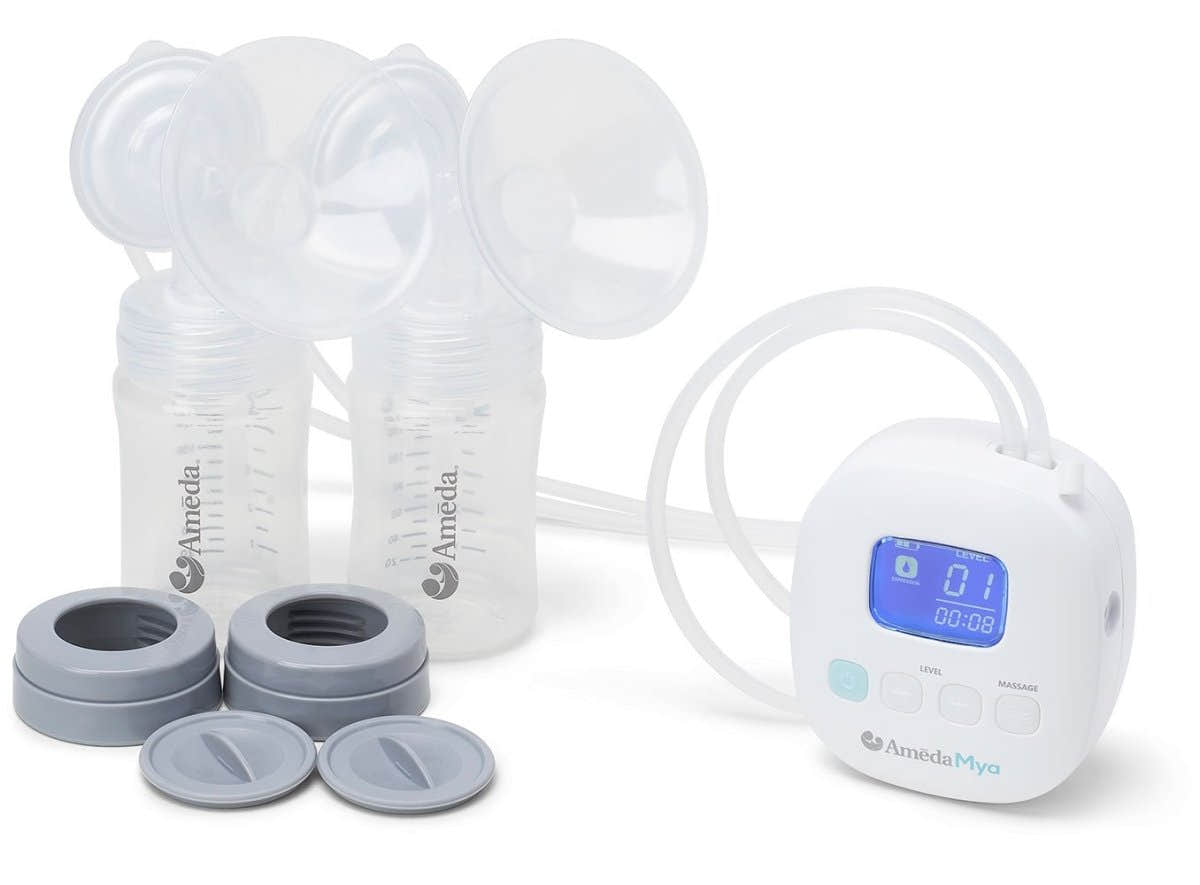
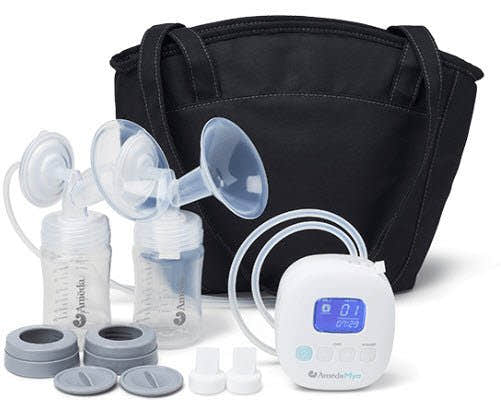
Ameda Mya Double Electric Breast Pump Kit - 1129328_EA - 1
Ameda Mya Double Electric Breast Pump - 1129330_EA - 1
Save 67%
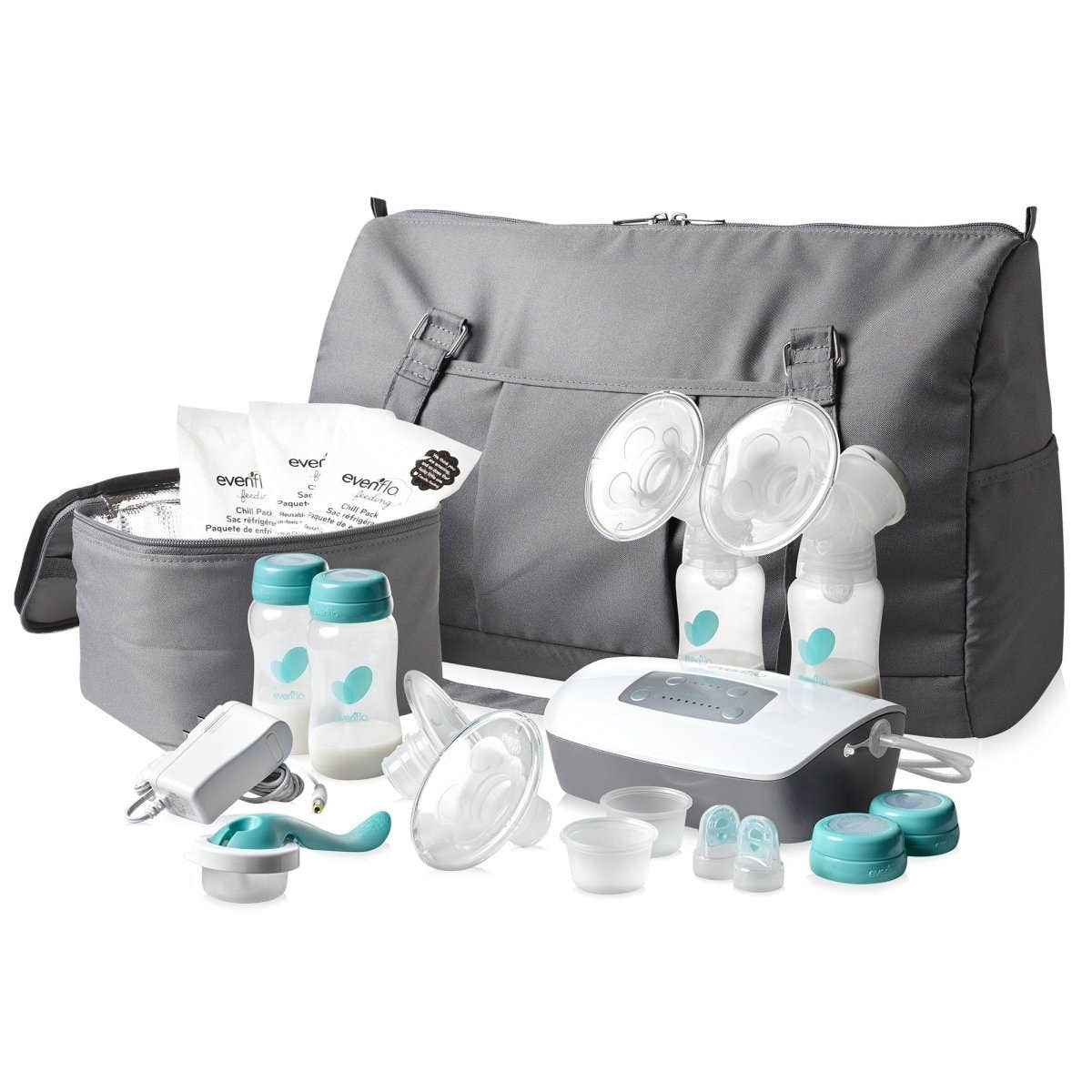
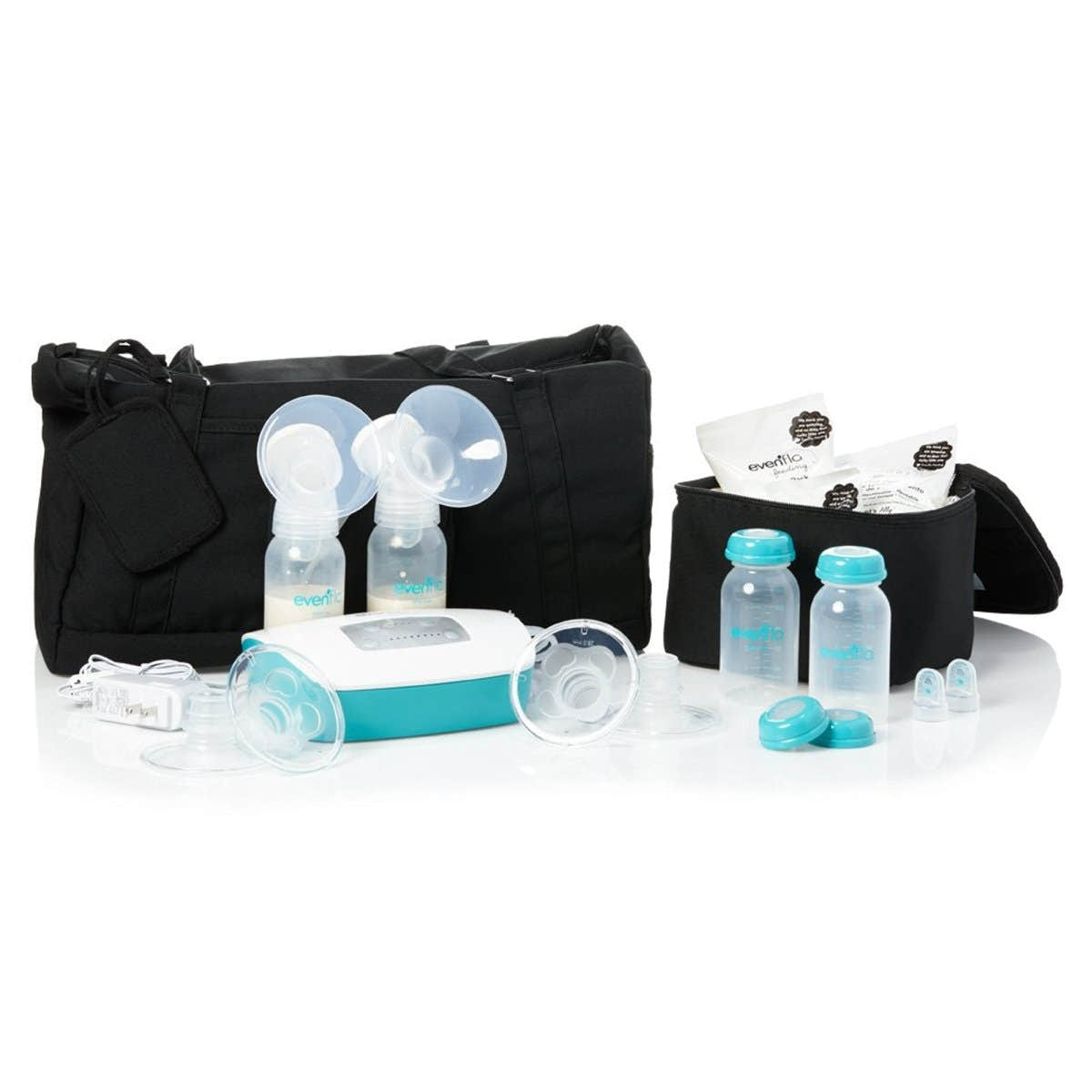
Evenflo Advanced Double Electric Breast Pump Kit - 1143880_EA - 1
Evenflo Advanced Double Electric Breast Pump Kit
Sale priceFrom $139.99 Regular price$419.99
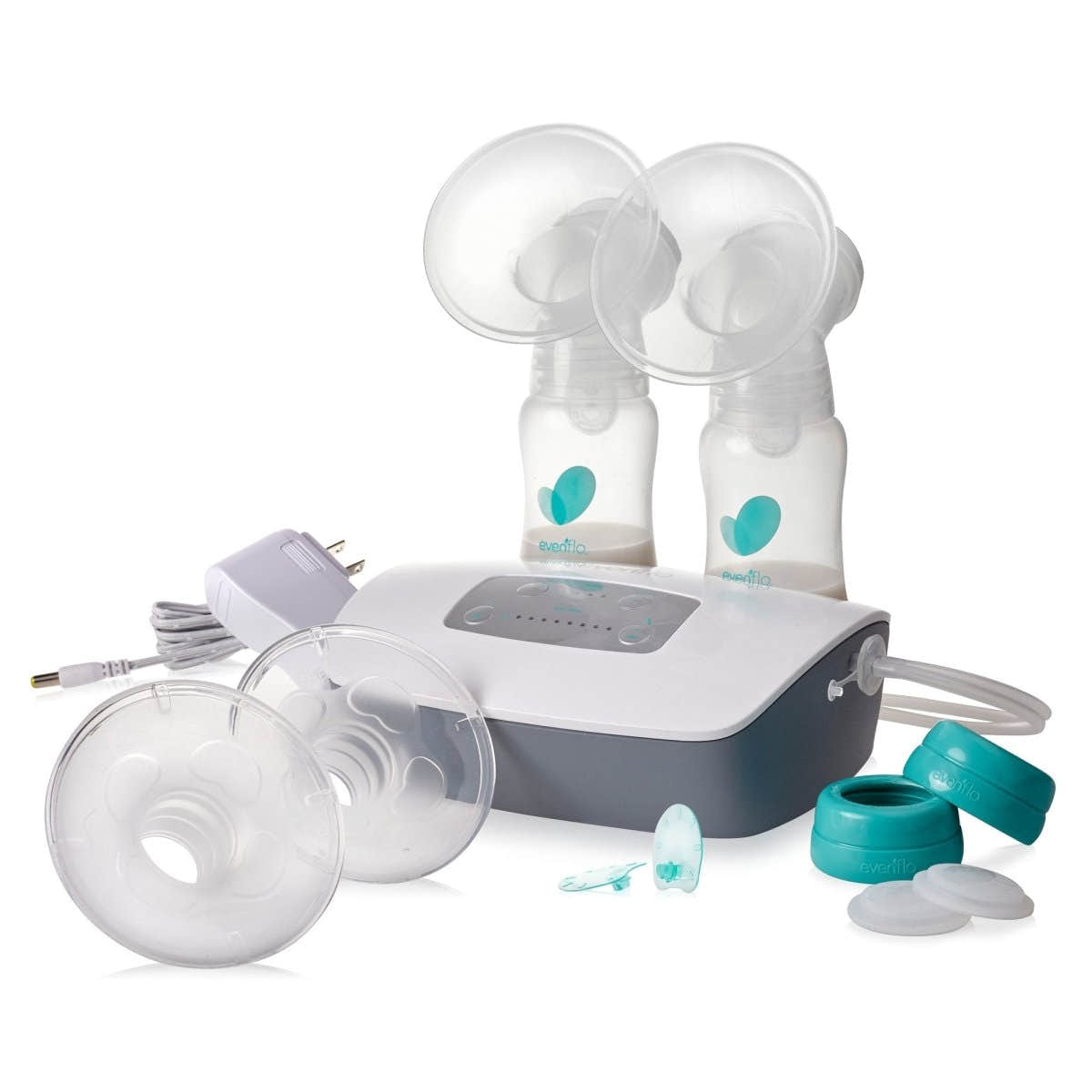
Evenflo Select Advanced Double Electric Breast Pump Kit - 1146786_EA - 1
Ameda Mya Joy Double Electric Breast Pump Kit - 1166469_EA - 1
Double Electric Breast Pump Kit Ameda Mya Joy - 1166471_EA - 1
Spectra S2 Plus Single / Double Electric Breast Pump - 1173754_EA - 1

Frequently Asked Questions about Breast Pumps and Kits

A breast pump is a device that mechanically extracts milk from a nursing mother's breasts, allowing her to build a milk supply, relieve engorgement, or store milk for later feeding. Breast pumps come in manual, single electric, and double electric styles to suit different lifestyles and pumping needs.

Breast pumps are designed for nursing mothers who want to maintain their milk supply, return to work, or feed a baby who has difficulty latching. Mothers of premature infants, those with low supply concerns, or anyone who needs flexibility in their feeding routine can also benefit from regular pumping.

A double electric breast pump uses motorized suction to express milk from both breasts simultaneously, making it faster and more efficient than a manual option. A manual breast pump requires the user to squeeze a handle to create suction and is better suited for occasional or on-the-go pumping when portability matters most.

Start by selecting a flange size that fits your nipple comfortably, then position the flange over your breast and turn the pump on at the lowest suction setting before gradually increasing. Pumping sessions typically last 15 to 20 minutes per side, and using a hands-free bra can make the process more comfortable.

Choose a breast pump based on how often you plan to pump, your lifestyle, and whether you need to express from one or both breasts at a time. Double electric breast pumps work well for frequent or exclusive pumpers, while manual breast pumps are a practical choice for occasional use or travel.

Yes, many breast pumps are covered by insurance under the Affordable Care Act, which requires most health plans to cover breastfeeding support and supplies including breast pumps. Coverage details vary by plan, so it is best to contact your insurance provider directly to confirm what pump types and brands qualify.

The correct breast pump flange size depends on the diameter of your nipple, not your breast size, and using the wrong size can reduce milk output and cause discomfort. Most pumps come with a standard flange, but many brands offer additional sizes ranging from small to extra-large to accommodate different nipple measurements.

Yes, breast pumps are safe for daily use when the equipment is cleaned properly and the flange fits correctly to avoid nipple trauma. Following the manufacturer's recommended cleaning instructions and replacing worn parts like valves and membranes regularly helps ensure safe and effective pumping over time.

Breast pump parts that come into contact with milk should be rinsed in cool water immediately after use, then washed with warm soapy water and allowed to air dry on a clean surface. Store dry pump parts in a sealed bag or clean container away from dust, and check manufacturer guidelines for dishwasher compatibility.

A breast pump kit offers better value because it bundles the pump motor with essential accessories like bottles, tubing, flanges, and a carrying bag, so mothers do not need to purchase components separately. Getting everything in one package also ensures that all parts are compatible with each other right out of the box.

Recently viewed