Biohazard Bags

27 products

Showing 1 - 24 of 27 products

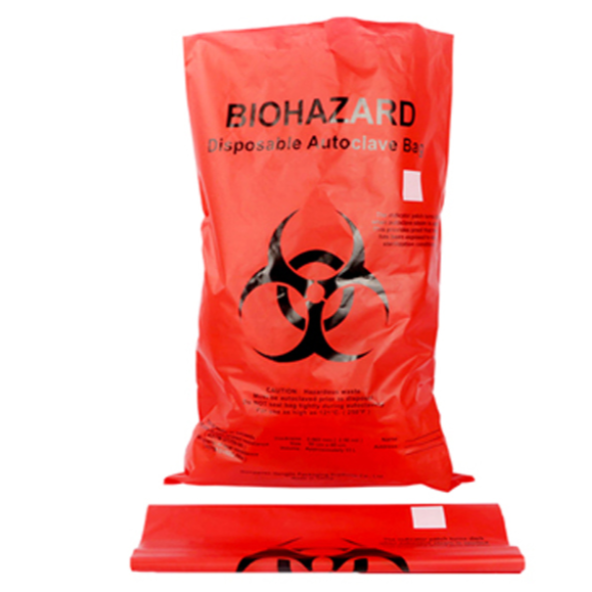
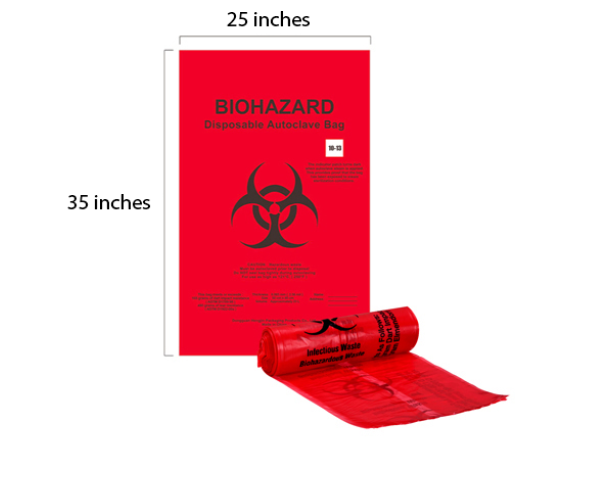
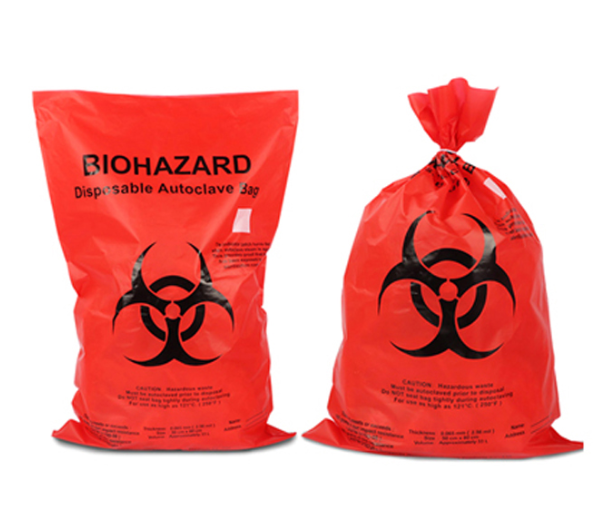
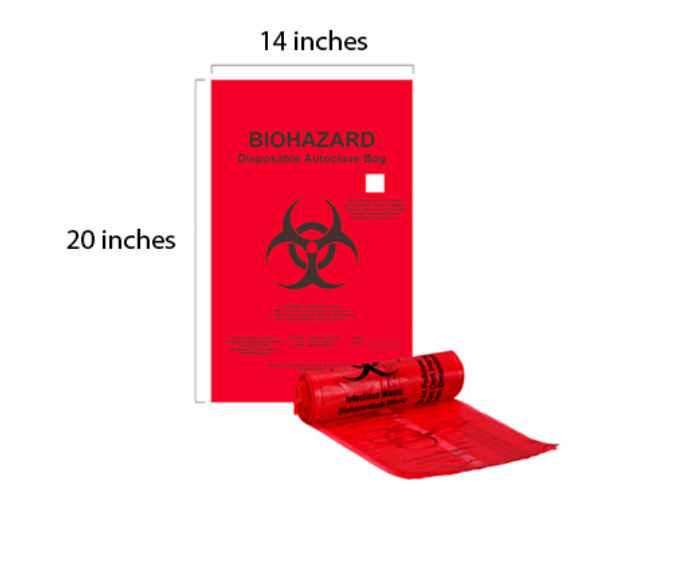
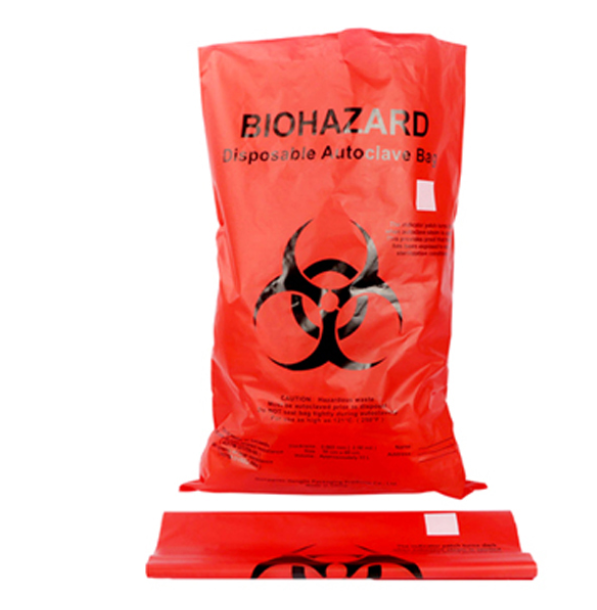
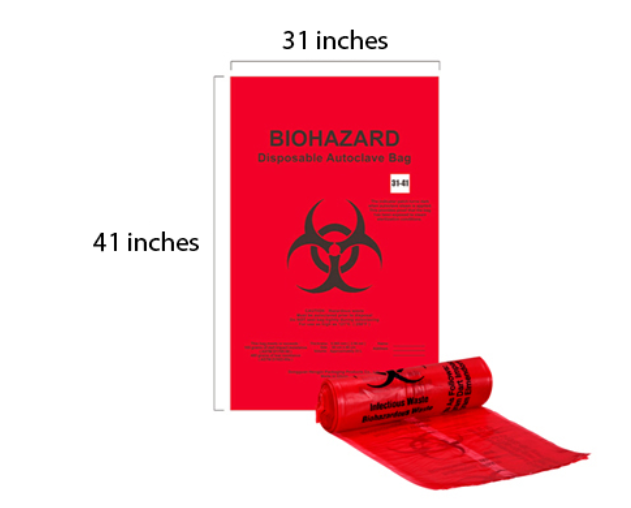
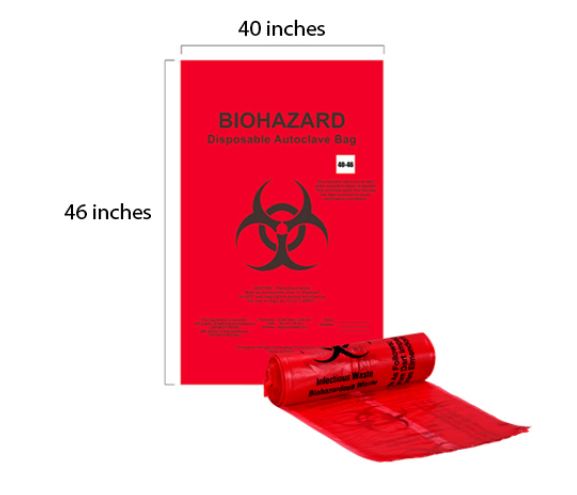
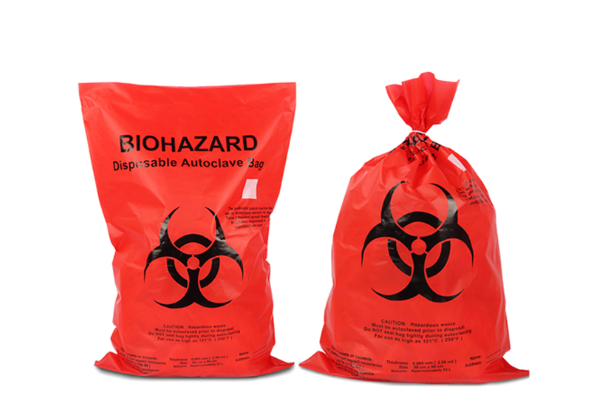
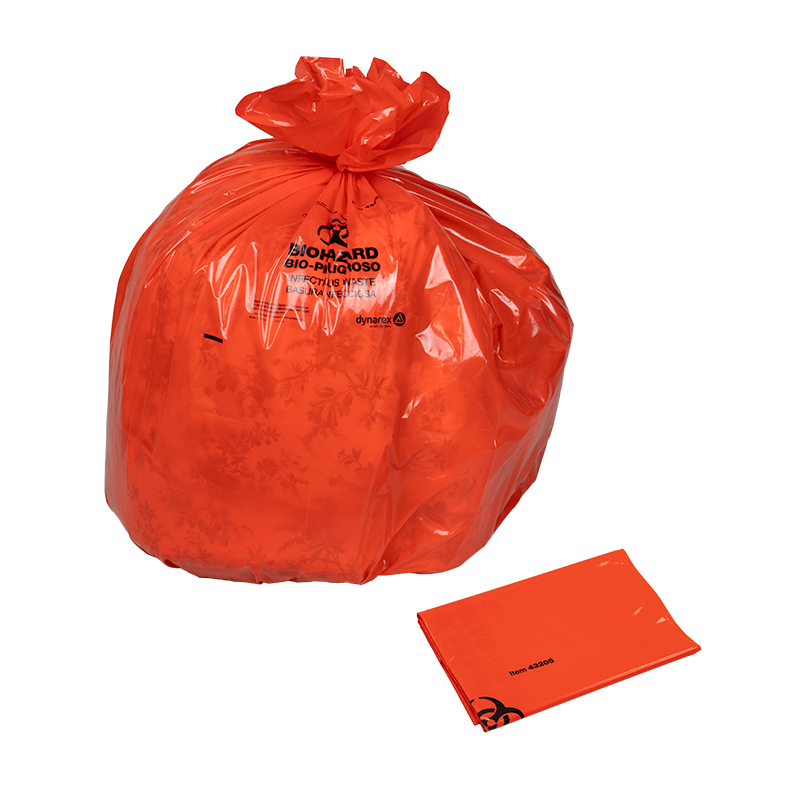
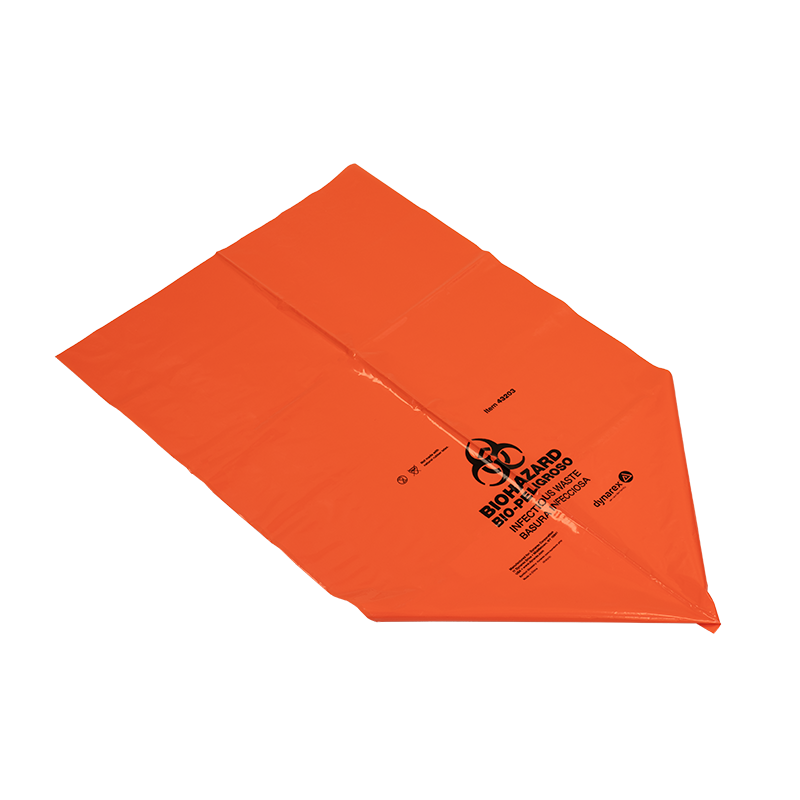
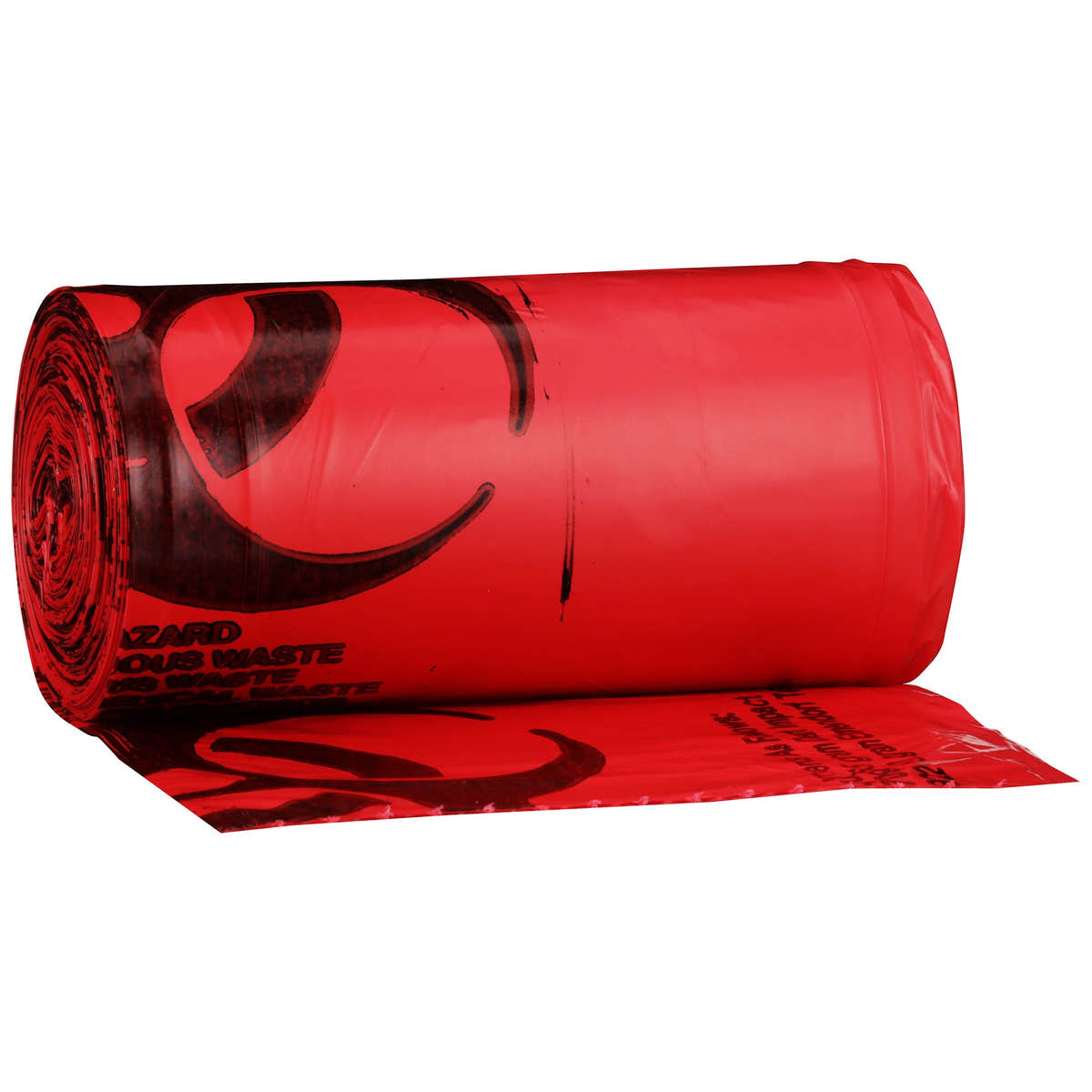
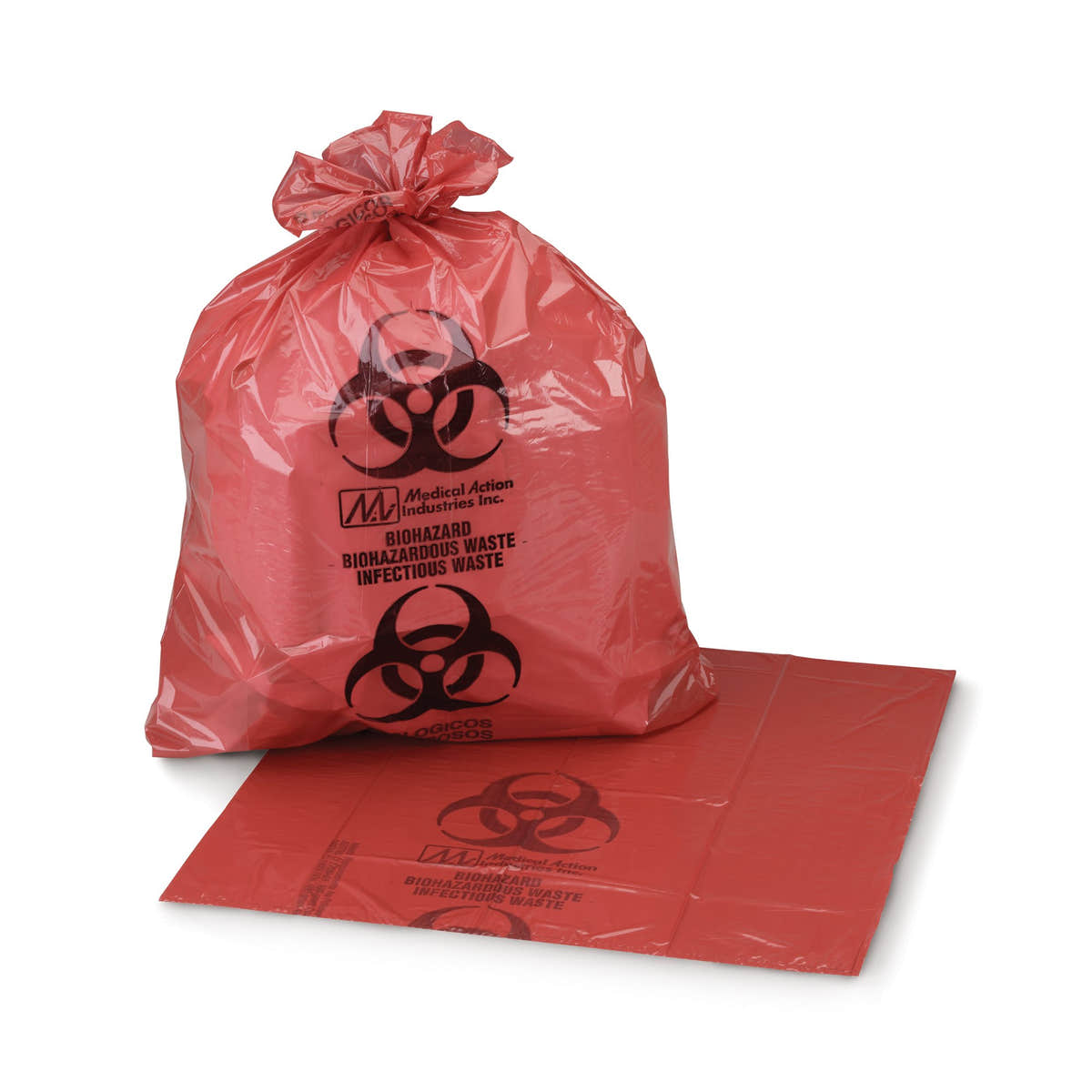
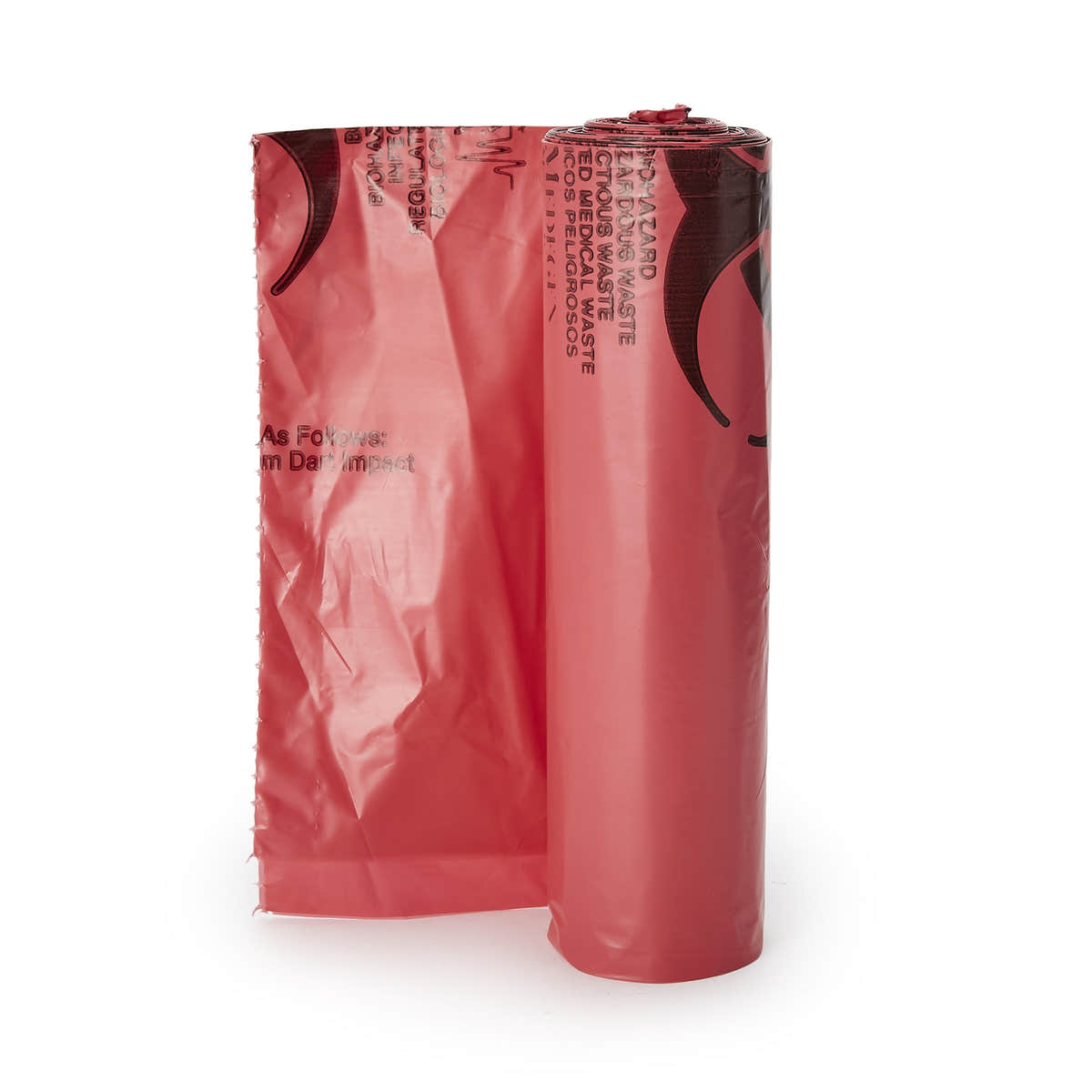
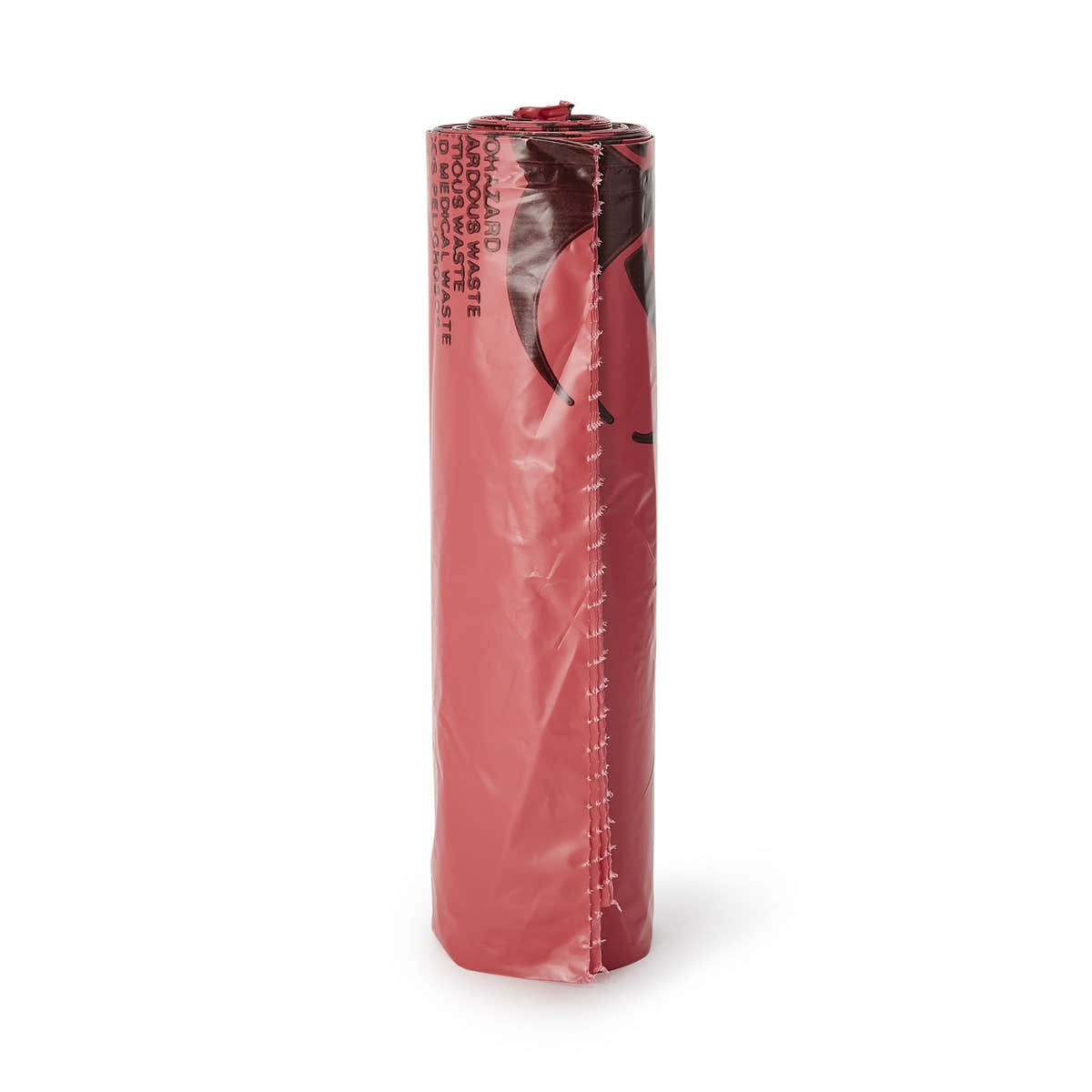
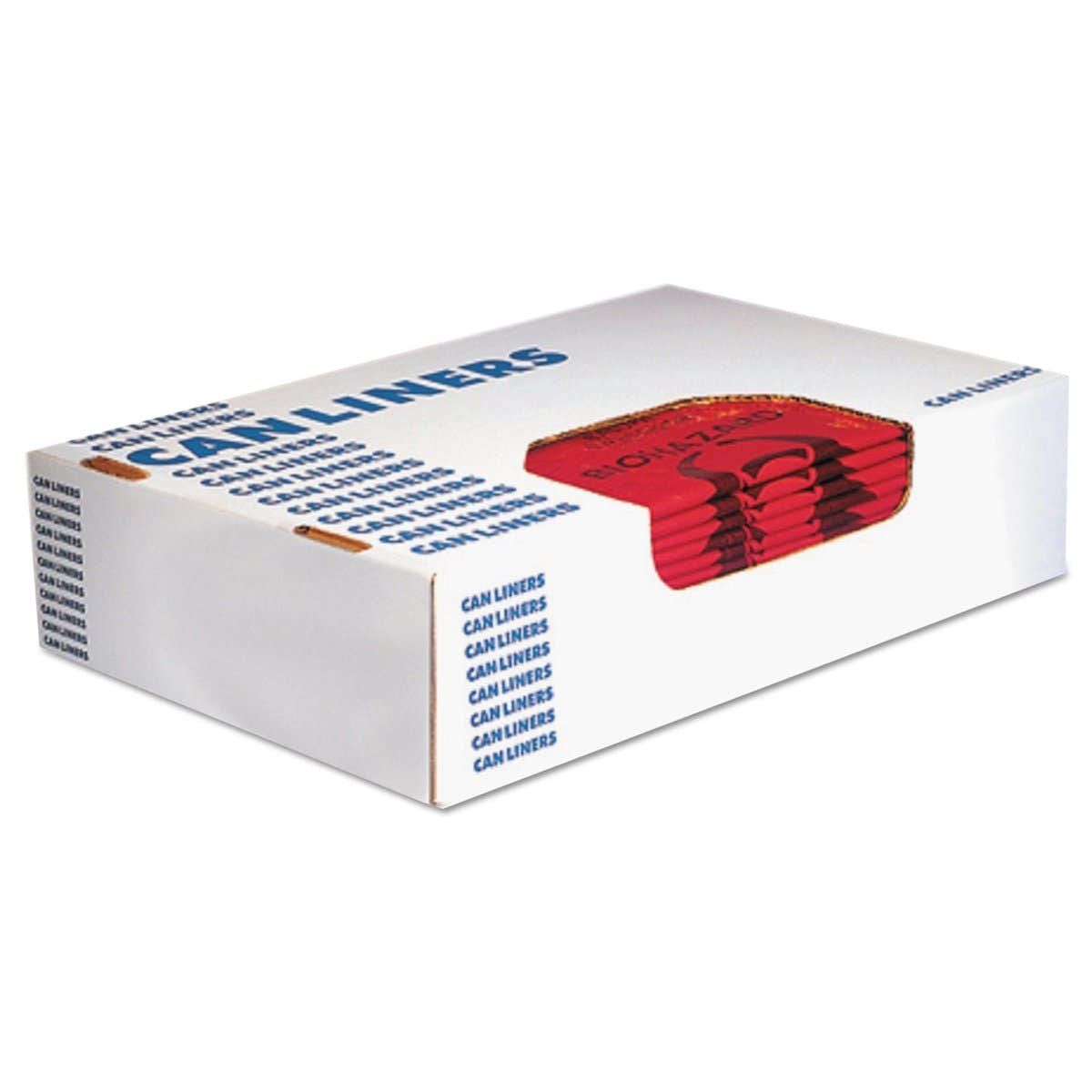
Biohazard bags are essential for safely disposing of infectious medical waste. Our bags are made from strong, puncture-resistant material to ensure secure containment of hazardous materials. These bags are compliant with OSHA and EPA regulations for the safe handling of medical waste. Our biohazard bags are available in a variety of sizes and colors, so you can find the right solution for your needs.
Showing 1 - 24 of 27 products
View
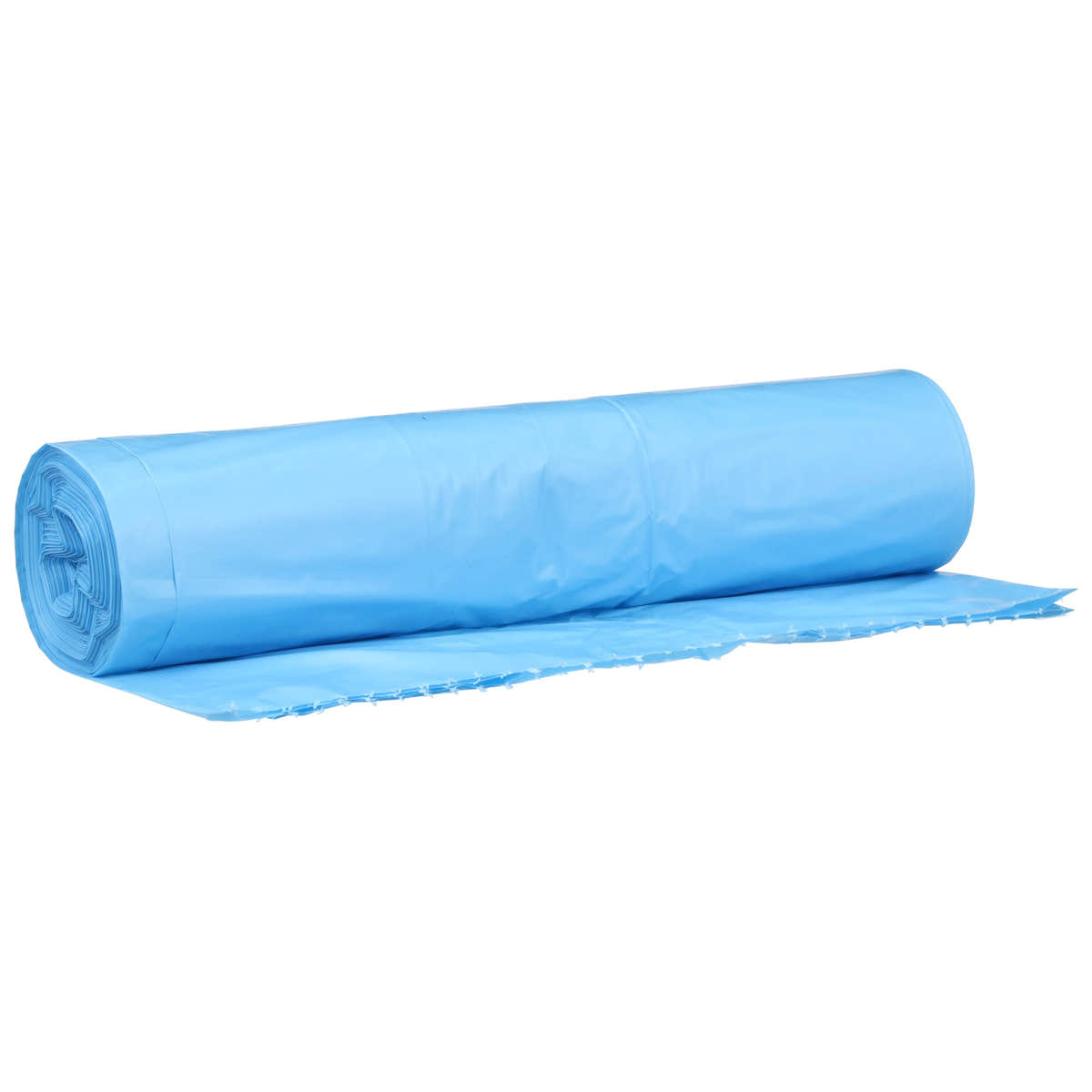
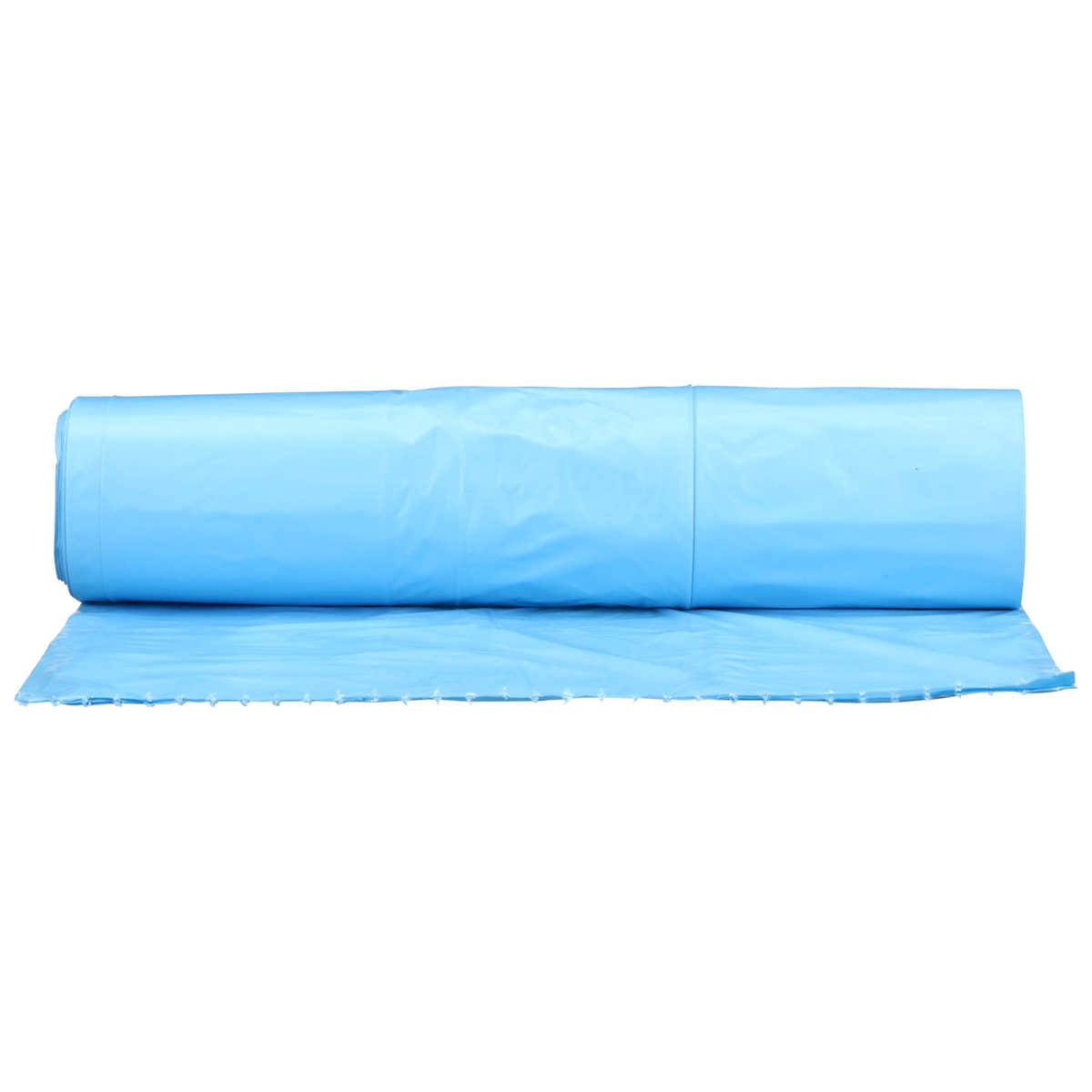
McKesson Anti-Static Kick Bucket Liners -Case of 500
McKesson Anti-Static Kick Bucket Liners
Sale priceFrom $0.99
$0.21 / item
Choose options
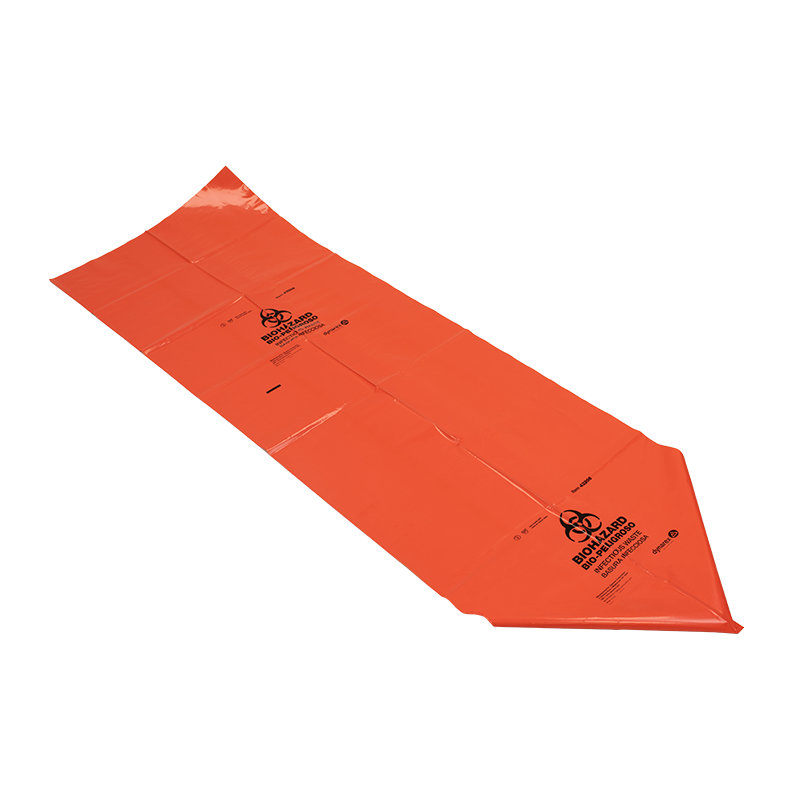
Dynarex Biohazard Bags, 36” x 58” (100 Count)
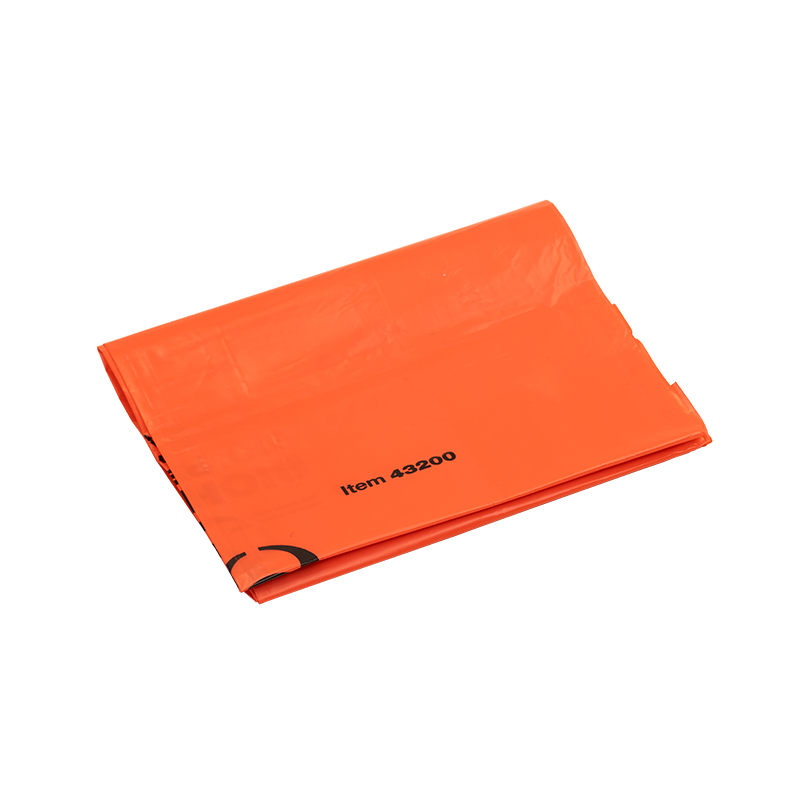
Dynarex Biohazard Bags, 36” x 30” (200 Count)
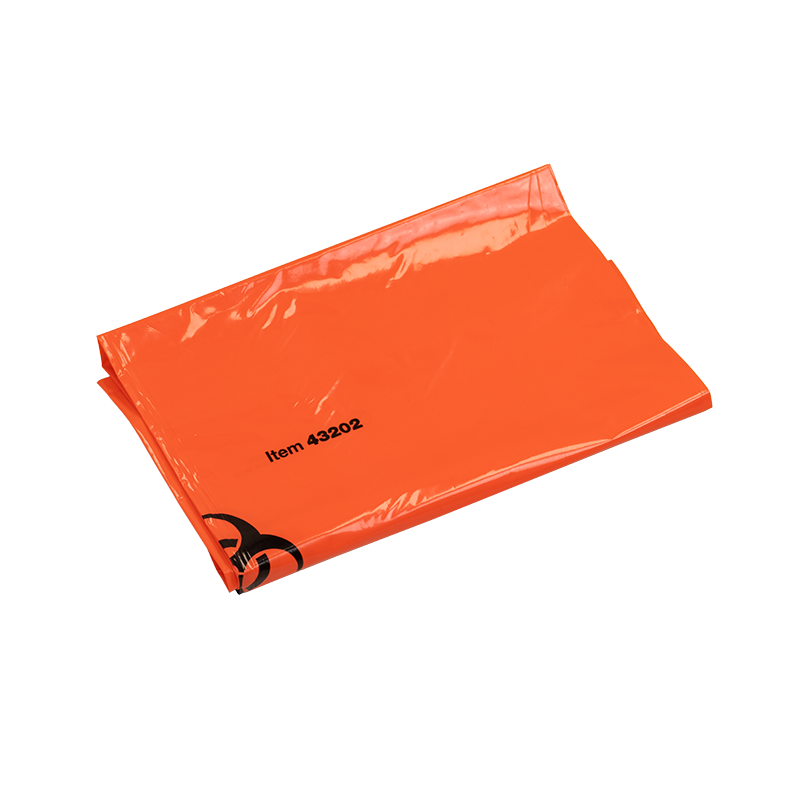
Dynarex Biohazard Bags, 39” x 33” (100 Count)
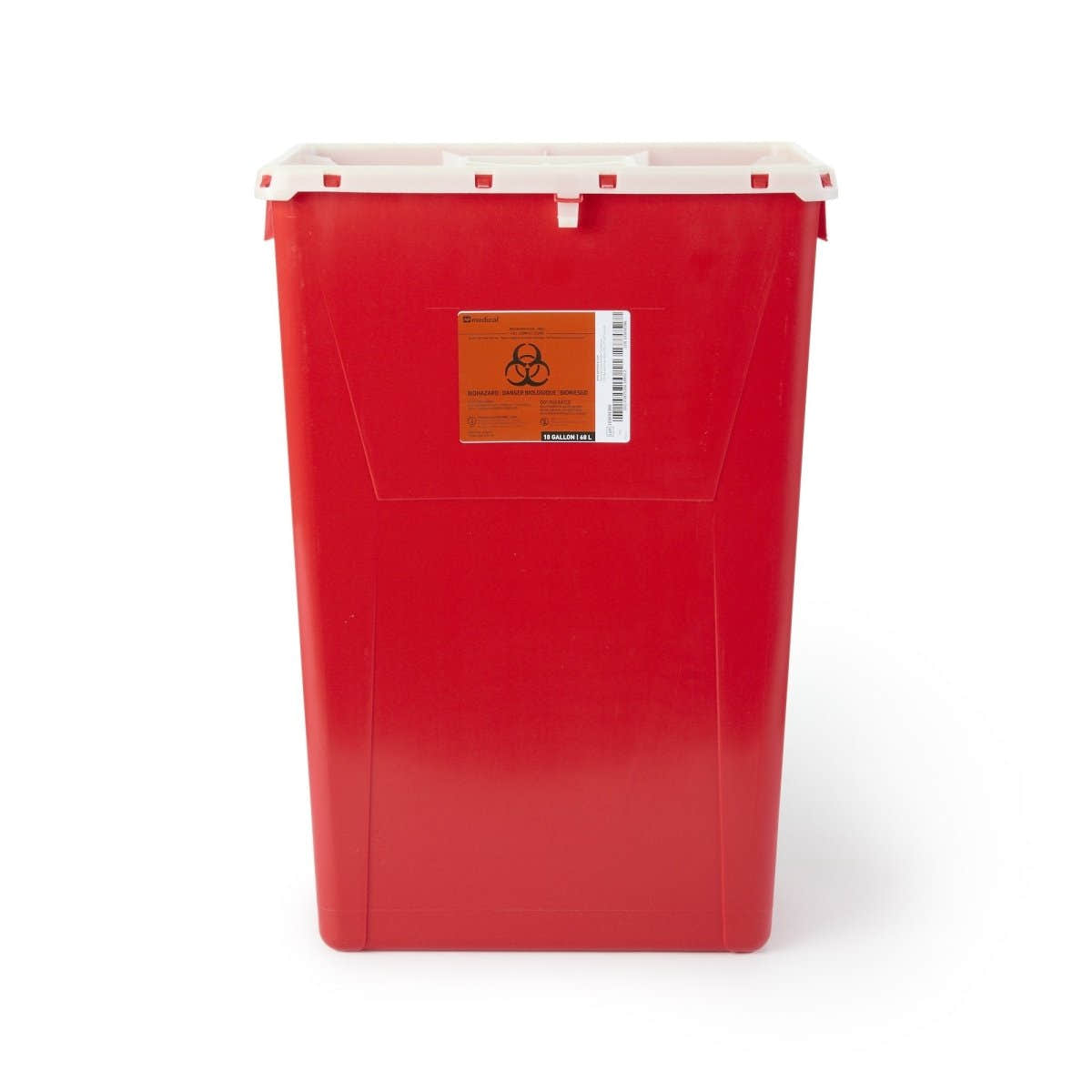
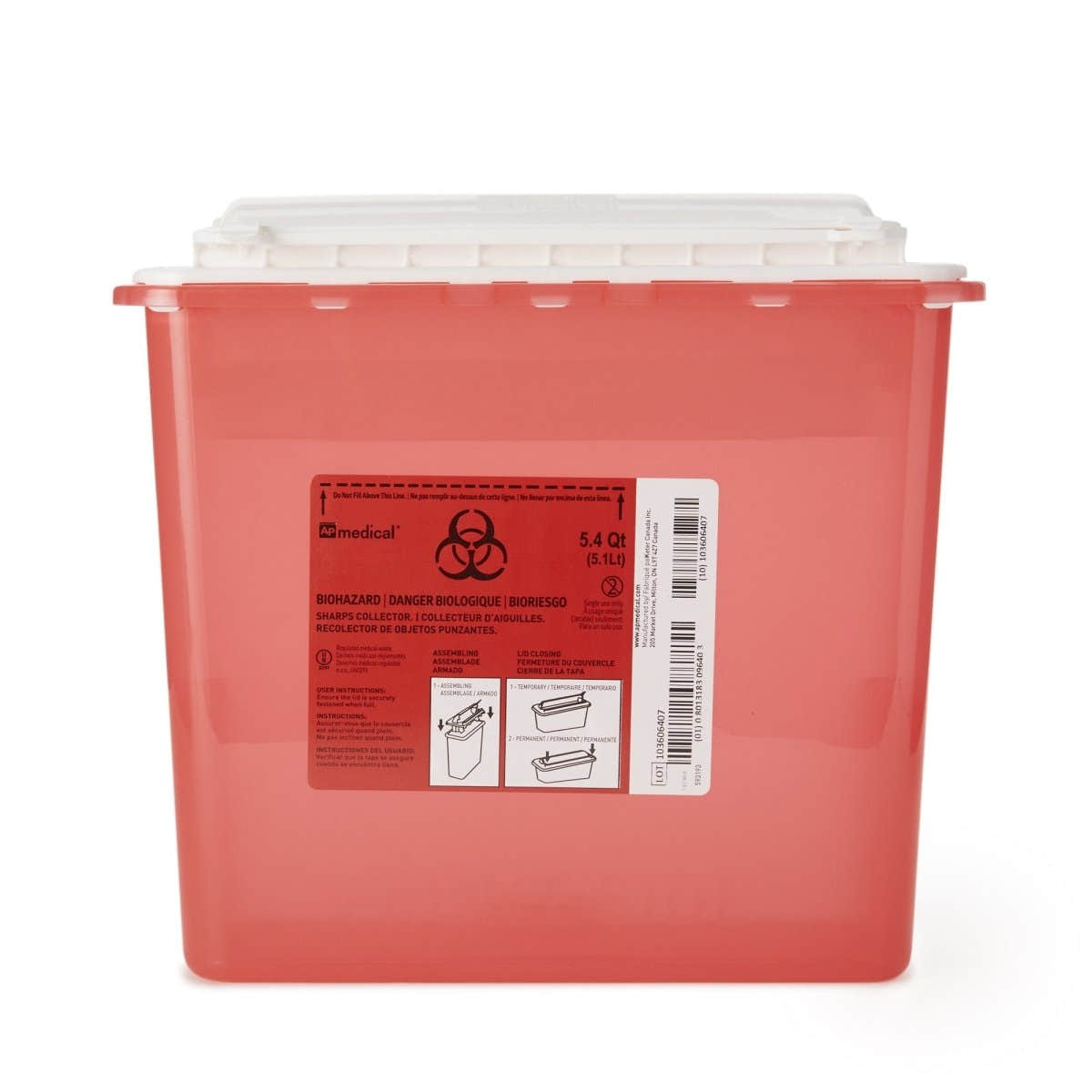
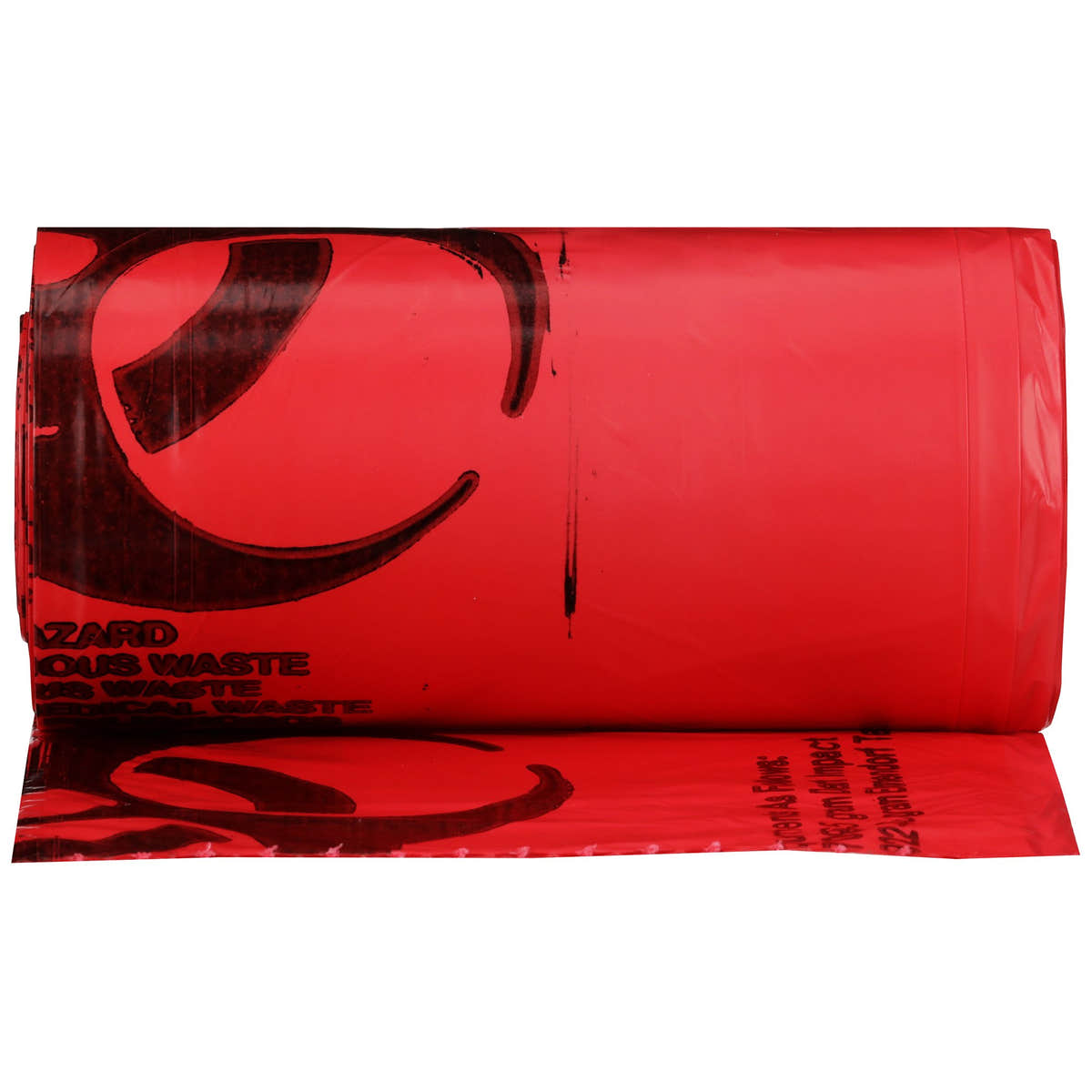
Ap Line Biohazard Waste Container - 907258_CS - 1
Ap Line Biohazard Waste Container
Sale priceFrom $88.99
Choose options
Unimed - Midwest Biohazard Waste Bag -Box of 100
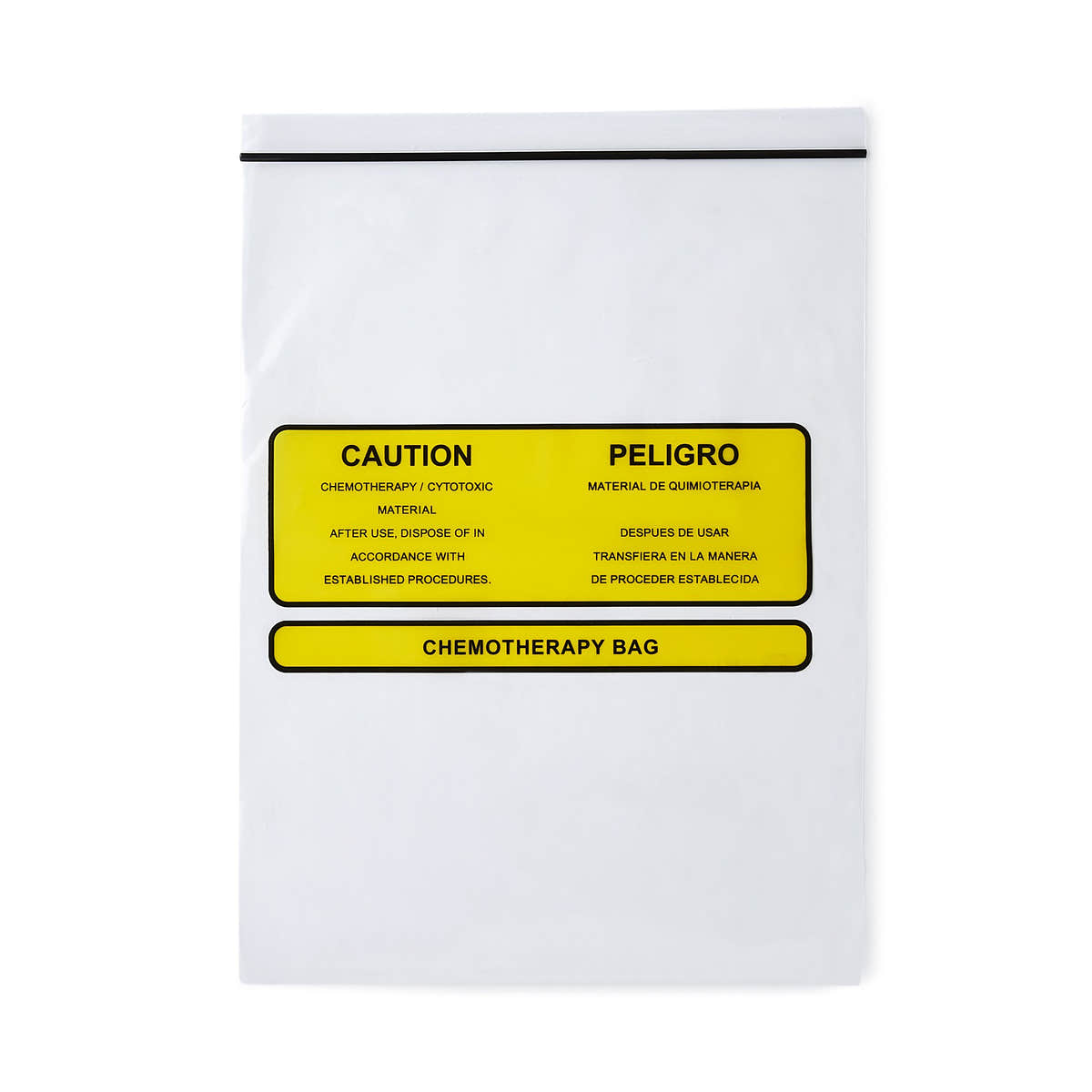
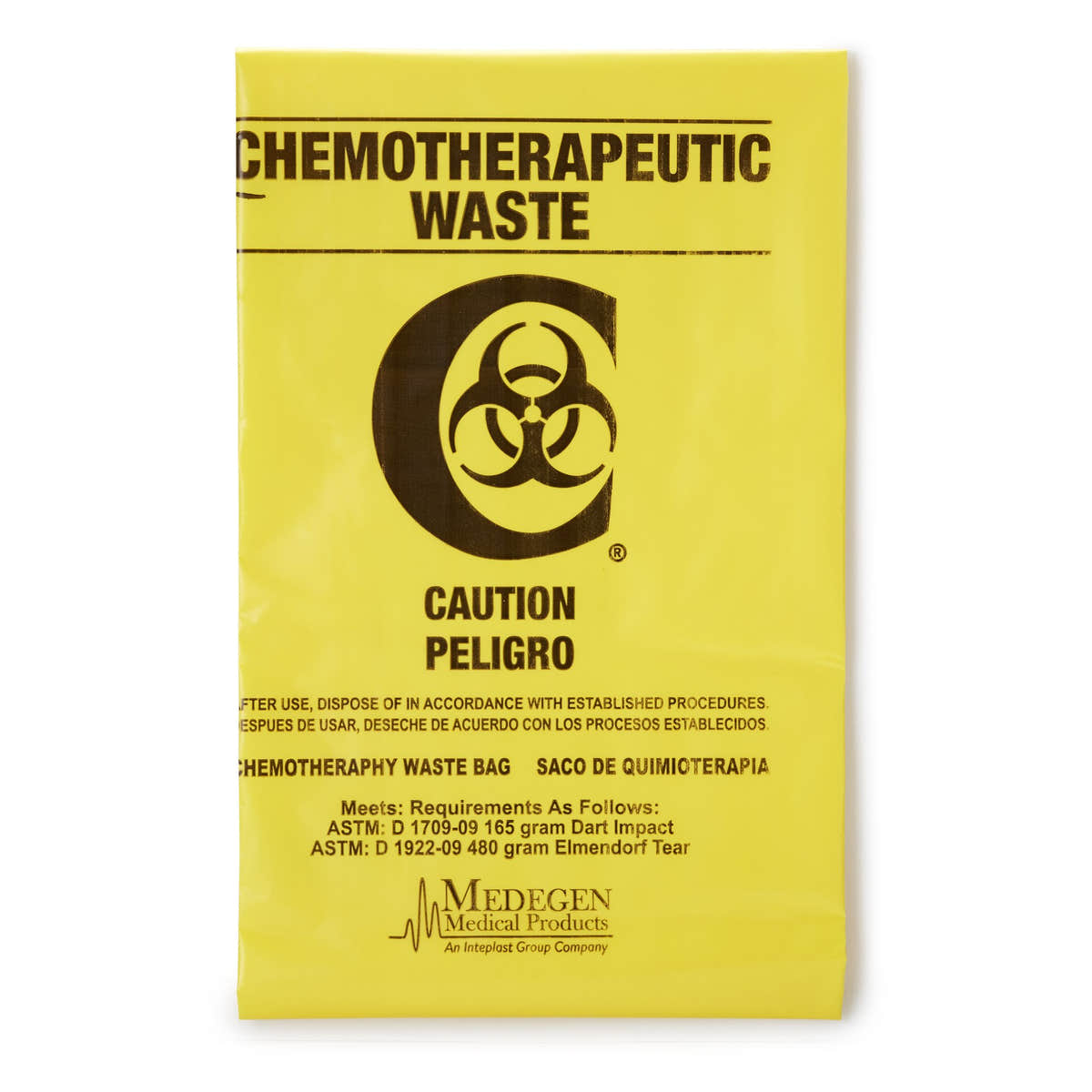
ULTRA-TUFF Chemotherapy Waste Bag -Case of 100
ULTRA-TUFF Infectious Waste Bag, 10-15 gal -Case of 250
ULTRA-TUFF Infectious Waste Bag
Sale priceFrom $74.99
Choose options
ULTRA-TUFF Chemotherapy Linen Bag -Case of 250
SURE-SEAL Chemotherapy Linen Bag, 40-45 gal -Case of 100
SAF-T-SEAL Chemotherapy Linen Bag - 186692_CS - 1
McKesson Red Infectious Waste Bag, 25 gal -Case of 250
McKesson Infectious Waste Bag -Case of 100
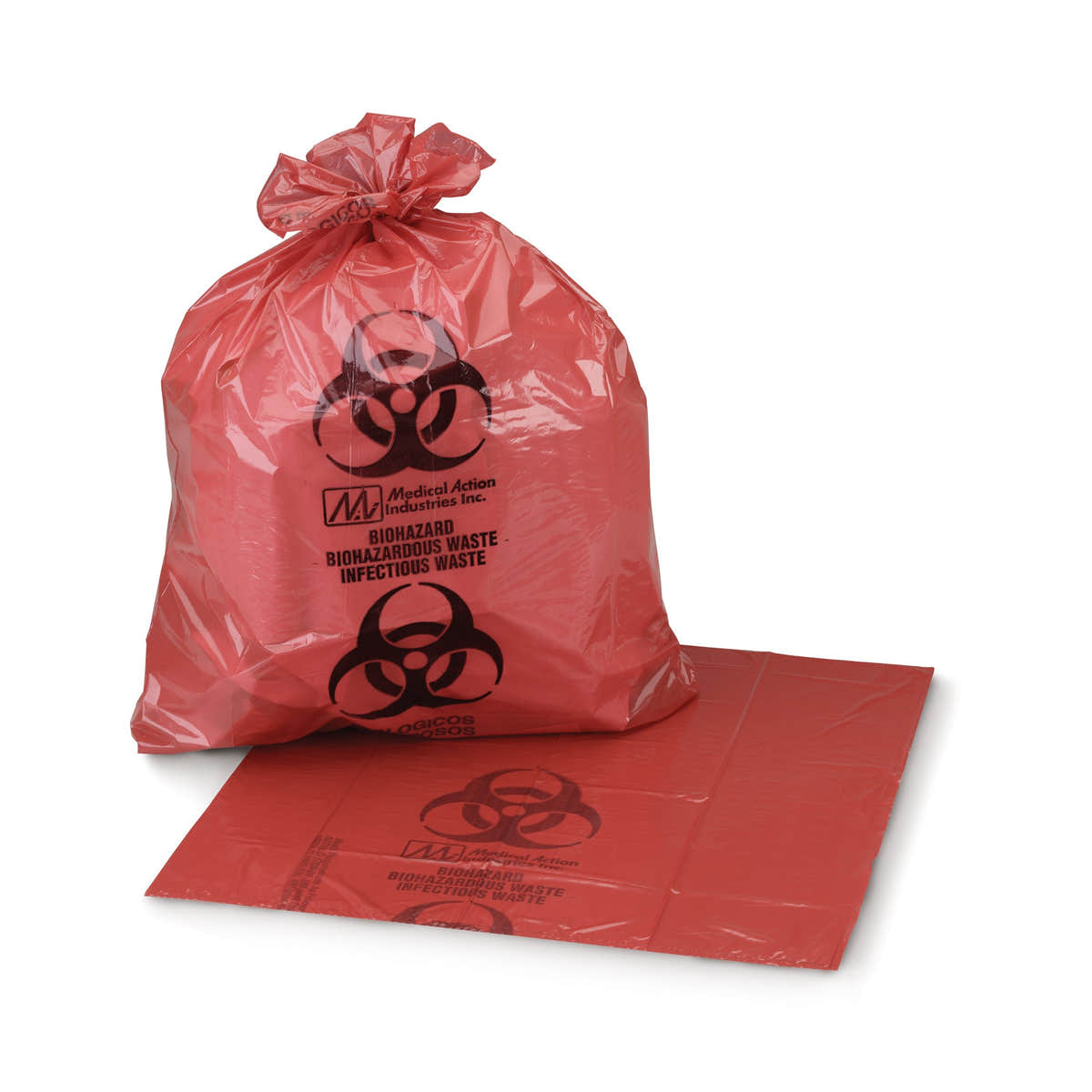
McKesson Infectious Waste Bag
Sale priceFrom $78.99
Choose options
McKesson 45 - 55 Gallon Infectious Waste Bag -Case of 150
Infectious Waste Bag - 695595_CS - 1
Infectious Waste Bag
Sale price$60.99
Heritage Infectious Waste Bag - 821351_CS - 1
Heritage Infectious Waste Bag
Sale price$218.99
Colonial Bag Corporation Infectious Waste Bag - 941027_CS - 1
Chemotherapy Linen Bag - 282051_CS - 1
Chemotherapy Linen Bag
Sale price$218.99
Bio-Bag Infectious Waste Bag -Box of 50
Bio-Bag Infectious Waste Bag
Sale price$120.99

Frequently Asked Questions about Biohazard Bags

Biohazard bags are used to safely collect and dispose of infectious medical waste, including contaminated materials, blood-soaked items, and other potentially hazardous biological substances. These bags are designed to contain hazardous materials securely and are required by OSHA and EPA regulations in healthcare and medical settings.

Biohazard waste bags are designed for healthcare facilities, medical offices, laboratories, and any setting where infectious or hazardous biological waste is generated. Nurses, lab technicians, waste management staff, and other healthcare workers who handle medical waste on a regular basis rely on these bags to stay compliant and safe.

Place infectious or contaminated materials directly into a biohazard bag without overfilling it, then seal the bag securely before disposal. Sealed biohazard bags must be handed off to a licensed medical waste disposal service and should never be placed in standard trash receptacles.

Biohazard bags are available in a wide range of sizes to fit different waste containers, from small bags for countertop bins to large bags exceeding 40 gallons for floor-standing containers. Choosing the right size depends on the volume of waste generated and the dimensions of the waste receptacle being lined.

Yes, biohazard bags are made from strong, puncture-resistant material specifically designed to prevent tears and leaks when containing hazardous medical waste. This construction helps ensure that infectious materials stay securely contained during handling, transport, and disposal.

Yes, biohazard bags that meet OSHA and EPA standards are required for the legal disposal of infectious medical waste in clinical and laboratory environments. Using compliant biohazard bags helps facilities avoid regulatory violations and protects staff and the public from exposure to hazardous materials.

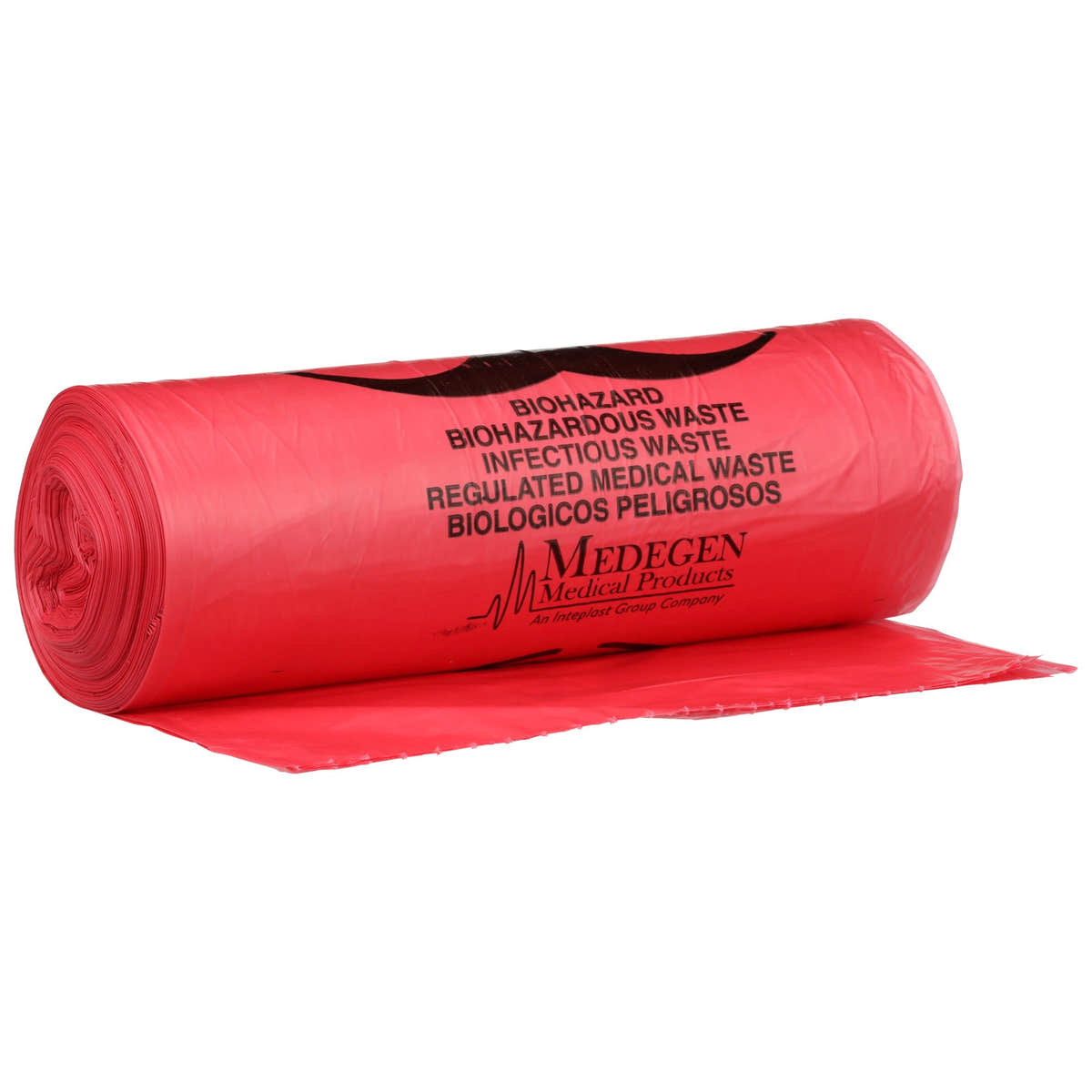
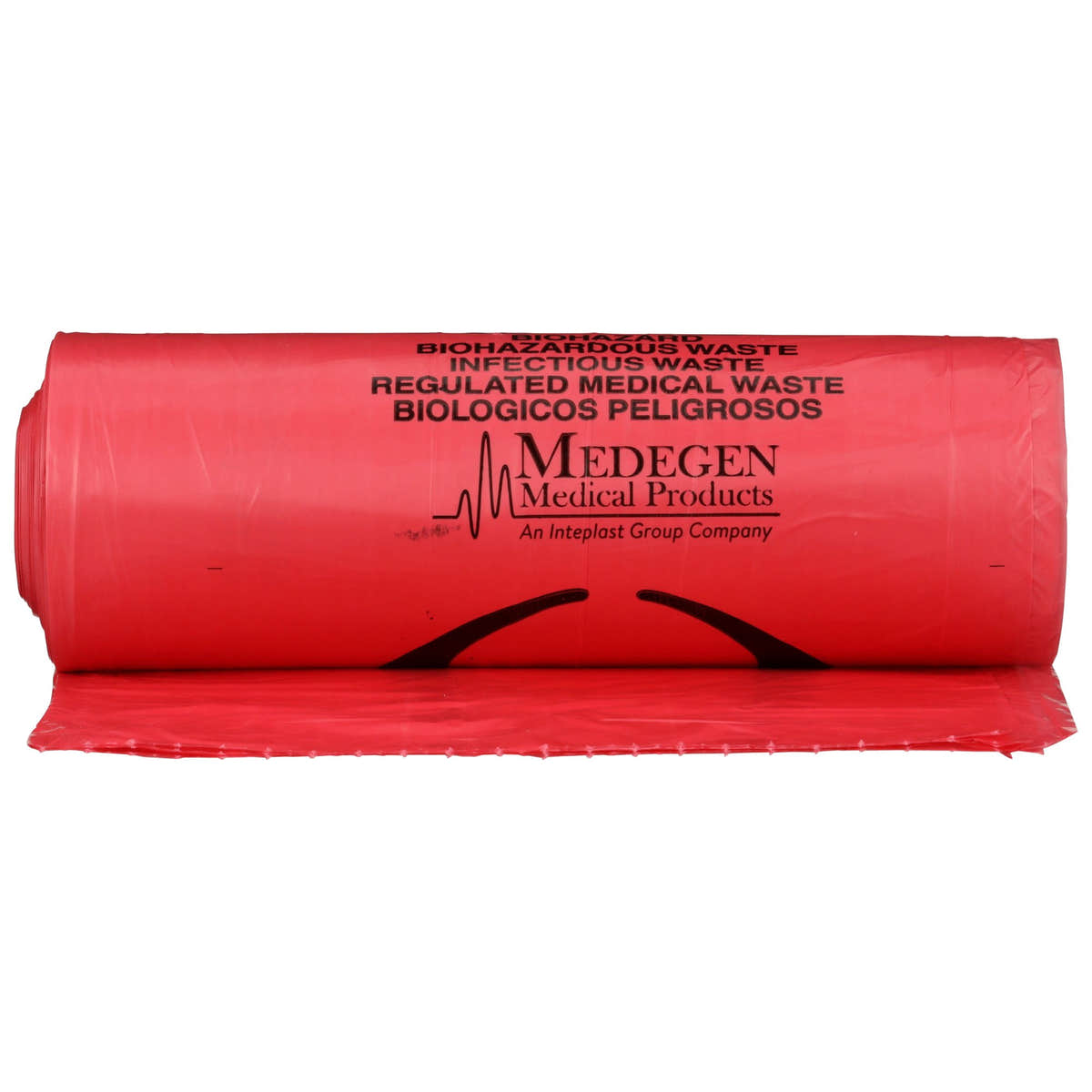
Because color-coding is a critical part of medical waste identification, biohazard bags are typically red or yellow to immediately signal that the contents are infectious or hazardous. This visual distinction helps healthcare workers quickly differentiate biohazard waste from regular trash and reduces the risk of accidental exposure.

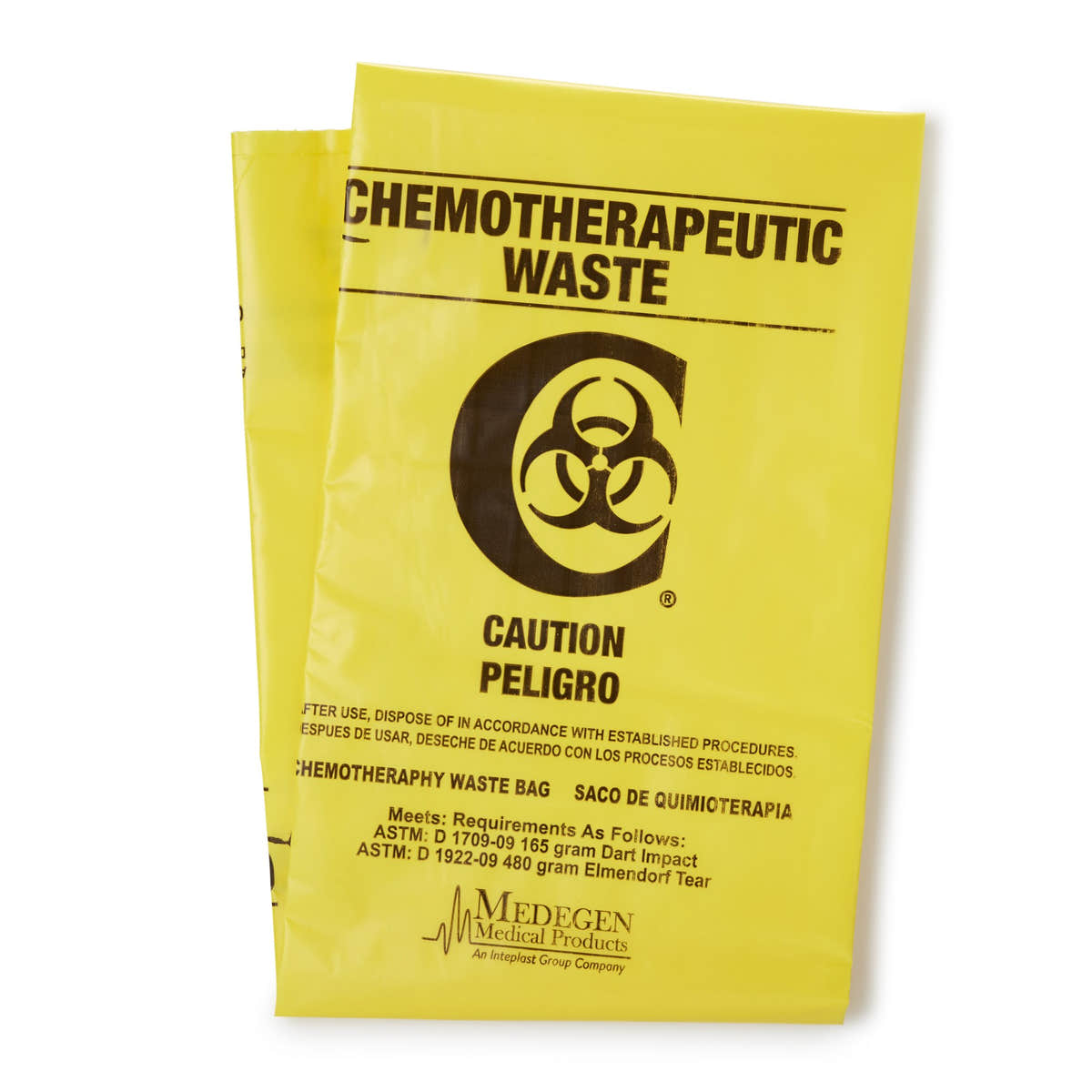
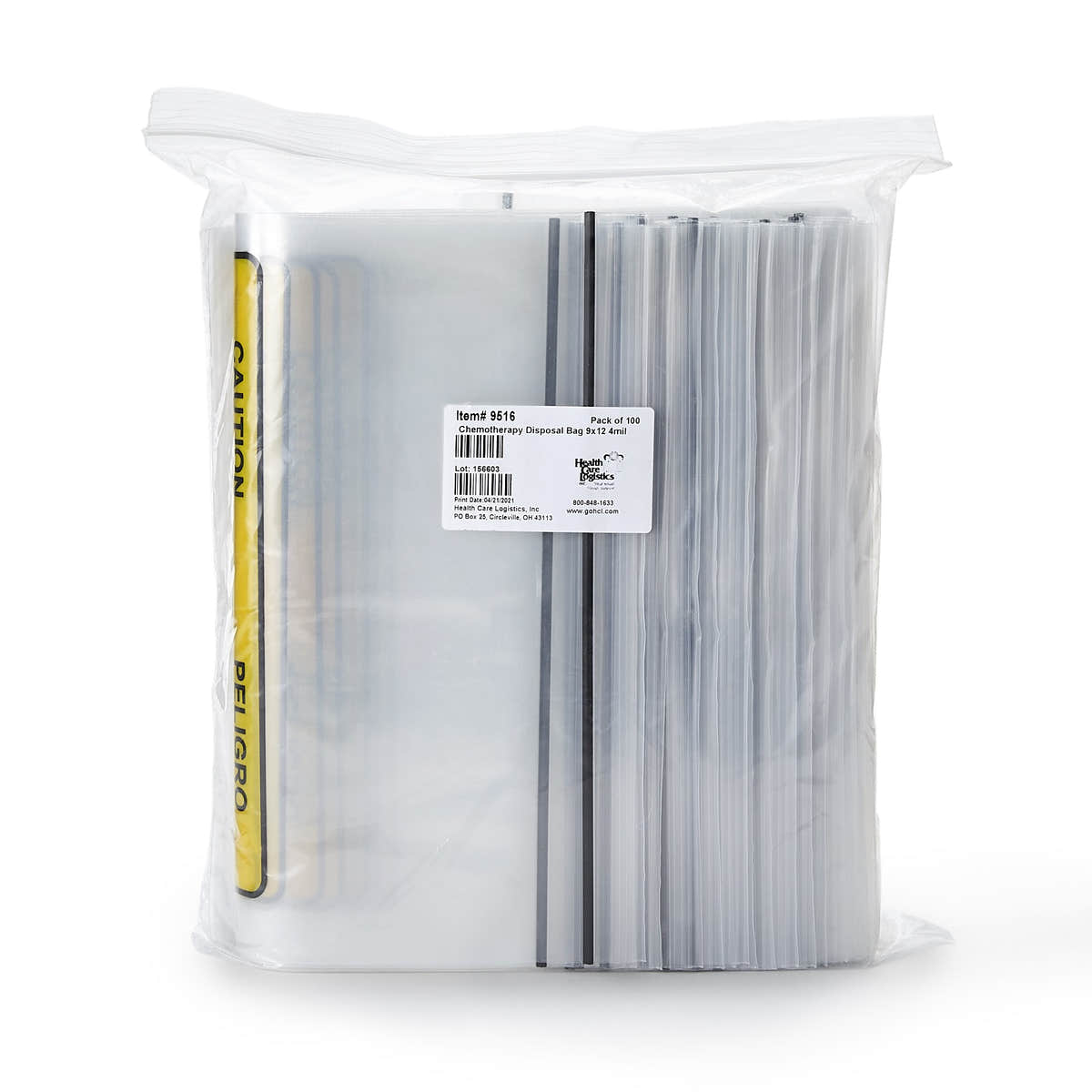
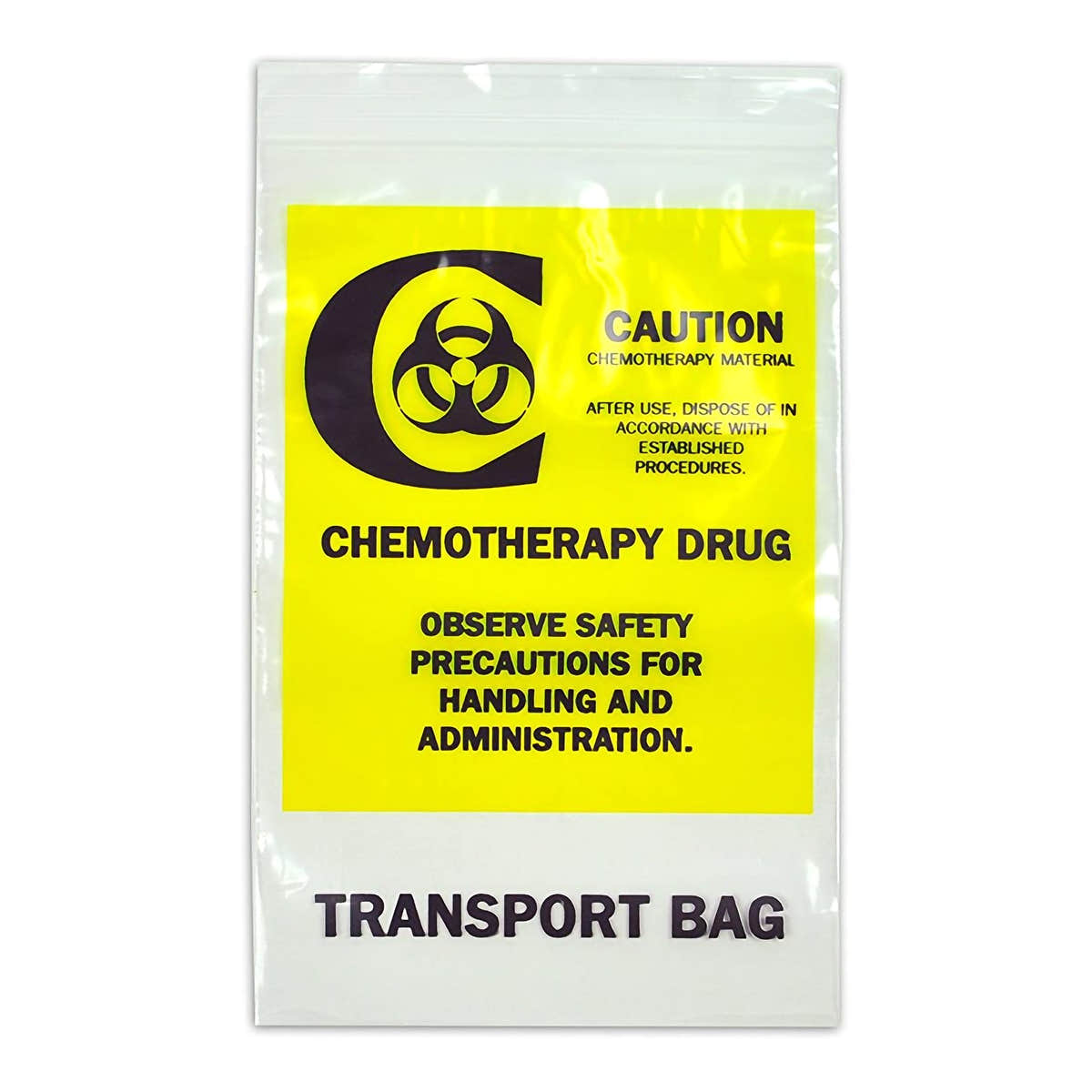
Biohazard bags are used for general infectious medical waste, while chemotherapy waste bags and chemotherapy linen bags are specifically designed to contain materials contaminated with cytotoxic drugs used in cancer treatment. Chemotherapy waste bags often meet stricter containment standards due to the chemical hazards involved in addition to biological ones.

Unused biohazard bags should be stored in a clean, dry location away from sharp objects, extreme temperatures, and direct sunlight, which can degrade the bag material over time. Keeping biohazard bags in a designated supply area ensures they remain intact and ready for use when needed.

Yes, purchasing biohazard bags in bulk is a cost-effective approach for medical facilities that generate infectious waste on a daily basis. Buying larger quantities reduces the per-unit cost and ensures staff always have an adequate supply on hand, minimizing the risk of running out during critical operations.

Recently viewed