Shoelaces

3 products

Showing 1 - 3 of 3 products

Elastic Shoelaces That Make Every Step Easier

Cart Health's shoelace collection focuses on elastic and adaptive styles designed for anyone who wants a more convenient, secure fit without the hassle of traditional tying. Whether you're looking for a simple upgrade to an everyday pair of shoes or need a lace that stays put through an active day, you'll find trusted options from established brands like Nova Ortho-Med and Fabrication Enterprises — delivered discreetly to your door.
Showing 1 - 3 of 3 products
View
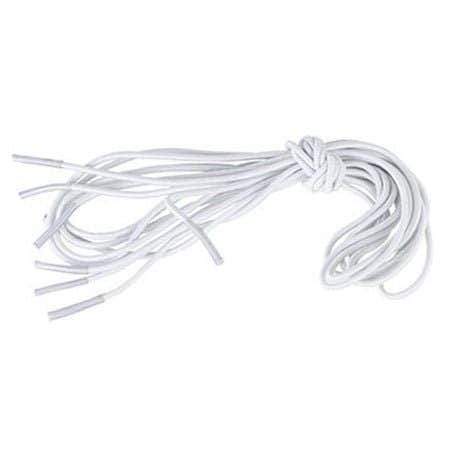
Fabrication Enterprises Elastic Shoelaces - 996717_PK - 1
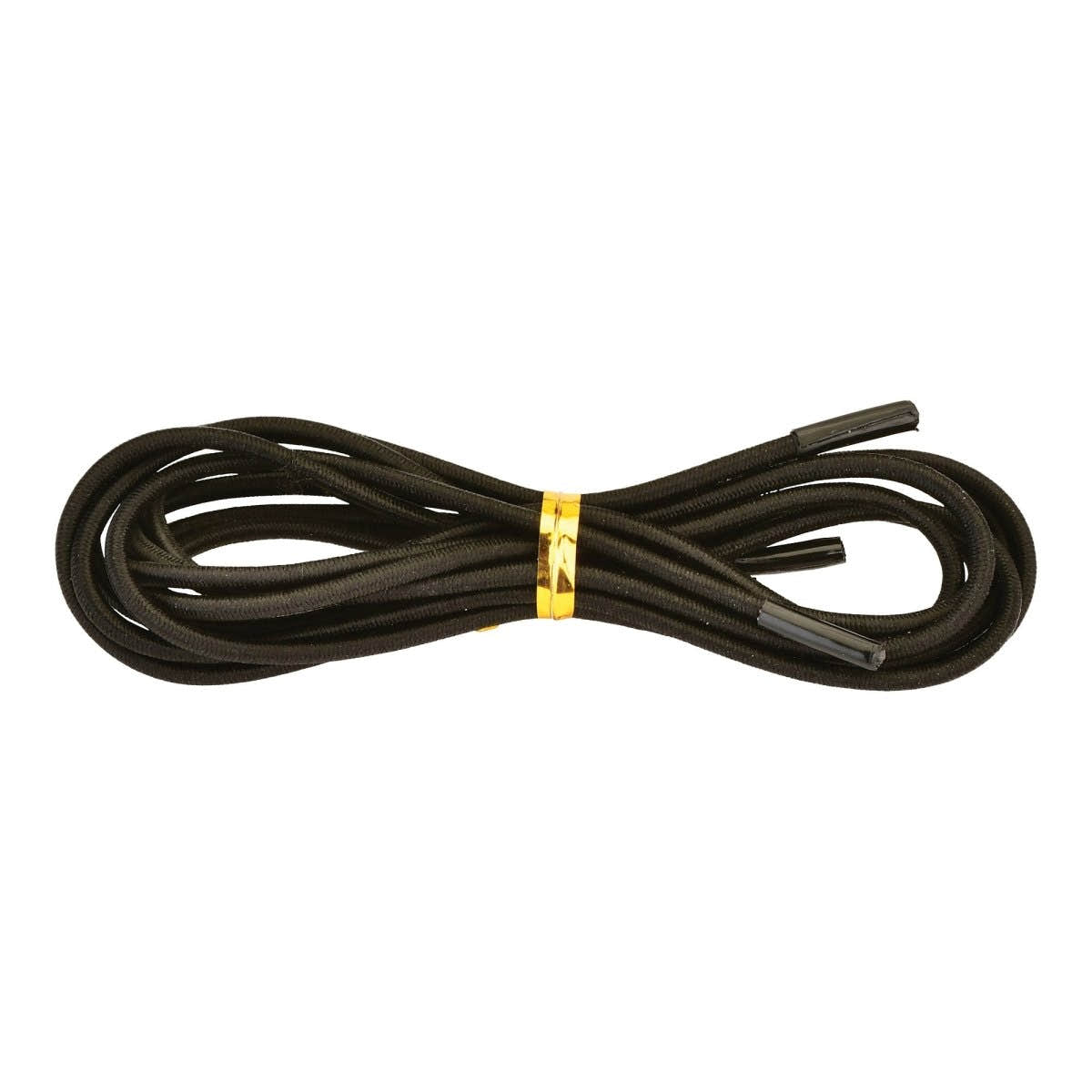
Nova Ortho-Med Elastic Shoelaces - 1172929_EA - 1

Frequently Asked Questions about Shoelaces

Elastic shoelaces are flexible, stretch-fit laces designed to replace standard shoelaces so shoes can slip on and off without tying. Elastic shoelaces allow the shoe to expand and contract with foot movement, making them especially useful for people who have difficulty with fine motor tasks like tying knots.

Elastic shoelaces are designed for people who have difficulty tying traditional laces due to arthritis, limited hand dexterity, mobility challenges, or conditions that affect fine motor skills. Elastic shoelaces are also popular among older adults, individuals recovering from injury, and anyone who wants a faster, more convenient way to put on shoes.

Start by removing your existing laces, then thread the elastic shoelaces through the eyelets of your shoe the same way standard laces are routed. Once laced, adjust the tension so the shoe fits snugly but comfortably, then secure the cord-lock or tie off the ends according to the style of elastic shoelace you have.

Yes, elastic shoelaces can fit most standard lace-up shoes, sneakers, and athletic footwear as long as the shoe has eyelets. Compatibility depends on the number of eyelets and the width of the eyelets, so checking the lace length and eyelet size before purchasing is recommended to ensure a proper fit.

Yes, elastic shoelaces are safe for everyday use and are commonly recommended by occupational therapists as an adaptive aid for daily living. Elastic shoelaces provide a secure fit during normal activity while still allowing easy removal, though they may not be suitable for high-performance athletic activities that require a very firm, locked-down lace tension.

Because elastic shoelaces eliminate the need to tie and untie knots, they significantly reduce the hand and finger strain that people with arthritis experience with traditional laces. Elastic shoelaces let the shoe stretch to accommodate the foot during wear, which also helps with swelling that is common in arthritic conditions.

Elastic shoelaces with a cord-lock include a small locking clip that holds the lace tension in place once adjusted, so no tying is needed at all. Standard elastic shoelaces without a cord-lock are typically knotted or tucked at the ends, while cord-lock versions offer a tool-free, one-handed adjustment that is easier for people with limited grip strength.

Elastic shoelaces for medical and adaptive use can be purchased through medical supply retailers like Cart Health, which offers discreet shipping directly to your home. Buying from a medical supply source ensures the elastic shoelaces are designed to meet the needs of people with mobility or dexterity challenges, rather than standard fashion laces.

Clean elastic shoelaces by hand-washing them in mild soap and warm water, then allow them to air dry completely before reinstalling them in your shoes. Avoid machine drying elastic shoelaces, as high heat can break down the elastic fibers over time and reduce their stretch and durability.

Elastic shoelaces are one of the most affordable and least disruptive adaptive fastening options because they work with shoes you already own without requiring modifications. Compared to hook-and-loop shoe closures or slip-on shoes, elastic shoelaces maintain the appearance of a traditionally laced shoe while still providing the ease of a no-tie solution.

Recently viewed