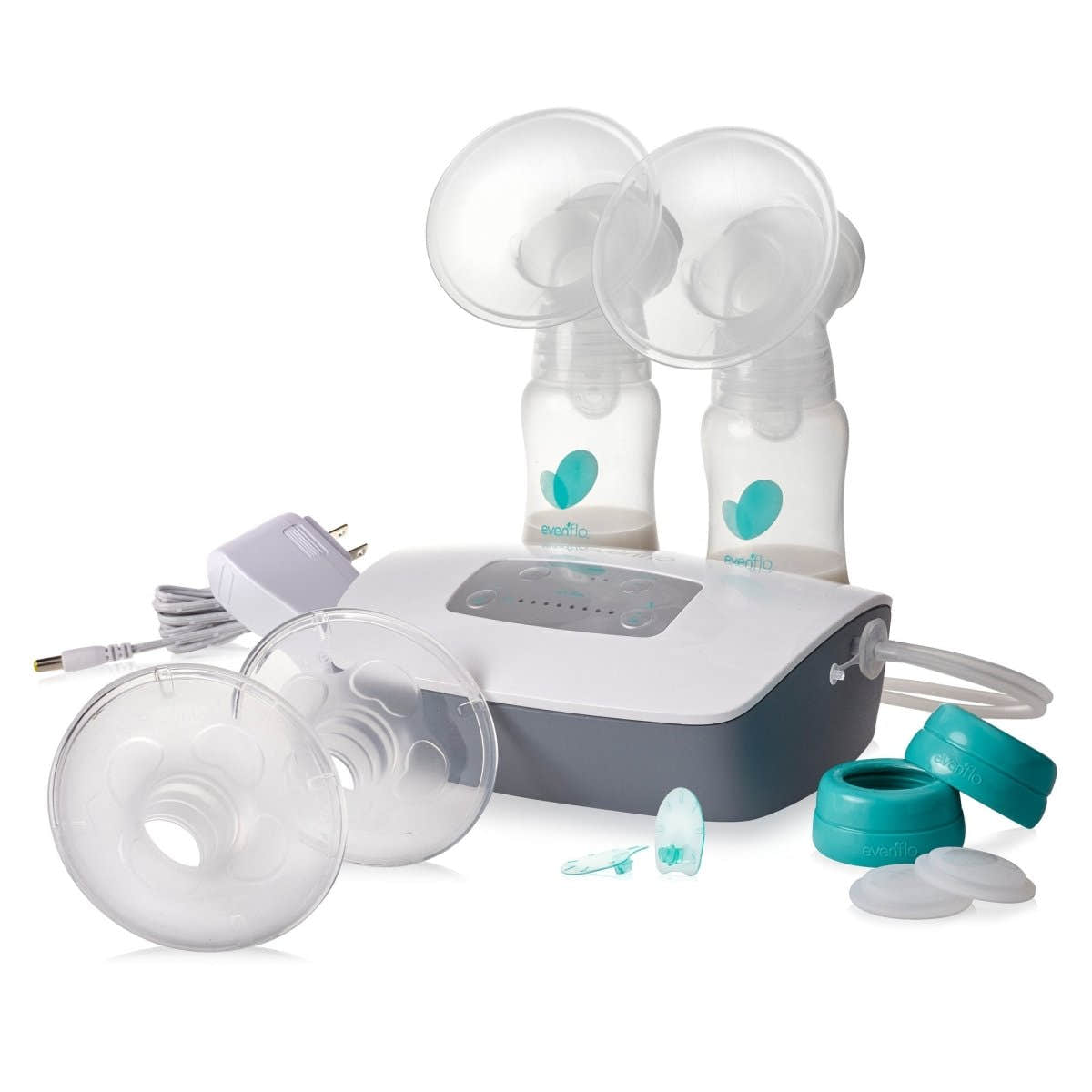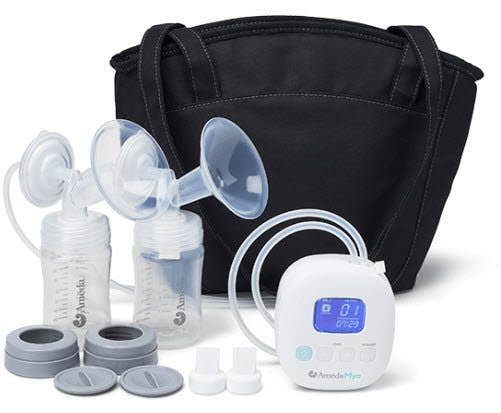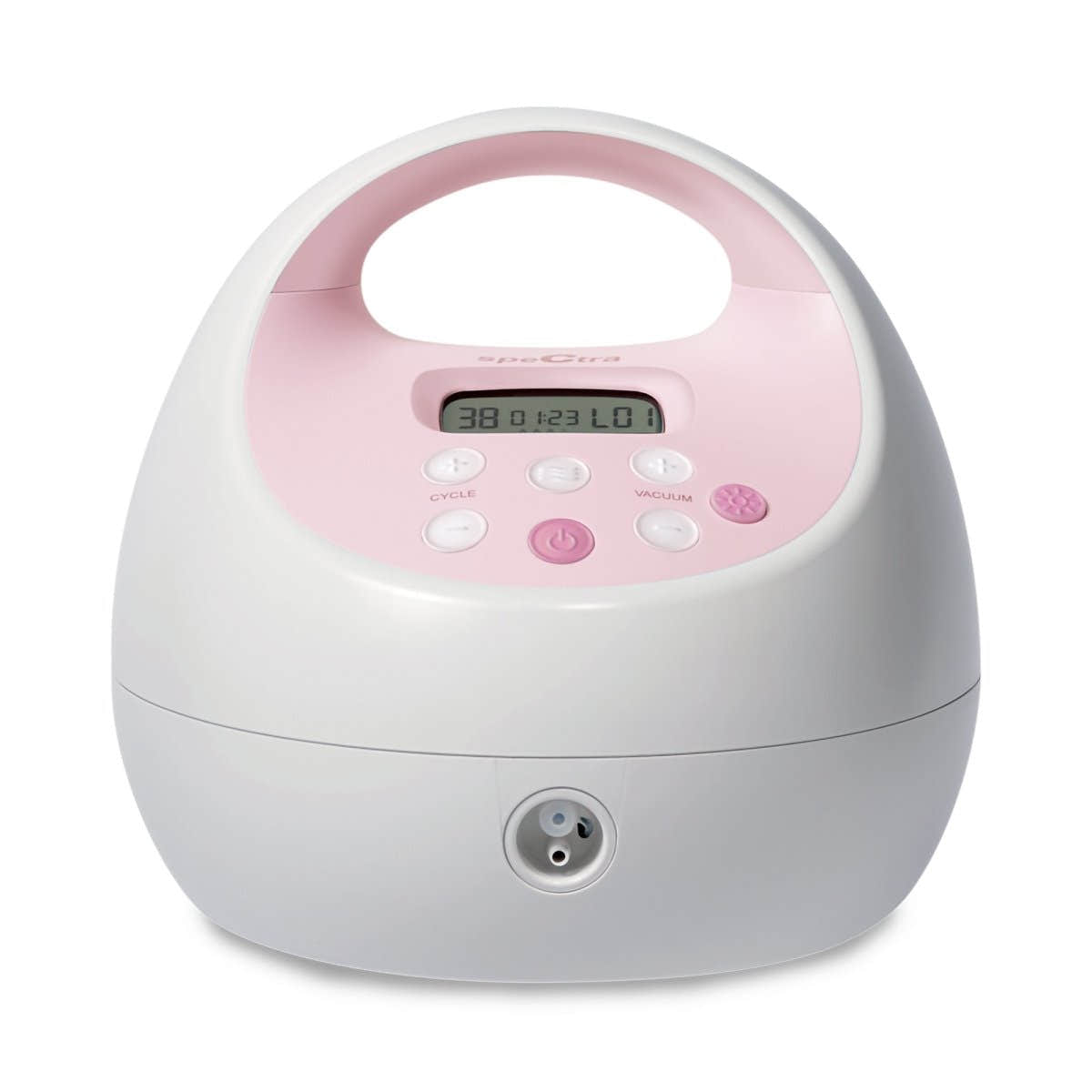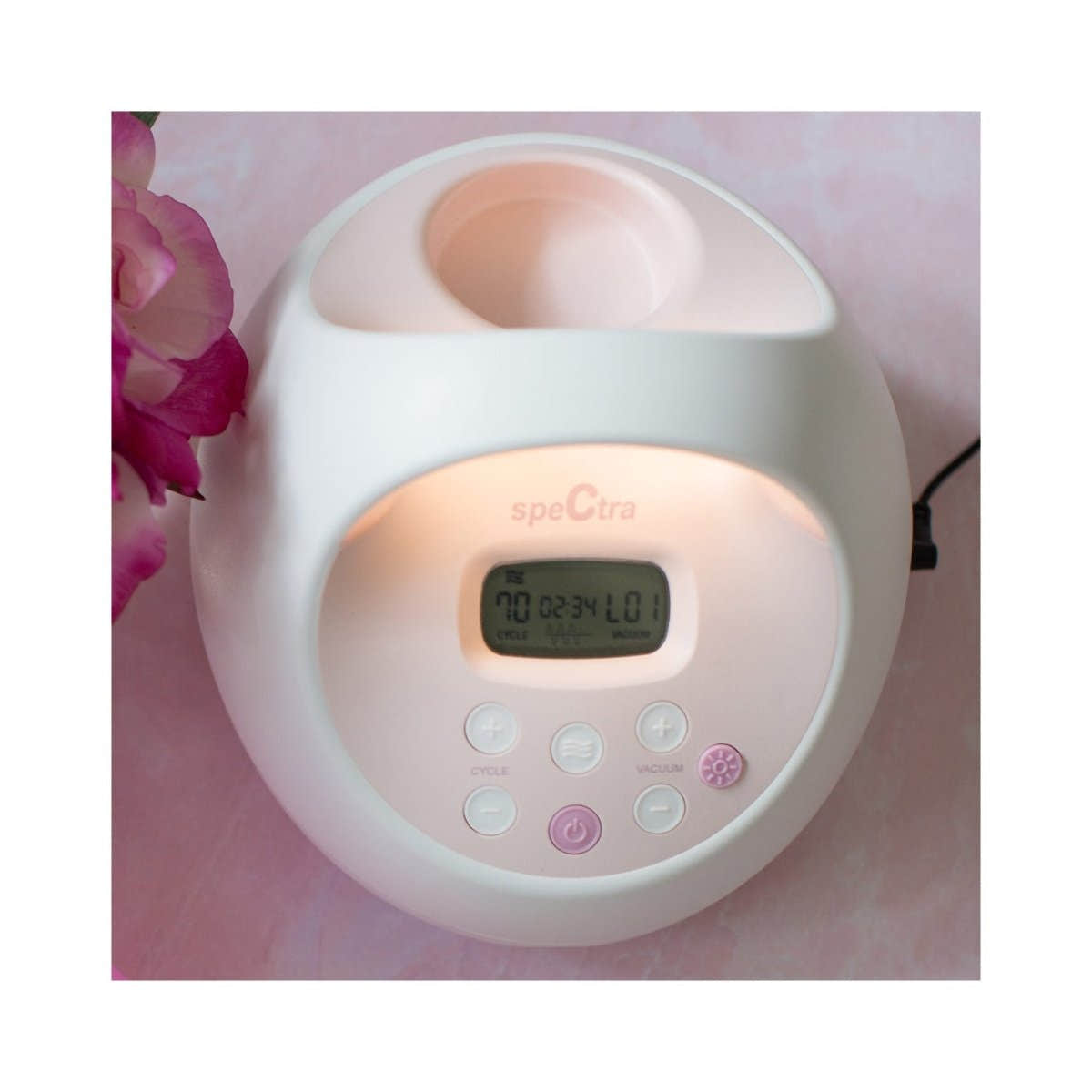
For new mothers, navigating the world of breast pumps and supplies can be overwhelming. According to the CDC, breastfeeding is one of the most effective ways to ensure a baby's health and development. A good breast pump can make all the difference in a mother's ability to provide for her child. In this FAQ, we will cover the most common questions about breast pumps and supplies, including how to choose the right one, how to use it, and how to maintain it. Our breast pumps collection offers a wide range of products to support breastfeeding mothers.
What is a breast pump and how does it work?
A breast pump is a device used to express milk from the breasts. It works by creating a gentle suction that stimulates the milk letdown reflex, allowing the mother to express milk for her baby. According to the NIH, there are several types of breast pumps available, including manual, single electric, and double electric pumps.
How do I choose the right breast pump for me?
Choosing the right breast pump depends on several factors, including frequency of use, personal comfort, and budget. The American Academy of Pediatrics recommends that mothers consider a pump that is comfortable, easy to use, and has multiple settings. Our breast pumps collection offers a variety of options to suit different needs and preferences.
How often should I use a breast pump?
The frequency of breast pump use depends on individual circumstances. According to the CDC, mothers who are exclusively breastfeeding may not need to use a pump at all, while those who are supplementing with formula or expressing milk for a baby in the NICU may need to use a pump more frequently. It's best to consult with a healthcare provider for personalized advice.
How do I clean and maintain my breast pump?
Proper cleaning and maintenance of a breast pump are crucial to ensure safety and effectiveness. The FDA recommends washing hands before handling the pump, and cleaning and sanitizing the pump parts after each use. Regular maintenance, such as replacing worn-out parts, can also help extend the life of the pump.
Can I use a breast pump if I have a low milk supply?
Yes, a breast pump can be helpful in increasing milk supply. According to the NIH, frequent expression of milk can stimulate the production of more milk. However, it's essential to consult with a healthcare provider to rule out any underlying medical conditions that may be contributing to low milk supply.
What are the benefits of using a breast pump?
The benefits of using a breast pump include increased milk supply, relief from engorgement, and the ability to store expressed milk for later use. The American Academy of Pediatrics also notes that breast pumps can be helpful for mothers who need to return to work or school, as they can express milk during the day and store it for their baby's use.
Can I purchase a breast pump through my insurance?
Yes, many insurance plans cover the cost of a breast pump. According to the Affordable Care Act, most health insurance plans are required to cover the cost of a breast pump and breastfeeding supplies. It's best to check with your insurance provider to determine the specific coverage and any requirements for purchasing a pump.
Where can I find more information about breast pumps and supplies?
For more information about breast pumps and supplies, you can visit the websites of reputable organizations such as the CDC, NIH, or the American Academy of Pediatrics. You can also consult with a healthcare provider or a lactation consultant for personalized advice and guidance.
This article is for general educational purposes and is not medical advice. Always consult your healthcare provider for guidance specific to your situation.