Patient Lifters

16 products

Showing 1 - 16 of 16 products

Patient Lifters & Transfer Slings: Safe, Supported Mobility Assistance

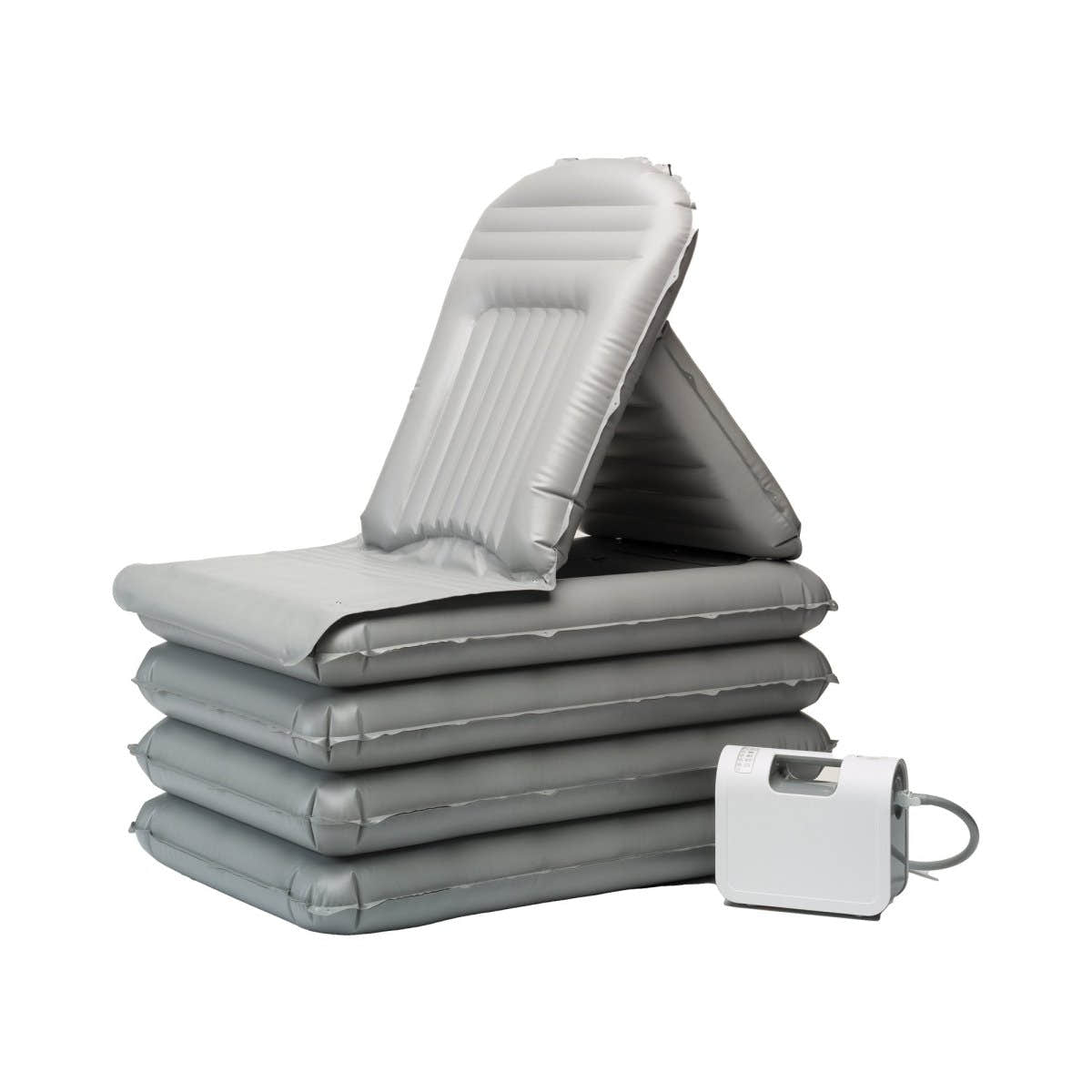
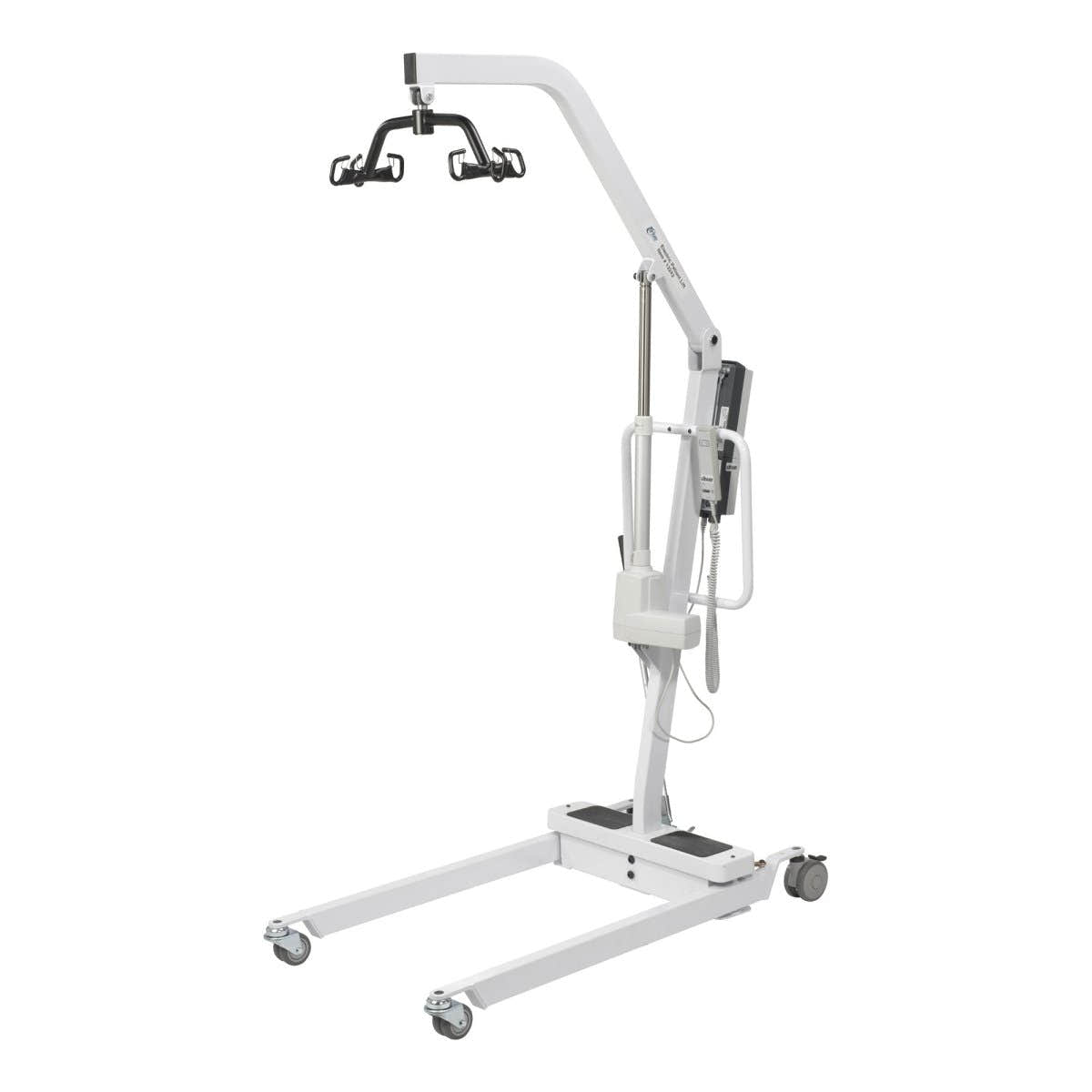
Cart Health's Patient Lifters collection brings together the equipment that caregivers and care facilities rely on to assist with safe patient transfers and repositioning. From hydraulic and battery-powered patient lifts to a wide range of body slings designed for different support needs, this collection is built around one core goal: making transfers more comfortable and manageable for everyone involved.
Showing 1 - 16 of 16 products
View
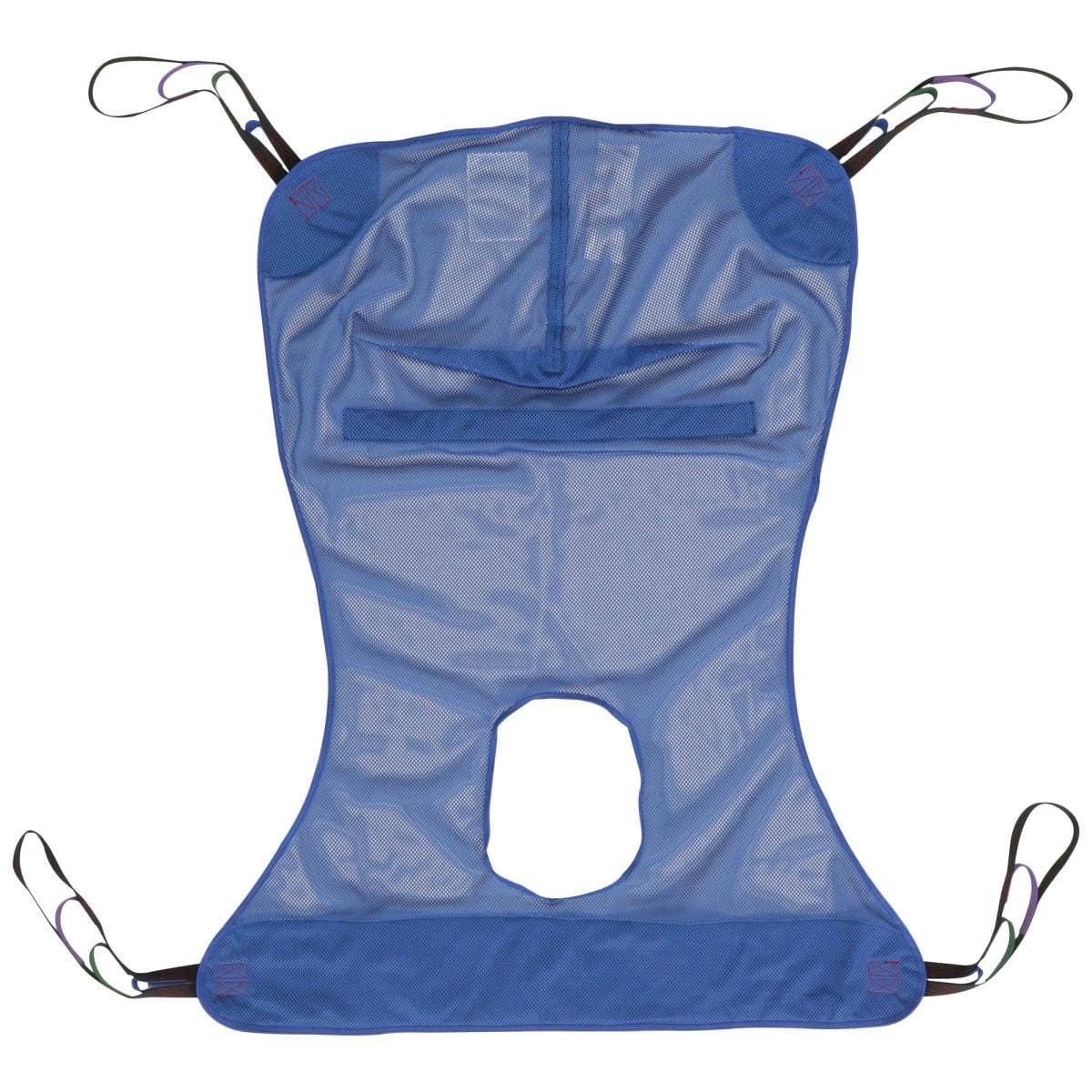
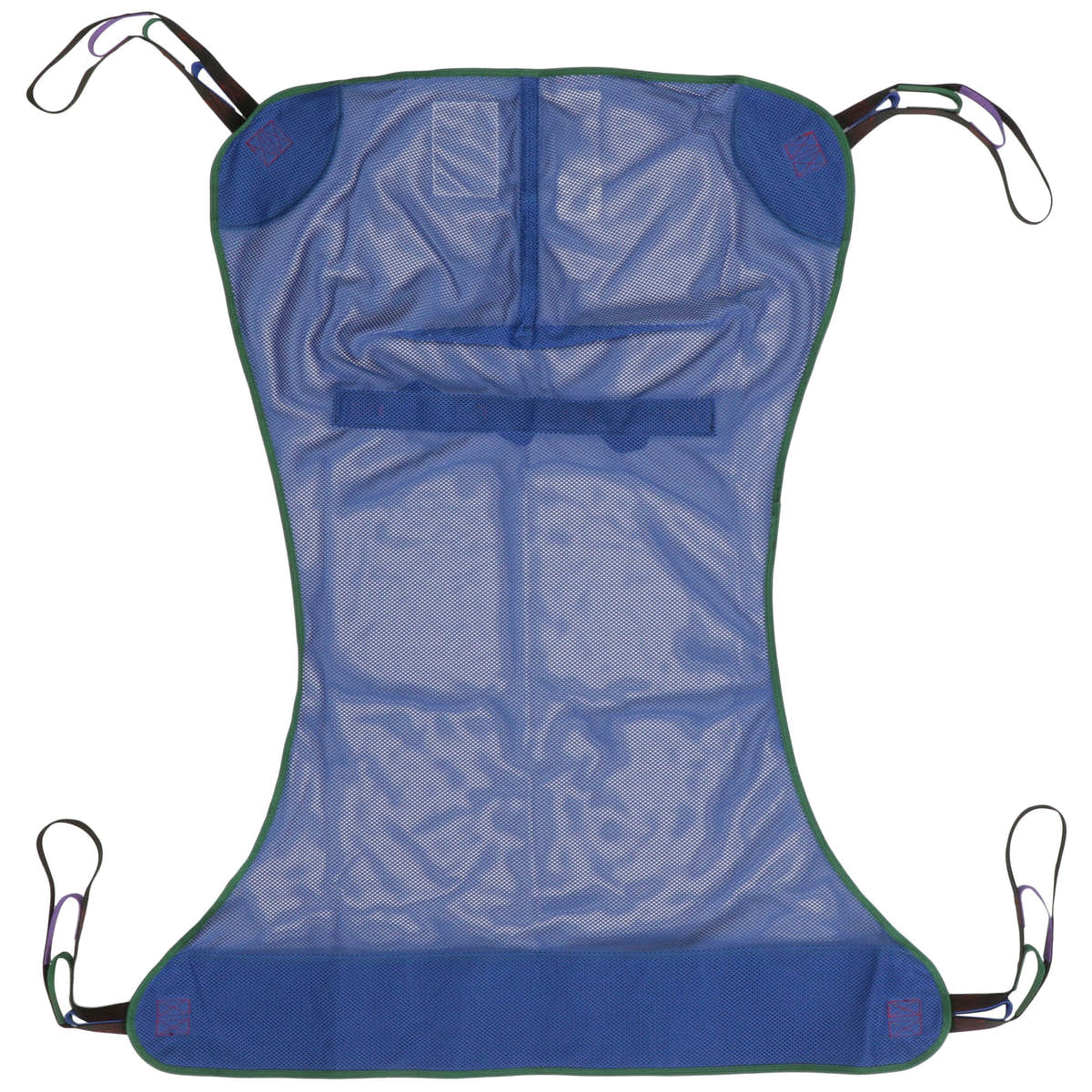
McKesson Mesh Full Body Sling, Large -Case of 12
McKesson Mesh Full Body Sling
Sale priceFrom $113.99
Choose options
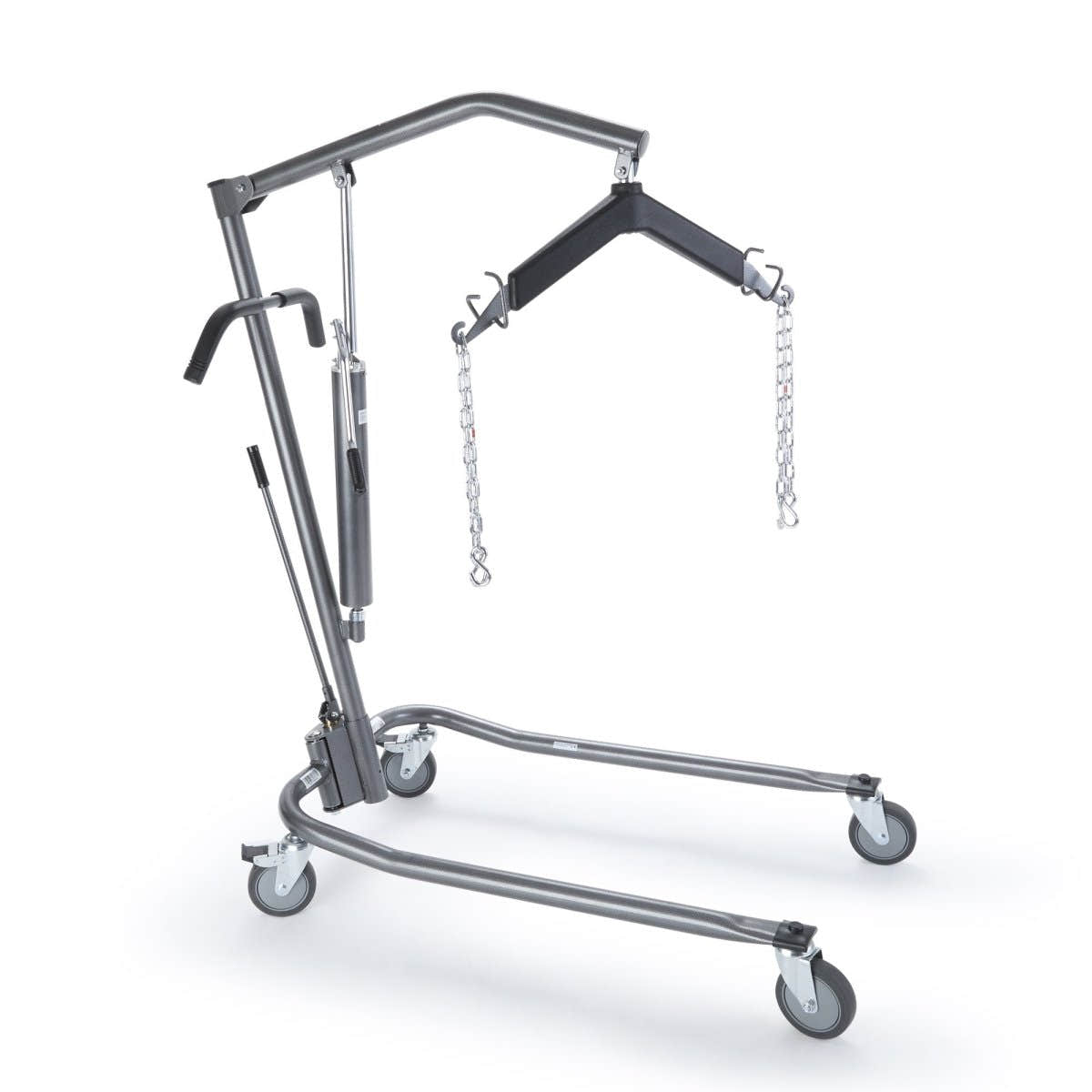
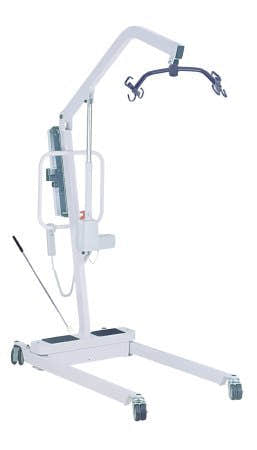
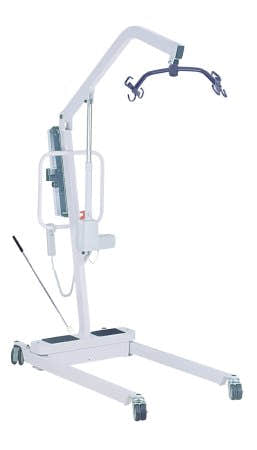
McKesson Hydraulic Patient Lift -Each
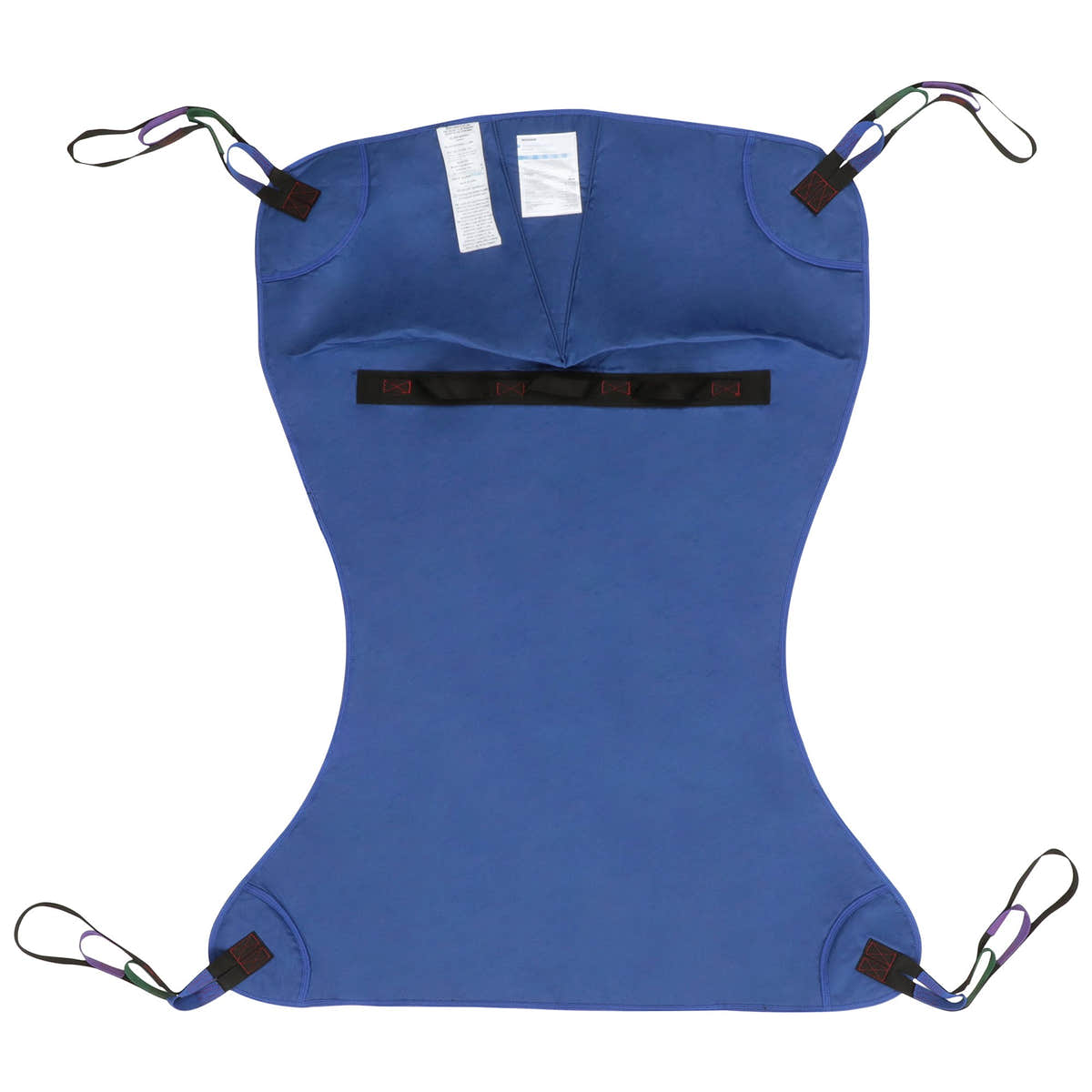
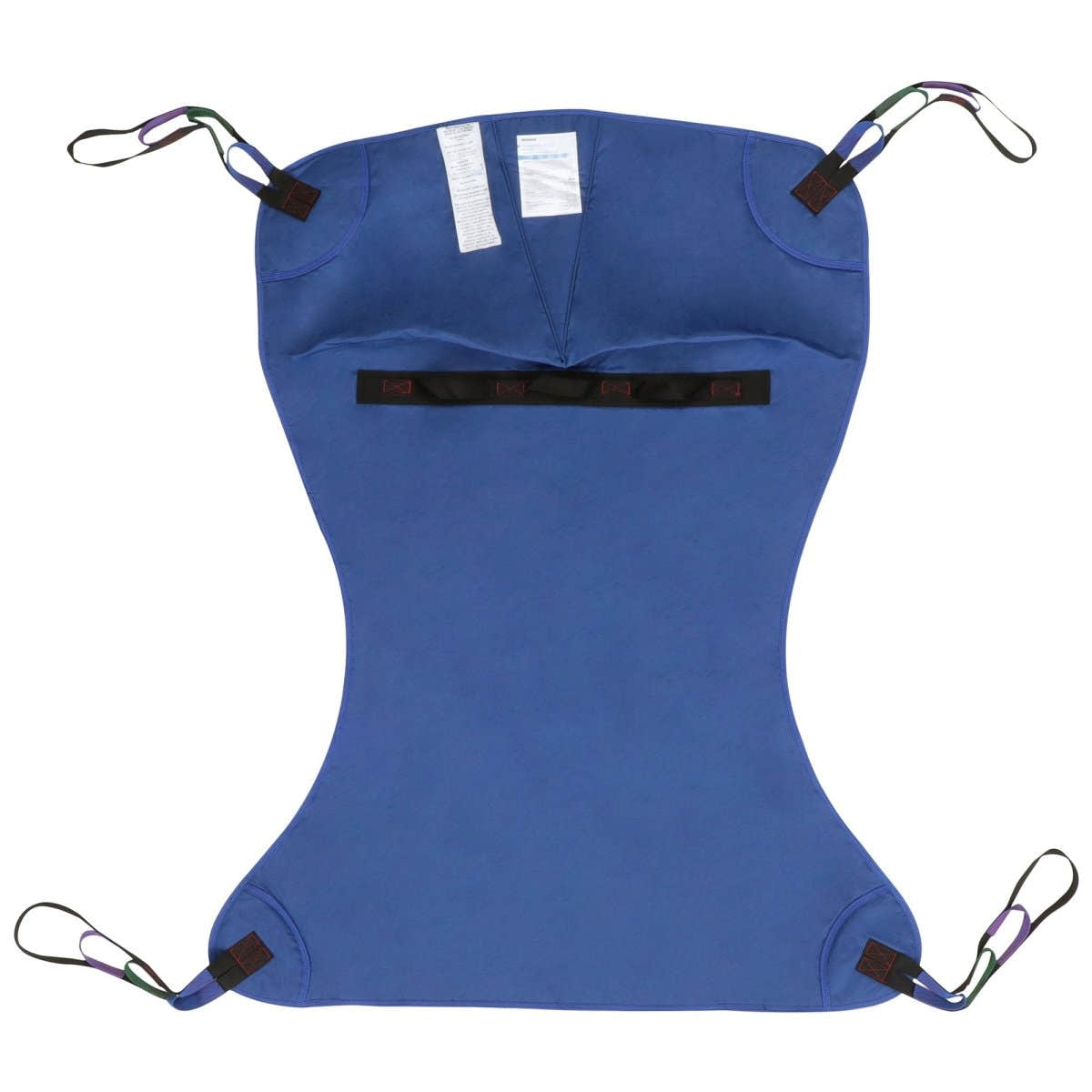
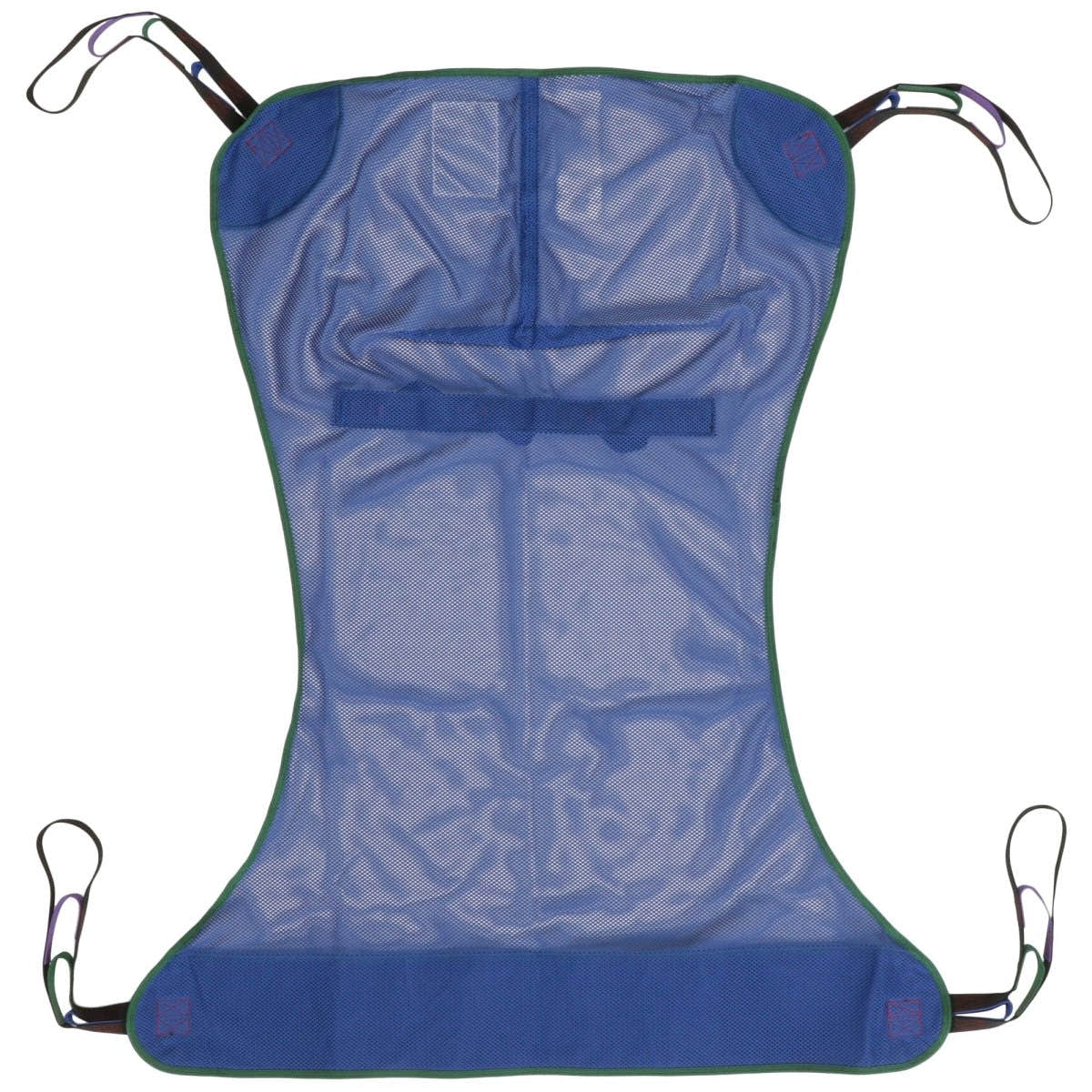
McKesson Full Body Sling, Extra Large -Case of 12
McKesson Full Body Sling
Sale priceFrom $106.99
Choose options
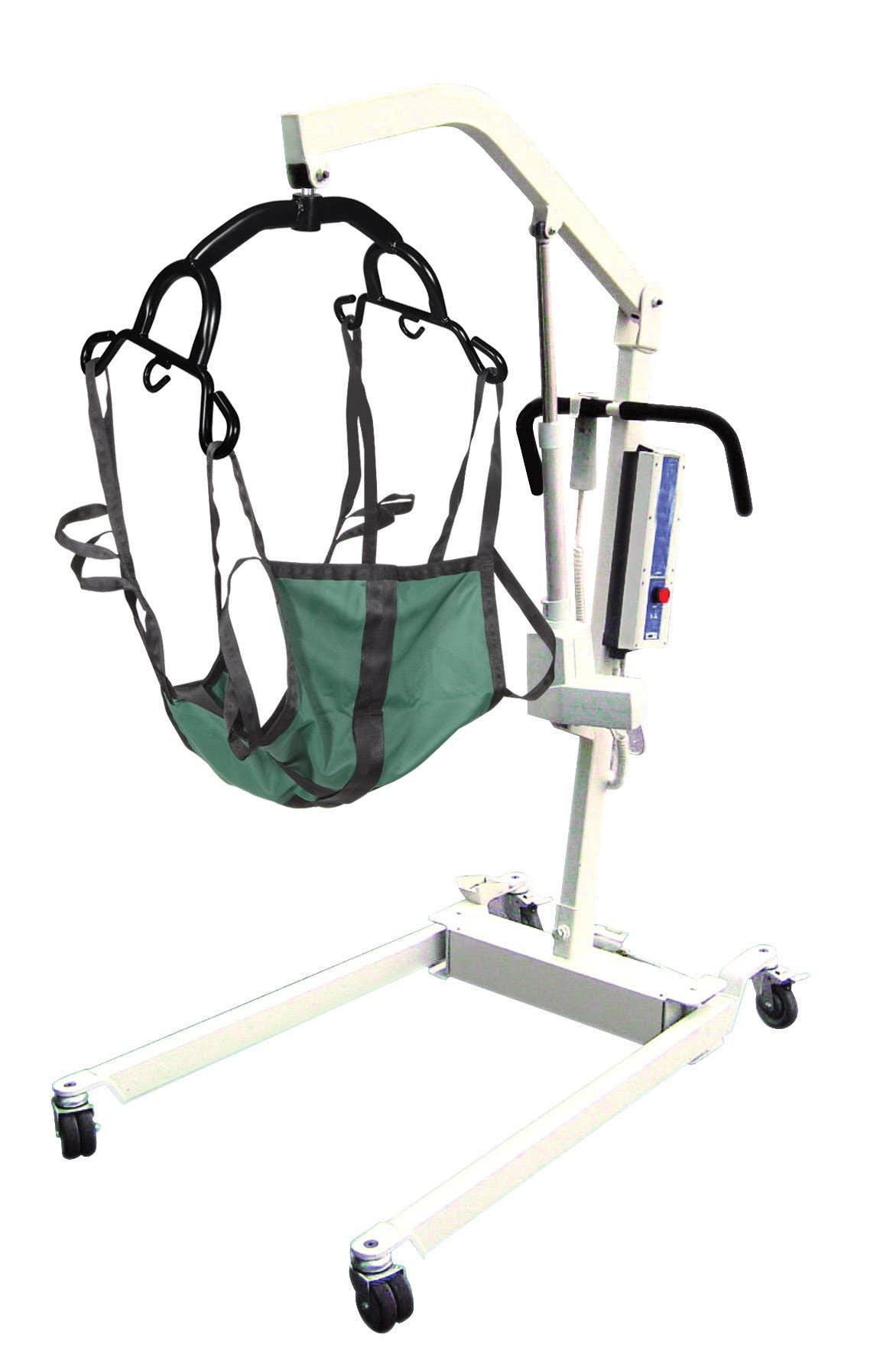
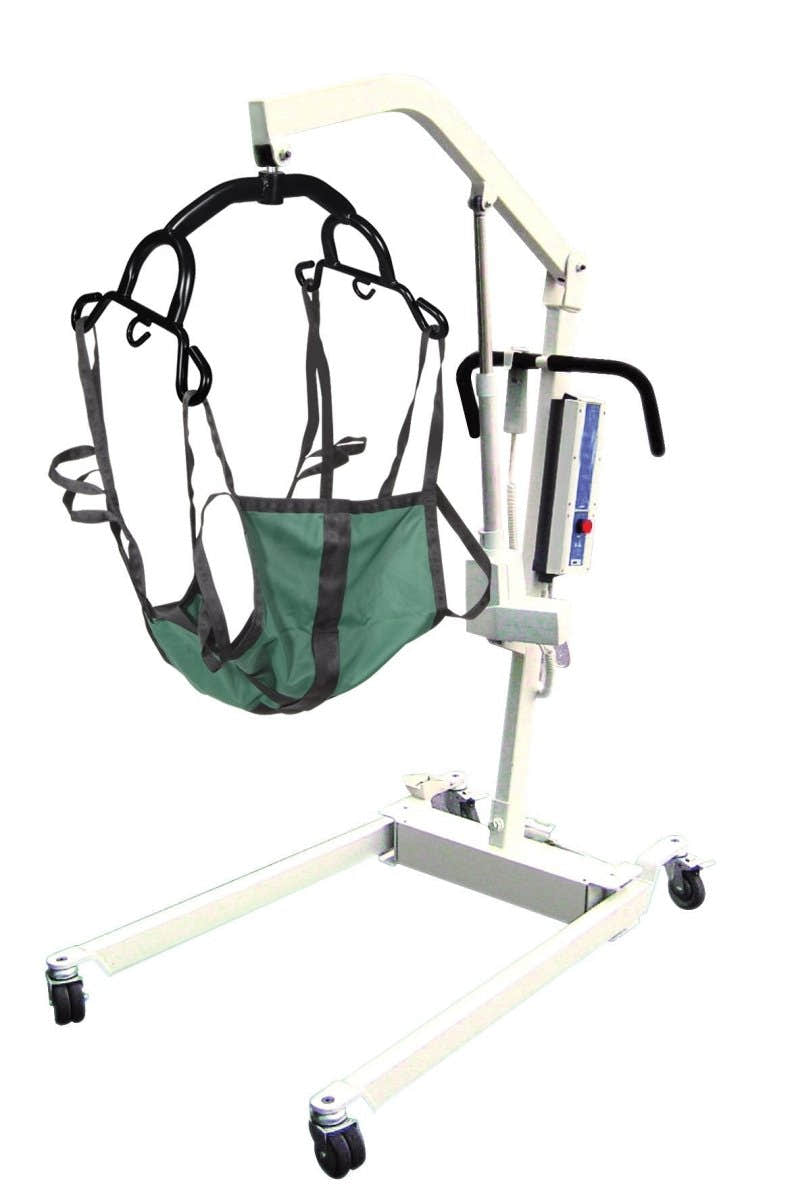
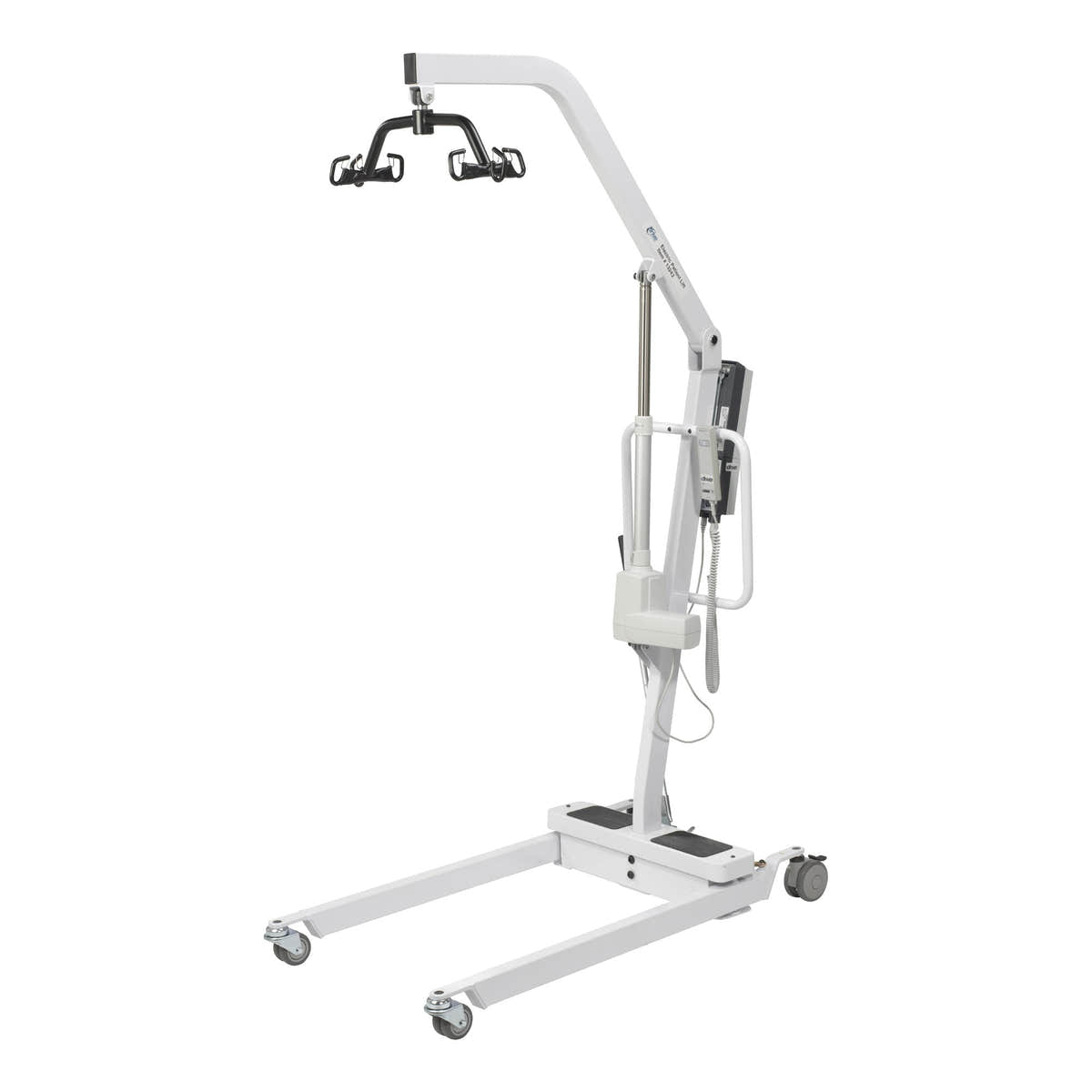
McKesson Battery Powered Patient Lift, 450-lb Weight Capacity -Each
Hoyer Four-Point Seat Sling - 350710_EA - 1
Hoyer Four-Point Seat Sling
Sale price$166.99
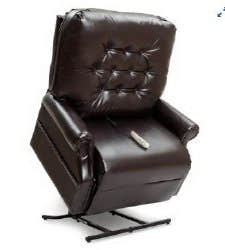
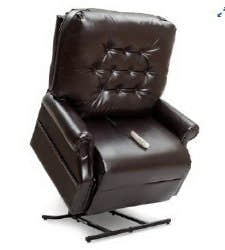
Heritage Collection Patient Lift Chair, 375 lbs. Weight Capacity -Each
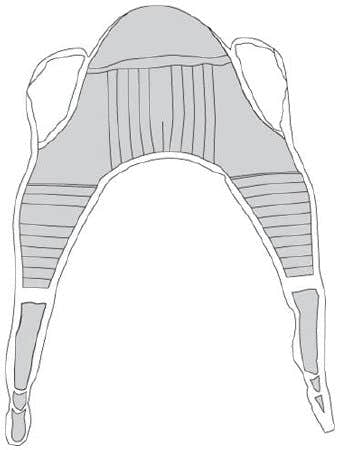
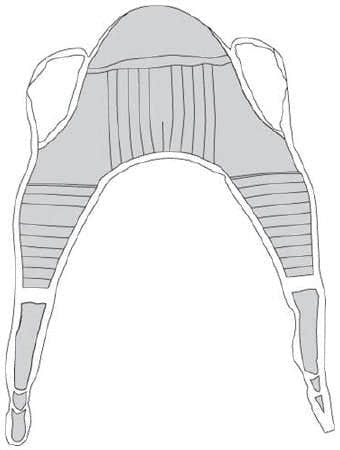
Ez Way Disposable Sling with Head Support, Large -Each
drive Seat U Sling with Head Support, Extra Large -Each
drive Seat U Sling with Head Support
Sale priceFrom $83.99
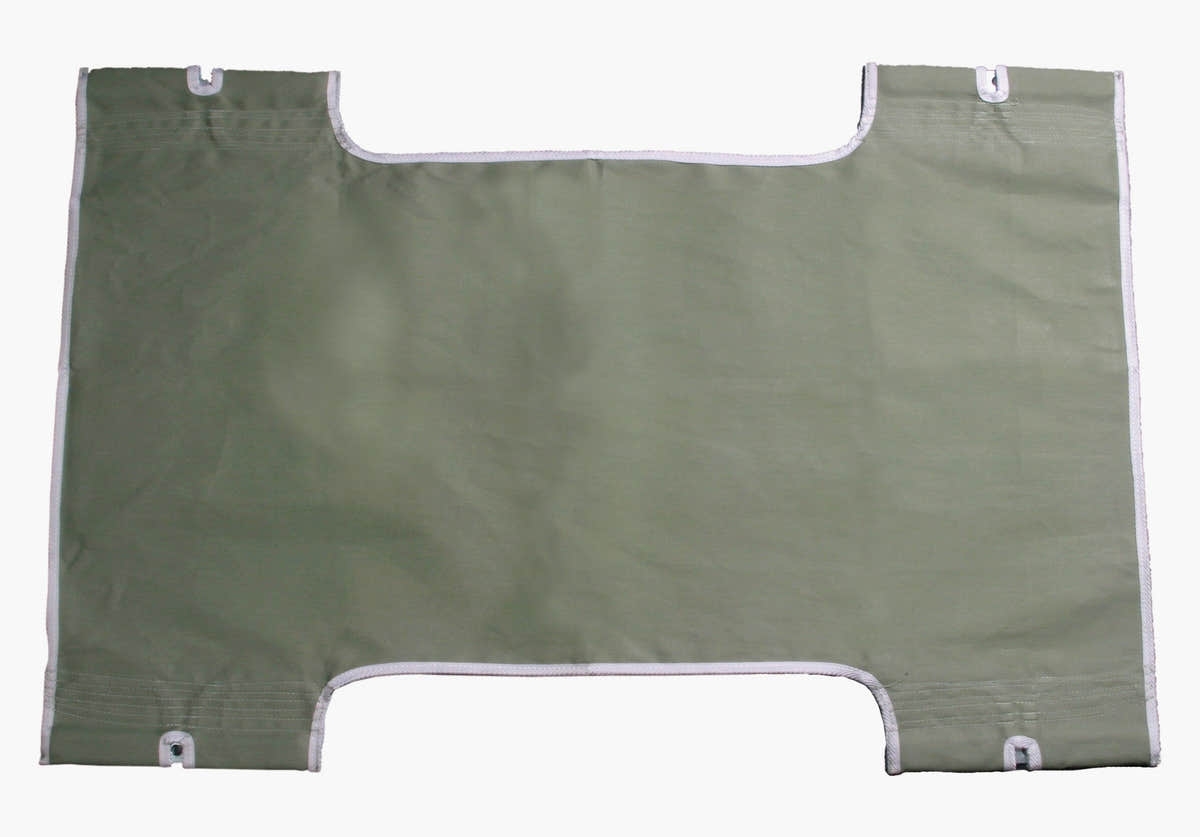
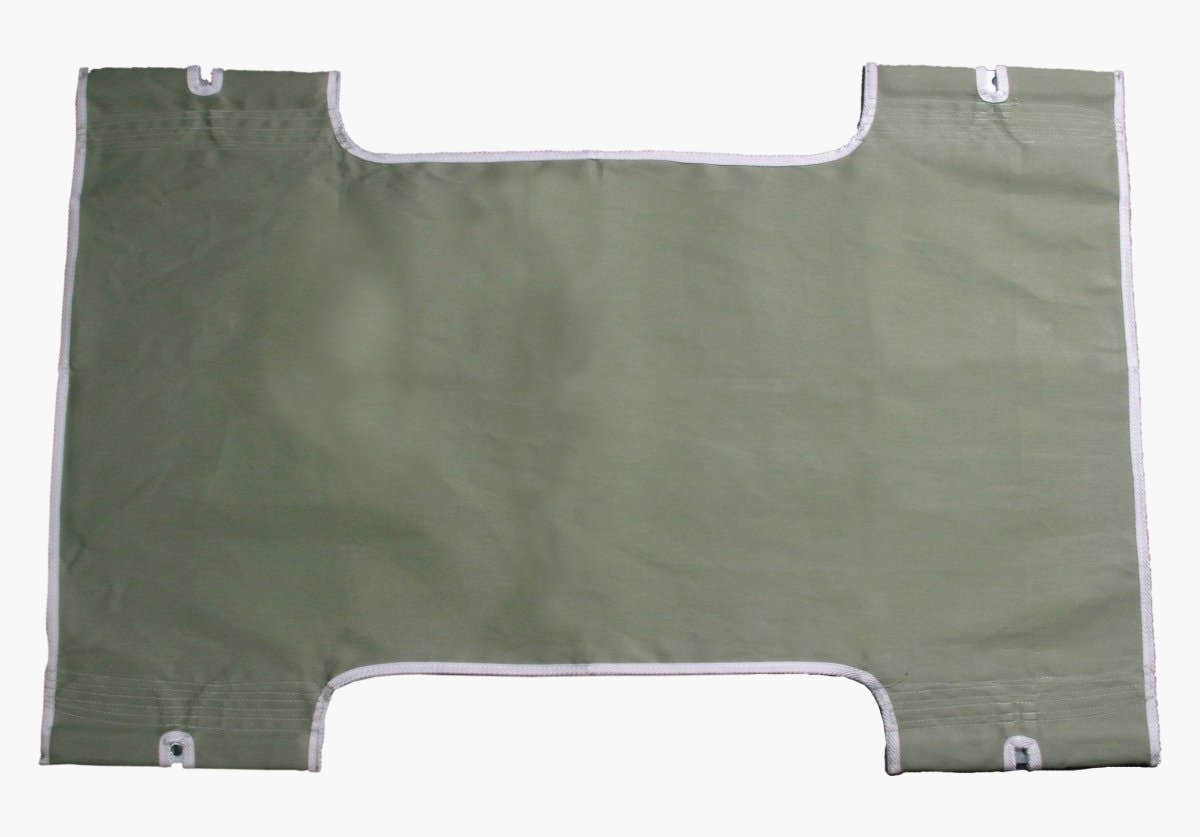
drive Seat and Back Sling -Each
drive Seat and Back Sling
Sale price$42.99
drive Seat and Back Divided Leg Sling, Medium -Each
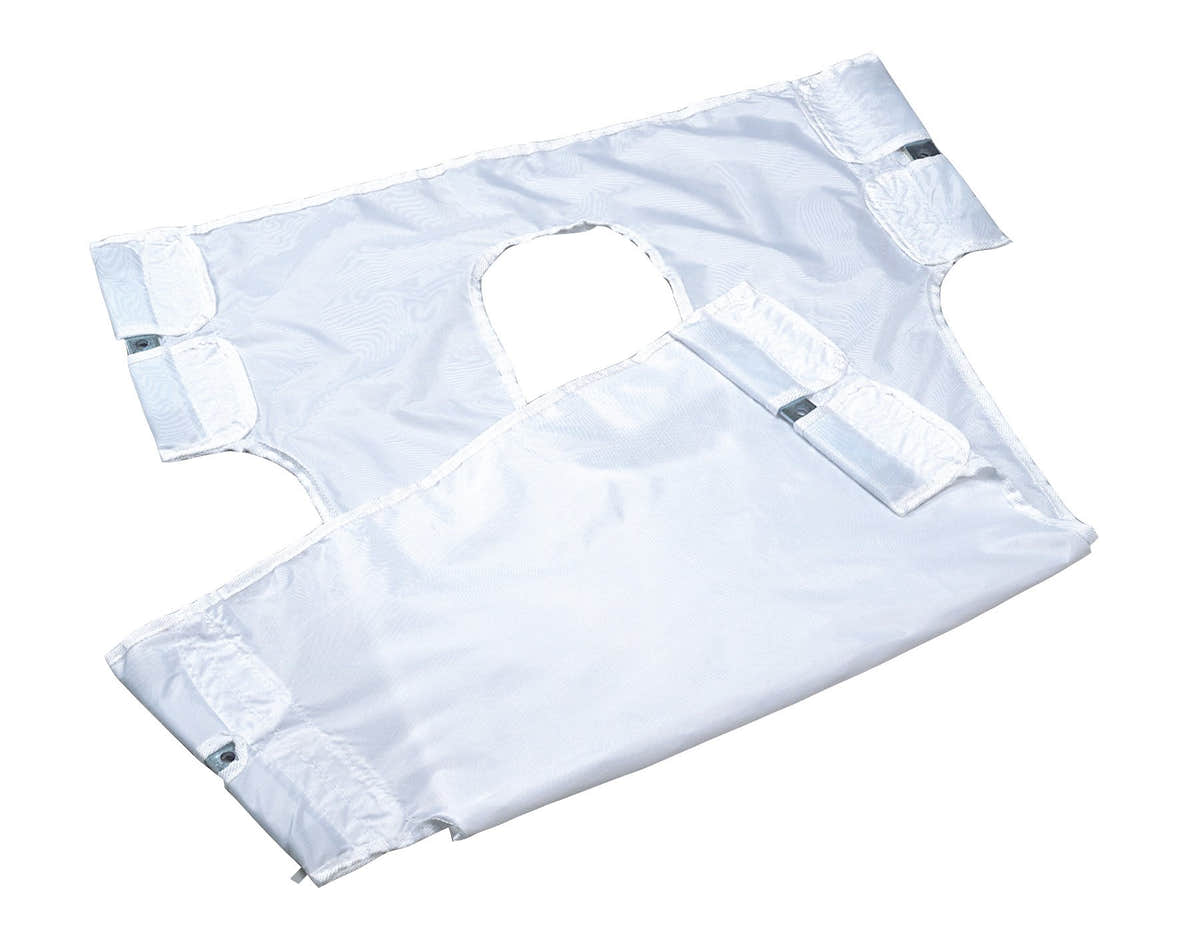
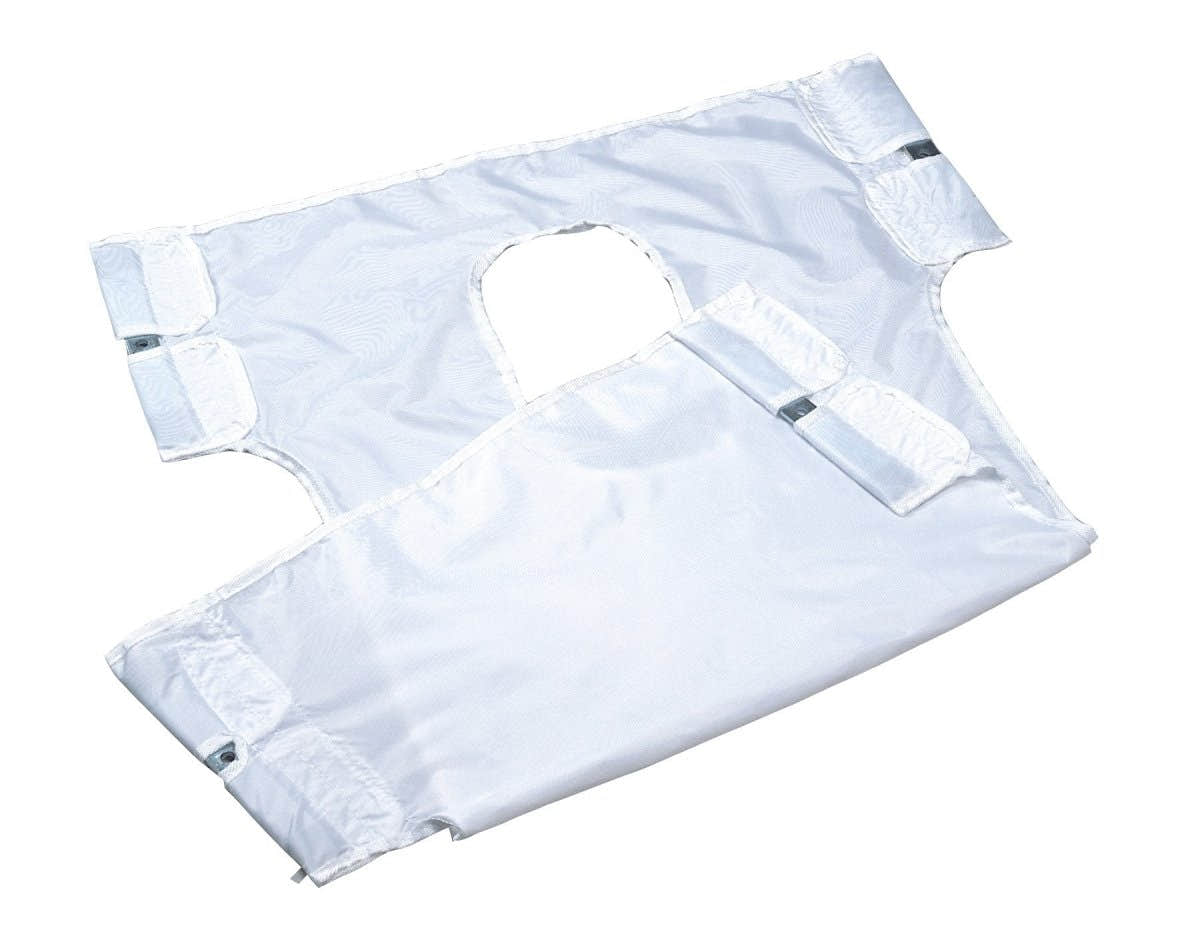
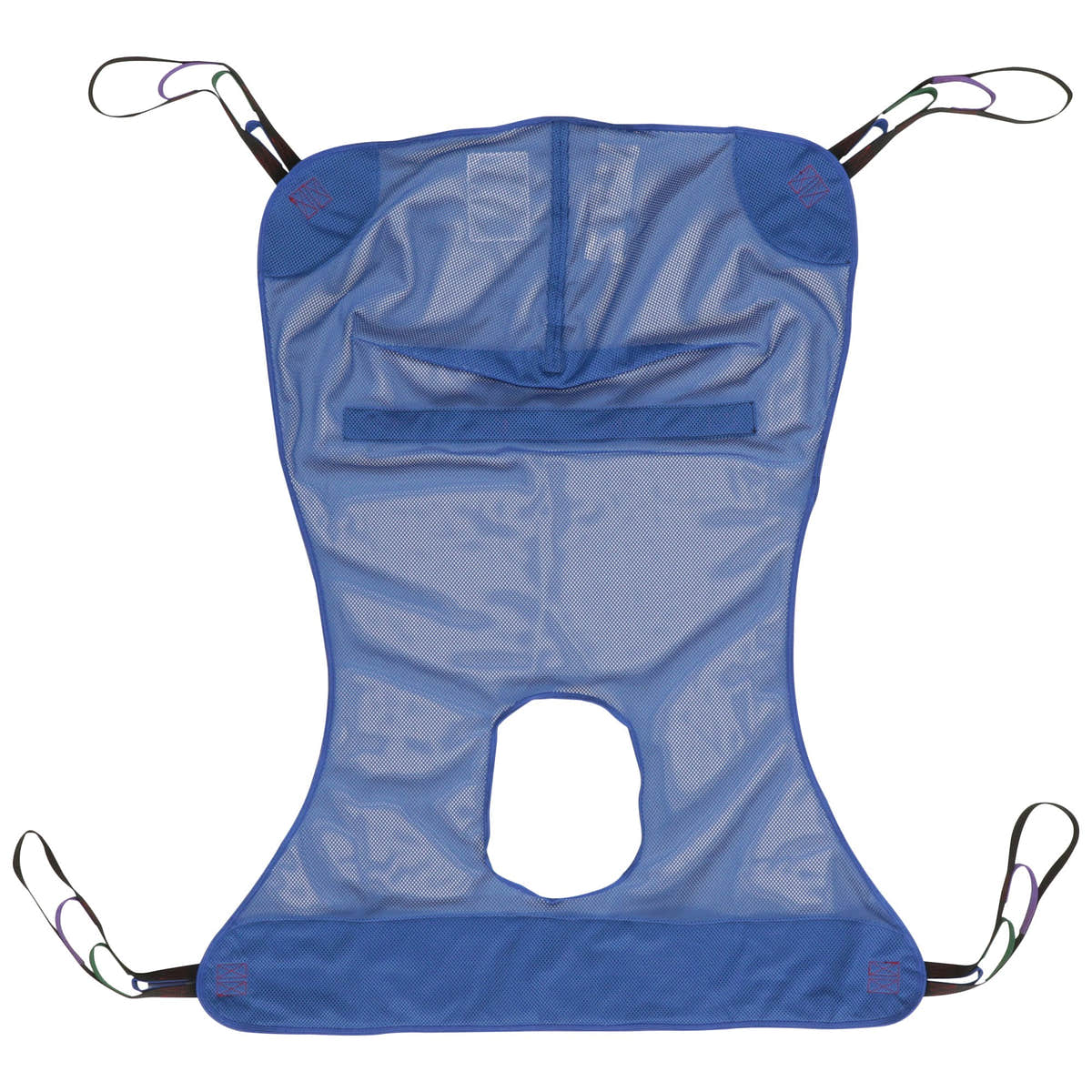
drive Seat and Back Commode Sling -Each
drive Patient Transfer Sling Lift - 499837_EA - 1
drive Bariatric Patient Lift -Each
Camel Lifting Cushion -Each
Camel Lifting Cushion
Sale price$4.99
Frequently Asked Questions about Patient Lifters

A patient lifter is a mechanical or powered device that safely raises, lowers, and transfers individuals who have limited mobility, reducing the physical strain on caregivers during transfers. Patient lifters typically work alongside body slings to support the person being moved between surfaces like beds, wheelchairs, and commodes.

Patient lifters are designed for individuals who cannot bear their own weight during transfers due to injury, disability, post-surgical recovery, or age-related mobility loss. Caregivers, home health aides, and nursing staff also benefit from using patient lifters to reduce the risk of back injuries during daily patient handling.

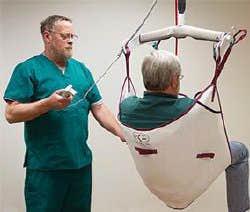
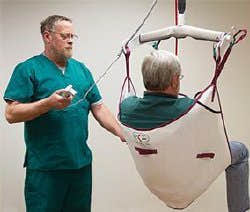
Position the body sling beneath the patient while they are lying or seated, thread the sling loops onto the lift's spreader bar hooks, and then slowly raise the lift to complete the transfer. Always confirm the sling loops are evenly secured on the spreader bar before lifting to prevent imbalance or slipping.

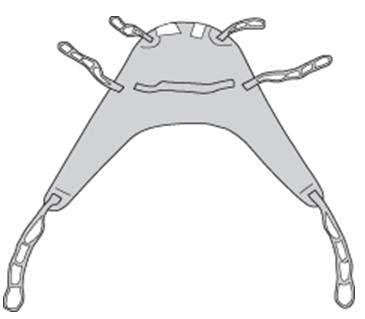
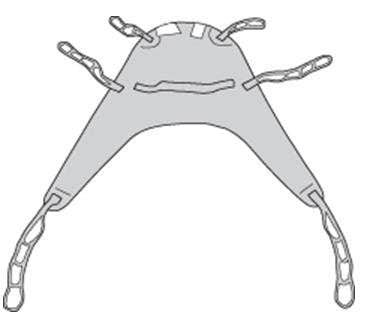
A full body sling supports the patient's entire torso, back, and legs, making it suitable for transfers involving patients with little to no trunk control. A seat sling supports only the lower body and is better suited for patients who have adequate upper body strength and can assist partially in their own transfer.

Choose a patient lifter sling size based on the patient's weight, height, and body shape, typically by consulting the sizing chart provided by the sling manufacturer. Using a sling that is too large or too small can compromise safety, so measuring the patient before purchasing is strongly recommended.

No, patient lifter slings are not universally compatible with all lift brands, as spreader bar hook styles and loop configurations vary between manufacturers. Always verify that the sling you select is rated for use with your specific lift model before attempting a transfer.

Yes, a patient lifter can be used safely at home, but caregivers should receive proper instruction on sling positioning, weight limits, and transfer technique before using the equipment independently. Many manufacturers and home health agencies offer training resources to help family caregivers operate patient lifters correctly.

Because manual patient lifting places caregivers at serious risk of musculoskeletal injury and increases the chance of accidental patient falls during transfers. Patient lifters distribute the patient's weight mechanically, making transfers safer for both the caregiver and the individual being moved.

Clean a patient lifter sling by following the laundering instructions on the sling's care label, which typically allow machine washing in warm water with a mild detergent. Inspect the sling before each use for fraying, torn seams, or stretched loops, and replace the sling immediately if any damage is found.

Patient lifters and compatible body slings for home use are available through medical supply retailers like Cart Health, which carries a range of hydraulic, battery-powered, and manual lift options alongside slings designed for full body and seated transfers. Purchasing from a dedicated medical supply source ensures you have access to product support and compatible accessories.

Recently viewed