Filters

Medical Gowns

75 products

Showing 25 - 48 of 75 products

Offering Unparalleled Protection and Comfort

Are you looking for top-quality medical gowns that provide exceptional protection without compromising on comfort? Our extensive collection offers a wide range of styles and features, ensuring that you find the perfect gown to meet your specific needs. Step into a world of superior protection and comfort with Cart Health's medical gowns.

Showing 25 - 48 of 75 products
View
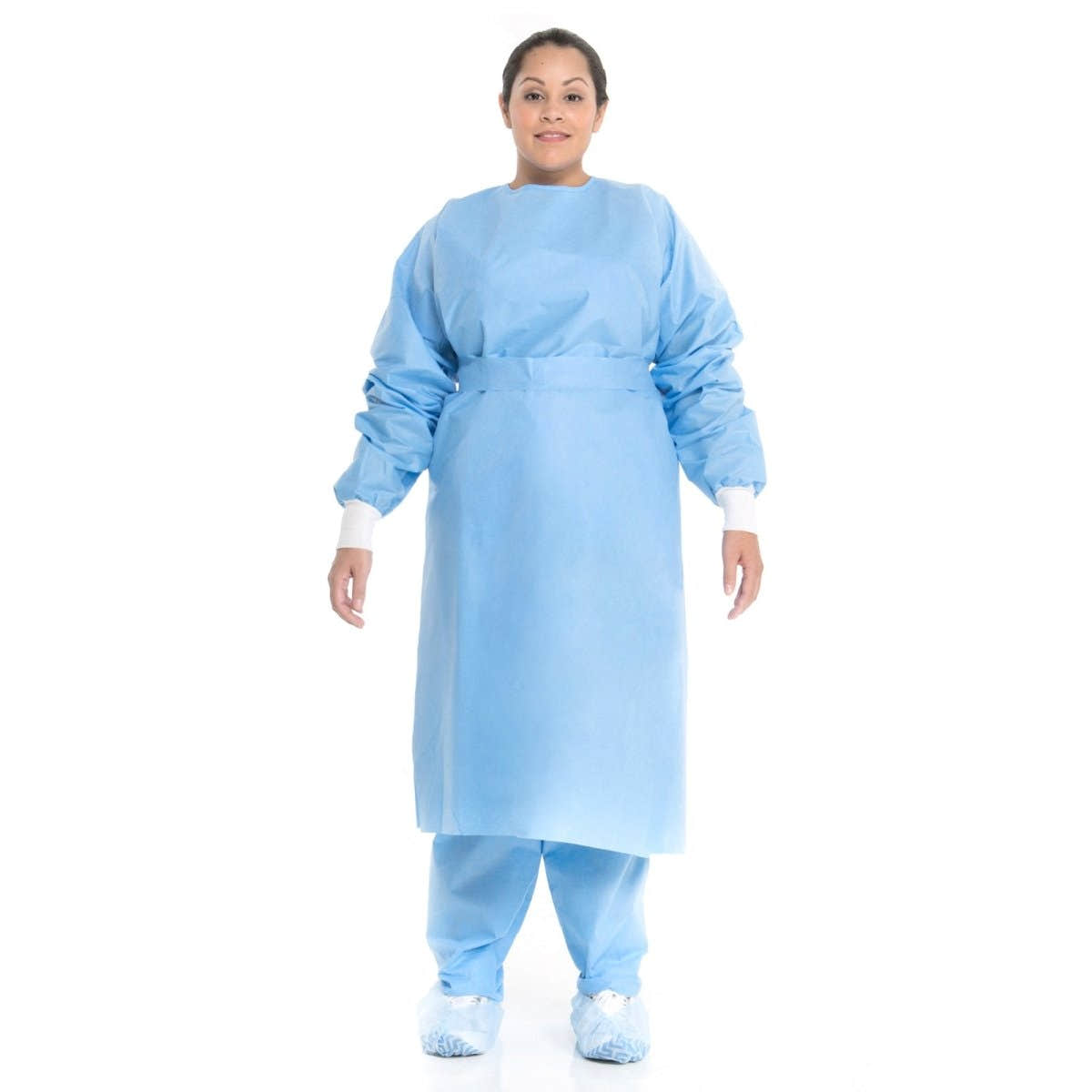
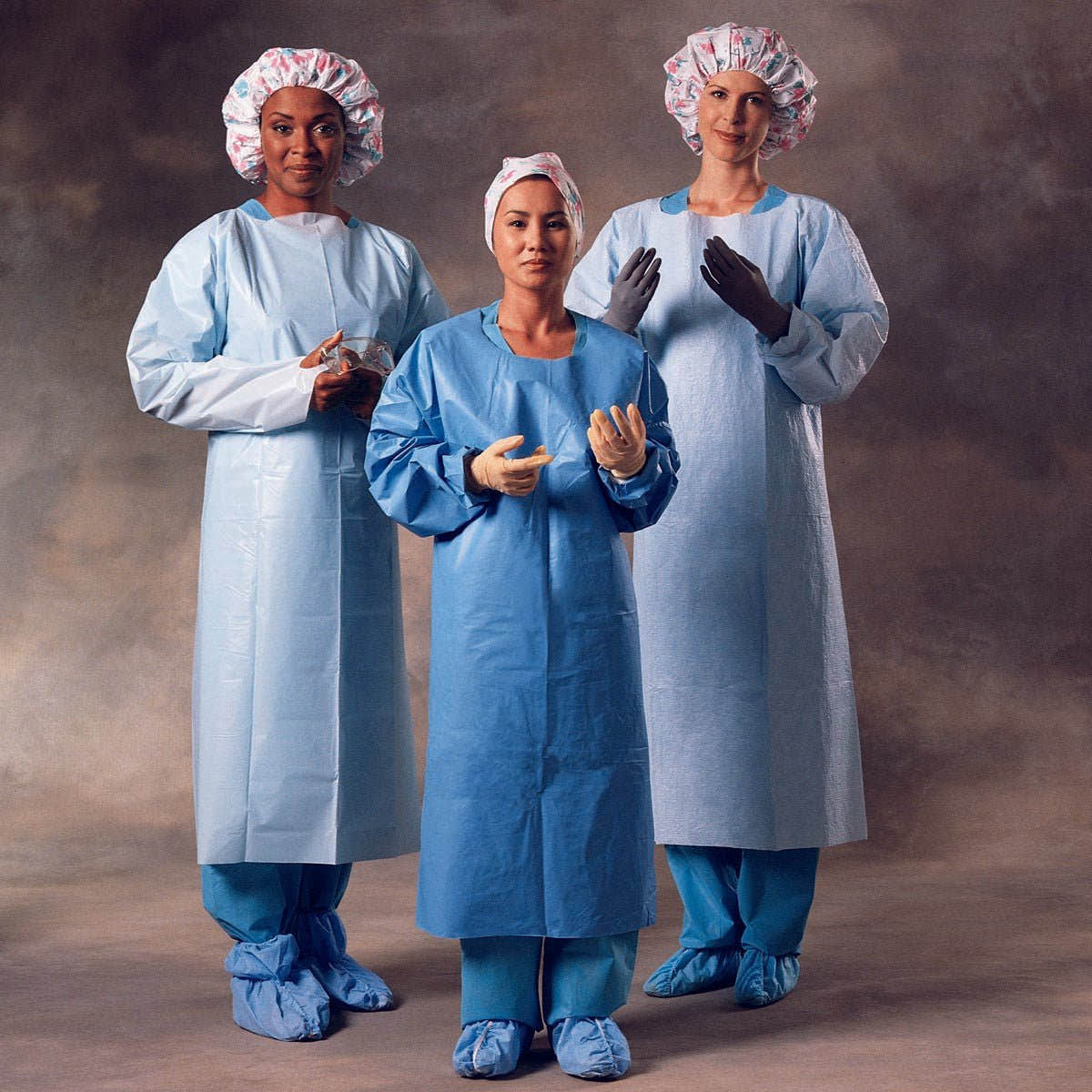
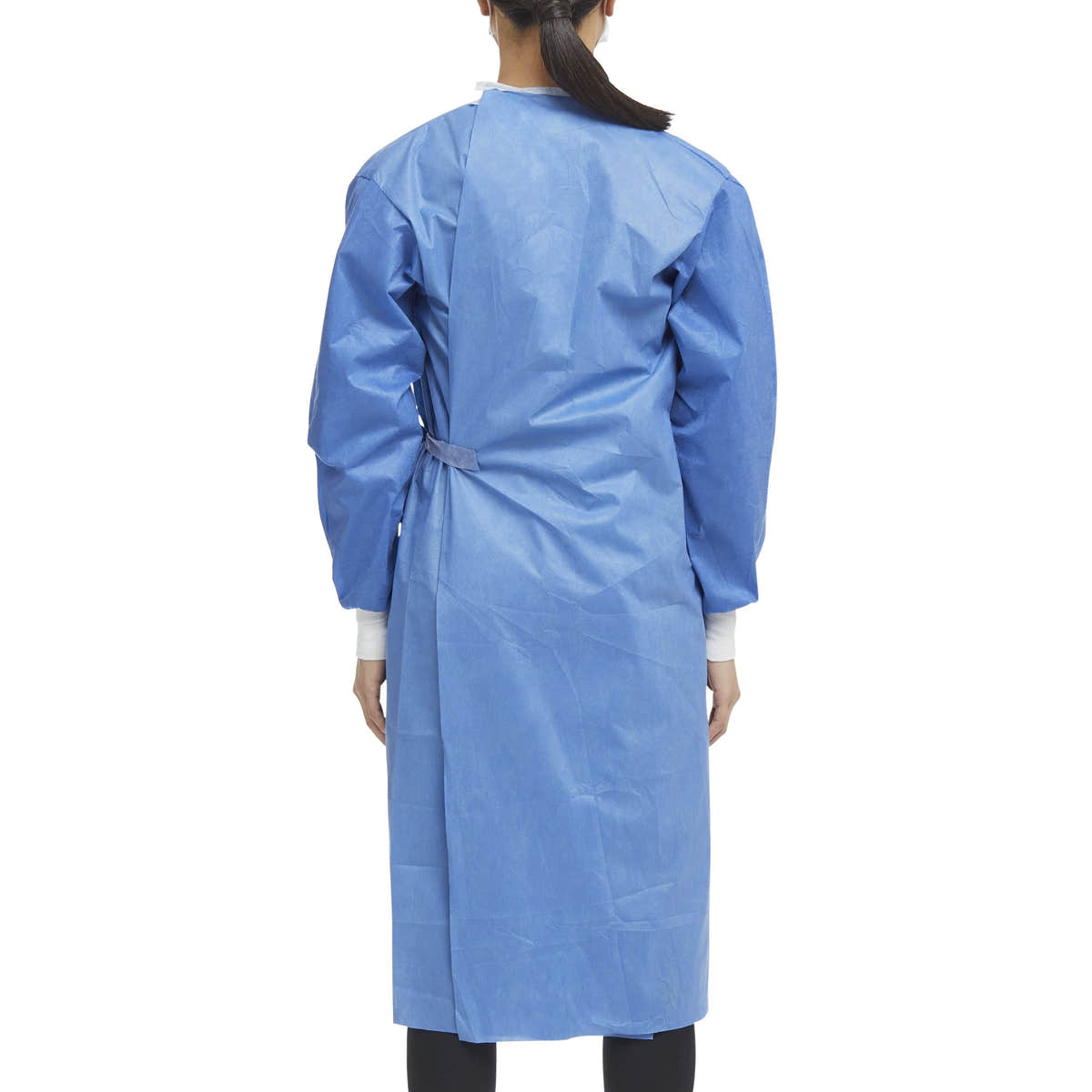
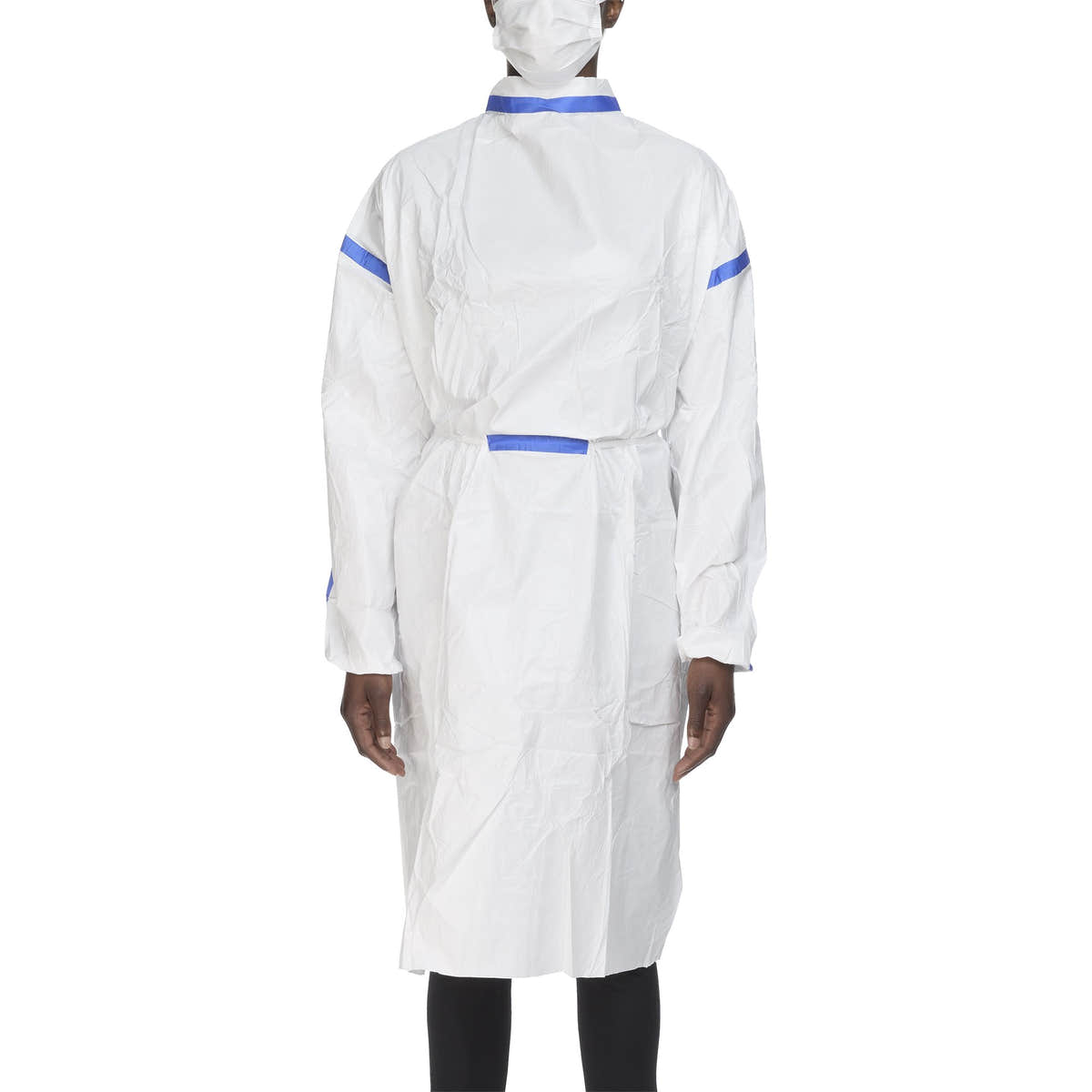
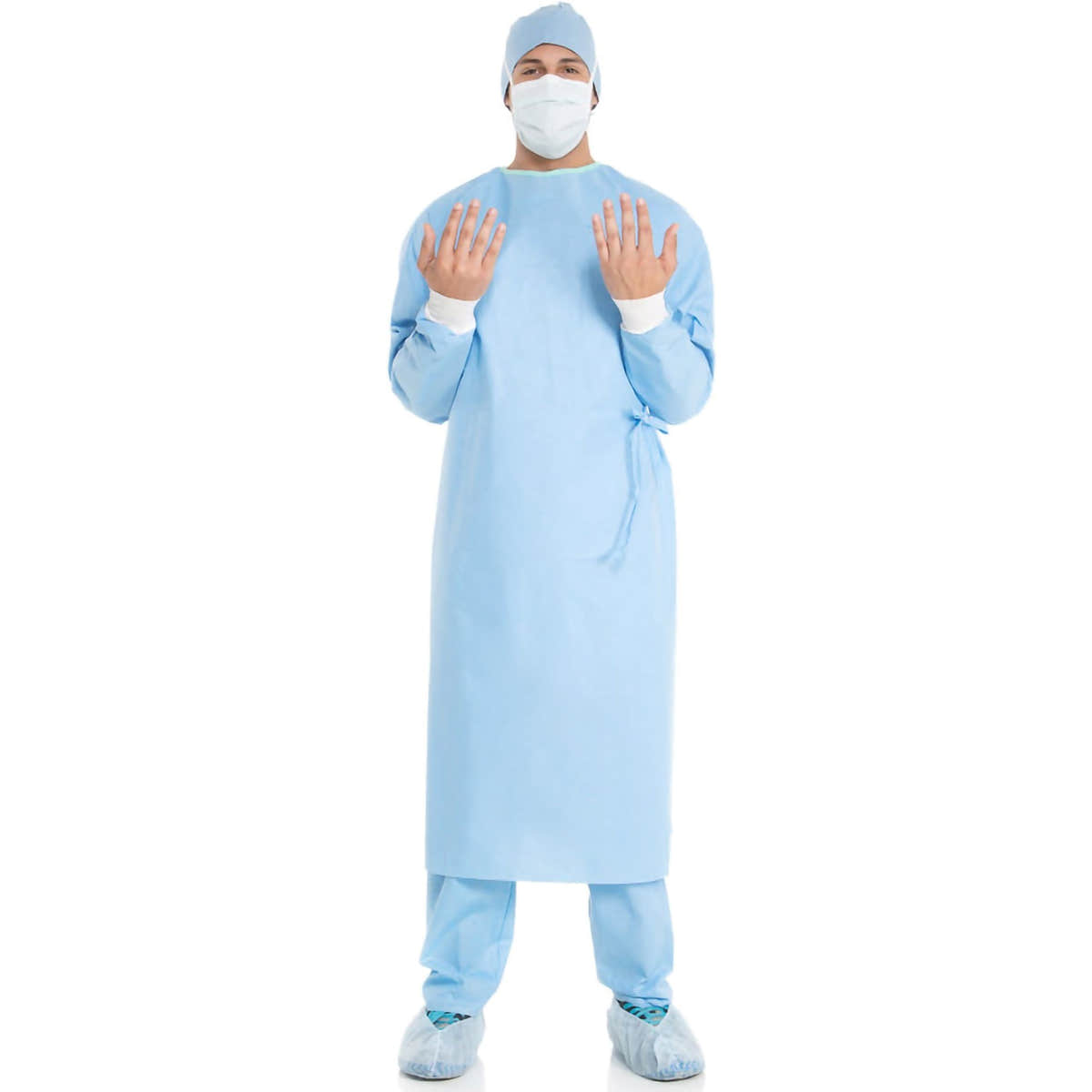
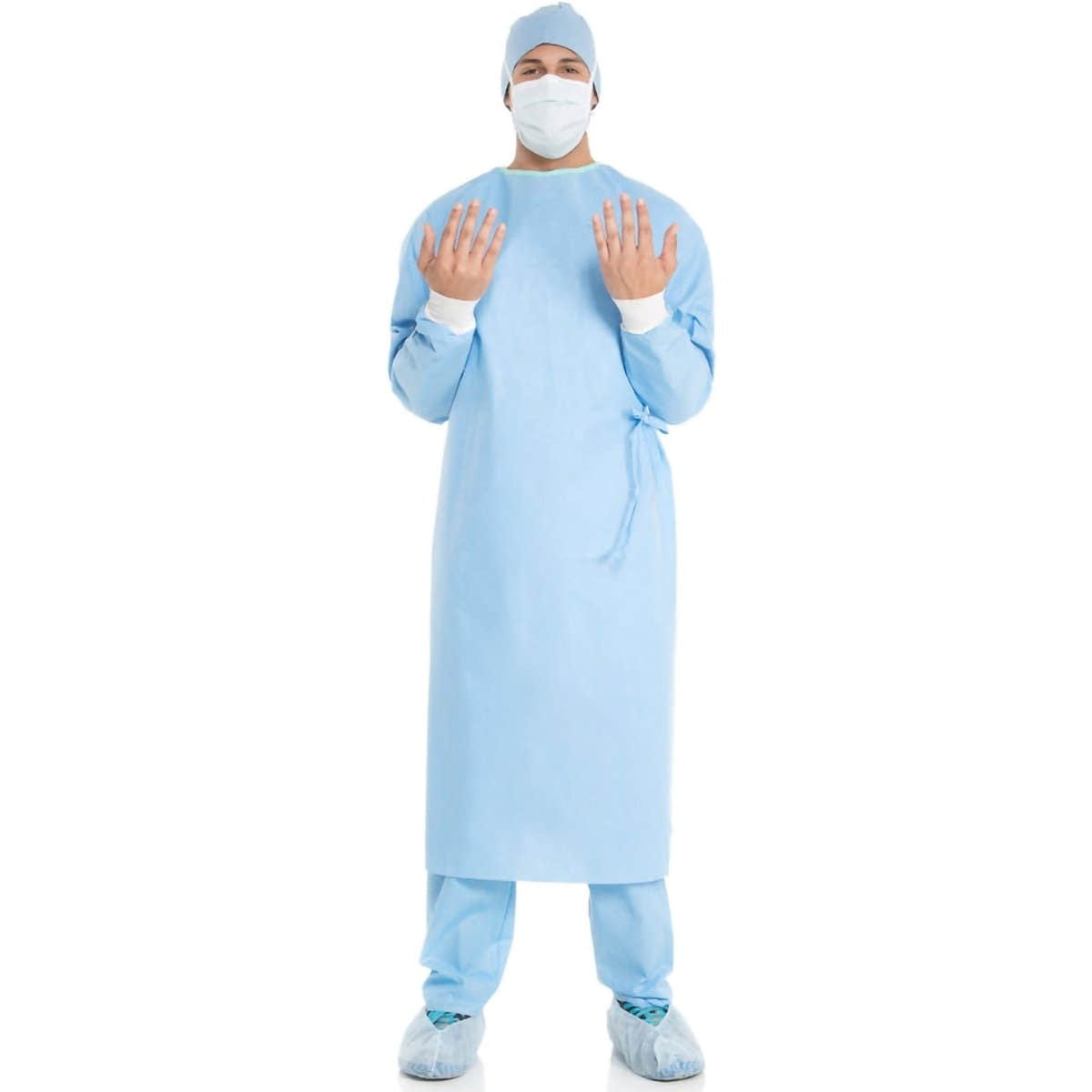
Halyard Chemotherapy Procedure Gown -Case of 100
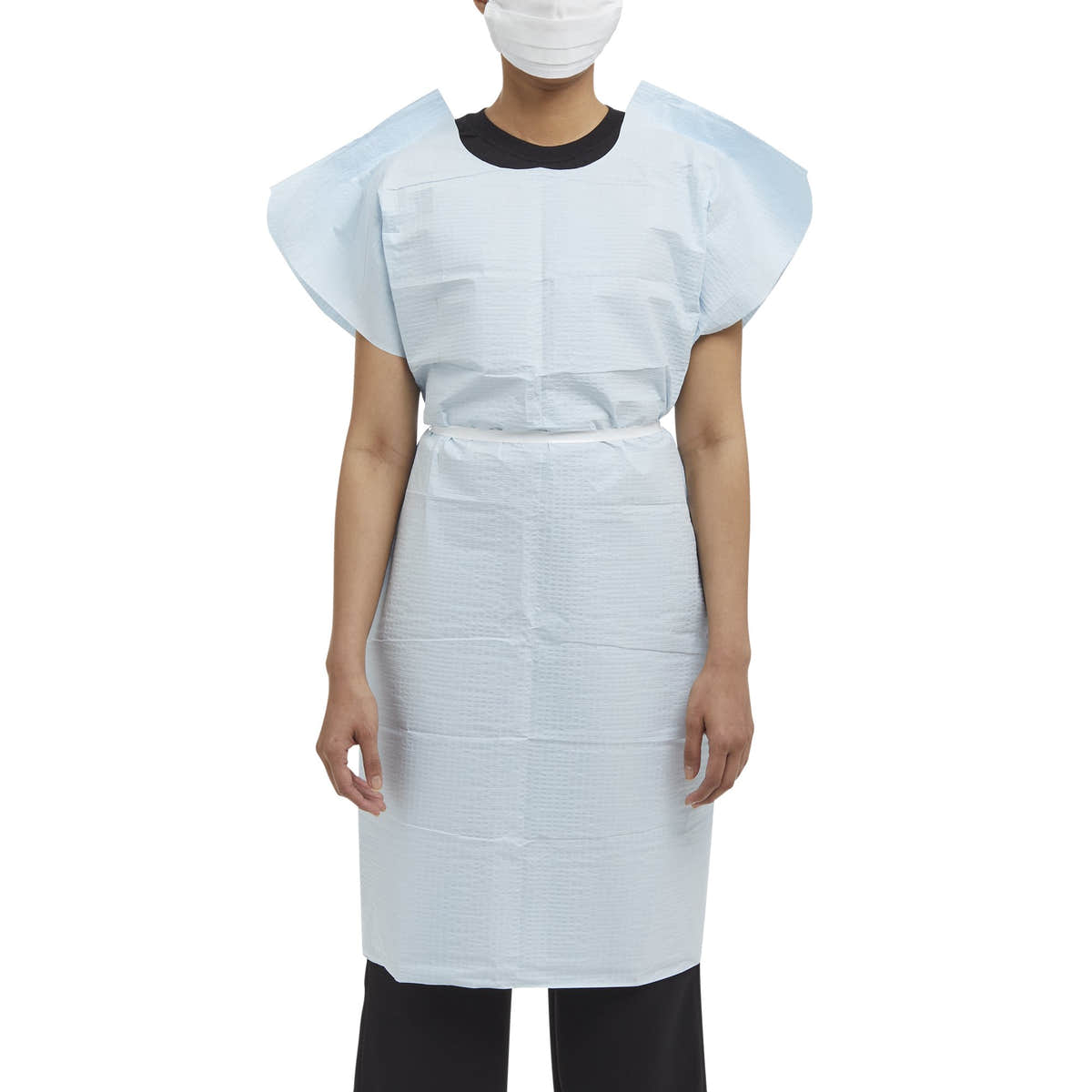
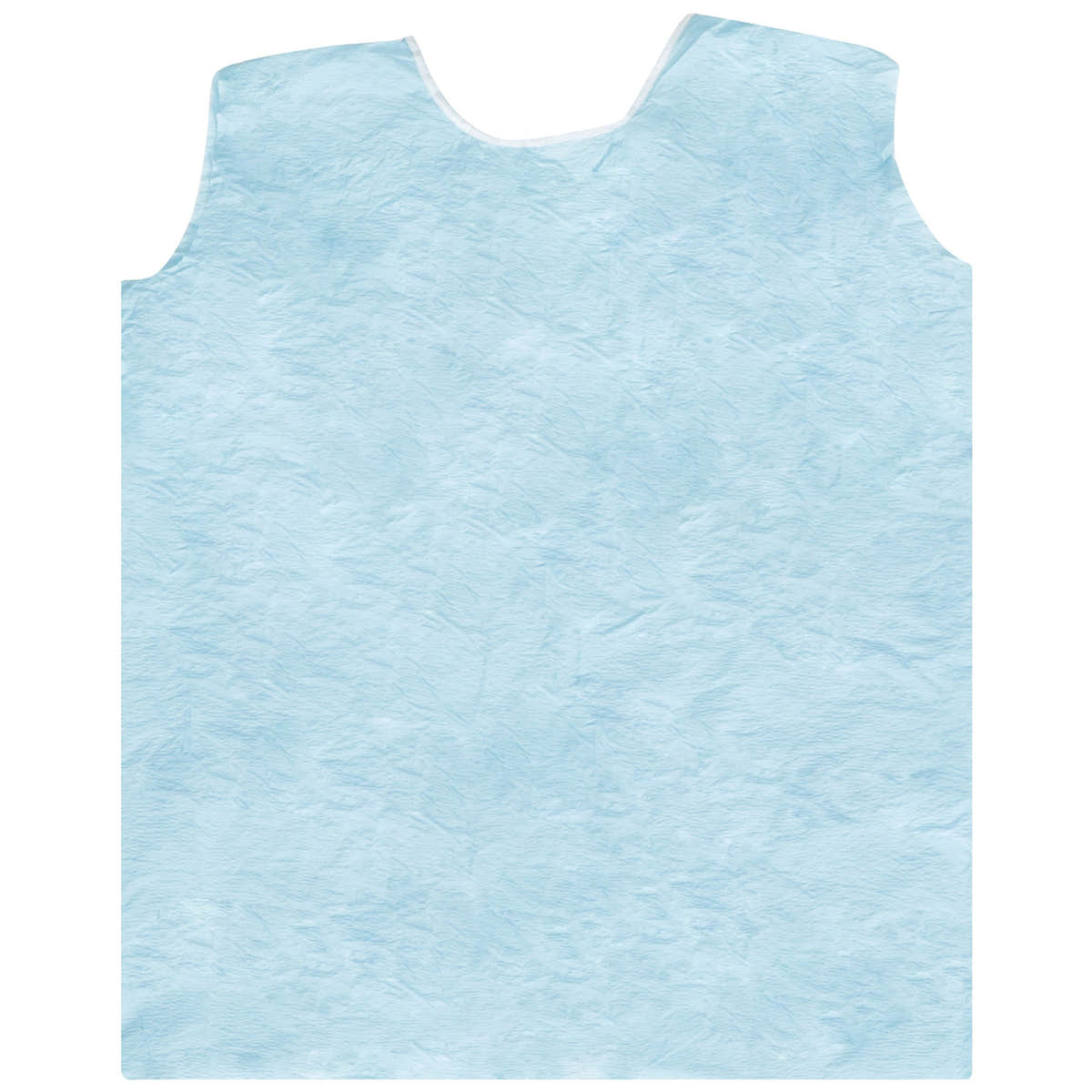
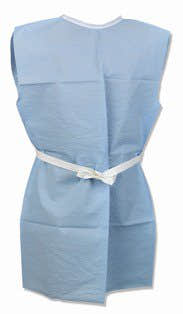
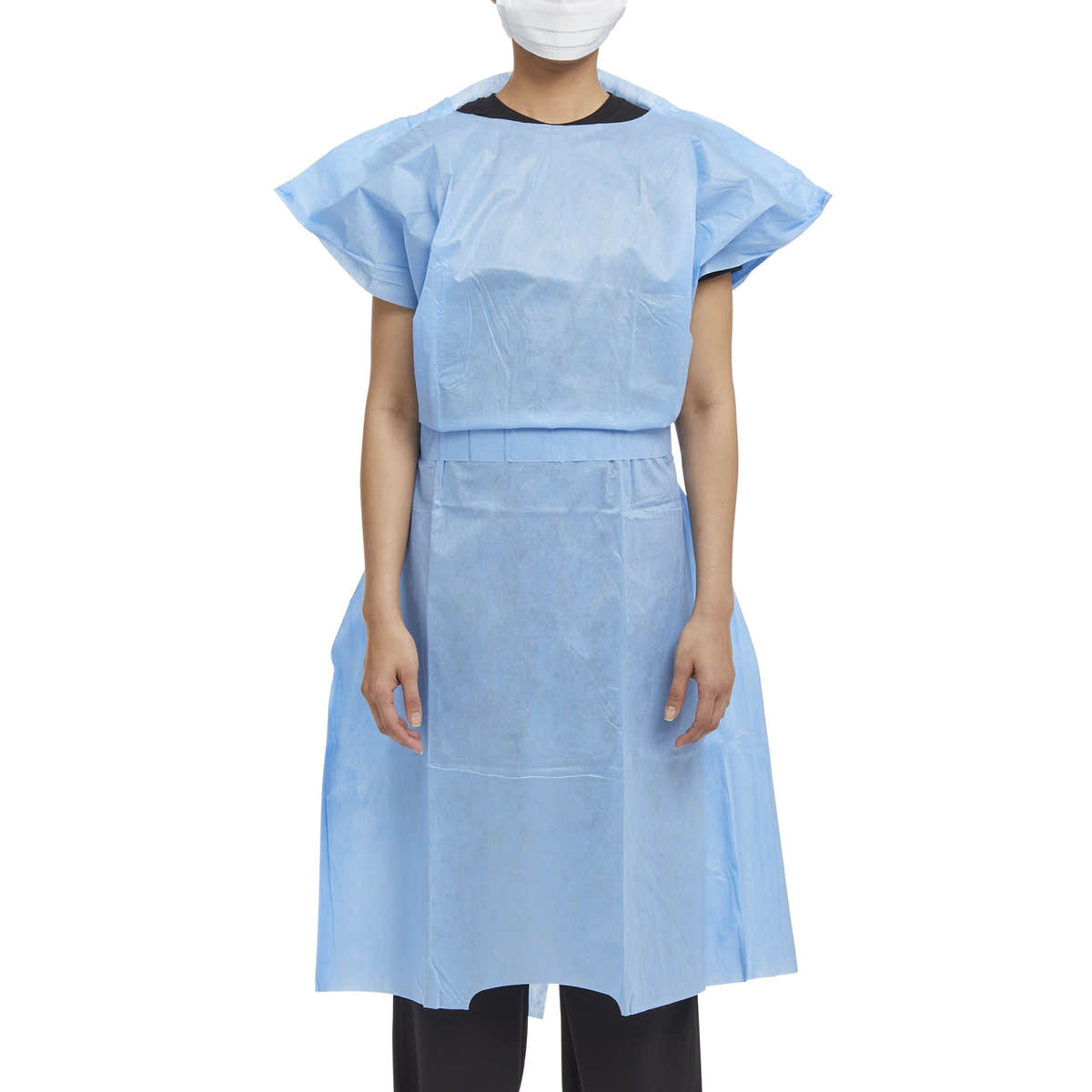
Tidi Patient Choice Exam Gown, 30 x 42 in. - 194013_CS - 1
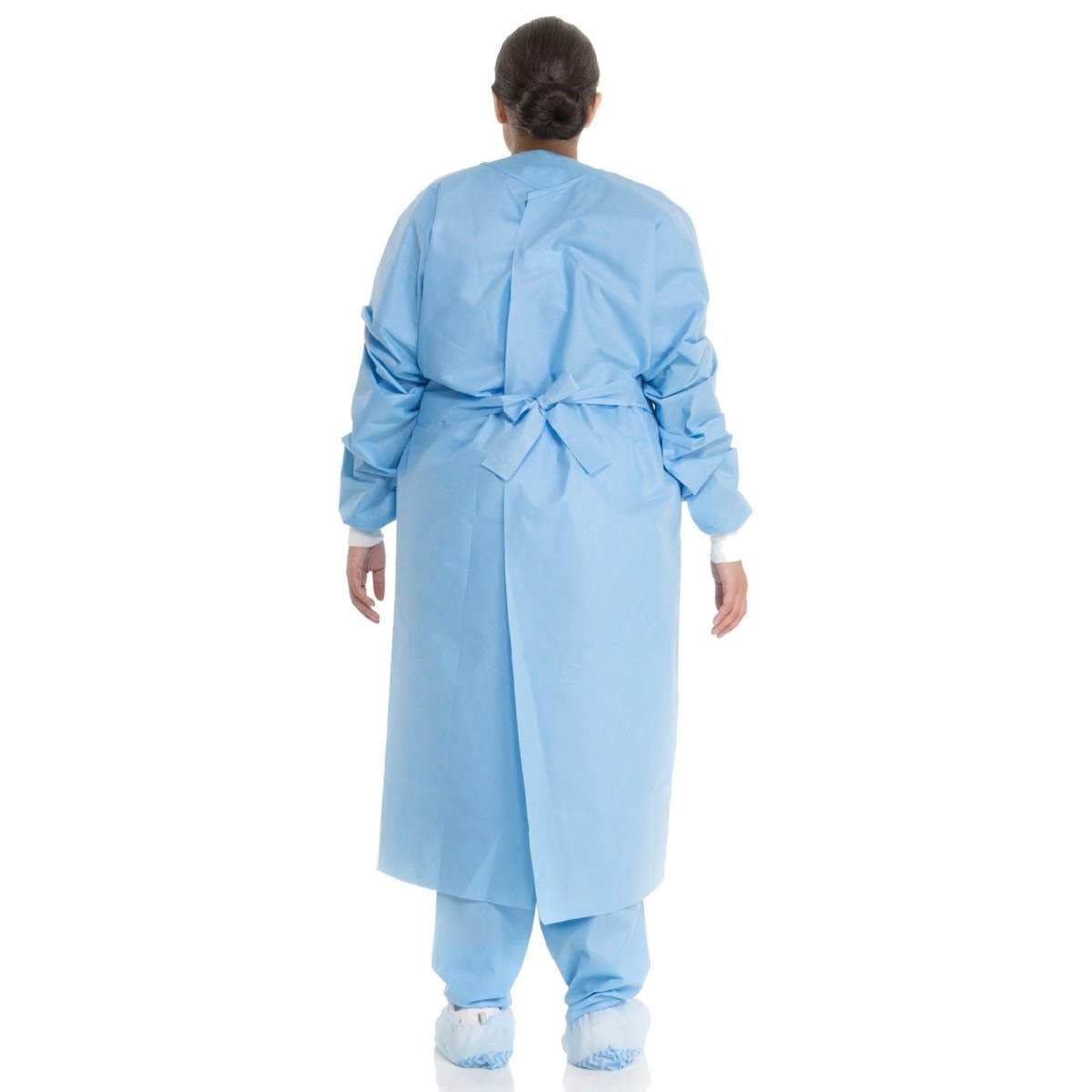
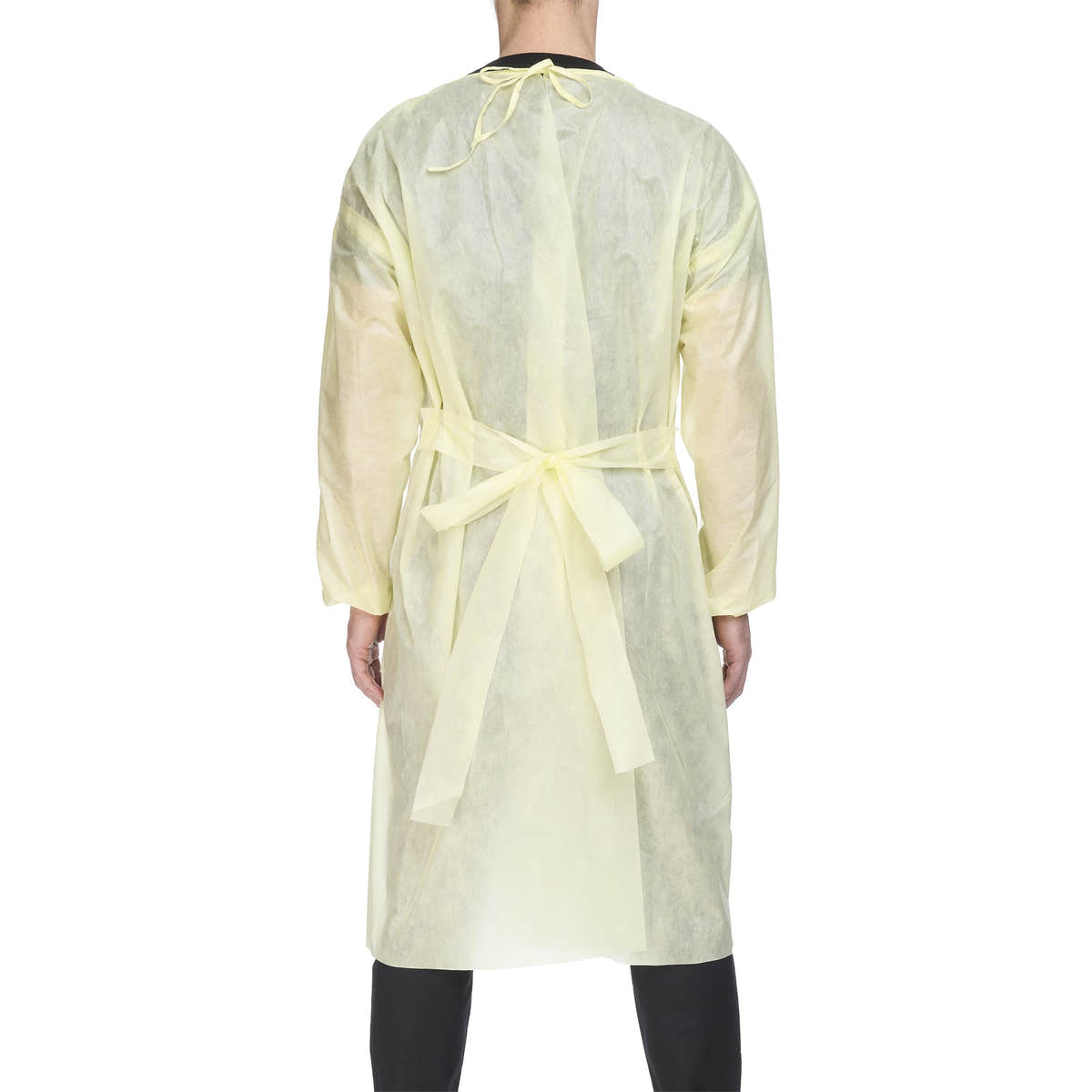
Halyard Protective Procedure Gown - 342890_EA - 5
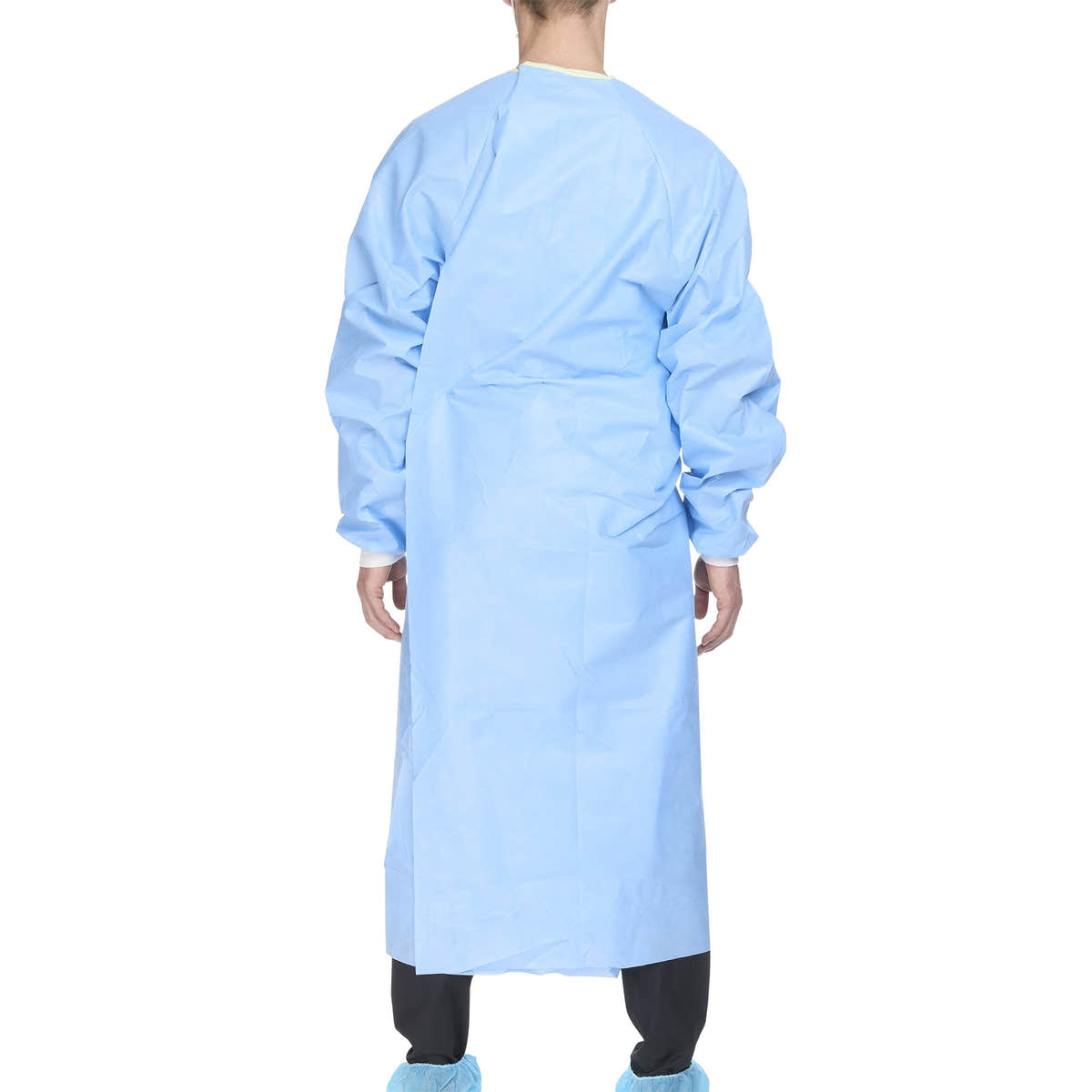
Halyard Protective Procedure Gown
Sale priceFrom $2.99
Choose options
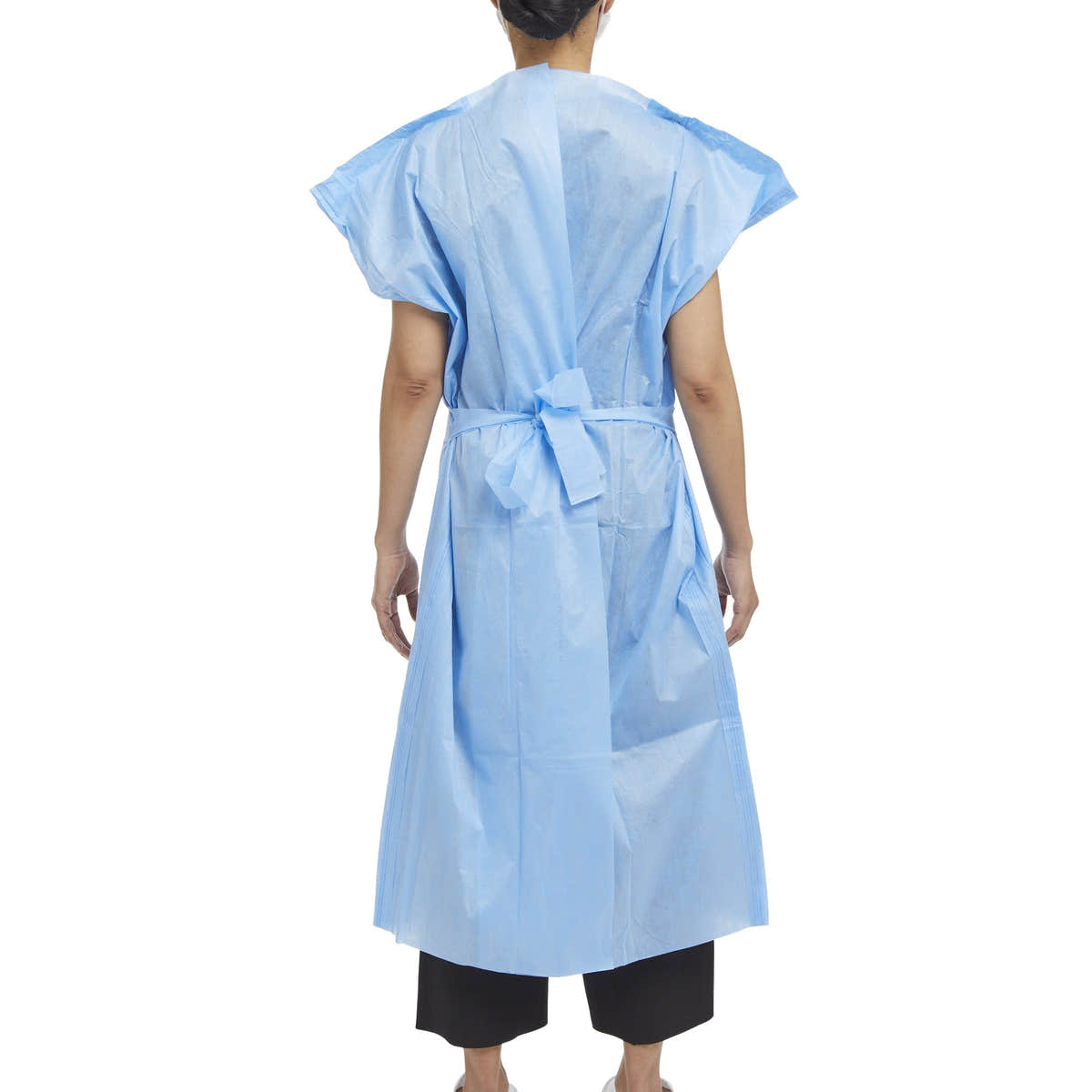
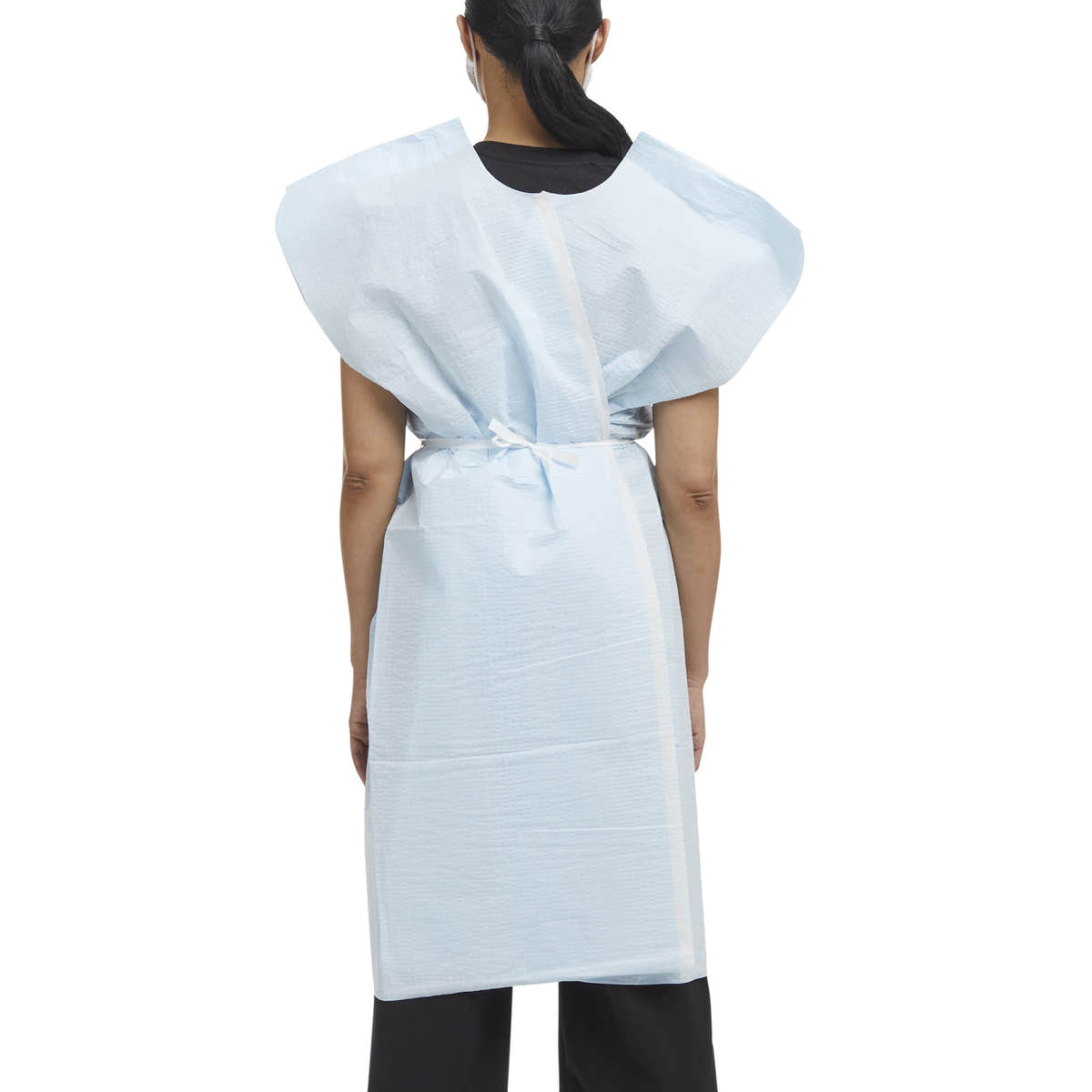
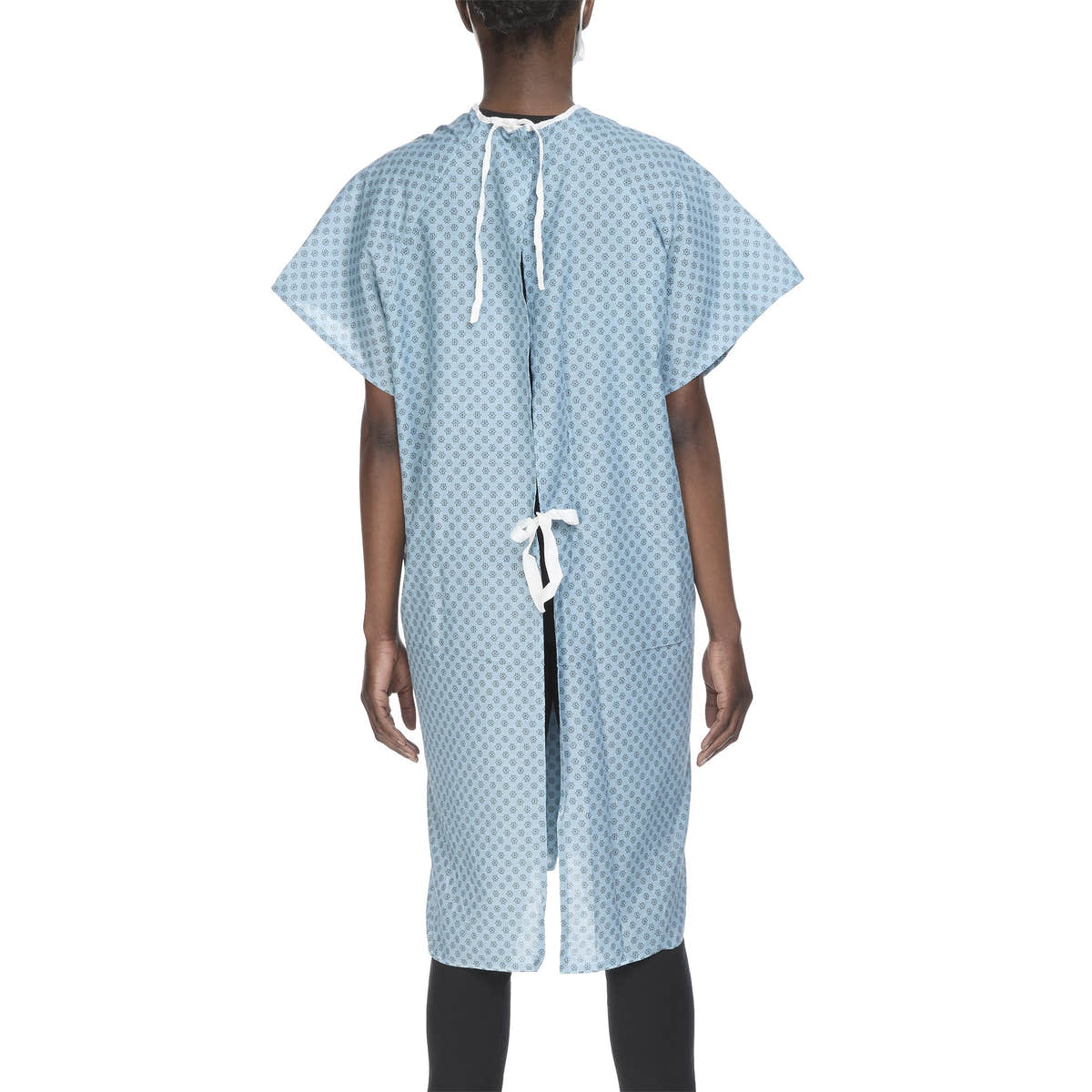
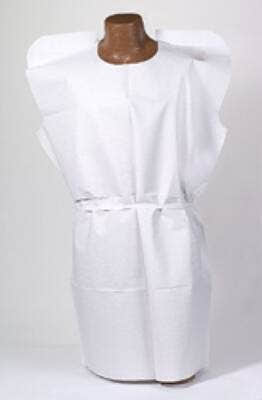
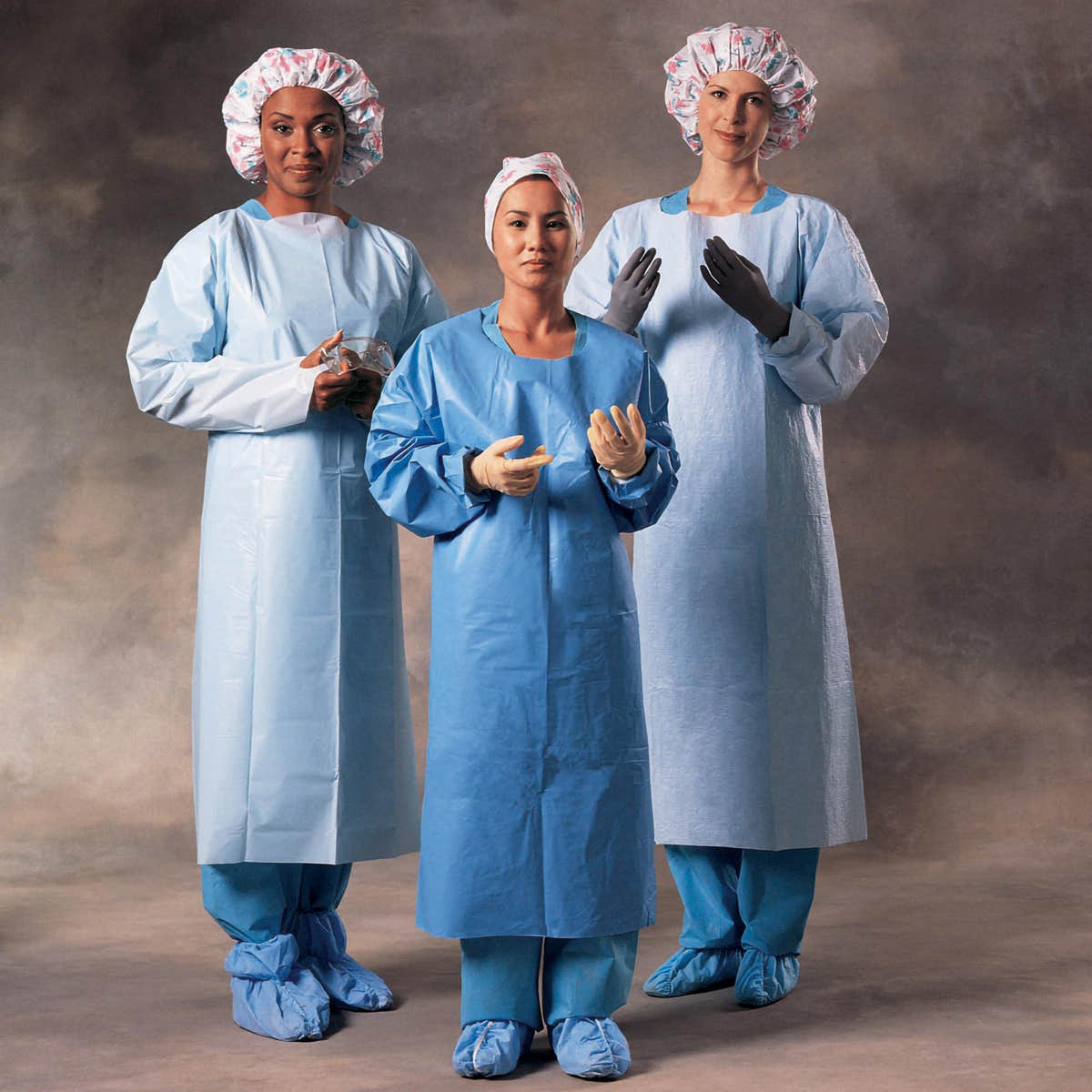
Halyard Patient Exam Gown -Box of 10
Halyard Patient Exam Gown
Sale priceFrom $34.99
Choose options
Graham Medical Patient Exam Gown -Case of 50
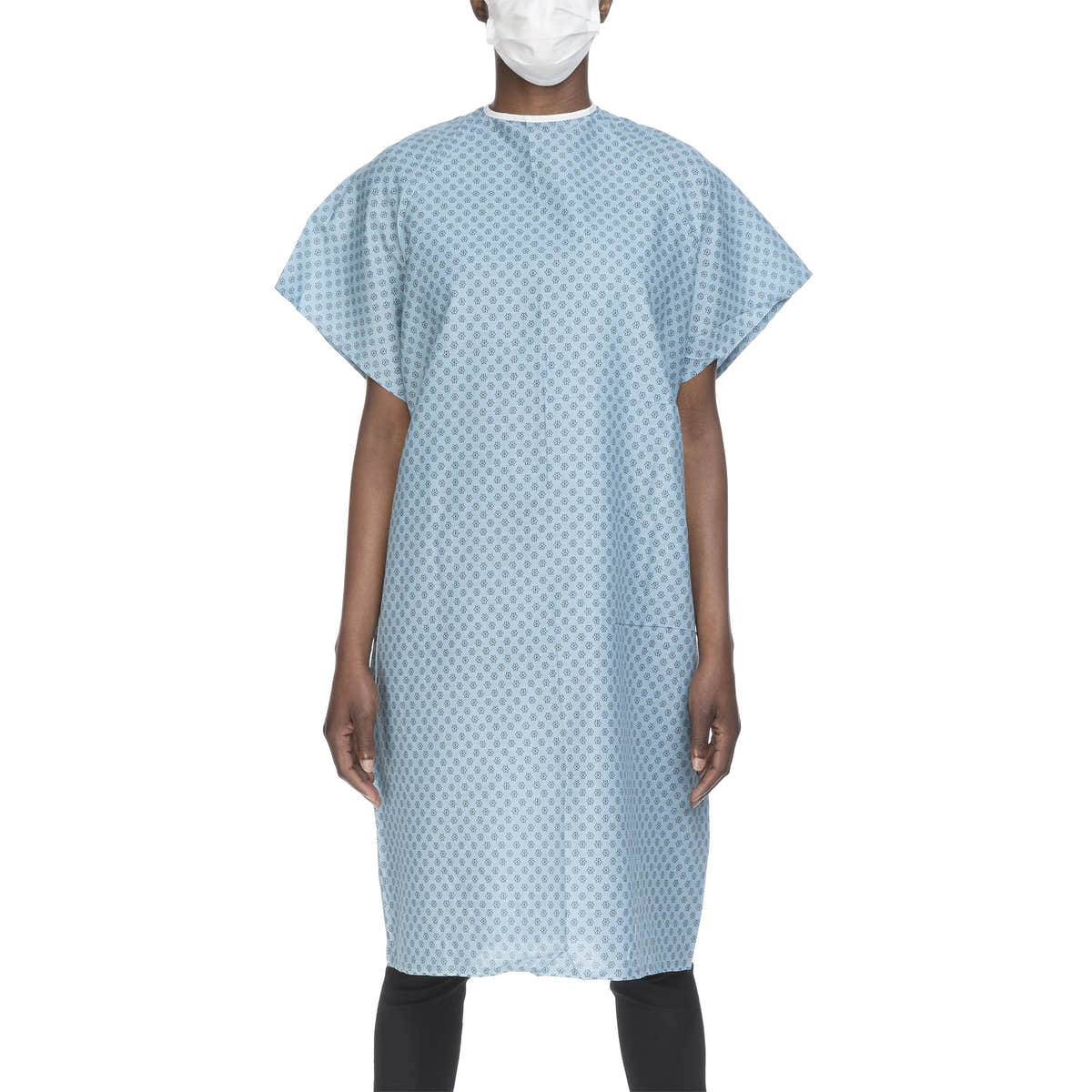
Apex Patient Exam Gown -Case of 50
Apex Patient Exam Gown
Sale price$42.99
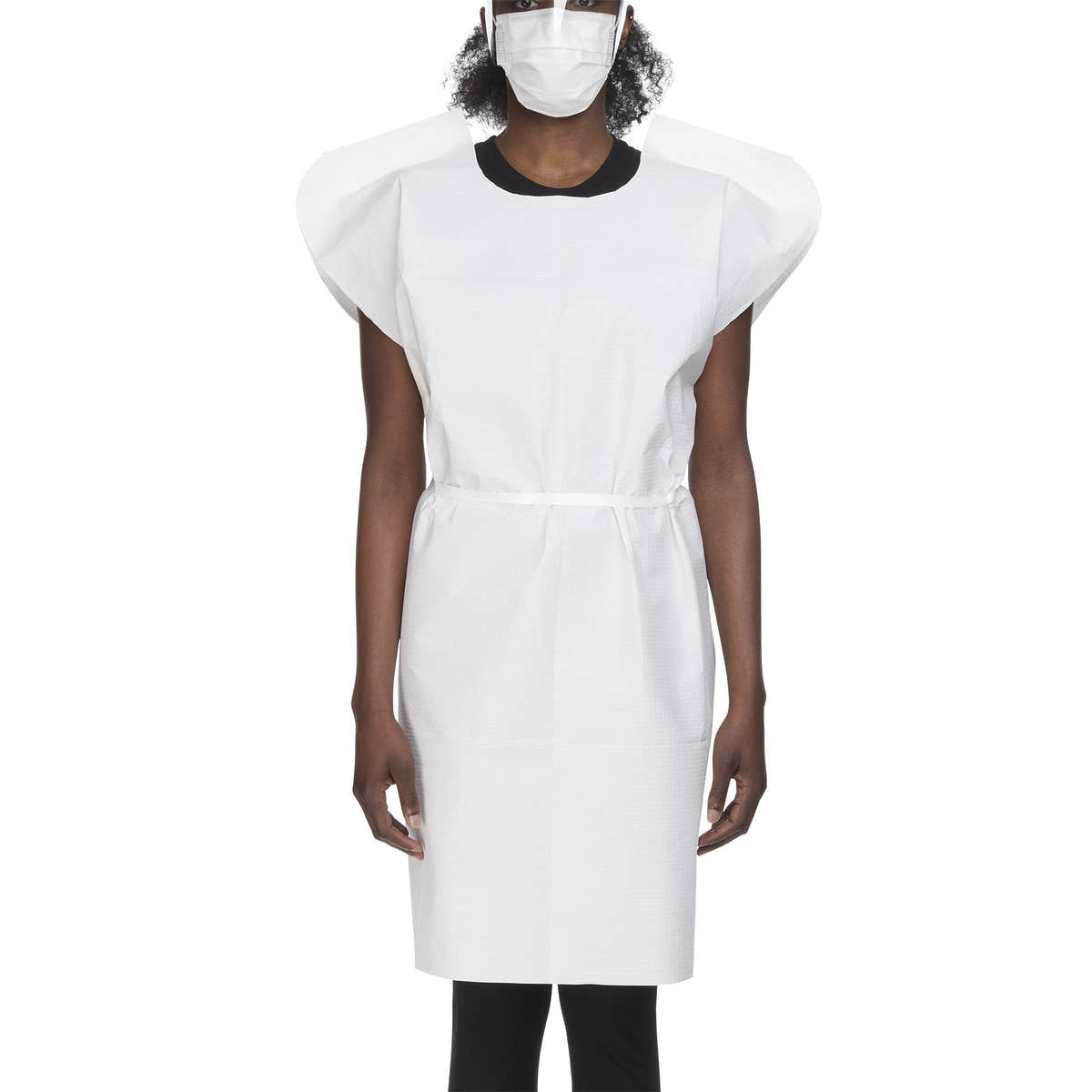
Lew Jan Textile Patient Exam Gown -Dozen of 12
Lew Jan Textile Patient Exam Gown
Sale priceFrom $6.99
Choose options
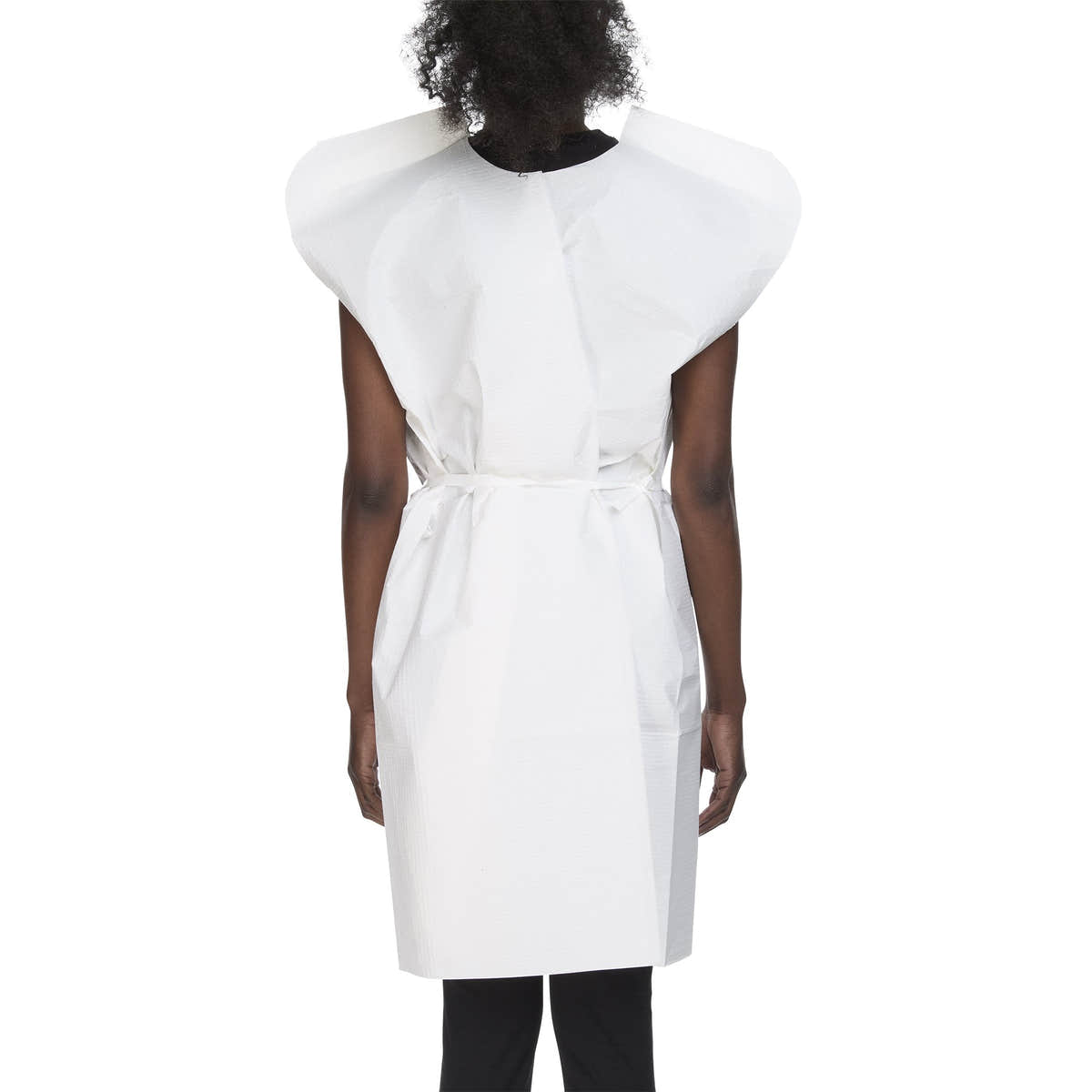
McKesson Premium Patient Exam Gown, One Size Fits Most, White -Case of 50
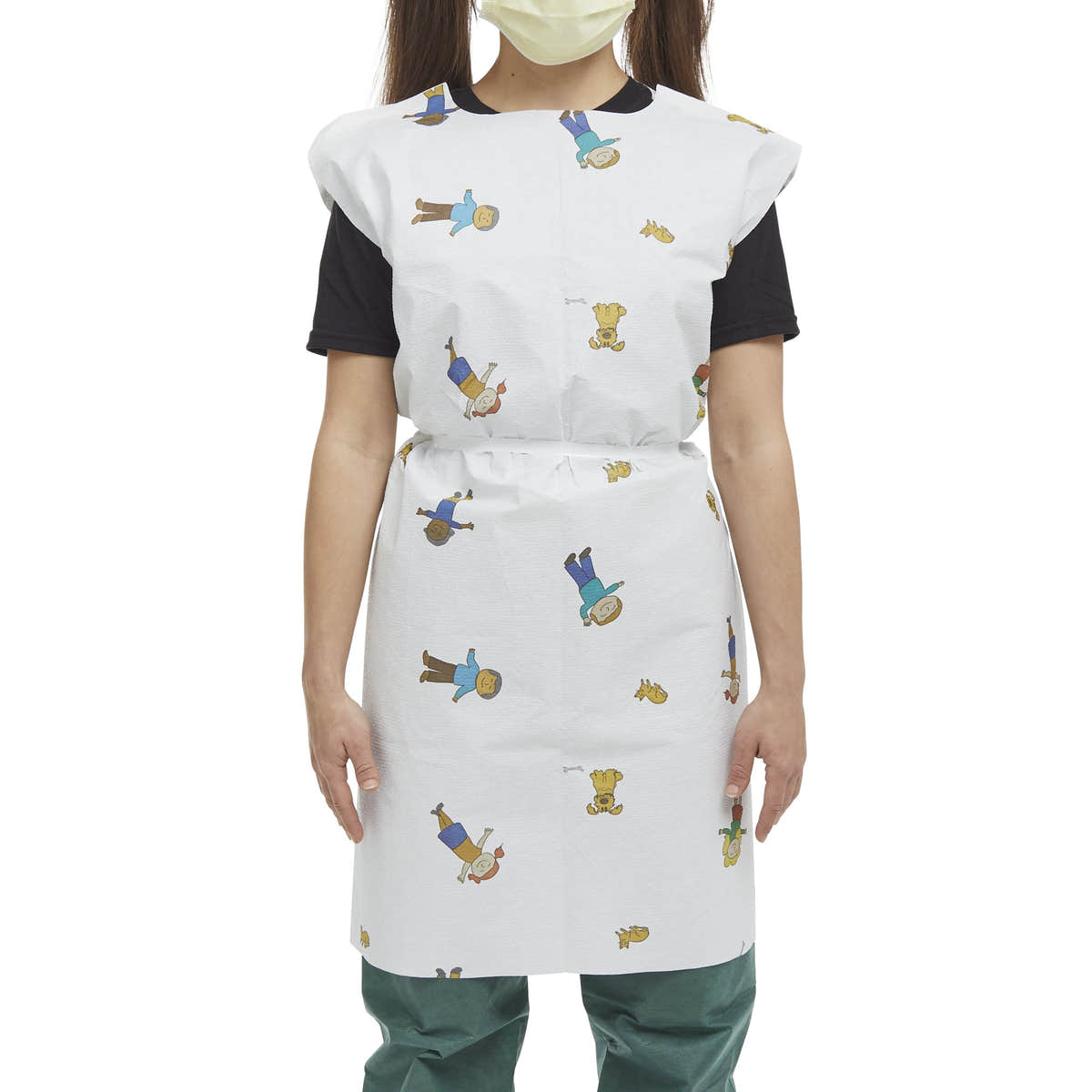
McKesson Pediatric Exam Gown, McKesson KIDS Print -Case of 50
McKesson Pediatric Exam Gown
Sale priceFrom $47.99

Choose options
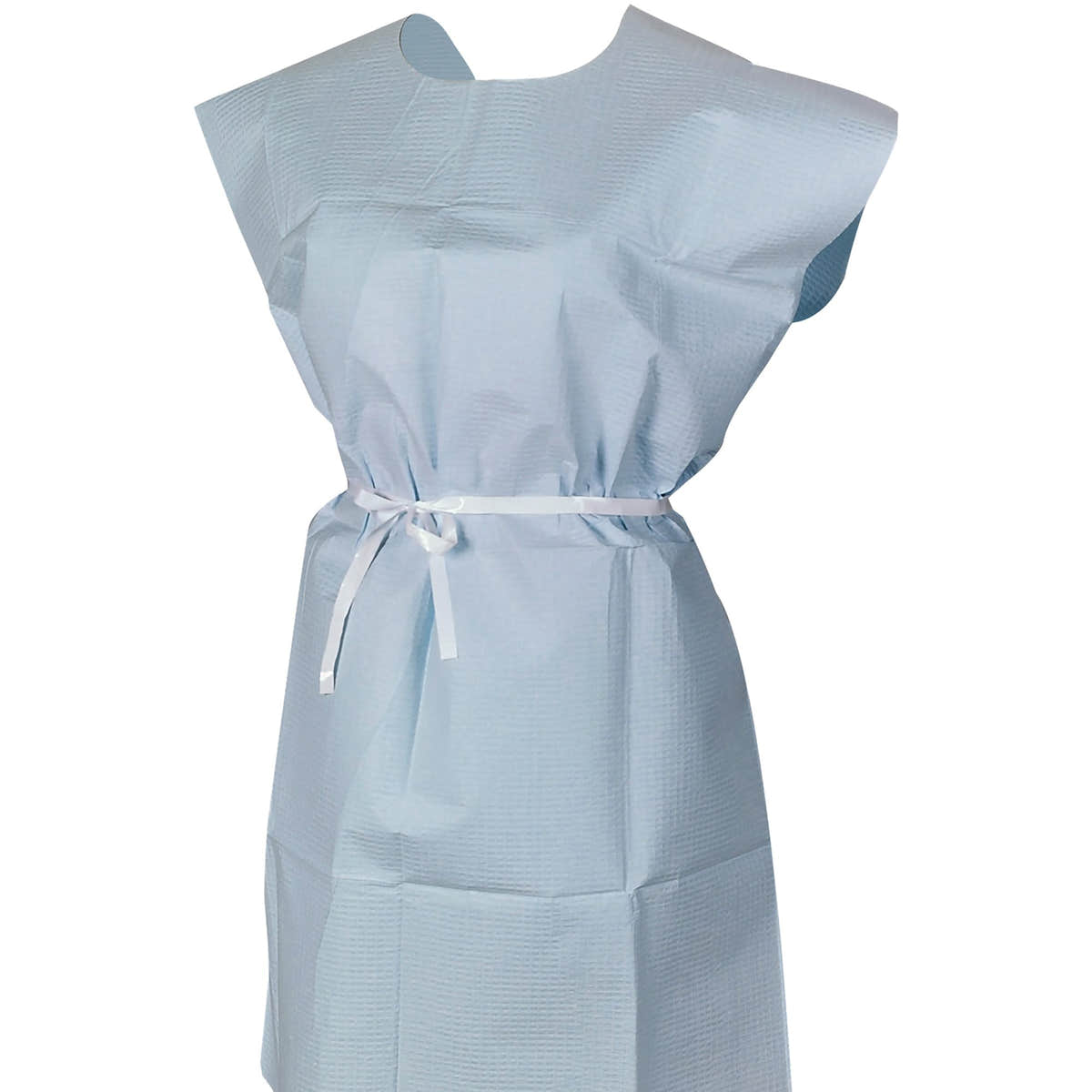
McKesson Patient Exam Gown, 2X-Large, Blue -Case of 25
McKesson Patient Exam Gown
Sale priceFrom $0.99
Choose options
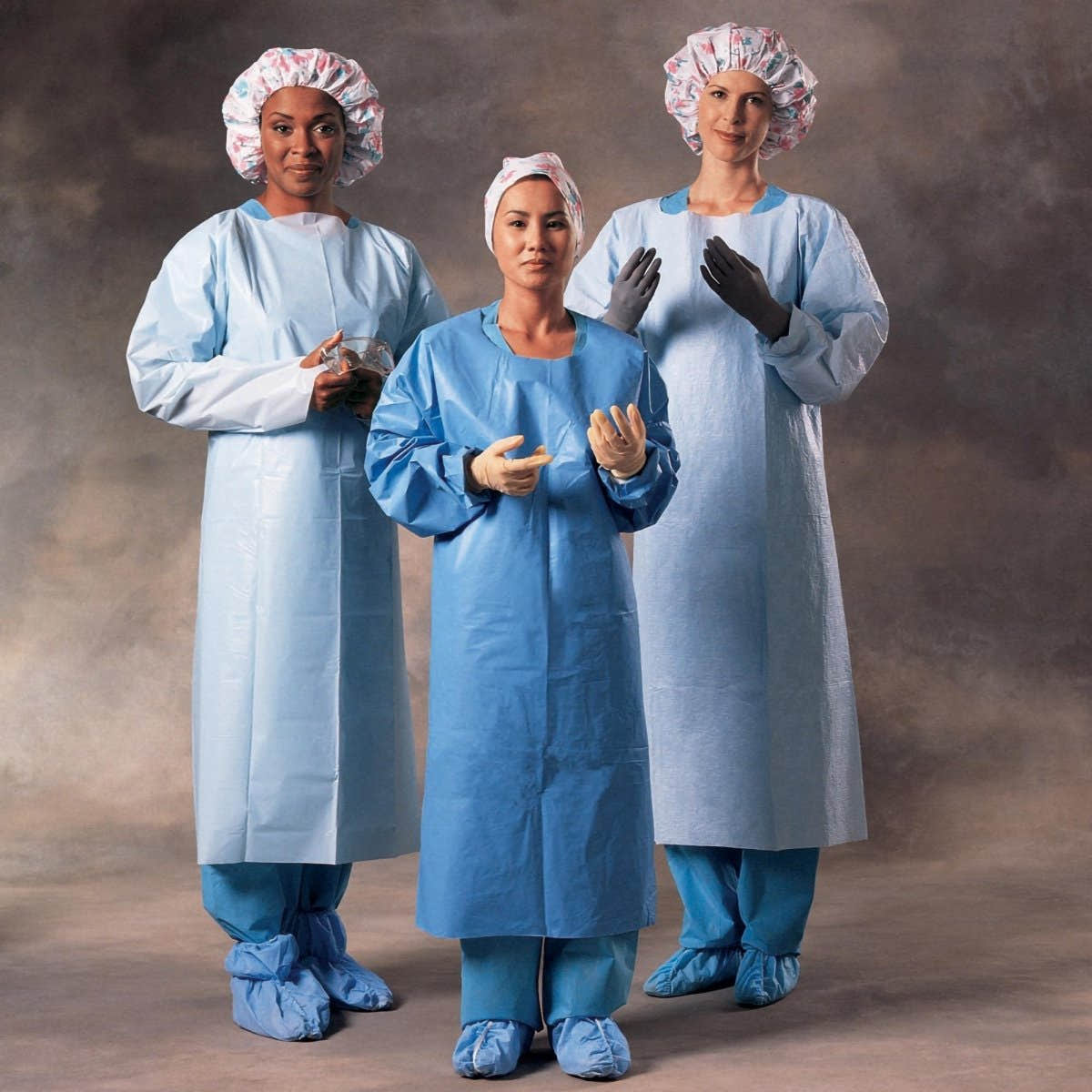
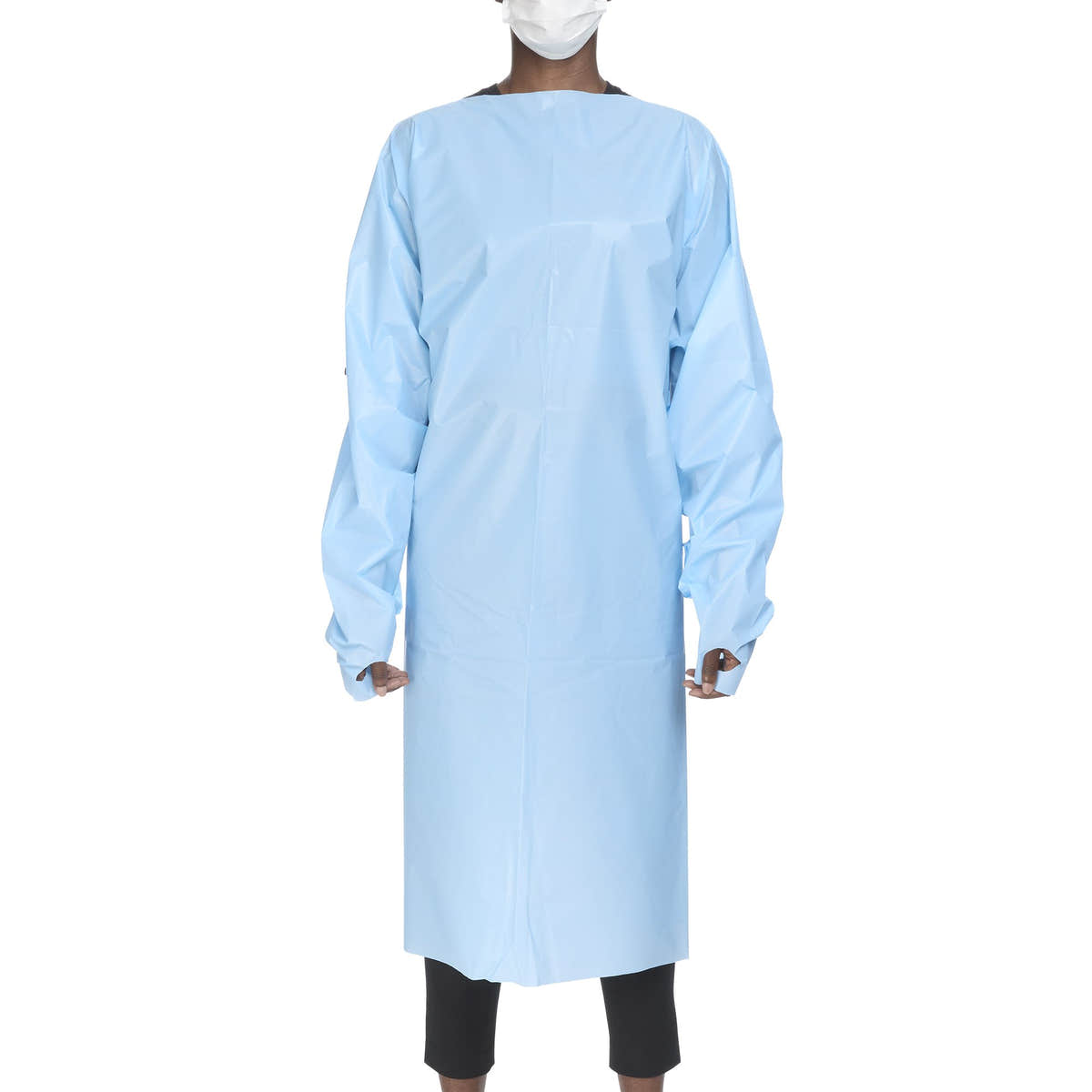
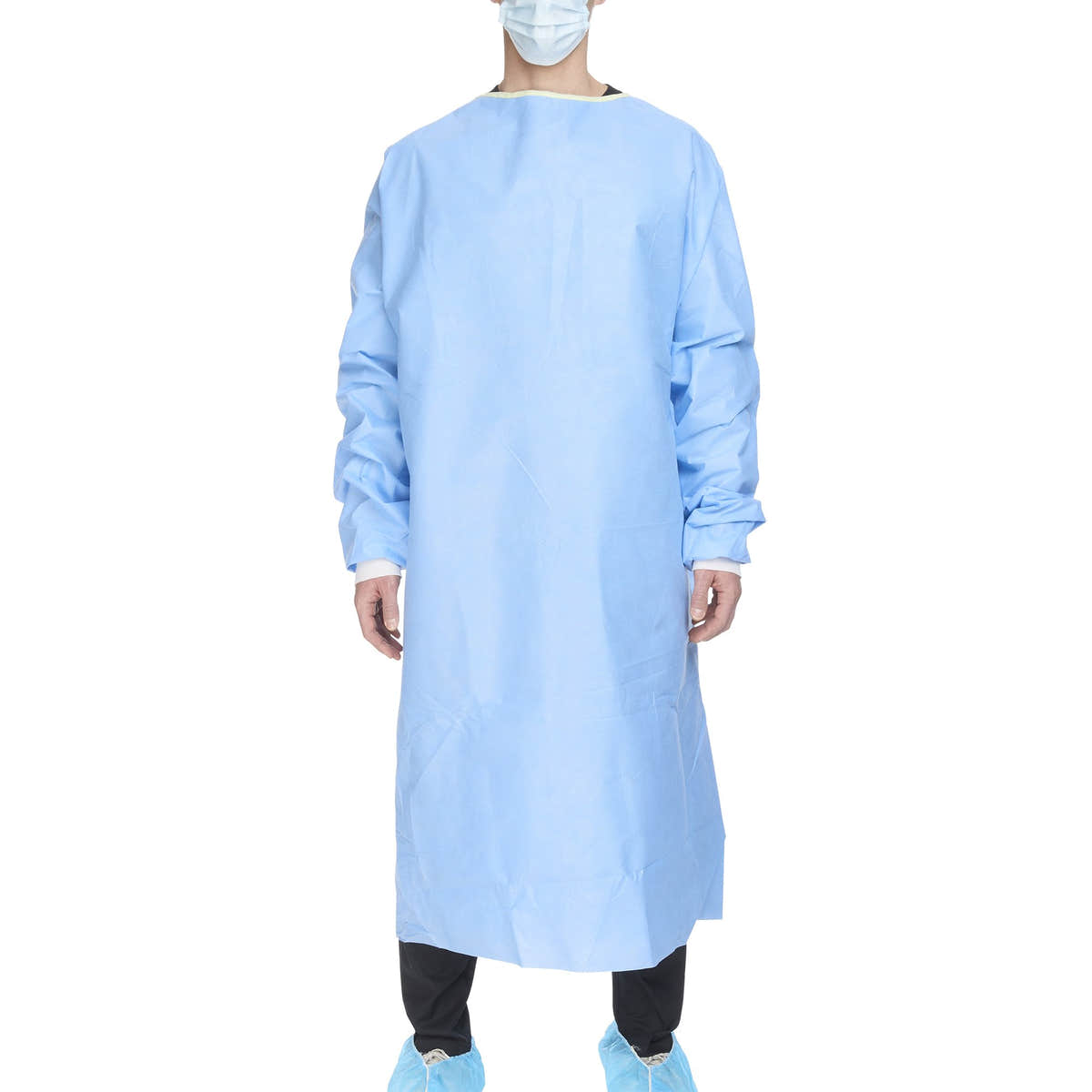
McKesson Open Back Over-the-Head Protective Procedure Gown, Universal, Blue -Case of 75
Choice Patient Exam Gown -Case of 50
Choice Patient Exam Gown
Sale price$56.99
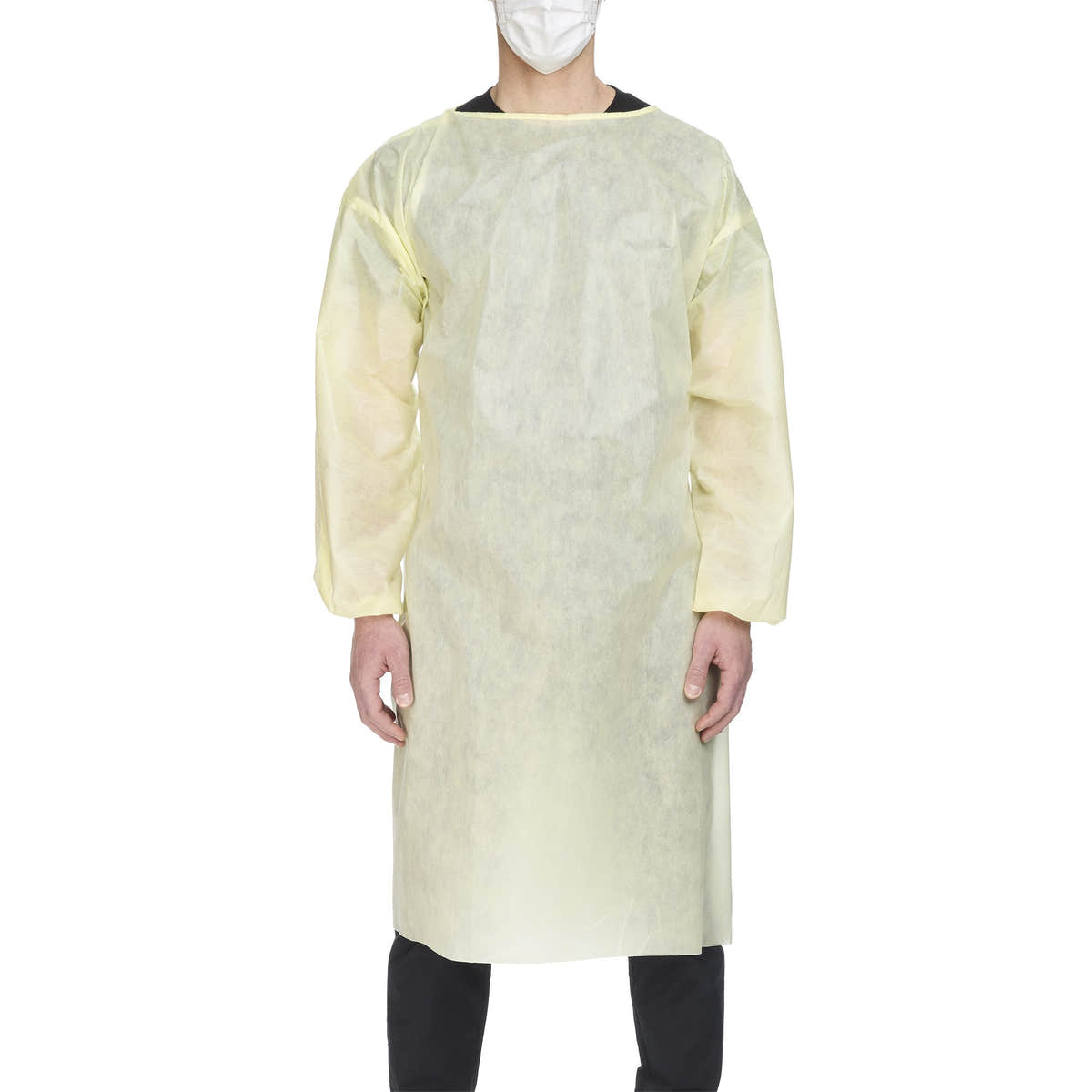
Cardinal Health Protective Procedure Gown - 449964_CS - 1
Magna Patient Exam Gown - 253879_EA - 1
Magna Patient Exam Gown
Sale price$27.99
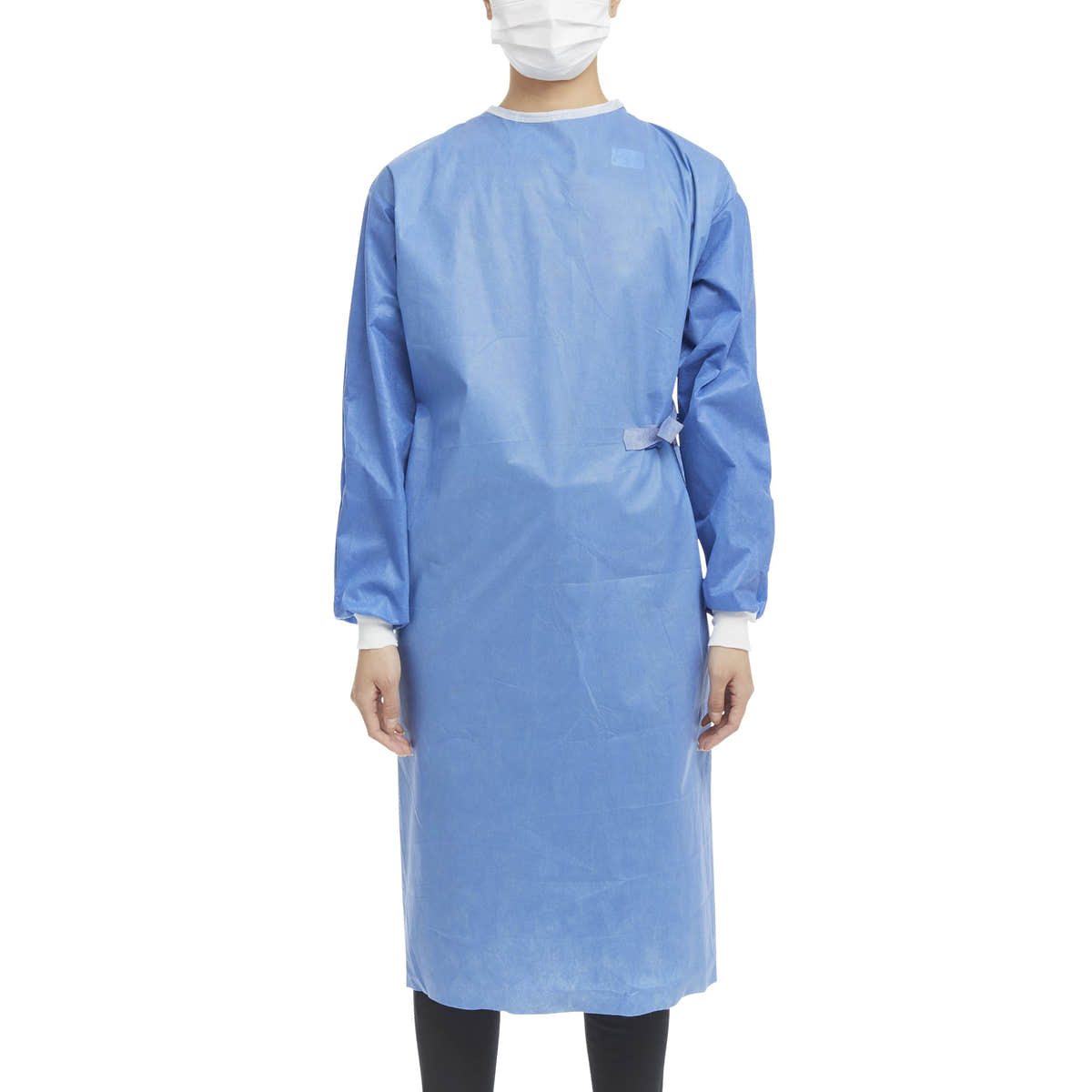
Cypress Non-Reinforced Surgical Gown with Towel, X-Large Blue -Case of 28
Convertors AAMI Level 3 Protective Procedure Gown - 561159_CS - 1

Frequently Asked Questions about Medical Gowns

Medical gowns are used to provide a protective barrier between healthcare professionals and patients, helping to prevent the transmission of infections and maintain a sterile environment during medical procedures.

Medical gowns protect healthcare professionals by acting as a physical barrier against infectious agents, bodily fluids, and other potentially hazardous substances that may be encountered during patient care, reducing the risk of contamination.

There are various types of medical gowns available, including isolation gowns, surgical gowns, procedural gowns, and cover gowns. Each type serves a specific purpose and offers different levels of protection.

Medical gowns are classified into different levels based on their liquid barrier performance and their ability to withstand penetration by blood or other bodily fluids. The levels range from minimal protection (Level 1) to high protection (Level 4).

Medical gowns should be worn according to the manufacturer's instructions and healthcare facility guidelines. Generally, they should cover the entire body, including the back, and be properly secured to ensure maximum coverage and protection.

Medical gowns can be either disposable or reusable, depending on their intended use and the materials they are made of. Disposable gowns are typically used for single-use purposes, while reusable gowns can be laundered and used multiple times.

Common materials used in medical gowns include polypropylene, polyester, and polyethylene. These materials offer different levels of protection, comfort, and breathability, depending on the specific requirements of the gown.

Some medical gowns can be sterilized through appropriate sterilization methods, such as autoclaving or ethylene oxide sterilization. However, not all gowns are suitable for sterilization, and it is important to refer to the manufacturer's instructions for proper handling.

Yes, there are specific guidelines provided by regulatory bodies and healthcare organizations for using medical gowns in different healthcare settings. These guidelines outline the recommended practices to ensure the effective use of gowns and minimize the risk of infections.

Medical gowns contribute to preventing the spread of infections by creating a physical barrier between healthcare professionals and potentially infectious agents. They help to minimize the transfer of pathogens through direct contact or exposure to contaminated materials.

Recently viewed