Unmatched Protection: Shielding You from Potential Hazards
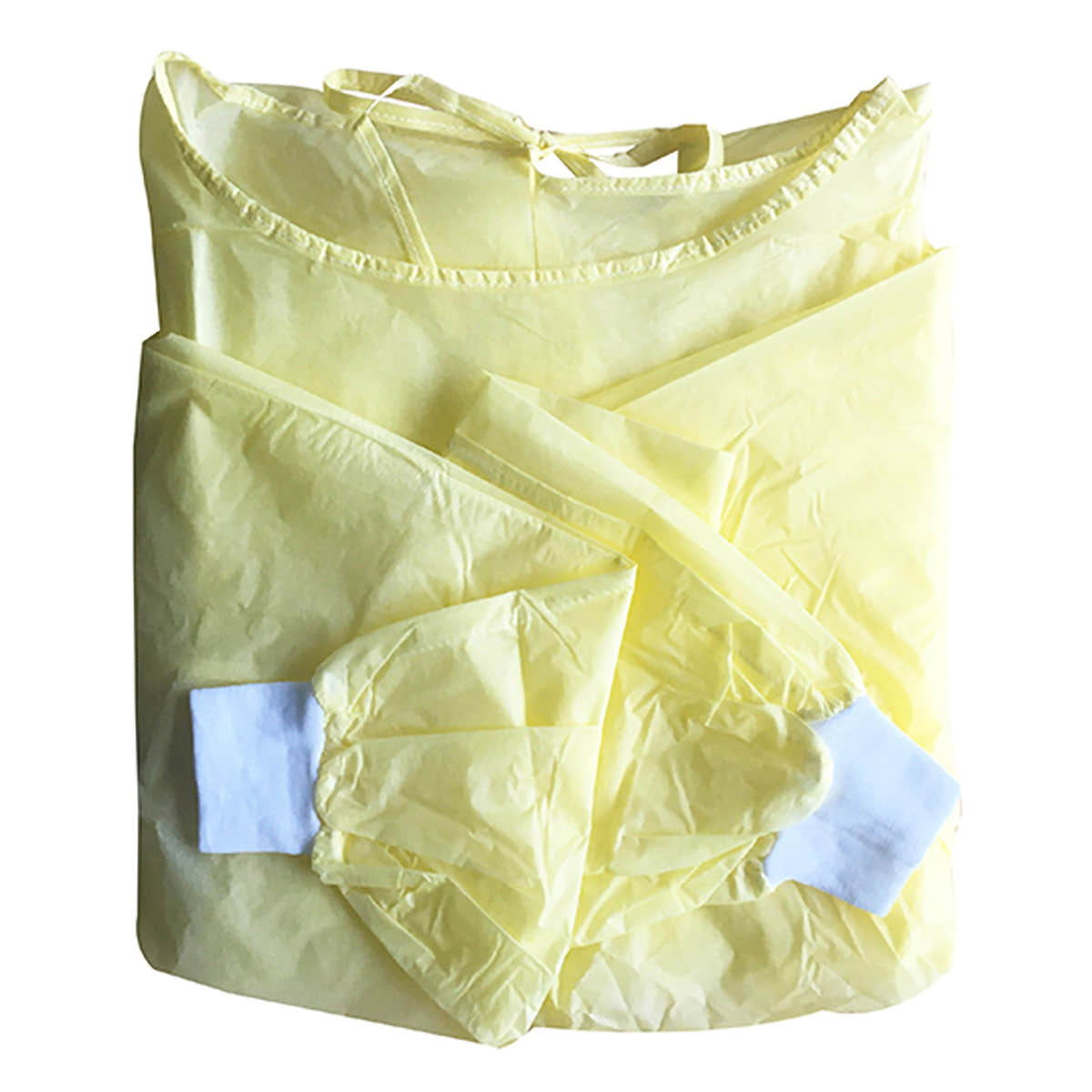
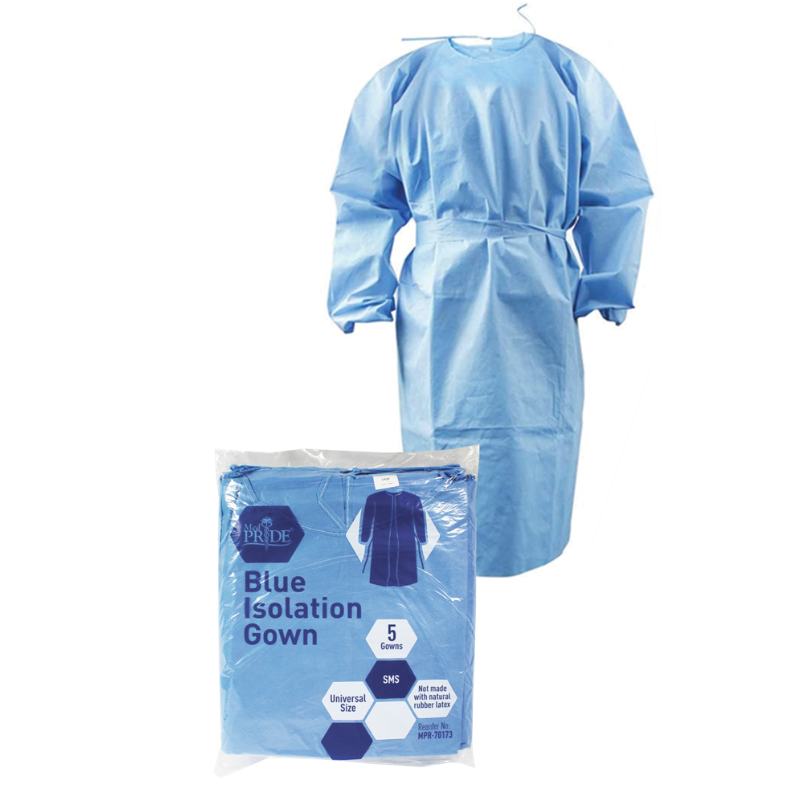
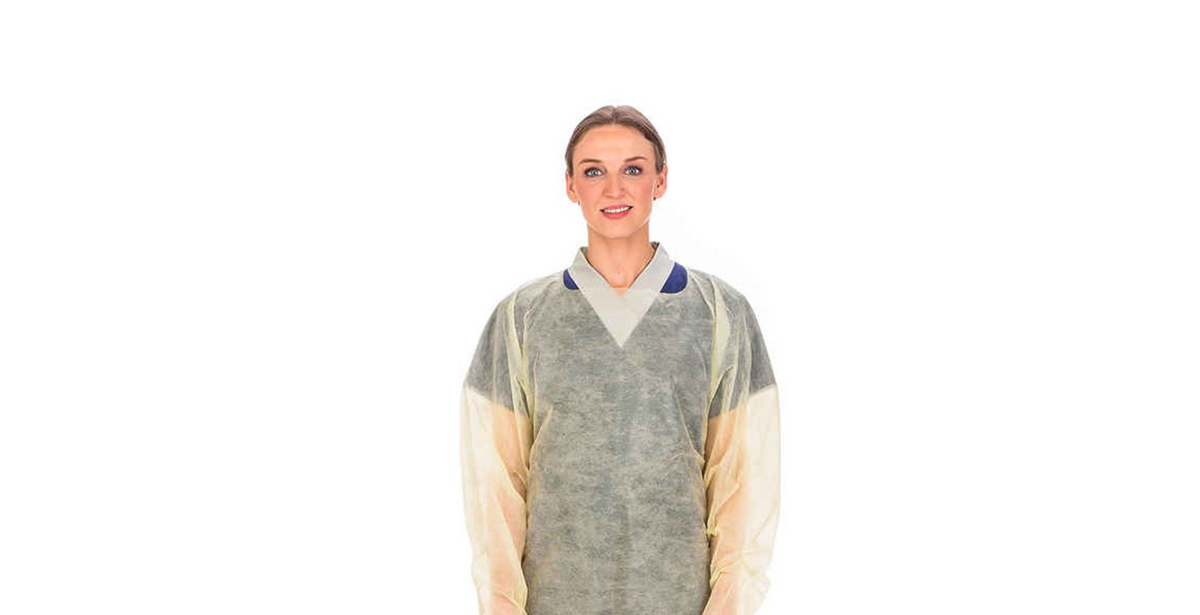
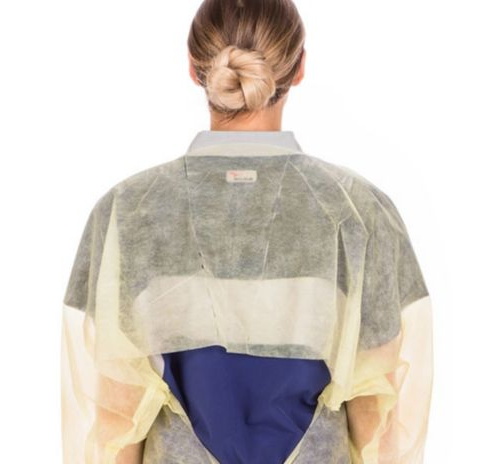
When it comes to safeguarding yourself and your patients, our medical gowns offer unmatched protection. Crafted with precision and care, these gowns act as a strong barrier against potentially harmful substances and infectious agents. Designed to meet rigorous safety standards, our gowns provide you with the peace of mind you deserve, allowing you to focus on what matters most—providing exceptional care.
Uncompromising Quality: Built to Last
At Cart Health, we prioritize quality above all else. Our medical gowns are expertly crafted using premium materials that are durable, ensuring they withstand the rigors of daily use. Whether it's the demanding environment of a hospital or a busy medical clinic, our gowns are built to last, providing you with reliable protection over an extended period. Invest in Cart Health's medical gowns and experience the longevity and durability you deserve.
Comfort Redefined: Freedom of Movement and Breathability
We understand that comfort plays a crucial role in your ability to perform your duties effectively. That's why our medical gowns are designed with your comfort in mind. With a focus on freedom of movement and breathability, our gowns allow you to work effortlessly throughout your day. Say goodbye to restrictive and uncomfortable attire and embrace the comfort and ease of Cart Health's medical gowns.
Tailored Solutions: Find Your Perfect Fit
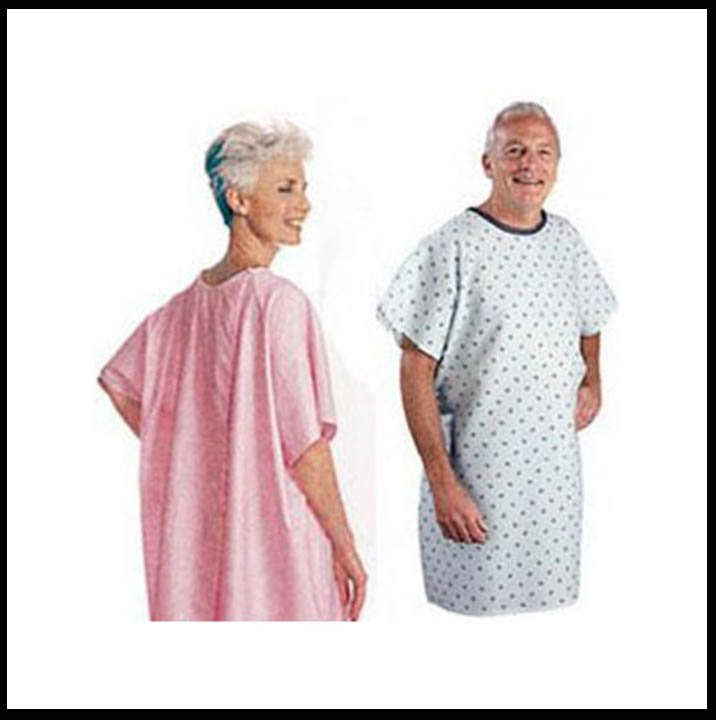
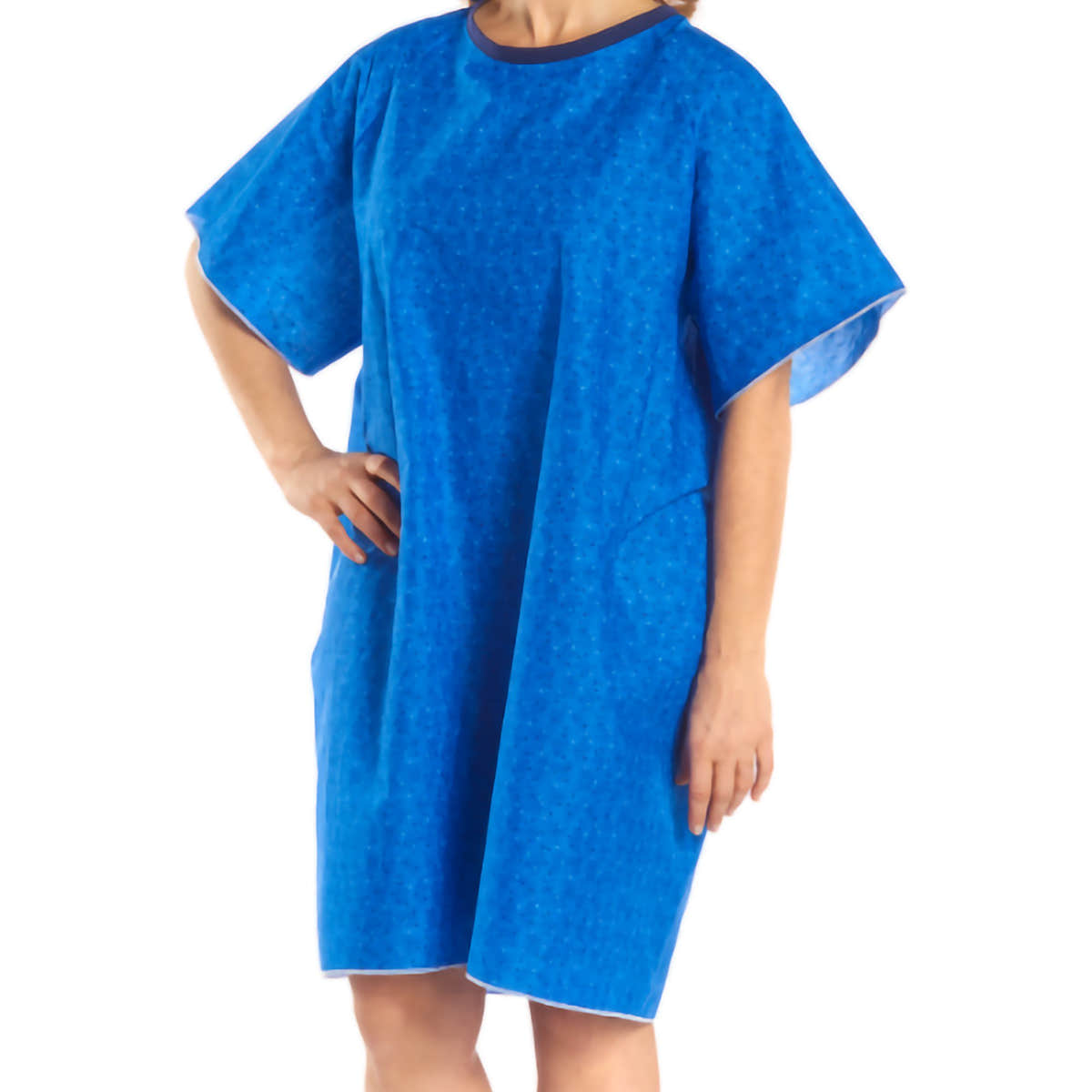
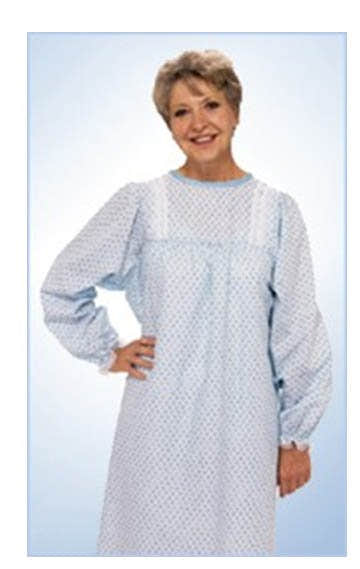
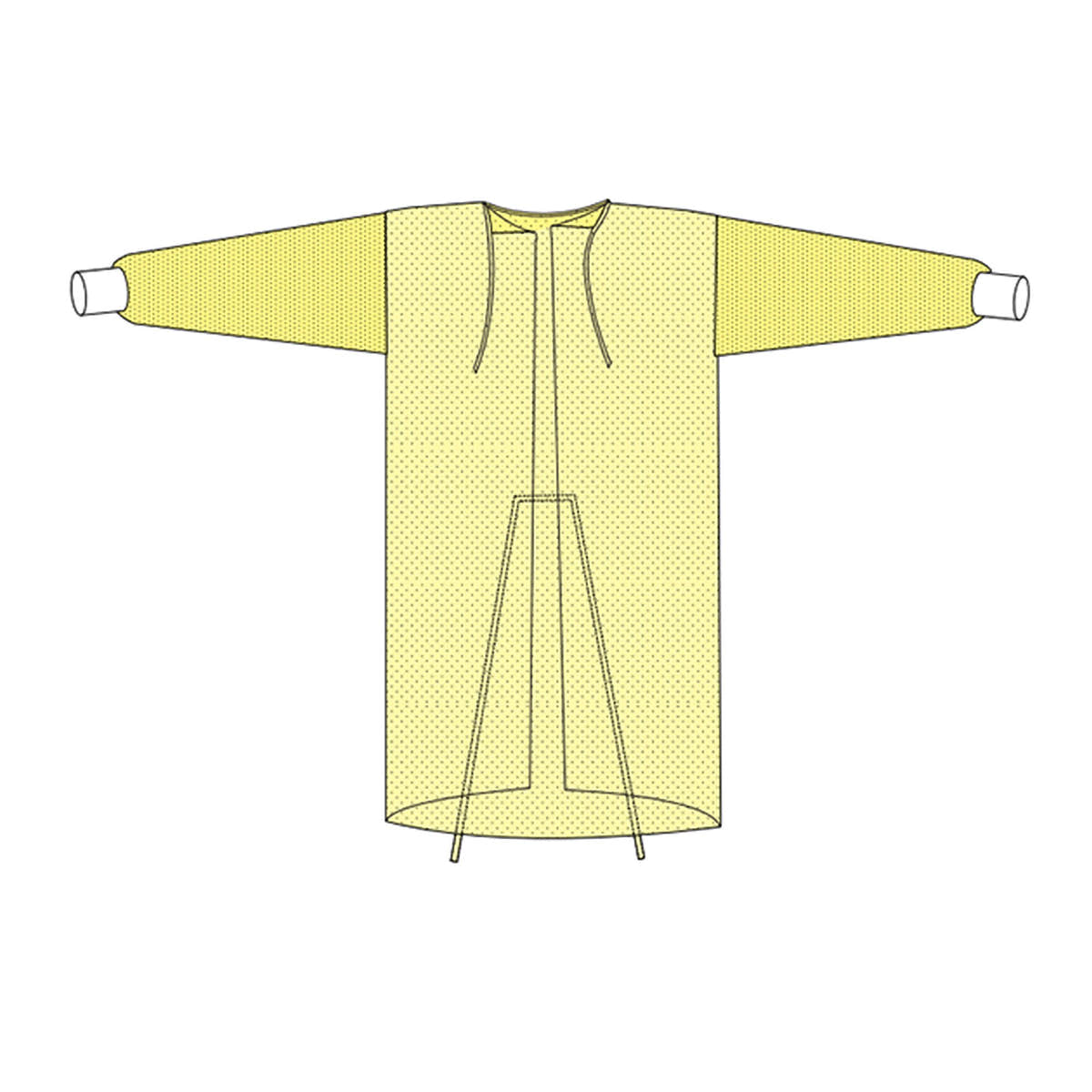
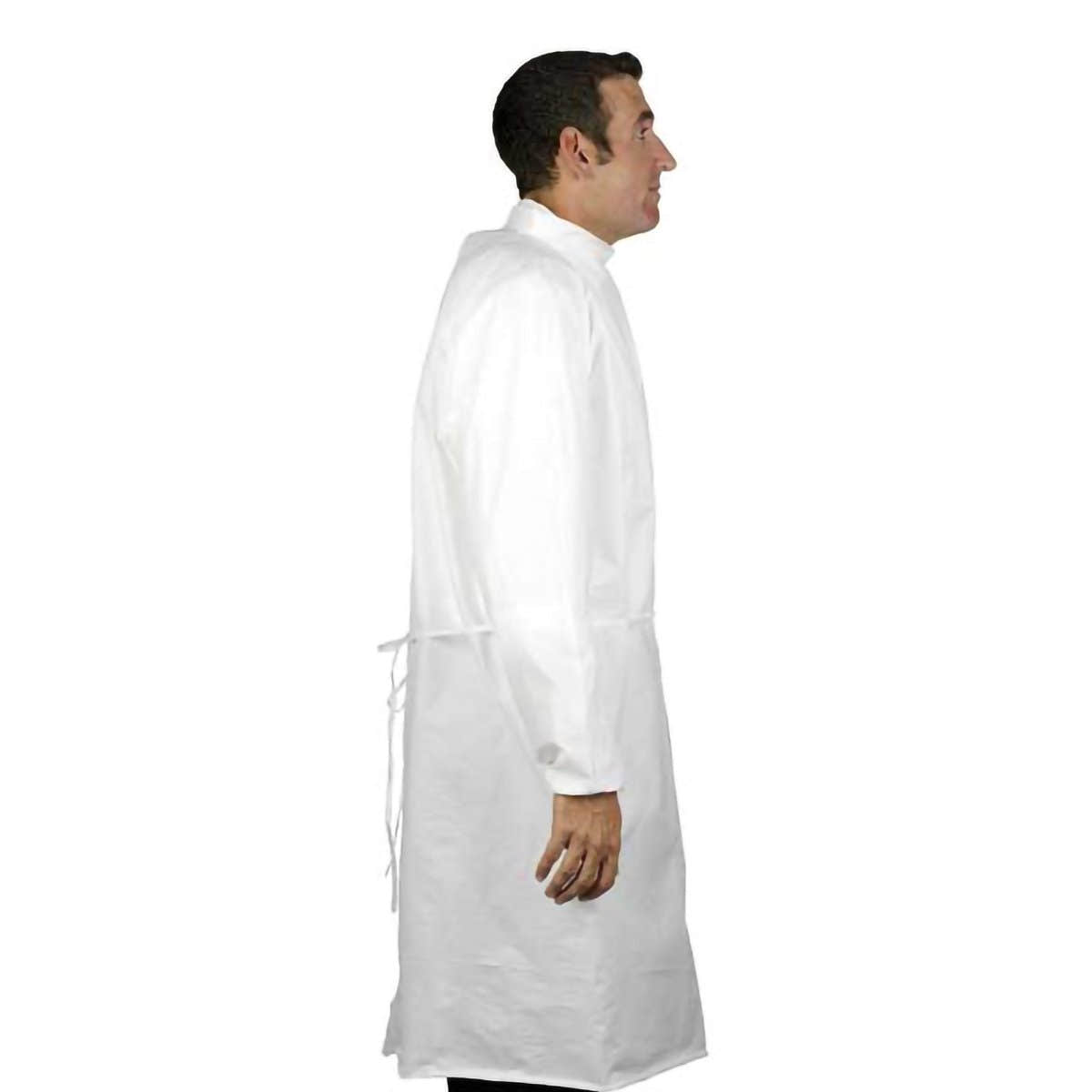
Every individual is unique, and so are their requirements. At Cart Health, we offer a diverse range of medical gowns to cater to your specific needs. Whether you prefer full-length gowns for comprehensive coverage or shorter gowns for increased mobility, our collection has something for everyone. With various sizes and styles available, finding the perfect fit has never been easier.
Easy Maintenance: Convenience at Your Fingertips
We understand that your time is valuable, which is why we ensure our medical gowns are easy to care for. Our gowns are designed to withstand repeated washing and maintain their integrity, allowing for hassle-free maintenance. Spend less time worrying about garment upkeep and more time focusing on providing exceptional care to your patients.
Experience Cart Health: Your Trusted Partner
When it comes to medical gowns, Cart Health stands out as a trusted partner in the healthcare industry. We are committed to providing you with top-quality products that meet the highest standards of safety, durability, and comfort. Our mission is to empower healthcare professionals with the best possible tools to excel in their roles.
Experience the Cart Health difference and elevate your protection and comfort to new heights. Your patients deserve the best, and so do you. Choose Cart Health for unparalleled quality and peace of mind.