Caring for a child with unique health or developmental needs is a journey filled with deep dedication, love, and constant adaptation. As a parent or family caregiver, your primary goal is to help your child feel comfortable, secure, and supported in their daily environment. One of the most practical ways to achieve this is by selecting the right special needs medical supplies to assist with their daily care routines. Having the correct tools on hand not only simplifies your caregiving tasks but also promotes your child’s independence, dignity, and overall well-being. To help you navigate these choices, we have gathered evidence-based tips and product insights so you can confidently select the high-quality pediatric supplies your family relies on every day.
Understanding Your Child’s Daily Care Needs
Every child is unique, and their medical supply needs will change as they grow, transition between developmental stages, and achieve new milestones. According to the American Academy of Pediatrics (AAP), children with special healthcare needs benefit most from a coordinated, family-centered approach to care. This means that the supplies you choose should seamlessly integrate into your home, school, and therapy routines.
To begin, it is helpful to categorize your child’s daily routine into specific areas of need. This structured approach prevents you from feeling overwhelmed and ensures you do not overlook essential items. Consider the following key areas of daily living:
- Hygiene and Personal Care: This includes specialized diapers, youth briefs, underpads, and skin-safe wipes.
- Nutrition and Feeding: This covers enteral feeding (tube feeding) bags, gravity sets, syringes, and skin-friendly tape.
- Mobility and Positioning: This includes supportive cushions, bath chairs, and safety straps that keep your child secure.
- Skin Integrity: This involves moisture barriers, protective creams, and gentle cleansers to protect delicate skin from breakdown.
Choosing the Right Special Needs Medical Supplies: Sizing, Fit, and Safety
When selecting special needs medical supplies, finding the correct size and fit is the most critical step. Unlike standard consumer products, medical supplies must fit precisely to function safely and effectively. Using products that are too large, too small, or poorly designed can lead to skin irritation, leaks, discomfort, or even medical complications.
1. Pediatric Incontinence and Hygiene Supplies
As children grow, standard baby diapers eventually stop providing adequate coverage or absorbency. According to the National Association for Continence (NAFC), managing pediatric incontinence requires a careful balance of sizing, absorbency, and skin protection. When transitioning from baby diapers to youth briefs or protective underwear, keep these factors in mind:
- Measure Waist and Hips: Do not rely solely on your child’s weight. Use a soft measuring tape to measure both the waist and the widest part of the hips. Use the larger of these two measurements to select the correct size on product charts.
- Check the Leg Cuffs: A proper fit around the legs is essential to prevent leaks. The leg cuffs should fit snugly against the skin without digging in, pinching, or leaving red marks.
- Prioritize Breathability: Look for products featuring fully breathable, cloth-like outer backsheets. These materials allow heat and moisture to escape, which helps maintain skin health and prevents diaper dermatitis (severe diaper rash).
- Select the Right Absorbency: Choose daytime products that allow for easy movement, and opt for high-absorbency or overnight briefs to ensure your child gets uninterrupted, restful sleep.
2. Enteral Feeding and Nutrition Supplies
For children who receive nutrition through a gastrostomy tube (G-tube), nasogastric tube (NG-tube), or jejunostomy tube (J-tube), feeding supplies are a daily necessity. The National Institutes of Health (NIH) emphasize the importance of maintaining clean, sterile, and secure enteral feeding setups to prevent infections and mechanical complications.
- Look for ENFit Connectors: ENFit is the international standard design for enteral feeding connectors. These connectors are specifically engineered to prevent misconnections with other medical tubing systems (such as intravenous lines), greatly enhancing your child's safety.
- Choose the Right Syringe Size: Keep a variety of syringe sizes on hand. Smaller syringes (such as 5 mL or 10 mL) are ideal for administering medications or flushing tubes, while larger syringes (such as 60 mL) are necessary for bolus feedings.
- Prioritize Gentle Securement: Pediatric skin is highly sensitive. When securing feeding tubes or extension sets to your child’s abdomen or face, choose hypoallergenic, medical-grade silicone tapes that hold securely but peel away gently without tearing the skin.
3. Skin Care and Moisture Barriers
Children who use wheelchairs, spend extended periods in bed, or wear incontinence briefs are at a higher risk for skin breakdown. The Wound, Ostomy, and Continence Nurses Society (WOCN) recommends a proactive skin care regimen to maintain the skin's natural barrier. Look for specialized pediatric skin care supplies, including:
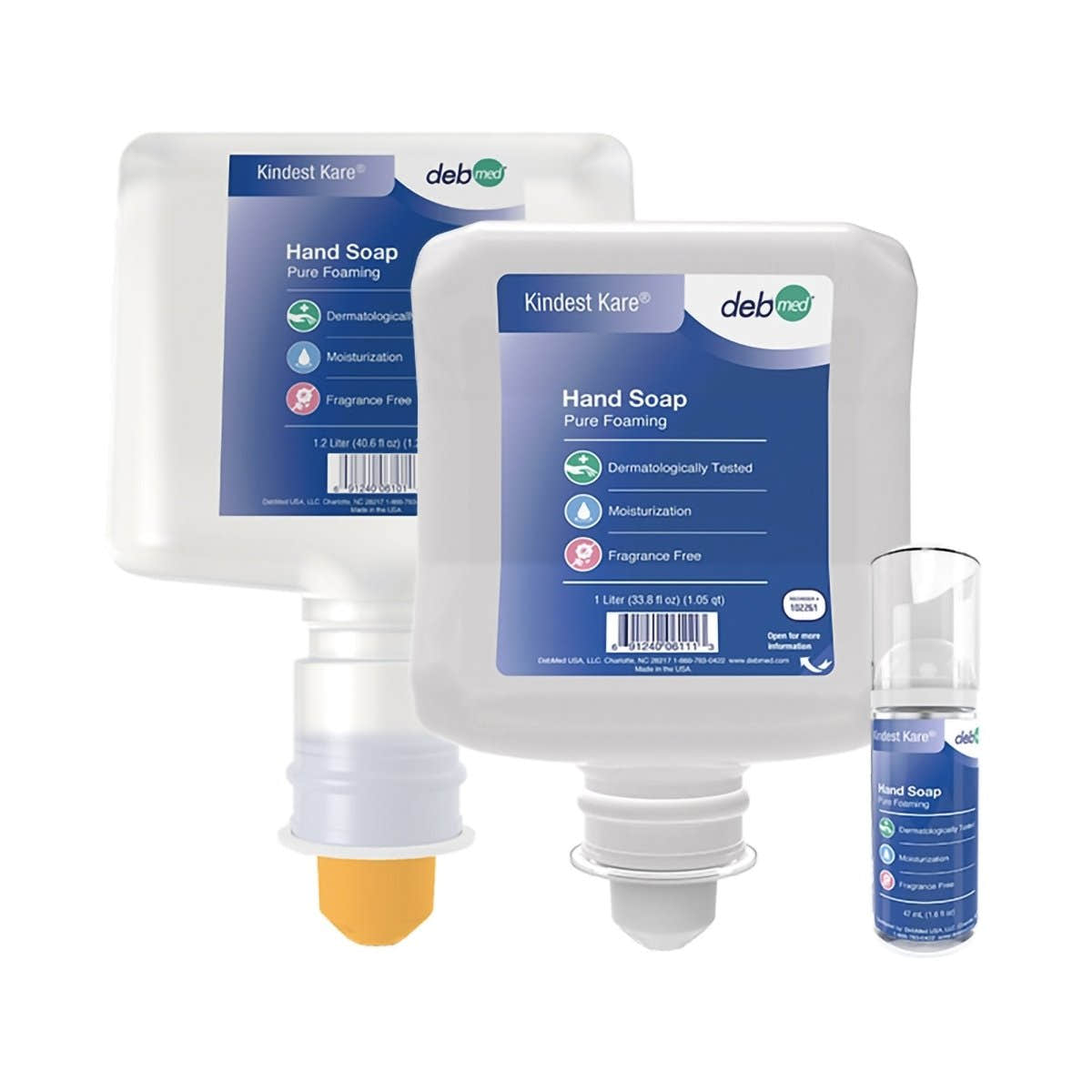
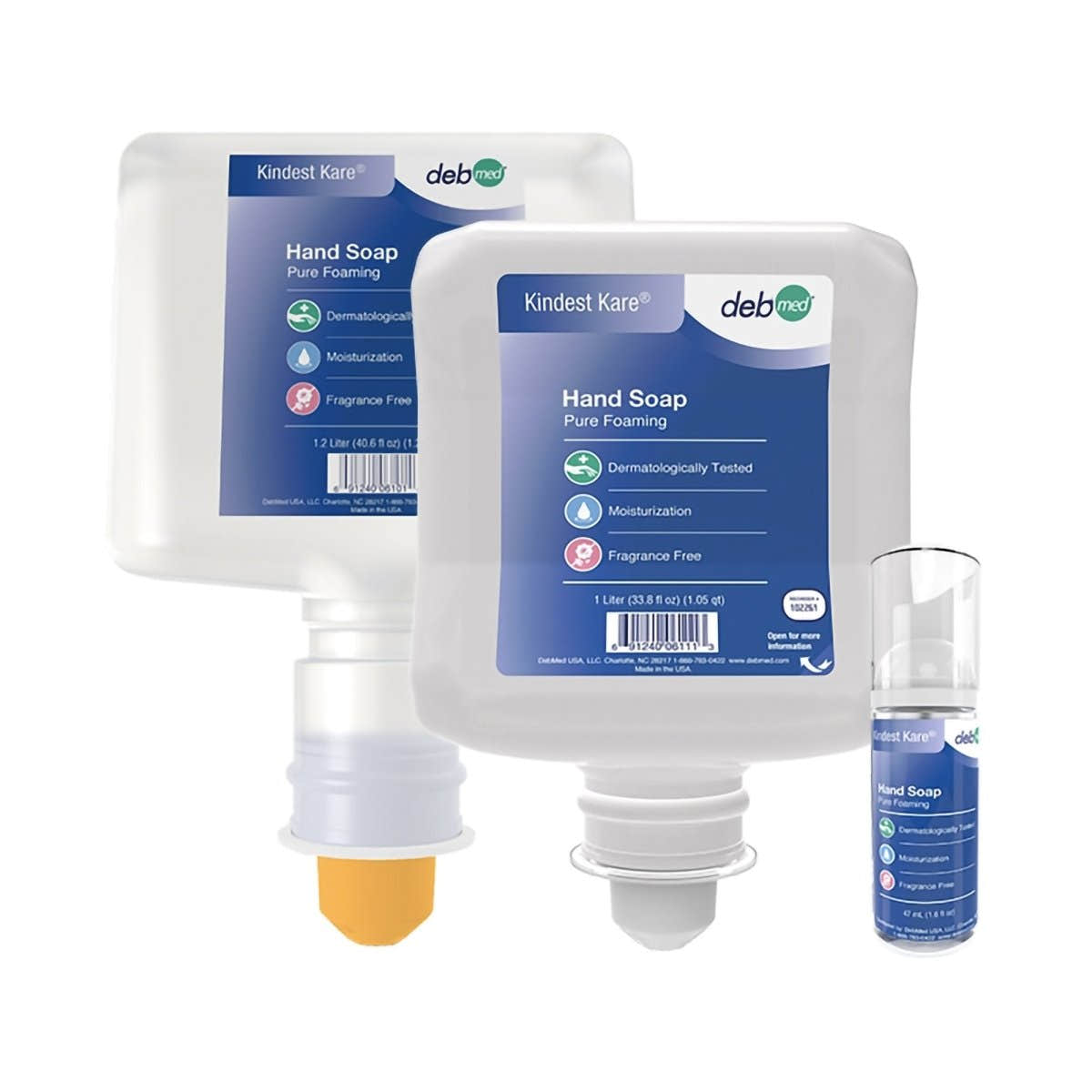
- pH-Balanced Cleansers: Avoid harsh, scented household soaps. Use no-rinse, pH-balanced cleansing foams that gently remove urine and stool without stripping the skin of its natural moisture.
- Moisture Barrier Ointments: Apply a thin layer of zinc oxide, petrolatum, or dimethicone-based barrier cream during diaper changes to shield the skin from wetness and friction.
- Friction-Reducing Dressings: For areas prone to rubbing, such as under brace straps or behind the knees, consult your therapist about using thin, protective hydrocolloid dressings to cushion the skin.
How to Match Supplies to Your Child's Daily Environments
Your child’s supply needs will vary depending on where they are spending their day. A setup that works perfectly in the quiet comfort of your living room may not be practical for a busy classroom, a physical therapy session, or a family road trip. Preparing for these different environments ensures your child remains comfortable and supported wherever they go.
Supplies for the School Day
When sending your child to school, coordinate closely with the school nurse and special education team. It is highly beneficial to pack a dedicated, organized "go-bag" that stays with your child. This bag should contain:
- At least three complete changes of incontinence briefs or diapers.
- A travel pack of hypoallergenic, alcohol-free wet wipes.
- A change of clothes (including socks) packed in a sealed plastic bag, which can also be used to store soiled garments.
- Pre-measured enteral feeding supplies, including clean extension sets, syringes, and formula.
- Clear, written instructions signed by your pediatrician detailing your child's care routine.
Supplies for Physical and Occupational Therapy
During therapy sessions, your child will be moving, stretching, and working hard. To support their efforts, choose supplies that prioritize flexibility and secure fit. For example, opt for highly flexible, pull-up style youth pants rather than tabbed briefs, which can shift or come undone during active movement. Additionally, ensure any medical tubing or monitors are secured with flexible cohesive wraps that move naturally with your child's body.
Tips for Caregivers: Organizing and Managing Inventory
Managing a household while keeping track of medical supplies can be a challenging balancing act. Running out of an essential item, like a specific size of feeding tube extension or a highly absorbent brief, can cause unnecessary stress for both you and your child. Implementing a simple, consistent inventory system can help you stay ahead of your supply needs.
First, designate a single, dry, and easily accessible closet or storage area specifically for your child's medical supplies. Group similar items together in clear, labeled plastic bins so you can see your stock levels at a glance. Next, establish a "reorder threshold." For example, when you open your second-to-last box of briefs or enter your final week of feeding bags, place your next order immediately. This built-in buffer easily accounts for shipping times or unexpected delays, ensuring you always have what you need on hand.
Partnering with Your Pediatric Healthcare Team
While product guides and online resources provide excellent foundational knowledge, your child's healthcare team is your most valuable resource. Pediatricians, pediatric nurses, physical therapists, and occupational therapists possess deep, personalized knowledge of your child's unique anatomy and developmental goals.
Before purchasing new specialized equipment, such as bath chairs, positioning wedges, or specialized feeding systems, consult your child's therapist. They can perform precise measurements, recommend specific features, and even demonstrate how to use the items safely in your home. Always consult your healthcare provider if you notice signs of skin irritation, changes in your child's nutritional tolerance, or if you suspect a product is no longer fitting them correctly.
How do I know when my child is ready to transition from baby diapers to youth briefs?
You should consider transitioning your child when they exceed the weight limits of standard baby diapers, or when you notice frequent leaks, red pressure marks around their thighs, or tabs that no longer fasten securely. Youth briefs are specifically designed to accommodate the changing body proportions of growing children and older youth.
What is the best way to measure my child for medical briefs or protective underwear?
Use a flexible measuring tape to measure your child's waist (just below the belly button) and their hips (the widest part of their seat). Use the larger of these two measurements, along with your child's current weight, to consult the manufacturer's sizing chart. A proper fit should be snug but comfortable, with no gaps around the legs.
Why is the ENFit connector standard recommended for pediatric feeding supplies?
The ENFit connector standard is design-engineered to improve patient safety. It features a unique, locking design that only connects to enteral feeding devices, preventing accidental connections to other medical delivery systems like IV lines or tracheostomy tubes.
How can I protect my child's sensitive skin from irritation caused by medical tape or adhesives?
Look for medical tapes and securement devices made with medical-grade silicone adhesives. Silicone tapes adhere securely to the skin but can be removed gently without pulling or damaging the delicate outer layers of your child's skin. You can also consult your doctor about using alcohol-free skin prep wipes to create a protective barrier before applying adhesive.
This article is for general educational purposes and is not medical advice. Always consult your healthcare provider for guidance specific to your situation.