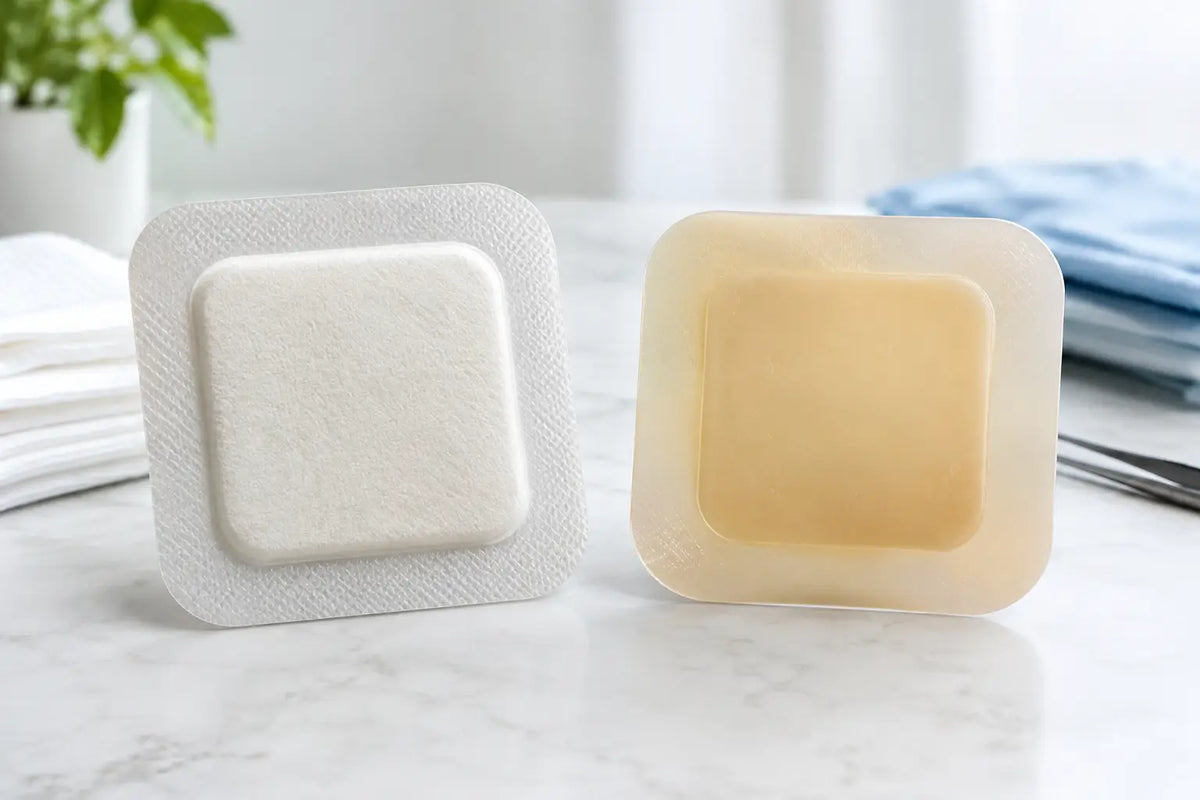
A dressing that works well for a draining wound can be a poor fit for a dry, fragile area of skin. That is the practical question behind foam dressing vs hydrocolloid: not which product is universally better, but which one matches the wound, the amount of drainage, and the person receiving care.
For home caregivers and shoppers, both options can seem similar because each is designed to cover and protect a wound. Their materials and moisture-handling abilities are quite different, though. Understanding those differences can make it easier to shop for the right category and follow a clinician's wound-care plan with more confidence.
Foam Dressing vs Hydrocolloid: The Main Difference
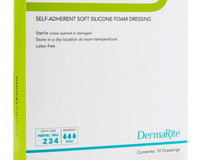
Foam dressings are soft, absorbent pads, usually made from polyurethane foam. They are designed to take in wound drainage while helping maintain a protected, moist wound environment. Many have a gentle adhesive border; others are non-adhesive and need to be held in place with tape, gauze, or a wrap.
Hydrocolloid dressings contain moisture-absorbing materials that form a gel when they contact wound drainage. They create a sealed, protective cover and are often thin, flexible, and comfortable under clothing. As they absorb fluid, the dressing may swell or turn opaque. That change alone does not necessarily mean there is a problem.
In simple terms, foam is usually selected when absorption is the priority. Hydrocolloid is often selected when a wound has light drainage and benefits from a longer-wear protective cover. The correct choice still depends on the wound assessment and instructions from a healthcare professional.
When a Foam Dressing May Be a Better Fit
Foam dressings are commonly used for wounds with moderate drainage, or for areas where drainage may increase. Their absorbent structure helps move fluid away from the wound surface and reduces the chance that fluid will sit against surrounding skin.
They can be especially useful over bony or high-pressure areas, such as the heel, elbow, tailbone, or hip, because the foam adds cushioning. Some foam products are shaped for specific body areas, including sacral foam dressings with a contoured design for the lower back and tailbone.
A bordered foam dressing may simplify everyday care because it combines the absorbent pad and adhesive cover in one product. Non-adhesive foam can be helpful when a clinician wants more control over how the dressing is secured or when surrounding skin cannot tolerate an adhesive border.
Foam may not be the best option for every low-drainage wound. On a very dry wound, an absorbent dressing can sometimes leave the area too dry unless the care plan includes another product beneath it. It can also be bulkier than a hydrocolloid dressing, which matters under tight clothing or on highly flexible areas.
Signs the foam dressing needs attention
Follow the product directions and the clinician's schedule for changes. A foam dressing should be checked sooner if drainage reaches the edge of the pad, the seal begins to lift, the dressing leaks, or it becomes loose after bathing or movement. A dressing saturated with drainage should not be left in place simply to reach a planned wear time.
When a Hydrocolloid Dressing May Be a Better Fit
Hydrocolloid dressings are often used for shallow wounds with low to moderate drainage, including some minor skin injuries and pressure injuries when a clinician recommends them. Because they seal around the wound, they can protect the area from friction, outside contaminants, and frequent disturbance.
Their flexibility is a practical advantage for locations such as the knee, elbow, or other areas that bend. Thin hydrocolloid styles can also work well beneath clothing because they are less noticeable than many foam options. For people who need a dressing to stay in place between scheduled changes, a properly sized hydrocolloid may offer dependable wear.
Hydrocolloid dressings should not be treated as a one-size-fits-all cover. They are generally not a good choice for heavily draining wounds, wounds that need frequent inspection, or wounds with suspected infection unless a clinician specifically directs their use. A sealed dressing can hold in too much fluid when drainage is high and may make it harder for a caregiver to monitor changes.
The adhesive can also be a concern for people with delicate, thin, irritated, or easily torn skin. Removal should be slow and gentle, supporting the skin as the dressing is eased back. If tape or adhesive has caused irritation before, ask a healthcare professional about skin-friendly alternatives.
How to Choose Between Foam and Hydrocolloid
Start with the drainage level. A wound producing moderate or heavier fluid generally points toward an absorbent foam option, while a shallow wound with minimal drainage may be better suited to hydrocolloid. Do not estimate based on one day alone if the wound is changing. Drainage can increase with friction, swelling, infection, or other complications.
Next, consider the location. Foam can provide padding for a heel or tailbone, while a thin hydrocolloid can be more comfortable over a joint. The surrounding skin matters just as much. If the skin is soggy, whitening, or breaking down from moisture, the dressing plan may need more absorption or more frequent changes. If it is fragile, adhesive selection and removal technique become especially important.
Finally, consider how often the wound needs to be viewed. Hydrocolloid can be convenient when a wound is stable and a clinician has recommended longer wear. Foam can be easier to monitor because it is more often changed as drainage is managed. Convenience should never override the instructions given for that specific wound.
A Quick Comparison for Home Wound Care
| Care consideration | Foam dressing | Hydrocolloid dressing |
| --- | --- | --- |
| Best known for | Absorption and cushioning | Protective seal and flexibility |
| Typical drainage level | Moderate to heavy | Light to moderate |
| Thickness | Usually thicker | Often thinner |
| Helpful locations | Heels, tailbone, bony areas | Joints and low-profile areas |
| Wear time | Depends on drainage and product directions | Often longer when drainage is low and the seal remains intact |
| Main caution | May be too absorbent for very dry wounds | May not suit heavy drainage, infected wounds, or fragile skin |
These are general shopping guidelines, not a substitute for a wound-care plan. Product features vary by brand and style, including adhesive borders, silicone contact layers, waterproof film covers, and shaped designs.
Dressing Changes: Clean Technique Matters
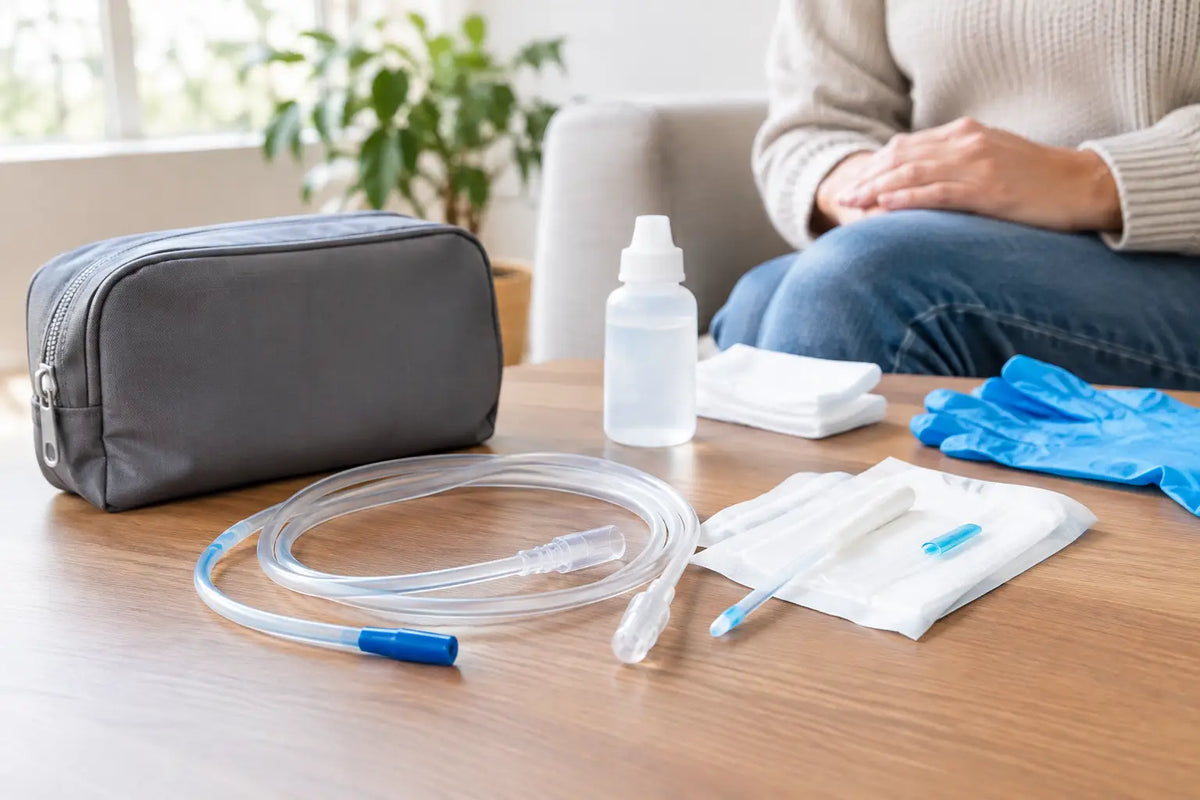
Before changing any dressing, wash your hands and gather the supplies you need. Follow instructions for cleaning the wound and use only the solutions or ointments recommended by the clinician. Avoid touching the wound-facing side of a new dressing.
Choose a size that extends beyond the wound edges onto intact skin, while following product instructions. A dressing that is too small may not absorb enough drainage or maintain a reliable seal. One that is unnecessarily large can increase adhesive exposure and irritate healthy skin.
Watch for warning signs rather than relying only on how the dressing looks. Contact a healthcare professional promptly for increasing redness or warmth around the wound, worsening pain, swelling, foul odor, pus-like drainage, fever, red streaking, or a sudden increase in drainage. Seek urgent care for severe bleeding, a deep wound, a wound exposing bone or tendon, or signs of serious infection.
People with diabetes, poor circulation, reduced sensation, immune-system conditions, or a history of difficult-to-heal wounds should get professional guidance early. Foot wounds, pressure injuries, surgical wounds, and wounds from burns or animal bites also deserve specific instructions rather than trial-and-error dressing selection.
Shop by the Care Need, Not Just the Dressing Name
When comparing wound-care supplies, look beyond the words “foam” or “hydrocolloid.” Check whether the product is adhesive or non-adhesive, its dimensions, its shape, its absorbency level, and whether it is intended for the body location involved. Ordering the same product consistently can also make home care easier when a clinician has found a dressing that works well.
The best dressing is the one that supports the care plan, protects the surrounding skin, and can be changed safely at home. If you are deciding between foam and hydrocolloid for the first time, a quick call to the prescribing clinician or wound-care team can prevent a costly mismatch and give you a clearer path forward.