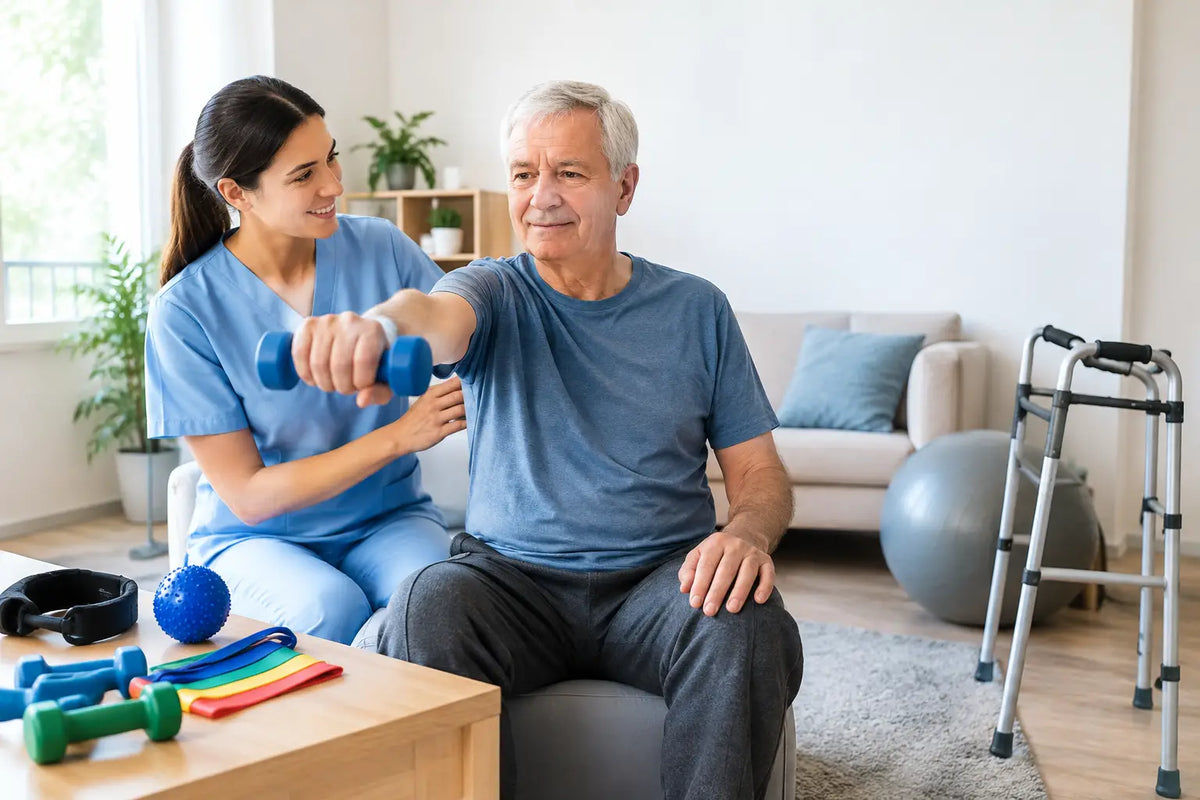
The right stroke recovery equipment examples can make the difference between a daily task that feels frustrating and one that feels manageable. A shower, trip to the kitchen, transfer from bed, or walk down the hall may require extra support after a stroke. The goal is not to fill the home with equipment. It is to choose practical tools that match the person’s current abilities, home layout, and therapy plan.
Recovery looks different for every person. Some people need help with balance and endurance. Others are managing weakness on one side, reduced hand control, speech or vision changes, or fatigue. A physical therapist, occupational therapist, or healthcare provider can help identify which products are appropriate and teach safe use.
Stroke Recovery Equipment Examples by Daily Need
Home recovery equipment generally falls into a few useful categories: mobility and transfer support, bathroom safety, daily living aids, comfort and positioning, and personal care supplies. Start with the activities that are hardest or carry the greatest fall risk, rather than buying every item at once.
Mobility aids for safer movement
Walking after a stroke can require more support than a standard cane provides. The best option depends on leg strength, balance, coordination, and whether one arm or hand has limited function.
A walker provides a broad base of support and can be a good choice for someone who is unsteady or rebuilding confidence with short walks. Two-wheel walkers are often easier to move than standard walkers because they do not need to be lifted with every step. Four-wheel rollators add wheels, hand brakes, and frequently a seat, which can be helpful for people who tire easily. However, a rollator may move too quickly for someone with poor balance or trouble using the brakes.
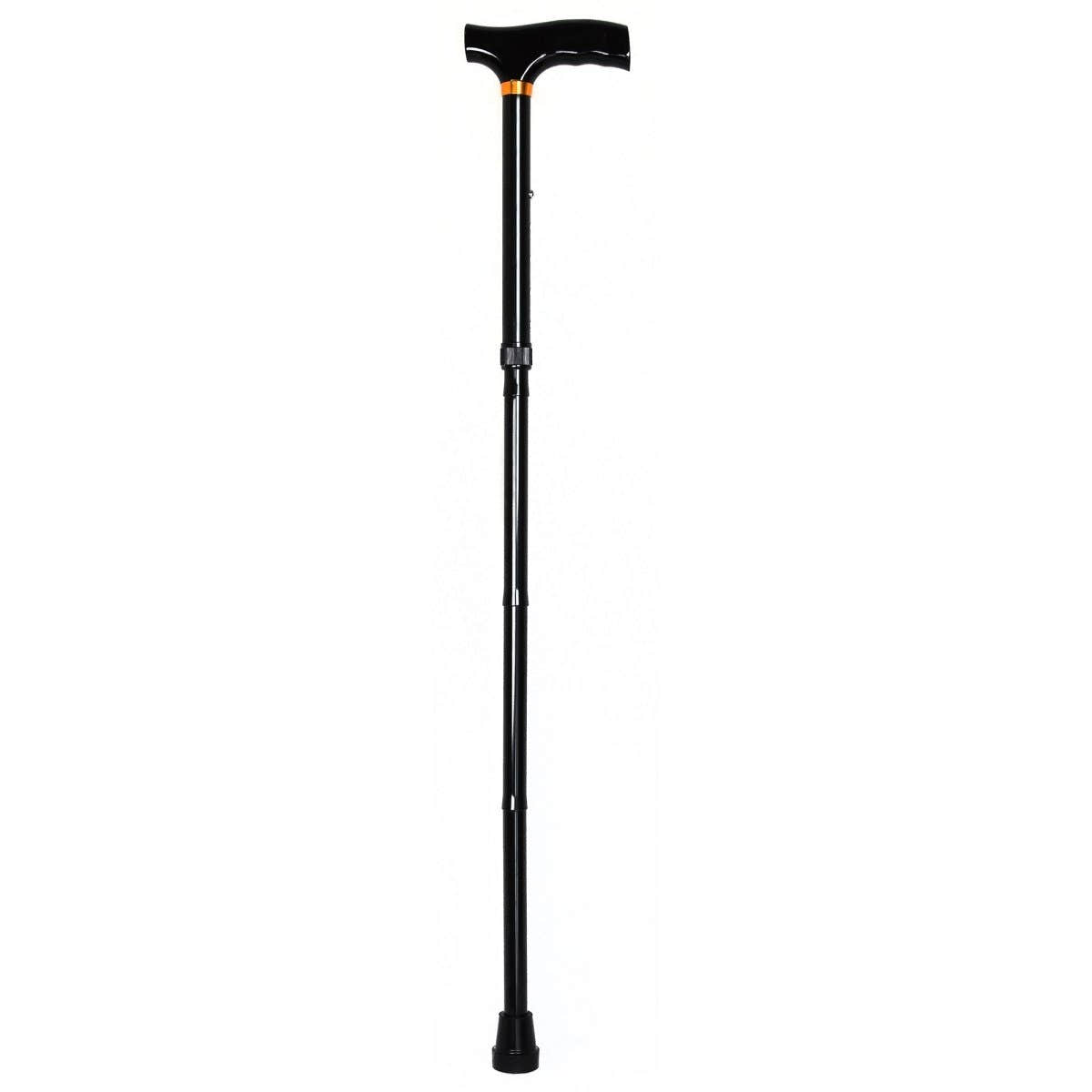
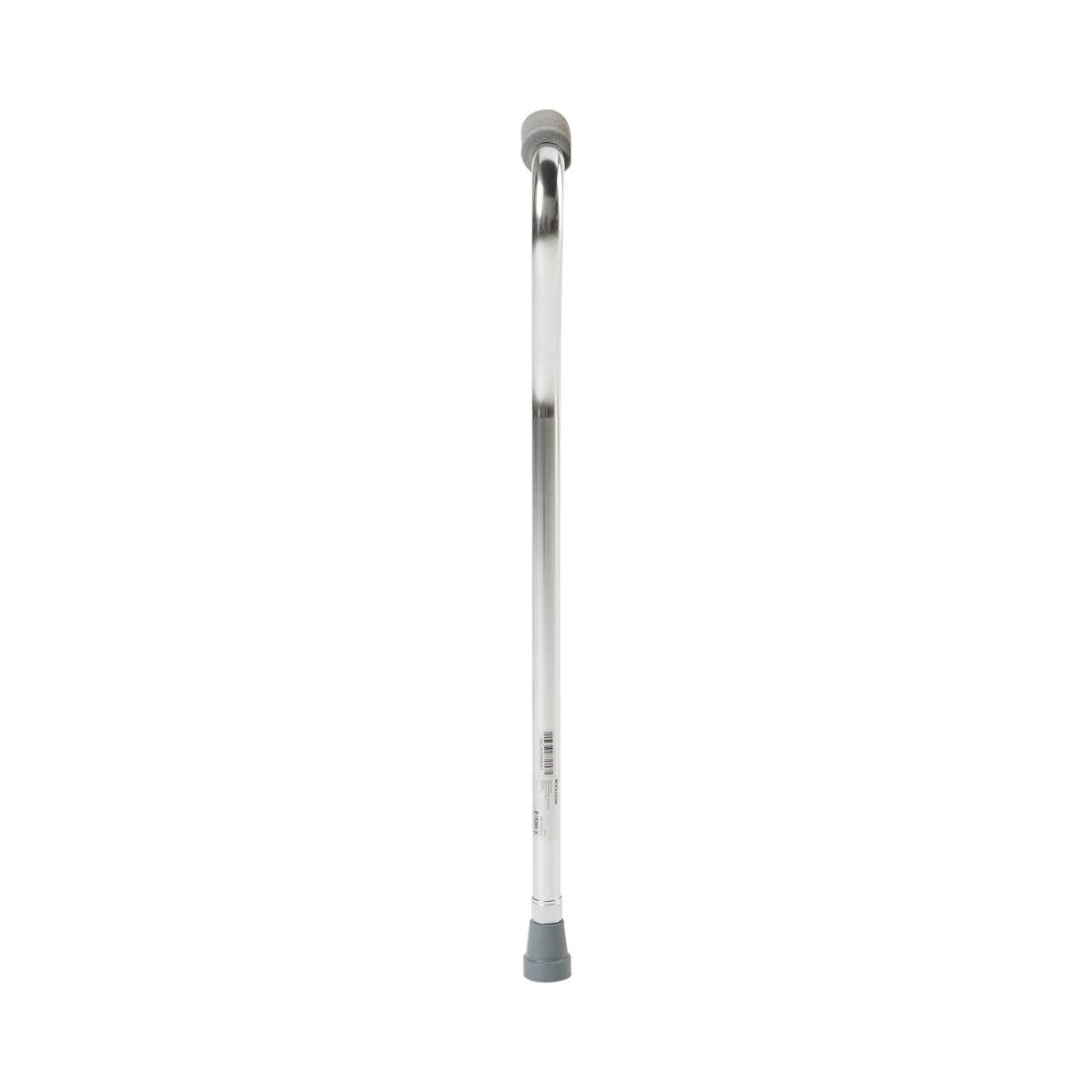
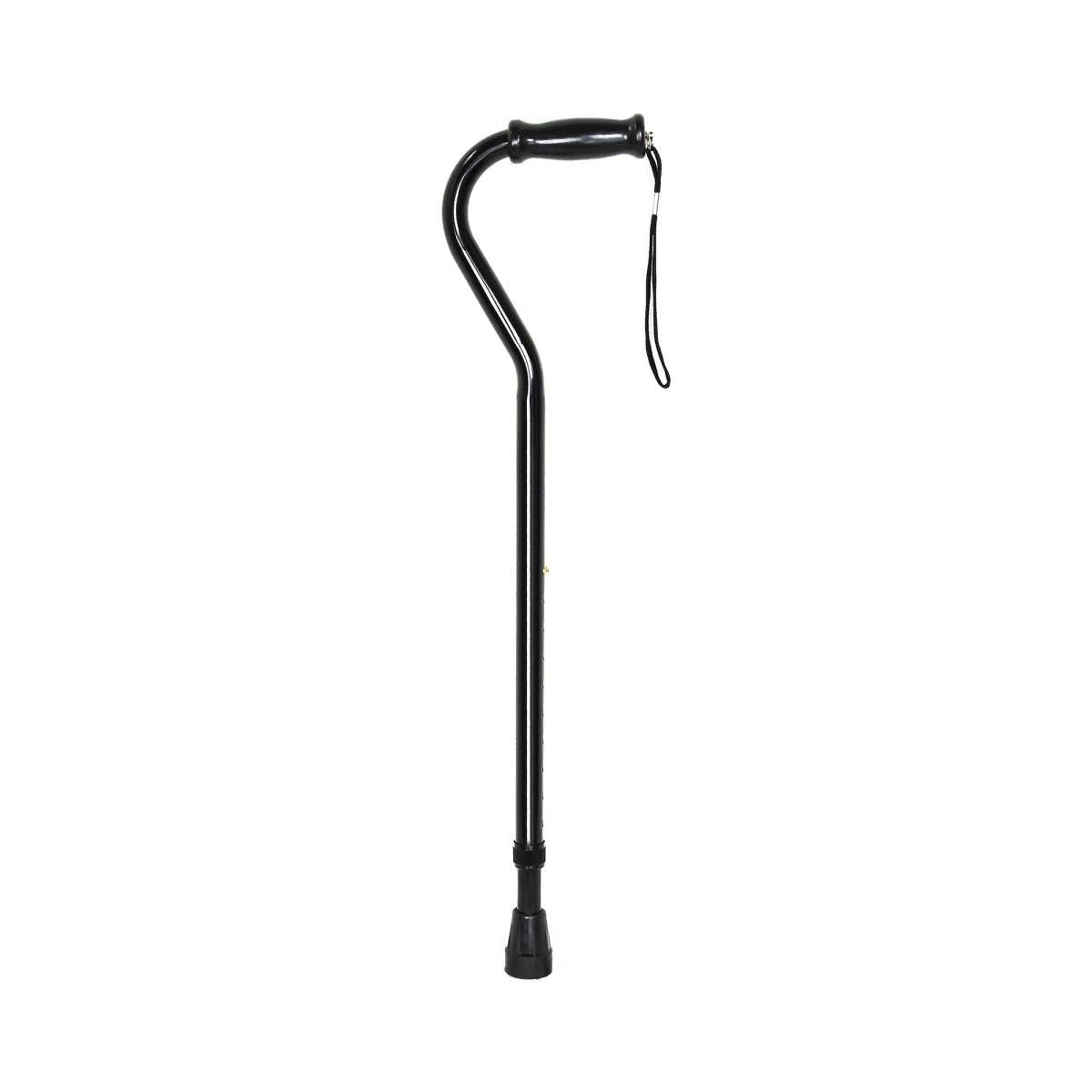
A cane can offer lighter support for someone who can walk but needs help with balance. Quad canes have a wider base than single-tip canes and may stand on their own, although they can be more cumbersome on stairs or uneven flooring. A therapist should confirm the proper cane height and which hand should hold it.
For longer distances or periods of low endurance, a wheelchair or transport chair may reduce fatigue and help make appointments, family outings, and home movement more manageable. Measure doorways, hallways, and bathroom entrances before selecting a chair. Seat width, footrest style, armrest height, and whether the user can propel the chair are all practical considerations.
Other mobility-related essentials may include gait belts for trained caregivers, non-slip footwear, and bed rails designed to assist with repositioning or transfers. Bed rails need careful selection and correct installation. They should not create an entrapment risk, especially for people with confusion, poor awareness, or significant movement limitations.
Transfer equipment for bed, chair, and toilet
Transfers are often one of the most challenging parts of home stroke care. Moving from a bed to a wheelchair or from a wheelchair to a toilet takes balance, strength, and timing. Equipment can reduce strain for both the recovering person and the caregiver.
A transfer board creates a bridge between two surfaces for a person who can sit upright but cannot safely stand for a full transfer. It is commonly used between a wheelchair and bed, chair, or car seat. Safe use depends on surface height, positioning, skin protection, and caregiver instruction.
A bedside commode can be useful when getting to the bathroom is difficult, especially overnight. Many models can also fit over a standard toilet as a raised toilet seat with arm support. A raised toilet seat can make standing easier because it reduces how far the person must lower or lift their body. Look for stable legs, secure attachments, and arms that suit the user’s transfer method.
A lift may be recommended for people who cannot bear enough weight to transfer safely. These devices require training, enough floor space, and a compatible sling. They are not a substitute for professional guidance, but they can be an important part of a safer long-term care routine.
Bathroom Safety Equipment After a Stroke
Bathrooms combine wet surfaces, tight spaces, and repeated transfers, making them a high-priority area for home safety. A few well-chosen items can support privacy and reduce the likelihood of a fall.
A shower chair or bath bench allows the user to sit while bathing. A shower chair works inside a walk-in shower, while a transfer bench extends over the tub wall and can be easier for a person who cannot step safely into a bathtub. A handheld shower head and long-handled sponge can further reduce reaching and standing time.
Grab bars offer reliable handholds near the toilet and in the shower or tub area. They should be installed securely into wall studs or with hardware rated for the intended surface and weight. Towel bars and suction-only accessories are not dependable substitutes for properly installed grab bars.
Non-slip bath mats can help outside the shower, but avoid loose rugs that can bunch up or slide. Keep frequently used toiletries within easy reach, and consider a shower caddy that does not require bending or twisting.
Daily living aids for one-handed tasks
A stroke can affect grip strength, coordination, or use of one side of the body. Adaptive daily living aids help a person continue participating in meals, dressing, grooming, and household routines with less assistance.
In the kitchen, weighted or built-up-handle utensils may be easier to hold than narrow handles. Rocker knives can allow cutting with one hand, while plate guards help keep food on the plate. Non-slip mats stabilize bowls, cutting boards, or containers. For people with swallowing concerns, food and drink consistency should follow recommendations from their speech-language pathologist or medical team.
For dressing, a dressing stick, sock aid, long-handled shoehorn, and reacher can reduce bending and make it easier to put on clothing with limited hand function. Elastic shoelaces or hook-and-loop closures may simplify footwear. Choose clothing that is comfortable, easy to manage, and appropriate for any braces or compression garments the person uses.
Grooming tools with enlarged handles can improve control. An electric toothbrush, easy-grip comb, or lightweight cup with handles may be useful depending on hand strength and sensation. Small changes are often more helpful than complicated devices, particularly early in recovery.
Positioning and Comfort Supplies
Stroke recovery can involve long periods of sitting or lying down, especially when fatigue is significant. Proper positioning supports comfort and may help protect skin, joints, and the affected side of the body.
Wheelchair cushions can improve pressure distribution and sitting comfort. The right cushion depends on how long the person sits, their ability to shift weight, skin condition, and posture needs. A cushion that is too soft or poorly fitted can make transfers harder, so fit matters as much as material.
Bed wedges and supportive pillows can help position the arm, leg, or trunk comfortably. For someone with shoulder weakness or pain, avoid pulling on the affected arm during transfers. A therapist can demonstrate supportive positioning based on the person’s movement and muscle tone.
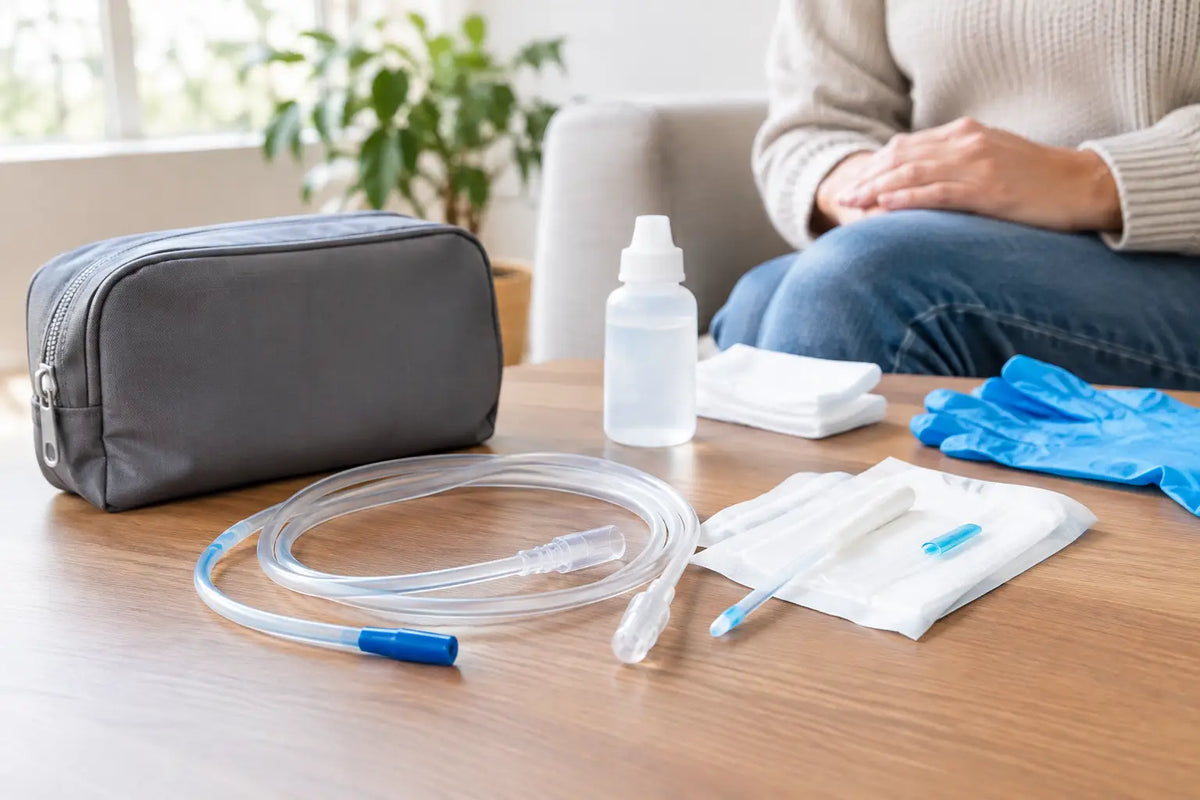
For people with reduced mobility or continence needs, absorbent underwear, underpads, cleansing wipes, and skin protectants can make personal care more manageable. These supplies support dignity and make it easier for caregivers to maintain a clean, comfortable routine without unnecessary laundry or frequent overnight disruptions.
How to Choose the Right Home Recovery Equipment
Start by looking at the actual routine. Where does the person struggle: getting out of bed, standing from the toilet, bathing, walking to meals, or managing clothing? The answer should guide the purchase. A product that works well in one home may not fit another home’s door widths, tub style, flooring, or caregiver availability.
Measure key spaces before ordering larger items. Note doorway widths, bed height, toilet height, tub edge height, and clear floor space beside the bed and toilet. For walkers and wheelchairs, confirm that there is room to turn and that pathways are free of cords, clutter, loose rugs, and low furniture.
It also helps to think about who will use the equipment. A caregiver may need a lightweight transport chair for outings, while the recovering person may need a stable walker for short indoor distances. If weakness, dizziness, pain, or confusion changes from day to day, choose the safer option and discuss those changes with the care team.
When Professional Guidance Matters Most
Some equipment is simple to add at home, such as a long-handled sponge or non-slip mat. Other items, including lifts, transfer boards, wheelchairs, braces, and certain walking aids, work best when selected and adjusted with professional input. Improper height, fit, or technique can increase the risk of falls, shoulder injury, skin damage, or caregiver strain.
Contact a healthcare provider promptly for new weakness, sudden confusion, chest pain, breathing trouble, a fall with injury, or stroke warning signs such as facial drooping, speech changes, or arm weakness. Home equipment supports recovery, but it does not replace medical evaluation or rehabilitation therapy.
The most useful setup is the one that helps a person do more of their everyday routine safely, comfortably, and with as much independence as possible. Begin with the highest-risk tasks, add equipment as needs become clear, and let the home adapt alongside recovery.