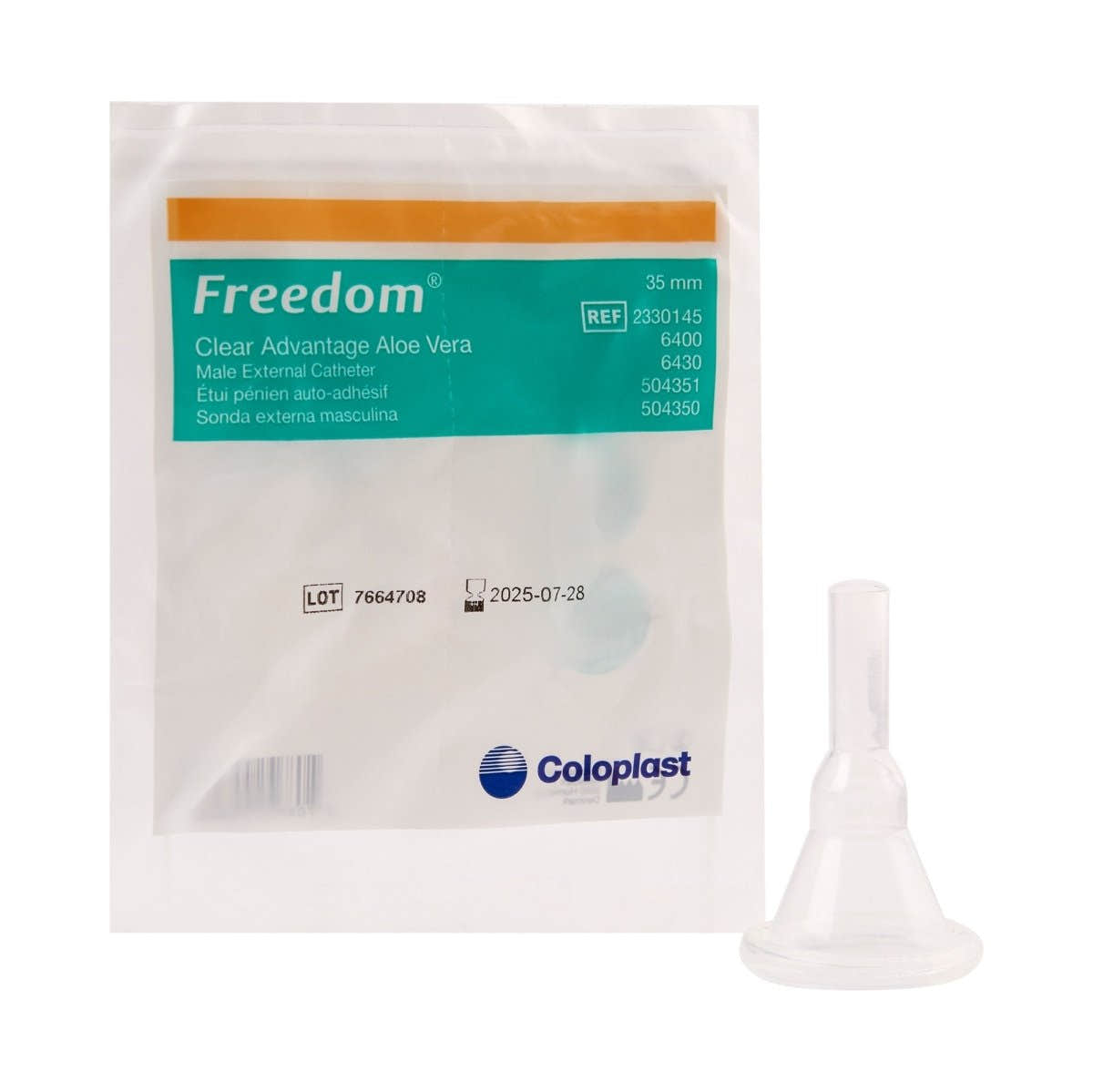
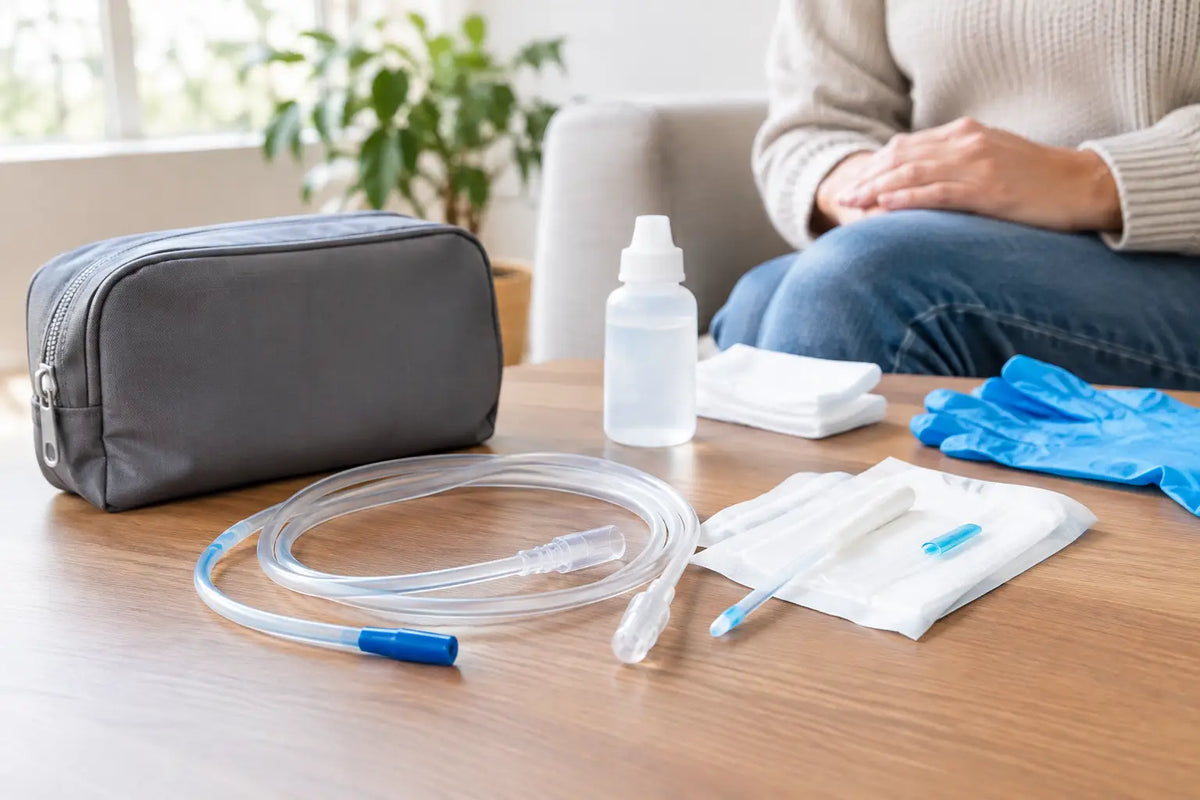
A catheter routine should feel as predictable as possible, especially when it is part of daily life at home. The best catheter kits are not simply the most feature-packed option. They are the kits that match the catheter type, size, care plan, mobility needs, and comfort preferences recommended by a healthcare professional.
For many people and caregivers, having the right supplies together can reduce last-minute searching and make catheterization more manageable outside a clinic. Whether you use intermittent catheters, indwelling Foley catheters, or a closed-system option, understanding what a kit includes can help you order with more confidence.
What Makes the Best Catheter Kits for Home Use?
A catheter kit groups commonly needed items for catheterization or catheter care into one package. Depending on the product, that may include a catheter, lubricant, cleansing materials, gloves, a drainage bag, or a collection container. The exact contents vary widely, so the word “kit” does not always mean the same thing from one product to another.
The right choice starts with the catheter prescribed or recommended for the user. Catheter type, French size, tip style, material, and whether lubrication is needed are all details that matter. If you have an established routine, the best kit is often one that supports that routine without adding unnecessary steps or leaving out essentials.
Convenience matters, but it should not replace clinical guidance. A compact closed system may be useful for travel, work, school, or outings where access to a clean restroom is limited. At home, a standard intermittent catheter and separately purchased care supplies may be more practical for some users. Neither approach is automatically better. The daily setting and individual care needs make the difference.
Start With the Type of Catheter You Use
Before comparing kit features, confirm the catheter category you need. This is the most useful way to narrow the selection.
Intermittent catheter kits
Intermittent catheterization involves inserting a catheter to empty the bladder and removing it afterward. These products are commonly used several times a day, depending on the care plan. Intermittent kits may include a single-use catheter along with lubricant, gloves, antiseptic wipes, and a collection bag or tray.
Some intermittent catheters are pre-lubricated or hydrophilic, meaning the surface is designed to become slick when activated with water or contained fluid. Others require separate lubricating jelly. A ready-to-use option can save time and may be easier to manage away from home, while a traditional catheter can offer familiar handling and a broader range of configurations.
Closed-system catheter kits
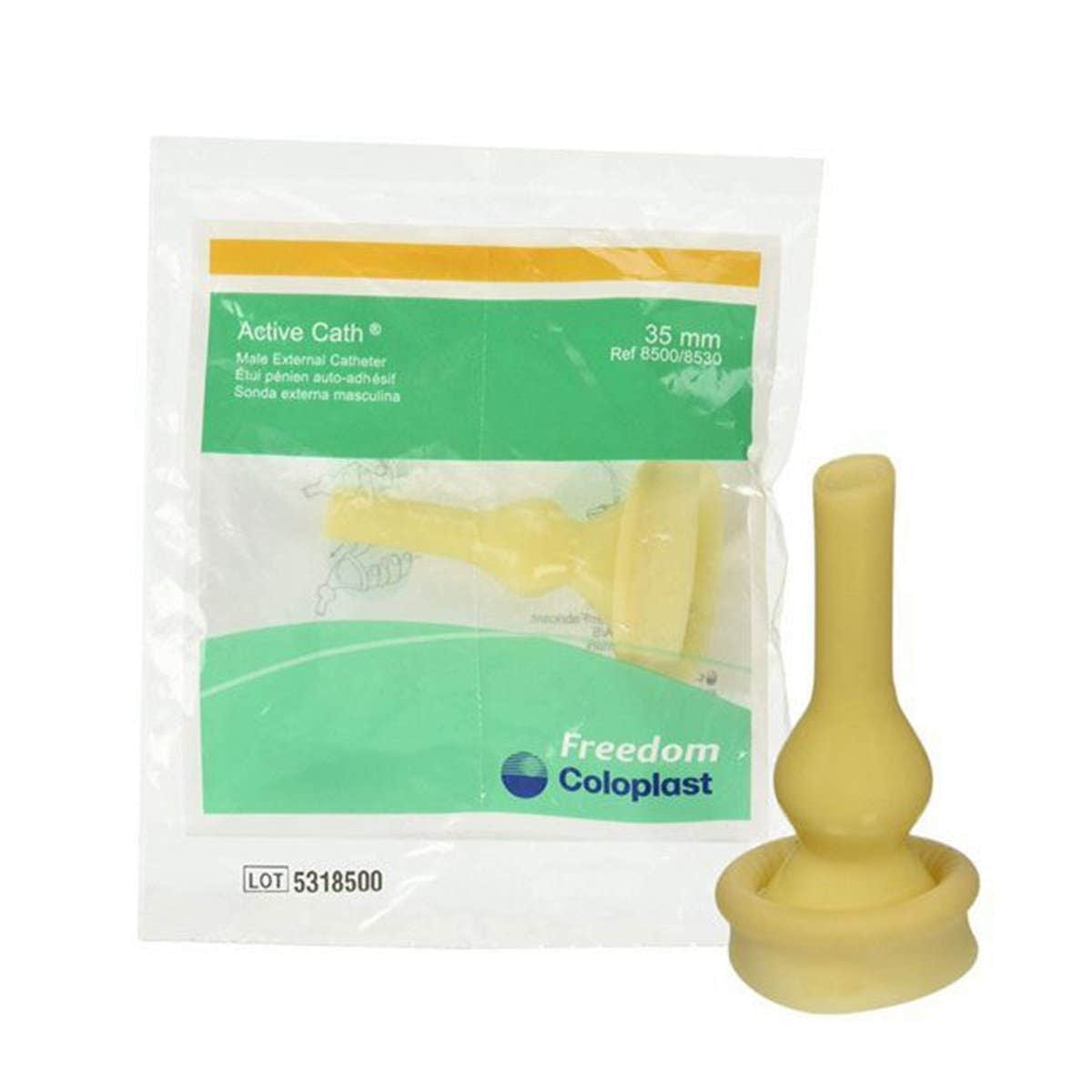
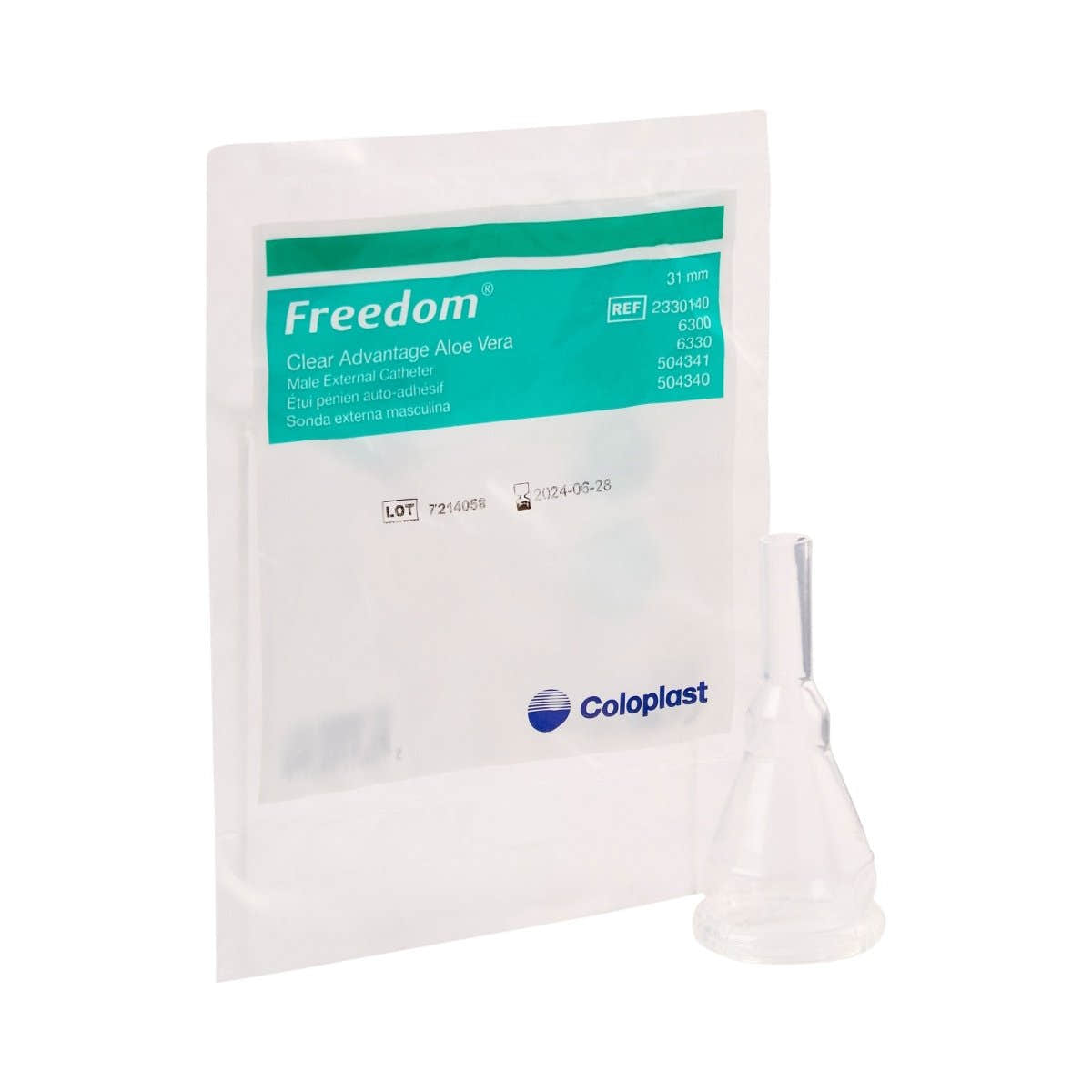
A closed-system catheter is generally enclosed within a protective sleeve and attached to a collection bag. Because the catheter does not need to be handled directly during insertion, this style can be a helpful choice when cleanliness, discretion, or limited access to a restroom is a concern.
Closed systems are often larger than basic catheter packages because of the attached bag. That trade-off can be worthwhile for commuting, travel, rehabilitation appointments, or other situations where emptying directly into a toilet is inconvenient. Check the bag capacity and whether the package includes accessories such as gloves, an introducer tip, or cleansing materials.
Foley catheter and drainage kits
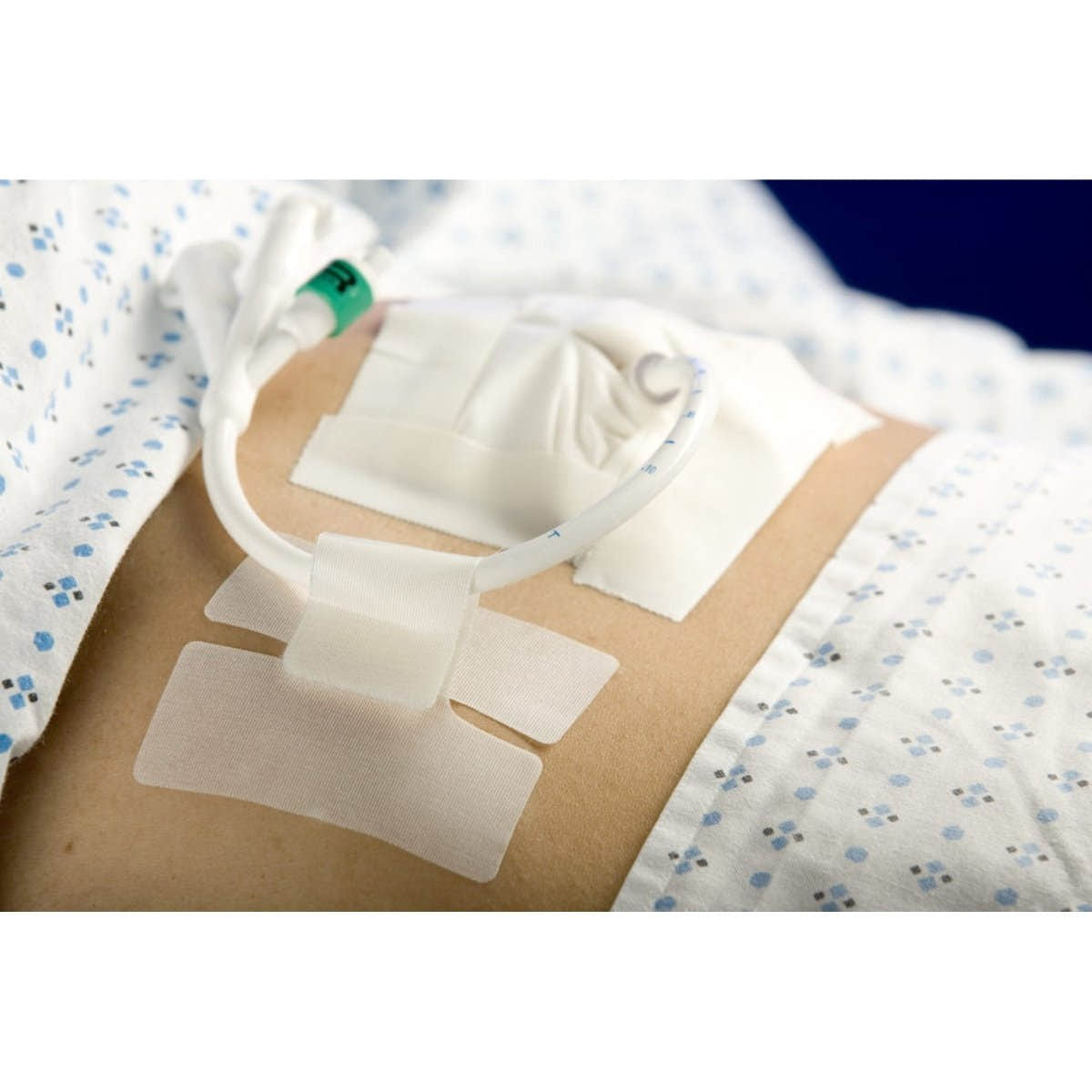
Foley catheters are indwelling catheters that remain in place and drain urine continuously into a bag. Insertion, replacement, and ongoing use should follow the direction of a qualified healthcare professional. Foley-related kits can include a catheter, insertion supplies, a drainage bag, securement items, or components for irrigation, depending on the intended use.
For home care, drainage bag selection is often just as important as the catheter itself. A larger bedside bag may suit nighttime use, while a smaller leg bag can offer more mobility during the day. Look for compatible tubing, secure connections, a drainage valve that is easy to operate, and straps or holders that fit comfortably.
Features That Can Make Daily Care Easier
Once you know the correct catheter type, compare the features that affect everyday use. Small details can have a meaningful impact when a product is used frequently.
The French size, commonly shown as Fr, refers to the catheter’s external diameter. Use only the size directed by the prescribing clinician. Choosing a larger or smaller size on your own can affect comfort and function. Tip style also matters. Straight-tip catheters are common, while coude-tip catheters have a curved tip that may be recommended for some users, particularly men with certain urinary conditions.
Material is another consideration. Uncoated, silicone, latex, and hydrophilic options can feel and perform differently. Latex sensitivity is especially important to discuss with a healthcare professional before ordering. If a user has had discomfort, difficulty inserting a catheter, leakage, or other issues with a particular product, it is wise to ask their clinician before changing materials or styles.
For kits intended for use outside the home, consider the full setup rather than the catheter alone. A discreet package, attached collection bag, protective sleeve, and included cleansing supplies can reduce the number of separate items to carry. At home, easier opening, clear labeling, and a reliable reordering routine may be more valuable than a travel-focused design.
Check What Is Actually Included
Product names can make two options sound similar even when their contents are quite different. Reading the item description and package details helps prevent an unwelcome surprise when supplies arrive.
A catheter kit may include some, but not all, of the following:
- A catheter in the specified size and tip style
- Lubricant or a pre-lubricated catheter surface
- Gloves, cleansing wipes, or antiseptic swabs
- A collection bag, tray, or disposal bag
- A drainage bag, tubing, or securement supplies
Comfort, Privacy, and Practical Fit
The best catheter kits support real life, not just a supply checklist. Someone with limited hand strength may prioritize easy-open packaging and simple connections. A caregiver assisting a family member may need a kit with clearly separated components and instructions that are easy to follow. A person who works outside the home may place the highest value on portability and discreet disposal.
Privacy is also a practical concern. Individually wrapped catheters can be easier to store in a purse, backpack, briefcase, or mobility bag. Closed-system kits can provide a self-contained option when a private restroom is not available. For nighttime Foley drainage, longer tubing and a stable bedside bag setup may help avoid unnecessary repositioning, but the bag should always be kept below bladder level as instructed by the care team.
Price deserves consideration, especially for recurring supplies. Compare the number of usable catheterizations or care sessions per package rather than looking only at the box price. A lower-cost option that requires separate lubricant, wipes, and collection supplies may not be the most economical choice once every item is included. At the same time, paying for features you do not use can add unnecessary cost.
When to Contact a Healthcare Professional
A new catheter product should not be used to solve a medical concern without guidance. Contact a healthcare professional promptly for pain during catheterization, inability to pass the catheter, unusual resistance, blood in the urine, fever, chills, new confusion, foul-smelling urine, leakage around an indwelling catheter, or reduced drainage. These symptoms can have different causes and need individualized advice.
Follow the instructions provided with the product and the care plan from your clinician. Good hand hygiene, clean storage, and using single-use items as directed are central to safer catheter care. If insurance coverage, a prescription, or product compatibility is a factor, confirm those details before placing a large order.
Make Reordering Part of the Care Routine
Running low on catheter supplies can create stress that is easy to avoid with a simple inventory habit. Keep unopened products in a clean, dry area, check package quantities regularly, and reorder before the final box is opened. It can also help to record the exact brand, product number, French size, tip type, and preferred kit configuration so a caregiver or family member can order the same item when needed.
CartHealth makes it easier to shop catheter supplies alongside other everyday home care needs, from incontinence products to mobility and personal care essentials. Choosing a familiar, clinician-approved kit and keeping it consistently on hand can make one part of home health care feel more prepared and less disruptive.